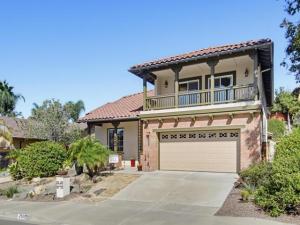
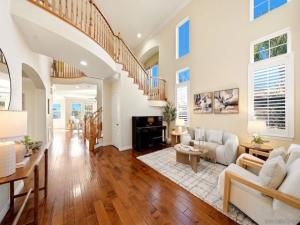
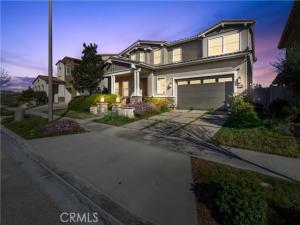
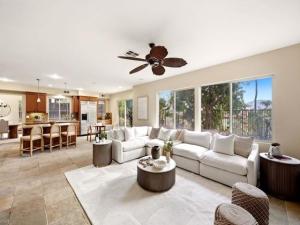
Chula Vista CA Homes for Sale
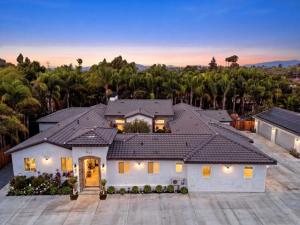
Most chula vista ca homes for sale fall into one of two markets, and knowing which one you’re shopping decides almost everything else. Western Chula Vista is the older established grid near the bay, closer to I-5 and downtown San Diego, roughly seven miles north. Eastern Chula Vista is where the master-planned villages sit: Otay Ranch, Eastlake, Rancho del Rey, Rolling Hills Ranch, San Miguel Ranch, and the newer HomeFed villages of Escaya and Côta Vera. That’s where most of the single-family inventory, newer construction, and higher price points are today.
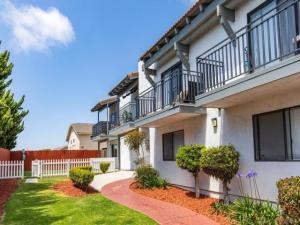
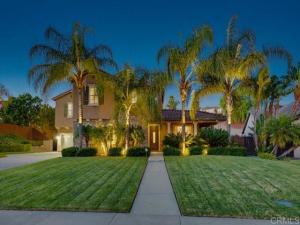
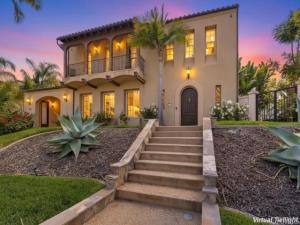
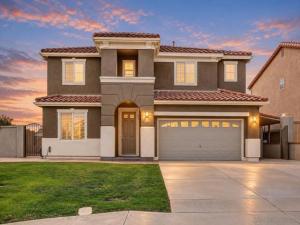
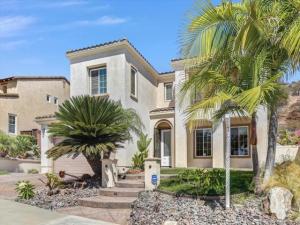
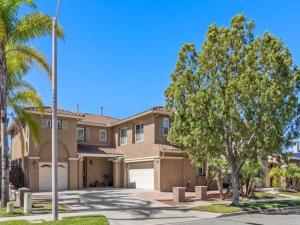
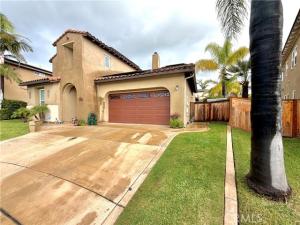
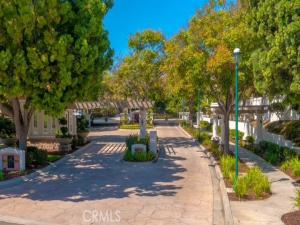
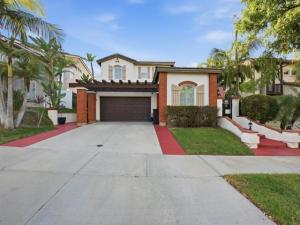
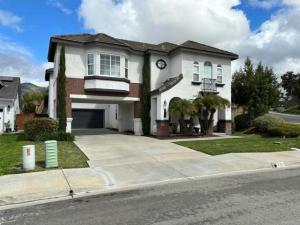
Housing stock ranges from older bay-side homes to contemporary single-family houses, townhomes, and condominiums built around walkable village centers. Vintage, special-tax profile, and commute vary community to community — Eastlake homes largely date to the 1990s and 2000s, while Otay Ranch is still under construction. Budget for SR-125 tolls if you’re buying east and driving north.
Browse the community pages below to see current listings by village, or contact The Knight Group to talk through which side of the city fits your budget, your commute, and your tax tolerance.
Where is Chula Vista and how do you get around it?
Chula Vista is bisected by Interstate 805, bordered on the west by Interstate 5, and cut through the eastern half by State Route 125, the South Bay Expressway. That last road matters to your budget: SR-125 is a tolled freeway, and it is the fastest connection between the eastern villages and the rest of the county. Buyers in Otay Ranch and Eastlake who commute north often factor the toll into their monthly housing math.
The trade-off is straightforward. The eastern villages give you newer homes and more space, but they sit farther from the I-5 corridor and downtown San Diego, and the quickest route out frequently runs through a toll. The older western neighborhoods are closer to the freeways and the bay but offer older housing stock. Neither is right or wrong. It depends on how often you drive north and what you are willing to pay to do it faster.
On the western edge, the 535-acre Chula Vista Bayfront redevelopment is under construction, a long-term project reshaping the waterfront with hotel, park, and residential components. It is worth watching if you are buying on the west side, because large public projects change surrounding values over time.
What are the master-planned villages in eastern Chula Vista?
Eastern Chula Vista is organized into named master-planned communities rather than a loose grid of neighborhoods. The best known include Otay Ranch, Eastlake, Rancho del Rey, Rolling Hills Ranch, San Miguel Ranch, and the newer HomeFed villages of Escaya and Côta Vera. Each was built as a planned unit with its own parks, schools, and commercial centers, and each carries its own homeowner and special-tax profile.
This structure is useful when you shop. Instead of comparing individual streets, you can compare whole villages by vintage, price tier, and amenity package. The four communities below are the ones The Knight Group tracks most closely for buyers moving into this part of the city.
What is Otay Ranch and who is it for?
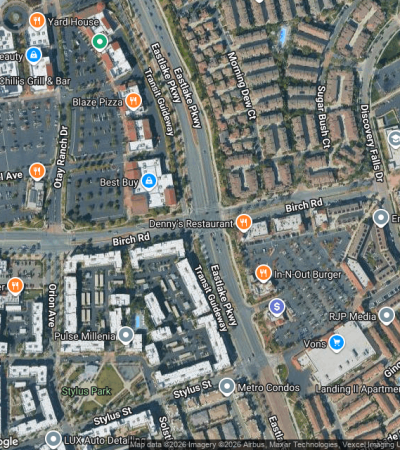
Otay Ranch is one of the largest master-planned developments in the country, a 22,899-acre plan in eastern Chula Vista built out village by village. It holds a mix of contemporary single-family homes, townhomes, and condominiums arranged around walkable village centers, and it remains under active construction, so newer inventory keeps entering the market.
On price, Homes.com reported a median sale price of $915,000 in Otay Ranch Village over the trailing 12 months as of that reading, up 3% from the prior 12-month period, with homes selling after about 30 days on market against a national average of 54. Treat those figures as a snapshot of one village and one source, not a fixed rule for every home in the area. Buyers come to Otay Ranch for modern construction and walkable design, and they accept newer-community special taxes as part of the deal.
See current inventory and the full community breakdown on the Otay Ranch real estate page.
What is Eastlake and how does it differ from Otay Ranch?
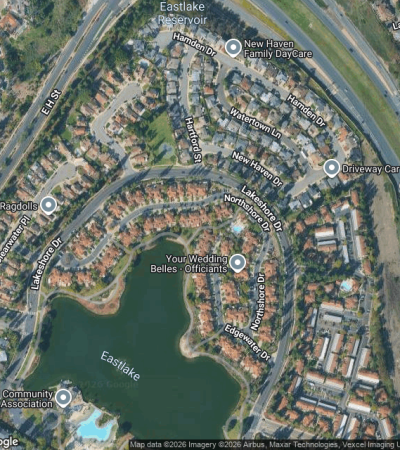
Eastlake is an older master-planned community than the newest Otay Ranch villages, with most of its housing stock built through the 1990s and 2000s. It is organized around three man-made lakes and includes distinct subdivisions such as Eastlake Trails, Eastlake Greens, Eastlake Woods, and Eastlake Vistas, plus golf and dining at the Eastlake Country Club.
Because Eastlake is more established, it reads differently to a buyer than a brand-new village. Landscaping is mature, the street layout is settled, and homes range from single-family houses to townhomes. On pricing, one reading put the Eastlake median home price at about $849,250 as of January 2026, though neighborhood medians move quickly and vary by source and by subdivision. Well-priced homes under roughly $950,000 tend to draw multiple offers, so a buyer in that band should be ready to move deliberately.
Review listings and subdivision detail on the Eastlake real estate page.
What is the Village of Escaya?
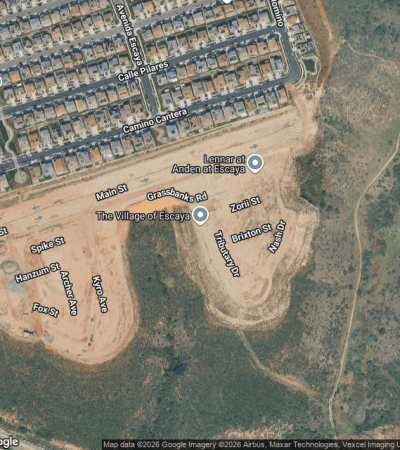
The Village of Escaya is a 450-acre community within Otay Ranch, developed by HomeFed as its first village there. It was designed as a walkable traditional village rather than a standard subdivision, with parks distributed throughout, pedestrian paths, a mixed-use village center, and a resident swim club. The build reached 948 homes, and HomeFed, which began selling in June 2017, has sold out its new construction, so purchases here now happen on the resale market.
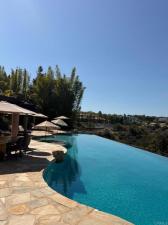
The amenity package is a genuine draw. Escaya centers on a roughly 30,000-square-foot town center, and its private Orchard Club pairs a recreational and lap pool combination, a separate children’s pool, and cabanas with a clubhouse, alongside the adjacent Harvest Wellness Center for fitness. A 7.5-acre neighborhood park and an elementary school site round out the plan. The village sits roughly 15 miles southeast of downtown San Diego.
Because the community is sold out from the builder, resale timing and access to these amenities are what a buyer is really evaluating. See what is available on the Village of Escaya real estate page.
What is Côta Vera and is it still being built?
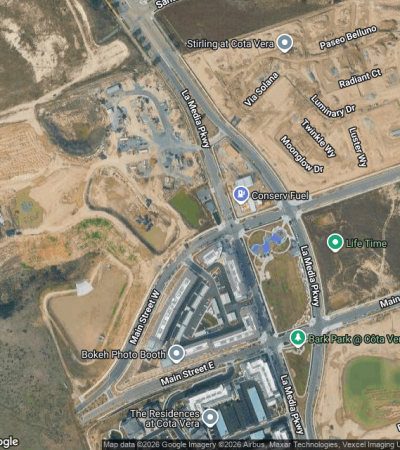
Côta Vera, also identified as Village 8, is the newest village in Otay Ranch and is very much still under construction. It sits roughly 18 miles southeast of downtown San Diego and about 14 miles from the nearest beach, and it is planned as two parts, a West Village and an East Village, with the west built first and the east in earlier planning.
The scale is large. Côta Vera is planned across 555 developable acres with a roughly even split of for-sale and for-lease housing, and its Phase 2 alone has been described as a $780 million development carrying 3,276 homes across townhomes, single-family homes, for-sale condos, and rental apartments. Builders active in the community have included Lennar, Shea Homes, and Cal West, and HomeFed opened its Luminary at Côta Vera rental building, 267 units, in 2025. The plan includes a future swim club, parks, a trail system, and a dedicated elementary school under the local elementary district.
Buying into an actively building community means weighing builder incentives, phase timing, and construction-period living against the appeal of a brand-new home. Current homes and floor plans are on the Côta Vera real estate page.
Which community should you choose?
Match the village to what you actually value. Choose Côta Vera if you want the newest construction and are comfortable buying inside an active build. Choose the Village of Escaya if you want a finished, walkable HomeFed village with a strong amenity package and are shopping resale. Choose Otay Ranch broadly if you want modern homes near walkable centers across a range of price points. Choose Eastlake if you prefer established streets, mature landscaping, and lake-oriented subdivisions over brand-new construction.
Every one of these sits in eastern Chula Vista, so all of them share the SR-125 commute question and, in most cases, special-tax exposure. The differences that will actually shape your daily life are vintage, amenities, and price band. That is the conversation worth having before you tour.
What schools serve Chula Vista?
Two districts cover the city. The Chula Vista Elementary School District handles kindergarten through sixth grade and is the largest K-6 district in California, operating 42 schools across 103 square miles between San Diego and the border, serving roughly 22,452 students. Secondary students attend the Sweetwater Union High School District, established in 1920, which serves more than 42,000 students across a set of high schools that includes Otay Ranch High School and Bonita Vista High School, and which also covers neighboring South Bay communities.
School assignment in a master-planned area can hinge on the specific village, and several of these communities were built with their own school sites. If a particular school is central to your decision, confirm the current attendance boundary for the exact address before you write an offer. The Knight Group can help you verify it.
What are Mello-Roos taxes in Chula Vista and how much are they?
This is the line item most buyers underestimate in eastern Chula Vista. Many of the newer master-planned communities carry Mello-Roos special taxes, levied through Community Facilities Districts under California’s Mello-Roos Community Facilities Act of 1982 to finance roads, parks, utilities, and public facilities in newly developed areas. These charges are separate from the standard 1% property tax and are not subject to Proposition 13’s cap.
Amounts vary widely by district and vintage. Reporting on the area has placed common newer-community Mello-Roos in roughly the $1,500 to $4,000 per year range, and older figures illustrate the spread: one 2011 accounting listed median annual Mello-Roos of about $970.64 in EastLake I, $1,146.02 in EastLake II, $3,487.82 in EastLake III, and $3,255.54 in Otay Ranch. Newer villages generally sit toward the higher end because their infrastructure was financed more recently.
The practical takeaway: a home’s list price does not tell you its true monthly cost here. Two similar houses in different districts can carry meaningfully different tax bills. Always pull the specific special-tax and any homeowner-association figures for the exact property, and fold them into your budget before you fall for the floor plan.
What is the buying process like in a master-planned Chula Vista village?
It has more moving parts than a resale in an older neighborhood. In an actively building community like Côta Vera, you may be negotiating with a builder’s sales office, weighing incentives, and choosing a phase and a lot rather than touring a finished house. In a sold-out village like Escaya, you are back on the resale market and competing on price and terms. In Eastlake and the established parts of Otay Ranch, you are largely in standard resale territory, but with the added tax and HOA due diligence that master-planned areas require.
Across all of them, the disciplined steps are the same: verify the special-tax and HOA figures for the exact address, confirm the school boundary if it matters to you, understand your commute and any toll cost, and price the home on its true monthly carry rather than its sticker. Skip those and the surprise shows up after closing.
How to Compare Costs Across Chula Vista Communities
Two homes with the same list price can carry very different monthly costs here, and that gap is the single biggest thing buyers underestimate when they start looking at Chula Vista real estate. The newer eastern villages were financed through special taxes and district assessments tied to the infrastructure that built them, and those charges sit on top of your mortgage, insurance, and any HOA dues. Older western neighborhoods generally carry a lighter assessment profile, but the housing stock is older, so repair and update budgets matter more.
Work the numbers as a total monthly figure rather than a purchase price. Add the special-tax line, the HOA dues for the specific village, and — if you commute north — the SR-125 toll you will actually pay. A slightly higher price in a community with lower carrying costs can beat a cheaper home east of the toll road. Ask for those figures on any home before you write an offer.
Frequently Asked Questions About chula vista Homes for Sale
Is Chula Vista a good place to buy a home?
It depends on your priorities. Chula Vista offers newer master-planned housing, strong amenity packages, and more space per dollar than much of coastal San Diego County, in the county’s second-largest city. The counterweights are Mello-Roos special taxes in many eastern villages and a longer, sometimes tolled commute into central San Diego. For buyers who value newer homes and planned amenities and who work in or near the South Bay, it lines up well.
Why are Chula Vista property taxes higher than the listed rate?
Many eastern communities carry Mello-Roos special taxes on top of the standard 1% ad valorem property tax. These fund the infrastructure of newer developments and are not capped by Proposition 13, so the total tax bill can run well above what the base rate implies. Always confirm the specific figure for a given address.
What is the difference between Otay Ranch and Eastlake?
Otay Ranch is the broader, newer master plan, still building out contemporary homes around walkable village centers. Eastlake is older, mostly built in the 1990s and 2000s, organized around three man-made lakes with mature landscaping and a country club. Otay Ranch skews newer construction; Eastlake skews established community.
Is Côta Vera finished?
No. Côta Vera is the newest Otay Ranch village and is under active construction, planned across a West Village and an East Village with phased delivery. Buyers there are typically working with builder sales offices and weighing phase timing rather than buying a finished, resale home.
Can you still buy a new home in the Village of Escaya?
Not from the builder. HomeFed began selling Escaya in June 2017 and has sold out its new construction of 948 homes. Purchases now happen on the resale market, so availability depends on what current owners list.
Is the SR-125 toll a big deal for Chula Vista commuters?
It can be. State Route 125, the South Bay Expressway, is the fastest route between the eastern villages and the rest of San Diego County, and it is tolled. If you commute north regularly, the toll is a recurring cost worth adding to your monthly housing budget alongside the mortgage and taxes.
Which school districts serve Chula Vista?
The Chula Vista Elementary School District covers kindergarten through sixth grade and is the largest K-6 district in California. Secondary students attend the Sweetwater Union High School District. Assignment can depend on the specific village and address, so confirm the boundary for any home you are serious about.
How competitive is the Chula Vista market?
Well-priced homes move. In Otay Ranch Village, Homes.com noted homes selling in about 30 days against a national average of 54 in its reading, and in Eastlake, homes priced under roughly $950,000 have tended to attract multiple offers. Conditions shift with rates and season, so treat these as recent signals rather than guarantees.
How does The Knight Group work in Chula Vista?
The Knight Group represents buyers and sellers across San Diego County’s South Bay, and in Chula Vista the work centers on the details that decide whether a purchase is sound. That means pulling the actual Mello-Roos and HOA figures for a property before you commit, comparing villages by vintage and true monthly carry rather than list price, verifying school boundaries, and weighing builder incentives in the communities still under construction.
The goal is a decision you can defend after closing, not just a home you liked on a Saturday tour. For sellers, the same discipline applies in reverse: pricing a home correctly against the right comparable subdivision, and presenting the tax and amenity picture honestly so qualified buyers do not walk after the disclosure package lands. Master-planned markets reward accuracy on both sides of the table.
Browse the community pages above for current listings in Otay Ranch, Eastlake, the Village of Escaya, and Côta Vera, then contact The Knight Group to map a specific address against your budget, your commute, and your tax tolerance.
What are Chula Vista CA Homes actually like to shop for?
- Chula Vista CA Homes divide into two distinct markets, and knowing which side you are shopping decides almost everything else about the search.
- Eastern Chula Vista holds the master-planned villages, including Otay Ranch, Eastlake, Rancho del Rey, Rolling Hills Ranch, and San Miguel Ranch.
- HomeFed villages of Escaya and Côta Vera represent the newer end of the eastern master-planned inventory in the city.
- Most single-family inventory, newer construction, and higher price points among Chula Vista CA Homes sit on the eastern side today.
- Housing stock ranges from older bay-side homes to contemporary single-family houses, townhomes, and condominiums built around walkable village centers.
- Vintage, special-tax profile, and commute vary community to community, so comparing villages matters more than comparing individual streets.
- Eastlake homes largely date to an earlier building era, while Otay Ranch remains under active construction with new inventory still arriving.
- Buyers in Otay Ranch and Eastlake who commute north often factor the toll directly into their monthly housing math.
- Older western neighborhoods sit closer to the freeways and the bay while offering older housing stock in exchange.
- Chula Vista Bayfront redevelopment is under construction on the western edge, reshaping the waterfront with hotel, park, and residential components.
What should buyers know about schools and taxes for Chula Vista CA Homes?
- Côta Vera, also identified as Village Eight, is the newest village in Otay Ranch and remains very much under construction.
- Côta Vera is planned as a West Village and an East Village, with the west built first and the east in earlier planning.
- Planned Côta Vera housing splits roughly evenly between for-sale and for-lease homes across townhomes, single-family houses, condos, and rental apartments.
- Amenities planned for Côta Vera include a future swim club, parks, a trail system, and a dedicated elementary school.
- Buying into an actively building community means weighing builder incentives, phase timing, and construction-period living against a brand-new home.
- Escaya suits buyers who want a finished, walkable HomeFed village with a strong amenity package and are shopping the resale market.
- Eastlake appeals to buyers who prefer established streets, mature landscaping, and lake-oriented subdivisions over brand-new construction.
- Chula Vista Elementary School District covers kindergarten through sixth grade and is the largest district of its kind in California.
- Sweetwater Union High School District serves secondary students and includes Otay Ranch High School and Bonita Vista High School.
- School assignment for Chula Vista CA Homes can hinge on the specific village, so confirm the attendance boundary before writing an offer.
- Mello-Roos special taxes fund roads, parks, utilities, and public facilities through Community Facilities Districts in newly developed areas.
- Mello-Roos charges on Chula Vista CA Homes sit separate from the standard property tax and escape Proposition Thirteen’s cap.
- List price alone does not reveal true monthly cost for Chula Vista CA Homes, since similar houses carry meaningfully different tax bills.
Are Chula Vista CA Homes a good buy?
- Chula Vista CA Homes offer newer master-planned housing, strong amenity packages, and more space per dollar than much of coastal San Diego County.
- Counterweights include Mello-Roos special taxes in many eastern villages and a longer, sometimes tolled commute into central San Diego.
- Buyers who value newer homes and planned amenities and who work in or near the South Bay tend to line up well here.
- Mello-Roos special taxes sit on top of the standard ad valorem property tax and are not capped by Proposition Thirteen.
- Total tax bills on Chula Vista CA Homes can run well above what the base rate implies, so confirm the figure for a given address.
- Otay Ranch is the broader, newer master plan, still building out contemporary homes around walkable village centers.
- Eastlake is organized around man-made lakes with mature landscaping and a country club, skewing toward established community over new construction.
- Côta Vera buyers typically work with builder sales offices and weigh phase timing rather than buying a finished resale home.
- Village of Escaya has sold out its builder inventory, so purchases now happen on the resale market as current owners list.
- Commuters heading north regularly should add the toll to the monthly housing budget alongside the mortgage and the taxes.
- Well-priced Chula Vista CA Homes move, though conditions shift with rates and season and should be treated as recent signals.
- Sound purchases here depend on pulling actual Mello-Roos and homeowner association figures, verifying school boundaries, and comparing true monthly carry.
- Sellers benefit from pricing against the right comparable subdivision and presenting the tax and amenity picture honestly to qualified buyers.