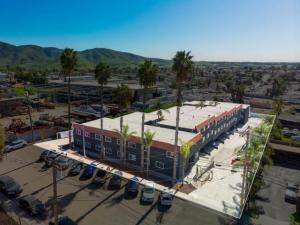
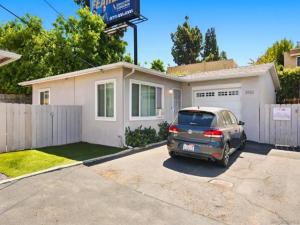
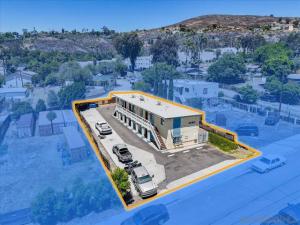
Homes for Sale in Spring Valley, CA
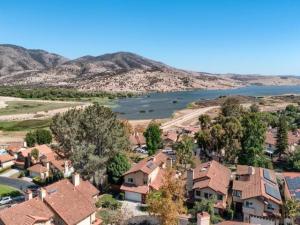
The homes for sale in spring valley sit inland in San Diego County’s East County, across roughly 7.4 square miles of rolling hills between La Mesa and the more rural stretches east. This is an unincorporated community of 30,998 residents as of the 2020 Census, and the reason buyers look here is straightforward: you trade coastal proximity for a larger lot and a detached house with a yard, at a price that would only buy a condo closer to the water. Central San Diego and El Cajon stay within a short drive.
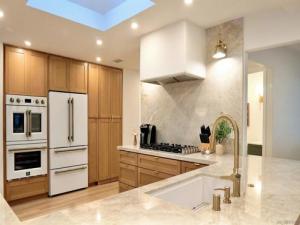
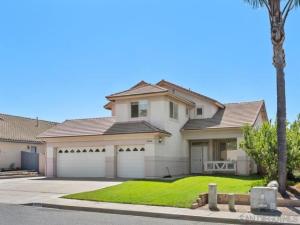
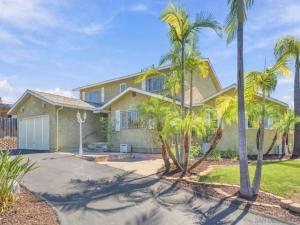
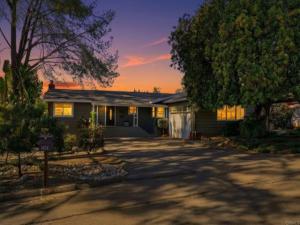
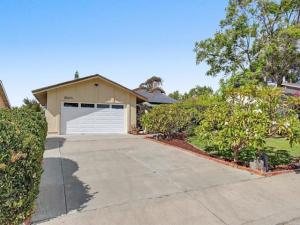
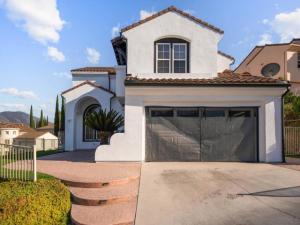
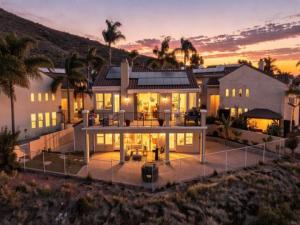
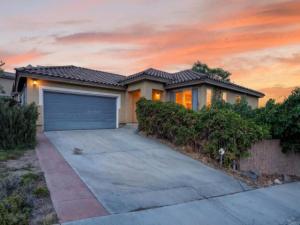
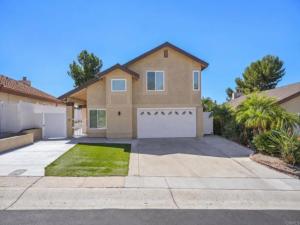
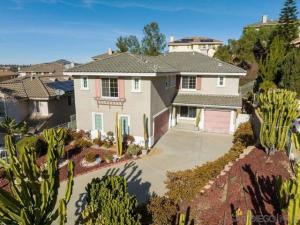
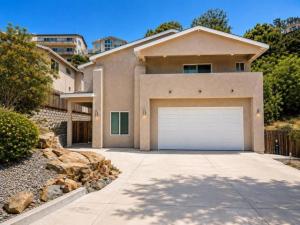
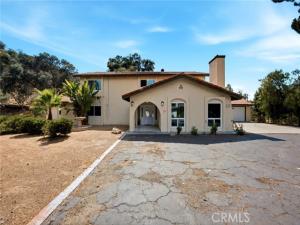
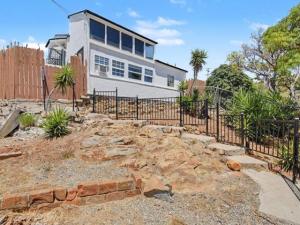
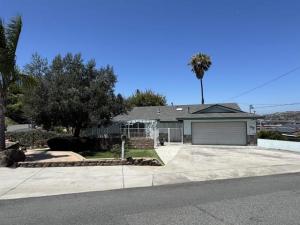
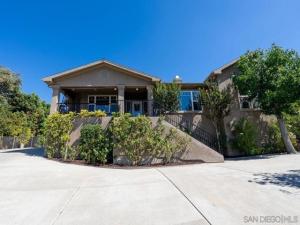
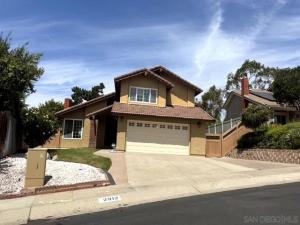
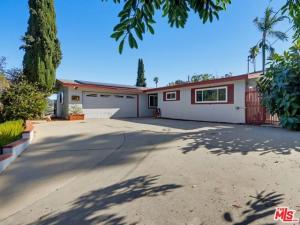
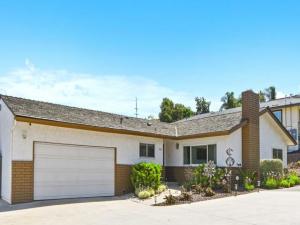
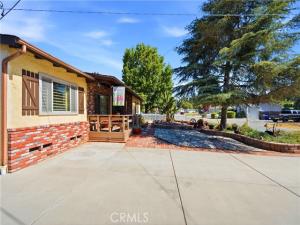
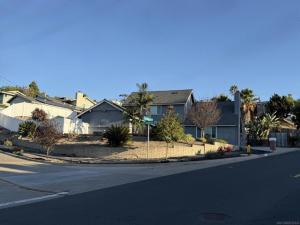
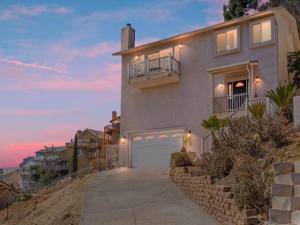
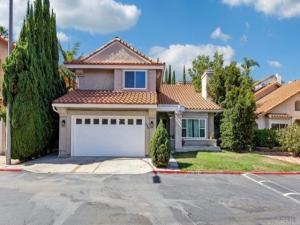
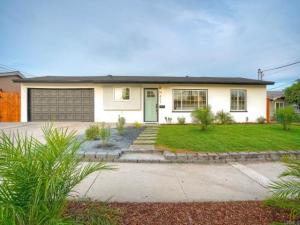
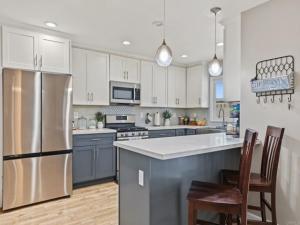
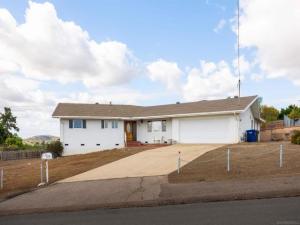
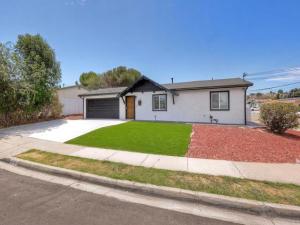
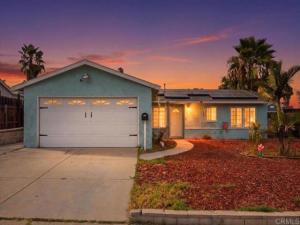
The market is predominantly single-family and detached, weighted toward mid-century ranch homes with newer subdivisions on the eastern edge near Rancho San Diego. Condition is what varies most. Some streets hold original homes untouched for decades; others, particularly the planned neighborhoods east, are move-in ready and priced accordingly. Two houses a mile apart can differ meaningfully in age and finish.
The listings below show what is currently available across Spring Valley and the areas filed under it. If you want to understand where a specific street or subdivision falls on price, condition, or commute, contact The Knight Group and we will walk you through it.
Where is Spring Valley located in San Diego County?
Spring Valley is part of East County, the inland zone of San Diego County that runs from La Mesa toward the mountains and the Mexican border region. The community covers roughly 7.4 square miles and sits at an elevation near 390 feet, according to census geography data.
It borders other well-known East County places directly. La Presa lies to the south, and the Casa de Oro-Mount Helix area sits to the north. Both of those communities have historically shared Spring Valley mailing addresses, which is one reason the boundaries feel porous to buyers driving through. The practical takeaway: when you search Spring Valley, you are often looking at a cluster of adjacent unincorporated communities that blend into one another rather than a single incorporated city with hard edges.
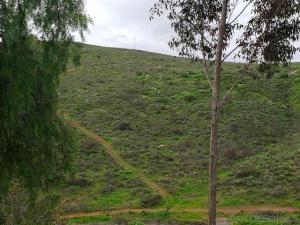
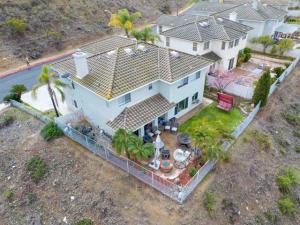
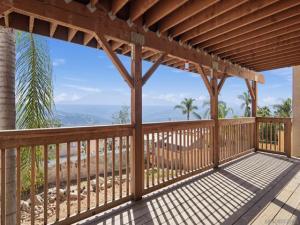
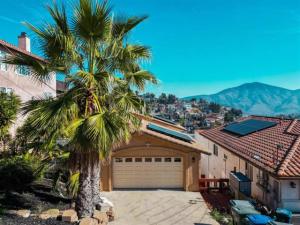
That inland position matters for the daily experience. You are away from the coastal marine layer, so summers run warmer and drier than they do in central San Diego. You are also closer to the open hills and canyons of East County, which shapes both the lifestyle and the risk profile buyers should understand before committing.
What does the Spring Valley housing market look like?
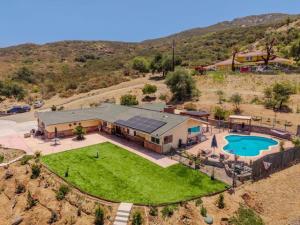
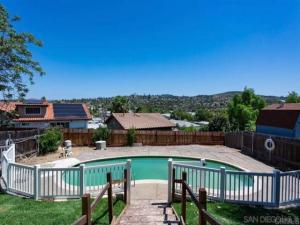
Spring Valley is predominantly a single-family, detached-home market. The housing stock leans toward mid-century and later construction, with a mix of original ranch-style homes and newer subdivisions on the eastern edges near Rancho San Diego. Lot sizes are generally more generous than what you find in the denser parts of central San Diego, which is a large part of the appeal.
On price, Spring Valley sits in the more attainable tier of the San Diego County market. It is not a coastal luxury enclave, and it does not price like one. For buyers, that means a detached house with a yard is realistically within reach at price points that would only buy a condo or a small attached unit closer to the beach. The trade-off is location: you are inland, and you accept a longer drive to the coast in exchange for the space and the number.
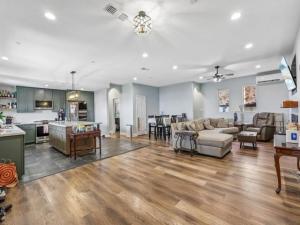
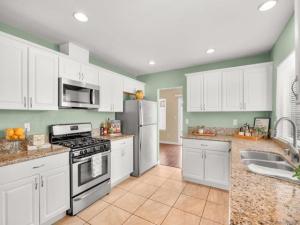
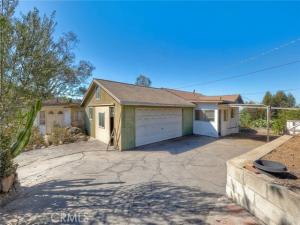
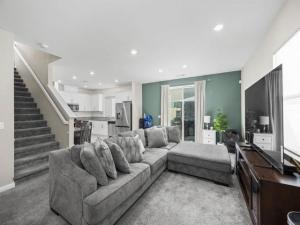
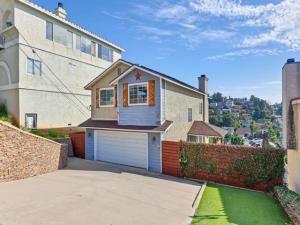
Condition varies widely street to street. Some pockets hold original homes that have not been updated in decades, which can be an opportunity for a buyer willing to renovate. Other pockets, especially the newer subdivisions to the east, offer move-in-ready homes at a premium. Because the community blends several sub-areas, two homes a mile apart can differ meaningfully in age, finish, and value. This is a market where local, street-level knowledge changes the outcome.
Which communities and areas make up Spring Valley?
Spring Valley functions as a hub for several adjacent East County areas, and the most significant of these for buyers is Rancho San Diego. You can explore that area directly here: Rancho San Diego real estate in Spring Valley, CA.
Rancho San Diego is its own census-designated place bordering the eastern side of the Spring Valley area, and it represents a distinctly different housing character from the older core of Spring Valley. Where central Spring Valley is largely mid-century, Rancho San Diego was developed as planned subdivisions beginning in the 1970s, so the housing tends to be newer, more uniform, and organized around master-planned open space. If you are comparing the two, think of Spring Valley proper as the older, more varied, generally more affordable option, and Rancho San Diego as the newer, more planned, generally higher-priced neighbor. The link above is the place to start if the newer, subdivision-style East County home is what you are after.
What is Rancho San Diego like?
Rancho San Diego is a residential community on the eastern edge of the Spring Valley area, and per the 2020 U.S. Census it had 21,858 residents, up from 21,208 in 2010 and 20,155 in 2000. It covers about 8.7 square miles, all land, with a warm-summer Mediterranean climate typical of inland San Diego County.
The defining fact for buyers is how it was built. Rancho San Diego was developed as subdivisions starting in the 1970s, and a County Service Area was established in 1970 specifically to maintain landscape and open space. That history shows up on the ground as organized neighborhoods, maintained common areas, and a more planned feel than the older, incrementally built parts of Spring Valley. Buyers who want a newer home in a maintained, subdivision setting, while staying in the same general East County price and lifestyle band, gravitate here. Browse it through the Rancho San Diego real estate page and contact The Knight Group when you want to compare specific subdivisions.
What schools serve Spring Valley?
Spring Valley is served by two districts. Elementary and middle school students attend schools in the La Mesa-Spring Valley School District, and high school students fall under the Grossmont Union High School District. This split-district structure is common in unincorporated San Diego County, and it means the district that runs your child’s elementary school is not the same one that runs the high school.
On the Rancho San Diego side, the district structure differs. Rancho San Diego is served by the Cajon Valley Union School District along with the Grossmont Union High School District, and its area high schools include Steele Canyon High School and Valhalla High School. The presence of Cuyamaca College and Kumeyaay Community College nearby also gives East County families a local higher-education option.
Because school assignment depends on the specific address and can differ between two nearby homes, verify the exact attendance boundaries for any property before you make an offer. School boundaries are one of the details we confirm for buyers as part of evaluating a home, not a detail to assume from the general community name.
How do you get around from Spring Valley?
Spring Valley’s appeal rests heavily on its position. It is inland East County, but it is not remote. Central San Diego, La Mesa, and El Cajon are all within a reasonable drive, which is what makes the area work for people who commute toward the city but want more house for the money. The community’s road network connects it to the broader East County grid and the regional freeway system that ties East County to downtown San Diego.
The honest trade-off is the coast. If your daily life or work is oriented toward the beaches or the northern coastal cities, Spring Valley is a longer haul than a central or coastal address, and inland traffic during peak hours is real. Buyers who value coastal proximity above all else should weigh that. Buyers whose lives orient toward central and East San Diego generally find the location efficient. Drive the commute you actually care about at the hour you would actually make it before you decide. We encourage every buyer to do this, and we will map it out with you.
What is the history of Spring Valley?
The area was originally inhabited by the Kumeyaay people, who knew it by the names Neti or Meti. In 1863, Judge A.S. Ensworth filed a 160-acre ranch claim on the land, and that property later passed to the historian Hubert Howe Bancroft. An adobe structure surviving from this era has been designated a National Historic Landmark, and it remains one of the community’s genuine historical anchors.
That layered history, from the Kumeyaay through the ranching era into the mid-century residential build-out and the 1970s subdivisions to the east, explains why the housing feels so varied. Spring Valley did not go up all at once from a single master plan. It accumulated over generations, and the result is a community where an old ranch-era parcel, a 1960s tract home, and a 1980s subdivision can all sit within a few miles of one another.
What is the lifestyle like in Spring Valley?
Spring Valley is a settled, residential, family-oriented community rather than a nightlife or destination district. The draw is domestic: detached homes, usable yards, a warmer inland climate, and access to the open hills and canyons of East County. People who choose Spring Valley are generally choosing a house-and-yard life at an attainable price over walkable urban density or coastal glamour.
The inland setting brings warm, dry summers, since Spring Valley sits away from the coastal marine layer that keeps central San Diego mild. For some buyers that heat is a negative; for others, the reliable sun and the extra space are exactly the point. The nearby open space and canyon terrain also give the area an outdoor, semi-rural texture at its edges, which distinguishes it from the flatter, denser inner suburbs.
This is a place to weigh honestly against your priorities. If you want to walk to restaurants and be minutes from the water, Spring Valley is not that. If you want a real house, a yard, sunshine, and a price that leaves room in the budget, it delivers on its own terms.
What should buyers know about risk and cost in Spring Valley?
Two categories deserve real attention in inland East County: wildfire exposure and community-specific costs. San Diego County’s inland hills and canyons carry meaningful wildfire risk, and homes near open space, canyon edges, or wildland interfaces can face higher fire-hazard designations that affect insurance availability and premiums. This is not a reason to avoid the area, but it is a reason to check the specific fire-hazard designation and get an insurance quote in writing on any particular home before you are committed. Insurance cost in inland California is a live issue, and it varies parcel by parcel.
The second category is community and subdivision costs. Newer planned areas, particularly on the Rancho San Diego side, may carry homeowners association dues, and some subdivisions in the region carry special assessments or maintenance-district charges tied to how they were developed. We do not quote a dollar figure here because these amounts are property-specific and change; the correct move is to confirm the exact dues, assessments, and any special-district charges on the individual home in writing during escrow. We pull and review these documents for our buyers as a standard part of due diligence rather than treating them as a surprise at closing.
Who is Spring Valley a good fit for?
Spring Valley fits buyers who want a detached single-family home with a yard at an East County price and who are comfortable being inland rather than coastal. It works well for families drawn to the space and the school options, for buyers priced out of central and coastal San Diego who still need to reach the city, and for renovation-minded buyers willing to take an older home and improve it. The newer, subdivision-oriented buyer is generally better served on the Rancho San Diego side.
It is a weaker fit for buyers who prioritize walkability, coastal proximity, or an urban lifestyle, and for buyers unwilling to underwrite inland wildfire and insurance considerations. Naming that trade-off up front is how you avoid buying into the wrong location. If the inland, house-and-yard profile matches what you actually want, Spring Valley is one of the strongest value propositions in the county.
What Should Buyers Weigh Before Choosing Spring Valley?
The first decision is renovation tolerance. Because the housing stock ranges from untouched mid-century ranches to finished homes in the eastern subdivisions, two properties with similar square footage can sit at very different points on the work-required scale. A buyer with cash left over after the down payment, or a contractor relationship, can use an older property to buy more lot and more house than a turnkey listing allows. A buyer who needs to move in and be done should focus east, and budget for the premium that condition carries.
The second is geography. This is inland East County, so the marine layer is gone, summers run hot, and the open hills and canyons nearby carry a risk profile worth discussing with an insurer before you write an offer. Weigh that against the commute you actually drive. Spring Valley real estate rewards buyers who compare specific streets rather than the community as a whole.
Frequently Asked Questions About spring valley Homes for Sale
Is Spring Valley part of the city of San Diego?
No. Spring Valley is an unincorporated community in the East County region of San Diego County, not part of the incorporated city of San Diego. It is governed at the county level rather than by its own city government.
What ZIP codes cover Spring Valley?
The primary ZIP codes are 91977 and 91978, with 91976 and 91979 also associated with the area. Because adjacent communities like La Presa and Casa de Oro have historically shared Spring Valley addresses, confirm the exact address and jurisdiction on any specific property.
How is Spring Valley different from Rancho San Diego?
Spring Valley proper is older and more varied, with a lot of mid-century housing and generally more attainable prices. Rancho San Diego, on the eastern edge, was developed as planned subdivisions beginning in the 1970s, so it tends to offer newer, more uniform homes in maintained settings at a higher price point. You can explore the newer option through the Rancho San Diego real estate page.
What schools serve the area?
In Spring Valley, elementary and middle grades fall under the La Mesa-Spring Valley School District and high schools under the Grossmont Union High School District. Rancho San Diego is served by the Cajon Valley Union School District and Grossmont Union High School District, with Steele Canyon High School and Valhalla High School among its high schools. Verify exact attendance boundaries by address before you buy.
Is wildfire a concern in Spring Valley?
It can be. Inland East County includes hills and canyons with real wildfire exposure, and fire-hazard designations vary property by property, which affects insurance. Check the specific designation and get an insurance quote in writing on any home before committing.
Are there HOA dues or special assessments?
It depends on the neighborhood. Older Spring Valley homes often have none, while newer planned areas, especially around Rancho San Diego, may carry HOA dues or maintenance-district charges. Because these are property-specific, confirm the exact figures in writing during escrow rather than assuming.
Why do buyers choose Spring Valley over coastal San Diego?
Price and space. Spring Valley lets buyers own a detached home with a yard at a cost well below comparable coastal square footage. The trade-off is an inland location and a longer drive to the beaches.
Is Spring Valley a good place to buy a fixer-upper?
It can be. Parts of Spring Valley hold older homes that have not been updated in decades, which can create opportunity for a buyer willing to renovate. Condition varies significantly by street, so a property-level assessment matters.
How does The Knight Group work in Spring Valley?
The Knight Group treats Spring Valley as what it is: a value-driven East County market where street-level detail decides whether a given home is a good buy. We do not send buyers a list of links and step back. We map the commute you actually care about, confirm the school boundaries for the specific address, pull the fire-hazard designation and the insurance picture, and review any HOA or special-district documents before you are locked in.
Start with the listings below to see what is on the market across Spring Valley and Rancho San Diego. When a property or an area stands out, contact The Knight Group and we will give you the honest read on price, condition, risk, and fit, including the trade-offs, so the decision you make is the right one for your priorities.
What are homes for sale in Spring Valley like?
- Homes for sale in Spring Valley sit inland in San Diego County’s East County, across rolling hills between La Mesa and the more rural stretches east.
- Spring Valley is an unincorporated community rather than an incorporated city with hard edges, which is why its boundaries feel porous to buyers driving through.
- Buyers trade coastal proximity for a larger lot and a detached house with a yard at a price that would only buy a condo closer to the water.
- Central San Diego and El Cajon stay within a short drive, which keeps the inland position practical for people working toward the city.
- Homes for sale in Spring Valley are predominantly single-family and detached, weighted toward mid-century ranch homes with newer subdivisions on the eastern edge.
- Condition is what varies most here, with some streets holding original homes untouched for decades and other pockets offering move-in-ready finishes.
- Two houses a mile apart can differ meaningfully in age, finish, and value, which makes street-level knowledge decisive.
- East County is the inland zone of San Diego County running from La Mesa toward the mountains and the Mexican border region.
- La Presa lies to the south of Spring Valley, and the Casa de Oro-Mount Helix area sits directly to the north.
- Adjacent unincorporated communities have historically shared Spring Valley mailing addresses, so a search often returns a cluster of blended areas.
- Summers run warmer and drier than in central San Diego because the inland position sits away from the coastal marine layer.
- Open hills and canyons of East County sit close by, shaping both the lifestyle and the risk profile buyers should understand before committing.
- Lot sizes are generally more generous than what buyers find in the denser parts of central San Diego, which drives much of the appeal.
- Rancho San Diego is its own census-designated place bordering the eastern side and represents a distinctly different housing character.
- The Knight Group walks buyers through where a specific street or subdivision falls on price, condition, and commute.
What is it like to live in homes for sale in Spring Valley?
- Spring Valley is inland East County but not remote, with central San Diego, La Mesa, and El Cajon all within a reasonable drive.
- Commuters who work toward the city but want more house for the money are the buyers this location tends to serve best.
- Road networks connect the community to the broader East County grid and the regional freeway system tying East County to downtown San Diego.
- The coast is the honest trade-off, since beaches and northern coastal cities are a longer haul from an inland address.
- Inland traffic during peak hours is real, and buyers who prize coastal proximity above all else should weigh that carefully.
- Driving the commute you actually care about at the hour you would actually make it is the recommended step before deciding.
- Kumeyaay people originally inhabited the area and knew it by the names Neti or Meti.
- Judge A.S. Ensworth filed a ranch claim on the land, and the property later passed to the historian Hubert Howe Bancroft.
- An adobe structure surviving from the ranching era carries a National Historic Landmark designation and remains a genuine historical anchor.
- Homes for sale in Spring Valley feel varied because the community accumulated over generations rather than going up from a single master plan.
- An old ranch-era parcel, a tract home, and a later subdivision can all sit within a few miles of one another.
- Spring Valley reads as a settled, residential, family-oriented community rather than a nightlife or destination district.
- Detached homes, usable yards, a warmer inland climate, and access to open hills and canyons form the core draw.
- Wildfire exposure deserves real attention, since homes near open space or canyon edges can face higher fire-hazard designations affecting insurance.
- Homes for sale in Spring Valley on the newer Rancho San Diego side may carry homeowners association dues or maintenance-district charges worth confirming.
What should buyers know before choosing homes for sale in Spring Valley?
- Spring Valley is an unincorporated community in the East County region of San Diego County, not part of the incorporated city of San Diego.
- County government rather than a city government of its own oversees the community, which shapes how jurisdiction questions get answered.
- Adjacent communities like La Presa and Casa de Oro have historically shared Spring Valley addresses, so confirm the exact address and jurisdiction.
- Spring Valley proper is older and more varied, with a lot of mid-century housing and generally more attainable prices.
- Rancho San Diego on the eastern edge was developed as planned subdivisions, offering newer, more uniform homes at a higher price point.
- Elementary and middle grades fall under the La Mesa-Spring Valley School District and high schools under the Grossmont Union High School District.
- Cajon Valley Union School District and Grossmont Union High School District serve Rancho San Diego, including Steele Canyon and Valhalla high schools.
- Exact attendance boundaries should be verified by address before buying, since district lines do not follow community names neatly.
- Wildfire can be a concern because inland East County includes hills and canyons with real exposure that varies property by property.
- Insurance quotes in writing on any specific home are the correct step before committing, given how fire-hazard designations differ.
- Older homes for sale in Spring Valley often carry no HOA dues, while newer planned areas may carry dues or maintenance-district charges.
- Price and space are why buyers choose homes for sale in Spring Valley over coastal San Diego, accepting a longer drive to the beaches.
- Fixer-upper opportunity exists on streets holding older homes that have not been updated in decades, though condition varies significantly block to block.
- The Knight Group maps the commute, confirms school boundaries, pulls fire-hazard designations, and reviews HOA documents before a buyer is locked in.
- Homes for sale in Spring Valley reward street-level detail, which is what decides whether a given property is genuinely a good buy.