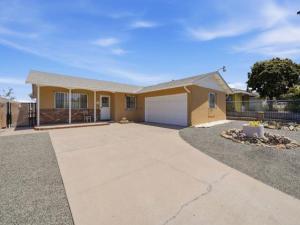
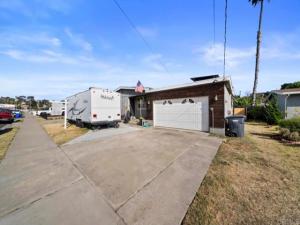
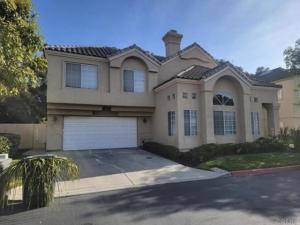
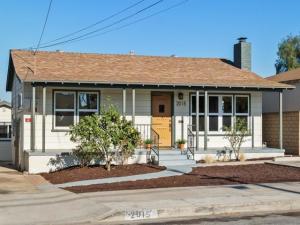
Homes for Sale in National City
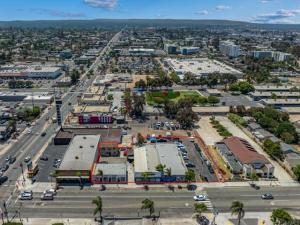
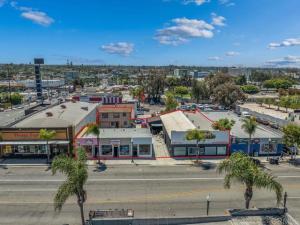
Homes for sale in national city give you one of the most affordable ways to own inside San Diego County while staying closer to downtown than most buyers expect. In June 2026, the median list price was roughly $619,000, down about 4% from June 2025. This is a compact South Bay city on San Diego Bay, bordered by San Diego to the north and Chula Vista to the south, with three freeways and a Blue Line trolley connection downtown.
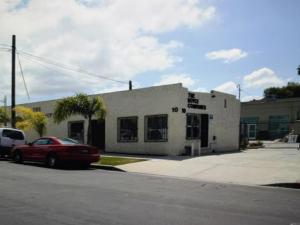
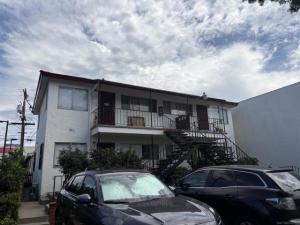
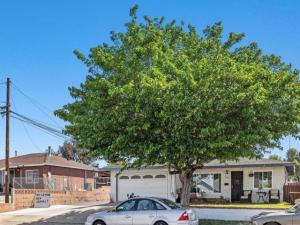
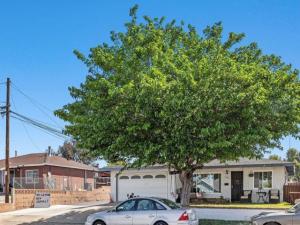
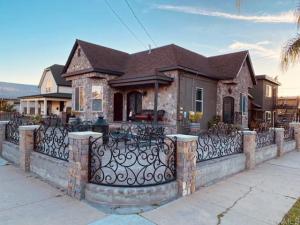
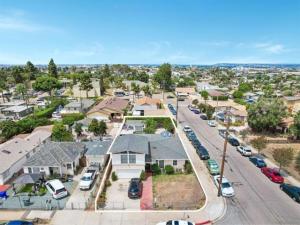
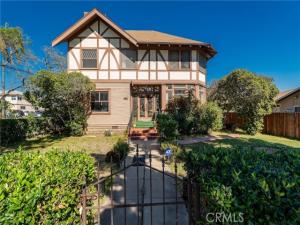
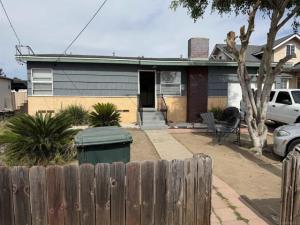
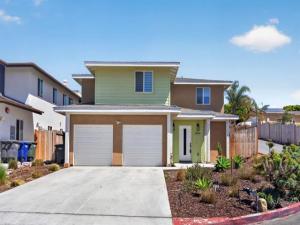
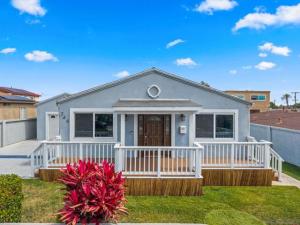
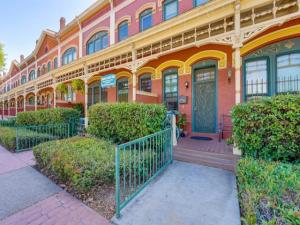
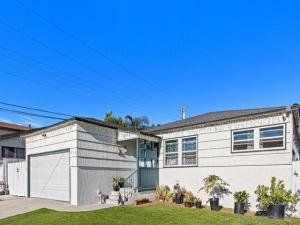
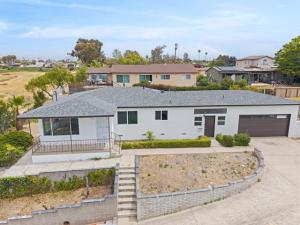
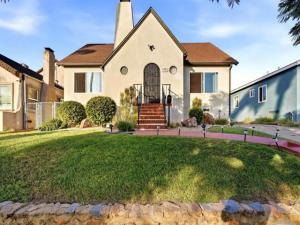
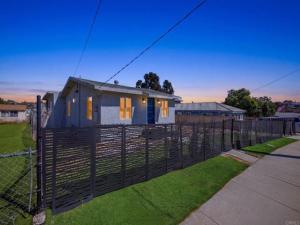
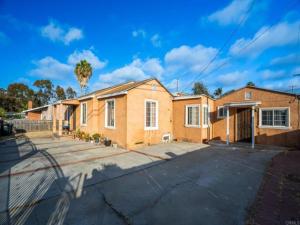
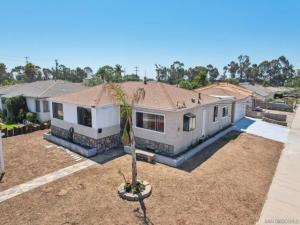
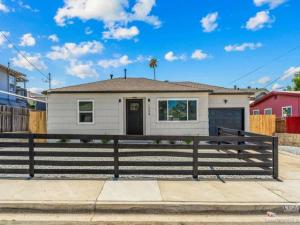
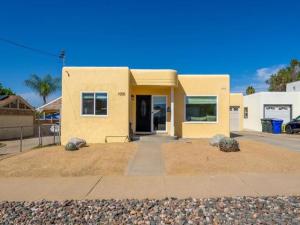
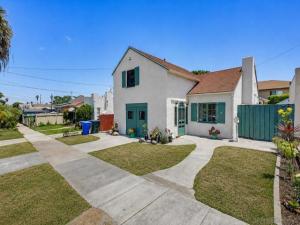
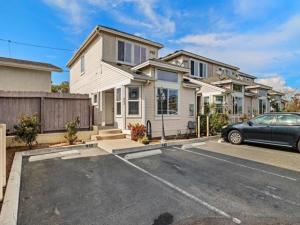
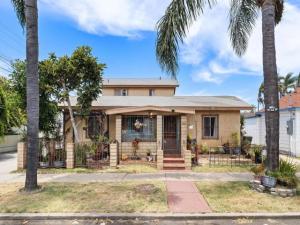
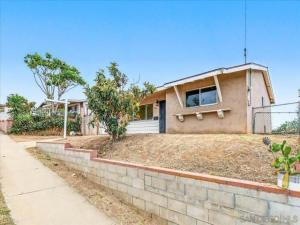
The housing stock is genuinely mixed: roughly 41% single-family detached, about 39% large apartment complexes, and near 10% smaller apartment buildings. You will see 1880s Victorian row houses near Heritage Square, mid-century bungalows, and newer infill. Condition and inventory vary block to block.
Browse the current National City listings below, or contact The Knight Group to talk through which pocket of the city fits your budget and plans.
Where is National City and what defines it?
National City is a coastal city in the South Bay region of San Diego County, sitting directly on San Diego Bay. It borders the city of San Diego to the north and the larger city of Chula Vista to the south, per Wikipedia. That position matters for buyers: you are minutes from downtown San Diego and the Coronado bridge approach, but paying South Bay prices rather than central-city prices.
It is also one of the oldest cities in the county. National City was incorporated in 1887, making it the second-oldest incorporated city in San Diego County, and it traces its founding to Frank Kimball, who developed much of the early townsite. That long history shows up in the housing: some of the county’s oldest surviving residential architecture stands within a few blocks of the civic center.
The city is culturally diverse. At the 2020 census the population was 56,173, down slightly from 58,582 in 2010, per Wikipedia. The community is majority Hispanic, with a large Filipino population as well, and that mix is reflected in the city’s independent restaurants and markets. For a buyer, this is a lived-in, working city with deep community roots, not a master-planned development.
What does it cost to buy a home in National City?
National City runs well below the San Diego County median. In June 2026, homes in National City were listed at a median price of roughly $619,000, which was about a 4% decrease from June 2025, per Redfin and RubyHome market data. That is one of the more accessible price points for any location this close to downtown San Diego.
Be careful reading a single number, though. Median list price, median sale price, and median home value are three different figures, and they diverge in a city with this much housing variety. NeighborhoodScout has reported a median home value figure well above the current list-price median, which reflects the mix of larger single-family homes alongside smaller condos and older units. The practical takeaway: a well-kept single-family home on a full lot and a one-bedroom condo can sit thousands of dollars apart, and the “median” hides that spread.
Appreciation has been strong over the long run. NeighborhoodScout has reported that National City real estate appreciated more than 120% over a recent ten-year window, placing it in the top tier nationally for that period. Past appreciation is not a forecast, and the recent year-over-year softening in list prices is a reminder that this market moves with rates and inventory like any other. The right way to price a specific home here is a current comparable-sales analysis, not a citywide average.
What kind of housing stock will I find?
National City has a genuinely mixed housing stock, which is unusual for a city this size. Single-family detached homes are the most common type, at roughly 41% of units, followed by large apartment complexes at roughly 39% and smaller apartment buildings near 10%, per NeighborhoodScout. That means a buyer will see everything from detached houses to condos to income-producing small multi-family in the same search.
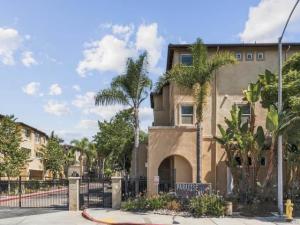
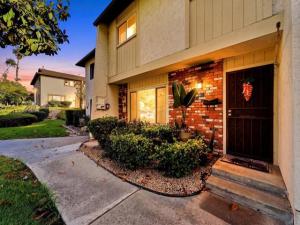
Age and condition are the variables that matter most here. Because the city was settled early, you will find late-1800s and early-1900s homes, mid-century construction from the postwar decades, and pockets of newer infill and multi-family. Older homes can carry character and larger lots, but also deferred maintenance, older electrical and plumbing, and, in some cases, historic-overlay considerations. Newer condos and townhomes trade some of that character for lower maintenance and often for homeowners association dues.
If you are considering a small multi-family building as an owner-occupant or investor, National City is one of the more active South Bay markets for that product. Rent-versus-price math, unit condition, and current tenancy all need underwriting on a specific building. Do not assume a pro forma from a listing description.
Which neighborhoods and areas make up National City?
National City is small enough to know block by block, and its character shifts noticeably across it. Heritage Square and the surrounding blocks of A Avenue hold the city’s historic core, including the 1887 Brick Row and the 1868 Frank Kimball home. This is the area to look at if pre-1900 architecture appeals to you, with the understanding that historic homes come with their own rules and upkeep.
Kimball Park anchors the central, civic part of the city, near the library and city offices. The blocks around it are a mix of older single-family homes and multi-family. Along the eastern and southeastern edges, Lincoln Acres is a small residential neighborhood that began as a farming community in the 1930s before urbanization filled it in; it reads quieter and more low-density than the core, and it sits near the Paradise Valley area on the National City and San Diego boundary.
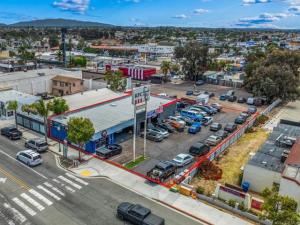
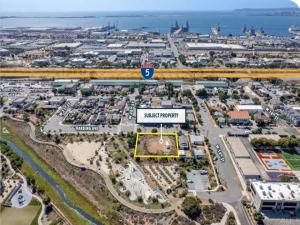
To the west, toward the bay, the city turns industrial and commercial, including the Mile of Cars auto district along National Avenue and the working waterfront and Marina District on the bay itself. Residential buyers generally focus inland of that corridor, though the waterfront changes described below may shift how desirable the bay-adjacent blocks become over time. As National City builds out more of its neighborhood inventory, the individual community pages will link here; for now, the fastest way to compare pockets is to walk them with an agent who knows the block-level differences.
What are the schools like in National City?
National City is served by two public districts. Elementary-age students attend the National School District, which operates ten public schools serving grades K through 6, per the district and city sources. Older students attend the Sweetwater Union High School District, which is headquartered in Chula Vista and runs several campuses inside National City, including Sweetwater High School.
Sweetwater High is a piece of the city’s history in its own right. It was established in 1920 and is one of the oldest high schools in San Diego County, and it primarily serves the National City community, per Wikipedia. As with any district, individual school performance and program fit vary, and families should verify current attendance boundaries and program offerings directly, since assignment can depend on the specific address. School boundaries are a factual detail worth confirming before you write an offer, not after.
How is the commute and freeway access?
Access is one of National City’s strongest selling points. The city has direct road access to Interstate 5 and Interstate 805, plus California State Route 54, per Wikipedia. That puts downtown San Diego, Chula Vista, and the South Bay job centers within a short drive, and it gives commuters more than one route in nearly every direction.
Transit is real here, not an afterthought. National City is served by the San Diego Metropolitan Transit System Blue Line trolley, the light-rail line that runs from the U.S.-Mexico border at San Ysidro north into downtown San Diego, with stations in National City including the 24th Street station. For buyers who work downtown or want a car-light option, proximity to a trolley station is a genuine value factor and worth prioritizing in a search.
The city is also adjacent to Naval Base San Diego to the north, which is one of the region’s largest employment centers. For active-duty and civilian personnel tied to the base, National City is one of the closer places to live, and that demand is a structural feature of the local rental and resale market.
What is happening on the National City waterfront?
The bayfront is the biggest change story in National City. The Port of San Diego has advanced the National City Balanced Plan, a land-use plan covering roughly 60 acres in and around the Pier 32 Marina in the Marina District, and the California Coastal Commission signed off on the plan, per NBC 7 San Diego and CBS 8 reporting. The plan reshapes how the waterfront is used and opens the door to new recreation and hospitality development.
The most visible near-term piece is Pepper Park. An $8 million redesign is set to expand the park by roughly 50%, from about 5.19 acres to about 7.69 acres, adding a splash pad, a themed playground, and a perched beach, with reopening reported for early 2026 per CBS 8. Longer-range phases of the broader bayfront plan contemplate hotels, an RV and tent campground, and consolidation of port operations, across a bayfront area the Port describes as hundreds of acres of land and water.
For a buyer, this is a reason to watch the bay-adjacent blocks. Public investment in a waterfront can lift nearby residential demand over time, but the timelines are multi-year and phased, and construction-era disruption is real. Treat it as a long-horizon tailwind to factor into a hold decision, not a reason to overpay today.
What history should buyers know about?
National City wears its history openly, and some of it directly affects specific homes. Brick Row, at 909 A Avenue, was built by Frank Kimball in 1887 as ten Victorian row houses originally intended for Santa Fe Railroad executives, and the facades carry a protective covenant so the exteriors stay in period character, per the South Bay Historical Society and the city. If you buy into a historically designated property, expect rules about what you can change on the exterior.
Nearby, Heritage Square preserves the 1868 Frank Kimball home and other 19th-century houses, and Granger Music Hall, built in 1898 and designed by noted architect Irving Gill, was listed on the National Register of Historic Places in 1975, per Wikipedia and city sources. These landmarks are part of why the historic core has a distinct feel from the rest of the city.
There is a financial angle to the history, too. California’s Mills Act allows qualifying owners of designated historic properties to enter a contract that can reduce property taxes in exchange for maintaining the property, and National City participates in historic-preservation programs. If a historic home is on your list, the potential tax treatment and the maintenance obligations both belong in your underwriting. Ask specifically whether a given property is designated and whether a Mills Act contract is in place or available.
What risks and trade-offs should I weigh?
Every affordable, established city carries trade-offs, and National City’s are worth naming plainly. First, condition. The older housing stock means a home inspection here does real work; budget for the possibility of electrical, plumbing, roof, or foundation items on pre-war homes, and price accordingly.
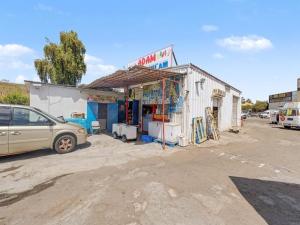
Second, setting. National City is a working city with an industrial and commercial waterfront, the Mile of Cars auto corridor, rail lines, and proximity to the Navy base. Some blocks sit closer to that activity than others, and noise, traffic, and adjacency vary. Walk a prospective home at different times of day.
Third, regulatory layers near the bay. Waterfront and near-waterfront parcels can fall under California Coastal Commission and Port of San Diego jurisdiction, which affects what can be built and changed. Historic-overlay properties in the core carry their own review. None of this is a reason to avoid the city; it is a reason to confirm the specific rules attached to a specific address before you commit. The Knight Group runs those checks as part of due diligence rather than leaving them to chance.
Is National City a good place to invest?
National City has structural features that investors pay attention to: below-county pricing, a diverse housing stock that includes small multi-family, strong long-run appreciation history, direct freeway and trolley access, and a large adjacent employer in Naval Base San Diego. Add the multi-year public investment in the bayfront, and there is a credible case for demand support over a long hold.
The honest counterweight is that recent list prices softened year over year, older buildings carry capital-expense risk, and any pro forma depends on the specific unit, its condition, and its tenancy. A citywide average tells you nothing about whether one building pencils. The right analysis is property-level, not city-level. If you are weighing National City against other South Bay options, we can run comparables and rent scenarios on the exact properties you are considering.
Frequently Asked Questions About national city Homes for Sale
Is National City part of the city of San Diego?
No. National City is its own incorporated city in San Diego County, one of the oldest in the county, and it borders the city of San Diego to the north and Chula Vista to the south. It has its own city government, and it shares its school districts with neighboring South Bay communities.
How affordable is National City compared to the rest of San Diego County?
It is one of the more affordable places to buy for how close it sits to downtown San Diego. In June 2026 the median list price was around $619,000, per Redfin and RubyHome data, which is below the county median. Actual prices vary widely by property type and condition, so treat any median as a starting point only.
Can I take the trolley to downtown San Diego from National City?
Yes. National City is served by the San Diego MTS Blue Line trolley, which runs from the border at San Ysidro north into downtown San Diego, with stations in National City including the 24th Street station. Proximity to a station is a real value factor for commuters and worth prioritizing in a search.
Are there historic homes for sale in National City?
Yes. The Heritage Square and A Avenue area holds some of the county’s oldest residential architecture, including the 1887 Brick Row and the 1868 Frank Kimball home. Designated historic properties can come with exterior-change rules and, in some cases, Mills Act tax treatment, so confirm a property’s status before buying.
What is happening with the National City waterfront?
The Port of San Diego’s National City Balanced Plan, approved by the California Coastal Commission, is reshaping the Marina District bayfront. Near-term, an $8 million Pepper Park expansion was reported to reopen in early 2026, and longer-range phases contemplate hotels, camping, and port consolidation. It is a multi-year, phased effort.
Which schools serve National City?
Elementary students attend the National School District, which runs ten K through 6 schools, and older students attend the Sweetwater Union High School District, which operates several campuses in the city, including Sweetwater High School. Attendance boundaries depend on the specific address, so verify assignment before you buy.
Is National City a good area for first-time buyers?
It can be, because of the price point relative to location and transit. The main caution is condition on older homes and adjacency to industrial and commercial areas on some blocks. A careful inspection and a block-level walk-through address most of that. We can help a first-time buyer weigh those trade-offs against budget.
Does National City have homeowners association dues?
Some properties do and some do not. Detached single-family homes in the older parts of the city typically do not carry HOA dues, while many condos and newer townhome developments do. Because dues and what they cover vary by development, confirm the exact figure and the association’s financials on any specific unit before making an offer.
How The Knight Group works in National City
The Knight Group treats National City as a block-by-block market, because it is one. The difference between a well-kept single-family home near Kimball Park, a historic property in Heritage Square, and a condo near the trolley is not just price; it is rules, condition, and long-run demand. We price against current comparables, not citywide medians, and we flag the specific items that matter on an older, coastal, mixed-use city: inspection risk, historic-overlay or Coastal Commission jurisdiction, HOA financials, and school-boundary confirmation.
If you are buying, we will walk the pockets with you and underwrite the exact properties on your list, including rent scenarios if you are considering small multi-family. If you are selling, we will position your home against the right comparable set and the right buyer pool, whether that is a first-time owner-occupant, a Navy-adjacent buyer, or an investor. Browse the National City listings below, then contact The Knight Group to build a plan around your budget and timeline.
What is it like to buy Homes For Sale In National City?
- Homes For Sale In National City offer one of the more affordable ways to own inside San Diego County while staying close to downtown.
- National City sits as a compact South Bay city directly on San Diego Bay, bordered by San Diego to the north and Chula Vista to the south.
- Freeway access and a Blue Line trolley connection downtown put commuters within easy reach of central San Diego from this South Bay position.
- Housing stock across Homes For Sale In National City runs genuinely mixed, spanning single-family detached houses, large apartment complexes, and smaller apartment buildings.
- Victorian row houses near Heritage Square stand alongside mid-century bungalows and newer infill construction throughout the older parts of the city.
- Condition and inventory vary block to block, so buyers should expect meaningful differences between adjacent streets rather than uniform quality.
- National City ranks among the oldest cities in San Diego County, and it was the second-oldest incorporated city in the county.
- Frank Kimball developed much of the early townsite, and that founding history shows up directly in the surviving residential architecture.
- Some of the county’s oldest surviving residential architecture stands within a few blocks of the National City civic center.
- Population at the most recent census declined slightly from the prior count, according to figures reported by Wikipedia.
- Community here is majority Hispanic with a large Filipino population, a mix reflected in independent restaurants and neighborhood markets.
- Buyers looking at Homes For Sale In National City find a lived-in, working city with deep community roots rather than a master-planned development.
- Median list price, median sale price, and median home value are three different figures that diverge in a city with this much housing variety.
- Appreciation over a recent ten-year window placed National City real estate in the top tier nationally, though past appreciation is not a forecast.
- Pricing a specific home correctly requires a current comparable-sales analysis rather than reliance on any citywide average figure.
What should buyers know about location and history for Homes For Sale In National City?
- Access ranks among the strongest selling points for Homes For Sale In National City, with direct road connections to two interstates and a state route.
- Downtown San Diego, Chula Vista, and South Bay job centers sit within a short drive, giving commuters more than one route in nearly every direction.
- Transit here is real rather than an afterthought, with the Blue Line trolley running from the border north into downtown San Diego.
- Proximity to a trolley station counts as a genuine value factor and deserves priority in any search for Homes For Sale In National City.
- Naval Base San Diego sits adjacent to the north and stands as one of the region’s largest employment centers.
- Active-duty and civilian base personnel find National City among the closer places to live, and that demand is structural in the rental and resale market.
- Port of San Diego advanced the National City Balanced Plan, a land-use plan covering the area in and around the Pier Thirty-Two Marina.
- California Coastal Commission signed off on the Balanced Plan, opening the door to new recreation and hospitality development on the bayfront.
- Pepper Park is the most visible near-term piece, with a redesign set to expand it substantially and add a splash pad, themed playground, and perched beach.
- Longer-range bayfront phases contemplate hotels, an RV and tent campground, and consolidation of port operations across the waterfront area.
- Public investment in a waterfront can lift nearby residential demand over time, though timelines are multi-year and construction-era disruption is real.
- Brick Row on A Avenue was built by Frank Kimball as Victorian row houses originally intended for Santa Fe Railroad executives.
- Facades at Brick Row carry a protective covenant, so exteriors must stay in period character under historic designation rules.
- Heritage Square preserves the Frank Kimball home and other nineteenth-century houses, while Granger Music Hall was designed by architect Irving Gill.
- California’s Mills Act can reduce property taxes for qualifying owners of designated historic properties in exchange for maintaining the property.
What questions do buyers ask about Homes For Sale In National City?
- Affordability relative to proximity to downtown San Diego is the headline reason buyers look at Homes For Sale In National City.
- Prices vary widely by property type and condition, so any median figure works only as a starting point for a search.
- San Diego MTS Blue Line trolley serves National City, running from the border at San Ysidro north into downtown San Diego.
- Heritage Square and the A Avenue area hold some of the county’s oldest residential architecture, including Brick Row and the Frank Kimball home.
- Designated historic properties can carry exterior-change rules and, in some cases, Mills Act tax treatment worth confirming before buying.
- Port of San Diego’s National City Balanced Plan, approved by the California Coastal Commission, is reshaping the Marina District bayfront.
- Pepper Park expansion is the near-term waterfront project, while longer-range phases contemplate hotels, camping, and port consolidation.
- Elementary students attend the National School District, and older students attend the Sweetwater Union High School District.
- Sweetwater High School is among the campuses the high school district operates within the city limits.
- Attendance boundaries depend on the specific address, so verifying school assignment before buying is essential for families.
- First-time buyers often find Homes For Sale In National City workable because of the price point relative to location and transit access.
- Condition on older homes and adjacency to industrial and commercial areas on some blocks are the main cautions for newer buyers.
- Detached single-family homes in the older parts of the city typically carry no HOA dues, while many condos and newer townhomes do.
- The Knight Group treats Homes For Sale In National City as a block-by-block market, pricing against current comparables rather than citywide medians.
- Inspection risk, historic-overlay or Coastal Commission jurisdiction, HOA financials, and school-boundary confirmation are the specific items flagged on every property.