El Cajon CA Homes for Sale in East County
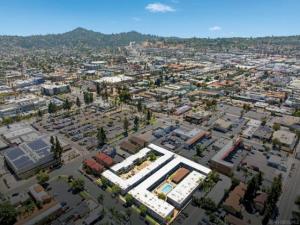
The el cajon ca homes for sale market sits about 15 miles inland from downtown San Diego, east along Interstate 8, in the valley locals call East County. The name is Spanish for “the box,” a description of the hill-ringed valley the city grew up in. Buyers come here for detached homes on real lots, established neighborhoods, and a location that still connects by freeway and by rail — the Trolley Green Line ends at the El Cajon Transit Center. The trade-off is an inland setting that runs hotter and drier than the coast, and foothills that carry wildfire exposure.
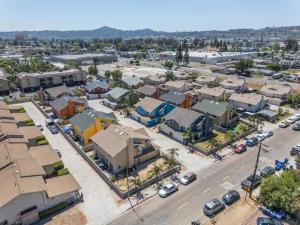
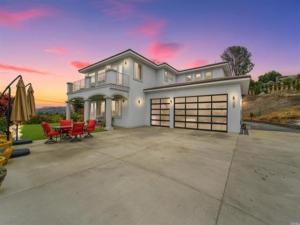
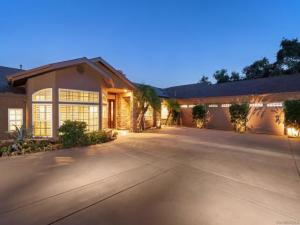
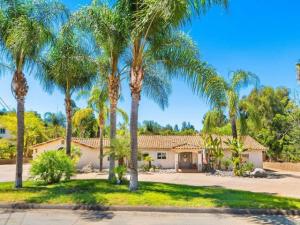
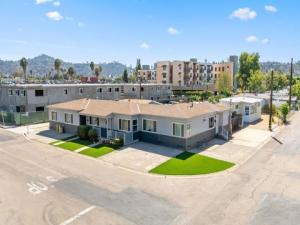
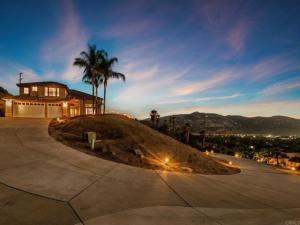
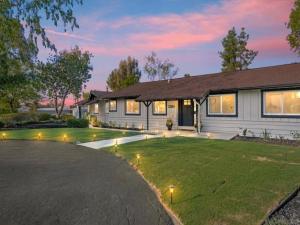
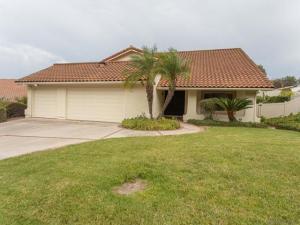
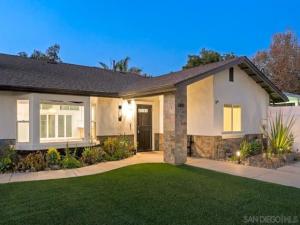
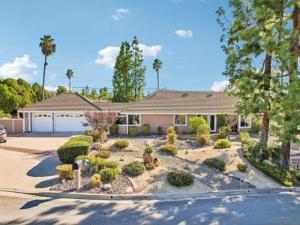
Most of what you will tour is single-family: mid-century ranch and tract housing, much of it single-story with mature landscaping and a detached garage. Hillside pockets like Fletcher Hills and Granite Hills add view sites and larger parcels, while newer subdivisions toward Rancho San Diego bring later construction and some HOAs. Condition varies house to house, so inspections matter.
The listings below cover El Cajon and its surrounding communities. If you want to talk through which pocket of the valley fits your budget and commute before you start touring, contact The Knight Group and we will map it out with you.
Where is El Cajon and how do you get around?
El Cajon sits roughly 15 miles inland from downtown San Diego, east along Interstate 8. I-8 is the spine of the area and the main route to the coast, downtown, and the mountains to the east. State Route 67 runs north toward Lakeside and Ramona, State Route 125 provides a north-south connector on the western side, and State Route 54 (Jamacha Road) heads southwest toward Rancho San Diego and the South Bay.
The city is one of the few East County communities served by rail. The San Diego Trolley Green Line terminates at the El Cajon Transit Center, with a stop at Arnele Avenue, giving residents a fixed-rail connection to La Mesa, San Diego State University, Mission Valley, and downtown without driving the full corridor. Gillespie Field, a county-run general aviation airport, sits on the city’s northwestern edge and handles private and small-aircraft traffic rather than commercial flights.
What this means in practice: El Cajon is a reasonable base for a downtown San Diego commute if you accept the I-8 drive, and an easy one for anyone working in East County, La Mesa, or the SDSU area. Buyers who prioritize a short commute should weigh how close a given neighborhood sits to an I-8 or SR-125 on-ramp, because that gap matters more here than in a gridded coastal town.
How did El Cajon get its name and its shape?
The valley was part of a Mexican land grant era rancho before American settlement, and agriculture, especially grapes and citrus, defined its early economy. The city incorporated in 1912 and grew steadily through the postwar decades as San Diego’s population pushed east. That timeline is why so much of El Cajon’s housing stock is mid-century: the bones of the city were laid down when ranch homes and single-story tract houses were the standard.
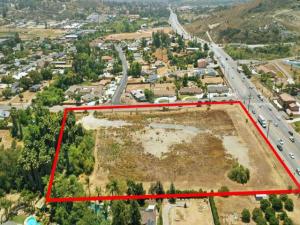
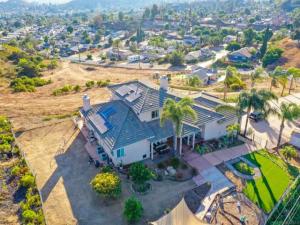
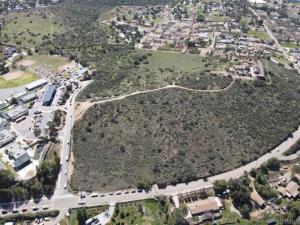
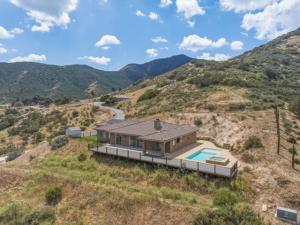
The “box” geography still governs how the city feels. Neighborhoods climb the surrounding slopes, and the flatter valley floor holds the older commercial core and downtown. Elevation changes from one neighborhood to the next affect views, lot grading, and, on the outer edges, fire exposure. It is worth understanding the topography before you fix on an address.
What kind of housing does El Cajon have?
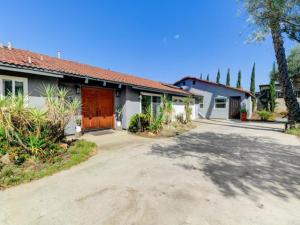
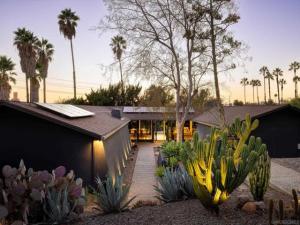
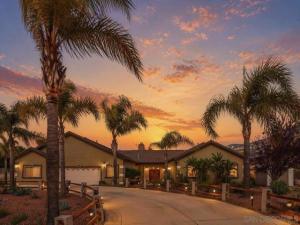
El Cajon is predominantly a single-family market. The core of the city is mid-century ranch and tract housing, much of it single-story on flat or gently sloped lots, with mature landscaping and detached garages. This is the stock that draws first-time buyers and anyone who wants a yard without a coastal price.
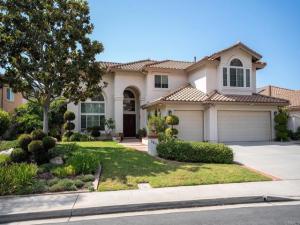
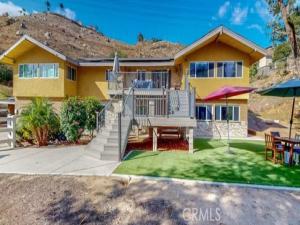
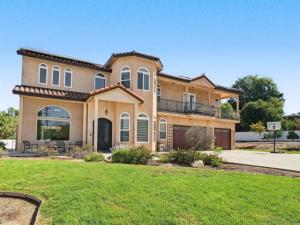
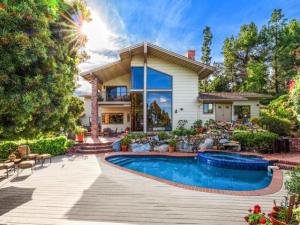
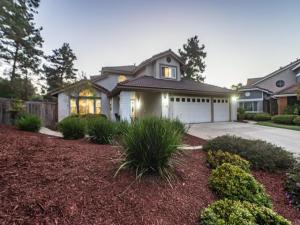
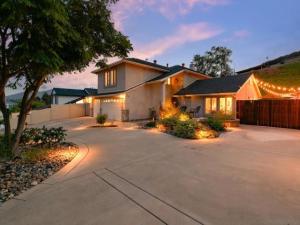
The hillier neighborhoods add view homes and larger custom lots, and the newer growth, particularly toward Rancho San Diego on the southern edge, brings later-built subdivisions, some with homeowners associations and more uniform construction. That gives buyers a real spread: a modest single-story to renovate, a hillside home with a view, or a newer house in a planned community. Condos and townhomes exist but make up a smaller share of the market than detached homes.
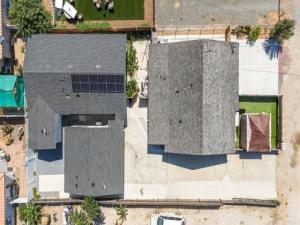
Because a lot of the inventory is decades old, condition varies widely. Two houses a block apart can be separated by a full renovation. Inspections matter here, and so does reading a listing for what has actually been updated versus what has only been staged. Older homes can also carry the usual age-related items: original electrical panels, aging roofs, and dated plumbing. None of that is disqualifying, but it should shape your offer and your budget, and it is exactly the kind of detail we surface before you write an offer rather than after.
Is El Cajon more affordable than coastal San Diego?
Generally, yes. East County, including El Cajon, has historically priced below the coastal and central-San Diego submarkets, and that gap is the main reason buyers look inland. You get more square footage and more land per dollar than you would in La Jolla, North Park, or the beach cities.
That said, “more affordable than the coast” is not the same as “cheap.” San Diego County as a whole is a high-cost market, and El Cajon has risen with it. The right way to think about value here is relative: within a reasonable commute of central San Diego, El Cajon is one of the more attainable detached-home markets. We can pull current comparable sales for any specific neighborhood you are weighing so the number is grounded in today’s data rather than a general impression.
Which neighborhoods make up El Cajon?
El Cajon is a collection of distinct pockets, some inside city limits and some in the adjacent unincorporated areas that share its schools and identity. Fletcher Hills, on the western side toward La Mesa, is one of the more established hillside neighborhoods, known for larger lots and view sites. Bostonia sits to the northeast and blends older residential streets with commercial frontage. Granite Hills lies to the east toward the foothills, with larger parcels and a more rural feel at its edges. Winter Gardens and Crest reach into the surrounding hills, trading convenience for space and elevation.
Just south, the unincorporated community of Rancho San Diego brings newer subdivisions, retail centers, and a different housing profile than the older valley core. Buyers often shop El Cajon and Rancho San Diego together, since they share the same freeways and much of the same high school district. Knowing which side of a boundary line a home sits on can affect schools, taxes, and services, so it is worth confirming rather than assuming.
What are the Jamacha Green and Horizon Hills areas like?
Two of the more specific residential pockets tied to El Cajon are worth calling out because they show how much the market varies within the valley.
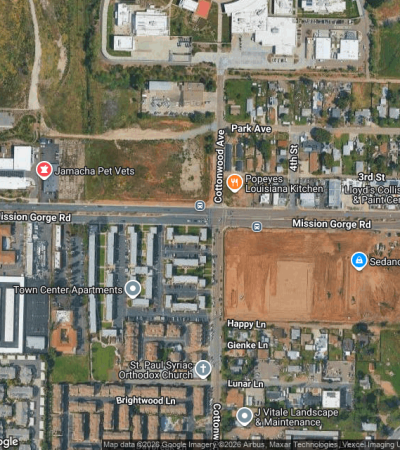
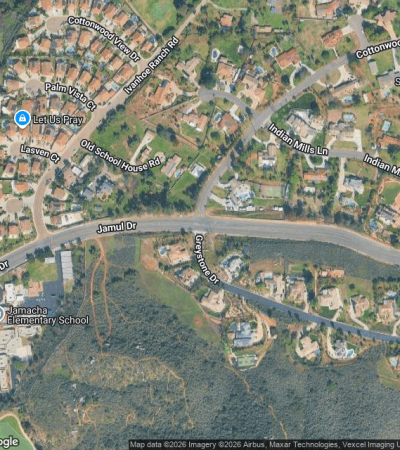
Jamacha (pronounced roughly “HAM-a-shaw”) takes its name from the historic area along Jamacha Road on the southern side of El Cajon toward Rancho San Diego. The Jamacha Green neighborhood in El Cajon sits in that corridor, closer to the newer growth and retail on the city’s southern edge, and appeals to buyers who want proximity to SR-54 and the Rancho San Diego amenities.
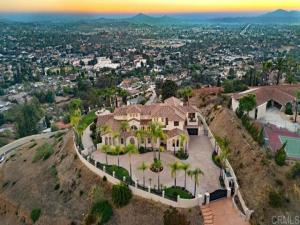
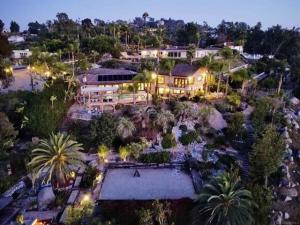
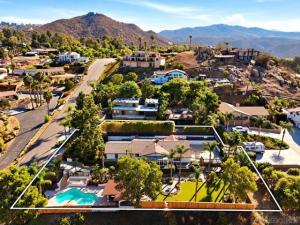
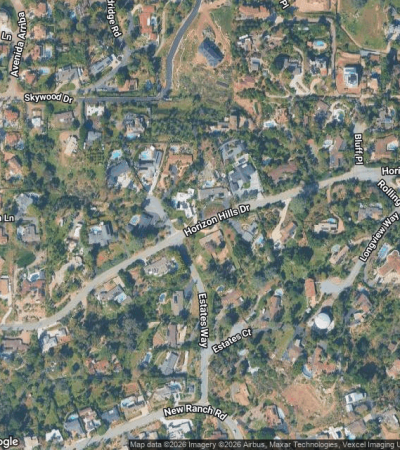
Horizon Hills is a hillside residential pocket on the western side of the city. The Horizon Hills neighborhood in El Cajon reflects the elevation-driven character of that part of town, where lots step up the slope and some homes capture valley views. Buyers drawn to Horizon Hills are usually trading a little more driving for the quiet and the vantage point that flatter neighborhoods cannot offer. If either area interests you, we can send active and recently sold homes in each so you can compare them directly.
What schools serve El Cajon?
El Cajon’s public schools are split across two districts, which is common in California and often confuses buyers. Elementary and middle schools fall under the Cajon Valley Union School District, while high schools belong to the Grossmont Union High School District, a larger district that also serves La Mesa, Santee, and surrounding communities. Because the boundary lines do not always follow neighborhood lines, the school assignment for a specific address should be verified rather than assumed from the city name.
For higher education, the area is anchored by the Grossmont-Cuyamaca Community College District. Grossmont College and Cuyamaca College, the latter in nearby Rancho San Diego, give residents two-year and transfer options close to home. Families weighing a purchase around school assignment should treat the district split as a real research step, and we are glad to help confirm attendance areas for any home on your list.
What is there to do in El Cajon?
Downtown El Cajon has been through a long revitalization centered on Main Street and the Prescott Promenade, an open plaza used for public events. The Cajon Classic Cruise, a recurring classic-car show, is one of the better-known downtown draws and reflects the city’s community-event calendar through the warmer months. The downtown core also holds a performing arts venue and a growing set of restaurants and breweries.
El Cajon is home to one of the largest Chaldean and broader Middle Eastern communities in the United States, and that shows up directly in the food and retail: Iraqi and Middle Eastern markets, bakeries, and restaurants are a genuine part of daily life here in a way you will not find in most San Diego suburbs. For the outdoors, the surrounding foothills and nearby regional parks put hiking and open space within a short drive, and the mountains east on I-8 are close enough for day trips.
How do property taxes work in El Cajon?
El Cajon follows California’s statewide property tax framework. Under Proposition 13, a home’s base property tax is generally set at 1 percent of its assessed value, with the assessed value established at purchase and increases capped annually, plus any voter-approved local levies and bonds on top of that base. In practical terms, buying a home reassesses it to your purchase price, so your tax bill is tied to what you pay, not to what the previous owner paid.
The wrinkle to watch for is newer construction. Some subdivisions, particularly on the Rancho San Diego side, may carry additional assessments or HOA dues that raise the true monthly cost above the base tax. Two homes with the same list price can carry meaningfully different carrying costs once those line items are added in. We read the full tax bill and any association budget on a specific home so you are underwriting the real number.
What should buyers know about wildfire and other risks?
The most important environmental factor in El Cajon is wildfire exposure on the edges of the valley. The foothill and canyon communities that ring the city sit in higher-hazard terrain, and East County has a documented fire history, including major regional fires that reached inland San Diego County communities. This does not make El Cajon unbuyable, but it makes two things essential: check a property’s fire hazard severity zone designation, and price in the cost and availability of homeowners insurance before you commit, because California’s insurance market has tightened in higher-risk areas.
Beyond fire, the inland climate runs hot in summer, so air conditioning and a home’s orientation and shade matter more here than on the coast. Some newer subdivisions, particularly toward Rancho San Diego, carry homeowners association dues, and parts of San Diego County include special tax assessments on newer developments, so review any HOA documents and the tax bill line items on a specific home rather than generalizing. We flag all of this during showings so nothing surprises you at closing.
What should buyers weigh before choosing an El Cajon neighborhood?
Start with the trade-offs that are specific to an inland valley. Summers run hotter and drier than they do near the ocean, so cooling systems and shade matter more than a coastal buyer expects — ask what kind of air conditioning a house has and how old it is. On the outer foothill edges, wildfire exposure is a genuine underwriting question, and insurance availability and cost can vary between one slope and the next. Elevation also shapes lot grading and drainage, which is worth checking on any hillside parcel.
Then match the housing type to how you actually live. El Cajon real estate splits roughly three ways: older single-story homes on flat lots that reward a renovation budget, hillside properties with views and more land, and newer subdivisions on the southern edge where an HOA may apply. Freeway access differs sharply block to block, so tour at your real commute hour.
Frequently Asked Questions About el cajon Homes for Sale
Is El Cajon a good place to buy a first home?
For many buyers, yes. It is one of the more attainable detached-home markets within commuting distance of central San Diego, with a large supply of single-family homes rather than mostly condos. The main trade-offs are the inland heat and the need to check fire exposure on hillside and canyon-edge properties.
How long is the commute from El Cajon to downtown San Diego?
El Cajon sits about 15 miles east of downtown along Interstate 8, and the San Diego Trolley Green Line connects the El Cajon Transit Center to Mission Valley, SDSU, and downtown. Drive time varies with traffic on I-8, so proximity to an on-ramp is worth weighing when you compare neighborhoods.
Which school districts serve El Cajon?
Elementary and middle schools fall under the Cajon Valley Union School District, and high schools under the Grossmont Union High School District. Because boundaries do not always follow neighborhood lines, confirm the assignment for a specific address before buying on school grounds.
Does El Cajon have homeowners associations and special taxes?
Some newer subdivisions, especially toward Rancho San Diego, carry HOA dues, and parts of San Diego County include special tax assessments on newer developments. Older core neighborhoods often have neither. Always review the HOA documents and the property tax line items for the specific home rather than assuming.
Is wildfire a concern in El Cajon?
It is a real factor on the foothill and canyon edges of the valley, less so in the flatter core. Check a property’s fire hazard severity zone and confirm homeowners insurance availability and cost early, since California’s insurance market has tightened in higher-risk areas.
What is the difference between El Cajon and Rancho San Diego?
El Cajon is an incorporated city with an older valley core; Rancho San Diego is an adjacent unincorporated community with newer subdivisions and retail. They share freeways and much of the same high school district, so buyers frequently shop both together. The boundary can affect services, taxes, and schools, so confirm which side a home is on.
Are there view homes in El Cajon?
Yes. The hillside neighborhoods, including areas like Fletcher Hills and Horizon Hills, include homes that step up the slopes and capture valley views. Expect to trade a bit more driving and, in some cases, more complex lot grading for the elevation and the vantage point.
How does The Knight Group work in El Cajon?
We treat El Cajon as the collection of distinct neighborhoods it actually is, not a single line item. That means starting with your commute, budget, and tolerance for renovation, then narrowing to the specific pockets, from the flat mid-century core to the hillside view streets to the newer Rancho San Diego subdivisions, that fit all three.
Our work is grounded in current data. We pull comparable sales for the exact neighborhood you are considering, flag fire hazard zones and insurance realities before you fall for a house, and confirm school assignments and any HOA or special-tax obligations on the specific address. Browse the El Cajon listings below, including the Jamacha Green and Horizon Hills neighborhoods, and when you are ready to see homes in person or want a grounded read on value, contact The Knight Group.
What are El Cajon CA Homes like to live in and get around from?
- El Cajon takes its name from the Spanish for “the box,” describing the hill-ringed valley the city grew up inside.
- Buyers choose El Cajon CA Homes for detached houses on real lots, established neighborhoods, and freeway and rail connections.
- Trade-offs include an inland setting that runs hotter and drier than the coast, plus foothills that carry wildfire exposure.
- Most touring here is single-family: mid-century ranch and tract housing, much of it single-story with mature landscaping and detached garages.
- Hillside pockets such as Fletcher Hills and Granite Hills add view sites and larger parcels than the flatter valley floor.
- Newer subdivisions toward Rancho San Diego bring later construction, more uniform building, and some homeowners associations.
- Condition varies house to house across El Cajon CA Homes, so inspections matter on every property you consider.
- The San Diego Trolley Green Line terminates at the El Cajon Transit Center, with a stop at Arnele Avenue.
- Gillespie Field, a county-run general aviation airport, sits on the northwestern edge and handles private and small-aircraft traffic.
What should buyers know about schools, taxes and risks around El Cajon CA Homes?
- Jamacha, pronounced roughly “HAM-a-shaw,” takes its name from the historic area along Jamacha Road on El Cajon’s southern side.
- Jamacha Green sits in that southern corridor near newer growth and retail, appealing to buyers who want Rancho San Diego amenities.
- Horizon Hills is a hillside residential pocket on the western side, where lots step up the slope and some homes capture valley views.
- Buyers drawn to Horizon Hills usually trade a little more driving for quiet and a vantage point flatter streets cannot offer.
- Elementary and middle schools fall under the Cajon Valley Union School District, a split that often confuses newcomers.
- High schools belong to the Grossmont Union High School District, which also serves La Mesa, Santee, and surrounding communities.
- School boundary lines do not always follow neighborhood lines, so verify assignment for a specific address rather than assuming.
- Grossmont College and Cuyamaca College, the latter in nearby Rancho San Diego, offer transfer options close to El Cajon CA Homes.
- Downtown El Cajon has been through a long revitalization centered on Main Street and the Prescott Promenade, an open event plaza.
- The Cajon Classic Cruise, a recurring classic-car show, ranks among the better-known downtown draws through the warmer months.
- El Cajon is home to one of the largest Chaldean and broader Middle Eastern communities in the United States.
- Iraqi and Middle Eastern markets, bakeries, and restaurants are a genuine part of daily life near El Cajon CA Homes.
- Wildfire exposure on the valley edges is the most important environmental factor for El Cajon CA Homes in foothill and canyon terrain.
Are El Cajon CA Homes a good place to buy?
- El Cajon CA Homes make one of the more attainable detached-home markets within commuting distance of central San Diego.
- Supply here leans toward single-family houses rather than mostly condos, which suits many first-time buyers.
- Main trade-offs include inland heat and the need to check fire exposure on hillside and canyon-edge properties.
- The San Diego Trolley Green Line connects the El Cajon Transit Center to Mission Valley, SDSU, and downtown.
- Cajon Valley Union School District covers elementary and middle schools, and Grossmont Union High School District covers high schools.
- Newer subdivisions toward Rancho San Diego carry homeowners association dues, while older core neighborhoods often have neither dues nor special assessments.
- Parts of San Diego County include special tax assessments on newer developments, so review the line items for a specific home.
- Fire hazard severity zones deserve a check on any property, along with early confirmation of homeowners insurance availability and cost.
- California’s insurance market has tightened in higher-risk areas, making early insurance conversations important around El Cajon CA Homes.
- El Cajon is an incorporated city with an older valley core, while Rancho San Diego is an adjacent unincorporated community.
- Buyers frequently shop both El Cajon and Rancho San Diego together because they share freeways and much of the same high school district.
- Hillside neighborhoods including Fletcher Hills and Horizon Hills hold view homes that step up the slopes and capture valley views.
- The Knight Group treats El Cajon CA Homes as distinct neighborhoods, starting with commute, budget, and tolerance for renovation.