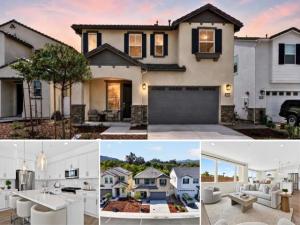
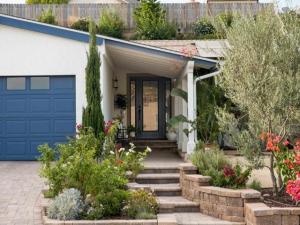
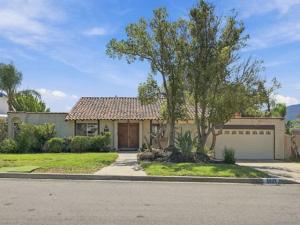
Homes for Sale in Santee, CA
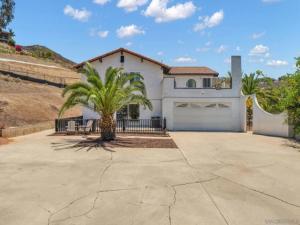
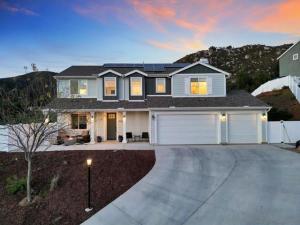
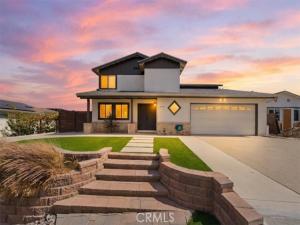
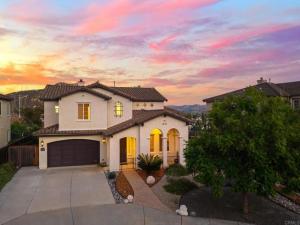
Most buyers looking at homes for sale in Santee are making one specific trade: more house and more land in exchange for a longer inland commute. Santee sits about 20 miles inland from the coast in East County, directly north of El Cajon, with roughly 60,037 residents across about 16.72 square miles. Detached homes on real lots still trade below what coastal communities command, and SR-52, SR-67, SR-125, and the northeastern terminus of the MTS trolley keep the rest of the county within reach.
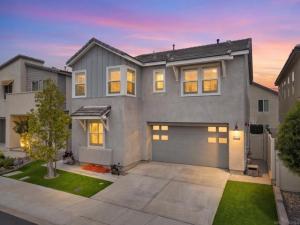
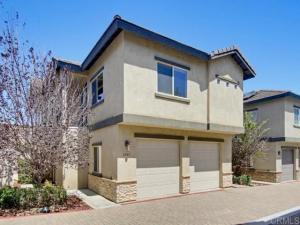
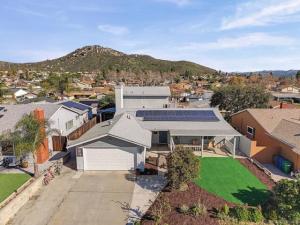
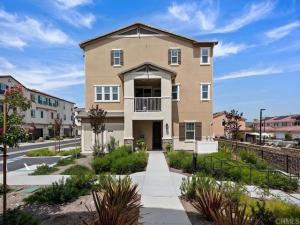
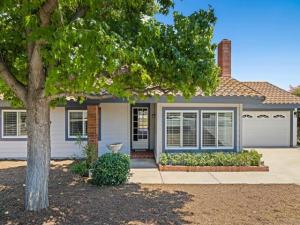
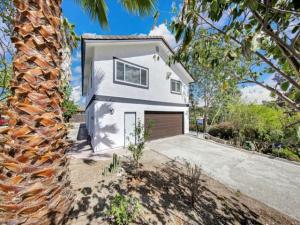
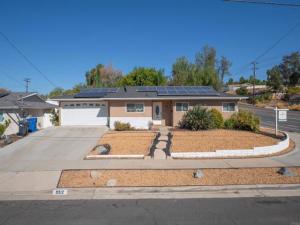
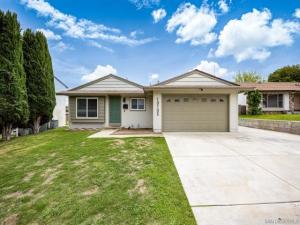
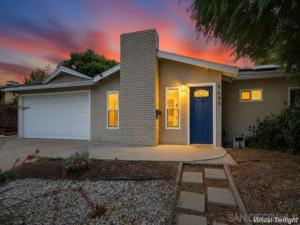
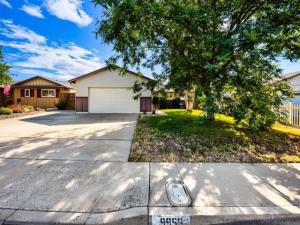
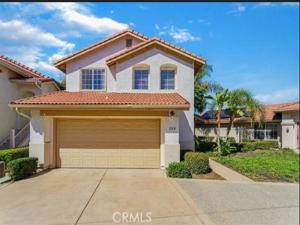
The housing stock is primarily detached single-family, built out through the second half of the twentieth century, so expect established homes with mature landscaping and garage parking rather than new construction. Geography drives the price differences. Valley-floor neighborhoods like Riverview sit flat along the San Diego River with trail and park access, while hillside areas like Carlton Hills climb the ridges north of the valley and generally carry a premium for the views.
The listings below cover homes across Santee. If you want to compare a hillside neighborhood against a river-corridor one, or you are weighing Santee against El Cajon or Lakeside, contact The Knight Group and we will walk you through the numbers before you tour anything.
Where is Santee located within San Diego County?
Santee sits in the inland East County, northeast of the city of San Diego and directly north of El Cajon. The San Diego River bisects the city, running roughly 4.2 miles east to west inside the city limits, which is why the valley floor and the hillsides above it read as two different housing markets. Rattlesnake Mountain, the high point in the area at 1,198 feet, anchors the northern edge.
Access is a large part of why the city grew. State Route 52 was extended eastward through Santee to meet State Route 67, and SR-125 runs through the area as well, giving drivers multiple ways out toward Interstate 15, Interstate 8, and downtown San Diego. Gillespie Field, a general-aviation airport, sits on the southern border shared with El Cajon. Santee is also the northeastern terminus of the San Diego Metropolitan Transit System trolley, which means residents have a fixed-rail option into the county’s central corridor, not just the freeway.
The location is the whole argument for Santee. It is far enough inland to be affordable and close enough to the freeway network to stay connected. Where a specific home falls on that access map matters, and it is one of the first things we check when a client sends us an address.
What kind of housing does Santee offer?
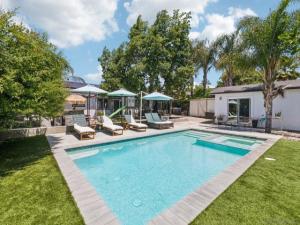
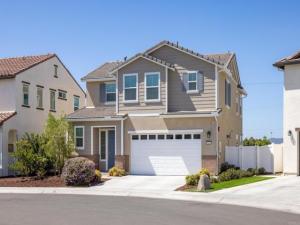
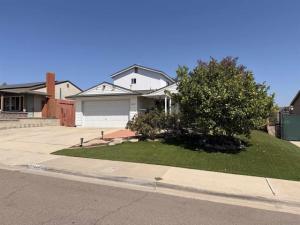
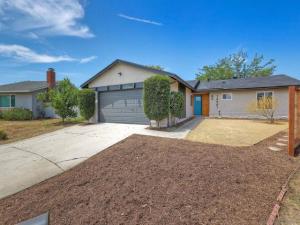
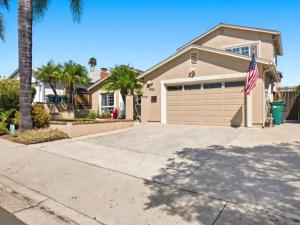
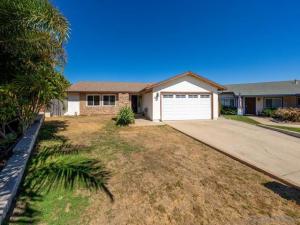
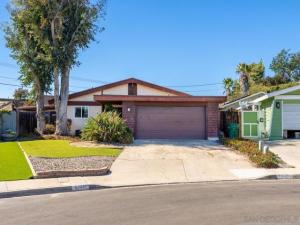
Santee is primarily a detached single-family market. Much of the housing stock was built out through the second half of the twentieth century, so a typical purchase is an established home on an established street rather than new construction. Lot sizes, mature landscaping, and garage-and-driveway parking are the norm, which is exactly what pulls buyers inland from the denser, pricier neighborhoods closer to the coast.
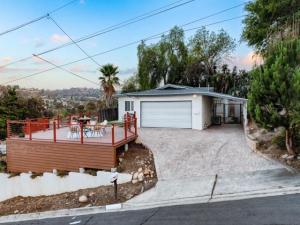
The city splits into two broad housing types. On the valley floor near the river, homes are flatter-lot properties with trail and park adjacency. On the hillside terrain to the north, homes climb the ridges and pick up views across the river valley toward the eastern mountains. Those hillside lots generally carry a premium over comparable valley-floor homes because of the views and the remove from the commercial corridors below.
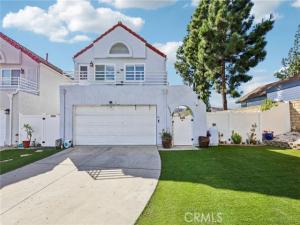
Condominiums and townhomes exist in Santee but do not define it the way single-family homes do. If you are cross-shopping attached product against a detached home here, the calculus usually comes down to monthly carrying cost versus the maintenance and yard that come with a house. We can model both so the comparison is honest rather than emotional.
Which neighborhoods make up Santee?
Santee is a collection of named neighborhoods, each with its own position relative to the river and the hills. The two we cover in depth on this site sit at opposite ends of that geography, which makes them a useful way to understand the range of the market.
Riverview runs along the San Diego River corridor. Its defining feature is the riparian zone: a band of protected green space and multi-use trail that connects toward Mission Trails Regional Park. Because that corridor carries protected status as part of the San Diego River Park, the open space next to these homes is not slated to be built over, which is a durable amenity most inland neighborhoods cannot promise. Riverview also sits close to the SR-52 West Santee interchange, putting the freeway within a few minutes of most addresses. Homes here are established properties whose main draw is river adjacency and trail access at a price point below the county median.
Carlton Hills is the counterpoint. It occupies the hilltop terrain north of the valley floor, developed largely through the 1970s and 1980s, with curvilinear streets and 40-plus years of mature landscaping. The ridgeline position is the point: it delivers views across the San Diego River valley and toward the mountains, plus a remove from the traffic and commercial activity that valley-floor neighborhoods live closer to. Carlton Hills also sits near direct access to Mission Trails Regional Park via Mission Gorge Road. One planning note worth knowing before you tour: elementary school assignment in parts of Carlton Hills can vary by address across neighboring districts, so confirm the specific school for any home you are serious about.
Between and around these two, Santee holds other pockets of similar-era housing. If a neighborhood you are curious about is not listed here, ask us, and we will tell you where it sits on the river-versus-hillside map and what that means for price and commute.
What are the schools and districts in Santee?
Santee is served by more than one district, which surprises some buyers. The Santee School District handles elementary and middle grades for much of the city, and the Grossmont Union High School District operates the high schools. The two public high schools associated with the area are Santana High School and West Hills High School. San Diego Christian College, a private institution, relocated to Santee in 2013.
The district picture is not uniform across every neighborhood. As noted for Carlton Hills, elementary assignments in some parts of the city can fall under neighboring districts depending on the exact address, rather than a single citywide boundary. If school assignment is a priority, treat it as a per-address question and verify it directly before you write an offer. We will pull the current attendance boundary for any home you are considering so the answer is specific, not assumed.
How is the commute from Santee?
Santee’s commute story rests on SR-52. The freeway runs west out of the city and ties into the broader network toward Interstate 15 and downtown San Diego, and the West Santee interchange puts on-ramps within a few minutes of the western neighborhoods. SR-67 and SR-125 add routes north and south for destinations elsewhere in East County.
The trolley is the other half. Santee is the northeastern terminus of the MTS trolley line, so residents have a fixed-rail commute option into the county’s central spine without fighting freeway traffic the entire way. Gillespie Field on the southern border serves general aviation rather than commercial flights, so it is a convenience for private pilots and a noise consideration for the homes nearest it, not an airline hub.
Be honest with yourself about the drive. Inland San Diego commutes to the coast or downtown are real distances, and traffic on the connecting freeways is the trade you accept for the lower price per square foot. If your job anchors you to a specific corridor, tell us where, and we will point you toward the Santee neighborhoods with the cleanest access to it.
What outdoor recreation does Santee have?
Santee’s parks are a genuine selling point, not a brochure line. Santee Lakes is a 190-acre recreation preserve built around seven lakes, used for fishing, camping, and day trips. Mast Park, an 80-acre park, reopened in February 2020 after a renovation reported at roughly $12 million. The Walker Preserve Trail, a 1.3-mile path along the San Diego River, opened in April 2015 and adds to the river-corridor trail network that runs toward Mission Trails Regional Park.
For golfers, the Carlton Oaks Golf Course is an 18-hole course designed by Pete Dye. Mission Trails Regional Park itself, one of the larger urban parks in the country, is reachable from the city’s northern and river-adjacent neighborhoods, and its proximity is part of why hillside and river-corridor homes here command the interest they do.
The practical read: if trail access, lakes, and regional parkland matter to your daily life, Santee delivers more of it per dollar than most of San Diego County. Which neighborhood puts that recreation closest to your front door is a question worth answering before you buy, and it is one we map out address by address.
What is the market character and price tier in Santee?
Santee reads as a value tier within the San Diego market. It is a detached-home city where the price per square foot sits below the coastal and central-city neighborhoods, which is the entire reason buyers look inland here. Within the city, hillside neighborhoods with views generally price above flatter valley-floor homes, and river-corridor adjacency carries its own premium for the permanent open space it borders.
Prices move with rates and inventory like everywhere else, so any specific figure is a snapshot rather than a fixed rule. The durable point is relative: Santee gives you more house and more land for the money than the neighborhoods closer to the water, in exchange for the inland location and the commute that comes with it. When you are ready to see real numbers, we will pull current comparable sales for the exact neighborhood and home type you are targeting, rather than quoting a citywide average that hides the spread.
What risks and trade-offs should Santee buyers weigh?
Every inland San Diego market carries a few real considerations, and Santee is no exception. The climate is semi-arid, and East County broadly sits in a wildfire-aware part of the region, so check the fire hazard designation and insurance availability for any specific property, especially homes closer to open hillside and brush. This is not a reason to avoid Santee. It is a reason to confirm coverage and cost before you commit, because insurance pricing has moved sharply across inland California.
The San Diego River corridor is the second consideration. The riparian zone is an amenity, but proximity to a river means flood-zone status is worth verifying on river-adjacent lots, since that can affect insurance requirements. Third, homes nearest Gillespie Field will hear general-aviation traffic, which some buyers do not mind and others rule out entirely. Fourth, the multi-district school situation means you cannot assume a single citywide boundary.
None of these are dealbreakers. They are the specific diligence items that separate a clean Santee purchase from a surprise after closing. We flag each of them against the actual address so you decide with the full picture.
What is the history of Santee?
The land was home to the Kumeyaay people, who established the village of Sinyeweche on the banks of the San Diego River long before any of the current development. In 1877, George A. Cowles purchased 4,000 acres for vineyards, and the area was known as Cowlestown. The name changed to Santee in 1893 after Cowles’ widow, Jennie, married Milton Santee.
Santee stayed unincorporated for most of the twentieth century. Residents voted to incorporate as a city on December 1, 1980, after having rejected the idea three years earlier. That relatively late incorporation is part of why the housing stock skews toward mid-century-through-1980s suburban development rather than older urban fabric. Knowing the era a home was built in tells you a lot about its systems, its lot, and the kind of updating it is likely to need, which is a lens we bring to every showing.
How to Approach Your Search in Santee
The most useful filter in Santee real estate is not square footage, it is elevation and street position. Two homes with nearly identical floor plans can live very differently depending on whether they sit on the flat ground near the river corridor or up on the ridge terrain to the north. The valley-floor home puts you closer to trails, parks, and the commercial corridors you will actually use on a weeknight. The ridge home trades some of that convenience for views and distance from traffic, and you generally pay for it.
Because most of the inventory here was built decades ago, condition varies widely from address to address, and that difference is often worth more than a modest gap in list price. Ask what the roof, systems, and windows have been through. Confirm school assignment by address rather than by neighborhood name. Send us an address and we will tell you where it falls on the river-versus-hillside map before you spend a Saturday touring.
Frequently Asked Questions About santee Homes for Sale
Is Santee a good place to buy a single-family home?
For buyers who want a detached home on a real lot at a price below the coastal San Diego neighborhoods, Santee is one of the stronger East County options. The trade is an inland location and a longer commute in exchange for more house and land per dollar.
What is the difference between Riverview and Carlton Hills?
Riverview runs along the San Diego River corridor with protected open space and trail access, and it sits close to the SR-52 interchange. Carlton Hills occupies the hilltop terrain to the north, developed in the 1970s and 1980s, with valley and mountain views and a remove from commercial traffic. One is a flatter river-adjacent neighborhood; the other is an elevated view neighborhood.
Which school districts serve Santee?
The Santee School District serves elementary and middle grades across much of the city, and the Grossmont Union High School District operates the high schools, including Santana High School and West Hills High School. Some neighborhoods fall under neighboring districts for elementary grades depending on the exact address, so verify assignment per property.
How is the commute from Santee to downtown San Diego?
Most Santee commuters use SR-52 west toward the freeway network, and the trolley offers a fixed-rail alternative from the city’s northeastern terminus. Actual drive time depends on your neighborhood and the corridor you are heading to, so it is worth checking against your specific job location.
Does Santee have wildfire or flood risk?
Santee is in a semi-arid part of East County where wildfire awareness applies, particularly near open hillsides, and river-adjacent lots can carry flood-zone considerations. Both are address-specific. Confirm the hazard designation and insurance cost for any home before you commit.
What parks and recreation are in Santee?
Santee Lakes is a 190-acre preserve with seven lakes, Mast Park is an 80-acre park that reopened in 2020, and the Walker Preserve Trail runs along the San Diego River. Mission Trails Regional Park is reachable from the northern and river-adjacent neighborhoods, and Carlton Oaks Golf Course is a Pete Dye 18-hole course.
Is Santee cheaper than coastal San Diego?
Generally yes. Santee’s inland location puts its price per square foot below the coastal and central-city neighborhoods, which is the main reason buyers look here. The savings come paired with a longer commute, which is the trade-off to weigh.
When did Santee become a city?
Santee incorporated on December 1, 1980, after residents had rejected incorporation three years earlier. The area’s name dates to 1893, changed from Cowlestown after the Cowles family connection to Milton Santee.
How does The Knight Group work in the Santee market?
We treat Santee as a set of distinct neighborhoods, not one average. Before you tour, we tell you where a home sits on the river-versus-hillside map, what that position does to its price and view, and which school and hazard boundaries actually apply to that address. The diligence items on this page, fire designation, flood zone, airport proximity, and multi-district schools, get checked against the specific property rather than assumed away.
Start with the listings below to see what is on the market. When a home earns a closer look, contact The Knight Group and we will pull current comparable sales, confirm the boundaries that matter, and give you a straight read on what the home is worth and where it has leverage. The goal is a purchase you understand fully before you sign, in a market where the right neighborhood choice does more for you than the right list price.
What is it like to buy homes for sale in Santee?
- Buyers looking at homes for sale in Santee are making one trade: more house and more land for a longer inland commute.
- Santee sits inland from the coast in East County, directly north of El Cajon, within the greater San Diego County region.
- Detached homes on real lots in Santee still trade below what coastal communities command, which drives most inland buyer interest.
- Housing stock across homes for sale in Santee is primarily detached single-family, built out through the second half of the twentieth century.
- Established homes with mature landscaping and garage parking define the market rather than new construction.
- Geography drives the price differences within Santee, separating valley-floor neighborhoods from the hillside areas above them.
- Riverview sits flat along the San Diego River with trail and park access on the valley floor.
- Carlton Hills climbs the ridges north of the valley and generally carries a premium for the views.
- The San Diego River bisects the city, running east to west inside the city limits and splitting two different housing markets.
- Rattlesnake Mountain, the high point in the area, anchors the northern edge of Santee.
- Gillespie Field, a general-aviation airport, sits on the southern border Santee shares with El Cajon.
- Fixed-rail transit gives Santee residents an option into the county’s central corridor rather than only the freeway.
- Location is the whole argument for homes for sale in Santee: far enough inland to be affordable, close enough to stay connected.
What should buyers know about homes for sale in Santee before making an offer?
- Santee Lakes is a recreation preserve built around several lakes, used for fishing, camping, and day trips.
- Mast Park reopened after a renovation and stands as one of the larger parks serving the city.
- The Walker Preserve Trail runs along the San Diego River and adds to the river-corridor trail network toward Mission Trails Regional Park.
- Carlton Oaks Golf Course, designed by Pete Dye, gives golfers a full-length course inside the city.
- Mission Trails Regional Park, one of the larger urban parks in the country, is reachable from northern and river-adjacent neighborhoods.
- Trail access, lakes, and regional parkland come with homes for sale in Santee at a better rate per dollar than most of San Diego County.
- Santee reads as a value tier within the San Diego market, where price per square foot sits below coastal and central-city neighborhoods.
- Hillside neighborhoods with views generally price above flatter valley-floor homes inside the city.
- River-corridor adjacency carries its own premium for the permanent open space it borders.
- Prices for homes for sale in Santee move with rates and inventory, so any specific figure is a snapshot rather than a fixed rule.
- The climate is semi-arid, and East County broadly sits in a wildfire-aware part of the region worth checking per property.
- Insurance availability and fire hazard designation deserve confirmation before commitment, especially on homes closer to open hillside and brush.
- Flood-zone status is worth verifying on river-adjacent lots, since proximity to the river can affect insurance requirements.
- Homes for sale in Santee nearest Gillespie Field will hear general-aviation traffic, which some buyers accept and others rule out entirely.
- Kumeyaay people established the village of Sinyeweche on the banks of the San Diego River long before current development.
Which neighborhoods and schools serve homes for sale in Santee?
- Carlton Hills occupies the hilltop terrain to the north, with valley and mountain views and a remove from commercial traffic.
- Riverview and Carlton Hills represent the two poles of Santee: a flatter river-adjacent neighborhood and an elevated view neighborhood.
- Santee School District serves elementary and middle grades across much of the city.
- Grossmont Union High School District operates the high schools, including Santana High School and West Hills High School.
- Some neighborhoods fall under neighboring districts for elementary grades depending on the exact address, so verify assignment per property.
- The trolley offers a fixed-rail alternative from the city’s northeastern terminus for commuters heading into the central corridor.
- Actual drive time depends on your neighborhood and corridor, so checking against a specific job location is worthwhile.
- Wildfire awareness applies in this semi-arid part of East County, particularly near open hillsides.
- River-adjacent lots can carry flood-zone considerations, and both hazard types are address-specific rather than citywide.
- Santee Lakes, Mast Park, and the Walker Preserve Trail along the San Diego River anchor the local park network.
- Homes for sale in Santee generally sit below coastal and central-city price per square foot, paired with a longer commute.
- The name Santee replaced Cowlestown through the Cowles family connection to Milton Santee before the city later incorporated.
- Fire designation, flood zone, airport proximity, and multi-district schools get checked against a specific property rather than assumed away.