Little Italy Real Estate | San Diego, CAListings

San Diego, San Diego County Homes for Sale

This page covers real estate listings and neighborhood information for San Diego, San Diego County. San Diego County offers a world-class combination of coastal access, military and tech employment, and year-round Mediterranean climate. Whether you are searching for a primary residence, investment property, or vacation home, The Knight Group provides access to both on-market and off-market opportunities in San Diego.

Browse current listings below, or contact The Knight Group directly to discuss your specific search criteria. Our team provides market intelligence that goes beyond publicly listed homes — including off-market opportunities and data on recent sales not yet reflected in online portals.

Little Italy Real Estate: San Diego’s Most Transformed Urban Neighborhood

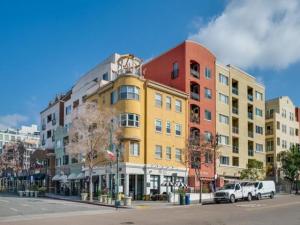
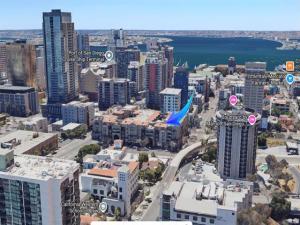
Little Italy is San Diego’s most dramatic neighborhood success story of the past three decades, a historic Italian-American fishing community that declined into neglect after the tuna fishing industry moved south to South America in the 1950s and 1960s, and that has transformed since the early 1990s into one of San Diego’s most densely developed, most culturally active, and most real-estate-expensive urban residential neighborhoods. The neighborhood occupies approximately 48 blocks along India Street and the numbered streets between the San Diego Bay to the west and Interstate 5 to the east, from Hawthorn Street in the south to Laurel Street in the north, where the development of high-rise condominium towers, boutique residential buildings, and the ground-floor retail and restaurant activity that has made India Street one of the most active commercial streets in downtown San Diego has transformed the physical and social character of the neighborhood into one that its early Italian-American fishing community residents would not recognize.

The Little Italy neighborhood’s revitalization began with the formation of the Little Italy Association in 1996 and the Business Improvement District that the association created to manage the neighborhood’s public realm improvements, events programming, and the marketing that has sustained the Little Italy brand as one of San Diego’s most recognized neighborhood identities. The Arrivederci Festival, the Little Italy Mercato farmers market (one of the largest in San Diego County, held every Saturday on Date Street), and the ongoing programming of the Little Italy Association create the community events calendar that reinforces the neighborhood’s identity as a destination beyond the residential community that lives there. The Saturday Mercato, running from India Street east along Date Street, attracts produce vendors, prepared food operators, craft vendors, and the broader San Diego public in numbers that fill the market blocks to capacity during the peak morning hours and that establish Little Italy’s role as a San Diego destination beyond its residential geography.

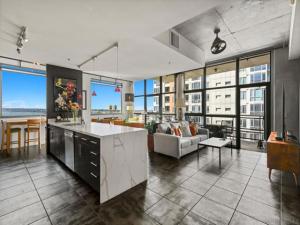
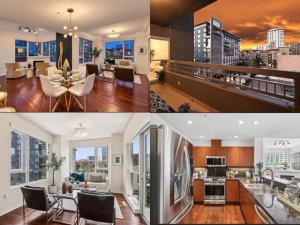
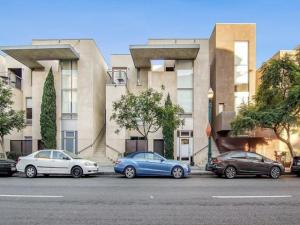
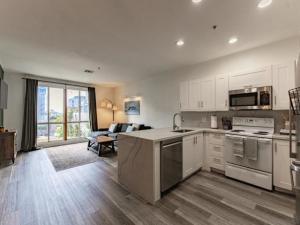
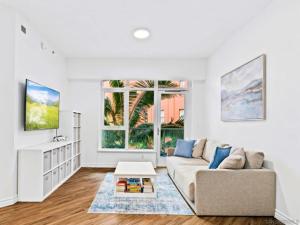
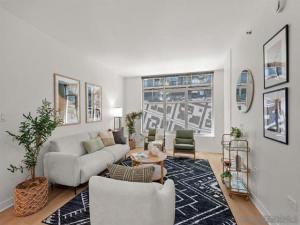
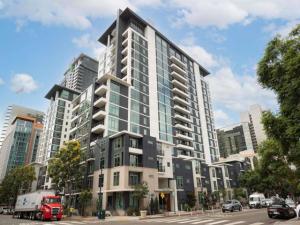
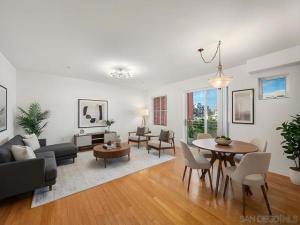
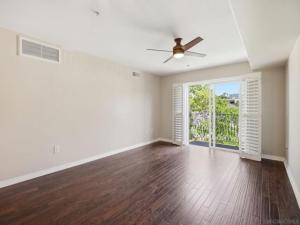
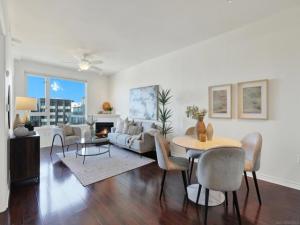
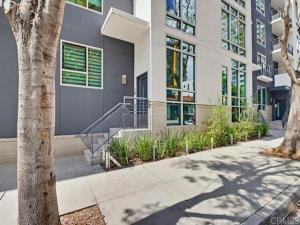
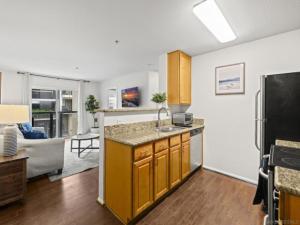
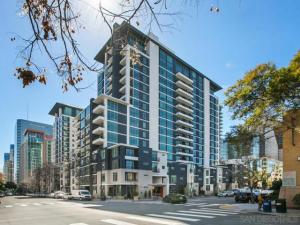
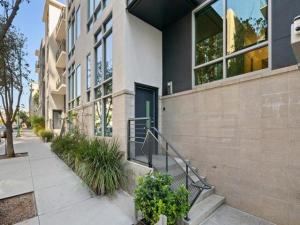
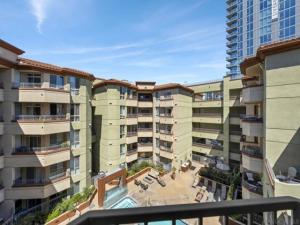
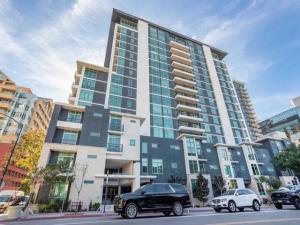
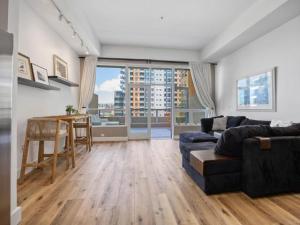
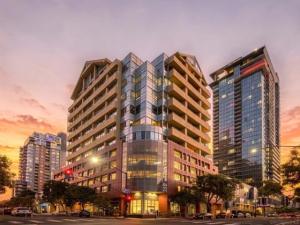
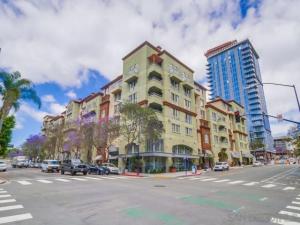
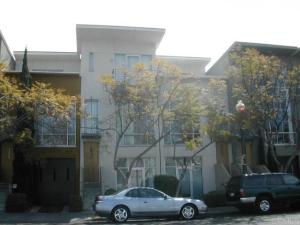
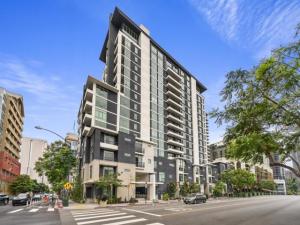
The neighborhood’s residential character today is predominantly high-rise and mid-rise condominium development from the late 1990s through the 2010s, with the older low-rise building stock of the original neighborhood increasingly replaced by the density that the downtown San Diego location and the development economics have driven. The current inventory ranges from the entry-level condominiums in the neighborhood’s older residential buildings through the luxury high-rise condominiums in the towers that have defined the neighborhood’s new skyline since 2000. The buyer demographic is concentrated in the urban-living, walkability-prioritizing, professional-household category that San Diego’s most dynamic urban neighborhoods attract: technology professionals, young attorneys and physicians, the creative-class households that prefer urban density to suburban space, and the retirees and empty-nesters who are choosing urban lifestyle over the suburban residential that their family-raising decades required.

India Street and the Commercial Corridor

India Street from Hawthorn Street to Grape Street is the primary commercial corridor of Little Italy, a block-by-block succession of restaurants, coffee shops, boutiques, galleries, and the specialty food businesses that have made the street one of the most curated commercial environments in San Diego County. The restaurant scene on India Street represents some of San Diego’s most ambitious dining operations: farm-to-table concepts, international cuisine from operators who have chosen Little Italy’s walkable customer base over the suburban restaurant park format, and the legacy Italian restaurant operations that maintain the neighborhood’s original culinary identity alongside the newer concepts that the neighborhood’s demographic transformation has attracted. The ArtWalk San Diego event, one of the largest outdoor art festivals in the Western United States, uses Little Italy’s streets as its venue each spring, drawing tens of thousands of visitors to the neighborhood and anchoring the cultural events calendar.

The Saturday Mercato on Date Street is Little Italy’s most consistent weekly event and the commercial institution that has the most direct impact on neighborhood quality of life. The market’s vendor mix, including the organic produce farmers, the specialty food producers, the hot food vendors, and the artisan craft makers, creates the Saturday morning gathering ritual that Little Italy residents participate in as a weekly social and commercial event rather than an occasional special-occasion visit. The market’s consistent quality and the social density it creates on Saturday mornings are among the specific quality-of-life assets that Little Italy residents cite most frequently when explaining the premium they pay for the neighborhood’s condominium prices.

San Diego Bay Access and Waterfront

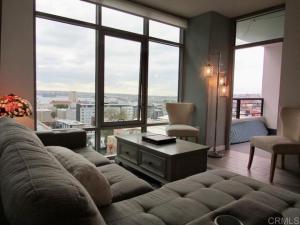
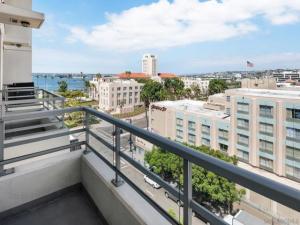
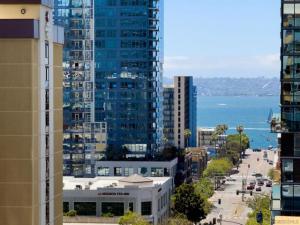
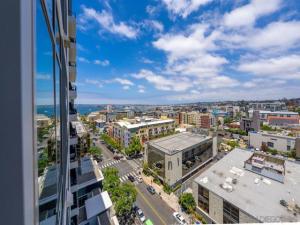
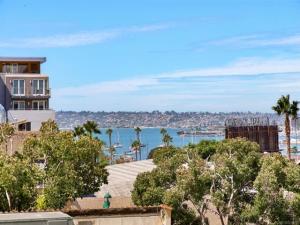
Little Italy’s western edge along the Embarcadero provides the San Diego Bay access that gives the neighborhood its waterfront character, with the bay-front promenade from Hawthorn Street to Laurel Street creating the walking and cycling corridor along the bay that connects Little Italy to the downtown cruise ship terminal to the south and to the Harbor Island marina district to the north. The bay views from the neighborhood’s higher-elevation streets and from the upper floors of the neighborhood’s high-rise residential towers encompass the San Diego Bay, the Coronado Bridge, the North Island Naval Air Station, and the Pacific horizon beyond Coronado, creating the urban waterfront view that urban-living San Diego buyers consider the premium residential experience in the city’s residential hierarchy.

The Embarcadero’s public realm improvements, including the landscaped promenade, the public art installations, and the ferry terminal that provides water-taxi service to Coronado, create the bayfront public space that Little Italy residents access on foot from their residential buildings without requiring a car. The Coronado Ferry Landing’s regular service makes the waterfront relationship between Little Italy and Coronado a practical transit option for residents who want to reach Coronado’s beach and commercial area by boat rather than by the Coronado Bridge drive.

Schools

Little Italy is within the San Diego Unified School District, with the downtown San Diego elementary and middle school campuses serving the neighborhood’s residential population. The downtown SDUSD campuses include Options (a magnet program), and families with school-age children in Little Italy often participate in the school choice programs that SDUSD provides to reach specific campuses across the district. The neighborhood’s buyer demographic includes a significant proportion of empty-nesters, young professionals without children, and retirees for whom school district quality is not the primary residential decision criterion, reflecting the urban condominium lifestyle’s typical demographic concentration in households without school-age children.

Commute

Little Italy’s location at the northern edge of downtown San Diego provides walking access to the downtown business district core (20 to 25-minute walk from the north end of Little Italy to the Civic Center area), proximity to the Coaster station at Santa Fe Depot (10 to 15-minute walk), and the trolley access via the Little Italy Trolley station on the Orange Line that connects to the broader San Diego Trolley network. The I-5 on-ramp at Sassafras Street is within 3 to 5 minutes of most Little Italy residential streets, providing the freeway access for drivers who need to connect to the North County or South County freeway corridors. The combination of walking, transit, and freeway access makes Little Italy one of San Diego County’s most transit-accessible residential neighborhoods, providing the urban lifestyle option for commuters who want to reduce car dependency.

Market Tiers

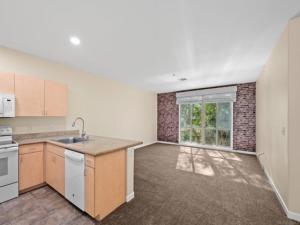
$600K-$1.2M: Entry Little Italy. Older condominium buildings from the late 1990s and early 2000s, smaller units, and the lower floors of the neighborhood’s mid-rise buildings. The most accessible entry into the Little Italy address and the Saturday Mercato walking culture at the competitive price point within the neighborhood’s range.

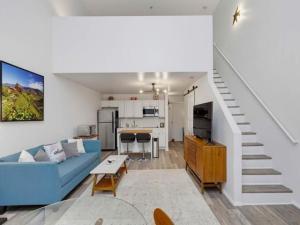
$1.2M-$3M: The core Little Italy condominium market. Mid-range units in the neighborhood’s primary high-rise towers, with bay views from the mid-to-high floors, contemporary interior finishes, and the building amenities (rooftop pool, fitness center, concierge) that the 2000s and 2010s towers provide. This range covers the majority of the neighborhood’s transaction volume by unit count.

Above $3M: Penthouse units, corner positions with panoramic bay views, and the neighborhood’s largest residential units that approach the scale of suburban single-family living in the urban tower format. These units compete with the most premium coastal neighborhood single-family product for the urban luxury buyer choosing between a San Diego beach neighborhood and a downtown San Diego high-rise penthouse as the premium coastal San Diego address.

Frequently Asked Questions

What noise levels should I expect in Little Italy? Little Italy’s urban character means that ambient urban noise is a permanent feature of the residential environment, with the variety and intensity varying by specific address and floor level. The proximity to I-5 on the neighborhood’s eastern edge creates freeway noise that higher floors above the freeway-adjacent blocks may experience. The Saturday Mercato, while beloved by residents, generates market-day activity and vendor setup sounds in the early morning hours on Date Street. The Embarcadero’s periodic cruise ship arrivals and departures create horn sounds that are audible from the bay-facing units. Higher floors in the primary residential towers are typically farther from ground-level noise sources, and the soundproofing quality of newer construction attenuates traffic and street noise more effectively than older buildings.

Is Little Italy walkable for daily errands? Little Italy’s Saturday Mercato and the India Street commercial corridor make the neighborhood among the most walkable in San Diego for daily grocery and food shopping. The Whole Foods Market on Kettner Boulevard is accessible from Little Italy within a 10 to 15-minute walk, and the specialty food vendors on India Street and at the Mercato provide the fresh produce, specialty items, and prepared foods that urban residents frequently substitute for conventional supermarket shopping. Daily convenience needs including coffee, casual dining, pharmacy services, and the personal service businesses that urban commercial districts sustain are accessible on foot from most Little Italy residential addresses.

How has Little Italy’s character changed over the last decade? Little Italy’s character has continued to mature and intensify over the past decade, with the completion of additional high-rise residential towers adding density, the continued evolution of the restaurant and retail landscape as higher-profile operators have chosen the neighborhood, and the increasing permanence of the Saturday Mercato as a San Diego institution rather than a neighborhood-scale market. The neighborhood’s gentrification trajectory has raised prices steadily, creating the demographic shift from lower-income legacy residents to the professional-class and affluent households that the current building inventory attracts. The urban neighborhood’s identity as San Diego’s cultural hub for the creative and culinary community has strengthened, making Little Italy’s premium over other downtown San Diego addresses more consistently justified than it was in the neighborhood’s earlier revitalization decade.

Are there parking challenges in Little Italy? Yes. Parking in Little Italy is a genuine daily-life consideration for residents and visitors. The neighborhood’s urban density means that on-street parking is typically limited, particularly during the Saturday Mercato when Date Street and the adjacent blocks are closed to traffic and weekend visitors fill the remaining parking areas. Residential condominium buildings in Little Italy typically include dedicated parking spaces as a standard component of the unit, and buyers who are evaluating specific units should confirm the number and location of dedicated parking spaces in the building. Visitors to Little Italy are encouraged to use the neighborhood’s public parking garages, which provide the most reliable parking access during peak periods.

Current Little Italy Listings
Connect with TKG about Little Italy real estate.

[showcaseidx_hotsheet name=”Los Angeles”]

Little Italy Real Estate | San Diego, CA in San Diego

Community

What should I know about San Diego?

San Diego County offers a world-class combination of coastal access, military and tech employment, and year-round Mediterranean climate. Within this broader regional context, San Diego occupies a distinct position — with its own micro-market dynamics, neighborhood character, and buyer profile that differentiates it from adjacent communities.

Buyers who choose San Diego often do so for a specific combination of reasons: the character of the housing stock, proximity to employment or lifestyle amenities, school district access, or simply the feel of the community itself. These qualitative factors are difficult to quantify in MLS data but play a central role in long-term ownership satisfaction and resale performance.

What types of homes are in San Diego?

The residential inventory in San Diego spans a range of architectural periods and property types, from single-family homes on standard city lots to estate properties on larger parcels. The mix of housing options means that buyers at multiple price points are often competing for similar neighborhoods — which keeps absorption rates competitive across market cycles.

Condition and presentation matter significantly in San Diego’s market. Well-maintained, updated homes consistently outperform deferred-maintenance properties on both price-per-square-foot and days-on-market. The Knight Group tracks this bifurcation at the neighborhood level to advise buyers and sellers on realistic price expectations.

Why Buyers Choose San Diego

The factors most frequently cited by buyers who choose San Diego include its position within San Diego County, access to local schools and amenities, and the relative value it offers compared to coastal or premium adjacent markets. For buyers relocating from higher-cost areas, San Diego often provides a meaningful quality-of-life upgrade at a price point that enables ownership rather than rental. For local move-up buyers, it represents a natural next step in accumulating equity in a growing market.

How do I buy a home in San Diego?

Buyers targeting San Diego should approach the market with a clear sense of their priorities and a financing situation that allows them to move quickly when the right property appears. The inventory in this area tends to absorb well-priced properties faster than buyers expect — particularly when a home is updated, well-located within the area, and priced within the most active demand tier.

The most common mistake buyers make in San Diego is treating early viewings as low-stakes exploration. By the time a listing has been toured casually and a buyer decides they want it, a serious competing buyer has often already submitted an offer. Working with The Knight Group means you’re identifying opportunities earlier and positioned to act with confidence rather than urgency-driven concessions.
Pre-approval with a reputable local lender is a baseline expectation in this market. Sellers in San Diego routinely request proof of funds or pre-approval letters before accepting showing appointments on competitive listings. Having that documentation prepared signals that you’re a serious buyer and often earns better access to sellers who might otherwise prioritize buyers who have demonstrated financial readiness.

What should I know about selling in San Diego?

Sellers in San Diego benefit from positioning their home within the first two weeks of listing at the right price — not an aspirational price. The local buyer pool responds to new inventory quickly, and well-priced homes in strong condition often see their most competitive offers in the first seven to ten days. Overpricing at the outset frequently results in price reductions that train buyers to expect further reductions, ultimately yielding a lower sale price than a correctly priced launch would have achieved.

Pre-listing preparation matters more in San Diego than in markets where buyers routinely expect to do work. Buyers here are often purchasing at or near the top of their financial capacity, which makes deferred maintenance and cosmetic updates feel more consequential. Minor investments in paint, landscaping, and hardware updates consistently return multiples of their cost in buyer perception and final sale price.

The Knight Group’s approach to seller representation includes a detailed comparable market analysis specific to the immediate neighborhood, not just the broader city, along with photography and marketing positioning calibrated to the specific buyer demographic most likely to value your home’s distinguishing features.

Is San Diego real estate a good long-term investment?

Residential real estate in San Diego has demonstrated consistent long-term appreciation driven by a combination of supply constraints, strong employment access, and sustained buyer demand from multiple demographic groups. The Southern California market overall maintains one of the most reliable appreciation profiles in the country, and well-located properties within established neighborhoods like those in San Diego tend to outperform broader market averages.

Buyers who approach their purchase with a five-to-ten year horizon are typically well-served in this market. Short-term ownership in any market carries more risk, and San Diego is no exception — transaction costs make short holding periods less predictable. But buyers who commit to the area and allow appreciation to compound alongside principal paydown historically achieve meaningful equity positions.

Rental demand in San Diego also supports the investment thesis for buyers who may need flexibility. The rental pool is active and can absorb well-maintained single-family homes and condominiums at rates that, in many cases, offset carrying costs meaningfully. The Knight Group can provide current rental comparable data to help buyers model ownership scenarios accurately.

Why choose The Knight Group in San Diego?

The Knight Group maintains an active presence in San Diego and the surrounding areas — not just as a transactional brokerage, but as a genuine local resource for buyers and sellers who want an informed, strategic partner throughout the process. Our familiarity with this specific market means we can identify when a listing is priced correctly versus aspirationally, when a neighborhood’s trajectory is improving, and when off-market opportunities are worth pursuing before they reach the MLS.

For buyers, that local knowledge translates into better targeting of time and energy — focusing on properties and pockets that genuinely fit your criteria rather than touring everything in a zip code. For sellers, it means pricing decisions grounded in what this specific street and neighborhood are actually clearing at, not what a broader market index suggests.

We work with a limited number of clients at any given time to ensure that every buyer and seller receives the level of attention and market intelligence that a significant financial transaction deserves. If you’re considering a purchase or sale in San Diego and want to understand what’s currently available — including off-market inventory we’re tracking — reach out to The Knight Group directly for a confidential initial conversation.

Are there off-market homes in San Diego?

A meaningful percentage of transactions in San Diego and surrounding Southern California markets occur before a property is listed publicly. These off-market deals happen through professional networks, direct buyer-seller introductions, and relationships that agents cultivate over years of consistent local engagement. Buyers who work exclusively through listing portals see only the public-facing portion of available inventory — often the fraction that didn’t transact quietly.

The Knight Group maintains active relationships with homeowners in San Diego who have expressed interest in selling — on their terms and timeline, without the disruption of a public listing process. For the right buyer, these conversations can surface properties that would otherwise never appear on Zillow or the MLS. This kind of access requires trust built over time, not a database subscription.

If you’re researching San Diego and want a candid assessment of what’s available, what’s realistic at your budget, and how the current competitive dynamic affects your strategy — The Knight Group is the right starting point. We’re available for confidential initial conversations with no obligation, because we believe that an informed buyer or seller makes better decisions for everyone involved.

What’s The Knight Group’s buyer strategy?

Buyers targeting San Diego benefit from working with a specialist who understands the specific inventory dynamics, competitive patterns, and neighborhood distinctions that don’t appear in aggregated market data. The Knight Group actively monitors both listed and off-market opportunities in San Diego to give clients early access to properties before they reach a broader audience.

Financing preparation is essential in this market. Sellers in San Diego regularly require proof of pre-approval or funds before scheduling showings on competitive listings. Having documentation ready allows buyers to move immediately when the right property becomes available, which frequently makes the difference between securing a property and watching it go to a faster-moving competitor.

The Knight Group’s approach to buyer representation in San Diego combines market intelligence with a clear negotiation strategy tailored to where the current market sits in its cycle. Whether inventory is expanding or contracting, offer strategy needs to reflect current clearing prices — not list prices, which can lag or lead market reality depending on seller psychology. Reach out for a current market briefing specific to San Diego before you begin active searching.

Area Details

What are the schools like in San Diego?

Residents of San Diego are primarily served by San Diego Unified School District or the relevant local district (many SD cities have their own districts). School performance and district boundaries are meaningful factors in San Diego’s real estate market — buyers with school-age children consistently prioritize this variable when evaluating specific neighborhoods and property addresses. The Knight Group can advise on current school assignments for specific properties before you make a commitment.

Getting Around: Commute and Transit

I-5, I-15, and SR-78 are the primary commute corridors; Coaster commuter rail serves the coastal cities north of downtown. Typical commute times from San Diego to key employment destinations range from 20–50 minutes to downtown San Diego, Sorrento Valley tech corridor, and the military installations throughout the county. The growing prevalence of remote and hybrid work arrangements has reshaped how buyers evaluate commute factors — but freeway access, transit proximity, and drive time to major employment corridors remain meaningful pricing inputs at the neighborhood level.

What dining and shopping is near Little Italy?

Day-to-day conveniences in and around San Diego include grocery stores, pharmacies, and retail services accessible without significant driving. downtown San Diego’s Gaslamp Quarter and Little Italy, plus distinct dining scenes in coastal cities like La Jolla, Del Mar, and Encinitas give residents options for dining out across a range of price points and cuisines. The quality of daily-life infrastructure — how easily residents can handle errands, dining, and entertainment — is a consistent factor in neighborhood desirability that the raw MLS data does not capture.

What outdoor activities are near Little Italy Real Estate | San Diego, CA?

Residents of San Diego have access to San Diego beaches, the Torrey Pines State Reserve, Anza-Borrego Desert State Park, and the mountains of East County. Southern California’s year-round mild climate extends the effective use of outdoor recreation in ways that are difficult to replicate in most US markets — a genuine quality-of-life advantage that buyers from out-of-state consistently cite as a primary motivation for relocating.

Market Trends

How is the San Diego Real Estate real estate market?

San Diego County is one of the most constrained real estate markets in the US — geographic barriers (ocean, mountains, military land) limit supply while strong job growth in biotech, defense, and tourism sustains demand. Within this context, San Diego occupies a specific position determined by its location within the county, its housing stock characteristics, and the buyer profile it attracts.

Who Is Buying in San Diego

The buyer pool in San Diego primarily consists of military-affiliated buyers, tech and biotech professionals, retirees from colder climates, and LA buyers seeking more affordability. Understanding the composition of active buyers is important for sellers calibrating price expectations and for buyers developing competitive offer strategies — different buyer types have different urgency, financing structures, and decision timelines.

What are home prices in Little Italy now?

Pricing in San Diego reflects prices range from under $700K in east county communities to $3M+ in coastal La Jolla and Del Mar. The Knight Group tracks current active listings, pending transactions, and recent closed sales to provide clients with real-time market context — not lagging data from quarterly reports. If you are evaluating a specific property in San Diego, we can provide a comparable sales analysis and current days-on-market data before you make an offer.

Is Little Italy Real Estate | San Diego, CA a good real estate investment?

For buyers evaluating San Diego as an investment, San Diego County has historically demonstrated resilience across market cycles — driven by structural supply constraints and consistent population and job growth. The Knight Group works with both primary-residence buyers and investors and can provide market-specific analysis to inform your decision. planned communities throughout SD county carry HOA fees; military-adjacent neighborhoods and older in-city areas typically have none

How can I work with The Knight Group?

The Knight Group operates across the full Southern California and select Northern California market. Our team combines local market knowledge with access to off-market inventory — particularly relevant in supply-constrained markets like San Diego County where publicly listed homes represent only a portion of available opportunities. Contact us to discuss your specific goals in San Diego.

FAQs

What is the real estate market like in San Diego?

San Diego County is one of the most constrained real estate markets in the US — geographic barriers (ocean, mountains, military land) limit supply while strong job growth in biotech, defense, and tourism sustains demand. In San Diego specifically, buyers should expect a competitive market for well-priced, move-in-ready homes. The Knight Group can provide a current market analysis for San Diego that includes days-on-market trends, price-per-square-foot comparisons, and recent off-market sales data.

Is San Diego a good place to buy real estate?

San Diego County has demonstrated consistent appreciation over the long term due to supply constraints and a strong demand base. San Diego’s position within the county — its school district access, commute convenience, and lifestyle amenities — makes it a market where buyers who purchase for fundamentals tend to hold up well across cycles. As with any real estate decision, timing, condition, and pricing matter. The Knight Group helps buyers evaluate specific opportunities rather than making blanket market-level calls.

What types of homes are available in San Diego?

The housing stock in San Diego typically includes a mix of single-family homes, townhomes, and condominiums, with property age and lot size varying by sub-neighborhood. The Knight Group can help you identify inventory that matches your specific criteria — including off-market properties not publicly listed. Buyers who rely solely on Zillow and Redfin see only a portion of what is actually available in many San Diego County neighborhoods.

How do I get started with buying in San Diego?

The Knight Group recommends starting with a consultation to understand your timeline, budget, and property preferences. We will then provide a tailored set of on-market and off-market opportunities in San Diego and help you evaluate pricing, condition, and competitive positioning before making an offer. Contact us through the form below or call us directly to schedule a consultation.

Hey, You ALMOST MISSED IT!

Lucky for you we’re looking out.

Subscribe to this Custom Search to be alerted when new properties hit the market in the area.

Choose the frequency that works for you.

get alerts

[showcaseidx_contact]