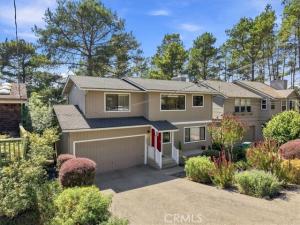
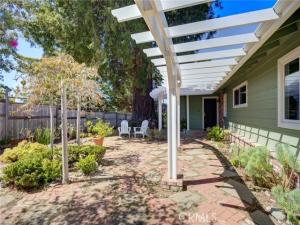
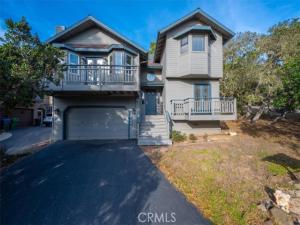
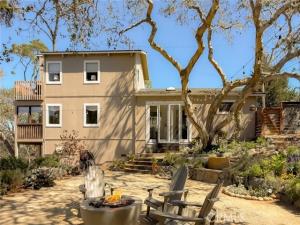
How is the Cambria Real Estate real estate market?
San Diego County is one of the most constrained real estate markets in the US — geographic barriers (ocean, mountains, military land) limit supply while strong job growth in biotech, defense, and tourism sustains demand. Within this context, Cambria occupies a specific position determined by its location within the county, its housing stock characteristics, and the buyer profile it attracts.
Who Is Buying in Cambria
The buyer pool in Cambria primarily consists of military-affiliated buyers, tech and biotech professionals, retirees from colder climates, and LA buyers seeking more affordability. Understanding the composition of active buyers is important for sellers calibrating price expectations and for buyers developing competitive offer strategies — different buyer types have different urgency, financing structures, and decision timelines.
What does housing cost in Cambria?
Pricing in Cambria reflects prices range from under $700K in east county communities to $3M+ in coastal La Jolla and Del Mar. The Knight Group tracks current active listings, pending transactions, and recent closed sales to provide clients with real-time market context — not lagging data from quarterly reports. If you are evaluating a specific property in Cambria, we can provide a comparable sales analysis and current days-on-market data before you make an offer.
Is Leimert Cambria Real Estate | Village Residential a good real estate investment?
For buyers evaluating Cambria as an investment, San Luis Obispo County has historically demonstrated resilience across market cycles — driven by structural supply constraints and consistent population and job growth. The Knight Group works with both primary-residence buyers and investors and can provide market-specific analysis to inform your decision. planned communities throughout SD county carry HOA fees; military-adjacent neighborhoods and older in-city areas typically have none
How can The Knight Group help in Cambria?
The Knight Group operates across the full Southern California and select Northern California market. Our team combines local market knowledge with access to off-market inventory — particularly relevant in supply-constrained markets like San Luis Obispo County where publicly listed homes represent only a portion of available opportunities. Contact us to discuss your specific goals in Cambria.
What is the market for Leimert Cambria Homes like?
- San Diego County ranks among the most constrained real estate markets in the United States, shaping conditions for Leimert Cambria Homes.
- Geographic barriers including ocean, mountains, and military land limit housing supply throughout the county.
- Strong job growth in biotech, defense, and tourism sustains buyer demand across the regional market.
- Cambria occupies a specific position determined by its location within the county, its housing stock characteristics, and the buyer profile it attracts.
- The buyer pool in Cambria consists primarily of military-affiliated buyers, tech and biotech professionals, retirees from colder climates, and Los Angeles buyers seeking affordability.
- Different buyer types bring different urgency, financing structures, and decision timelines to offers on Leimert Cambria Homes.
- Sellers calibrating price expectations benefit from understanding the composition of active buyers currently shopping the market.
- Pricing across the county ranges from east county communities on the lower end to coastal La Jolla and Del Mar at the top.
- The Knight Group tracks active listings, pending transactions, and recent closed sales to give clients real-time context rather than lagging quarterly data.
- Comparable sales analysis and current days-on-market data are available for buyers evaluating a specific property before writing an offer.
- San Luis Obispo County has historically demonstrated resilience across market cycles, driven by structural supply constraints and consistent population and job growth.
- Planned communities throughout San Diego County carry HOA fees, while military-adjacent neighborhoods and older in-city areas typically have none.