Browse all San Luis Obispo County real estate.

Browse all San Luis Obispo County real estate.
Most Creston CA homes for sale are land purchases first and house purchases second. This unincorporated community sits in eastern San Luis Obispo County, about 10 miles east of Atascadero and roughly a half-hour drive from the city of San Luis Obispo, on rolling foothills at the base of the La Panza Range. There are no sidewalks or subdivisions here. Access runs on State Routes 58, 46, 41, and 229 rather than a freeway on-ramp, so you trade convenience for acreage, privacy, and a working agricultural setting.
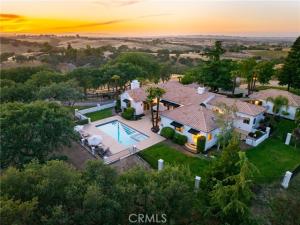
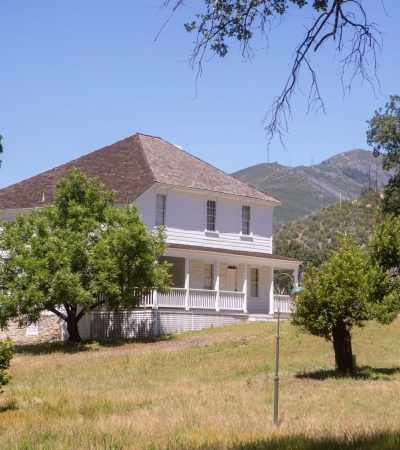
Inventory ranges from historic ranch houses on modest acreage to custom country estates, equestrian properties with barns and arenas, and bare grazing or vineyard parcels inside the Creston District AVA. What separates two similar-looking properties is usually well production, level usable ground, zoning, easements, and fire clearance rather than finish level.
Browse the current Creston listings below, or contact The Knight Group to talk through what a specific parcel actually offers before you fall for the view.
Creston sits in the interior hills of San Luis Obispo County at approximately 35.52 degrees north, 120.52 degrees west, per the community’s census profile. The census-designated place itself covers only about 0.57 square miles at its core, but the community as buyers understand it extends well beyond that boundary into surrounding ranch land.
Access is by state highway rather than freeway. The area is served by California State Routes 58, 46, 41, and 229, which connect Creston to Atascadero and the Highway 101 corridor to the west and to the Central Valley to the east. Atascadero, with its full retail, medical, and 101 access, is about 10 miles away. Paso Robles and its larger commercial base sit a short drive north. San Luis Obispo, the county seat and home to Cal Poly, is roughly a half-hour commute.
Understand what that means day to day. There is no quick freeway on-ramp in Creston. A commute to San Luis Obispo or coastal jobs runs over two-lane rural highways, and winter weather or a slow truck can stretch the drive. For buyers relocating from a city, the tradeoff is real: you gain land and quiet, you give up convenience.
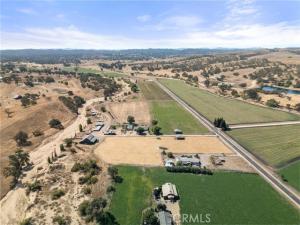
The Creston market is a land market first. Inventory ranges from historic ranch houses on modest acreage to custom country estates, equestrian facilities with barns and arenas, and bare vineyard or grazing parcels. Most listings carry meaningful acreage, and that acreage is often the point: pasture for horses, plantable ground for a vineyard, or open range for cattle.
Because so much value sits in the land, comparable sales behave differently than they do in a tract neighborhood. Two properties with similar houses can be priced very differently based on water rights and well production, the amount of level usable ground, road frontage, and whether the land is already planted or fenced. Pricing is described here qualitatively on purpose: Creston has a thin transaction volume, and any single median figure would misrepresent a market where a bare grazing parcel and a turnkey equestrian estate can both be “typical” in the same month.
The practical implication for buyers is that due diligence matters more than in a subdivision. Well output, septic capacity, zoning, easements, and fire clearance can swing a property’s real value far more than finish level. The Knight Group treats those items as part of pricing, not as afterthoughts.
Creston lends its name to a recognized wine appellation. The Creston District was approved in 2014 as one of 11 sub-districts within the larger Paso Robles AVA, following a petition first filed in 2007, according to the Paso Robles Wine Country Alliance. That designation is a genuine asset for anyone considering vineyard ground here.
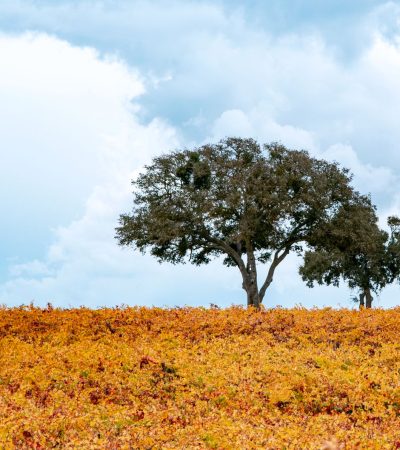
The district covers roughly 47,000 acres with more than 1,400 acres under vine, per the same source. Vineyards are mostly planted between 1,000 and 1,300 feet of elevation, with some sites reaching 1,800 feet. Soils include granitic rock, sandstone, and Monterey formation shale at higher elevations, with sandy loam lower down and clay loams on the hillsides and terraces. The climate shows a large diurnal temperature swing, commonly 25 to 35 degrees Fahrenheit between day and night, and the area sits in a rain shadow that produces only about 11.5 inches of annual rainfall.
What grows here reflects that warmth and elevation. The district is planted heavily to Bordeaux varieties, Cabernet Sauvignon foremost, along with Rhône varieties. For a buyer, the takeaway is that Creston ground has a documented viticultural track record. That supports resale interest from vineyard buyers, but it also means water and the cost of dry-farming or irrigating in an 11.5-inch rainfall zone deserve hard scrutiny before you plant anything.
Creston was founded in 1884 on the Rancho Huerhuero Mexican land grant and named after Calvin J. Cressy, per its historical record. The surrounding country was ranching land from the start: rolling, oak-dotted hills well suited to cattle and horses. That agricultural identity never really left. The town grew slowly around ranching and farming, and grapes eventually proved they could thrive here, which set the stage for the vineyards and wineries that define the district today.
The community retains an unmistakably rural, small-town character. It centers on a historic saloon, a small general store, and community traditions including an annual rodeo. This is a working agricultural town, not a resort recreation of one, and that authenticity is a large part of why buyers seek it out.
Creston is small by any measure. The 2020 census recorded 98 residents within the census-designated place, up marginally from 94 in 2010, per the census data. It first appeared as an official census-designated place in 2010. Population density within that CDP boundary was about 174 people per square mile, a figure that reflects the small core rather than the far larger ranching area residents identify with.
Growth is deliberately constrained. As an unincorporated community, Creston is governed by San Luis Obispo County land-use policy that favors low-density, rural zoning. That keeps parcels large and buildout limited, which is precisely what preserves the open character buyers are paying for. The trade-off is that inventory is thin and turns over slowly. When the right parcel appears, there is rarely a second identical one waiting behind it.
Creston is served by the Atascadero Unified School District. The community has its own small public elementary school, Creston Elementary, a K-5 campus on O’Donovan Road, per the California Department of Education and GreatSchools directories. It is a genuinely small school, which some families value for its ratio and others weigh against the breadth of a larger campus.
Beyond elementary grades, students continue within Atascadero Unified, with middle and high school options in Atascadero. Families relocating for schools should confirm current attendance boundaries and transportation directly with the district, since rural boundaries and busing can change and the drive distances are not trivial.
Name the trade-offs before you buy. Creston is beautiful, and it is also genuinely rural, which introduces considerations that suburban buyers may not have faced.
Water. Most properties rely on private wells rather than a municipal water system. Well depth, production rate, and water quality vary from parcel to parcel and directly affect what the land can support, whether that is a household, livestock, or a vineyard. In a district that averages only about 11.5 inches of rain a year, water is the single most important item to verify.
Septic. With no community sewer, homes use septic systems. Age, capacity, and soil percolation matter, and any plan to add a second dwelling or expand will run through county septic requirements.
Wildfire. The interior foothill setting carries wildfire exposure typical of California ranch country. That shapes insurance availability and cost, defensible-space clearance obligations, and, in some cases, building materials. Buyers should price homeowners insurance early, not at the closing table, because the California market for rural fire-exposed properties has tightened.
Access and services. Longer drives to shopping, medical care, and emergency services are part of the deal, and some parcels are reached by private or shared roads with their own maintenance arrangements. Confirm road agreements and easements in writing.
None of these are reasons to avoid Creston. They are reasons to buy the specific parcel deliberately. The Knight Group builds these checks into the offer and inspection process rather than leaving them to chance.
Creston fits a specific buyer. Equestrians who need real acreage, fencing, and riding country find one of the better settings in San Luis Obispo County here. Aspiring or established vintners get documented AVA ground with a Cabernet and Rhône track record. Ranchers and hobby-farm buyers get usable agricultural land. And buyers who simply want privacy, dark skies, and distance from a subdivision get exactly that.
It is a poor fit for buyers who prioritize a short commute, walkable amenities, or the predictability of an HOA-managed neighborhood. Being honest about which group you are in is the fastest way to a good outcome. If the rural profile is what you want, few places deliver it as completely as Creston.
Creston does not contain named subdivisions or condo buildings the way a city neighborhood does. Its “sub-areas” are ranching corridors and vineyard districts rather than platted communities, so buyers evaluate parcels individually rather than by tract. What Creston offers instead is position: it sits within easy reach of the county’s larger markets.
Paso Robles wine country and its expanding dining and tasting scene are a short drive north. Atascadero provides the nearest everyday services and Highway 101 access. San Luis Obispo, with Cal Poly, the county’s largest job base, and the airport, is about 30 minutes away. To explore the full county and the other communities The Knight Group covers, start from the San Luis Obispo County region page, then come back to Creston when you want land rather than a lot.
Because so much of the value sits underground and underfoot, Creston real estate rewards buyers who investigate in a specific order. Start with water: ask for the well log, the tested gallons per minute, and any history of the well being deepened, then weigh that against what you actually plan to do with the land. Livestock, a vineyard, and a household have very different demands, and an 11.5-inch rainfall zone leaves little margin. From there, look at how much of the acreage is genuinely level and usable, where the septic can go or already sits, what the zoning permits, and who else holds a right to cross the parcel.
The second question is what kind of ownership you want. A fenced pasture with a modest older house, a bare parcel you plant yourself, and a finished equestrian setup with barn and arena are three different projects with three different budgets and timelines. Fire clearance and access road condition affect insurance and daily life on all of them. Tell The Knight Group which of those three you are after, and the search narrows quickly.
Creston is an unincorporated community in eastern San Luis Obispo County, about 10 miles east of Atascadero and roughly 30 minutes from the city of San Luis Obispo. Its ZIP code is 93432, and it is served by State Routes 58, 46, 41, and 229.
The core census-designated place recorded 98 residents in the 2020 census, up slightly from 94 in 2010. The surrounding ranching area that residents identify as Creston is larger, but the community remains very small and low-density by design.
Yes, with due diligence on water. Creston lends its name to the Creston District AVA, approved in 2014 within the Paso Robles AVA, which has more than 1,400 acres under vine and a strong record with Cabernet Sauvignon and Rhône varieties. Because annual rainfall averages only about 11.5 inches, water supply is the critical factor to verify on any specific parcel.
Generally no. Most properties rely on private wells and septic systems rather than municipal utilities. Well production and septic capacity vary by parcel and should be verified during inspection, since they determine what the land can support.
Creston is part of the Atascadero Unified School District. The community has its own K-5 campus, Creston Elementary, on O’Donovan Road, with older students continuing at schools in Atascadero.
Yes. Like much of interior California ranch country, Creston carries wildfire exposure that affects insurance cost and availability and requires defensible-space clearance. Buyers should obtain homeowners insurance quotes early in the process.
County zoning favors low-density rural use, which keeps parcels large and limits new construction. That preserves the open, agricultural character but means listings are limited and can turn over slowly. Working with an agent who tracks the market closely helps you see the right parcel when it appears.
You can, but plan for it. There is no freeway in Creston, so commutes run over two-lane rural highways. San Luis Obispo is about 30 minutes in good conditions; coastal destinations are farther. Buyers who need a short daily commute should weigh that honestly.
The Knight Group approaches Creston as a land purchase, not just a home purchase. That means the analysis starts with the items that actually drive value and risk in rural San Luis Obispo County: well production and water quality, septic capacity, usable versus unusable acreage, zoning and agricultural designations, easements and road agreements, wildfire exposure, and insurance cost. We surface those early, because in this market they matter more than paint and countertops.
For buyers, that translates into offers written with the right contingencies and inspections, and a realistic read on what a parcel can and cannot support before you are emotionally committed. For sellers, it means positioning the land’s genuine strengths, water, acreage, AVA standing, or equestrian improvements, to the buyers who value them most, rather than marketing a ranch as if it were a suburban home.
If you are considering buying or selling in Creston, browse the current listings below and reach out to The Knight Group. We will tell you what a property is really worth, including the parts that are easy to overlook until after you own them.
Lucky for you we’re looking out.
Subscribe to this Custom Search to be alerted when new properties hit the market in the area.
Choose the frequency that works for you.