Browse all San Luis Obispo County real estate.

Browse all San Luis Obispo County real estate.
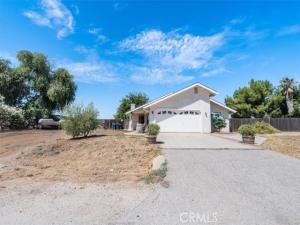
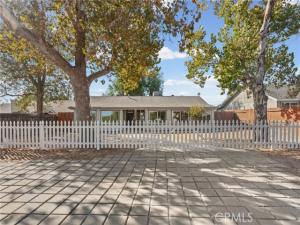
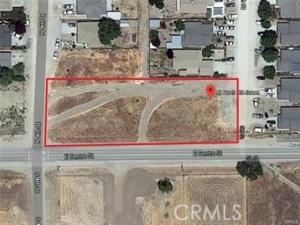
Shandon CA Homes for Sale currently number 3 active listings with a median asking price of $500,000 (CRMLS, September 2026).
Most buyers looking at Shandon CA homes for sale are here for one reason: land. Shandon is a small unincorporated village at the junction of Highway 46 and Highway 41 in northeastern San Luis Obispo County, settled in 1890 and still a farming town built around vineyards, row crops, and cattle. Listings have ranged from roughly $85,000 to about $7,750,000, with a median list price per square foot near $279. The trade is straightforward: more acreage and a lower cost per acre than the coastal cities, in exchange for distance, well water, and a genuinely rural pace.
Inventory skews rural rather than tract. You will see single-family homes on village lots in the small town core, older farmhouses and ranch houses on larger parcels, bare land, and vineyard properties running into hundreds of acres. Two listings a mile apart can be entirely different products, so confirm zoning and allowed uses before you assume what a parcel can do.
The listings for Shandon appear below. If you want to talk through what a specific parcel involves, from water rights to zoning to what the land can actually grow, contact The Knight Group and we will walk the details with you before you write an offer.
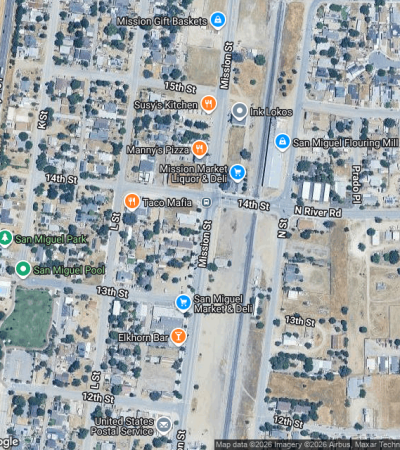
Shandon sits at the junction of Highway 46 and Highway 41 in northern San Luis Obispo County. From the coast and from U.S. 101, the standard route runs east on Highway 46 from the Paso Robles area; from the Central Valley, drivers reach Shandon by heading west on Highway 41 or Highway 46. The Shandon Joint Unified School District office lists its own directions off U.S. 101 north, exit 231, then east on CA-46 and onto CA-41 at West Centre Street.
That crossroads position is why the town has long been described as the eastern gateway to San Luis Obispo County. Travelers moving between the Central Valley and the Central Coast pass through, and the town has historically been a place to stop, refuel, and buy local agricultural products. For a resident, the practical reality is that Shandon is a highway-connected rural town: you are close to two state routes, but daily errands, larger grocery stores, and most professional services mean a drive toward Paso Robles or another Highway 46 town.
Anyone buying here should test their own commute in real conditions. Highway 46 carries agricultural traffic and truck traffic, and the drive time to coastal employment centers is meaningfully longer than living in Paso Robles proper. If your work is remote or land-based, that matters less. If you commute to San Luis Obispo daily, drive it before you commit.
Shandon inventory skews rural and agricultural rather than tract housing. In practice you see a mix of single-family homes on standard village lots inside the small town core, older farmhouses and ranch houses on larger parcels, bare land, and vineyard or agricultural properties that can run into hundreds of acres. This is not a subdivision market. Two listings a mile apart can be completely different products: one a modest in-town house, the other a working vineyard with planted acreage and its own water infrastructure.
Because of that spread, Shandon rewards buyers who know what they actually want the land to do. A home buyer who simply wants an affordable house on a quiet street is shopping a different segment than an investor or grower who wants planted vineyard, replant potential, or grazing ground. The county classifies much of the surrounding area as agricultural, and the Shandon-Carrizo planning framework governs what can be built and how land is used. Confirm zoning and allowed uses on any parcel before you assume you can split it, build a second home, or start a new agricultural operation.
Owner-occupancy in Shandon runs high, and household sizes tend to be larger than the county average, which fits a community of families and long-tenure landowners rather than a churn of short-term rentals. That stability is part of the character, and it also means turnover is low and good parcels do not come up often.
Shandon pricing spans an unusually wide band because the market mixes modest village homes with large vineyard estates. Per Zillow and Rocket data reviewed in mid-2026, listings in Shandon have ranged from roughly $85,000 at the low end to about $7,750,000 at the top, with a median list price per square foot near $279. Rocket reported a June 2026 median list price of about $444,000. Treat the median as a rough midpoint of a bimodal market rather than a description of a typical house, because the same data set contains both raw land and multimillion-dollar agricultural holdings.
What that means for a buyer is simple. The headline median tells you little about the parcel you actually want. A small in-town home and a planted vineyard estate are priced by entirely different logic: one by comparable houses, the other by planted acres, water, production history, and equipment. When you find a property that interests you, the right question is not what Shandon’s median is, but what comparable parcels of that specific type have traded for. That is the analysis we run before advising on price.
Compared with San Luis Obispo County’s coastal cities, Shandon remains one of the lower-cost entry points in the county on a per-acre basis, which is the entire reason land buyers look here in the first place.
Shandon is a thin, slow market. Inventory at any given time is measured in single digits to low double digits, and third-party sources in mid-2026 described the market as slowing, with homes sitting for extended periods before selling. That is normal for a rural agricultural town: the buyer pool is small and specialized, and a vineyard parcel or ranch can take a long time to find the one buyer who wants exactly that.
For a seller, the practical takeaway is that pricing and positioning have to be right the first time, because there is no deep pool of backup buyers waiting. Overpricing a rural parcel here does not produce a slightly slower sale; it can mean months of no serious activity. For a buyer, a slow market can mean real negotiating room on a property that has been listed for a while, especially where the seller has already moved or where the land needs work.
Because the data set is small and mixes very different property types, individual statistics from listing portals swing hard from month to month. Do not steer a six- or seven-figure land decision by a single portal metric. Ground the decision in comparable sales of the same property type, which is exactly the work we do parcel by parcel.
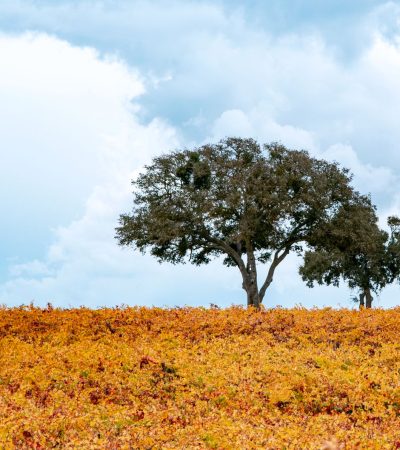
Shandon sits inside the Paso Robles wine region, and its surrounding valley is planted with vineyards. The Paso Robles American Viticultural Area was established in 1983, covers roughly 614,000 acres, and grows more than 40 grape varieties. Within it, the Shandon area falls in the San Juan Creek District, one of the region’s eastern sub-appellations. That district is known for warm summer days, cool nights, and a large daily temperature swing on the order of 35 to 40 degrees, conditions well suited to Bordeaux varieties such as Cabernet Sauvignon, Merlot, and Cabernet Franc, along with Petite Sirah and a range of Italian and Spanish grapes.
Commercial grape growing came to the Shandon and San Juan Creek area in the 1960s. Robert Young planted a vineyard here in 1963, and the property now known as Rancho Dos Amigos on Shandon Heights is cited as the area’s first large-scale commercial vineyard. Shandon Hills Vineyard was planted in 1972 and was originally part of Shell Creek Vineyard. That history matters because it tells you the area has a real, decades-long track record as growing ground, not a speculative newcomer.
For a buyer, wine-country status changes the diligence list. On a vineyard or plantable parcel you are evaluating soil, exposure, existing plantings and their age and variety, water availability, and whether the parcel can be farmed profitably at its size. Those factors, not just the house, drive value. If you are buying to grow, get the vineyard evaluated by people who understand San Juan Creek District conditions before you rely on the seller’s production claims.
Shandon’s identity is defined by the ground around it more than by a dense town center. The village core sits at the Highway 46 and Highway 41 junction, and the agricultural land radiates outward into the Shandon Valley and toward the San Juan Creek District plantings. Named growing ground in and around the area includes the Shandon Heights vineyards, home to the historic Rancho Dos Amigos planting, and Shandon Hills Vineyard with its Shell Creek Vineyard roots. These are working agricultural areas rather than platted neighborhoods, so when you shop Shandon you are effectively choosing between the in-town village lots and the surrounding vineyard, ranch, and open-land parcels.
The broader planning context is the Shandon-Carrizo area, addressed in the county’s Shandon Community Plan, which governs land use across this rural northeastern portion of San Luis Obispo County. Because the community has no separate incorporated city government, county planning and zoning determine what you can build and farm. That is one more reason to verify the specific parcel’s designation rather than assume, since two nearby parcels can carry different allowed uses.
This hub currently has no individual community sub-pages listed beneath it. When you are ready to look at specific parcels, whether a village home, bare land, or a planted vineyard, The Knight Group can pull current listings and off-market opportunities across the Shandon area and walk you through each one.
Shandon is served by the Shandon Joint Unified School District, headquartered at 101 South First Street in Shandon. The district is genuinely rural: it covers a large portion of northern San Luis Obispo County and extends into southern Monterey County, and it operates three schools, Shandon Elementary serving kindergarten through eighth grade, Shandon High School serving ninth through twelfth grade, and the small Parkfield Elementary, a one-room school serving the outlying Parkfield community. California Department of Education and district-linked profiles have reported total enrollment around 253 students, with a majority-minority student body and a substantial share of students classified as economically disadvantaged.
For families, the honest picture is that Shandon offers small, tight-knit schools with low enrollment rather than the range of programs a large suburban district provides. That is a feature for some buyers and a limitation for others. If school fit is central to your decision, contact the district directly, tour the campuses, and confirm current programs and boundaries before you buy, because rural district offerings change and enrollment numbers are small enough that year-to-year shifts are meaningful.
Water is the single most important diligence item on most Shandon properties. This is rural agricultural land, and many parcels rely on private wells rather than a municipal water system. Well depth, water quality, and reliable yield vary property to property, and a vineyard or ranch that cannot water its plantings or livestock is worth far less than one that can. Never assume a well is adequate because the seller says so. Get it tested and get the yield verified.
Groundwater in this part of northern San Luis Obispo County is also subject to California’s Sustainable Groundwater Management Act, the state law that requires local agencies to bring overdrafted basins into long-term balance. That framework can affect pumping, new-well permitting, and future land use for agricultural parcels. Confirm which basin and which management arrangement a specific parcel falls under, and what that means for your intended use, before you buy. This is not a formality in Shandon; it can determine whether you can farm the land the way you plan to.
The practical rule: on any rural Shandon parcel, treat water as a gating question. Verify the source, the yield, the quality, and the regulatory status early, because it can change both the value and the viability of the property.
Shandon’s advantages and its risks come from the same source: it is genuinely rural. The upside is land, lower cost per acre than the coast, real agricultural potential, and a stable, long-tenure community. The trade-offs are distance from services and employment, reliance on well water and often septic systems, thin resale demand, and the diligence burden that comes with agricultural and vineyard property.
Buyers should also treat wildfire exposure as a real category in rural San Luis Obispo County and check a specific parcel’s fire hazard designation, insurance availability, and cost before committing, since rural fire-risk properties can be harder and more expensive to insure. Confirm road access and maintenance responsibility for parcels reached by private or shared roads, verify septic and any needed permits, and check the county Shandon-Carrizo planning designation for allowed uses. None of these are reasons to avoid Shandon. They are the reasons to do the work before you buy, and they are exactly where an agent who knows rural transactions earns their keep.
Shandon fits a specific buyer. It is right for land buyers, growers, ranchers, and people who want acreage and privacy and are comfortable with well water and a rural drive. It is right for investors evaluating vineyard and agricultural parcels inside the Paso Robles region at eastern-district pricing. It is right for families who value a small, close-knit community over amenities and are clear-eyed about school scale and commute.
It is not the right fit for buyers who need walkable town services, short commutes to coastal employment, deep resale liquidity, or the predictability of a subdivision. If those are your priorities, the coastal and central parts of San Luis Obispo County will serve you better, and we will tell you so rather than sell you a parcel that does not match how you actually live.
It can be, if the parcel checks out. Shandon sits in the Paso Robles AVA’s San Juan Creek District, which has a decades-long track record growing Cabernet Sauvignon and other Bordeaux varieties. The quality of any specific parcel depends on soil, water, existing plantings, and size. Have the land and water evaluated before you rely on production claims.
Prices span a very wide range because the market mixes small village homes with large vineyard estates. Mid-2026 listing data showed a range from roughly $85,000 to about $7,750,000 and a June 2026 median list price near $444,000 per Rocket, with median list price per square foot around $279 per Zillow-based data. The right benchmark is comparable sales of your specific property type, not the overall median.
Many rural parcels in and around Shandon rely on private wells rather than a municipal system. Well yield and water quality vary by property, and area groundwater is subject to California’s Sustainable Groundwater Management Act. Verify the water source, yield, quality, and regulatory status on any parcel before you buy.
Shandon Joint Unified School District operates Shandon Elementary (K-8), Shandon High School (9-12), and the small Parkfield Elementary. It is a small rural district with reported enrollment around 253 students. Contact the district directly to confirm current programs and boundaries.
Shandon sits east of the Paso Robles area at the junction of Highway 46 and Highway 41, and the standard route runs along Highway 46. It is a highway-connected but genuinely rural town, so plan on driving toward Paso Robles or another Highway 46 community for larger stores and most services. Test your own commute before you buy.
The market is thin and specialized. There are few listings at any time and a small, specific buyer pool, especially for vineyard and ranch parcels. That can mean extended time on market and, for buyers, real negotiating room on the right property. For sellers, it means pricing has to be right from day one.
Not automatically. Land use in this unincorporated area is governed by San Luis Obispo County and the Shandon-Carrizo planning framework. Allowed uses, building, and any splits depend on the parcel’s specific zoning and designation. Confirm with the county before assuming what you can do.
The Knight Group represents buyers and sellers across San Luis Obispo County, including rural and agricultural markets like Shandon. Our approach here is diligence first. Before we advise on price, we ground the analysis in comparable sales of the same property type, whether that is a village home, bare land, or a planted vineyard, rather than leaning on a single portal statistic that mixes very different parcels.
On rural property we treat water, zoning, access, septic, insurance, and wildfire exposure as gating questions, not afterthoughts, and we help you get the right inspections and evaluations ordered early. For sellers, we position rural listings for a small, specific buyer pool and price them to actually move in a thin market. For buyers, we surface both listed and off-market opportunities and walk each parcel with you before you commit.
Browse the current Shandon listings below. When you want to evaluate a specific property or understand what a parcel can really do, contact The Knight Group and we will do the work with you before you write an offer.
Lucky for you we’re looking out.
Subscribe to this Custom Search to be alerted when new properties hit the market in the area.
Choose the frequency that works for you.