What schools and transit options does Downtown San Mateo have?
San Mateo’s three Caltrain stations — San Mateo, Hayward Park, and Hillsdale — provide the most comprehensive rail transit coverage of any city in San Mateo County, reflecting the city’s scale and the geographic distribution of its residential neighborhoods across a north-south corridor that a single station could not efficiently serve. The San Mateo station is adjacent to the downtown district and serves the city’s northern and central residential areas. Hayward Park station serves the mid-city residential sections. Hillsdale station, near the Hillsdale Shopping Center and Caltrain’s southernmost San Mateo stop, serves the southern residential areas. For buyers who commute by Caltrain, the choice of which San Mateo neighborhood to target should be informed by which station provides the most convenient access from a prospective address.
The San Mateo-Foster City Elementary School District is San Mateo’s K-8 school authority, operating multiple elementary and middle school campuses across the city. The district serves a broad demographic range and maintains strong academic programming at its top-performing schools, though academic outcomes vary more across campuses than in smaller, more homogeneous districts like the San Carlos or Burlingame elementary districts. The specific school assignment for any San Mateo address depends on current enrollment boundaries; buyers with school-age children should verify assignments with the district office and review the academic performance data for the specific campus that would serve their prospective address. For high school, San Mateo students attend San Mateo High School, Hillsdale High School, or Aragon High School based on address location in the Sequoia Union High School District.
The Japanese Tea Garden in San Mateo’s Central Park is the city’s most distinctive cultural amenity — a traditional Japanese garden with a tea house, koi pond, stone lanterns, and seasonal blooms that provides a genuine cultural and recreational oasis within the urban residential environment. Central Park itself, with athletic fields, a public swimming pool, and extensive picnic and open space areas, is the city’s primary recreational hub and a daily-use facility for residents of the surrounding neighborhoods. The Hillsdale Shopping Center provides major retail anchor access that most Peninsula cities of San Mateo’s size maintain without equivalent commercial infrastructure. Highway 101 and 92 provide major freeway access, with the San Mateo-Hayward Bridge (Route 92) providing a cross-bay connection to the East Bay that is specific to San Mateo’s geographic position.
MarketTrends
How is the San Mateo Real Estate real estate market?
San Mateo is one of San Mateo County’s most diverse and most accessible mid-tier residential markets — a city of approximately 105,000 residents where the 2026 median home price ranges from approximately $1.6 to $1.9 million for single-family homes and where the range of residential product types, from the waterway-adjacent Shoreview and Marina Lagoon neighborhoods to the hillside estates of Baywood Park and the Western Hills, creates buying opportunities across a broad buyer profile. San Mateo’s scale gives it the commercial and institutional infrastructure of a genuinely urban city — three Caltrain stations, a robust downtown district, and a diverse school system — while maintaining the residential character and neighborhood scale that mid-sized Peninsula cities typically sustain better than larger Bay Area cities.
The city’s residential sub-markets reflect significant geographic variation. The western hillside neighborhoods — Baywood Park, Baywood Knolls, Highlands, Highlander, Western Hills, Westwood Knolls, Sugarloaf — occupy elevated terrain with bay and valley views, larger lots, and the premium pricing that elevated residential positioning commands throughout San Mateo County. Baywood Park, the city’s most prestigious hillside neighborhood, trades at medians well above the city average, competing with neighboring Hillsborough and Burlingame on residential quality while remaining within San Mateo’s overall market context. The flatland central and eastern sections — Downtown San Mateo, Hayward Park, Beresford Park, Fiesta Gardens, North Central — offer more accessible pricing with Caltrain walkability and downtown commercial access. The bay-adjacent eastern sections — Shoreview, South Shoreview, North Shoreview, Marina Lagoon, Mariners Island, Tidelands, Westshore — provide bay views and waterway access at pricing that reflects the eastern, bay-adjacent position.
The school district serving San Mateo’s K-8 students is the San Mateo-Foster City Elementary School District — a large multi-school district that operates across San Mateo and Foster City, maintaining strong academic programming while serving a more demographically diverse student population than the smaller, wealthier districts in Hillsborough, Burlingame, and San Carlos. For high school, San Mateo students attend San Mateo High School, Hillsdale High School, or Aragon High School in the San Mateo Union High School District. The three high schools serve different geographic sections of the city, and the specific campus assignment depends on address location.
Downtown San Mateo’s 3rd and 4th Avenue corridor is one of San Mateo County’s most vibrant commercial districts — a dining, retail, and entertainment environment that supports multiple Caltrain station access (the San Mateo station is immediately adjacent to downtown) and draws visitors from across the mid-Peninsula. The Japanese Tea Garden in Central Park, the Hillsdale Shopping Center, and the Filipino Cultural Arts Center are among the city’s distinctive civic and cultural institutions that give San Mateo a cultural depth that smaller Peninsula cities cannot sustain at the same scale.
What is the restaurant scene like in Downtown San Mateo?
Downtown San Mateo has developed one of San Mateo County’s strongest restaurant concentrations — a dining district that draws both neighborhood residents and destination diners from across the mid-Peninsula. The 3rd and 4th Avenue corridors feature restaurants spanning Japanese, Korean, Italian, Mediterranean, and American cuisines at a range of price points, with an unusually high density of independently owned establishments versus chains. The dining scene has been consistently rated among the Peninsula’s most diverse and highest-quality outside of San Francisco, making Downtown San Mateo a viable restaurant destination for the broader regional dining public rather than only for city residents.
How walkable is the Downtown San Mateo neighborhood?
Downtown San Mateo is among the most walkable neighborhoods in San Mateo County, with restaurants, grocery, pharmacy, and service businesses all accessible on foot from the immediate downtown residential addresses. The Caltrain station’s position within the downtown area makes rail transit accessible without any driving. Central Park’s Japanese Tea Garden and athletic facilities are within walking distance. The 3rd Avenue Farmers Market operates on weekends, providing fresh produce and artisan goods within the downtown commercial corridor. For buyers who specifically want to minimize car use and maximize walkable access to daily necessities, Downtown San Mateo provides a Peninsula-rare combination of transit access, restaurant density, and commercial walkability.
What are the home types available in Downtown San Mateo?
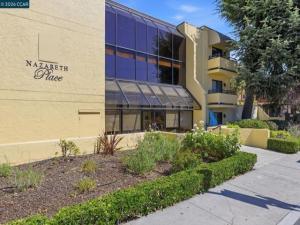
Downtown San Mateo’s residential options include studio and one-bedroom condominiums at entry-level price points, larger two-and-three-bedroom condominium units in newer buildings, and occasional single-family homes on the residential streets immediately adjacent to the commercial core. The unit mix reflects the downtown’s urban character — density is higher and outdoor space per unit is smaller than in suburban sections of the city, but the walkable commercial access and transit connectivity compensate for the reduced private outdoor space. HOA fees apply to condominium units and should be factored into total ownership cost assessments.
What is the Japanese Tea Garden at Central Park?
The Japanese Tea Garden in San Mateo’s Central Park is a traditional Japanese garden established in 1966 and expanded over subsequent decades, featuring a tea house, koi pond, arched bridge, stone lanterns, and seasonal Japanese botanical plantings. The garden is one of the Peninsula’s most distinctive civic cultural spaces, providing a genuine horticultural and cultural experience that most Bay Area cities cannot match within a public park setting. The garden is used by downtown residents as a walking and contemplation destination, and it attracts visitors from across the county who use it as a weekend cultural outing destination. For downtown San Mateo residents, the garden’s proximity is a daily quality-of-life asset.
San Mateo Real Estate FAQs
What neighborhoods in San Mateo are most popular with families? The Beresford, Laurelwood, and Sugarloaf neighborhoods in central and southern San Mateo are consistently among the most popular for families, given the school district attendance boundaries and the established single-family residential character. The Hillsdale neighborhood (adjacent to the Hillsdale Shopping Center) and the North Shoreview waterfront neighborhood attract buyers at different price points and with different lifestyle priorities. San Mateo’s diversity of residential neighborhoods provides options for families across a broad range of price points and priorities.
How are the schools in San Mateo? The San Mateo-Foster City Elementary School District (SMFCSD) serves grades K-8, with multiple elementary schools across the city. The district is consistently ranked as a strong elementary district in San Mateo County. High school students attend San Mateo High School or Hillsdale High School (San Mateo Union HSD), both of which offer comprehensive academic and extracurricular programs. Many San Mateo families also consider private school options in the immediate area.
What is the Bay Meadows area of San Mateo? Bay Meadows is a mixed-use planned development on the former Bay Meadows racetrack site — the development combines residential apartments and condominiums with commercial, retail, and office space in the transit-oriented development around the Hillsdale Caltrain station. The Bay Meadows neighborhood is one of the Peninsula’s most notable examples of transit-oriented infill development, creating a walkable urban environment adjacent to the Caltrain.