How are schools and jobs in Sunshine Gardens?
South San Francisco Unified School District serves all public K-12 students in the city, operating elementary, middle, and high school campuses across the city’s residential neighborhoods. South San Francisco High School is the district’s primary high school, with El Camino High School serving a portion of the student population. The district has invested significantly in educational programming and facilities in recent years, reflecting the broader demographic and economic transformation that the biotech employment boom has driven in the city. Private school options are limited within the city but accessible in adjacent Daly City, San Mateo, and Burlingame within a 15 to 20 minute drive.
South San Francisco’s identity as “The Industrial City” — the slogan painted in large white letters on the hillside visible from Highway 101 — reflects the city’s historical role as a manufacturing and industrial hub for the Bay Area. In recent decades, this industrial identity has been dramatically transformed by the arrival of biotechnology: Genentech built its campus in South San Francisco in 1976, and the cluster effect of that anchor tenant has drawn dozens of life sciences companies to the city’s research parks. Today South San Francisco is the global capital of the biotechnology industry as much as any single location can claim that title, and this transformation has fundamentally changed the city’s economic and residential character.
Sign Hill Park — the hillside park from which the “South San Francisco” lettering is visible — provides hiking and open space access for residents of the neighborhoods that border its slopes. The Centennial Trail at Orange Memorial Park and other city parks provide additional recreational infrastructure. Access to SFO for residents of all South San Francisco neighborhoods is under 10 minutes by car, making the city among the most airport-convenient residential addresses in the Bay Area. Caltrain service at the South San Francisco station connects to San Francisco (approximately 25 minutes) and to San Jose and Silicon Valley employment centers (approximately 55 to 75 minutes).
What schools and commutes serve Sunshine Gardens South San Francisco Homes?
- South San Francisco Unified School District serves all public students in the city, operating elementary, middle, and high school campuses across residential neighborhoods.
- South San Francisco High School acts as the district’s primary high school, with El Camino High School serving a portion of the student population.
- District investment in educational programming and facilities reflects the demographic and economic transformation that the biotech employment boom has driven citywide.
- Private school options remain limited within the city but are accessible in adjacent Daly City, San Mateo, and Burlingame by a short drive.
- Genentech’s campus anchored a cluster effect that drew dozens of life sciences companies into the city’s research parks and transformed its industrial character.
- Sign Hill Park provides hiking and open space access, while the Centennial Trail at Orange Memorial Park adds further recreational infrastructure near Sunshine Gardens South San Francisco Homes.
- Caltrain service at the South San Francisco station links Sunshine Gardens South San Francisco Homes to San Francisco and to Silicon Valley employment centers.
MarketTrends
How is the South San Francisco Real Estate real estate market?
South San Francisco has emerged as one of the Bay Area’s most value-competitive residential markets despite its proximity to some of the region’s most significant employment centers. As of June 2026, the citywide median home price is approximately $1.1 million — a fraction of comparable cities in San Mateo County to the south, yet positioned within minutes of Genentech’s global headquarters, San Francisco International Airport, and the Highway 101 corridor that connects to the Peninsula’s full employment geography. For buyers who want Northern Peninsula access at a meaningful price discount to cities like Burlingame, Hillsborough, and San Mateo, South San Francisco represents the most compelling value proposition in the county.
Individual neighborhoods vary around the city median. Westborough — South San Francisco’s largest and most suburban residential area — has seen prices climb to a March 2026 median of approximately $1.3 million following a 12.4% year-over-year increase. Sunshine Gardens, a classic post-war subdivision developed between 1953 and 1957, sits near the citywide median at approximately $1.13 million. Winston Manor is similarly priced near $1.1 million. The hillside neighborhoods (Serra Highlands, Sign Hill, Colina, Skyline Village) can trade at modest premiums for properties with bay views, while Downtown SSF’s smaller homes and mixed commercial-residential character typically sit at the lower end of the range.
The employment driver behind South San Francisco’s residential market is biotech — specifically the Genentech campus and the broader concentration of life sciences companies that has made the Highway 101 South San Francisco corridor one of the highest-density biotech employment zones in the world. This employment base provides structural residential demand that is less volatile than technology employment cycles, as biotech and life sciences research requires physical laboratory infrastructure that cannot be offshored. SFO proximity — under 5 minutes by car — adds another layer of demand from travel-related professionals. The Caltrain South San Francisco station provides rail connectivity to both San Francisco and Silicon Valley for buyers who commute by train.
For buyers who have been priced out of Burlingame, Millbrae, or San Mateo proper, South San Francisco offers the same general location on the Northern Peninsula with significantly more purchasing power per dollar. The city’s housing stock is predominantly mid-century single-family construction from the 1950s and 1960s, offering renovation opportunities at price points where the investment in updating kitchens, baths, and systems can be recovered in resale in ways that are more challenging in higher-priced markets where renovation costs represent a smaller percentage of total property value.
What is the market for Sunshine Gardens South San Francisco Homes like?
- South San Francisco has emerged as one of the Bay Area’s most value-competitive residential markets despite proximity to the region’s most significant employment centers.
- Sunshine Gardens South San Francisco Homes belong to a classic post-war subdivision that sits near the citywide median, priced comparably to Winston Manor.
- Westborough, the city’s largest and most suburban residential area, has seen prices climb above the citywide median in recent reporting.
- Hillside neighborhoods including Serra Highlands, Sign Hill, Colina, and Skyline Village can trade at modest premiums for properties with bay views.
- Downtown SSF, with its smaller homes and mixed commercial-residential character, typically sits at the lower end of the city’s pricing range.
- Biotech employment anchored by the Genentech campus provides structural residential demand that is less volatile than technology employment cycles.
- Buyers priced out of Burlingame, Millbrae, or San Mateo find in Sunshine Gardens South San Francisco Homes the same Northern Peninsula location with more purchasing power.
- Mid-century single-family housing stock offers renovation opportunities where investment in kitchens, baths, and systems can be recovered in resale.
When was Sunshine Gardens developed?
Sunshine Gardens was developed as a planned residential subdivision between 1953 and 1957, during the post-World War II suburban expansion that characterized Bay Area residential development across the Peninsula, East Bay, and South Bay during this period. The subdivision’s development as a unified project between specific years gives it the architectural consistency and street-layout coherence that characterizes the best mid-century suburban development. Homes built in this concentrated period share similar proportions, materials, and design vocabulary, giving the neighborhood a visual cohesion that haphazardly developed areas lack even when those areas include homes of similar construction eras.
What are the homes like in Sunshine Gardens?
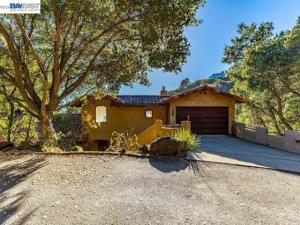
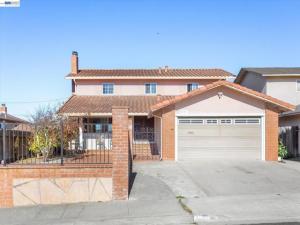
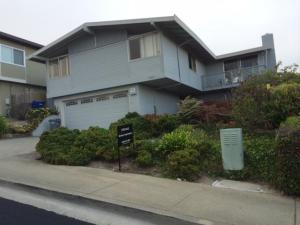
Sunshine Gardens homes are primarily ranch-style and split-level single-family residences from the 1953 to 1957 development period, with original floor plans ranging from approximately 1,000 to 1,400 square feet on lots of 4,500 to 6,000 square feet. Many homes have been expanded through additions, increasing square footage while working within the neighborhood’s architectural character. The original construction used materials and techniques typical of the era — post-and-beam framing in some cases, stucco exteriors, single-pane windows that have often been updated to double-pane — and homes vary significantly in their current condition depending on the investment level of recent owners. Renovation opportunity is present for buyers who want to modernize finishes and systems.
Is Sunshine Gardens a good neighborhood for first-time buyers?
Yes. Sunshine Gardens is one of South San Francisco’s most accessible neighborhoods for first-time buyers, with prices near the citywide median of approximately $1.1 million and the consistent neighborhood character that makes property evaluation more straightforward than in more eclectic residential areas. The mid-century home stock provides renovation opportunity for buyers who can invest in updating, and the established neighborhood character offers the community stability that first-time homeowners often find reassuring. The school district, commute access, and employment proximity to Genentech and SFO that define South San Francisco generally all apply in Sunshine Gardens, making the neighborhood a practical as well as accessible choice.
How does Sunshine Gardens compare to Westborough?
Both Sunshine Gardens and Westborough are South San Francisco’s premier post-war residential subdivisions, with similar mid-century ranch home stock and comparable price points around the citywide median of $1.1 million. Westborough is the larger of the two neighborhoods and occupies the southwestern portion of the city, while Sunshine Gardens is in the central residential section. Westborough’s March 2026 median was approximately $1.3 million — somewhat above Sunshine Gardens — reflecting the larger lot sizes and some newer construction within Westborough’s boundaries. The choice between the two neighborhoods generally comes down to specific address preference, school assignment, and which neighborhood’s specific location works better for each buyer’s commute and daily routine patterns.
South San Francisco Real Estate FAQs
What does “Industrial City” mean for residents today? The “Industrial City” designation refers to SSF’s early 20th-century industrial economy — today, the city has largely transitioned from heavy industry to biotechnology and life sciences. The hillside residential neighborhoods of SSF are well-separated from the biotech campus areas near the bay, and the residential quality in the hillside areas has benefited from the investment and income that the biotech economy brings to the local residential market. The “Industrial City” sign on the hillside remains as a beloved local landmark.
How close is South San Francisco to the biotech employers? The South San Francisco Biotechnology Campus (along the Oyster Point Boulevard waterfront area) is within 10-15 minutes of most SSF residential addresses. The Genentech headquarters complex and the associated biotech tenants are concentrated along the waterfront, making SSF one of the shortest residential-to-employer commutes available in the Bay Area for life sciences professionals.
What are the schools like in South San Francisco? The South San Francisco Unified School District (SSFUSD) serves grades K-12. The district has invested significantly in school modernization and curriculum development in recent years, and the El Camino High School and South San Francisco High School provide the public high school options. Many SSF families also consider the private school options in the neighboring San Mateo County communities. The improving school quality and the relatively affordable housing are attracting more young families to South San Francisco.