Homes for Sale in Santa Clara, California
Homes for sale in Santa Clara sit at the center of Silicon Valley, bordered by San Jose, Sunnyvale, and Cupertino, with Intel and Nvidia headquartered in the city itself. That central position on the flat valley floor is a large part of what buyers are paying for: US 101, I-880, State Route 237, El Camino Real, and the Lawrence and San Tomas Expressways put a wide range of employers within a short drive, and San Jose International Airport is immediately adjacent. Santa Clara also runs a municipal power utility that has historically kept electricity costs below the regional norm.
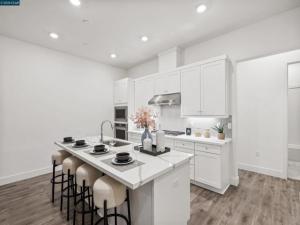
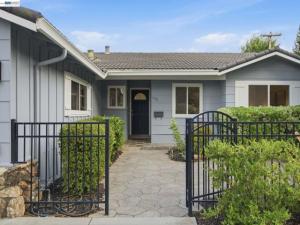
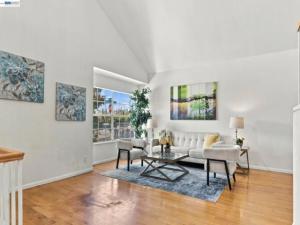
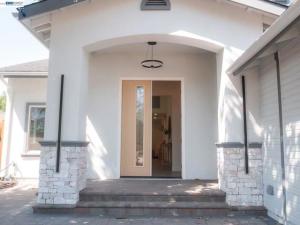
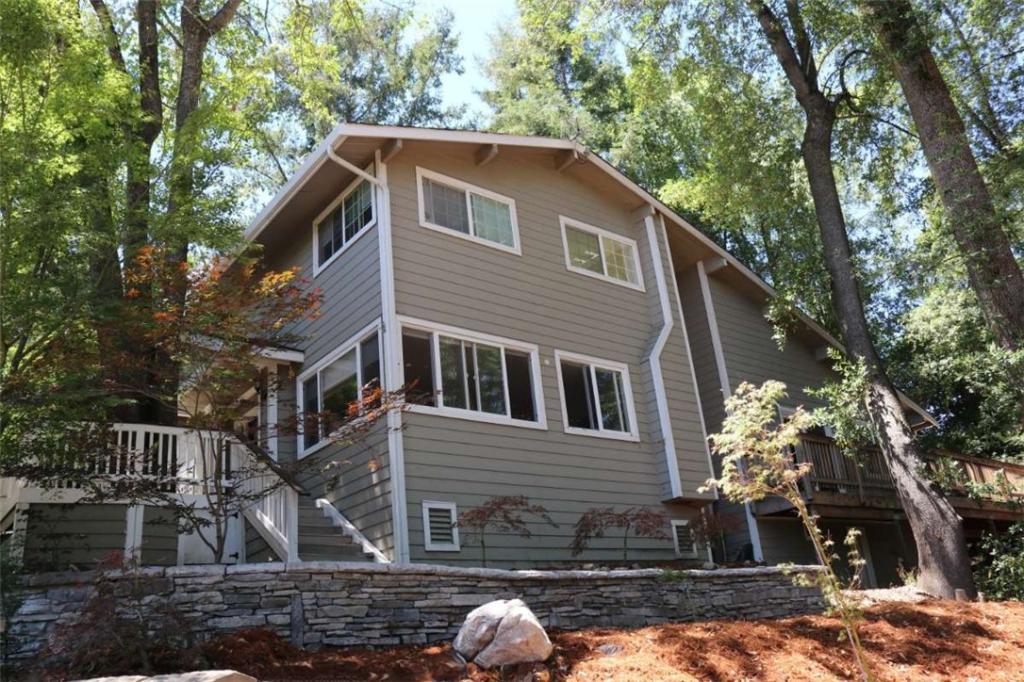
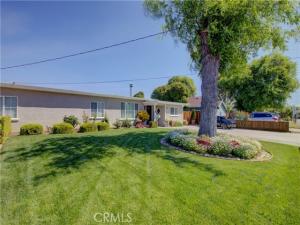
The housing stock is more varied than buyers expect. The Old Quad, next to Santa Clara University, holds the city’s oldest homes on a walkable grid near the Caltrain station. Elsewhere you find mid-century ranch homes and postwar tracts, while Rivermark on the north side adds early-2000s single-family homes, townhomes, and condominiums around a village center. Most single-family prices run well into seven figures, and differences between neighborhoods usually come down to housing age, lot size, school assignment, and proximity to the freeways or the airport.
Browse the current Santa Clara listings below, or contact The Knight Group to talk through what your budget realistically buys in this market and how to compete for it.
Where is Santa Clara located within Silicon Valley?
Santa Clara occupies a central position on the valley floor. It borders San Jose to the east and south, Sunnyvale to the west, and Cupertino to the southwest, which places most of the county’s major employers within a modest drive. The terrain is largely flat, which makes the city easy to move around by car and by bicycle.
The city is served by several major routes. US 101 runs along the northern edge, Interstate 880 cuts through the eastern side, and State Route 237 connects the north side toward the East Bay. El Camino Real, also State Route 82, runs east to west as a primary surface artery, and the Lawrence and San Tomas Expressways provide fast north-south connections. Norman Y. Mineta San Jose International Airport sits immediately adjacent to the city, which is a genuine convenience for frequent travelers, though homes near the flight path trade quiet for that proximity.
This central geography is the practical reason Santa Clara commands the prices it does. A buyer here is paying, in part, for a shorter commute to a larger number of employers than most valley cities can offer.
What is the housing market like in Santa Clara?
Santa Clara is a high-cost, high-competition market. Prices sit well into seven figures for most single-family homes, and the market moves quickly when inventory is priced correctly. Demand is driven primarily by the technology workforce, which means buyer activity tends to track the health of the local employment base and the broader tech hiring cycle.
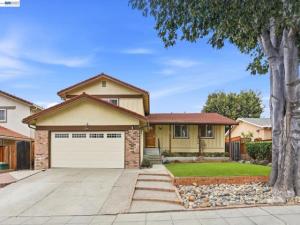
The housing stock is more varied than many buyers expect. Near Santa Clara University you find older single-family homes on established lots. Across the city there are mid-century ranch homes, postwar tract neighborhoods, and pockets of newer construction. On the north side, master-planned communities added townhomes, condominiums, and higher-density single-family product over the past two decades, which gives entry buyers and downsizers options that do not require a full detached-home budget.
Expect competition. Well-located, well-condition homes often draw multiple offers, and buyers who are not pre-approved and decisive tend to lose them. The counterweight is that Santa Clara buyers are usually well-qualified and the market, while expensive, is deep and liquid. If you want current pricing for a specific home type or neighborhood, The Knight Group can pull live comparable sales rather than relying on a general figure.
Which neighborhoods make up Santa Clara?
Santa Clara is compact, but it is not uniform. A few areas are worth knowing before you shop.
The Old Quad is the historic heart of the city, next to Santa Clara University. It holds some of the oldest homes in Santa Clara, with a walkable street grid and proximity to the campus, downtown-style amenities, and the Caltrain station. Buyers who want character-rich, older housing and walkability tend to focus here, and they pay for both the age of the homes and the location.
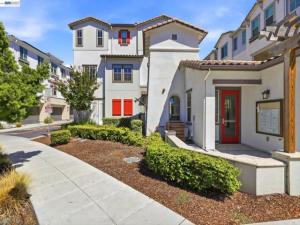
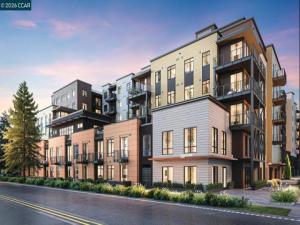
Rivermark is a master-planned community on the north side of the city, built in the early 2000s. It mixes single-family homes, townhomes, and condominiums around a village center with retail and services. It appeals to buyers who want newer construction, a planned layout, and a self-contained feel, and it is a common entry point for households buying their first place in Santa Clara.
Beyond these two, the city is a patchwork of postwar single-family neighborhoods, some closer to the expressways and employment centers, some quieter and more residential. Because the city is small and flat, the differences between neighborhoods often come down to housing age, lot size, school assignment, and proximity to freeways or the airport rather than dramatic shifts in character. The Knight Group can walk you through which pockets fit your priorities once we know your budget and commute.
What are the schools like in Santa Clara?
Most of the city is served by the Santa Clara Unified School District, which covers Santa Clara along with portions of neighboring communities. A small part of the city falls into other districts along its borders, so school assignment should always be confirmed at the specific address rather than assumed by neighborhood.
Santa Clara is also home to Santa Clara University, a private Jesuit university founded in 1851 and the oldest operating institution of higher learning in California. The campus is built around the historic Mission Santa Clara de Asís. The university anchors the Old Quad area, shapes the rental market nearby, and is a meaningful part of the city’s identity and employment base.
For families buying primarily for schools, verify current assignment and enrollment policies directly, because boundaries and programs change. Ratings and test scores move year to year, so treat any single number as a snapshot rather than a permanent feature of a home.
How is the commute and transit access in Santa Clara?
Transit access is one of Santa Clara’s real advantages. The city has a Caltrain station, which connects north toward San Francisco and south toward San Jose along the peninsula corridor. VTA light rail and bus service run through the area, and the county has been extending regional rail investment across the valley over recent years.
For drivers, the freeway and expressway network is dense. US 101, Interstate 880, State Route 237, El Camino Real, and the Lawrence and San Tomas Expressways give multiple routes to employers in Sunnyvale, Mountain View, San Jose, Cupertino, and the East Bay. That density is a double benefit and a caution: it puts jobs within reach, but homes directly beside the busiest routes trade quiet and air quality for that access.
The adjacent San Jose International Airport matters too. It shortens trips for people who fly often, and it means some neighborhoods sit under approach and departure paths. If aircraft noise is a concern for you, it is worth visiting a prospective home at different times of day before committing.
What draws people to live in Santa Clara?
The daily draw is convenience paired with amenities. Santa Clara puts a large share of Silicon Valley’s employers within a short commute while offering its own recreation and entertainment anchors.
Levi’s Stadium, home of the San Francisco 49ers, sits on the north side of the city and hosts football, major concerts, and large events. California’s Great America amusement park is nearby. The city maintains a substantial central park and a network of neighborhood parks, and the flat terrain makes cycling and walking practical for errands and recreation. Santa Clara University adds cultural and athletic events open to the public, plus the historic mission grounds.
Retail and dining are spread across the city rather than concentrated in a single downtown, with newer mixed-use centers on the north side and established commercial corridors along El Camino Real. For buyers, the point is that Santa Clara is not a bedroom community you leave for everything. A meaningful amount of daily life, work, recreation, and entertainment happens inside the city limits.
Why does Santa Clara have lower electricity bills?
Santa Clara owns and operates its own electric utility, Silicon Valley Power. This is one of the genuine, verifiable differences between Santa Clara and most surrounding cities, which are served by the investor-owned regional utility. A municipal utility has historically translated into electricity rates below the regional norm for Santa Clara residents and businesses.
For a homebuyer, this is a real, recurring cost advantage that is easy to overlook when comparing homes across city lines. It does not offset the higher purchase price, but it is a durable line-item benefit that compounds over years of ownership. If you are comparing a Santa Clara home against one in an adjacent city, factor the utility difference into your long-term carrying cost, not just the mortgage.
What should buyers know about taxes and regulations in Santa Clara?
Start with the statewide framework. Under Proposition 13, California property is generally assessed with a base tax rate of one percent of assessed value, plus local voter-approved additions, with assessed value reset at purchase. That reset matters in an expensive market: your tax basis is set by what you pay, so buyers here should budget property tax against the purchase price, not the prior owner’s lower assessment.
Some newer master-planned developments in California carry additional community facilities district assessments, commonly called Mello-Roos, that fund local infrastructure. Whether any given Santa Clara home carries such an assessment depends on the specific development and parcel, so confirm it during your review of the tax bill rather than assuming. It can add a meaningful annual cost in some newer communities.
Two points that often confuse buyers moving within California: the City of Los Angeles transfer tax known as Measure ULA does not apply here, because it is specific to the City of Los Angeles. And statewide rent limits under California law can apply to certain tenant-occupied properties, which matters if you are buying an investment or a home with existing tenants. For an owner-occupant buying a single-family home to live in, those tenant rules are generally not the central concern. Confirm anything that affects your specific situation with your own legal and tax advisors, and The Knight Group can flag items to check on a given property.
Who typically buys in Santa Clara?
The dominant buyer is the technology-employed household. Engineers, managers, and dual-income professional couples working at valley employers make up a large share of the market, and their budgets and timelines shape how quickly homes move. Many are relocating into the valley for a specific job, which puts them on a compressed schedule.
There is also a steady base of move-up buyers already in the region, downsizers trading a larger home elsewhere for a lower-maintenance townhome or condominium, and investors drawn by the university rental demand and the strength of the employment base. First-time buyers tend to concentrate on the north side condominium and townhome product, where the entry price is lower than a detached home.
What unites these buyers is that they are usually well-qualified and prepared to move fast. If you are competing here, being fully pre-approved, clear on your criteria, and represented by an agent who can read comparable sales quickly is not optional. It is the baseline for winning.
What to Weigh Before Buying in Santa Clara
Once you start touring, the trade-offs get concrete fast. Proximity to the freeways and the expressways shortens the commute but adds traffic noise, and the same logic applies near the airport: the convenience of being minutes from the terminal comes with living under a flight path. Older homes in the Old Quad offer walkability and character but typically smaller, dated systems and layouts, while the newer north-side product gives you modern construction and less maintenance in exchange for a planned, higher-density setting. Lot size and school assignment are the other two variables that move price between otherwise similar streets.
Because Santa Clara real estate moves quickly on correctly priced inventory, decide which of those trade-offs you will accept before you write an offer, not after. Get pre-approved, know your ceiling, and confirm the school assignment at the specific address. The Knight Group can pull live comparables for the pockets you are weighing.
Frequently Asked Questions About santa clara Homes for Sale
Is Santa Clara a good place to buy real estate?
It depends on your goals. Santa Clara offers a central Silicon Valley location, strong employment access, its own lower-cost electric utility, and a liquid, deep market. The cost of entry is high and competition is real. For a buyer with the budget and a reason to be in the valley, it is a strong, durable market. For a buyer stretching well past their comfort, the price and competition are worth weighing carefully.
How expensive is Santa Clara compared to nearby cities?
Santa Clara is expensive in absolute terms, in line with the broader Silicon Valley market, though the mix of townhomes and condominiums on the north side gives it entry points below the detached-home price. Rather than rely on a general figure, ask The Knight Group for live comparable sales for the specific home type you want.
Does Santa Clara have its own utility?
Yes. The city operates Silicon Valley Power, a municipal electric utility that has historically provided rates below the surrounding investor-owned norm. It is one of the concrete cost advantages of owning here.
What school district serves Santa Clara?
Most of the city is served by the Santa Clara Unified School District, with small border areas in other districts. Always confirm assignment at the exact address, because boundaries and enrollment policies change.
Is Santa Clara affected by Measure ULA or Los Angeles transfer taxes?
No. Measure ULA applies only to the City of Los Angeles. Santa Clara transactions are not subject to it. Standard California and county transfer taxes still apply.
Are there wildfire or major hazard concerns in Santa Clara?
Santa Clara sits on the flat valley floor rather than in the hillside zones that carry the highest wildfire designations in California. Standard California disclosure and natural hazard reports still apply to every sale, so review the hazard report for any specific home rather than assuming.
Can I find newer construction in Santa Clara?
Yes. The north side of the city, including master-planned communities such as Rivermark, added townhomes, condominiums, and single-family homes over the past two decades. These are the areas to focus on if you want newer product with modern layouts.
How competitive is the buying process here?
Competitive. Well-priced, well-located homes often draw multiple offers, and unprepared buyers lose them. Full pre-approval, clear criteria, and fast access to comparable sales are the baseline for competing successfully.
How does The Knight Group work in the Santa Clara market?
The Knight Group represents buyers and sellers across California’s core markets, and we work Santa Clara with the same discipline we bring everywhere: precise comparable analysis, honest assessment of trade-offs, and preparation to compete in a fast market. We do not lead with a sales pitch. We lead with the numbers for your specific situation.
For buyers, that means confirming school assignment, tax basis, any community facilities assessments, and utility costs on the exact property before you write an offer, then structuring that offer to win without overpaying. For sellers, it means pricing to the live market rather than to a stale figure, and positioning your home for the well-qualified, decisive buyers this market attracts.
Browse the Santa Clara listings below to see what is currently available. When you are ready to talk specifics, contact The Knight Group and we will pull real comparable sales, walk you through the trade-offs of each neighborhood, and give you a clear read on what your budget buys here and how to secure it.
Where are Homes For Sale In Santa Clara located within Silicon Valley?
- Homes For Sale In Santa Clara sit at the center of Silicon Valley on the flat valley floor, bordered by San Jose, Sunnyvale, and Cupertino.
- Intel and Nvidia are headquartered in the city itself, placing major technology employers inside the same municipal boundaries as the housing stock.
- Lawrence Expressway and San Tomas Expressway provide fast north-south connections that supplement the freeway network for local drivers.
- Norman Y. Mineta San Jose International Airport sits immediately adjacent, a genuine convenience for frequent travelers shopping Homes For Sale In Santa Clara.
- Houses near the airport flight path trade quiet for proximity, a tradeoff buyers should weigh alongside commute convenience.
- Flat terrain across the city makes Santa Clara easy to move around by car and by bicycle for daily errands.
- Central geography is the practical reason Santa Clara commands the prices it does within the broader valley market.
- Buyers purchasing Homes For Sale In Santa Clara are paying partly for a shorter commute to more employers than most valley cities offer.
- Santa Clara runs a municipal power utility that has historically kept electricity costs below the regional norm for residents.
- The Old Quad next to Santa Clara University holds the oldest homes on a walkable grid near the Caltrain station.
- Rivermark on the north side adds newer single-family homes, townhomes, and condominiums arranged around a village center.
What is it like to live in Homes For Sale In Santa Clara?
- Daily life around Homes For Sale In Santa Clara pairs convenience with amenities, putting a large share of Silicon Valley employers within a short commute.
- California’s Great America amusement park is nearby, adding a recreation anchor within easy reach of residents.
- Santa Clara maintains a substantial central park plus a network of neighborhood parks spread across the city.
- Flat terrain makes cycling and walking practical for errands and recreation rather than something reserved for weekend outings.
- Santa Clara University adds cultural and athletic events open to the public, along with the historic mission grounds.
- Retail and dining are spread across the city rather than concentrated in a single downtown core.
- Newer mixed-use centers on the north side and established commercial corridors along El Camino Real carry most shopping and restaurants.
- Homes For Sale In Santa Clara are not part of a bedroom community, because work, recreation, and entertainment happen inside the city limits.
- Silicon Valley Power, the city-owned electric utility, has historically translated into electricity rates below the regional norm for residents and businesses.
- Newer master-planned developments may carry community facilities district assessments, commonly called Mello-Roos, that fund local infrastructure and should be confirmed.
- Technology-employed households dominate demand for Homes For Sale In Santa Clara, including engineers, managers, and dual-income professional couples at valley employers.
- Move-up buyers, downsizers seeking lower-maintenance townhomes, and investors drawn by university rental demand round out the buyer pool.
What should buyers know before shopping Homes For Sale In Santa Clara?
- Homes For Sale In Santa Clara are expensive in absolute terms, in line with the broader Silicon Valley market.
- Townhomes and condominiums on the north side give the city entry points priced below the detached-home level.
- Live comparable sales for a specific home type are more useful than a general figure when judging value here.
- Silicon Valley Power, the city’s municipal electric utility, has historically provided rates below the surrounding investor-owned norm.
- Santa Clara Unified School District serves most of the city, with small border areas falling into other districts.
- School assignment should always be confirmed at the exact address, because boundaries and enrollment policies change over time.
- Measure ULA applies only to the City of Los Angeles, so Santa Clara transactions are not subject to it.
- Standard California and county transfer taxes still apply to every sale within the city.
- Homes For Sale In Santa Clara sit on the flat valley floor rather than the hillside zones carrying the highest wildfire designations in California.
- Standard California disclosure and natural hazard reports apply to every sale, so review the hazard report for any specific property.
- Master-planned communities such as Rivermark on the north side added townhomes, condominiums, and single-family homes with modern layouts.
- Competition is real, because well-priced, well-located homes often draw multiple offers and unprepared buyers lose them.
- Full pre-approval, clear criteria, and fast access to comparable sales are the baseline for competing successfully in this market.
- The Knight Group confirms school assignment, tax basis, community facilities assessments, and utility costs on Homes For Sale In Santa Clara before writing offers.