No properties found. |
Most buyers looking at Dunnigan CA homes for sale are really looking at rural land. Dunnigan is a small unincorporated community in northern Yolo County sitting at an I-5 interchange, where truck stops, fuel, and food service make up the commercial core. Woodland is 15 to 20 minutes south for groceries and healthcare, Sacramento roughly 40 to 45 minutes, and Redding about 90 minutes north. There is no transit, so plan on driving everywhere.
The inventory is mostly agricultural parcels and rural acreage, with an occasional single-family home on a standard lot near the community center. Homes and small farms are scattered across farmland rather than grouped into neighborhoods. On the ag parcels, water rights, soil class, and production history drive value more than home comps. Kids attend Dunnigan Elementary through eighth grade, then Esparto or Pierce High. If you want rural with services closer by, compare Winters and Esparto.
Dunnigan is a small unincorporated community in the northern portion of Yolo County, situated along the Interstate 5 corridor at the point where the Sacramento Valley transitions toward the upper valley agricultural landscape. The community serves primarily as a commercial and service stop on the I-5 truck route between Sacramento and the Pacific Northwest, with a cluster of truck stops, fuel stations, and highway-adjacent service businesses that define its commercial character. The residential population is small, and the community lacks the civic infrastructure of incorporated cities, but its location at a major highway interchange gives it an economic character that is distinct from the purely agricultural rural communities in the Capay Valley and Delta portions of Yolo County.
For real estate purposes, Dunnigan is relevant primarily to buyers who are seeking rural residential land or agricultural parcels in northern Yolo County, or who are evaluating the community’s commercial service opportunities along the I-5 corridor. The residential market is very limited, with homes and small farms scattered across the agricultural land surrounding the highway commercial node rather than concentrated in a traditional neighborhood setting. Understanding Dunnigan as a residential community requires accepting its rural unincorporated character and its truck route commercial identity as fixed features of the local environment.
The residential real estate market in Dunnigan consists primarily of agricultural parcels, rural acreage, and the occasional single-family home on a standard lot within the small community center. Prices reflect the rural character and limited demand base, making Dunnigan one of the more affordable residential options in Yolo County for buyers who are specifically seeking rural land rather than community infrastructure. Agricultural parcels in the Dunnigan area include both dry-farmed grain land and irrigated vegetable and orchard production, with values determined primarily by water rights, soil classification, and production history rather than by residential market comparables.
Buyers who are evaluating Dunnigan for rural residential purposes should understand that the community lacks the commercial and service infrastructure of incorporated towns, and that daily needs for groceries, healthcare, and services require a 15-to-20-minute drive to Woodland or a 40-minute drive to Redding or Sacramento depending on direction. The rural lifestyle that Dunnigan provides is authentic to the northern Sacramento Valley agricultural character, and buyers who are specifically seeking that environment will find Dunnigan’s price point and availability profile attractive. Buyers who want rural character with nearby commercial services should compare Dunnigan to Winters or Esparto, which provide small-town infrastructure alongside rural residential access.
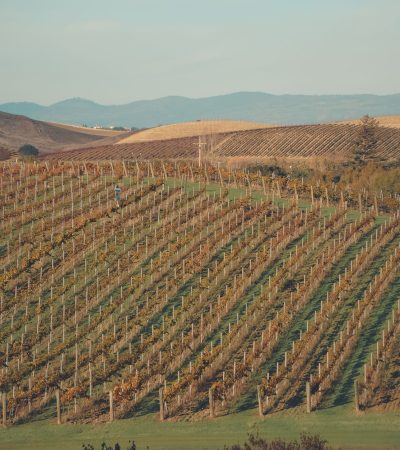
Northern Yolo County’s agricultural economy, of which Dunnigan sits at the northern margin, is dominated by tomato production, grain farming, sunflower and safflower cultivation, and limited orchard and specialty crop production. The landscape surrounding Dunnigan reflects this agricultural profile, with field crop production extending to the horizon in most directions during the growing season. The agricultural character is not merely a backdrop for the residential community but the actual economic and cultural foundation of the area, and buyers who are drawn to Dunnigan for its rural setting should understand that they are choosing to live within a working agricultural landscape rather than adjacent to one.
The I-5 commercial corridor at Dunnigan provides a concentration of fuel, food service, and lodging businesses that serve the long-haul trucking industry and the recreational vehicle travel market that uses I-5 as a primary north-south route through the Central Valley. This commercial infrastructure, while not oriented toward the residential population, provides proximity to basic services and food options that the purely rural communities in Yolo County lack. The truck stop presence is a feature of the community’s identity that some buyers find compatible with rural residential living and others find incompatible with their vision of a quiet agricultural community.
Dunnigan students are served by the Dunnigan Elementary School District for kindergarten through eighth grade, and secondary students typically attend Esparto High School in the Esparto Unified School District or Pierce High School depending on attendance boundaries. The small enrollment of the Dunnigan Elementary District means very small class sizes and close teacher-student relationships, with the same advantages and program breadth limitations that characterize all very small rural school districts. Families who prioritize specific academic or extracurricular programs at the secondary level should research the transportation and enrollment options at the available high school campuses before committing to a Dunnigan residential purchase for school-motivated reasons.
Dunnigan’s I-5 access makes it one of the fastest-connected rural Yolo County communities to the broader highway network. Sacramento is approximately 40 to 45 minutes south on I-5 under typical non-commute conditions. Woodland, the Yolo County seat and the nearest commercial center, is approximately 15 to 20 minutes south. Redding, the largest city in the upper Sacramento Valley, is approximately 90 minutes north. For buyers who travel or commute by car on the I-5 corridor in either direction, Dunnigan’s interstate access is a genuine transportation advantage that communities in the Capay Valley or the Delta do not share.
There is no transit service to Dunnigan, and the community is entirely car-dependent for all trips beyond walking distance within the immediate commercial cluster. Buyers with transit-dependent household members, or who are planning to live in Dunnigan without reliable personal vehicle access, should carefully evaluate the transportation reality before committing to a purchase in this location.
Dunnigan’s investment case is narrow but real for specific buyer profiles. Agricultural land investors who are seeking northern Sacramento Valley farmland at prices that reflect the area’s distance from urban employment centers will find Dunnigan parcels competitively priced relative to comparable agricultural quality land in more demand-intensive areas. Rural residential buyers who specifically want the I-5 proximity and the northern valley setting will find the area’s price point and availability attractive. Commercial investors who see opportunity in the I-5 service corridor will find the Dunnigan interchange a relatively uncrowded competitive environment compared to the more developed interchange communities along I-5 further south toward Sacramento. For buyers outside these specific profiles, Dunnigan is likely to be an uncomfortable fit with a conventional Bay Area or Sacramento buyer’s lifestyle expectations.
No properties found. |
The Interstate 5 interchange at Dunnigan is one of the commercial nodes along the Central Valley's primary north-south freight corridor, and the truck stop, fuel, and food service businesses at the interchange reflect the volume of commercial traffic that passes through this point on the journey between Los Angeles and the Pacific Northwest. The Flying J Travel Center and the associated commercial cluster at the interchange provide employment for a modest permanent workforce and generate sales tax revenue that benefits Yolo County's unincorporated services. The interchange's commercial activity is the dominant economic engine for the Dunnigan area and the primary reason for the community's existence at this specific location in northern Yolo County's agricultural interior.
The agricultural economy surrounding Dunnigan is oriented toward the dry-farmed grain and processing tomato production that characterizes the northern Sacramento Valley floor. The Rumsey Valley and the Cache Creek corridor to the west introduce some specialty crop and cattle production to the area's agricultural mix, but the visual and economic landscape of the Dunnigan area is primarily the flat field crop agriculture of the valley interior. The Cache Creek Casino Resort, operated by the Yocha Dehe Wintun Nation in the Brooks area approximately 15 miles west, is the largest single employer in the broader Dunnigan market area and provides a regional economic anchor that the Dunnigan interchange community benefits from through employee residential demand and the pass-through commercial activity on Highway 16.
The rural residential properties surrounding Dunnigan range from small hobby farm parcels of 1 to 5 acres to working grain and tomato farms of 50 to 200 acres or more, with the occasional rural homestead on a larger parcel providing the combination of residential living space and limited agricultural land that defines the entry point into Sacramento Valley agricultural land ownership. The prices for rural residential land in the Dunnigan area are among the lowest in Yolo County on a per-acre basis, reflecting both the community's limited service access and the flat grain farming character that lacks the landscape premium of the foothill or Delta settings available elsewhere in the county.
Water supply in the Dunnigan area involves a combination of groundwater from wells tapping the Sacramento Valley aquifer system and limited surface water rights for agricultural irrigation where available. Buyers of rural parcels in the area should obtain a current well report and pump test as part of their due diligence, as groundwater depth and quality vary across the area and the well condition is a material factor in the property's functionality and value. The Yolo County Department of Resource Management and the local Reclamation Districts are the relevant agencies for water rights information in northern Yolo County.
The Cache Creek Conservation Area managed by the Bureau of Land Management, approximately 20 miles southwest of Dunnigan via Highway 16, provides the nearest significant public recreation access for Dunnigan area residents. The conservation area's oak woodland hiking trails, Creek access, and wildlife observation opportunities provide a genuine outdoor recreation alternative to the flat agricultural landscape that immediately surrounds the community. The Sacramento National Wildlife Refuge complex in neighboring Colusa and Glenn counties, accessible via Interstate 5 north in approximately 30 to 45 minutes, provides exceptional waterfowl viewing and wildlife photography opportunities during the fall and winter migration period.
Agricultural land investment in the northern Yolo County area surrounding Dunnigan reflects the broader Sacramento Valley farmland market conditions that have been characterized by sustained price appreciation over the past decade as institutional investors, agricultural operators, and individual buyers have competed for a limited supply of productive valley floor farmland. The combination of deep, fertile Sacramento Valley alluvial soils, established water rights within the state's agricultural water delivery system, and the long growing season that supports substantial annual crop production has maintained strong investment demand for northern Yolo County agricultural parcels.
Processing tomato contracts with the major California tomato processing facilities provide the income foundation for the actively farmed parcels in the Dunnigan area, and the long-term viability of these contracts is tied to the competitiveness of California-grown tomatoes in the global tomato products market. Buyers of agricultural land in the Dunnigan area who are planning to continue the existing crop production should verify the status of any active crop contracts and understand the contract renewal process with the relevant processors before assuming that the current income structure will continue seamlessly through the ownership transition.
The unincorporated community of Dunnigan receives county-level services from Yolo County, including road maintenance on the county road network, sheriff's office law enforcement coverage through the county's rural patrol, and county library bookmobile service. The absence of municipal government means that community-specific issues are addressed through the county's supervisorial district representation rather than through a city council or municipal public works department, which creates a different response dynamic than incorporated community residents experience. Yolo County's rural service infrastructure is generally reliable within the resource constraints of county-level rural service delivery, but response times for non-emergency issues are longer than in incorporated communities with dedicated municipal staff.
The nearest emergency healthcare facility to Dunnigan is the Woodland Memorial Hospital approximately 20 miles south in Woodland. For serious medical emergencies, the response time from Dunnigan to emergency care is longer than from any of the county's incorporated communities, and buyers with regular healthcare needs or with household members who have medical conditions that may require emergency intervention should factor the emergency response geography into their assessment of Dunnigan as a residential location. The Rural Metro Fire Department provides fire protection services to Dunnigan through a contract service arrangement with the county.
Honest assessment of Dunnigan's quality of life requires acknowledging that the community is optimally suited to a narrow set of buyer profiles. Agricultural operators and rural land investors who are in the area for economic reasons find the I-5 access and the northern Sacramento Valley agricultural infrastructure to be exactly what they need. Remote workers and retirees who are specifically drawn to the Sacramento Valley's flat agricultural landscape and who can manage the car-dependent service access find the area peaceful and affordable. Commuters who need daily access to Sacramento area employment will find the 40-minute freeway commute manageable but not ideal compared to the commute times available from more southerly Yolo County communities. For buyers who don't fit one of these profiles specifically, the broader Yolo County market offers communities with stronger commercial infrastructure and community amenity at price points that may justify the additional cost relative to Dunnigan's very affordable rural offering.
Northern Yolo County's agricultural landscape and the Sacramento River system accessible from the Dunnigan area provide outdoor recreation access for hunting and fishing that attracts outdoor enthusiasts from the Sacramento region. The rice fields and seasonal wetlands of the Sacramento Valley create exceptional waterfowl hunting habitat during the fall and winter seasons, and the Dunnigan area's position in northern Yolo County places it within practical range of the public hunting areas on the Sacramento National Wildlife Refuge complex in adjacent Colusa and Glenn counties. Pheasant hunting on the valley floor agricultural land, deer hunting in the foothill terrain accessible to the west, and migratory waterfowl hunting on the seasonal wetlands collectively provide a hunting recreation calendar that runs from September through January and that is a significant lifestyle asset for outdoor recreation-motivated buyers considering the Dunnigan area.
The Sacramento River accessible from the Dunnigan area via the Knights Landing and Colusa County boat launch points provides freshwater fishing for striped bass, salmon, shad, and other Sacramento River species. The river's striper fishery during the spring and fall runs is one of the most productive in Northern California, and anglers who are making a residential location decision with fishing access as a significant factor will find the northern Sacramento Valley communities within range of the Dunnigan area to be among the better-positioned residential options in the region for year-round freshwater angling access.
The Sacramento Valley pheasant season, which typically opens in November and runs through December for most public hunting areas, draws bird hunters from across California to the agricultural fields and wetland edges of the Sacramento Valley corridor. The combination of rice straw residue in the harvested fields and the cover provided by the irrigation ditch margins and wetland buffers creates good pheasant habitat that sustains huntable populations in the private agricultural land accessible through hunt clubs and landowner permission arrangements. For Dunnigan area rural property buyers who are active pheasant hunters, the proximity to good habitat combined with rural land ownership that potentially includes private hunting access is a specific lifestyle asset that the community's agricultural setting provides.
TKG's bottom line on Dunnigan is that the community delivers excellent value for the specific buyer who is genuinely seeking northern Sacramento Valley agricultural land access, I-5 corridor positioning, or the rural lifestyle of the flat valley interior. Buyers who are comparing Dunnigan to Esparto, Winters, or Woodland will find those communities provide more amenity and community infrastructure at prices that are somewhat higher but that justify the premium through the daily-life quality improvements they deliver.
Browse all Yolo County real estate.
Lucky for you we’re looking out.
Subscribe to this Custom Search to be alerted when new properties hit the market in the area.
Choose the frequency that works for you.