This site was last updated Jul-23-2026 2:34:10 am.
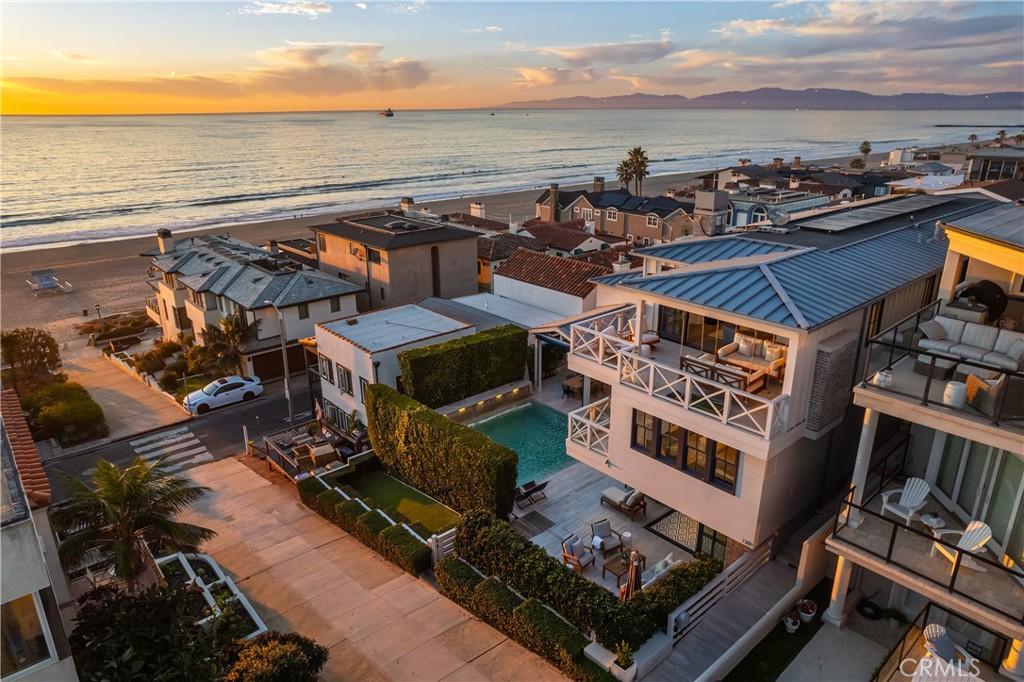
Manhattan Beach is the South Bay’s premier luxury residential market and one of the few places in greater Los Angeles where beachfront property takes the form of walkstreet homes — residences directly fronting pedestrian-only pathways with sand access — rather than the highway-adjacent beachfront that characterizes most of the LA coastline. Luxury homes in Manhattan Beach range from approximately $2.5 million for a non-walkstreet single-family home in the Tree Section to $20 million and above for a beachfront walkstreet home with panoramic ocean views and direct sand access. The combination of beach proximity, strong public schools, and the compact walkable downtown creates a residential proposition in the South Bay that is distinct from the remoteness of Malibu and the density of Santa Monica.
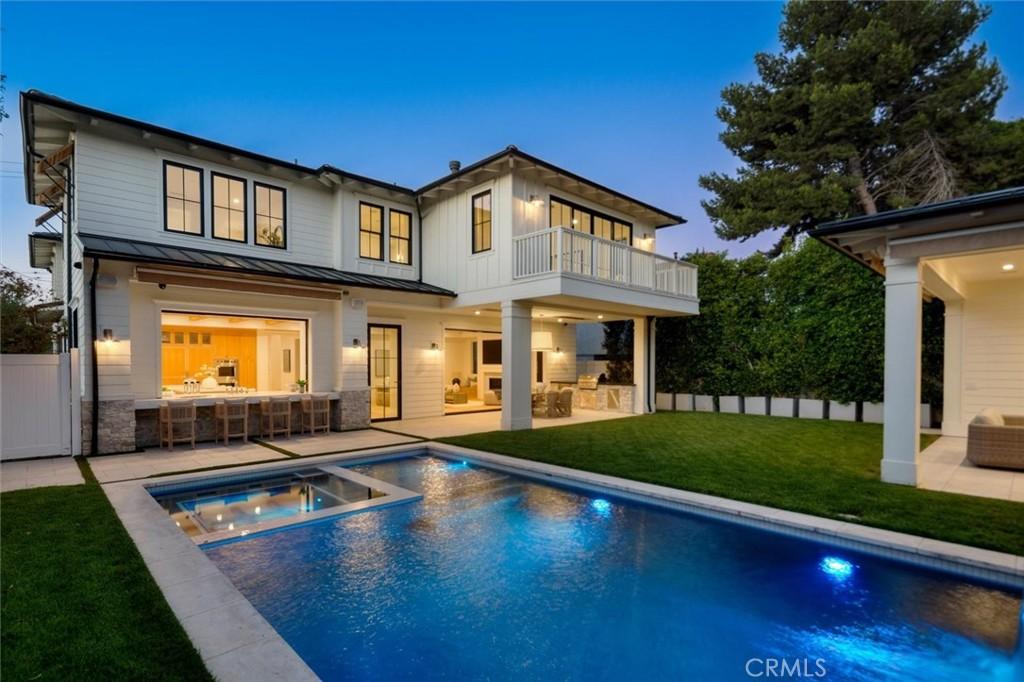
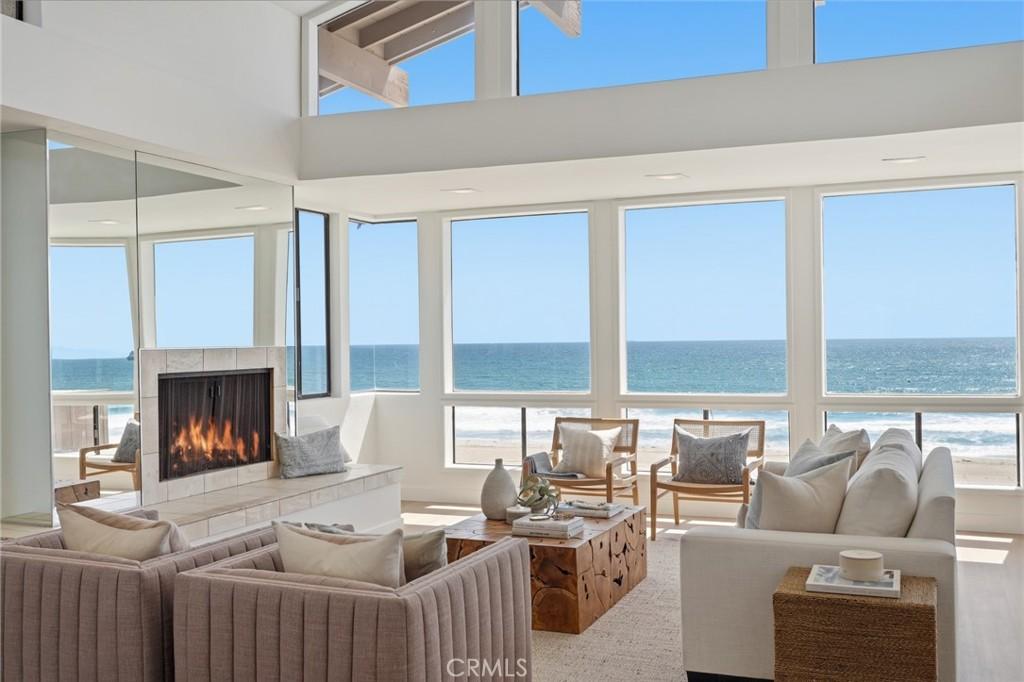
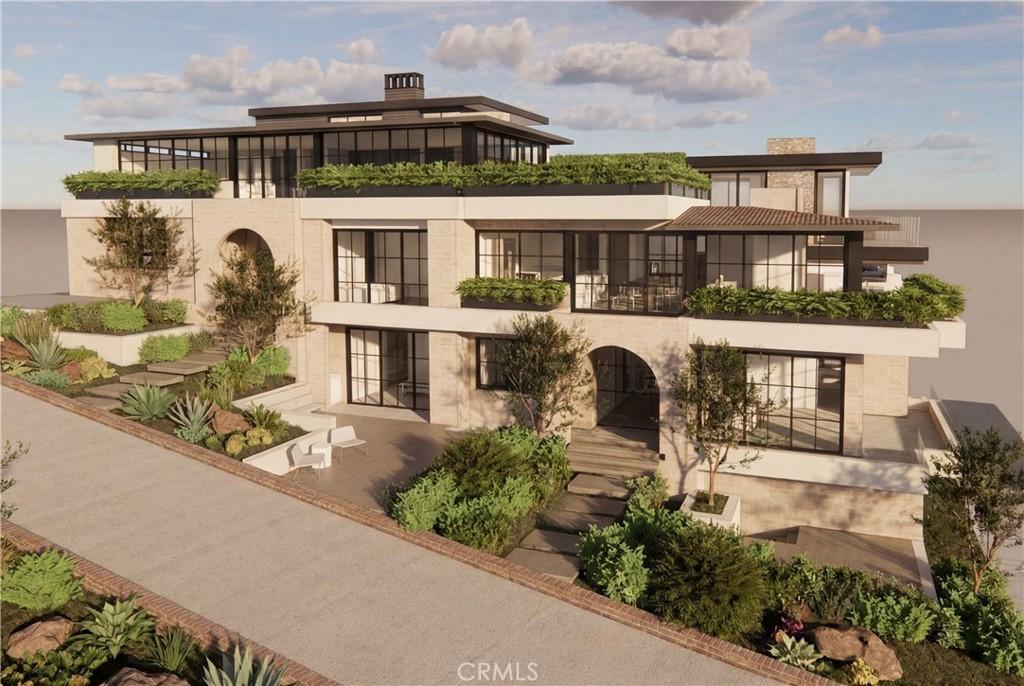
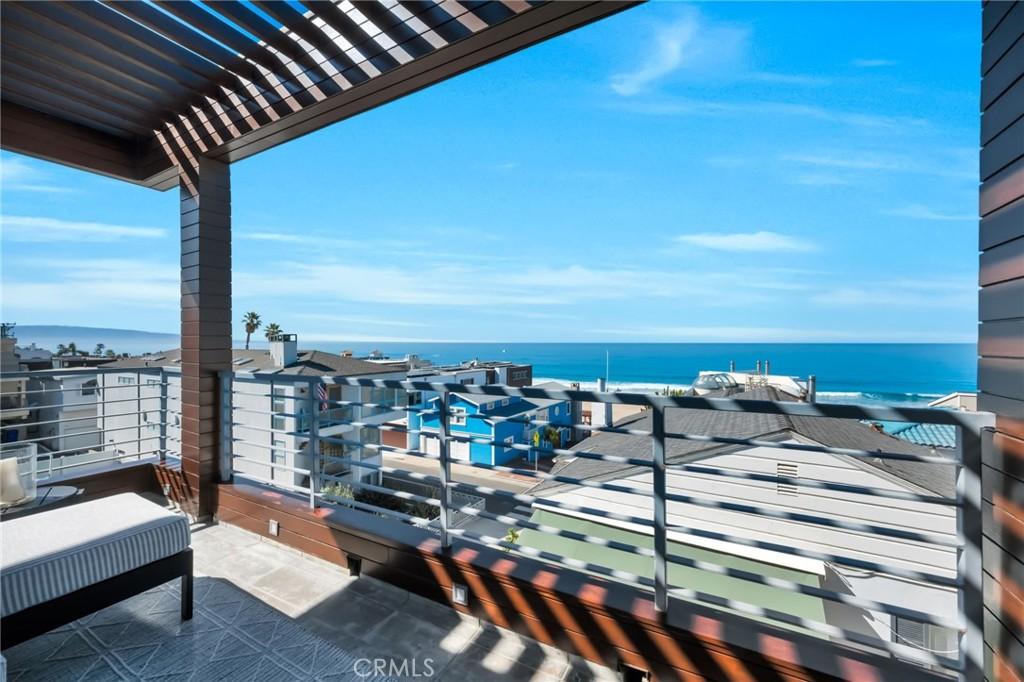
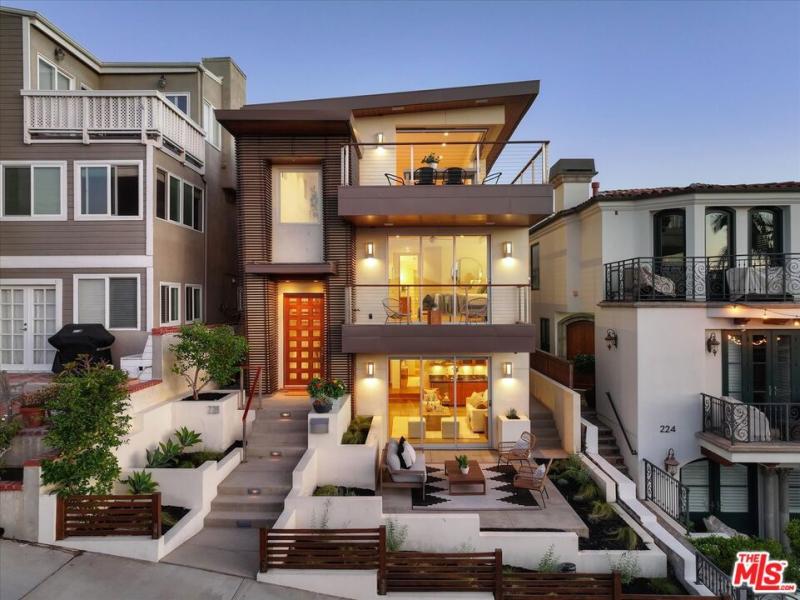
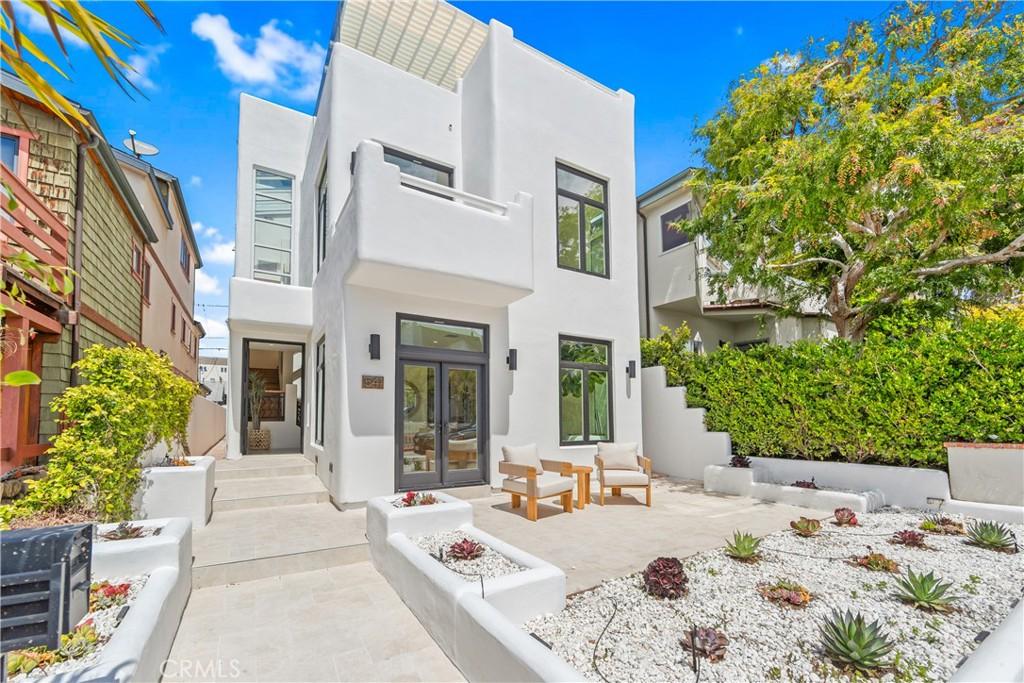
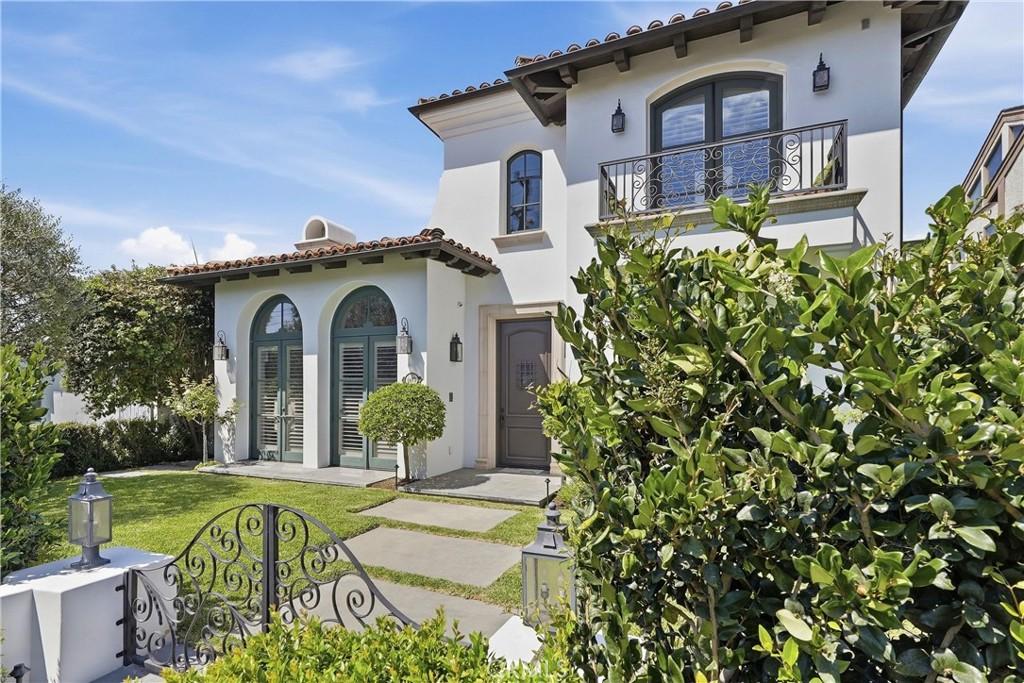
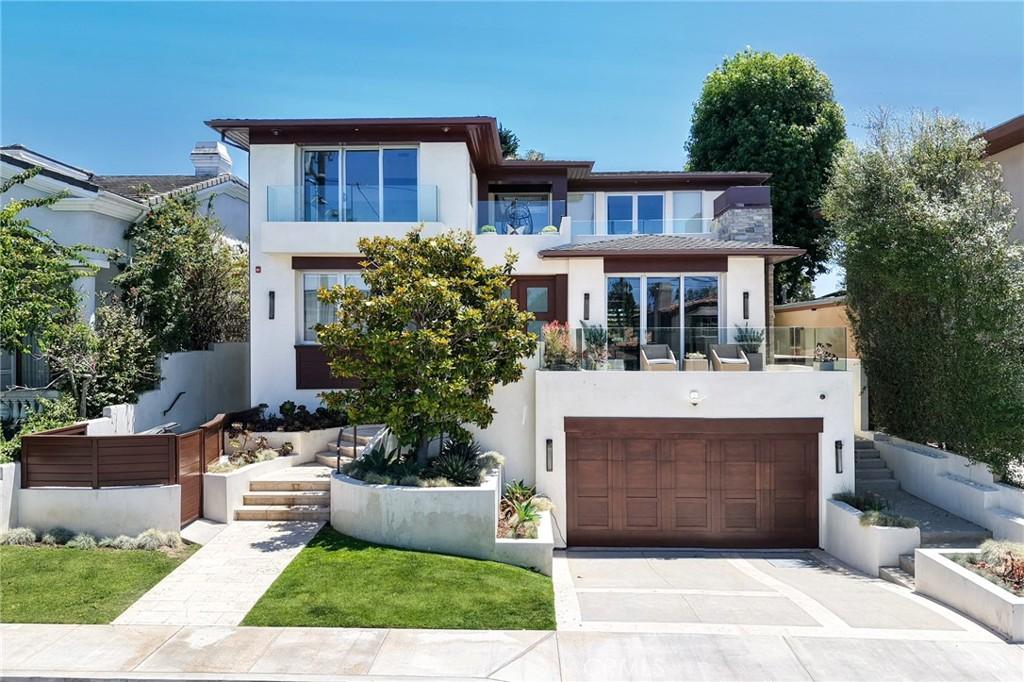
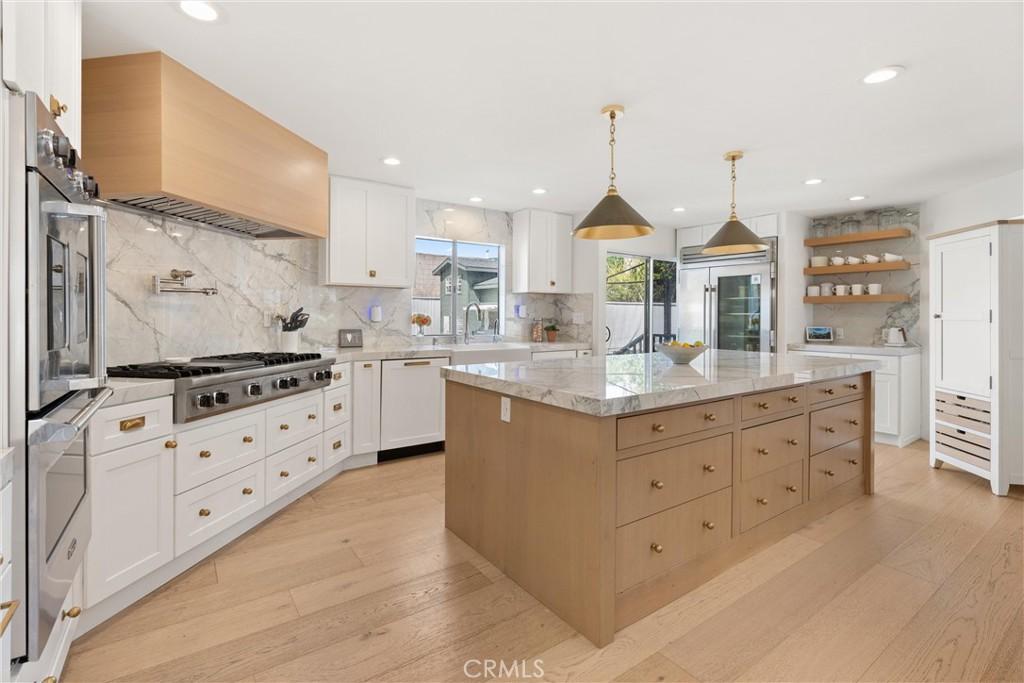
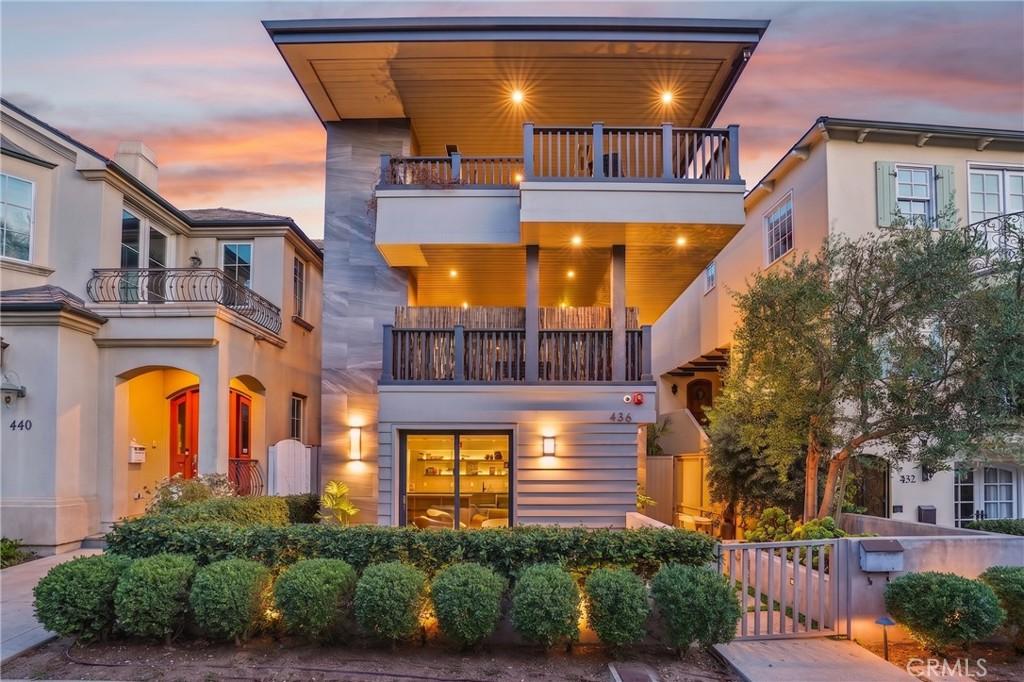
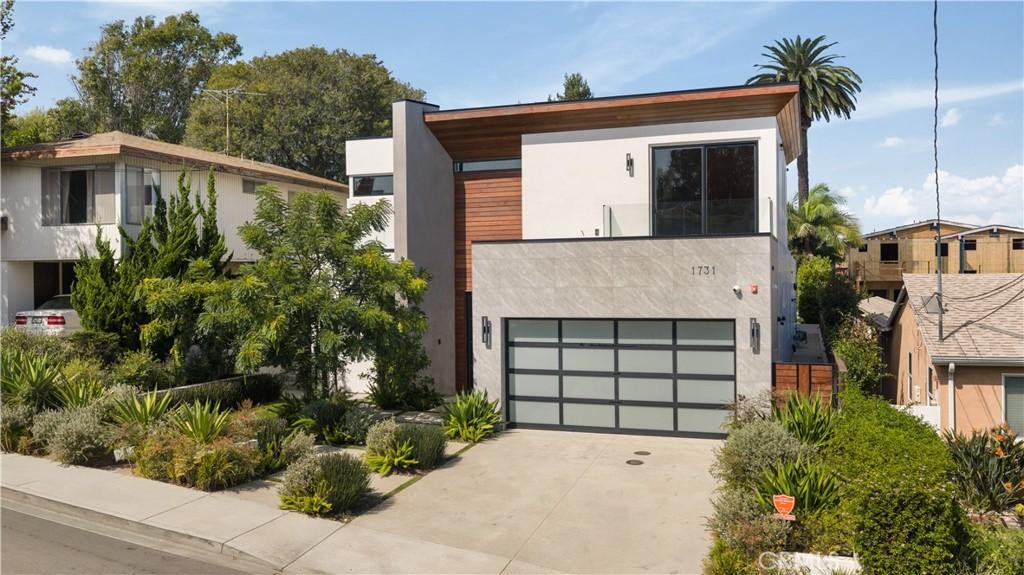
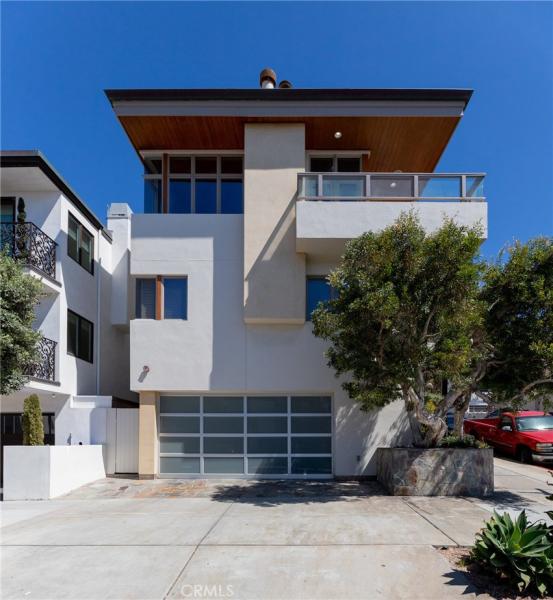
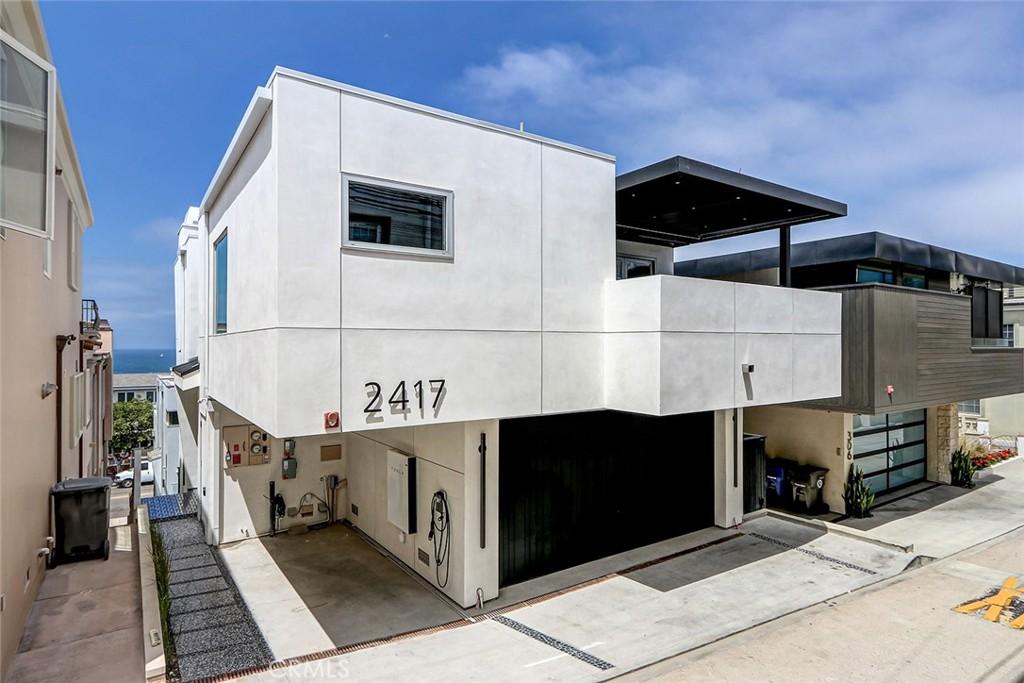
The Knight Group works Manhattan Beach as part of its South Bay and coastal luxury practice. Manhattan Beach transactions — particularly in the strand and walkstreet segments — require familiarity with the specific coastal development regulations, the Coastal Commission’s jurisdiction over beachfront parcels, and the pricing dynamics of the walkstreet market that differs substantially from the off-beach residential market. The listings below represent currently available Manhattan Beach luxury inventory.
Browse all Los Angeles real estate — or explore the full Los Angeles luxury real estate market.
Manhattan Beach’s residential geography divides into three principal areas that operate as distinct sub-markets with different pricing dynamics, property types, and buyer profiles.
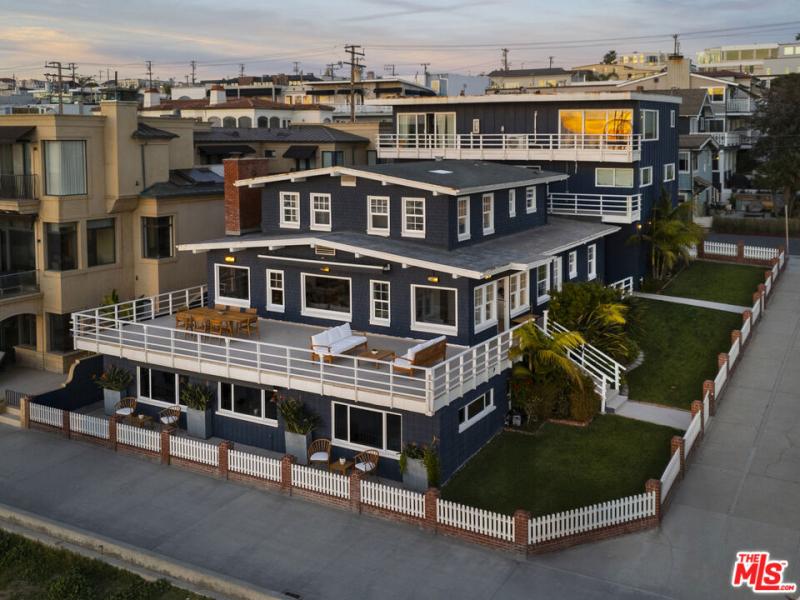
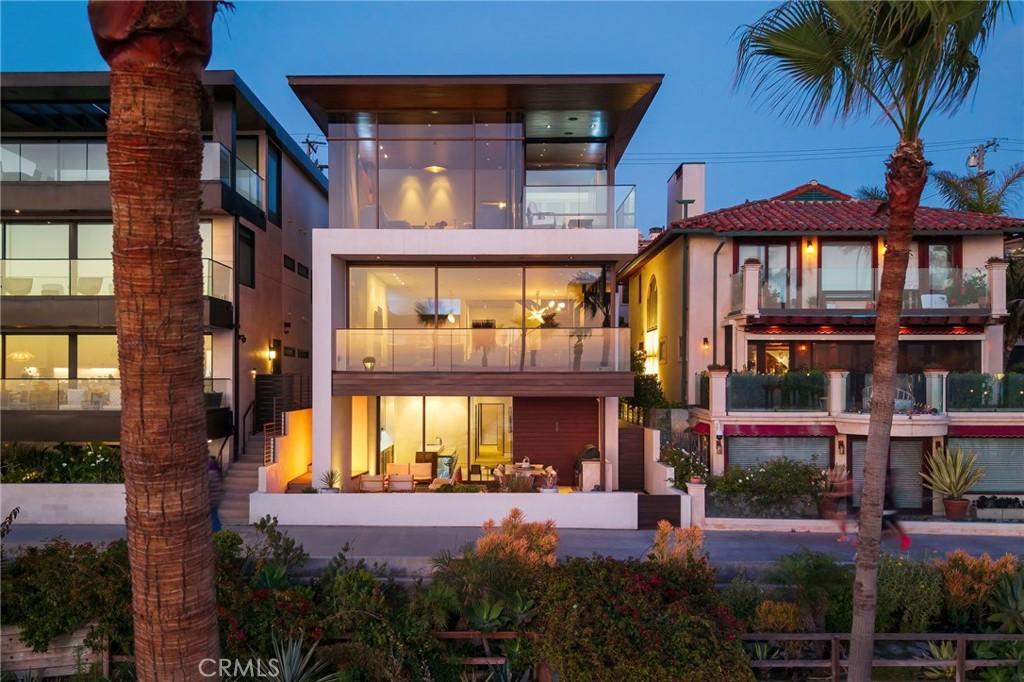
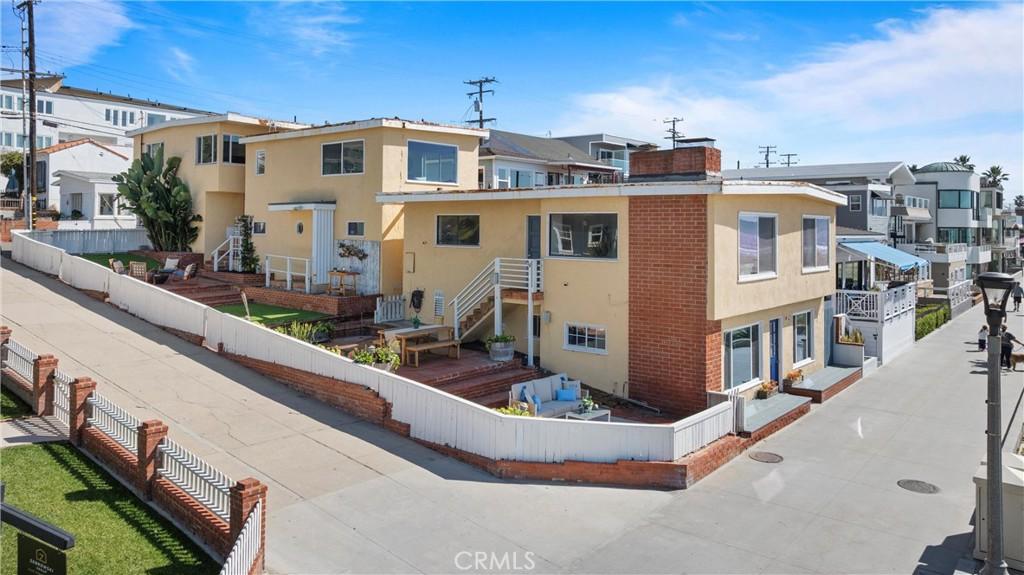
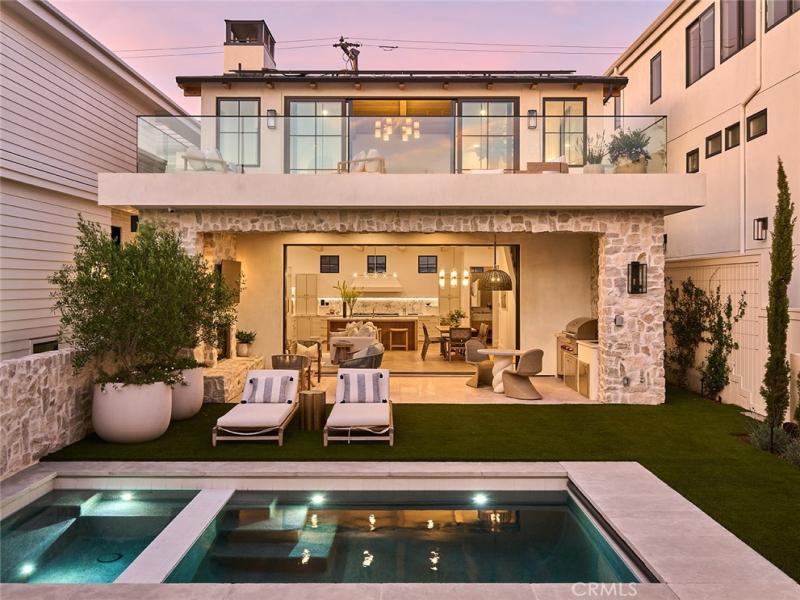
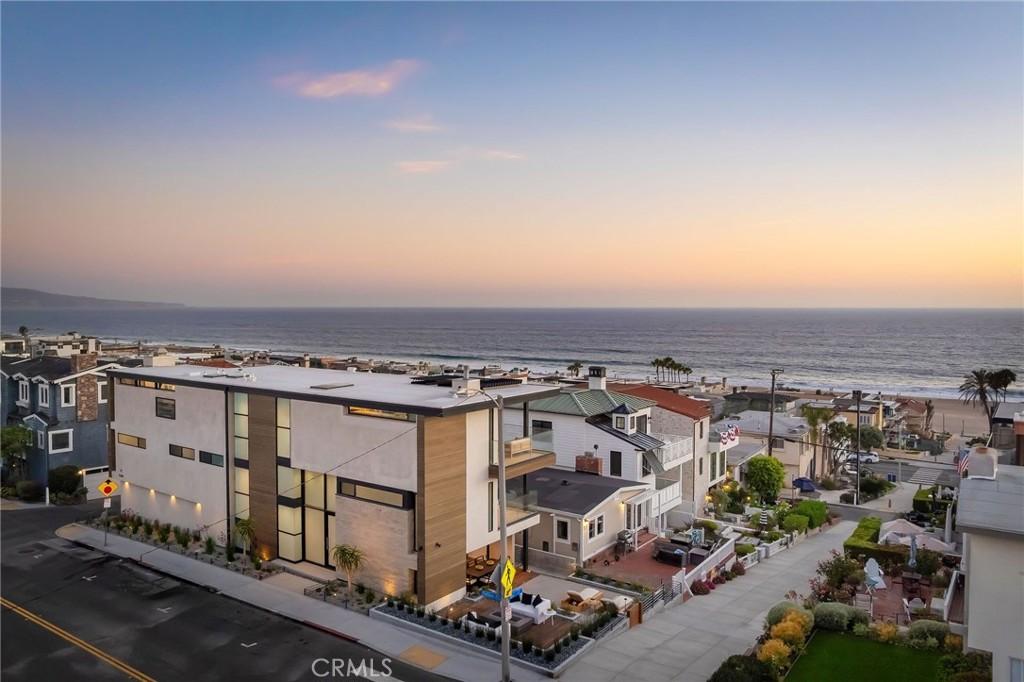
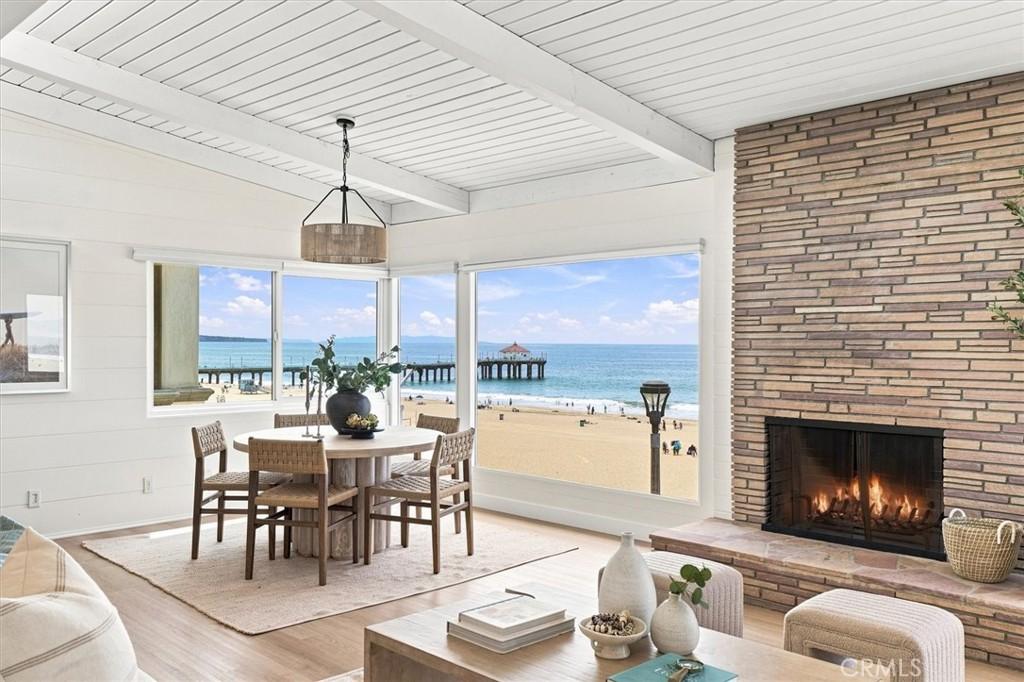
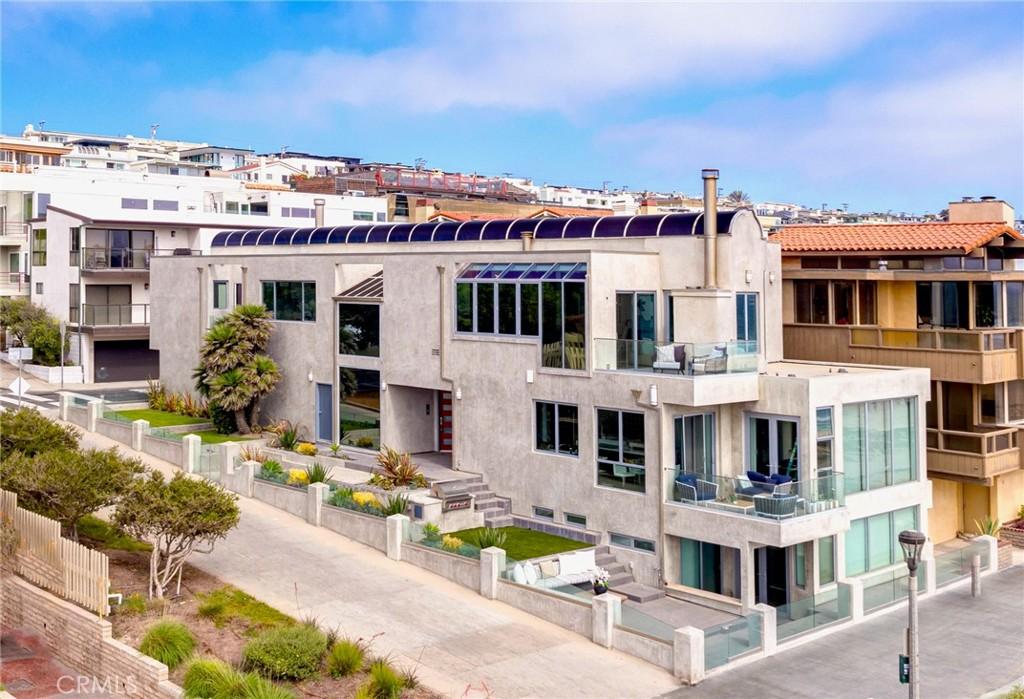
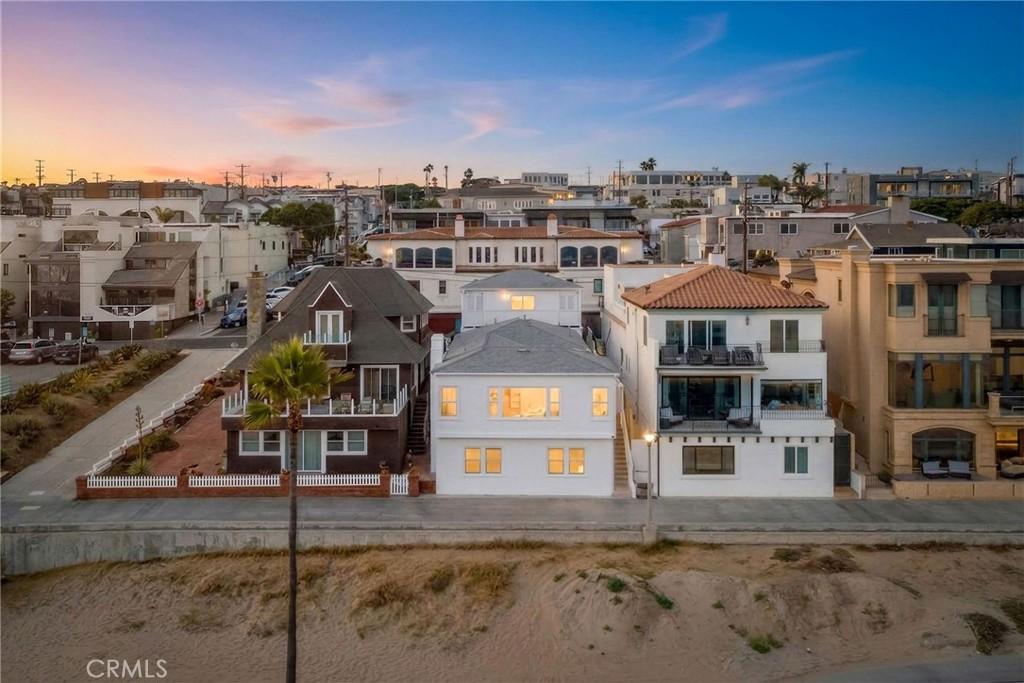
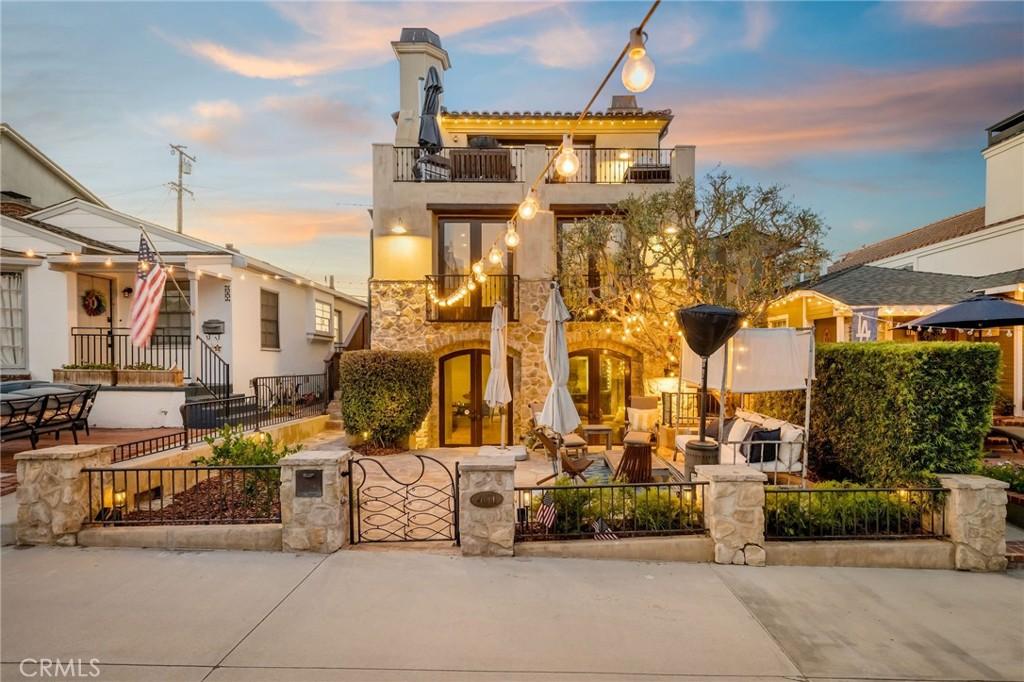
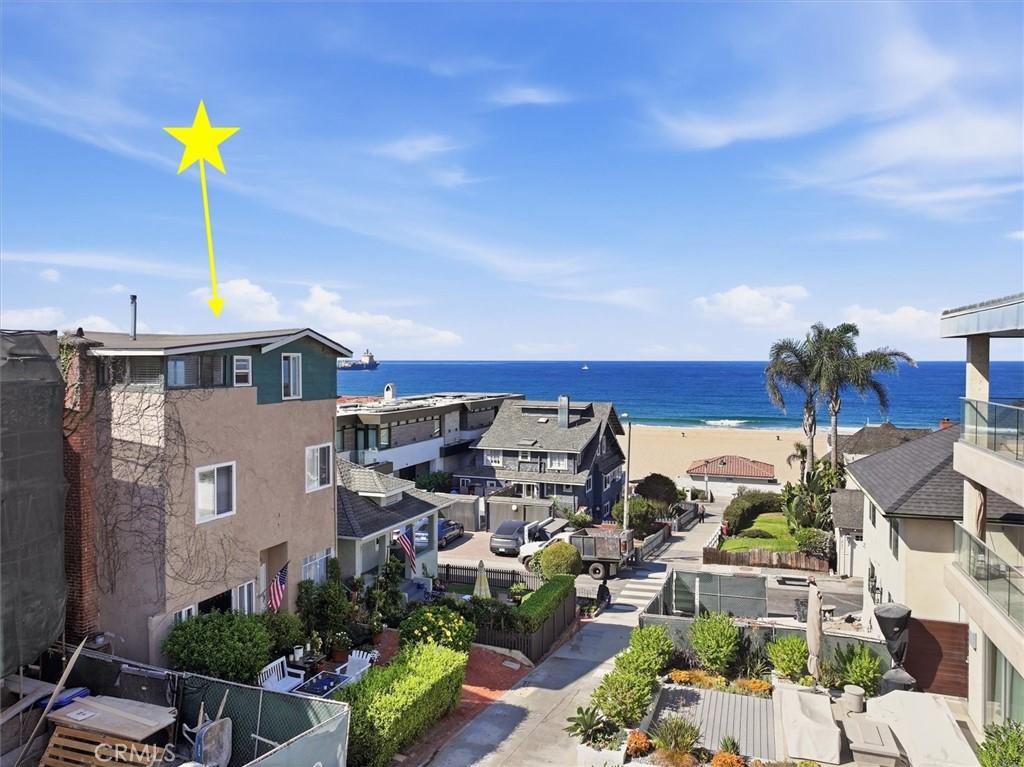
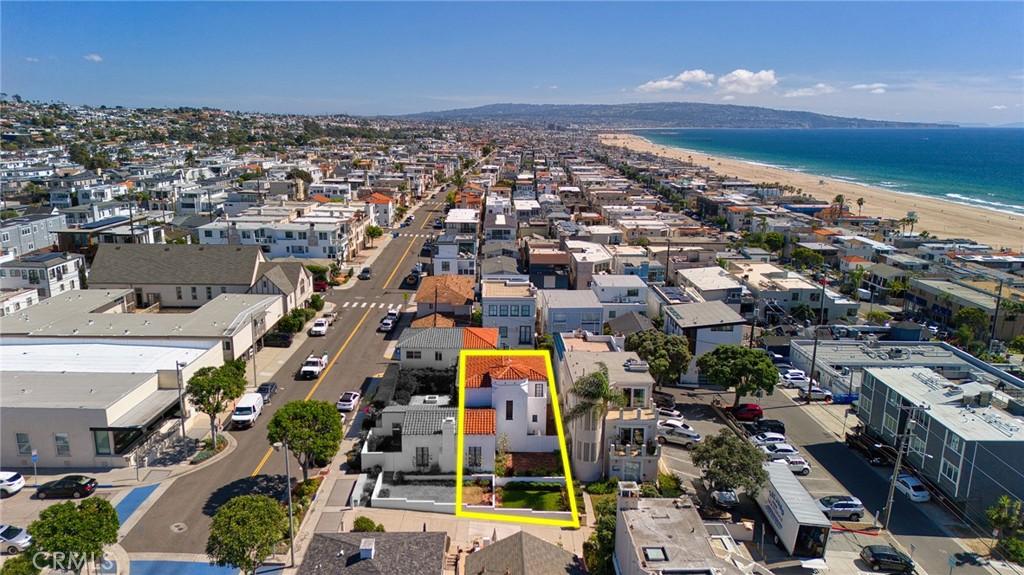
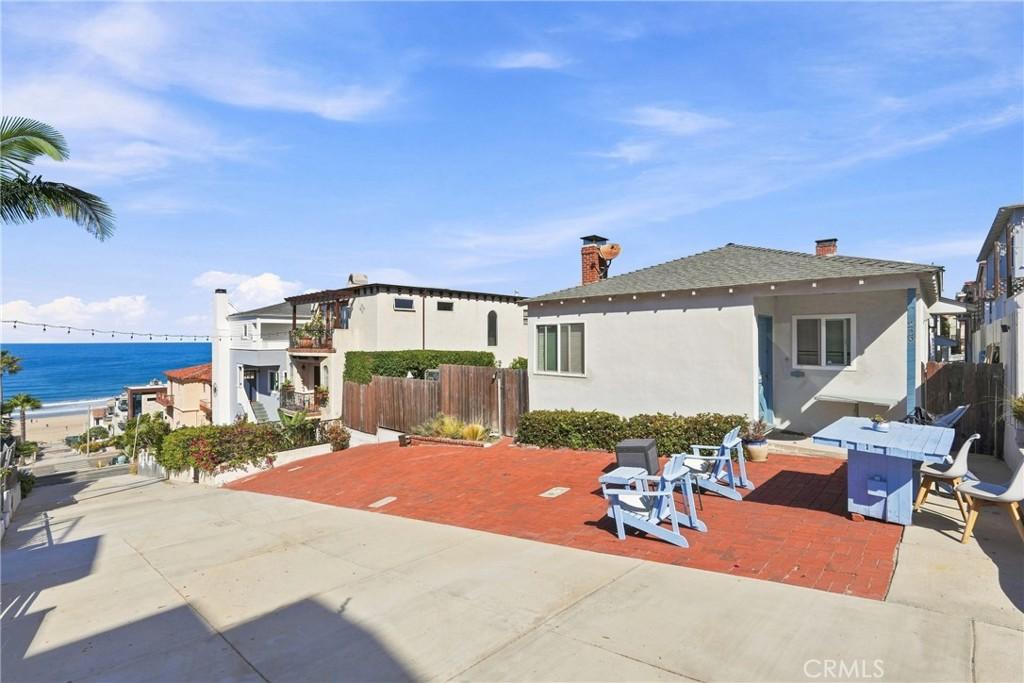
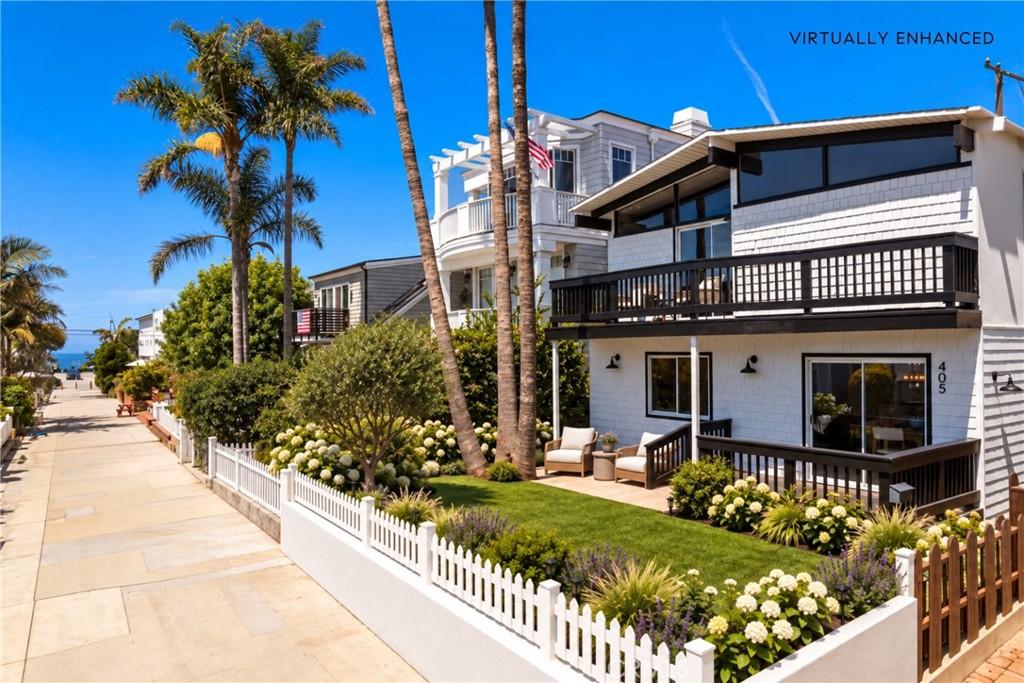
The Sand Section — the area west of Manhattan Avenue that contains the strand, the walkstreets, and the beachfront parcels — is the highest-priced and most recognizable tier. The Manhattan Beach strand (the pedestrian and bike path fronting the ocean) and the walkstreets (pedestrian-only pathways between the strand and Manhattan Avenue where no through-automobile traffic exists) contain properties that offer direct beach access without crossing a highway — a specific quality that separates Manhattan Beach’s beachfront lifestyle from the PCH-adjacent beachfront of Malibu. Walkstreet homes, typically townhomes and smaller single-family structures on narrow 30-foot lots oriented to maximize their walkstreet frontage, range from approximately $4 million for a renovated traditional two-level home to $15 million and above for a newly constructed contemporary with rooftop deck, ocean views, and premium walkstreet positioning. Strand properties — directly fronting the cycle and pedestrian path with unobstructed ocean frontage — command prices that reflect the irreplaceable nature of their position, typically $10 million to $20 million and above for new construction of significant scale.
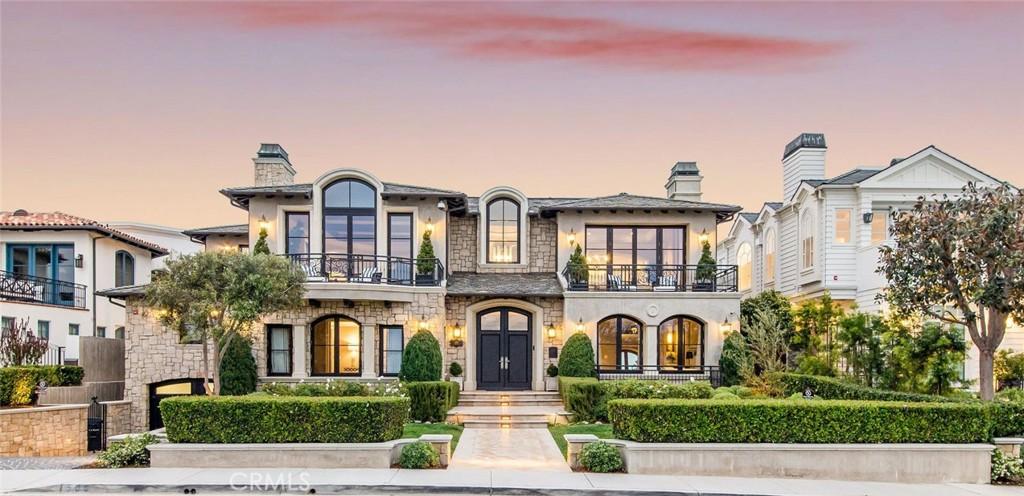
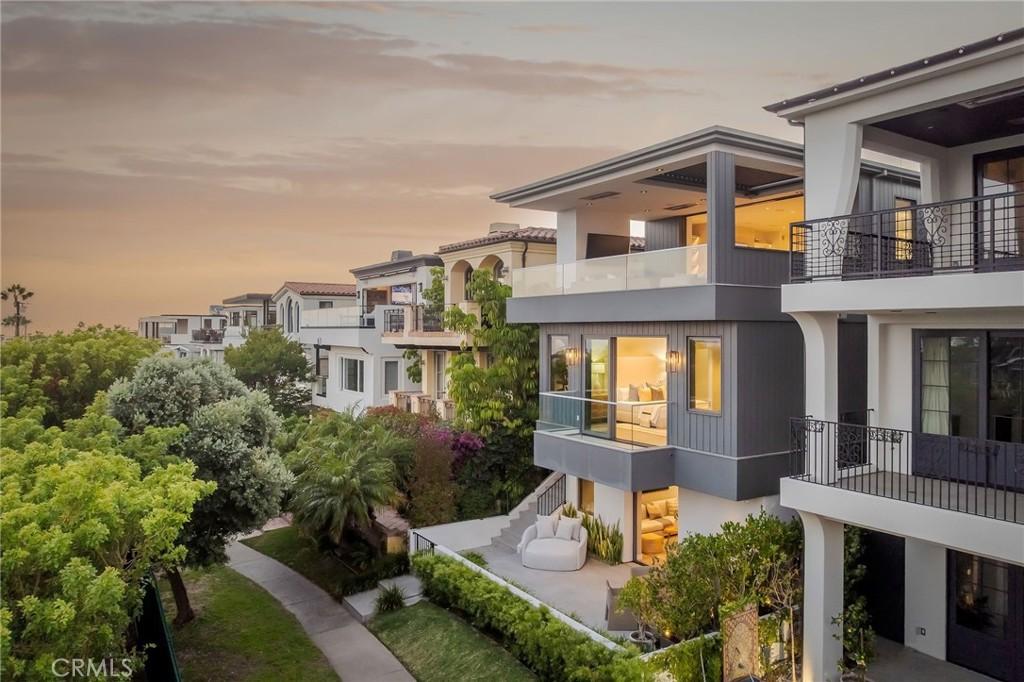
The Hill — the elevated residential area east of the Sand Section — provides ocean views from upper floors and elevated positions without sand-direct access, with larger lot sizes than the walkstreet parcels and more varied architectural styles ranging from mid-century ranches to contemporary new construction. Properties on The Hill with panoramic ocean and city views typically range from $3 million to $10 million depending on view quality, lot size, and renovation standard. The Hill is where the majority of Manhattan Beach’s newer large-scale construction concentrates, as the parcel sizes allow for homes that would be architecturally constrained on the narrower walkstreet lots.
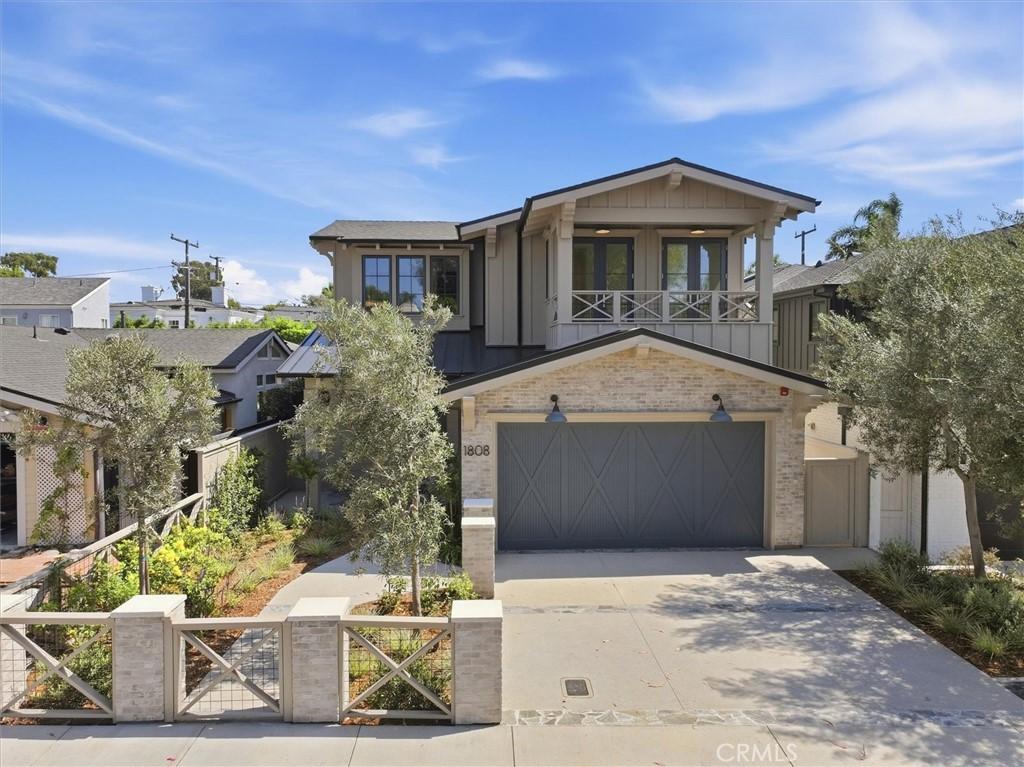
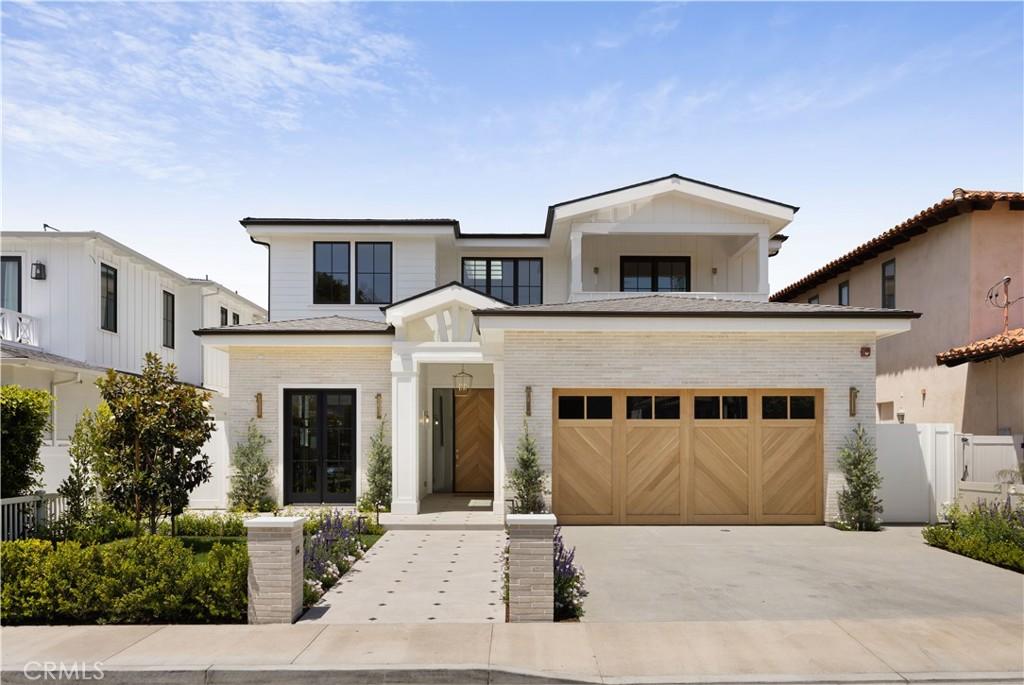
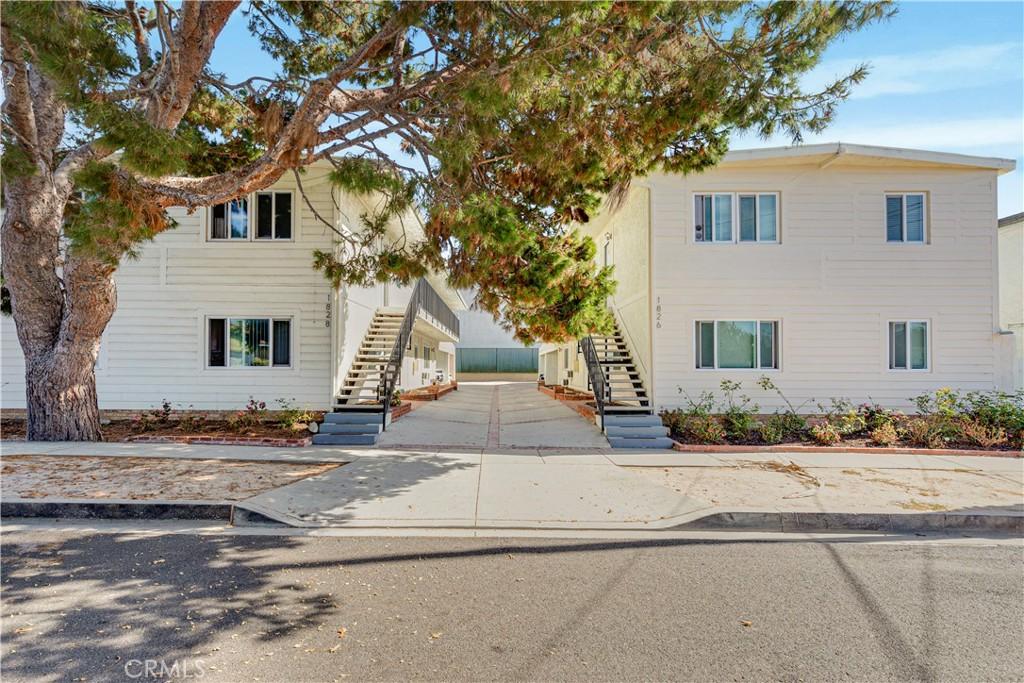
The Tree Section — the inland residential area of Manhattan Beach, generally east of Sepulveda Boulevard — provides the city’s most family-focused residential character: tree-lined streets, traditional single-family homes, proximity to Manhattan Beach schools, and a neighborhood character that resembles the established residential areas of the Westside more than the beach-adjacent Sand Section. The Tree Section attracts family buyers who want the Manhattan Beach school district and community character at price points more accessible than the beach adjacent market, typically ranging from $2.5 million to $5 million for well-positioned renovated homes.
Manhattan Beach’s buyer profile is consistently family-focused, beach-lifestyle-oriented, and increasingly connected to the technology and finance industries that have expanded from the traditional South Bay aerospace and maritime employer base. Silicon Beach’s employer cluster — Snap, Google, Ring, and the broader tech presence in Playa Vista, El Segundo, and Redondo Beach — has brought a significant influx of technology industry buyers whose daily commutes now run south from the Westside rather than north, making the South Bay’s beach communities viable primary residences for tech employees in a way that was less practical when the employment base was more concentrated in West LA and Silicon Valley.
El Camino Real High School and Mira Costa High School serve Manhattan Beach and have strong academic records that attract family buyers who prioritize public secondary education. The Manhattan Beach Unified School District is consistently among the highest-rated in LA County, making the district a material driver of family-buyer demand that supports the residential market’s pricing across market cycles.
Manhattan Beach’s daily lifestyle is defined by its compactness: the walkable downtown on Manhattan Beach Boulevard between Highland Avenue and the pier, the beach path for morning runs and evening rides, and the neighborhood’s self-contained character as a small city with complete amenity access within walking distance of most residential addresses. The downtown corridor — with restaurants (Fishing with Dynamite, Love and Salt, Simmzy’s), coffee, fitness studios, and the weekly Farmers Market — creates a genuine neighborhood main street that compares favorably with Brentwood Country Mart or Larchmont Village for walkable daily-life quality in the LA context.
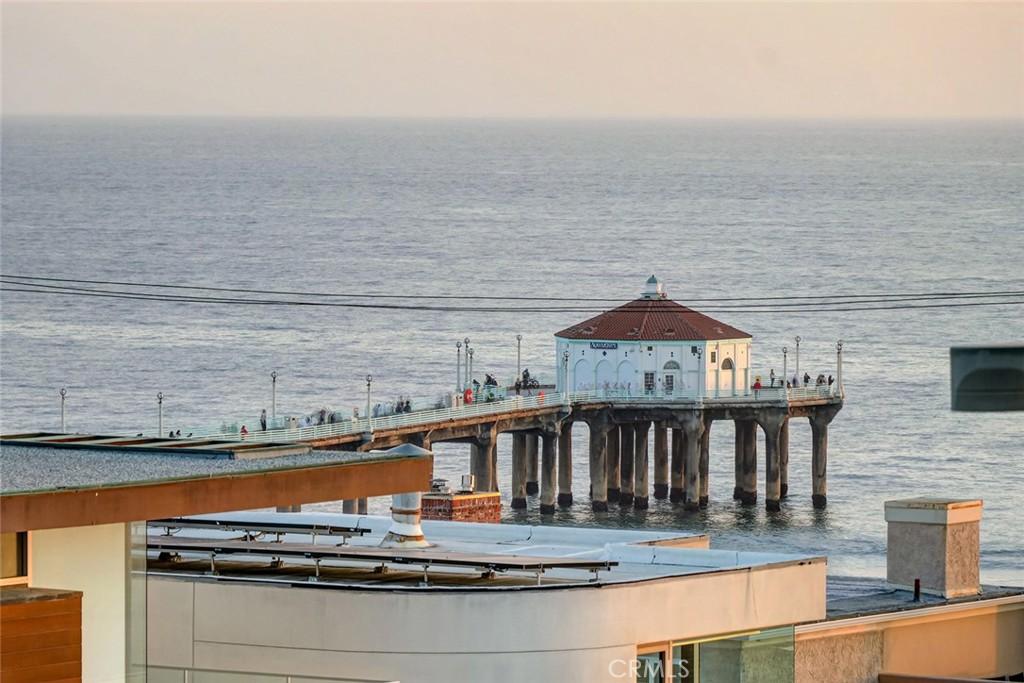
The Manhattan Beach Pier and the beach volleyball courts at its base are community institutions — the pier area is one of the most active public spaces in the South Bay, and the beach volleyball tradition in Manhattan Beach (the AVP has held events here for decades, and the pickup volleyball culture at the nets near the pier is a genuine community activity) gives the neighborhood a specific outdoor sports culture that is embedded in the city’s identity. For buyers who are active outdoor recreationists — running on the Strand, swimming at the pier, playing volleyball, or cycling the beach path south toward Hermosa and Redondo — Manhattan Beach’s lifestyle infrastructure supports those habits at a level that is not matched by other LA luxury markets.
The South Bay’s outdoor running, cycling, and ocean sports culture is among the most active in the greater LA area. The Strand bike path running from Torrance Beach to Will Rogers State Beach provides a car-free cycling route of significant length, and the ocean conditions off Manhattan Beach — relative shelter from the strongest swells that affect points further north, combined with a consistent beach break — support a year-round swimming and surfing culture that residents who prioritize water access can use daily rather than seasonally.
The South Bay’s employment base has historically centered on aerospace (Northrop Grumman, Raytheon, Aerospace Corporation) and maritime-adjacent industries in the Torrance, El Segundo, and Redondo Beach employment corridor. This employer cluster, now supplemented by the Silicon Beach tech presence to the north, creates an employment geography that makes Manhattan Beach’s residential location viable for a wide range of professional buyers whose employers are distributed across the South Bay rather than concentrated on the Westside. The commute from Manhattan Beach to LAX, El Segundo, and the South Bay tech and aerospace employers is typically 15-30 minutes — substantially shorter than commutes from the Westside or the Valley to the same destinations.
Manhattan Beach’s market is among the most efficiently priced in the greater LA luxury market — the combination of a well-defined buyer pool (school-motivated families and beach-lifestyle buyers are a consistent and predictable demand base), limited supply expansion (the city is geographically bounded and fully developed), and a clear pricing hierarchy by proximity to water creates a market where the relationship between price and location is more transparent than in many comparable LA markets.
The walkstreet premium is real and persistent. The difference in price between a walkstreet home and a comparable inland home in the Sand Section is typically $1.5-3 million, reflecting the daily lifestyle access of having sand and ocean directly accessible from the home’s front door. This premium has remained consistent across market cycles, supported by the specific buyer segment that will pay a significant premium for that specific lifestyle feature regardless of broader market conditions.
The Tree Section market has seen the most consistent family-buyer demand, with well-priced renovated homes selling quickly and receiving multiple offers when the pricing is accurate. The school district motivation is a durable demand driver — MBUSD buyers who need to close before the school year creates consistent time-sensitive demand that supports pricing through market transitions.
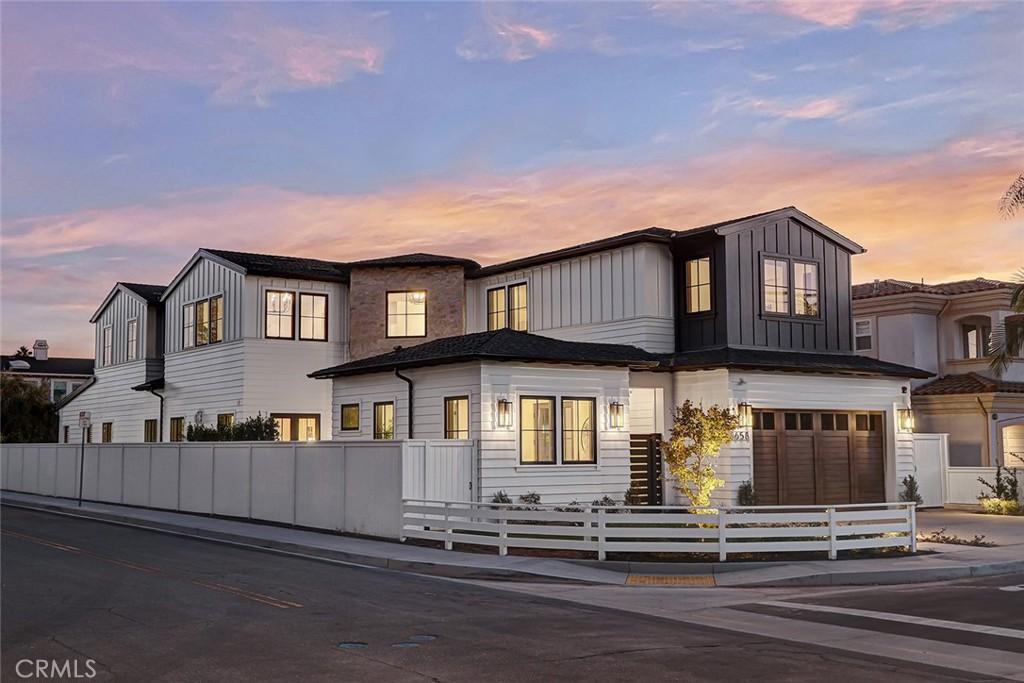
New construction in Manhattan Beach is concentrated primarily on The Hill and on the larger Sand Section lots, where parcel sizes accommodate structures of 3,000-5,000 square feet. New construction commands a premium of 15-20% above comparable renovated resale product, reflecting the combination of updated systems, contemporary design, and the reduced near-term renovation obligation that new construction provides.
Manhattan Beach luxury homes range from approximately $2.5 million for a Tree Section single-family home to $20 million and above for a strand or top-tier walkstreet property with panoramic ocean views. The most active mid-market tier runs from approximately $3 million to $7 million, encompassing renovated walkstreet homes, Hill properties with ocean views, and larger Tree Section estates.
The Manhattan Beach walkstreets are pedestrian-only pathways that run between the Strand (the beach-fronting bike and pedestrian path) and Manhattan Avenue, parallel to the ocean. Unlike most beachfront property in Los Angeles — where Pacific Coast Highway creates a traffic barrier between residential addresses and the beach — walkstreet homes have direct pedestrian access to the sand without crossing any road. This makes the walkstreet lifestyle fundamentally different from PCH-adjacent beachfront: you walk from your door across a pedestrian path directly to the sand. The walkstreets also create a neighborhood-within-the-neighborhood character: residents know their walkstreet neighbors in a way that street-fronting properties in auto-traffic streets do not produce. This combination of physical beach access and community intimacy is what makes the walkstreet premium persistent across market cycles.
The primary trade-offs are: Malibu has more land, more privacy, a more dramatic natural landscape, and the PCH coastal setting that gives it its character. Manhattan Beach has a walkable downtown, the walkstreet beach access model (no highway to cross), stronger public schools, and a more compact community character. For buyers who want beach access and a community with commercial walkability, school infrastructure, and manageable commutes to South Bay and Silicon Beach employers, Manhattan Beach is the practical choice. For buyers who want estate scale, natural seclusion, and the specific Malibu lifestyle, Malibu’s advantages are uncontested by Manhattan Beach. Most buyers who are comparing the two have already made a preliminary choice about which lifestyle priorities rank higher.
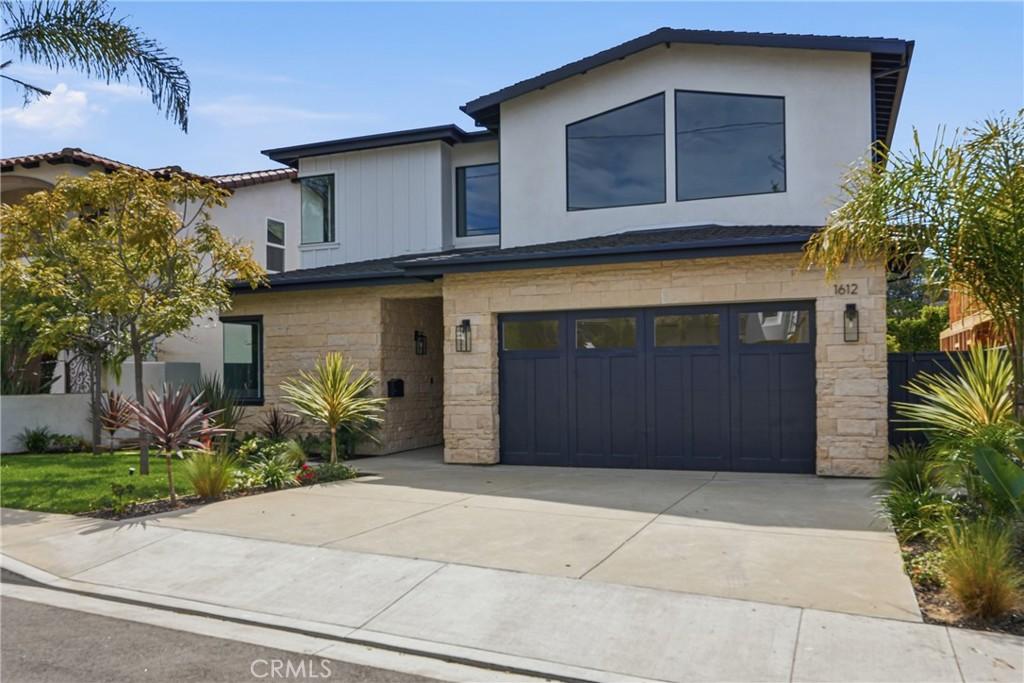
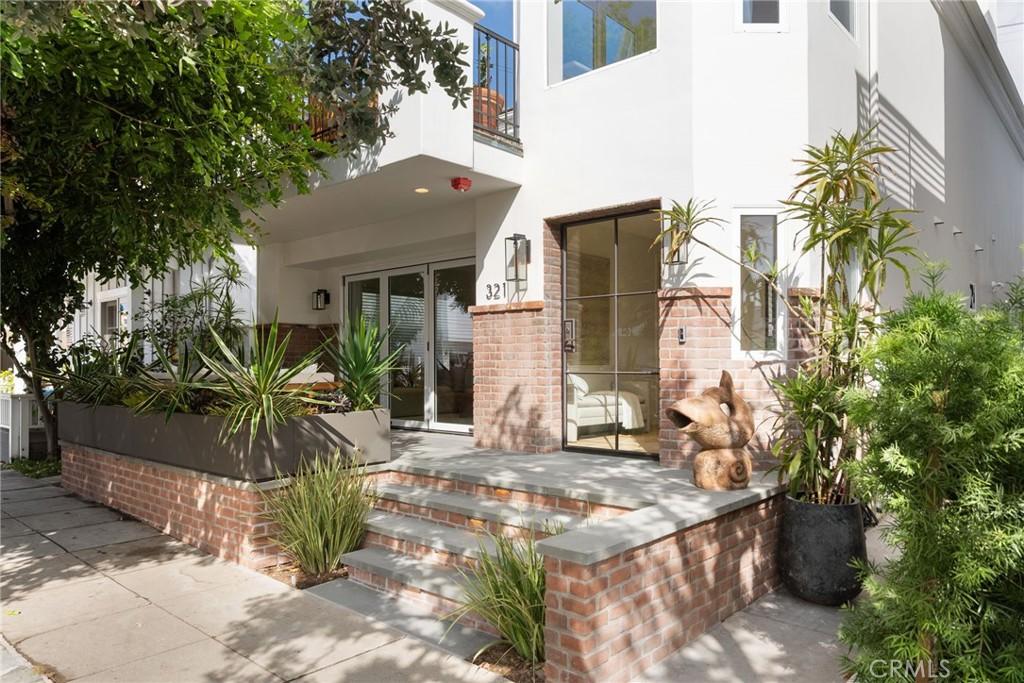
Manhattan Beach Unified School District serves Manhattan Beach with schools consistently ranked among the highest in LA County. Mira Costa High School is the district’s secondary school and has a strong academic record, active athletics and arts programs, and robust alumni engagement. The district’s middle school (Manhattan Beach Middle School) and elementary schools (Grand View, Pennekamp, Meadows) are also consistently rated. For families for whom public school quality is a primary purchase criterion, MBUSD provides the clearest argument for paying the Manhattan Beach premium over comparable beach-adjacent communities with lower-ranked public school districts.
Yes — beachfront and strand-adjacent properties in Manhattan Beach are within the California Coastal Commission’s jurisdiction, meaning that renovation, addition, and development activities that meet certain thresholds require Coastal Commission review in addition to Manhattan Beach city permits. Buyers planning significant exterior renovation or additions to Sand Section properties should confirm the specific Coastal Commission jurisdiction for their target property and consult with a permitting specialist before finalizing a purchase where planned improvements require Coastal Commission approval.
Explore more Luxury neighborhoods:
Lucky for you we’re looking out.
Subscribe to this Custom Search to be alerted when new properties hit the market in the area.
Choose the frequency that works for you.