Living in Hollywood Hills: Lifestyle, Access, and Hillside Realities
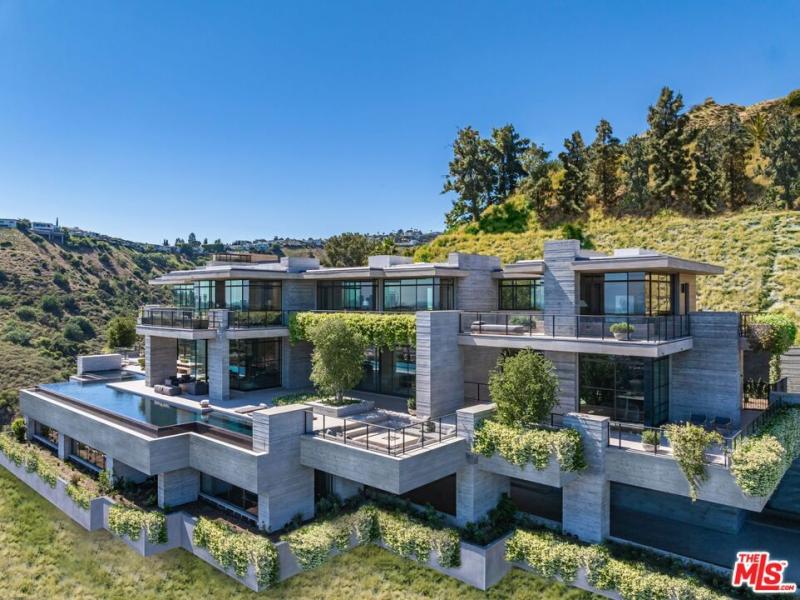
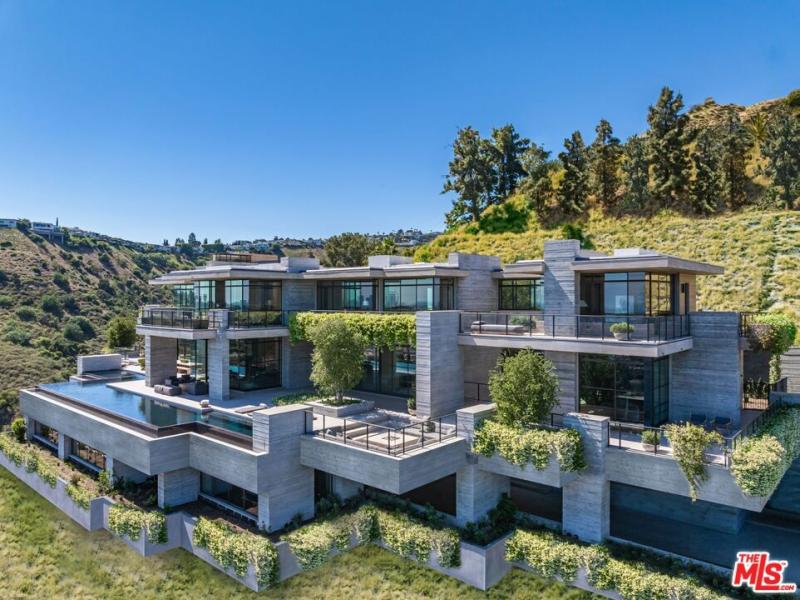
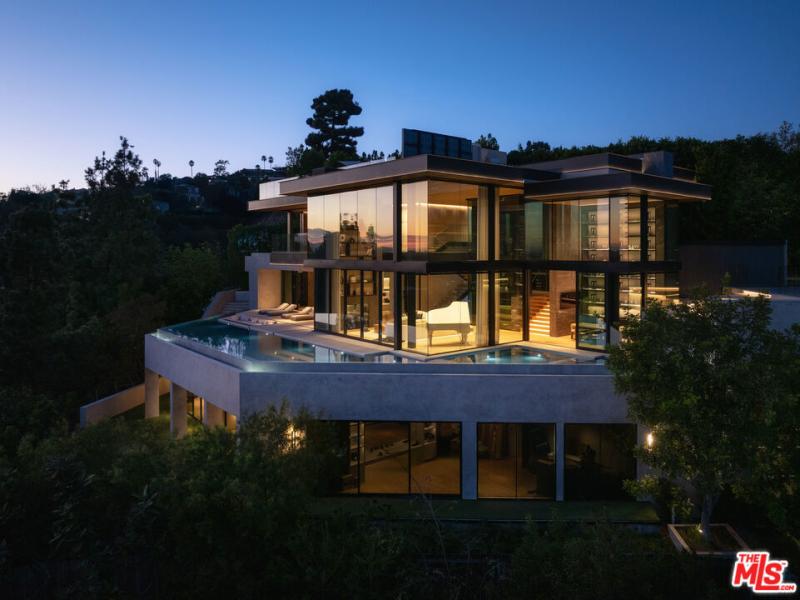
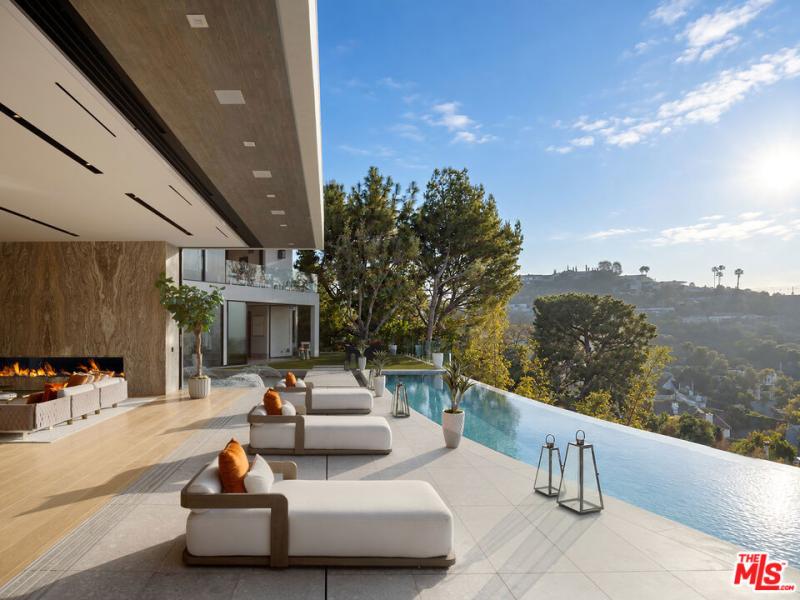
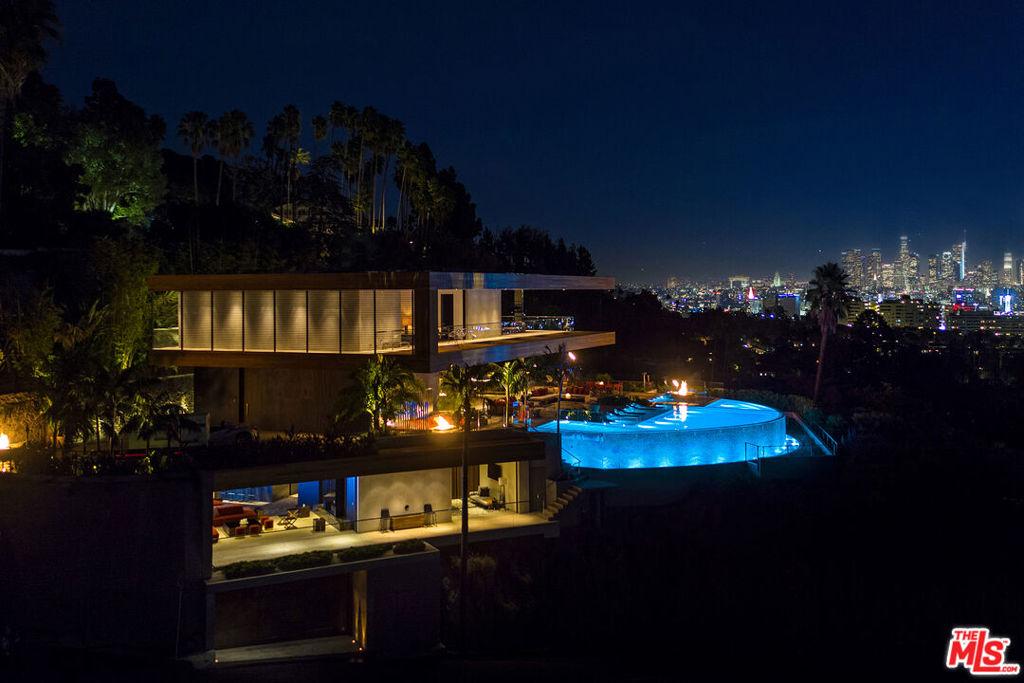
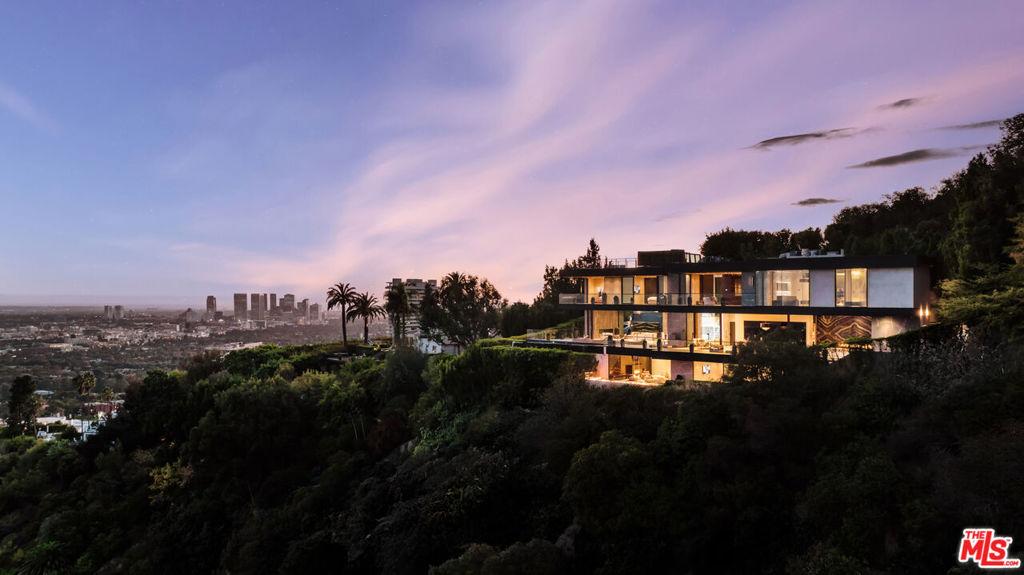
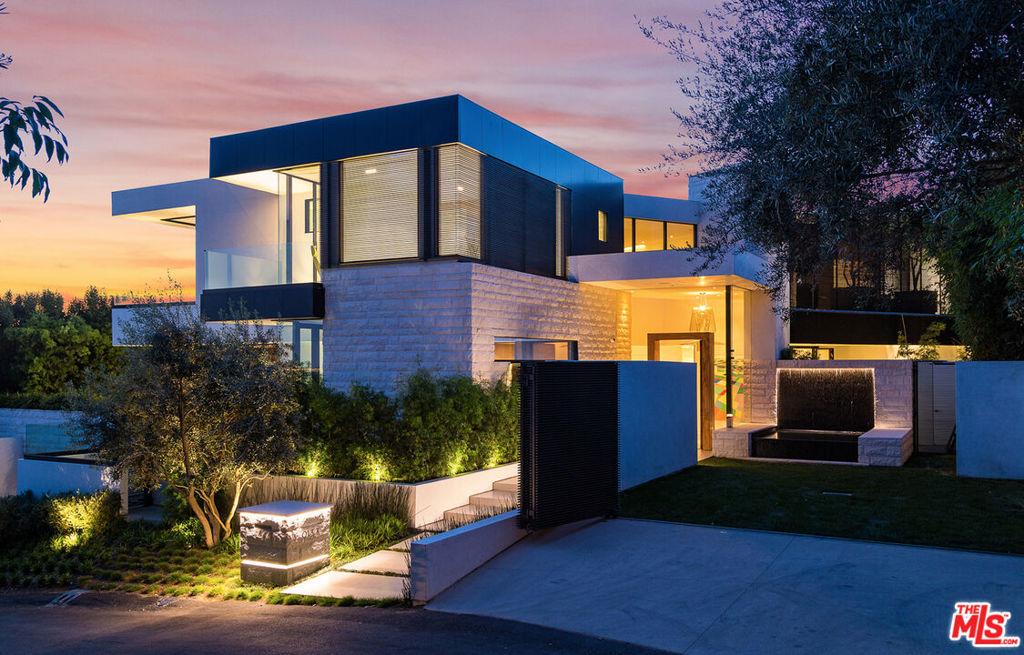
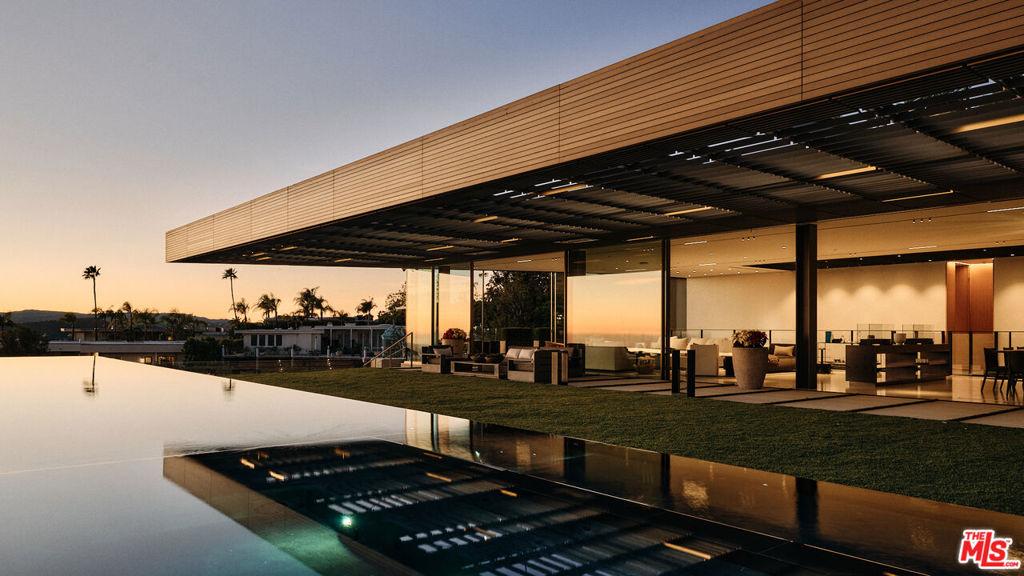
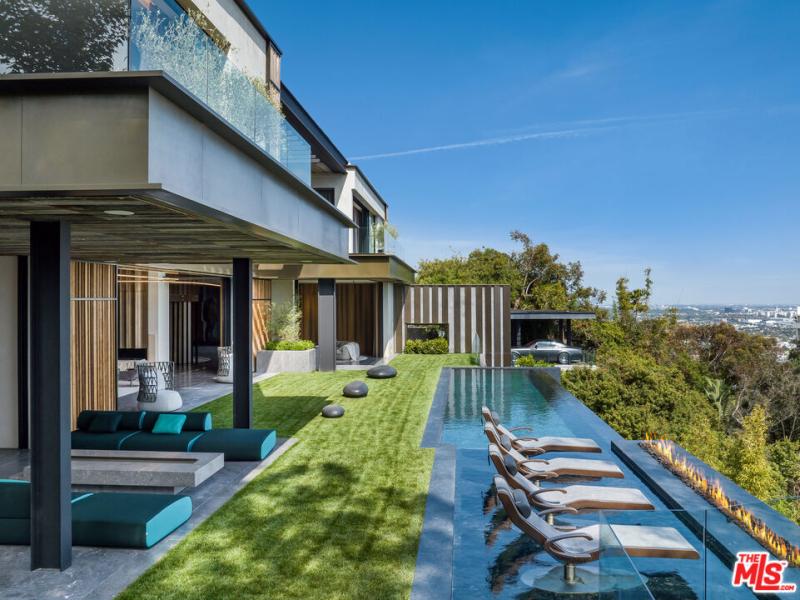
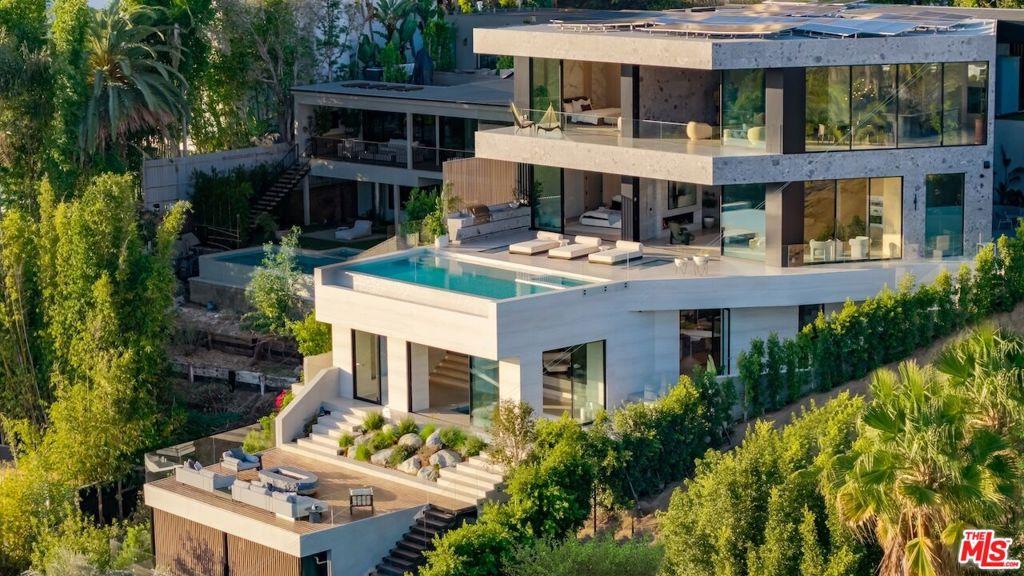
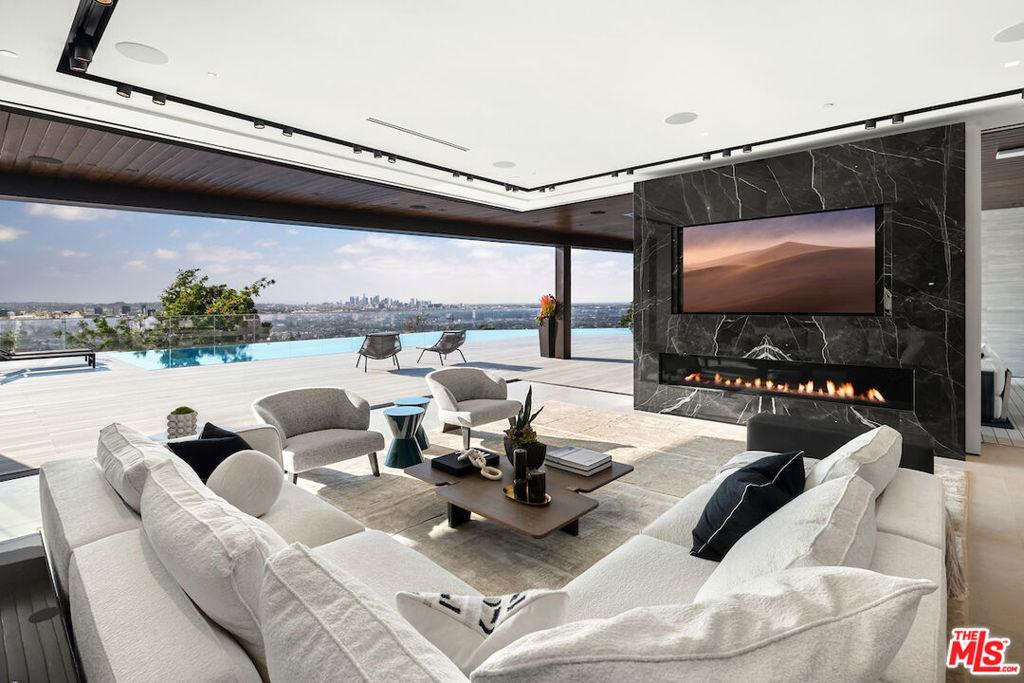
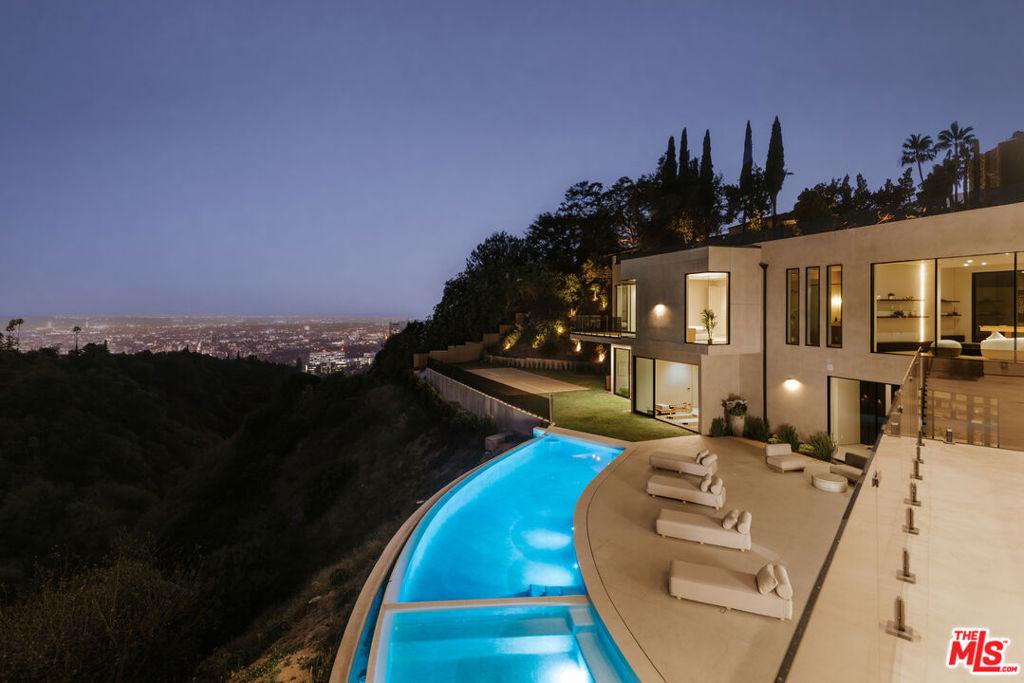
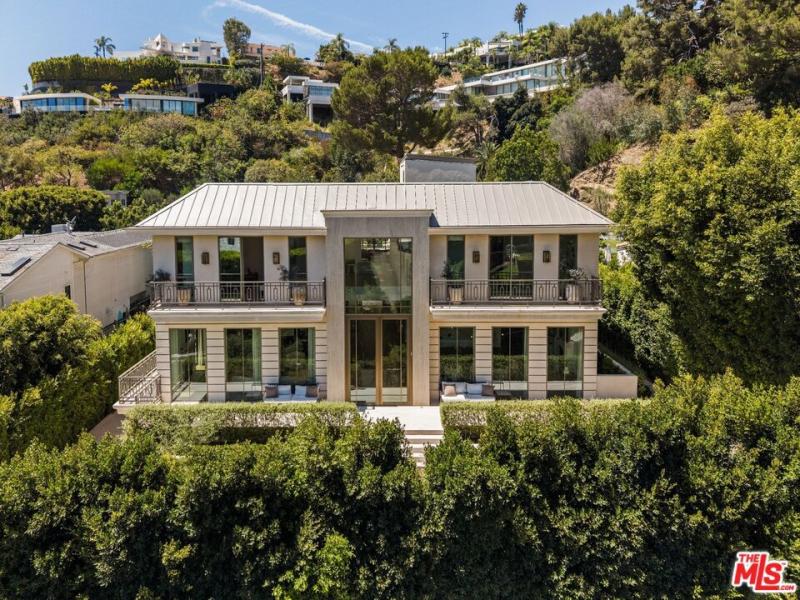
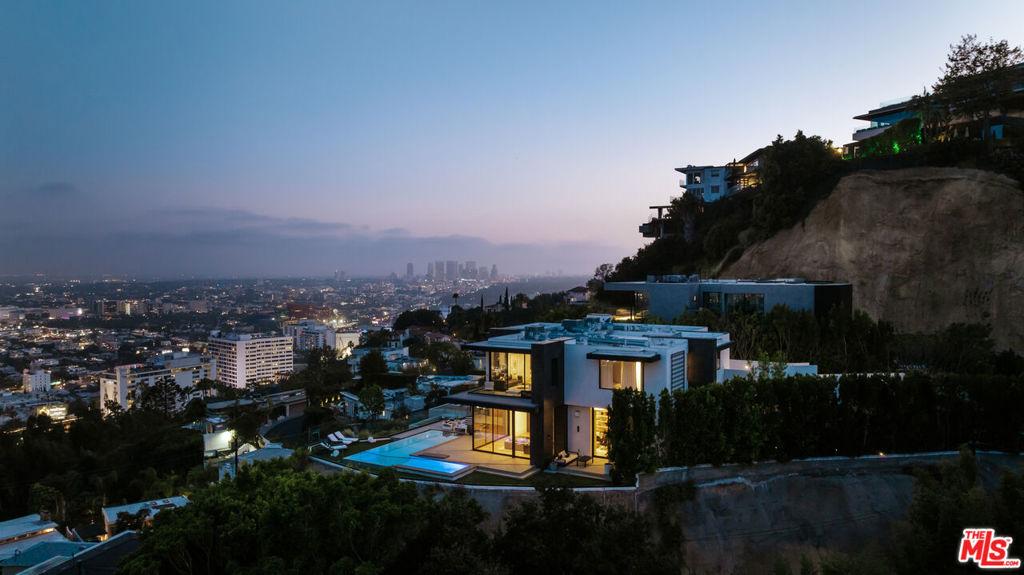
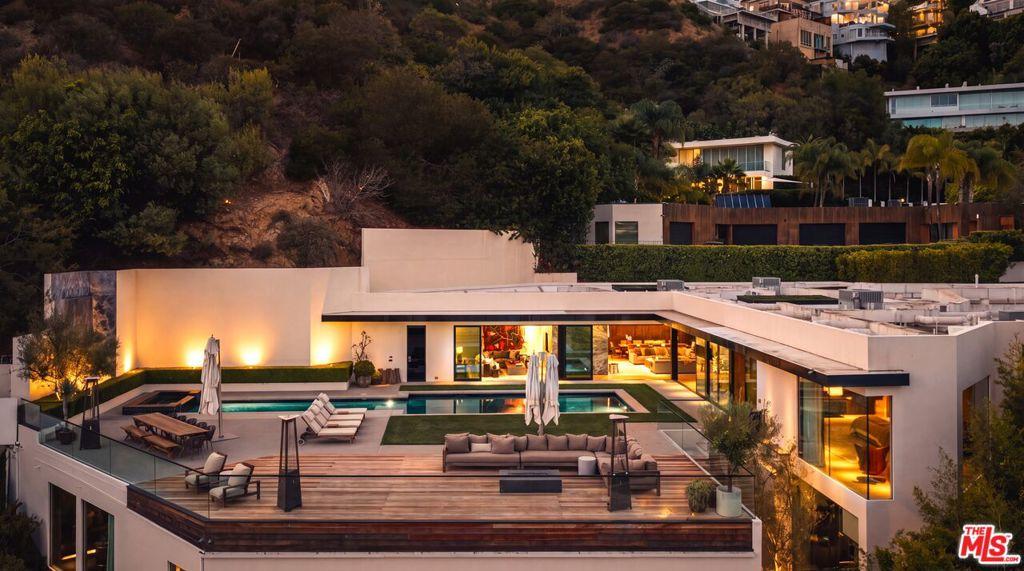
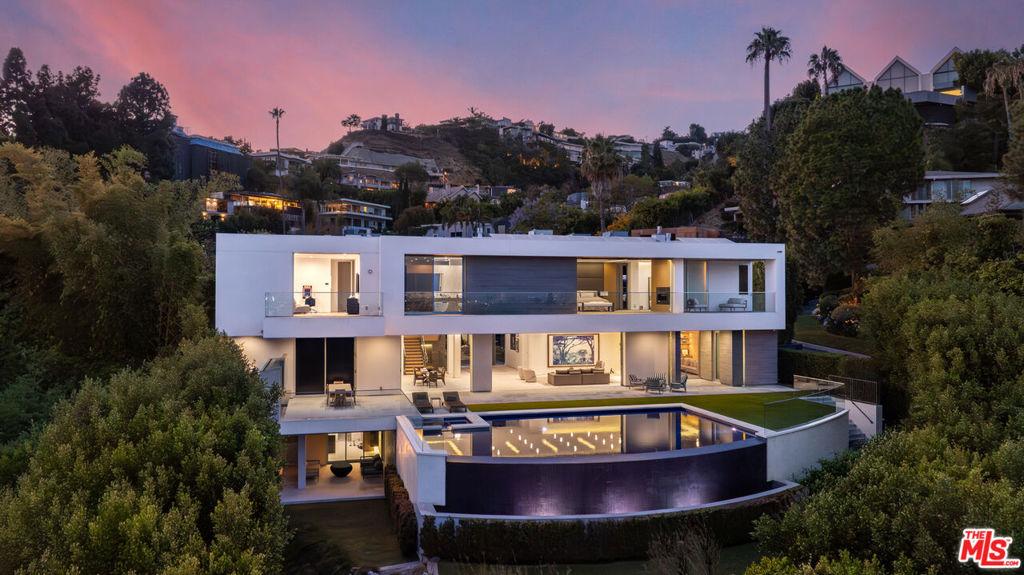
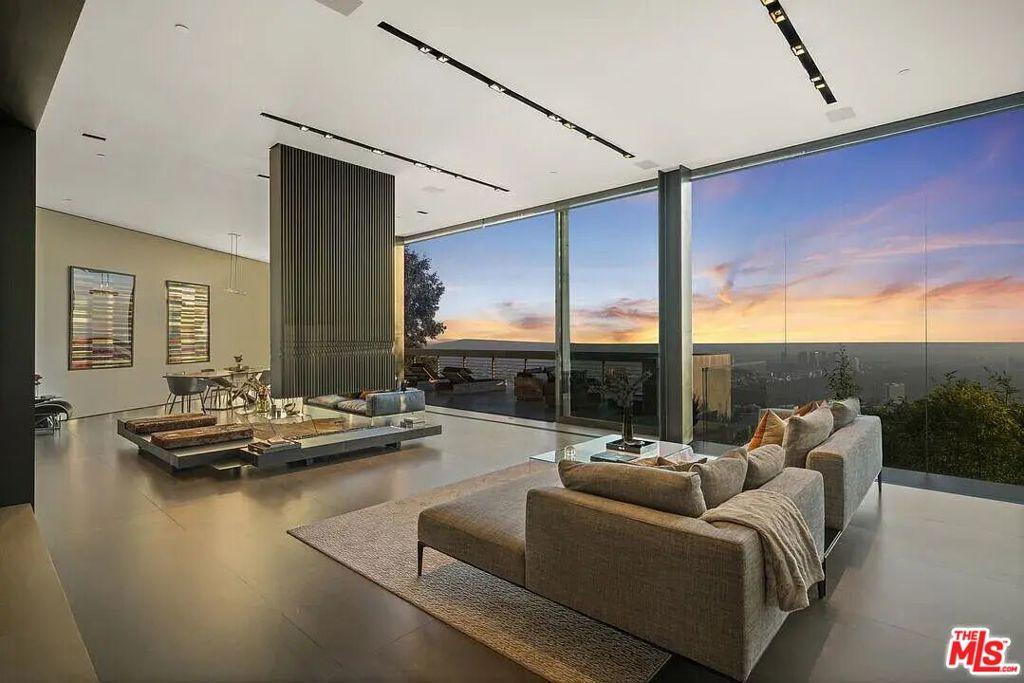
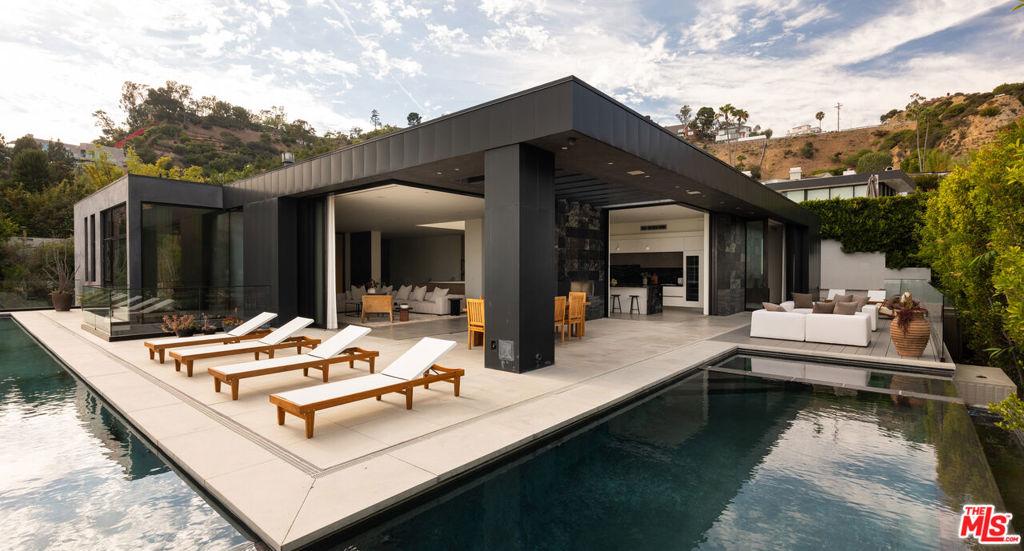
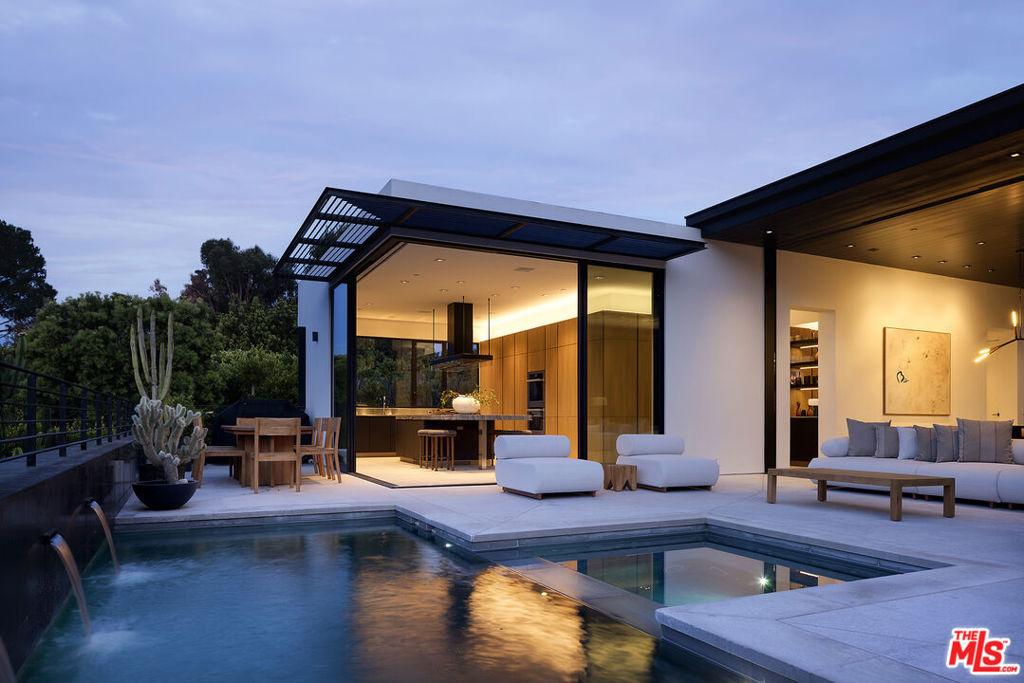
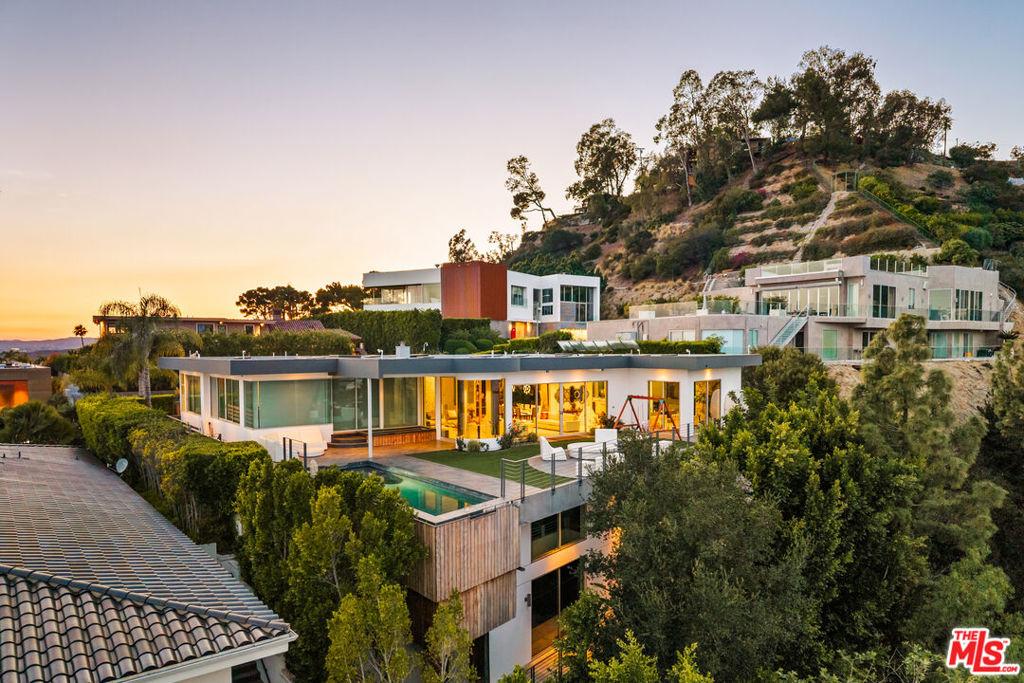
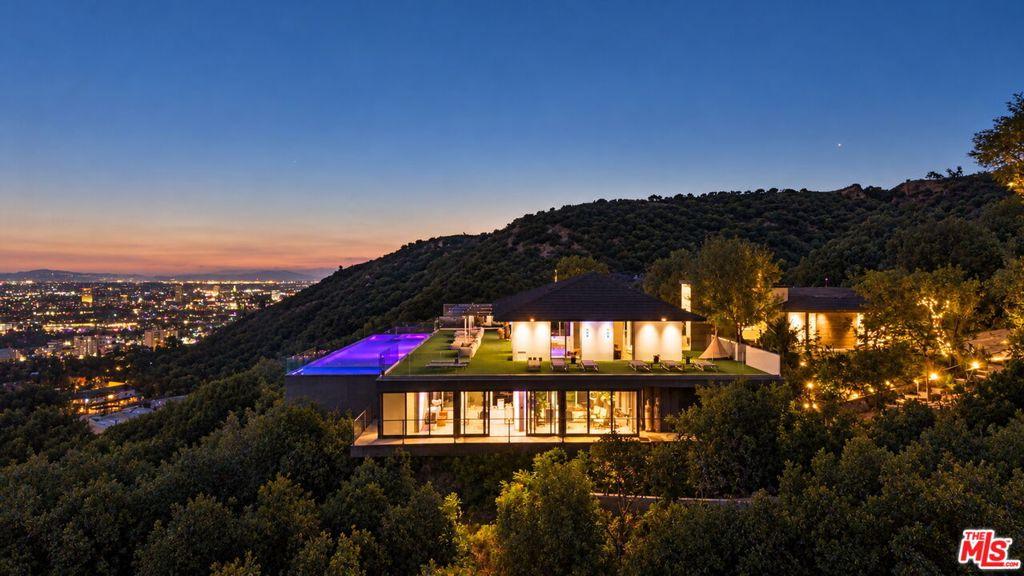
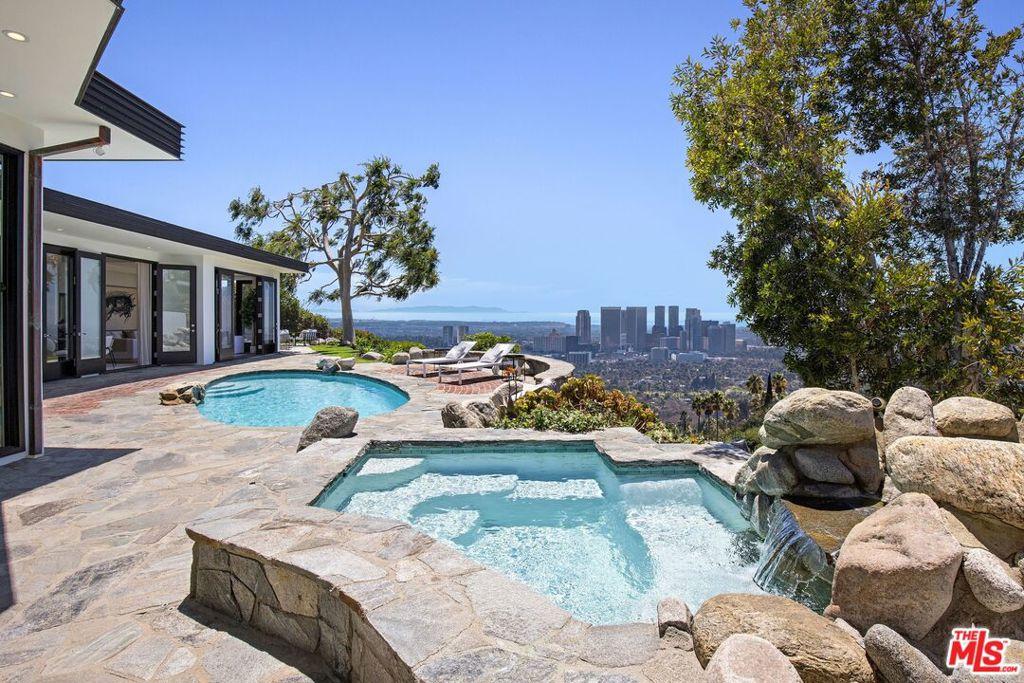
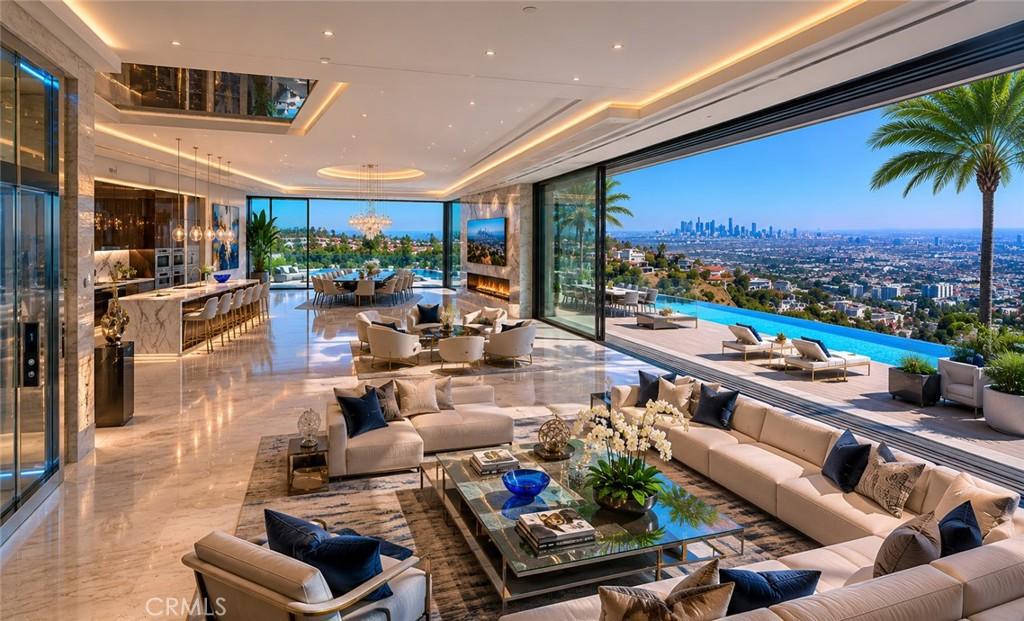
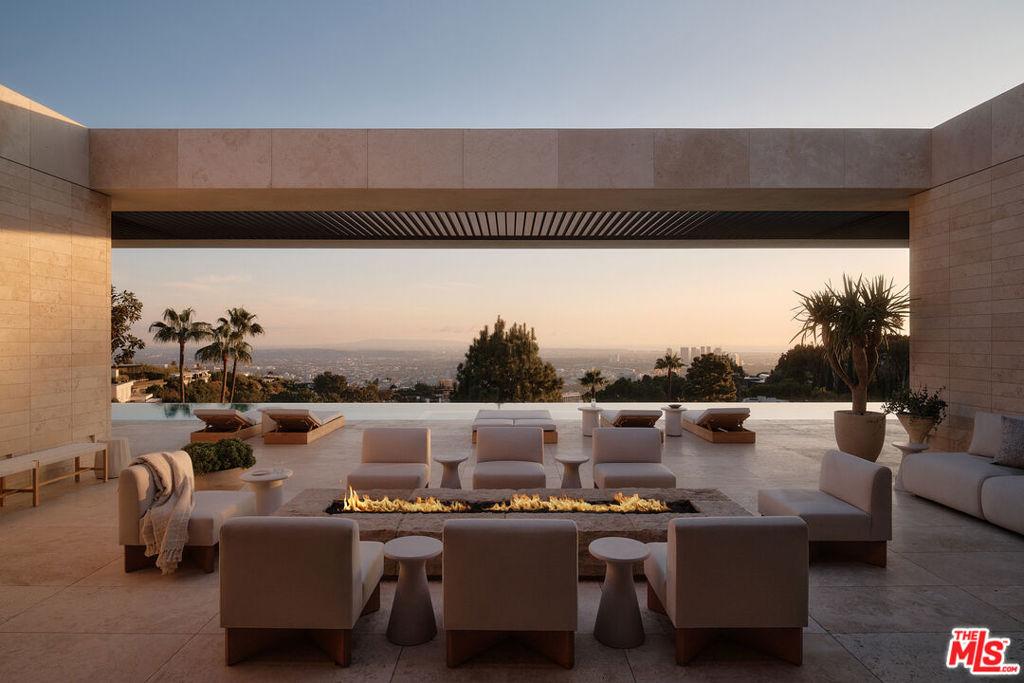
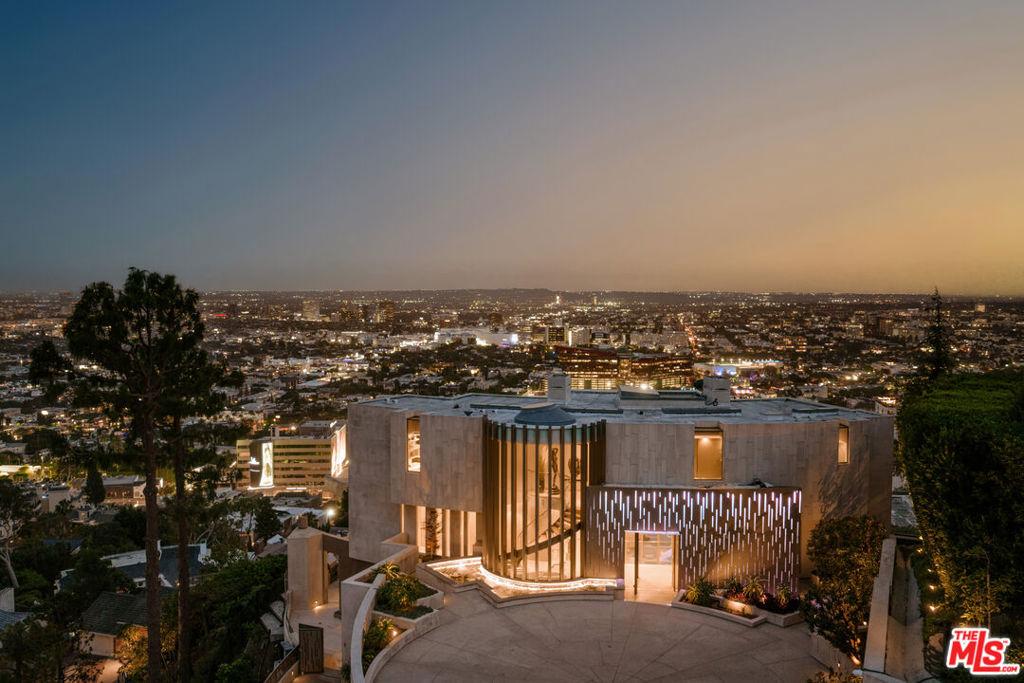
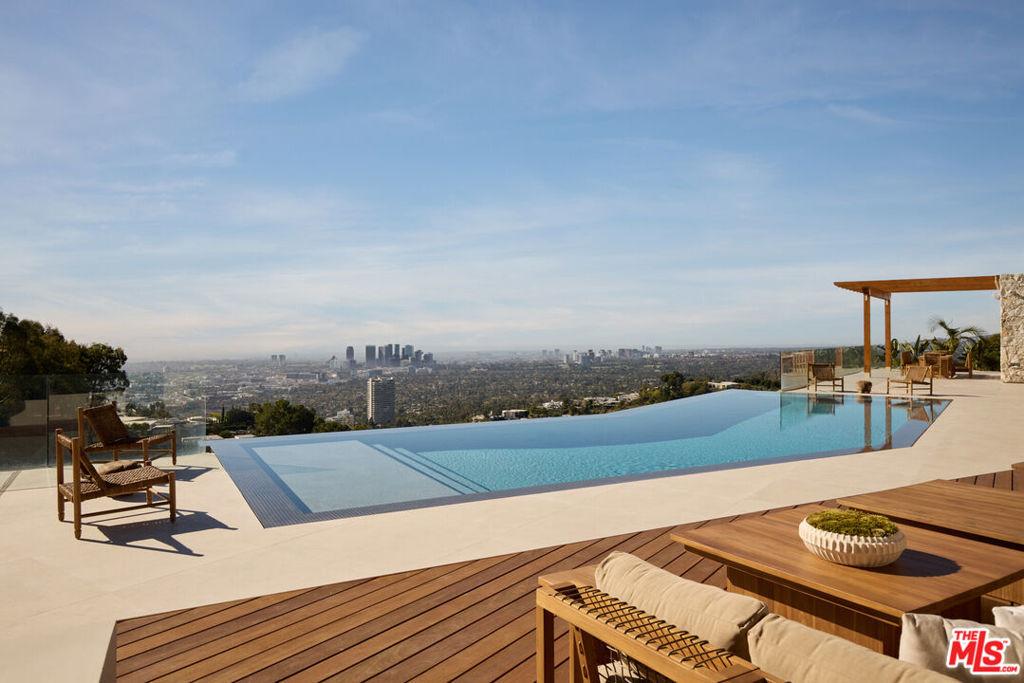
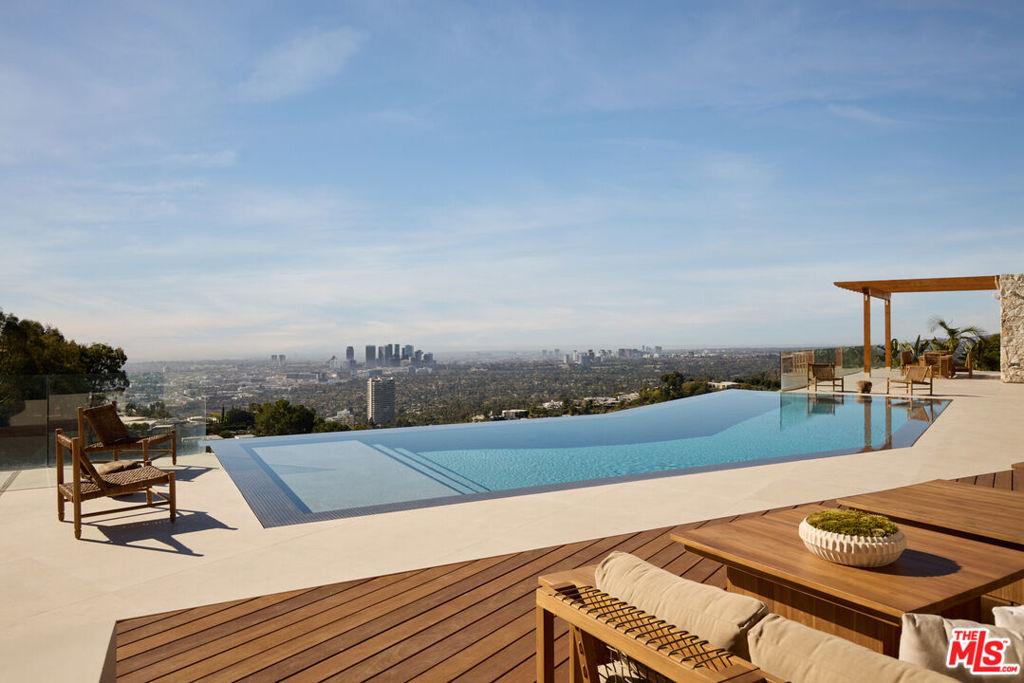
Hollywood Hills’ lifestyle appeal centers on the combination of visual drama (the city views from hillside properties are among the most compelling residential views in Los Angeles), proximity to the energy of the Sunset Strip and West Hollywood without living in either of them, and the natural landscape character of the canyon environment that coexists with the urban infrastructure below. Residents of upper Hollywood Hills properties can look out at the LA basin at night from a position of natural elevation and privacy while being 10 minutes from the Sunset Strip commercial environment by car.
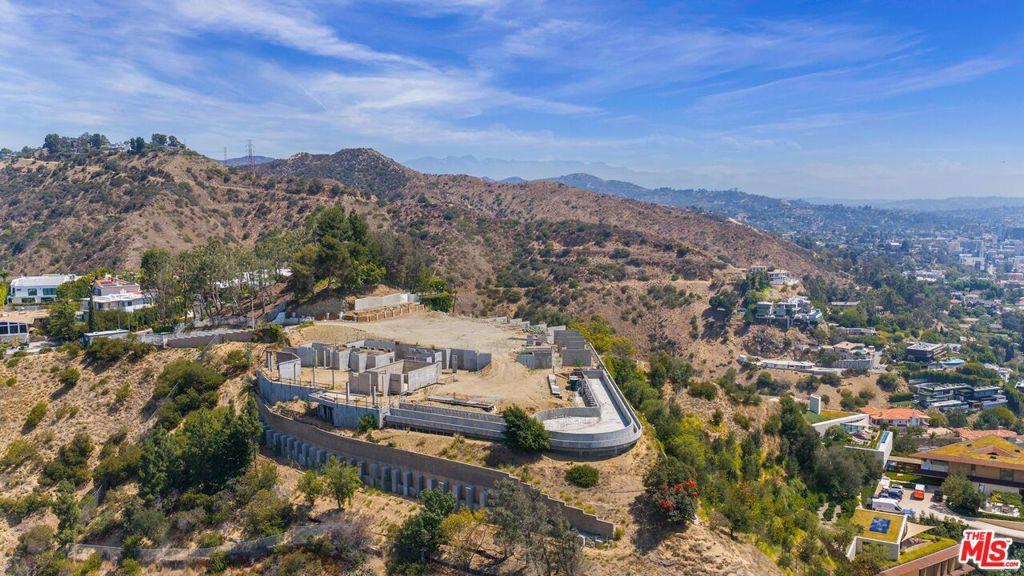
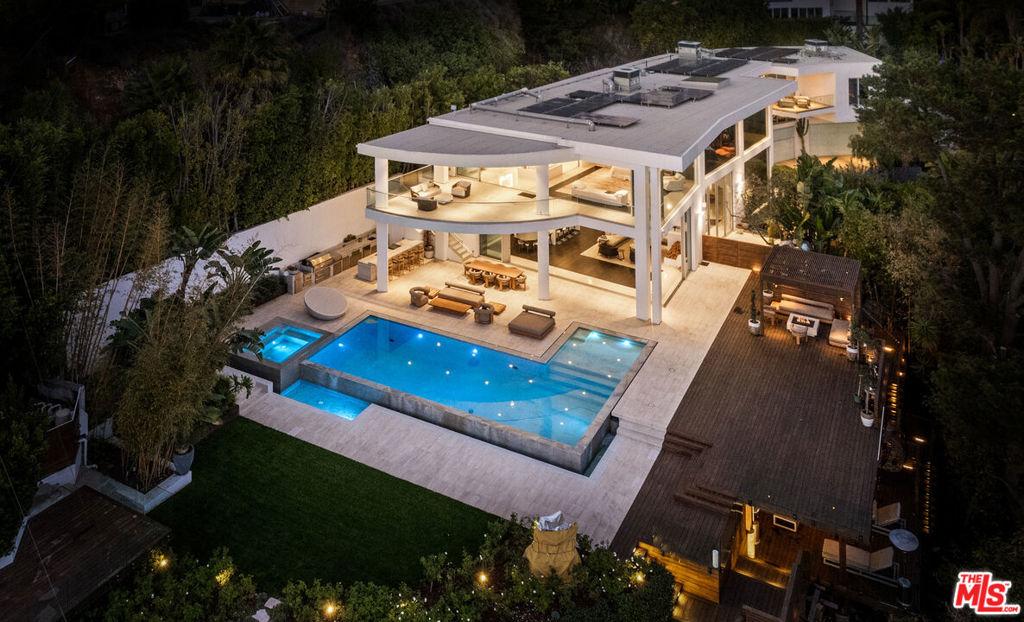
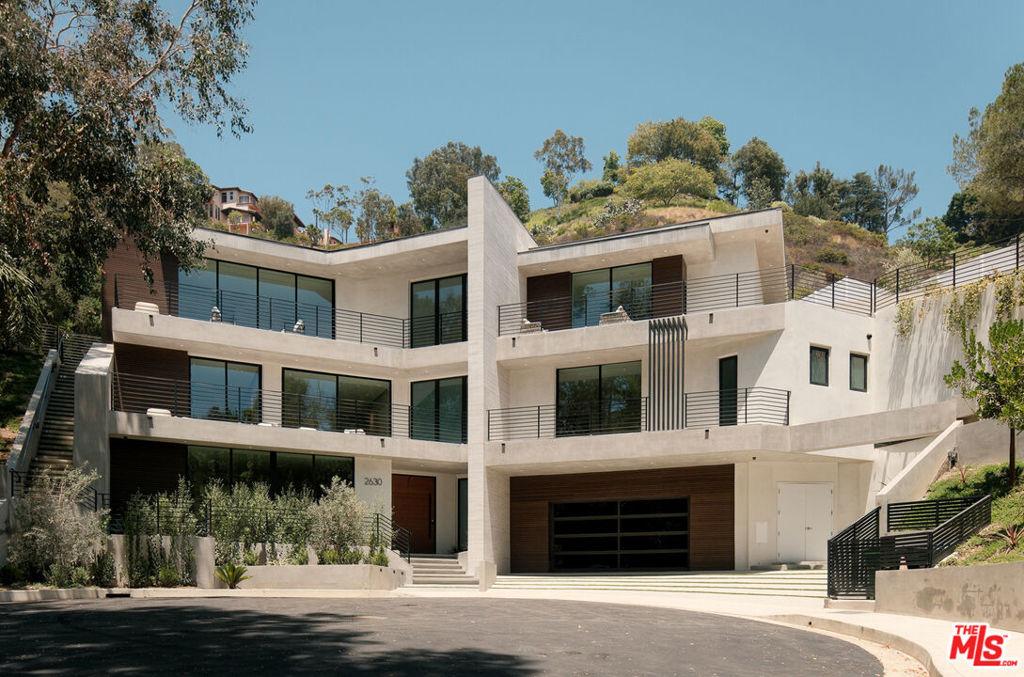
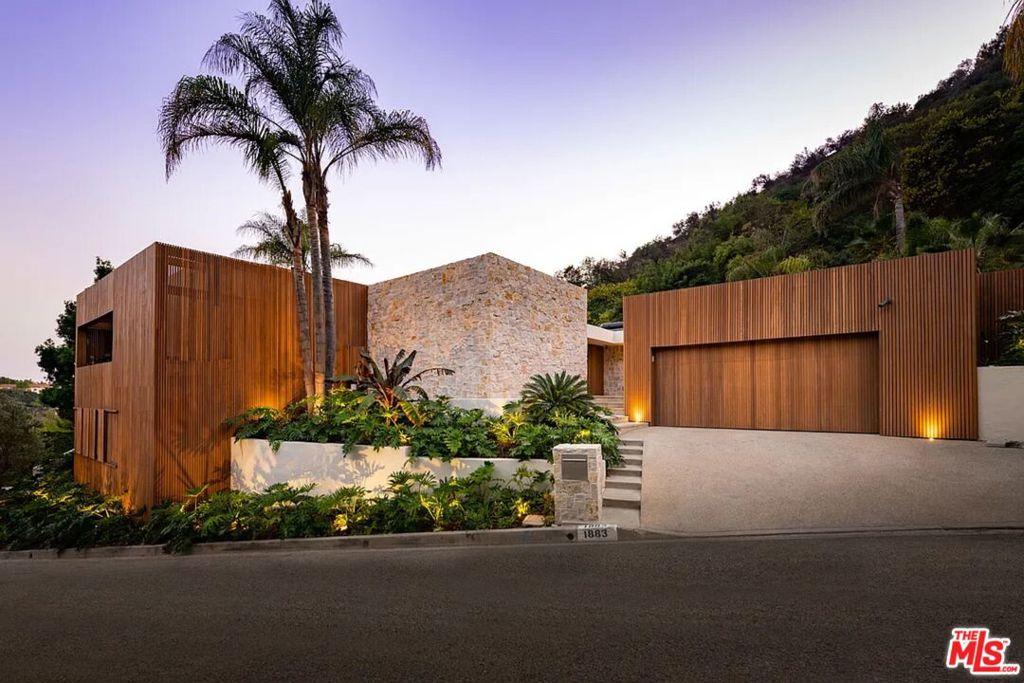
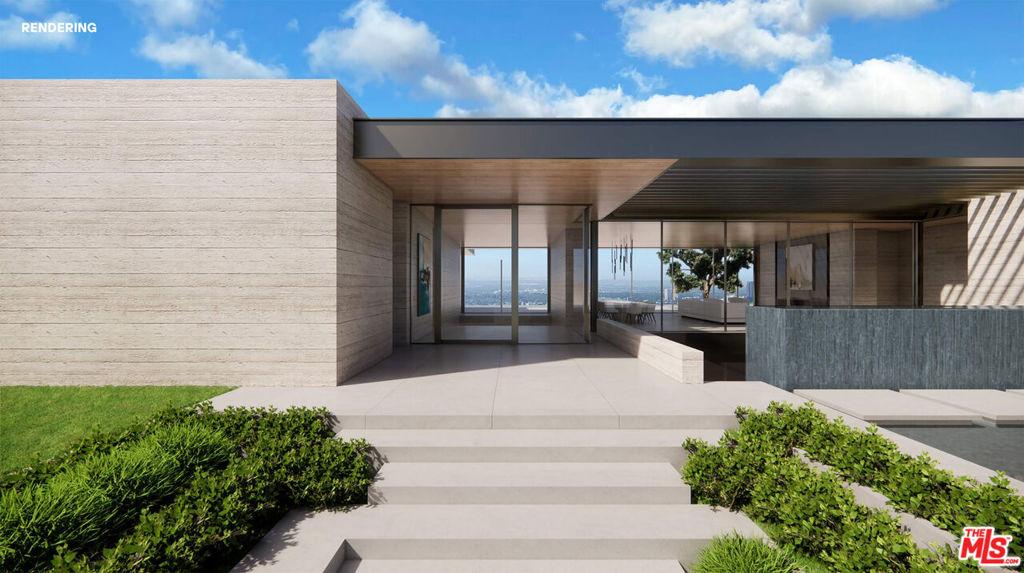
The practical realities of hillside living in Hollywood Hills are worth understanding concretely before purchasing. Steep driveways that may require specific vehicle types, limited on-site parking for entertainment, narrow canyon roads that can make deliveries and emergency access more complex than in flat neighborhoods, and outdoor space that is typically deck and terrace rather than flat lawn — these are the functional trade-offs of living on a hillside with significant views. Properties on the Bird Streets in particular often have dramatic driveways and limited flat outdoor area; buyers who prioritize yard space and flat outdoor entertainment areas should evaluate whether the Bird Streets property type is the right match for their intended lifestyle.
The Sunset Strip commercial corridor — from Crescent Heights to Doheny Drive — provides Hollywood Hills residents with restaurant, nightlife, and retail access that is among the most active stretches of commercial street in Los Angeles. Chateau Marmont, Nobu West Hollywood, Soho House, the Comedy Store, the Troubadour, and dozens of well-regarded restaurants are within 5-10 minutes of most Bird Streets and upper Hollywood Hills addresses. For buyers who value proximity to this environment as part of their daily life, Hollywood Hills provides that access at a level that comparable hillside markets (Bel Air, parts of Beverly Hills above Sunset) do not.
Fire Risk and Infrastructure
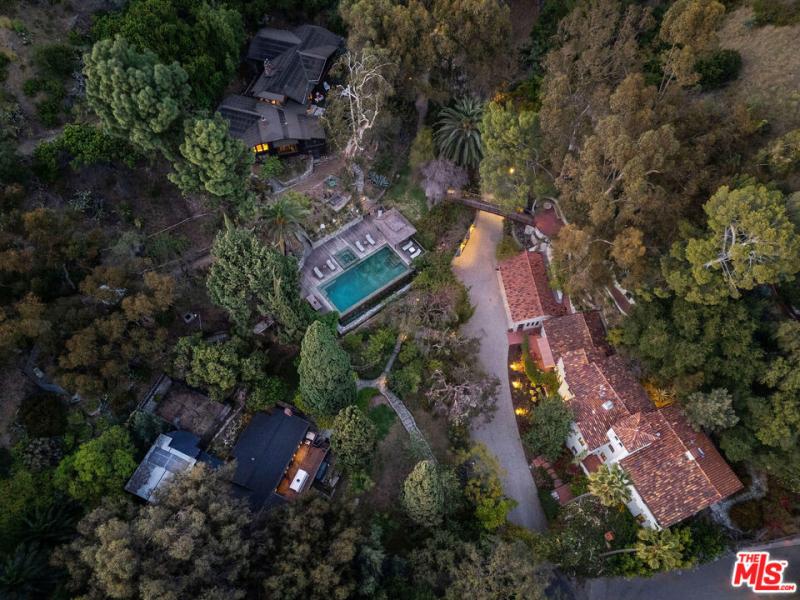
Hollywood Hills is in a Very High Fire Hazard Severity Zone, and significant fires have affected portions of the hillside community historically. The current California wildfire insurance market reflects this risk, and buyers should confirm insurance availability and premium cost for any specific Hollywood Hills property as part of their due diligence process. Hillside canyon properties with limited road access and dense vegetation are the most insurance-sensitive; properties on wider streets with better defensible space and two-way access typically have fewer insurance complications. The terrain that makes Hollywood Hills properties visually spectacular also creates wildfire risk factors that are inherent to the location and cannot be eliminated through renovation or landscaping.
What is it like to live in Luxury Homes In Hollywood Hills?
- Luxury Homes In Hollywood Hills offer visual drama, with city views from hillside properties ranking among the most compelling residential views in Los Angeles.
- Residents enjoy proximity to the energy of the Sunset Strip and West Hollywood without actually living inside either of those commercial environments.
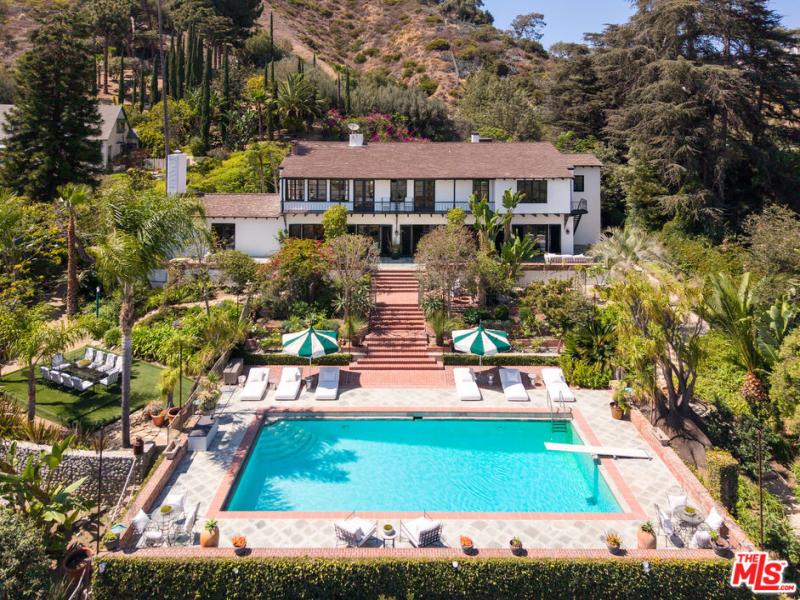
- Canyon environment natural landscape character coexists with the urban infrastructure below, giving the hillside a setting distinct from flat Los Angeles neighborhoods.
- Upper hillside residents look out at the LA basin at night from a position of natural elevation and privacy.
- Practical hillside realities include steep driveways that may require specific vehicle types and limited on-site parking for entertaining guests.
- Narrow canyon roads can make deliveries and emergency access more complex than in flat neighborhoods, a functional trade-off of significant views.
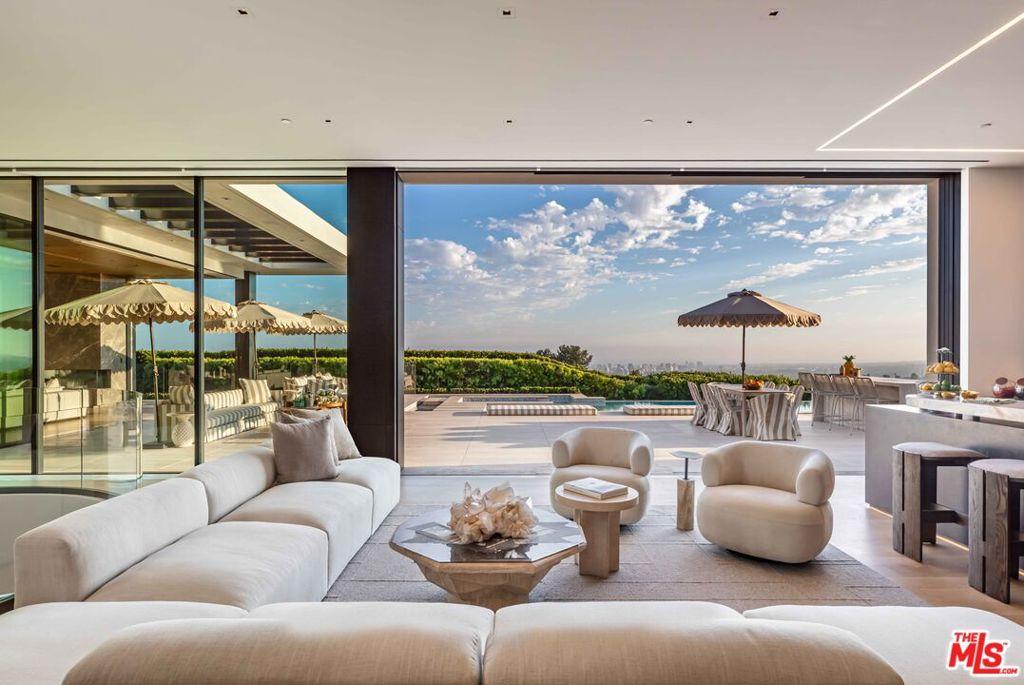
- Outdoor space at Luxury Homes In Hollywood Hills is typically deck and terrace rather than flat lawn, especially on the Bird Streets.
- Chateau Marmont, Nobu West Hollywood, Soho House, the Comedy Store, and the Troubadour sit minutes from most upper hillside addresses.
- Luxury Homes In Hollywood Hills sit in a Very High Fire Hazard Severity Zone, so buyers should confirm insurance availability and premium cost during due diligence.
MarketTrends
Hollywood Hills Real Estate Market: Price Tiers and View Premium
Hollywood Hills pricing is primarily driven by view quality, architectural significance, and Bird Streets positioning — in that order for the upper tier, and by neighborhood and condition for the broader market.
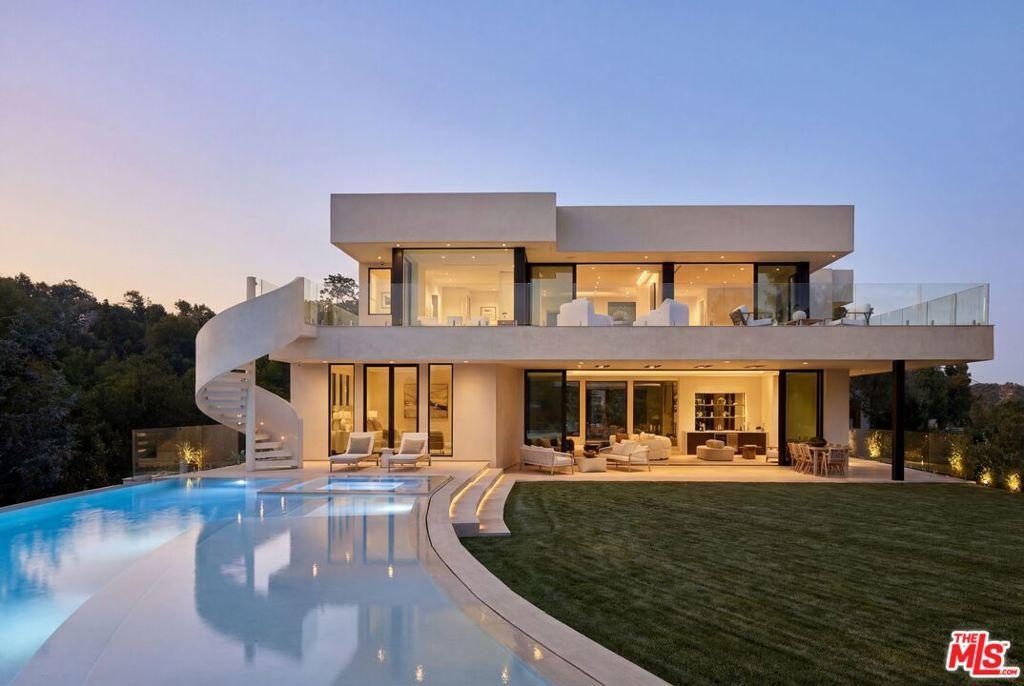
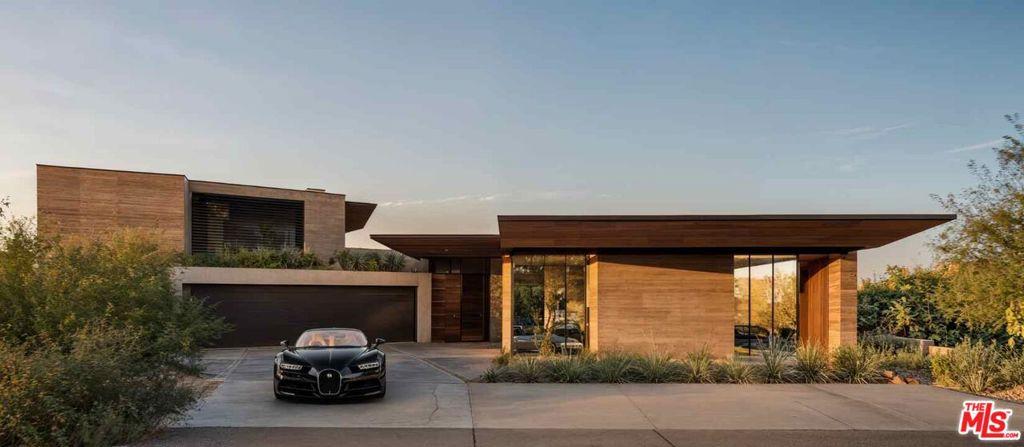
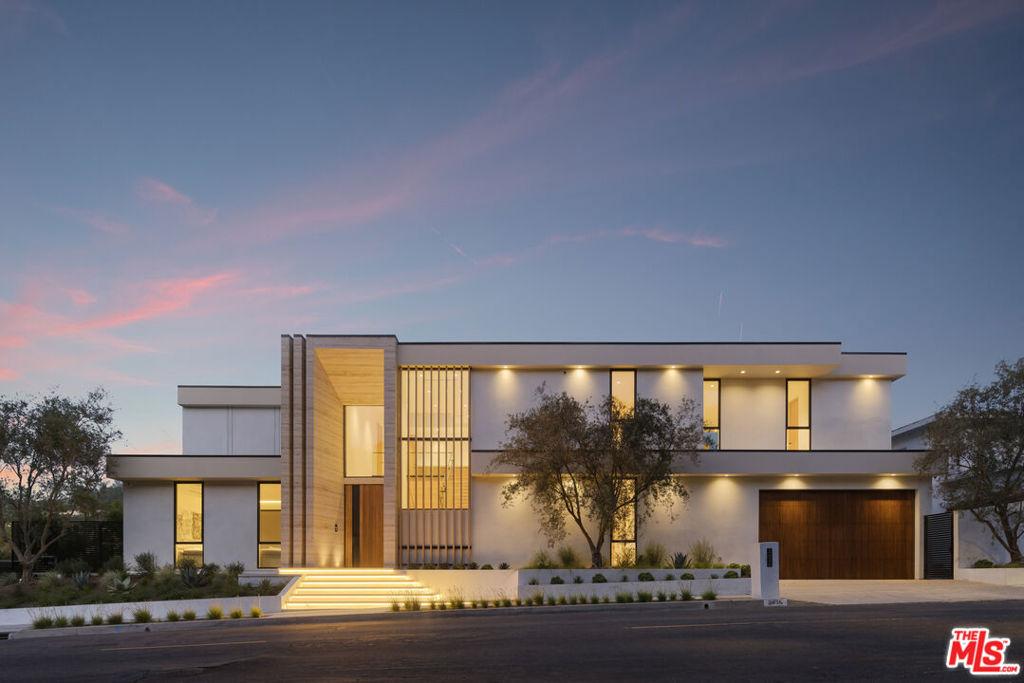
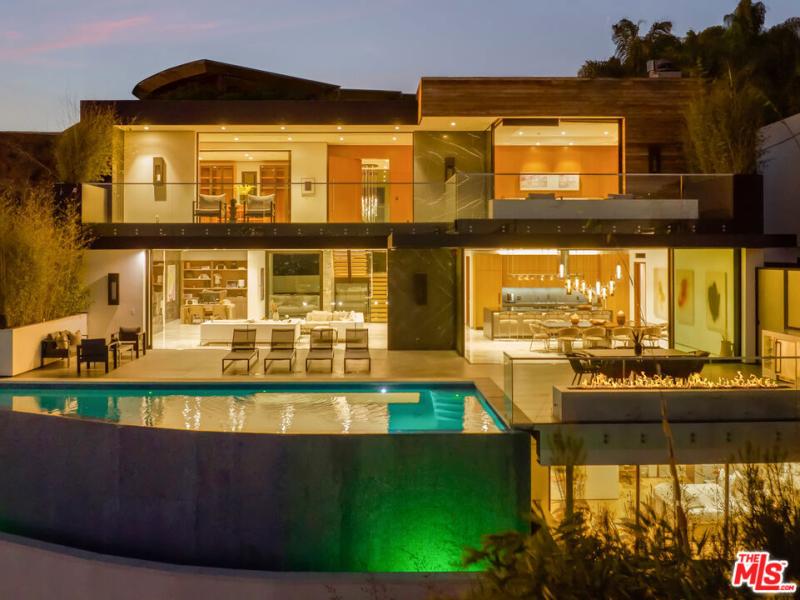
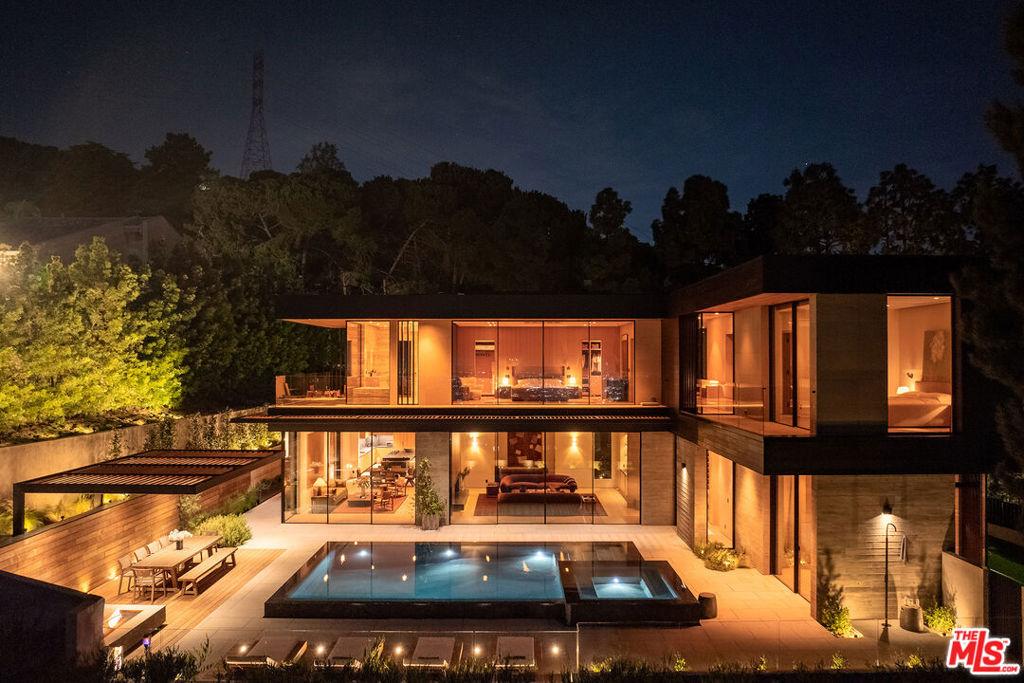
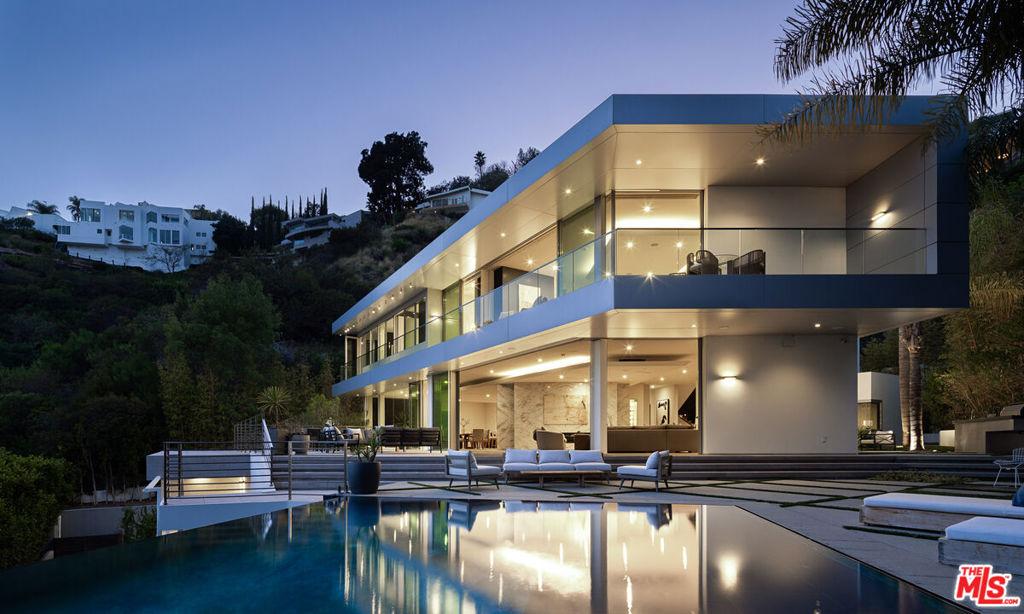
The Bird Streets premium is real and measurable. Properties on Oriole Way, Tanager Way, Nightingale Drive, and the adjacent streets with unobstructed west- or south-facing panoramic views command prices that reflect the scarcity of that specific combination: a significant view position, a Bird Streets address, and contemporary architecture that takes full advantage of the terrain. Properties here are benchmarked against other Bird Streets properties rather than against the broader Hollywood Hills market, and the correct comparable analysis for a Bird Streets architectural home requires market knowledge specific to that sub-area.
Entry-tier Hollywood Hills properties — older homes on steeper lots, canyon-bottom locations with limited views, properties requiring significant renovation — range from approximately $1.5 million to $3 million and provide access to the Hollywood Hills lifestyle at price points that significantly undercut the Bird Streets market. These properties attract buyers who want the Hollywood Hills address and environment and are willing to trade view quality and architectural drama for a lower acquisition cost.
The mid-tier — $3 million to $10 million — is the broadest range in the Hollywood Hills market and encompasses renovated contemporary homes on mid-elevation lots with partial city views, architecturally updated mid-century properties, and view-oriented properties that are well-positioned but not on the most premium Bird Streets addresses. Competition in this tier is consistent for well-priced, move-in-ready properties with strong view corridors.
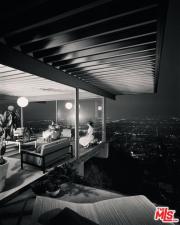
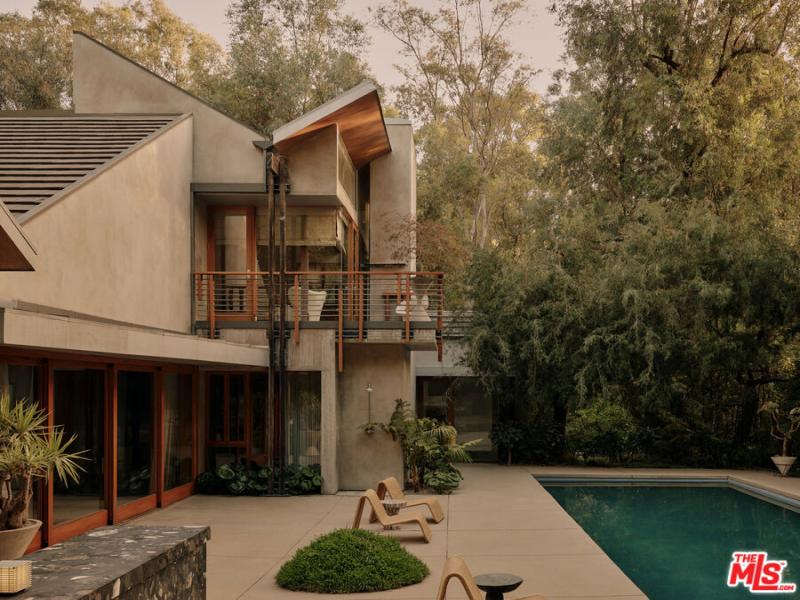
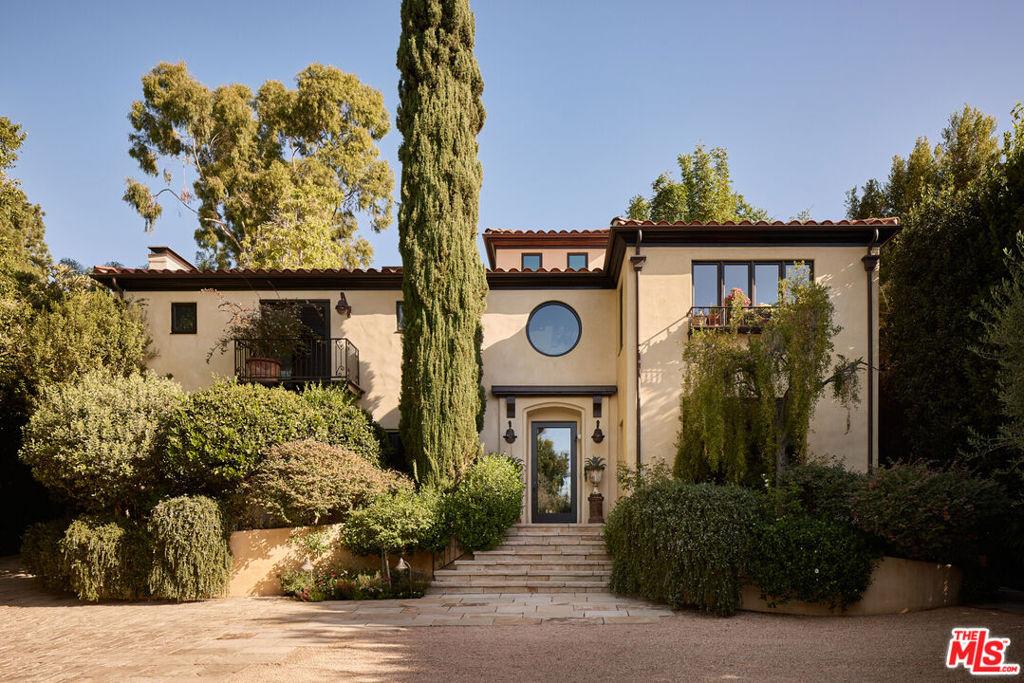
Architectural significance adds value above comparables in a manner specific to Hollywood Hills and measurable against the collector buyer segment. A documented John Lautner, Pierre Koenig, or Craig Ellwood house in Hollywood Hills will trade at a premium over a comparable contemporary property without architectural attribution — the premium varies by the significance of the attribution and the integrity of the original design, but it is real and persistent across market cycles.
Days on Market and Seasonality
Hollywood Hills shows more seasonality than the flat Westside luxury markets, with spring and early summer typically producing the most active buyer activity and the shortest days on market for well-priced properties. The entertainment industry’s production calendar — which concentrates deal-making and income realization in certain parts of the year — creates specific demand peaks in the Hollywood Hills buyer pool. Upper-tier Bird Streets properties with significant price points tend to have longer average days on market not because of limited demand but because the buyer pool is smaller and due diligence periods are more involved for architecturally significant properties.
What is the market for Luxury Homes In Hollywood Hills like?
- Pricing for Luxury Homes In Hollywood Hills is driven primarily by view quality, architectural significance, and Bird Streets positioning, in that order at the upper tier.
- Bird Streets premium is real and measurable, reflecting the scarcity of a significant view position paired with contemporary architecture.
- Oriole Way, Tanager Way, and Nightingale Drive properties with unobstructed west- or south-facing panoramic views command the strongest prices in the market.
- Bird Streets properties are benchmarked against other Bird Streets properties rather than against the broader hillside market when comparables are analyzed.
- Entry-tier stock includes older homes on steeper lots, canyon-bottom locations with limited views, and properties requiring significant renovation.
- Mid-tier Luxury Homes In Hollywood Hills encompass renovated contemporary homes on mid-elevation lots, architecturally updated mid-century properties, and well-positioned view homes.
- Documented John Lautner, Pierre Koenig, and Craig Ellwood houses trade at a premium over comparable contemporary properties without architectural attribution.
- Seasonality is more pronounced among Luxury Homes In Hollywood Hills than in flat Westside luxury markets, with spring and early summer producing the most active buyer activity.
- Entertainment industry production calendars concentrate deal-making and income realization in certain parts of the year, creating specific demand peaks among hillside buyers.
Frequently Asked Questions: Buying Luxury Homes in Hollywood Hills
What is the price range for luxury homes in Hollywood Hills?
Hollywood Hills luxury homes range from approximately $1.5 million for an entry-level canyon home to $35 million and above for the most significant Bird Streets properties with panoramic city and canyon views. The most active tier in terms of buyer activity runs from approximately $3 million to $12 million, where renovated contemporary homes with meaningful view corridors represent the core of the Bird Streets and upper Hollywood Hills market.
What are the Bird Streets and why do they command a premium?
The Bird Streets is the informal name for a cluster of streets above the Sunset Strip in the Hollywood Hills — Oriole Way, Tanager Way, Nightingale Drive, Blue Jay Way, Warbler Place, and several adjacent streets. These streets have attracted a concentration of high-profile architecture-forward residential construction over several decades, and the combination of panoramic LA and canyon views, proximity to Sunset Strip, and the critical mass of significant modern architecture has established the Bird Streets as one of the most recognized luxury residential addresses in Los Angeles. Properties here are benchmarked against each other rather than against the broader Hollywood Hills market — the relevant comps are other Bird Streets architectural homes, not comparable-size homes in Laurel Canyon or Beachwood Canyon.
How does the fire risk affect Hollywood Hills purchases?
Hollywood Hills is in a Very High Fire Hazard Severity Zone, with real-world fire history that has affected portions of the hillside community. Wildfire insurance availability and cost have become significant due diligence items for Hollywood Hills purchases. Buyers should obtain insurance quotes for any specific property before removing contingencies, and should confirm that the coverage available meets their lender’s requirements for financed purchases. Properties on wider streets with better defensible space typically have better insurance options than deeply canyon-located properties with limited road access. This is a practical consideration that should be evaluated for every specific property rather than applied as a blanket assessment of the entire area.
What are the practical trade-offs of hillside living in Hollywood Hills?
Hillside living in Hollywood Hills typically means steep driveways (some requiring specific vehicle types or all-wheel drive in wet conditions), limited flat outdoor space (decks and terraces rather than lawns, in most Bird Streets properties), narrow canyon roads that can complicate deliveries and emergency response, limited on-site parking capacity for entertainment, and a canyon road commute that can experience traffic at specific chokepoints during peak hours. These trade-offs are inherent to the terrain and worth experiencing concretely — through a weekend stay or a longer evaluation visit — before committing to a hillside purchase if you are relocating from a flat residential environment and have not previously lived in a similar hillside context.
Is Hollywood Hills a good investment for appreciation?
Hollywood Hills — particularly the Bird Streets — has historically produced strong appreciation relative to the broader LA market, driven by a combination of factors that are structural rather than cyclical: the scarcity of view positions with the specific Bird Streets character, the sustained demand from design-forward buyers who recognize the neighborhood’s architectural significance, and the continued cultural relevance of the Sunset Strip adjacency. Architecturally significant properties have historically been among the strongest appreciators, as collector demand for documented significant examples has grown alongside the broader market for residential architecture as a collector category. Standard Hollywood Hills properties without architectural attribution or significant view positions appreciate more in line with the broader LA market rather than at the Bird Streets premium.
How does Hollywood Hills compare to Bel Air or Laurel Canyon for buyers choosing between hillside markets?
Bel Air offers more land, more established landscaping, and a gated-community character that Hollywood Hills does not — Bel Air is for buyers who want private estate scale and seclusion; Hollywood Hills is for buyers who want urban proximity and architectural drama on smaller footprints with significant views. Laurel Canyon is more bohemian and organic in character, with more established tree canopy, mid-century and earlier architectural vocabulary, and a neighborhood culture that values the canyon environment over panoramic views. The right choice depends on whether the buyer values architecture and city views (Hollywood Hills), estate scale and privacy (Bel Air), or canyon character and community identity (Laurel Canyon).