This site was last updated Jul-23-2026 12:45:42 pm.
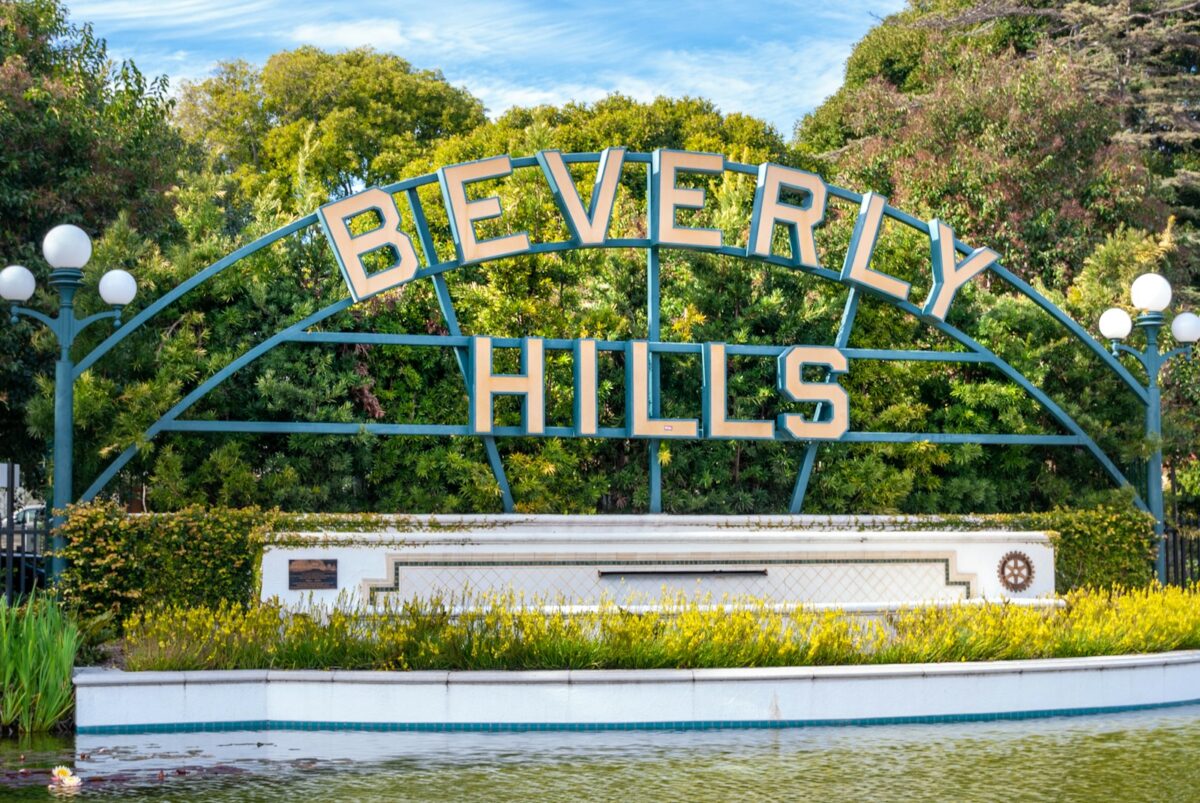
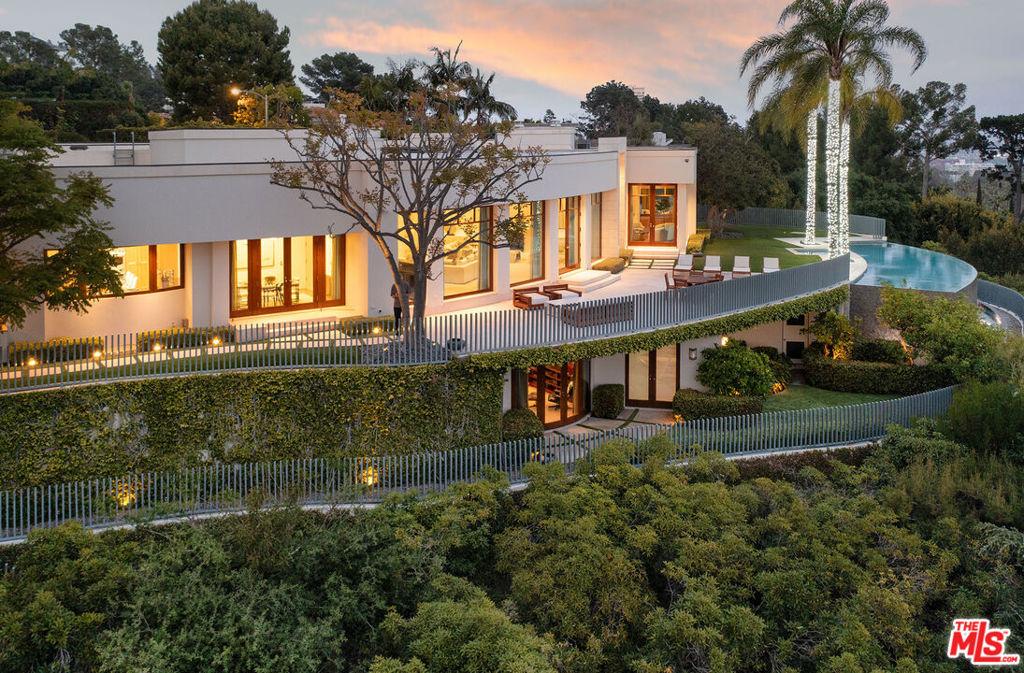
Beverly Hills occupies a specific and permanent position at the top of the Los Angeles luxury market. Prices range from approximately $3 million for a luxury condominium in the 90210 zip code to well over $90 million for a trophy estate below Sunset Boulevard or a compound on one of the major canyon roads above it. The inventory at any given moment is limited — Beverly Hills proper covers just under six square miles — and the competition for well-priced properties in the $5 million to $20 million range is consistent regardless of broader market conditions.
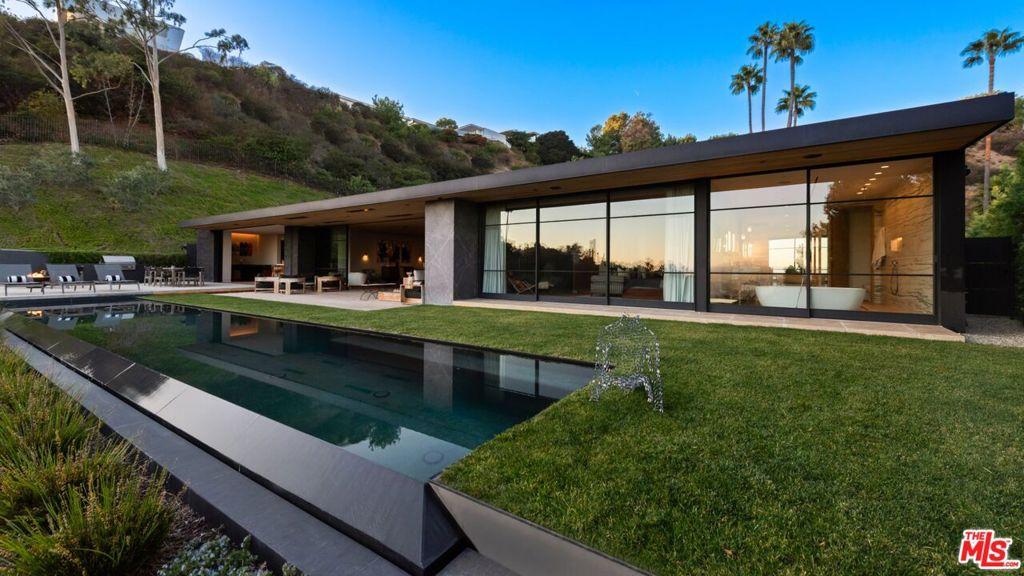
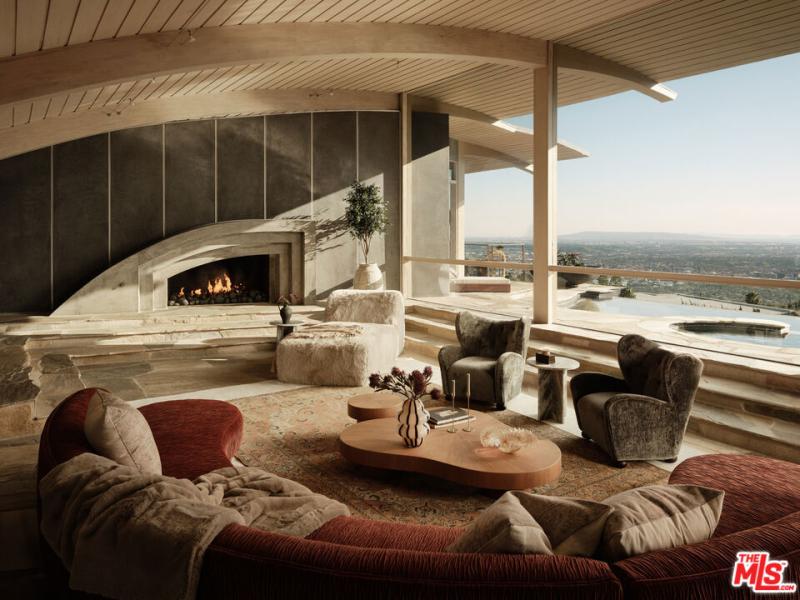
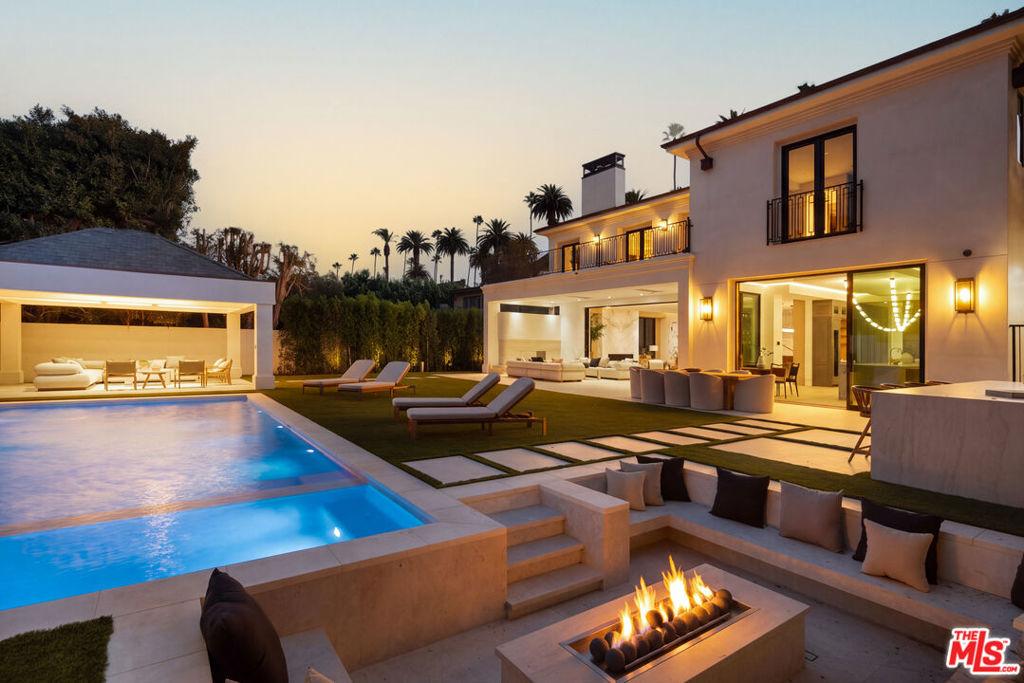
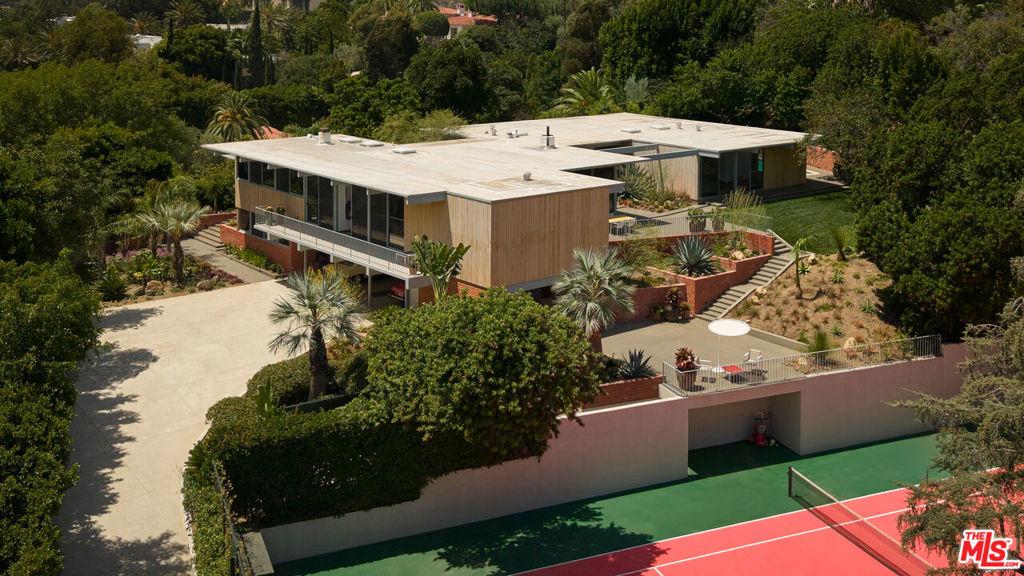
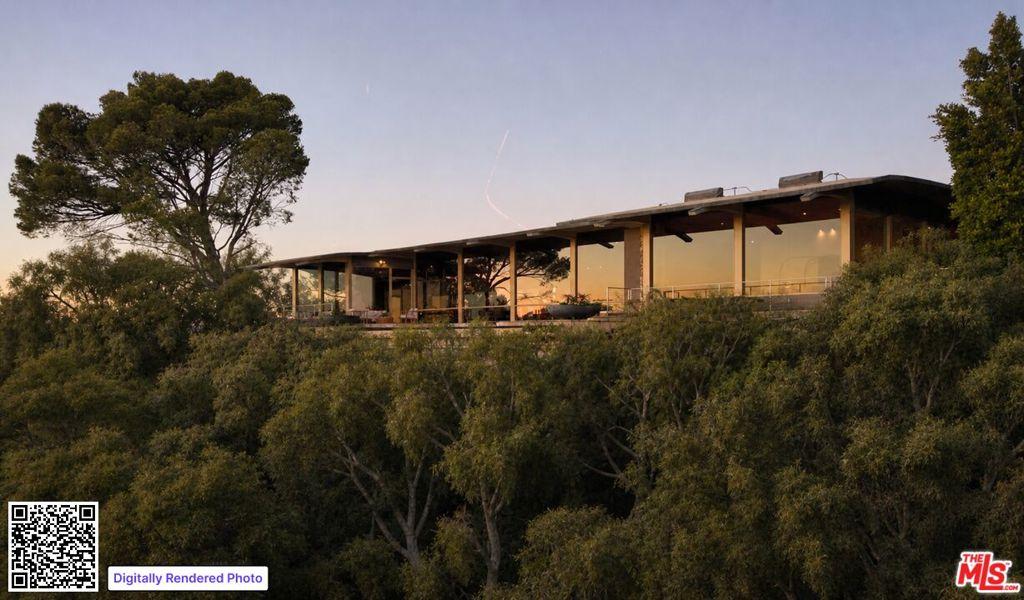
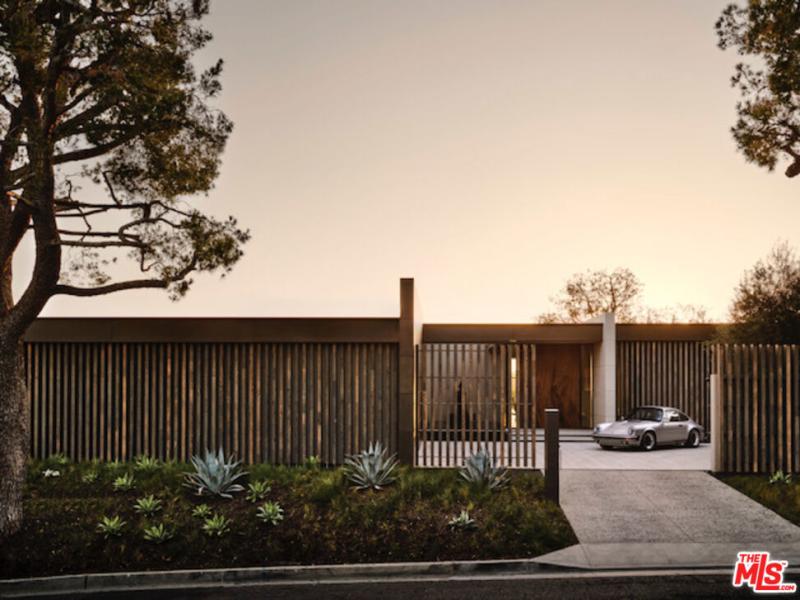
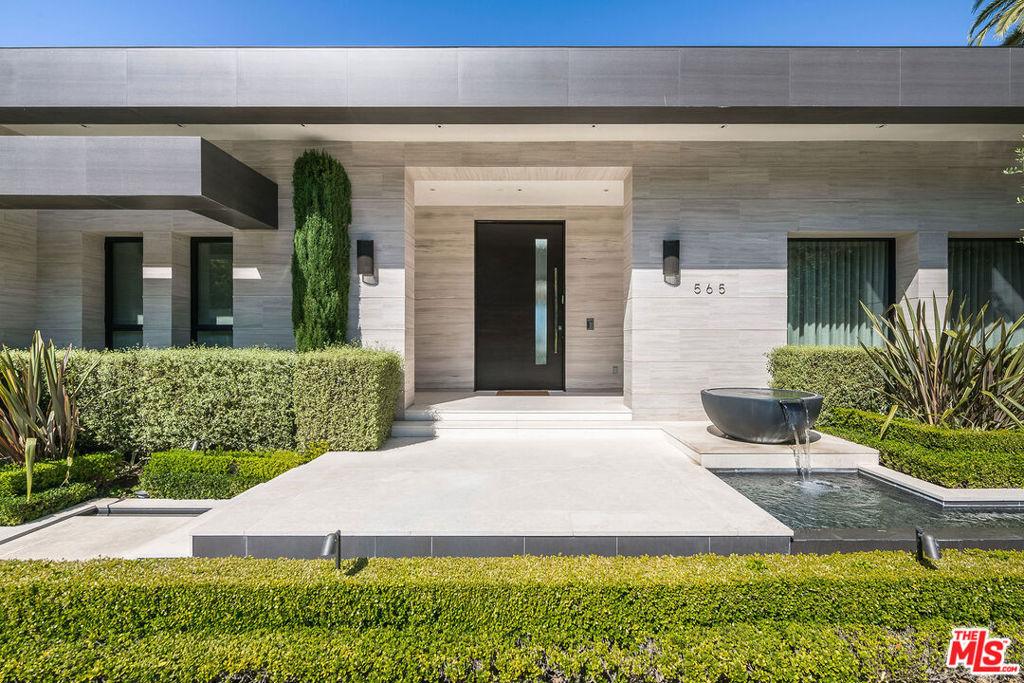
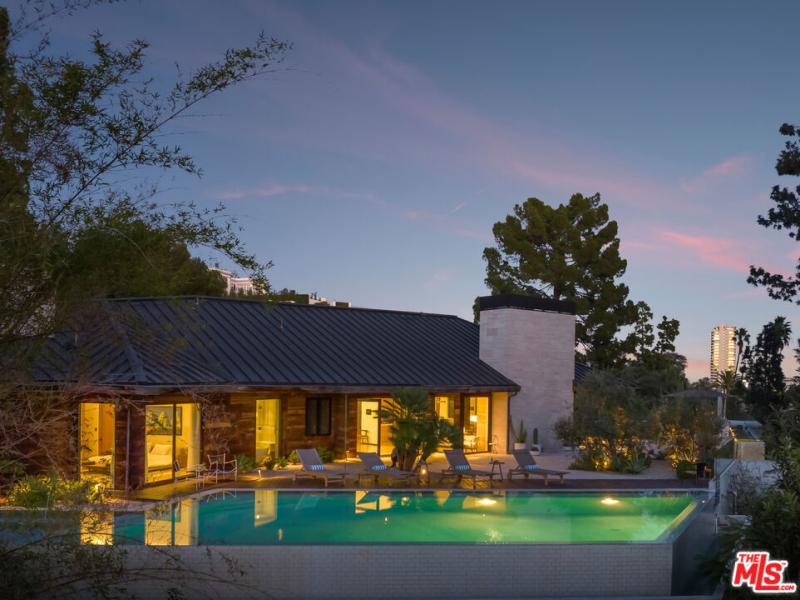
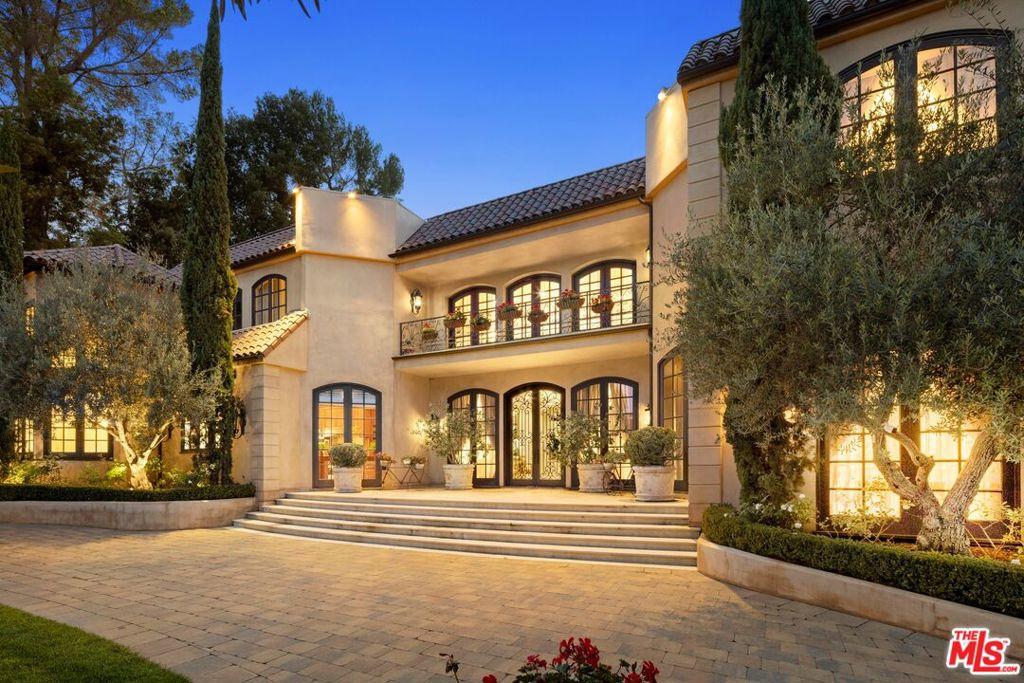
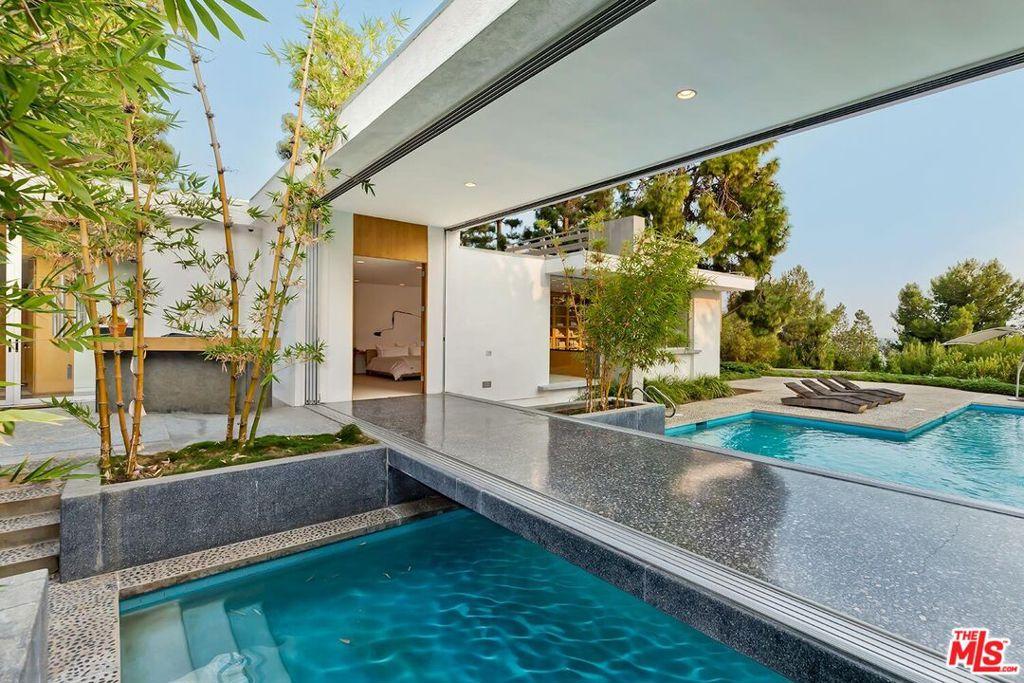
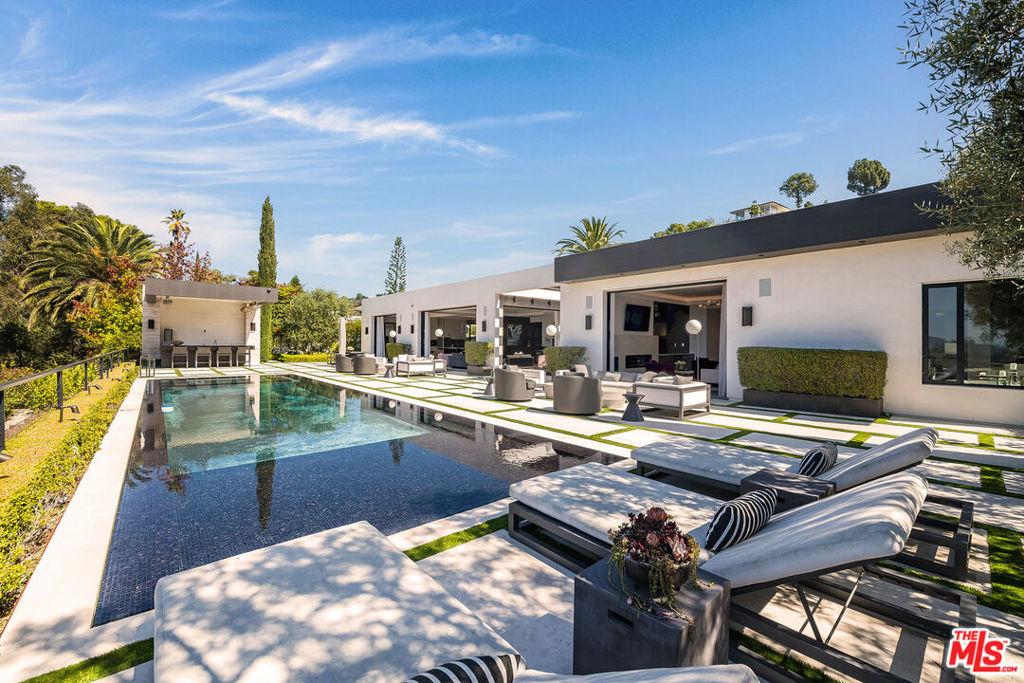
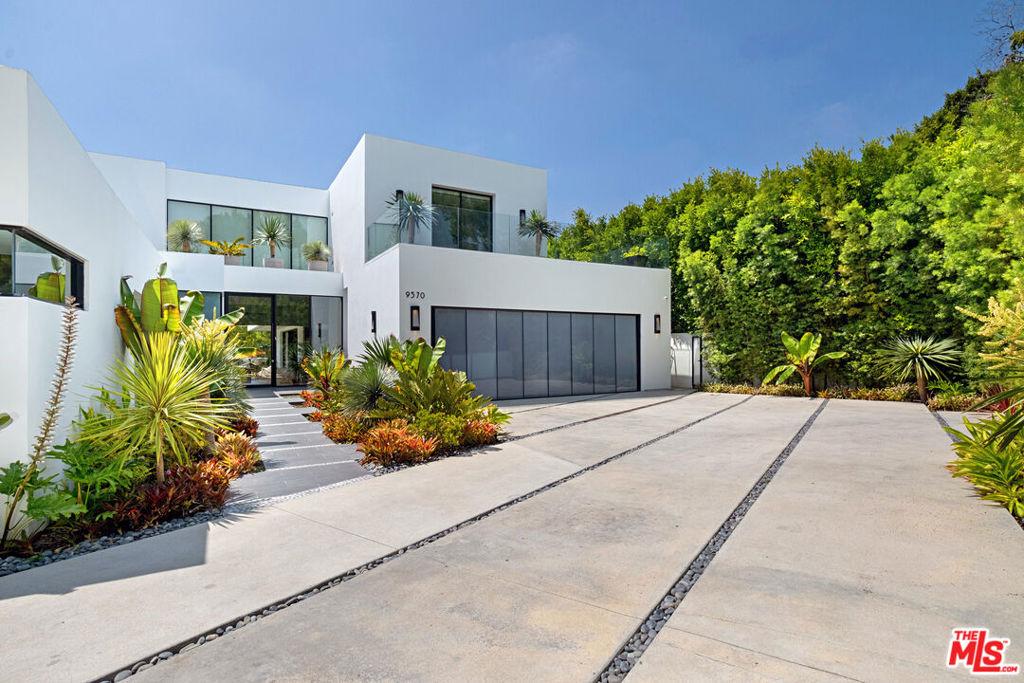
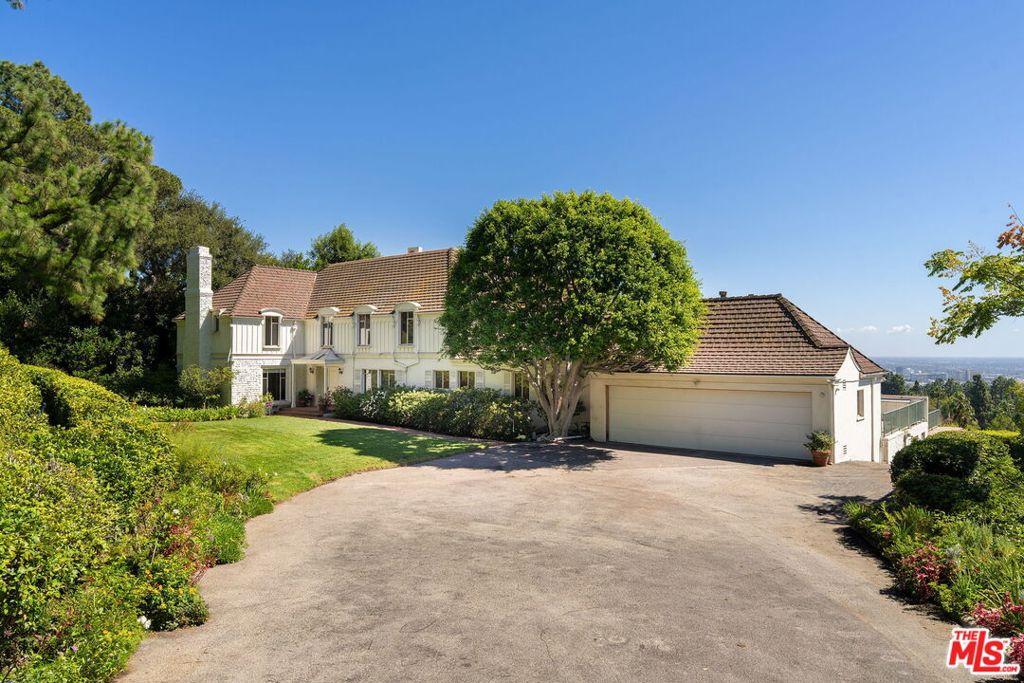
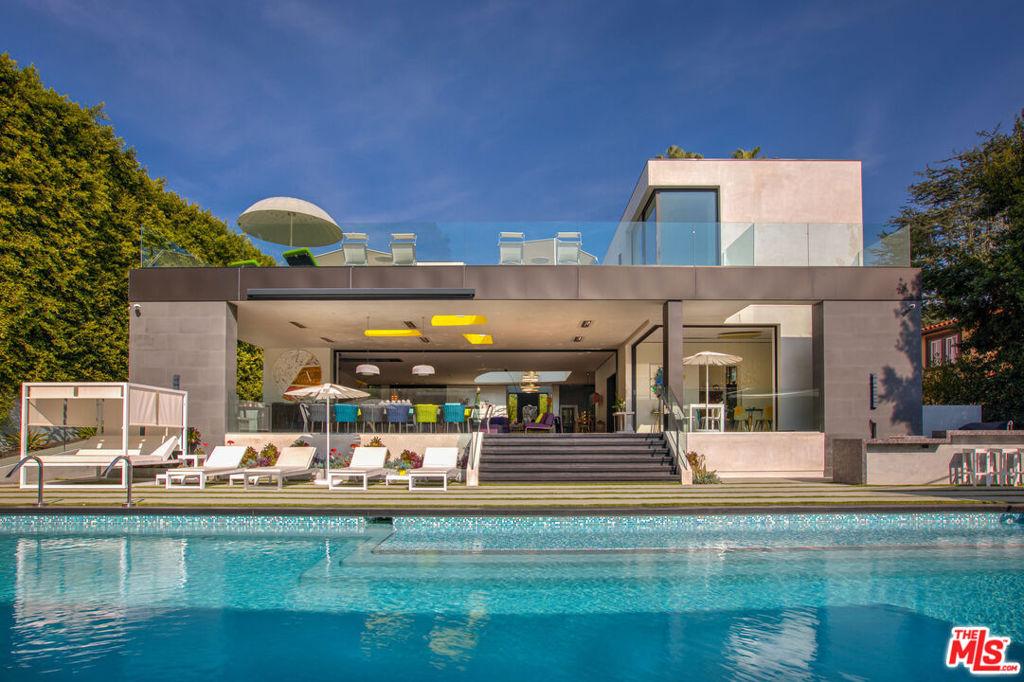
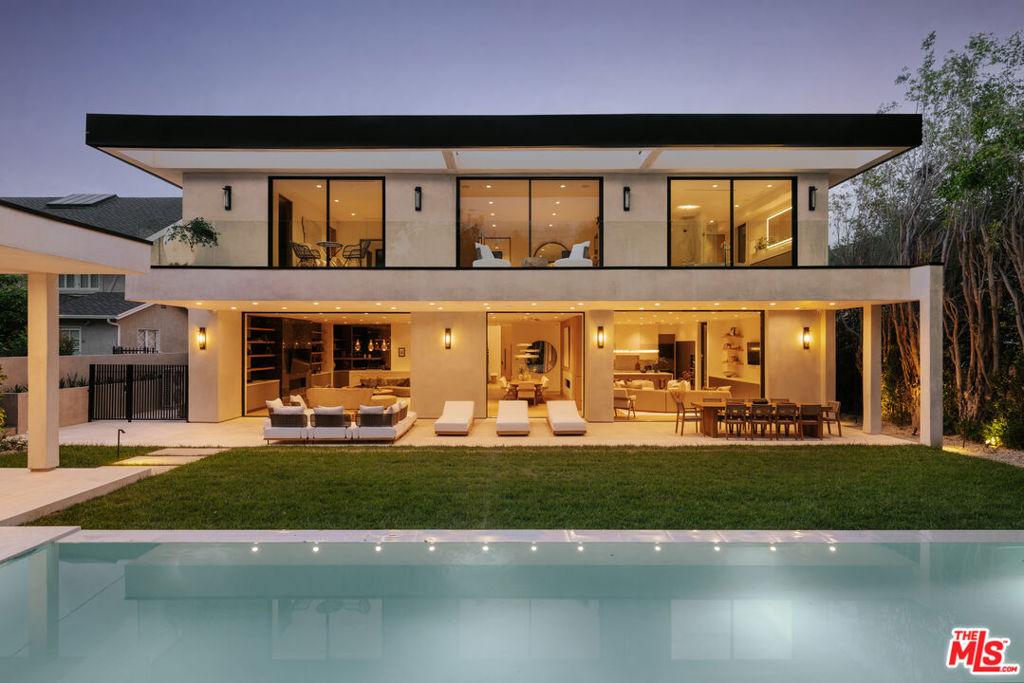
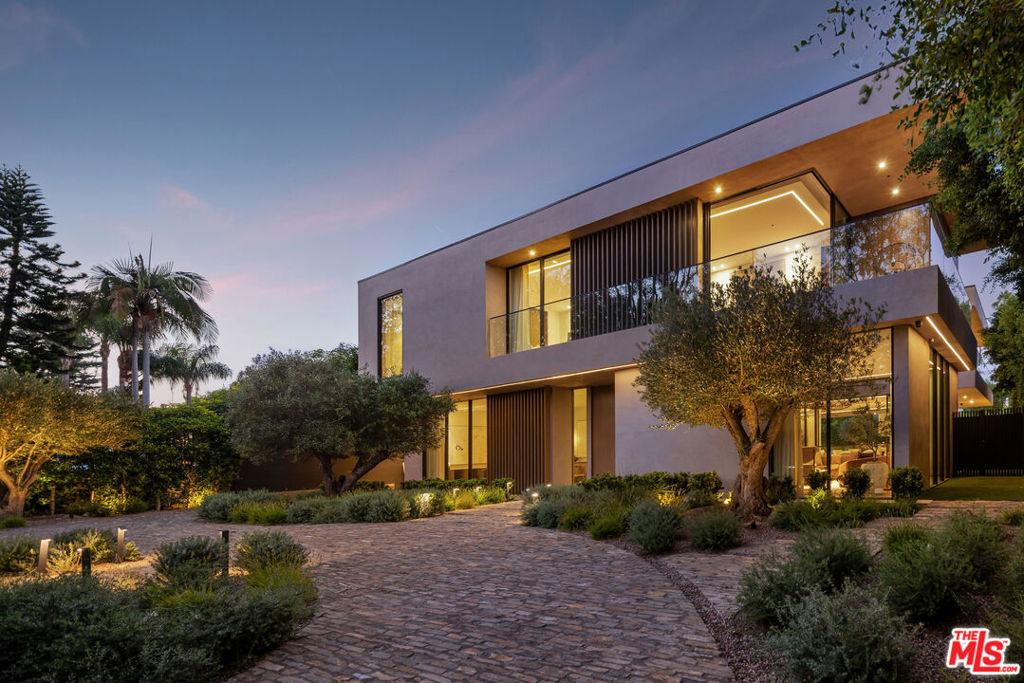
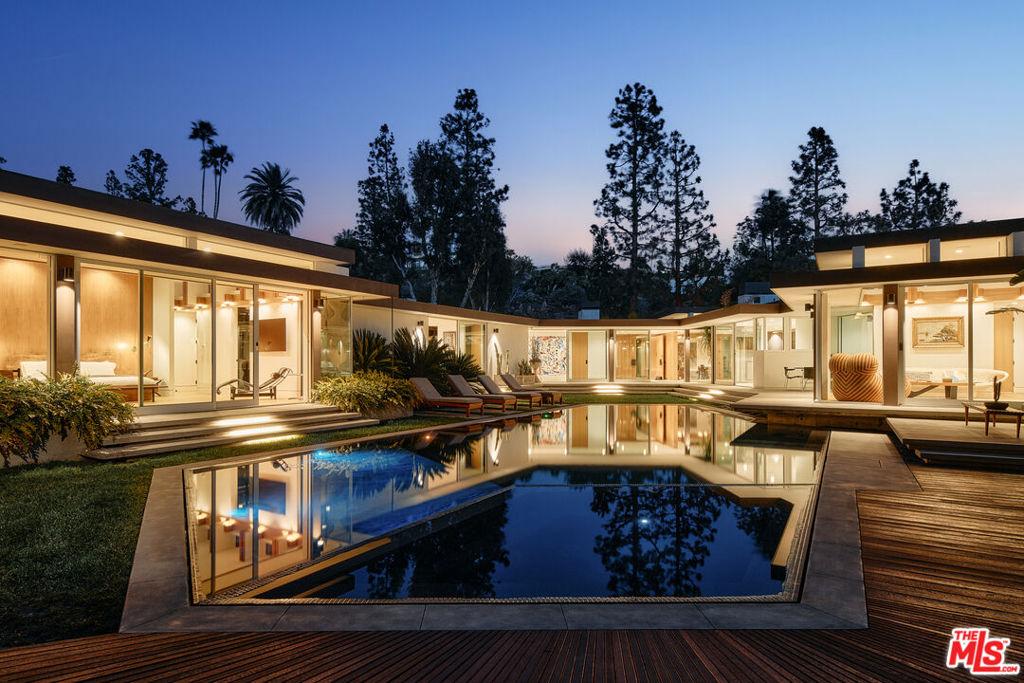
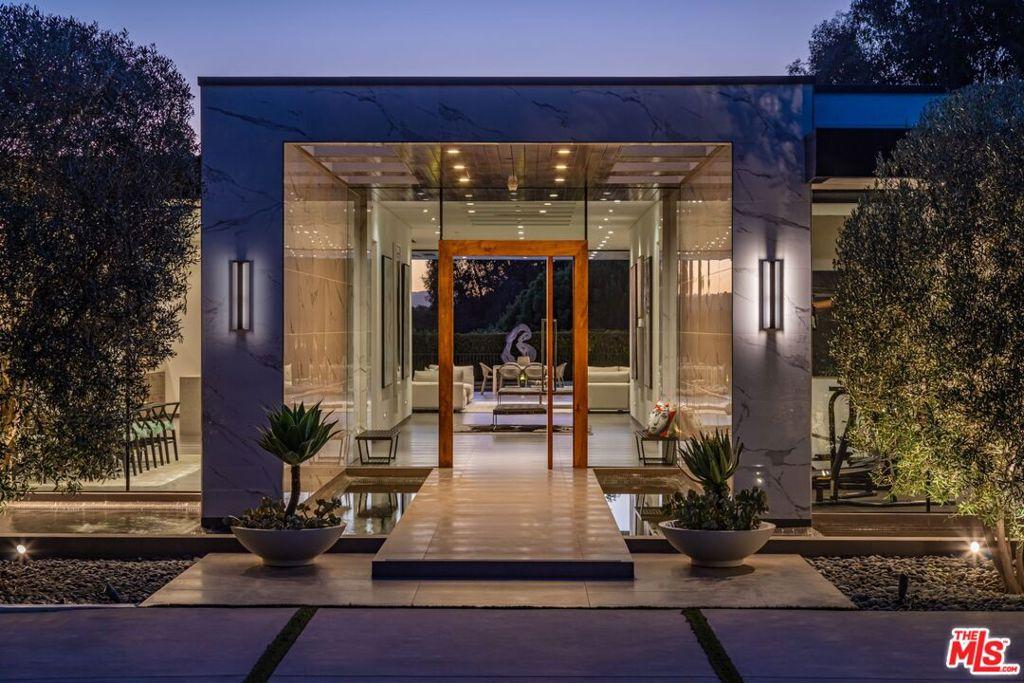
The Knight Group works Beverly Hills as a primary market, with access to Compass Private Exclusives and off-market inventory that does not reach Zillow, Redfin, or the public MLS. A meaningful share of Beverly Hills luxury transactions at the upper price tiers takes place entirely off-market, particularly for properties above $20 million where sellers prioritize privacy and buyer qualification over broad exposure. The listings below represent publicly marketed inventory currently available in Beverly Hills — they are not the complete picture of what is accessible to buyers working with a brokerage with the right relationships in this market.
For buyers beginning a Beverly Hills search, this page provides a current view of the listed market. For buyers interested in what is not listed — the estates, compounds, and architecturally significant homes that trade quietly — the starting point is a direct conversation with The Knight Group about off-market access in Beverly Hills and adjacent Westside luxury markets.
Browse all Los Angeles real estate — or explore the full Los Angeles luxury real estate market.
Beverly Hills luxury real estate divides into two distinct sub-markets separated by Sunset Boulevard, and buyers who understand this distinction are better positioned to target the right properties from the start.
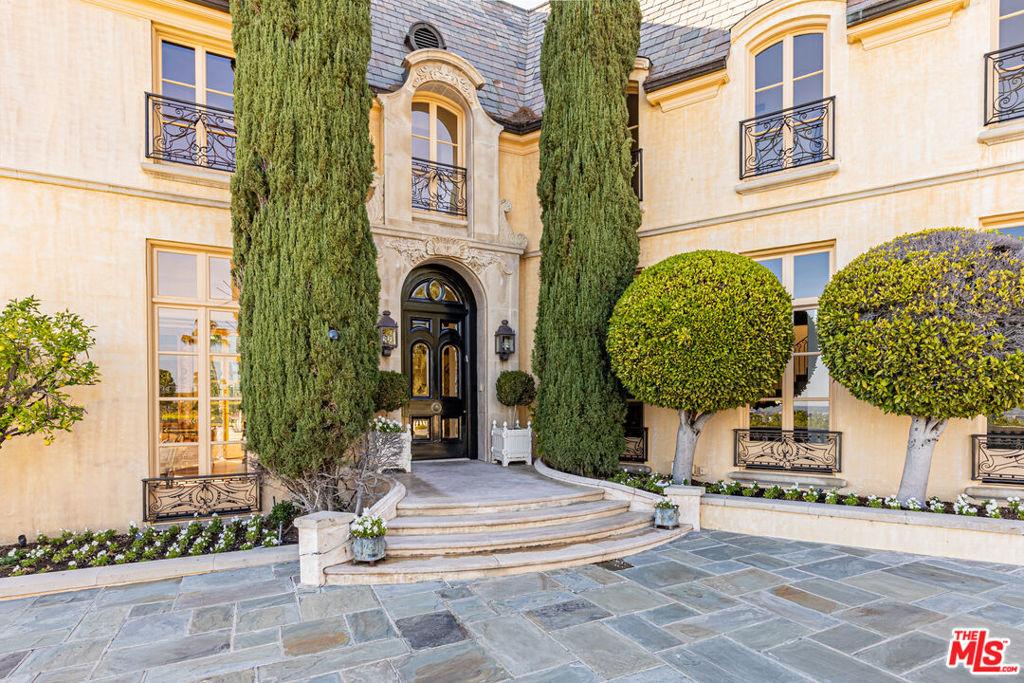
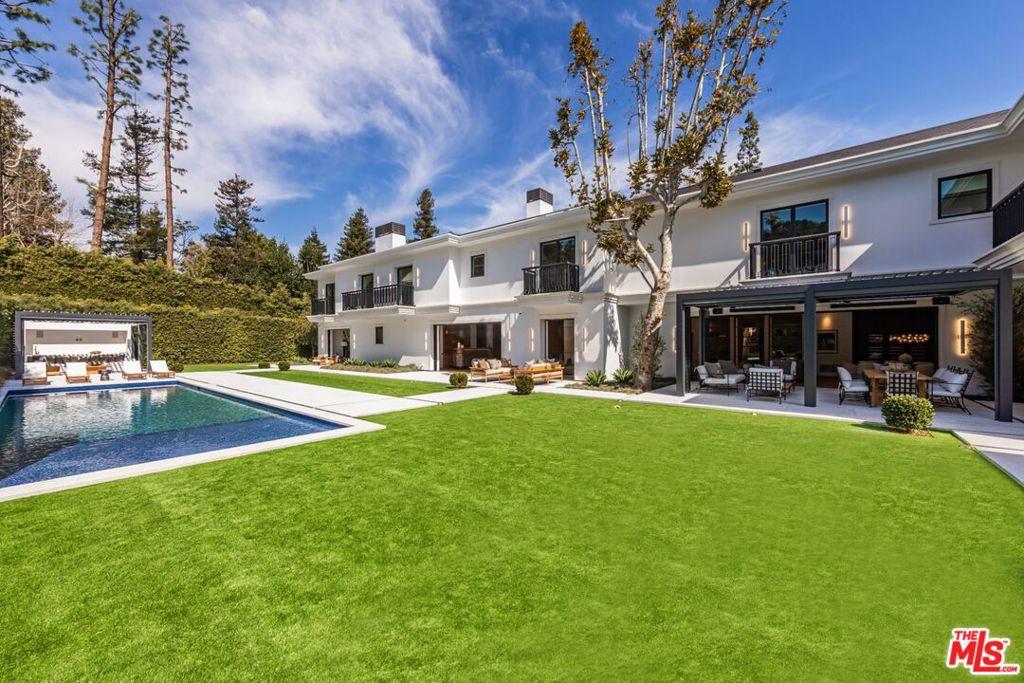
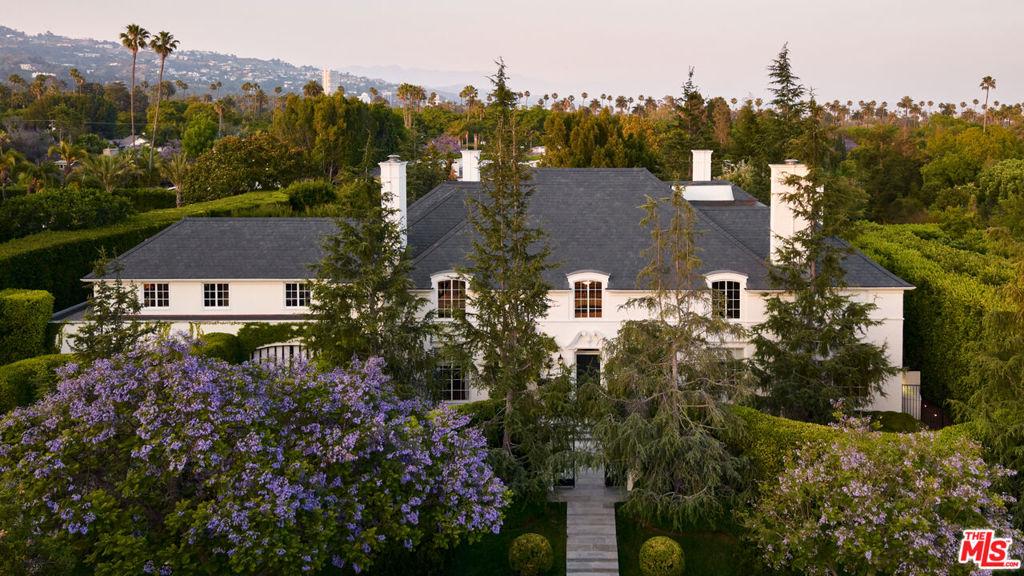
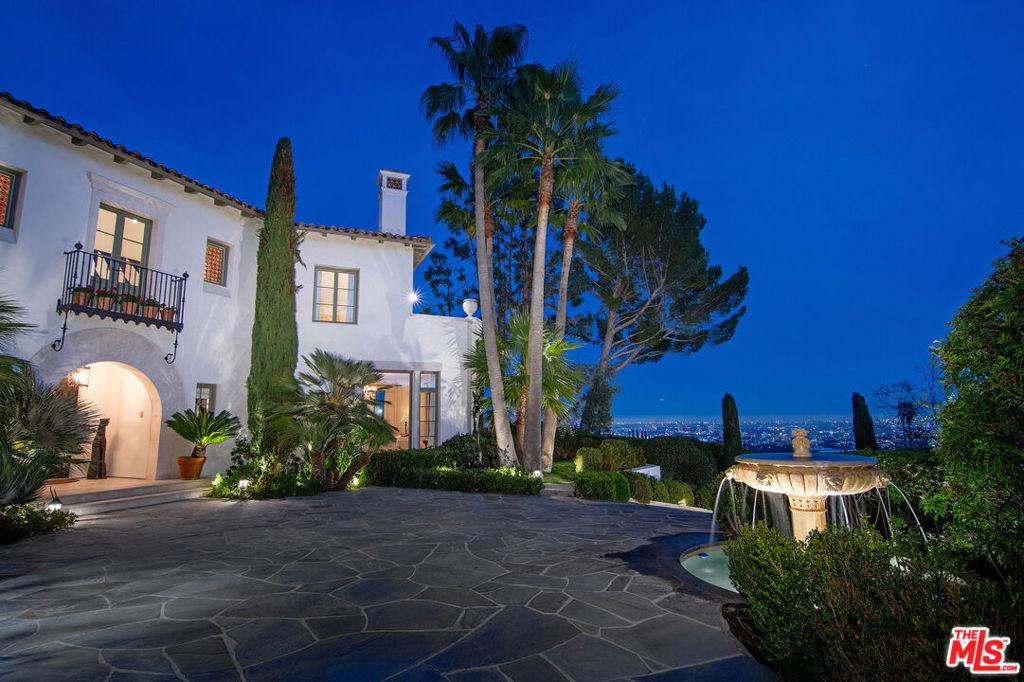
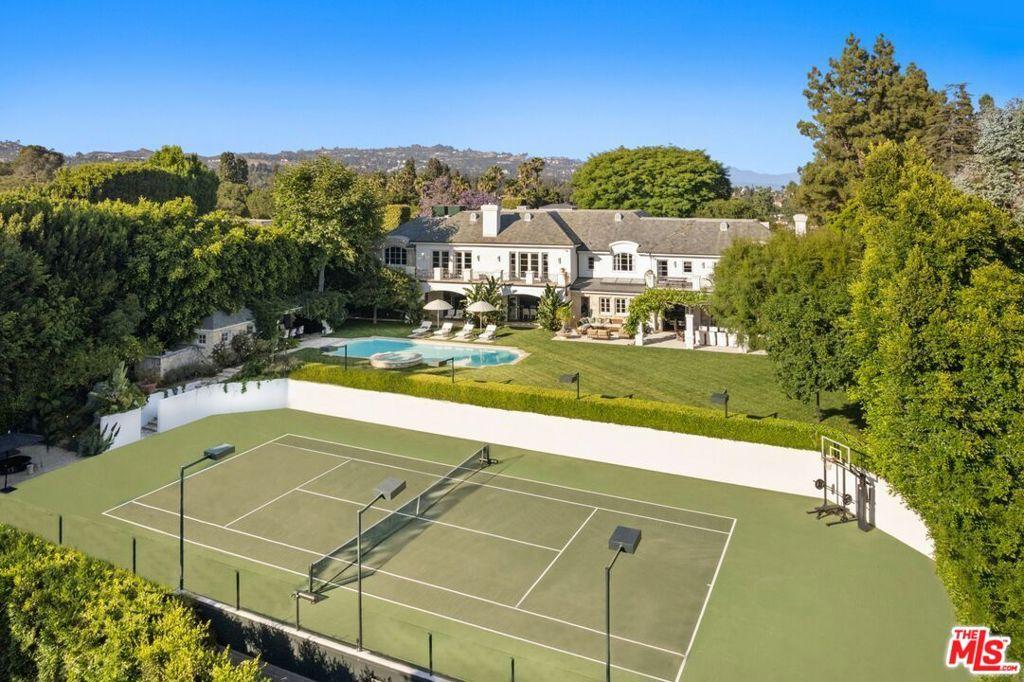
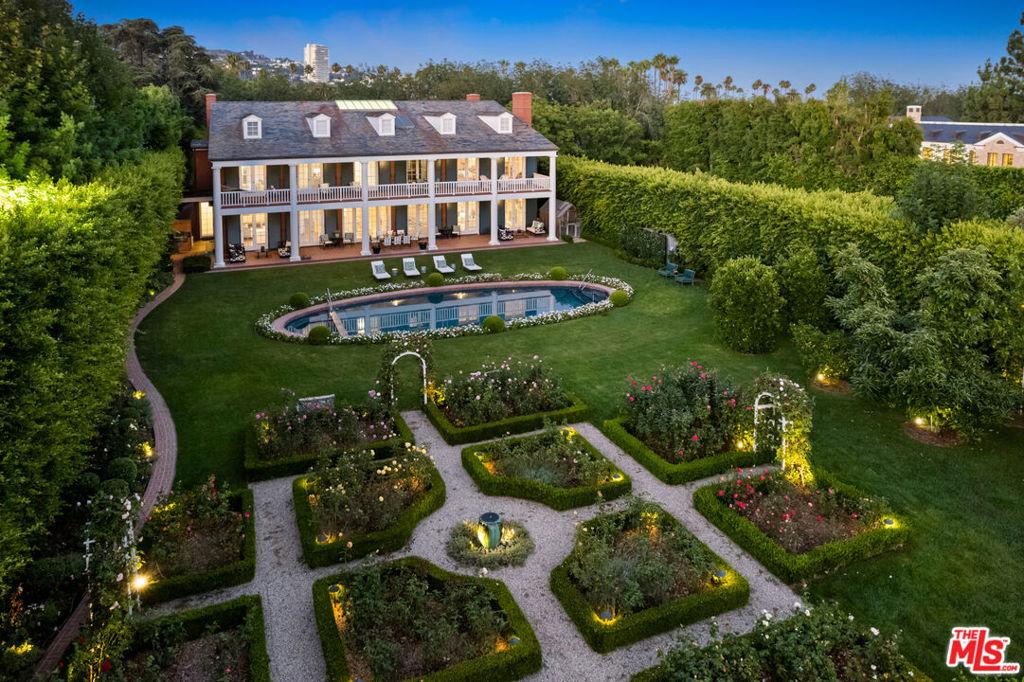
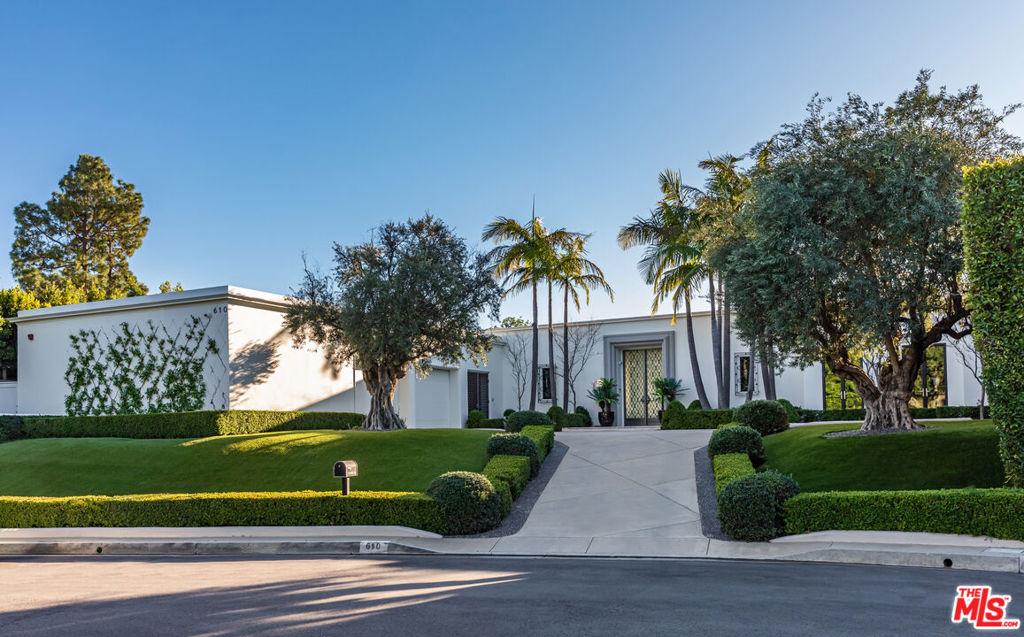
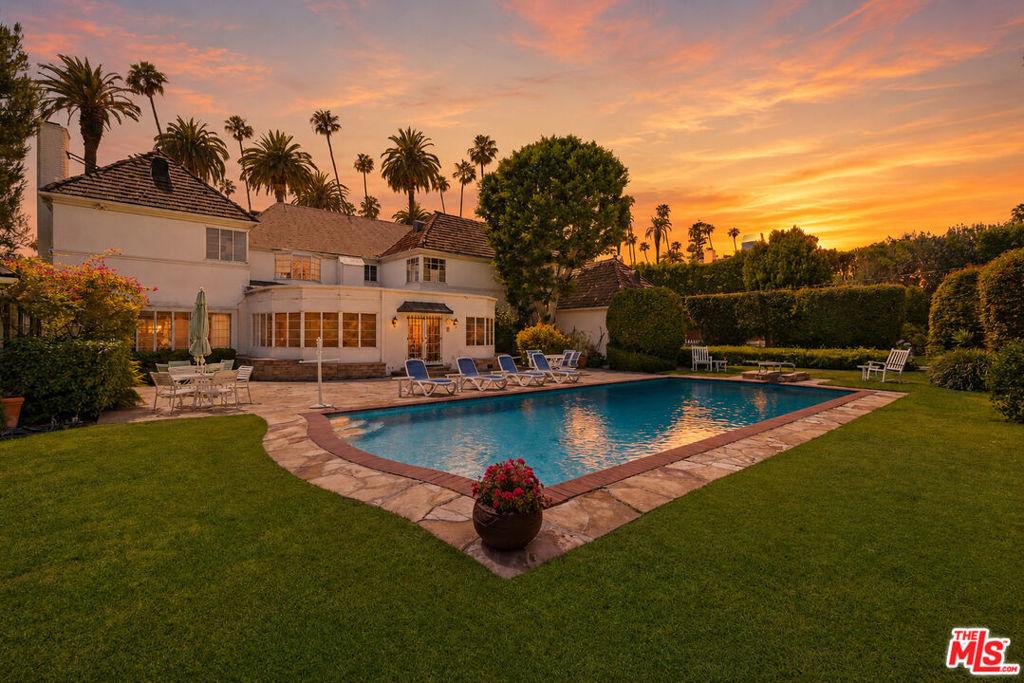
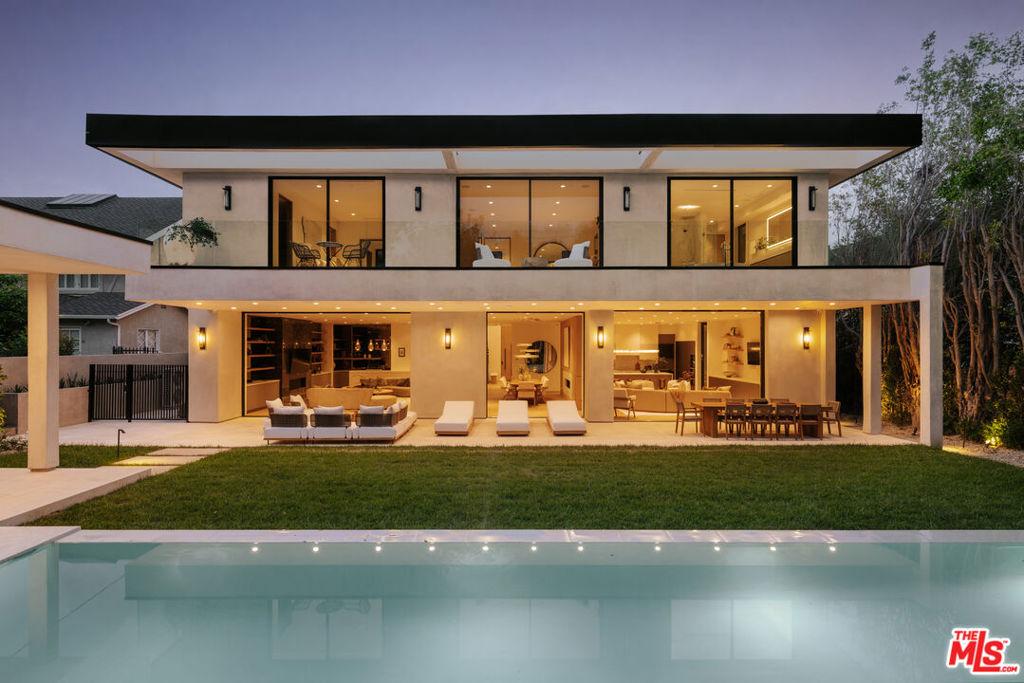
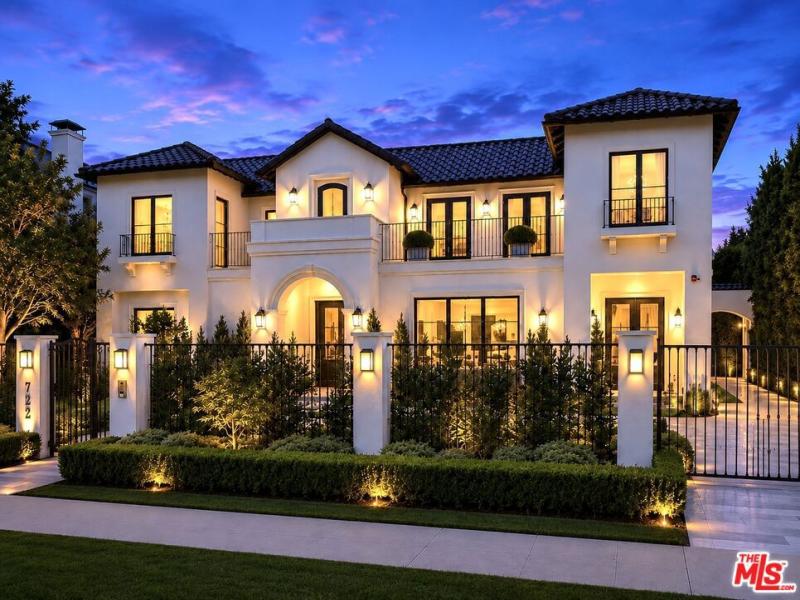
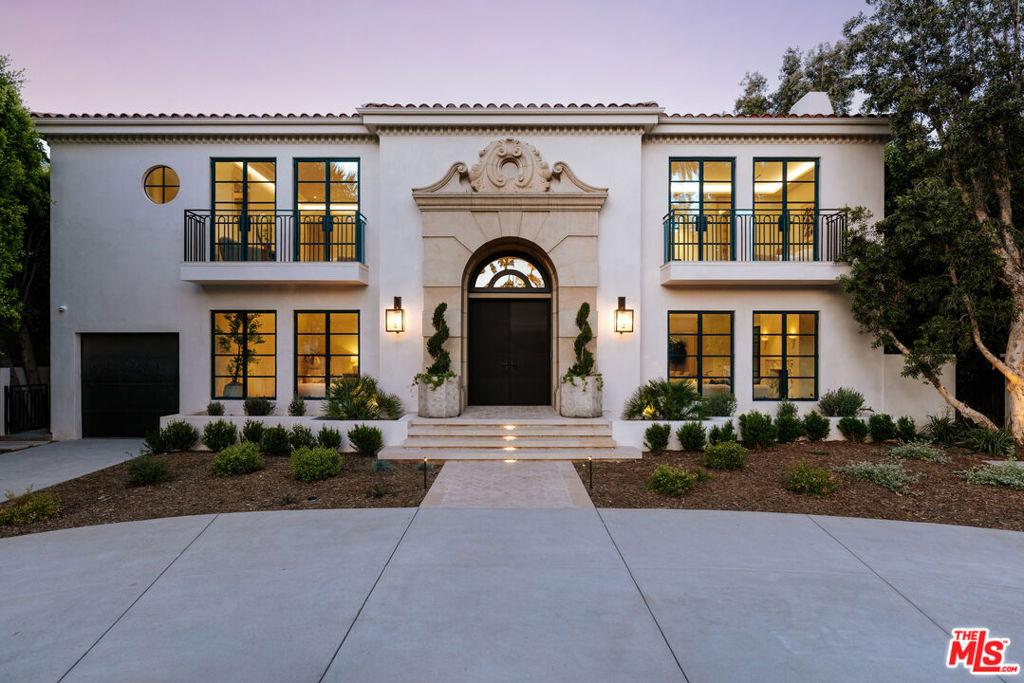
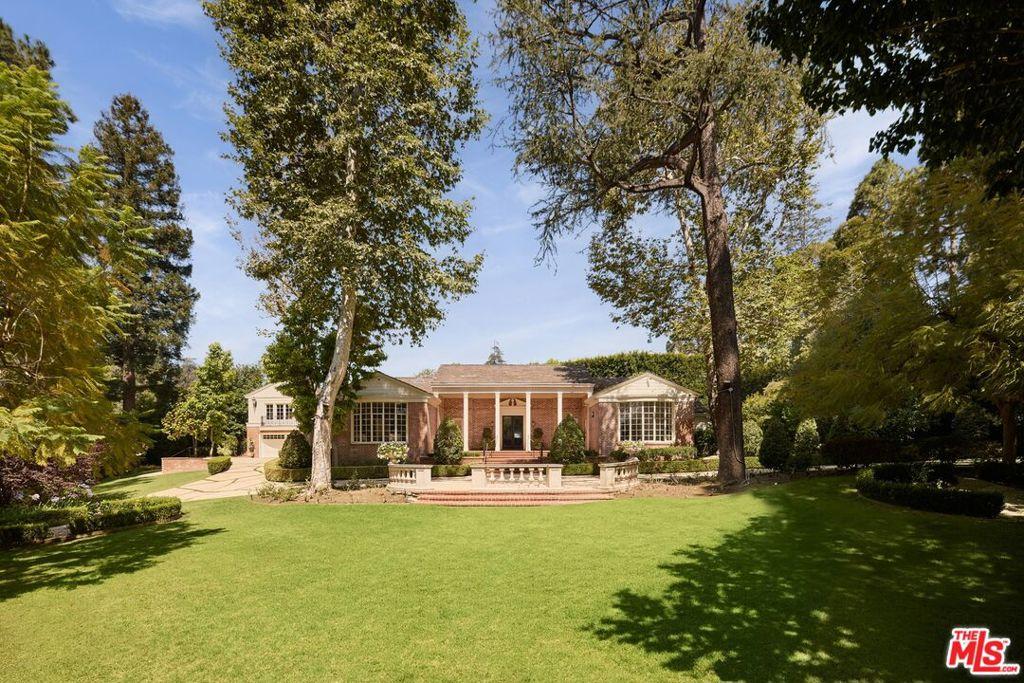
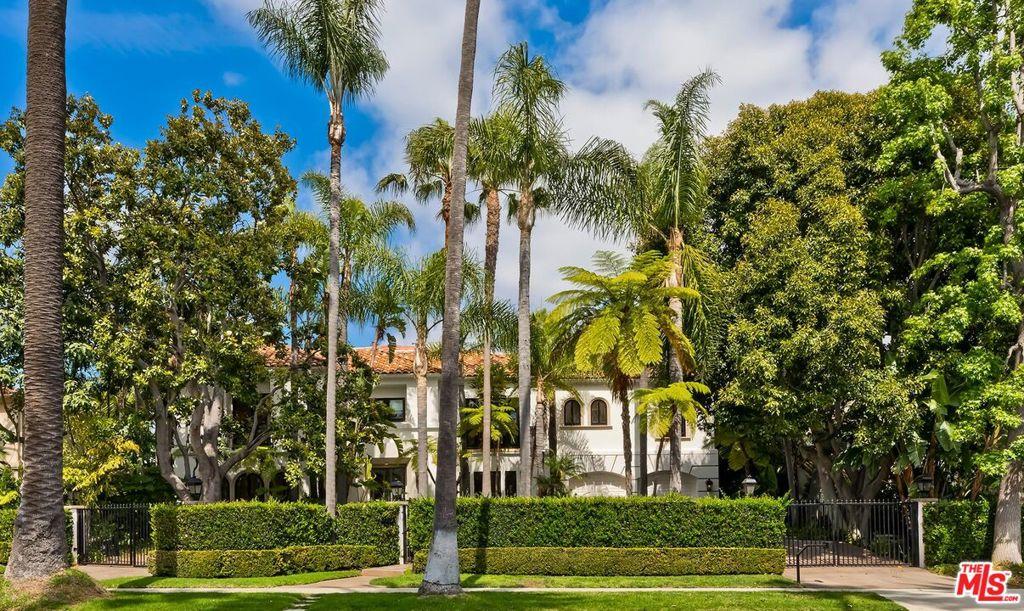
Below Sunset Boulevard — in Beverly Hills proper — the defining estate characteristics are flat or gently sloping lots of one acre or more, street presence, and the architectural vocabulary of the 1920s through 1960s trophy homes that established the neighborhood’s reputation. Properties here range from Spanish Colonial and Mediterranean estates with original period architectural details to post-war International Style homes and contemporary new construction on estate-scale parcels. The flat-lot Beverly Hills estate is one of the scarcest residential land typologies in Los Angeles — new construction cannot produce more of it, and the combination of parcel size, address, and architectural pedigree makes these properties structurally irreplaceable in the market.
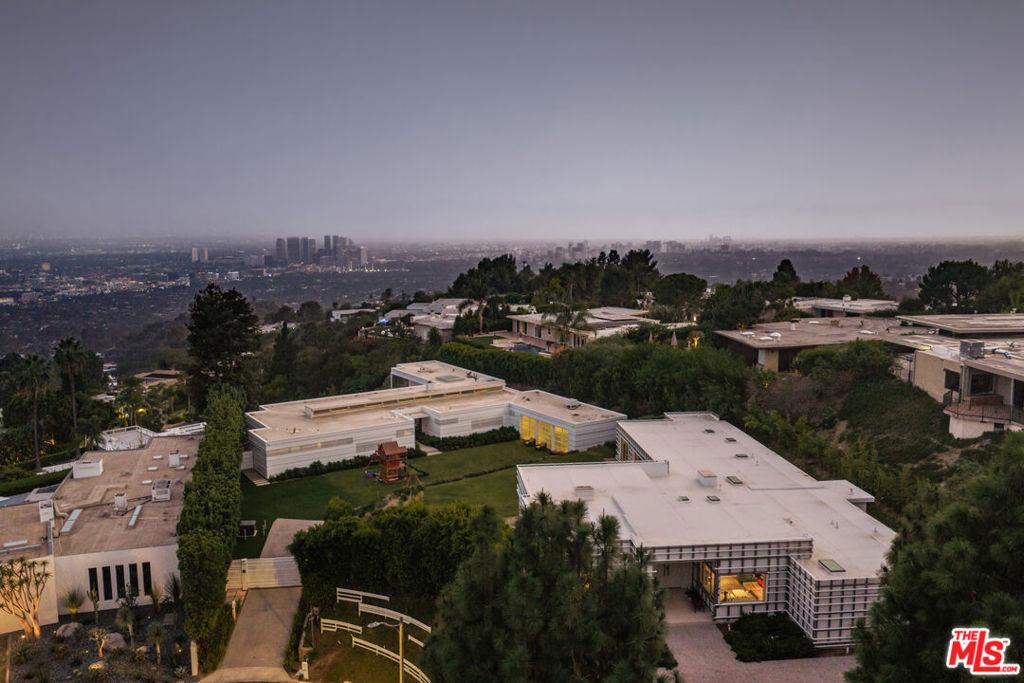
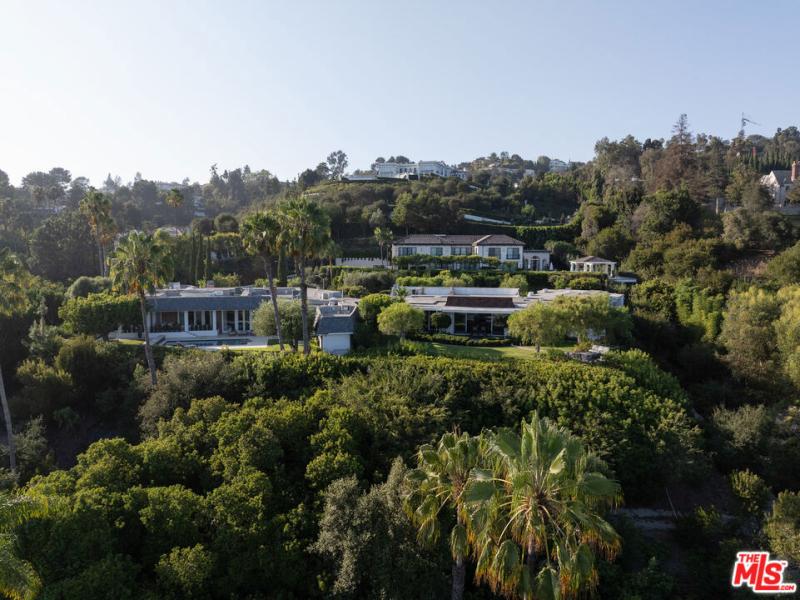
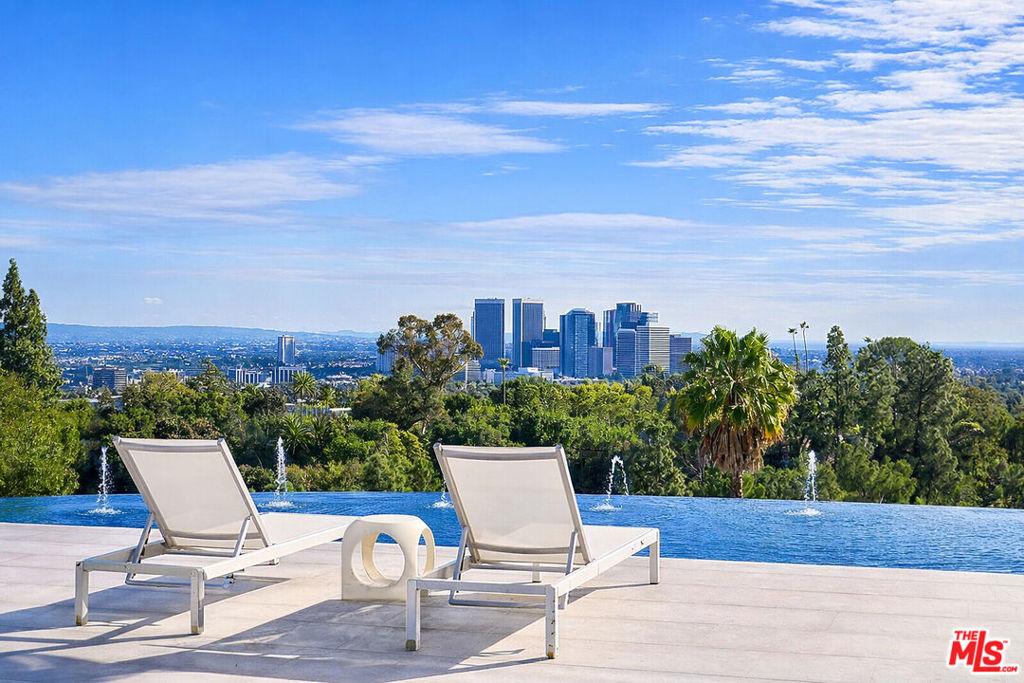
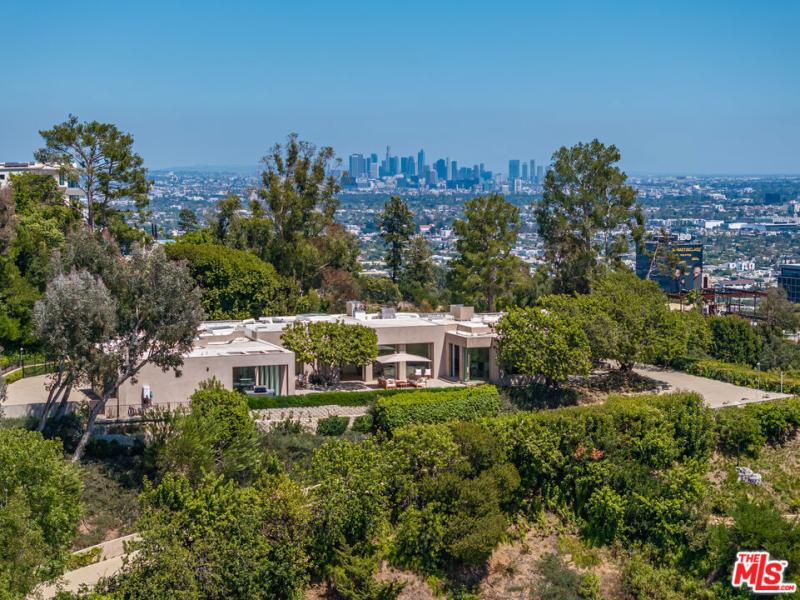
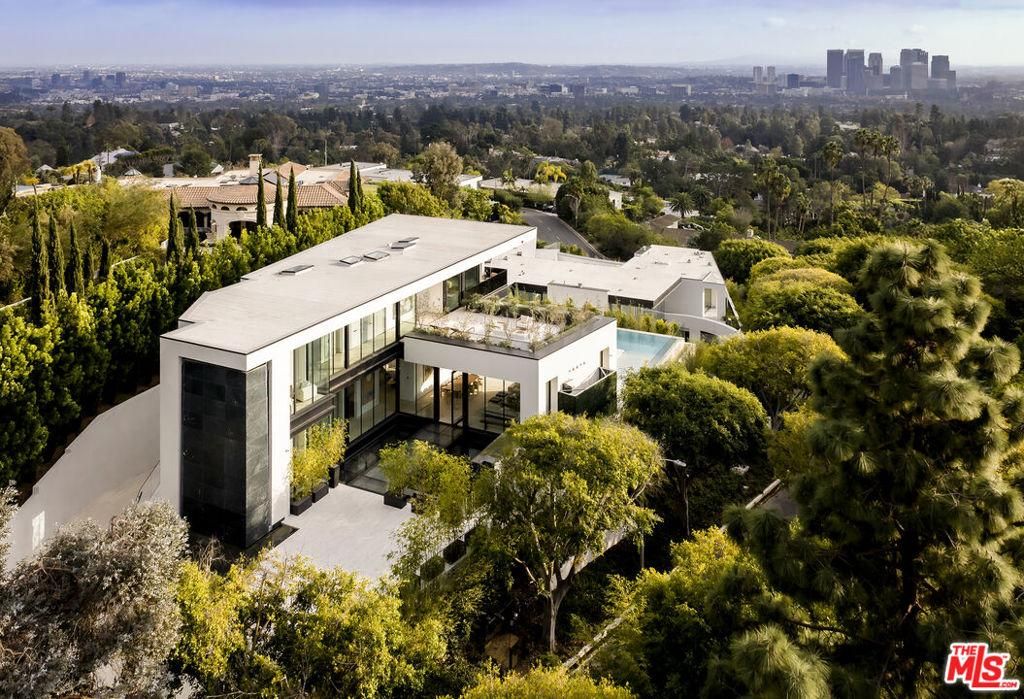
Above Sunset Boulevard — in Beverly Hills Post Office (BHPO), an unincorporated area of Los Angeles County — the topography shifts to canyon terrain with significant elevation changes, hillside views, and a different relationship between land area and buildable square footage. BHPO properties carry the same 90210 zip code and the “Beverly Hills” address identification, but county rather than city governance means different property tax calculation, different municipal services, and a different building department. Buyers comparing above- and below-Sunset properties should confirm jurisdiction before drawing conclusions about comparative value.
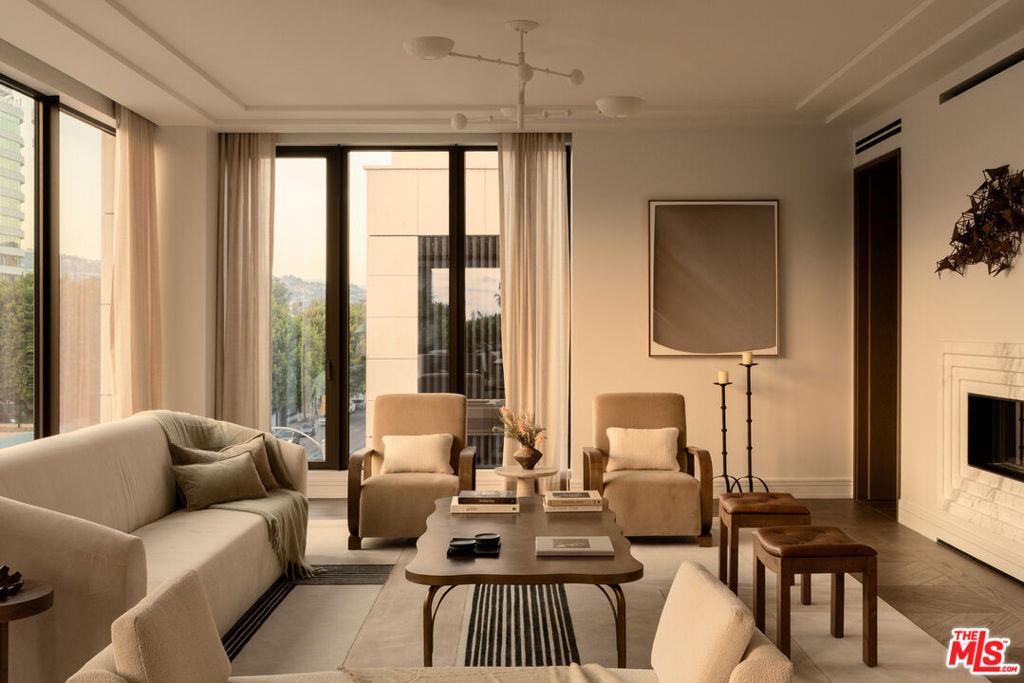
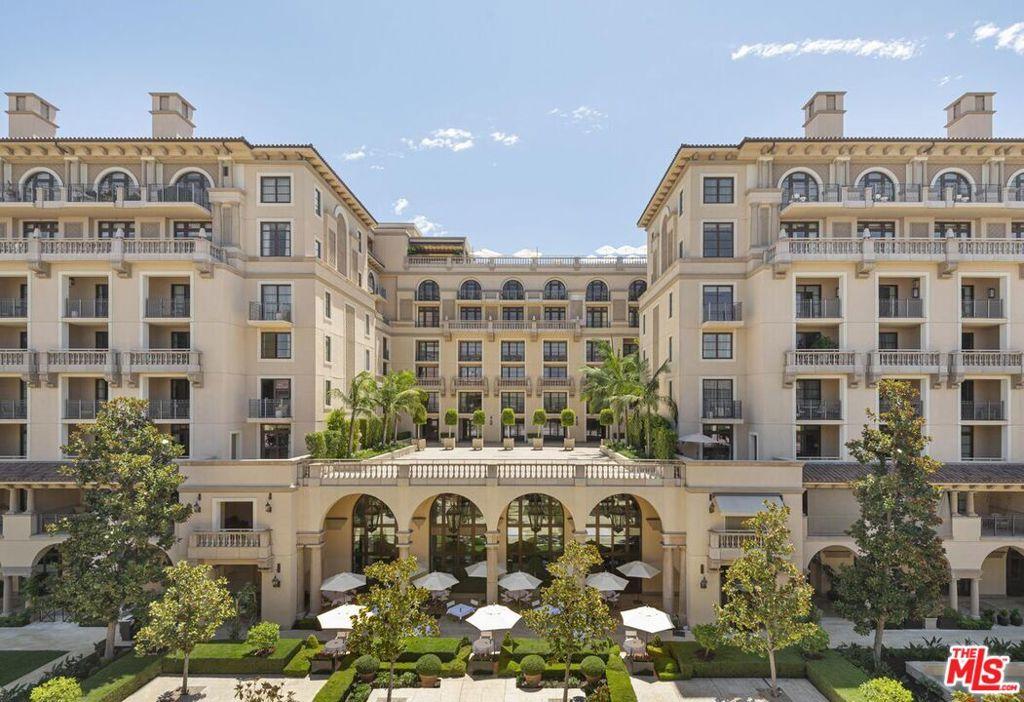
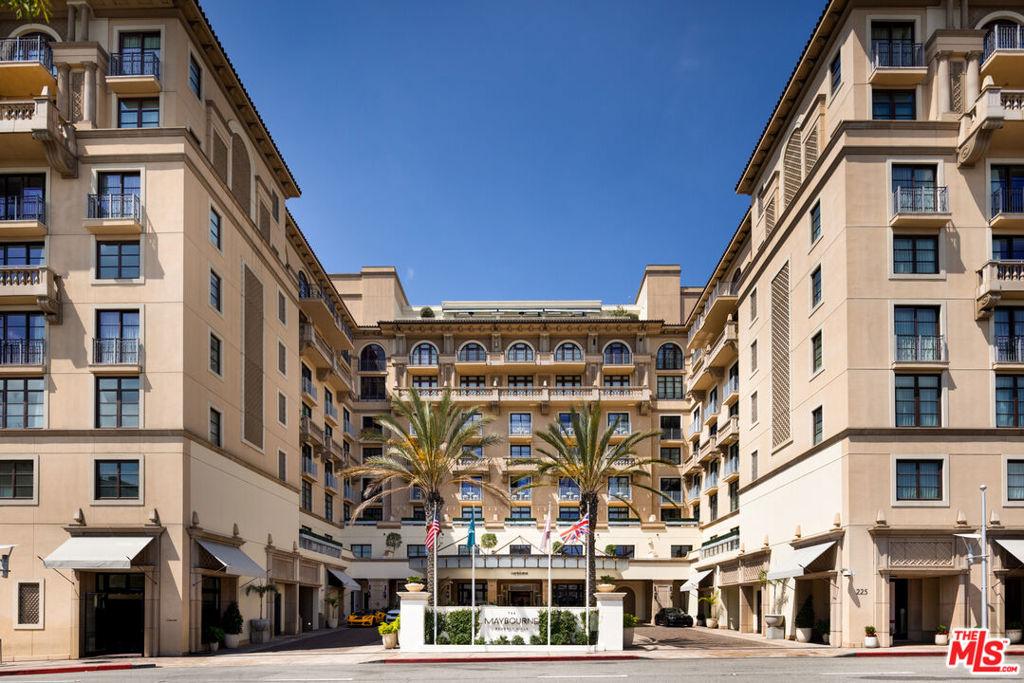
The luxury condominium market in Beverly Hills — concentrated along Wilshire Boulevard’s Golden Mile and in the Golden Triangle — provides a third sub-market that attracts buyers who want the Beverly Hills address with zero land maintenance. Full-service buildings with concierge, valet, and on-site management are concentrated in this corridor. Full-floor residences and penthouses in the premier Wilshire buildings trade from $4 million to $10 million and above.
Beverly Hills buyers at the upper end of the market are disproportionately global or internationally mobile. The 90210 address is one of the most recognized residential brands in the world, attracting buyers from Europe, the Middle East, and Asia for whom the address itself is a primary criterion. Entertainment industry principals — actors, directors, producers, studio executives — have historically been a consistent buyer pool and remain so. Finance industry buyers who establish a second LA residence, and technology executives who have relocated to the Westside, represent growing buyer segments in the $5 million to $15 million tier.
The characteristic that distinguishes Beverly Hills buyers from buyers in adjacent luxury markets like Bel Air or Brentwood is that the address functions as a material component of what they are acquiring. Beverly Hills operates as a brand, not simply a location, and buyers willing to pay the Beverly Hills premium over comparable properties in neighboring communities are buying into the lifestyle infrastructure — the Golden Triangle commercial district, the Beverly Hills Unified schools, the BHPD response times, and the social environment — as much as into the property itself.
Beverly Hills has some of the most restrictive residential building codes in Los Angeles, with specific height, setback, and massing requirements that govern new construction and significant additions. This regulatory environment, while frustrating for buyers seeking modern expansions of older properties, has the practical effect of making original architectural estate properties more irreplaceable over time. A Wallace Neff or Paul R. Williams house in Beverly Hills cannot be recreated by new construction on the same parcel — the existing building is the entire value proposition, and buyers of architecturally significant properties are accordingly buying into a category with no substitute supply.
Beverly Hills provides a self-contained luxury lifestyle infrastructure unusual even among premium Los Angeles neighborhoods. The Golden Triangle — bounded by Wilshire Boulevard, Santa Monica Boulevard, and Crescent Drive — contains one of the most concentrated luxury retail environments in North America, including the Rodeo Drive corridor with flagship stores from every major luxury brand, the Beverly Wilshire and Montage Beverly Hills hotels, and a restaurant scene that consistently produces rankings among the best in Los Angeles. Residents of Beverly Hills proper can walk to the Golden Triangle, a practical daily-life advantage that most LA luxury neighborhoods cannot offer.
The Beverly Hills Unified School District is among the highest-performing public school districts in California. Beverly Hills High School consistently ranks in the top percentiles statewide for standardized test scores and college placement, and the district’s middle and elementary schools serve only the Beverly Hills city limits — a population small enough that individual student attention and community cohesion are distinguishing features of the district. This school quality differential is a meaningful variable for family buyers comparing Beverly Hills proper to adjacent BHPO, which feeds into Los Angeles Unified rather than BHUP.
Beverly Hills Police Department operates independently of the LAPD, with per-capita officer ratios and response times that are among the highest in the region. The department’s reputation for proactive residential security is consistently cited by Beverly Hills residents as a distinguishing quality-of-life factor, particularly for properties with extended vacancy periods or high-profile residents with security-sensitive requirements.
The arts and cultural infrastructure in Beverly Hills includes the Wallis Annenberg Center for the Performing Arts — a nationally recognized venue for theater, chamber music, and multidisciplinary arts programming — and the Beverly Hills city-curated public arts program that maintains commissioned works throughout the city. The proximity to the Los Angeles County Museum of Art on Wilshire’s Miracle Mile, approximately 10 minutes east, and to the Hammer Museum in Westwood, approximately 10 minutes west, extends the cultural access further without requiring Beverly Hills to provide all of it independently.
Beverly Hills’ central Westside position places it 15-20 minutes from the Century City employment corridor, the UCLA campus in Westwood, and the Santa Monica coastline under normal traffic conditions. Los Angeles International Airport is accessible in 25-40 minutes. The 405 and 10 freeways are both accessible within approximately 10-15 minutes, providing north-south and east-west freeway access without the city itself being directly adjacent to a freeway — a quality-of-life advantage that the flatness and the commercial buffer of the Golden Triangle help preserve.
The Beverly Hills luxury market segments cleanly by price tier, and understanding the dynamics at each tier helps buyers calibrate both their expectations and their strategy before entering active search.
The entry tier for single-family luxury in Beverly Hills proper runs from approximately $3 million to $6 million and typically includes older homes on smaller lots, properties requiring significant renovation, or homes at the periphery of the most desirable street corridors. This tier sees competitive buyer activity from primary residence buyers, investors planning major renovation, and developers seeking teardown or addition candidates. Days on market are shorter here than at higher price points, and multiple-offer situations are common for well-priced listings.
The mid-market tier — $6 million to $20 million — represents the widest range of property types in Beverly Hills luxury and the most active transactional volume. This tier includes fully renovated contemporary homes on mid-size lots, architecturally significant mid-century properties, and entry-level estate-scale homes. Properties priced correctly relative to condition and lot size attract buyer attention within days of listing, and well-positioned listings in this range regularly generate multiple offers and sell above asking price in competitive market conditions.
The upper tier — above $20 million — operates under different market dynamics. Properties at this level have longer average days on market, not because of reduced demand but because the qualified buyer pool is smaller, due diligence periods are more involved, and both parties approach the transaction with more deliberate timelines. A significant portion of Beverly Hills transactions above $20 million takes place off-market, where sellers can work with a small group of qualified buyers without the complications of public marketing campaigns and the buyer tourism that accompanies high-profile listings.
Land scarcity is the primary long-term driver of Beverly Hills property values. Beverly Hills proper is geographically fixed — it cannot expand — and the existing supply of flat, estate-scale residential parcels is finite. Per-acre residential land values in Beverly Hills below Sunset are among the highest in the nation, which means the price differential between an older home and a new build on the same parcel is narrower than buyers from other markets might expect: when land accounts for 60-70% of the acquisition cost, the improvement value is a proportionally smaller component.
The global recognition of the Beverly Hills address creates structural demand from international buyers that is largely independent of local employment or income cycles. In market corrections that significantly reduce values in other LA luxury neighborhoods, Beverly Hills tends to hold value more durably — not because it is immune to cycles, but because the address-driven demand floor supports prices through periods when sentiment-driven demand softens.
Architectural pedigree adds a third demand driver at the top of the market. Properties with documented design attribution — houses by Paul R. Williams, Wallace Neff, Gordon Kaufmann, Richard Neutra, or other significant architects from Beverly Hills’ development era — consistently trade at premiums of 20-30% over non-attributed comparables. This premium reflects collector-buyer demand that is specific to architecturally significant properties and is not present in the broader market.
Single-family luxury homes in Beverly Hills proper range from approximately $3 million at the entry end — older homes on smaller lots or properties requiring significant renovation — to $90 million and above for trophy estate properties on full-acre parcels with architectural pedigree. The most active transactional tier runs from approximately $5 million to $20 million, where the widest range of property types and conditions provides options for buyers with varying priorities.
Beverly Hills proper is an incorporated city with its own municipal government, Beverly Hills Unified School District, Beverly Hills Police and Fire Departments, and city-administered building department. Beverly Hills Post Office (BHPO) is an unincorporated area of Los Angeles County that uses the Beverly Hills mailing address and 90210 zip code but is governed by the county, not the city. BHPO properties are served by the LA County Sheriff, Los Angeles Unified School District, and Los Angeles County building and planning departments. Property taxes are assessed under different methodologies. Buyers comparing properties in the two areas should confirm jurisdiction for each specific address before drawing conclusions about comparative value.
A significant portion of Beverly Hills luxury real estate — particularly above $15 million — is bought and sold off-market without public MLS listing. Accessing this inventory requires relationships with brokerages active in the market and, specifically, access to Compass Private Exclusives and direct seller networks. The Knight Group works Beverly Hills as a primary market and maintains relationships with listing agents and property owners at various stages of considering a sale. Off-market access begins with a conversation about your specific criteria — location, property type, price range, timeline — so we can match you with inventory before it reaches the public market.
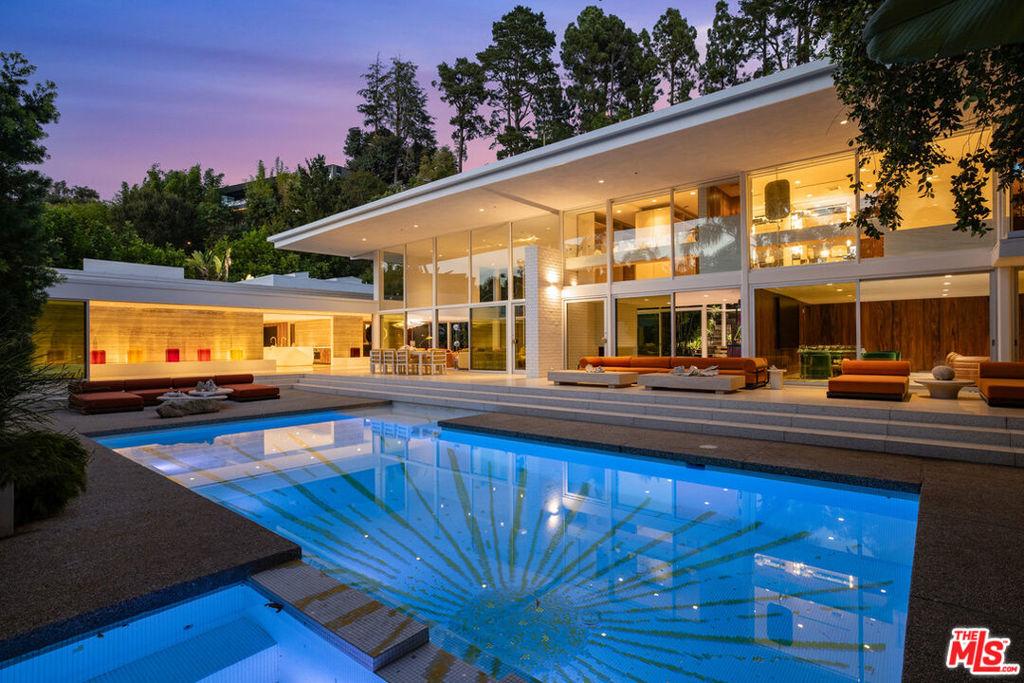
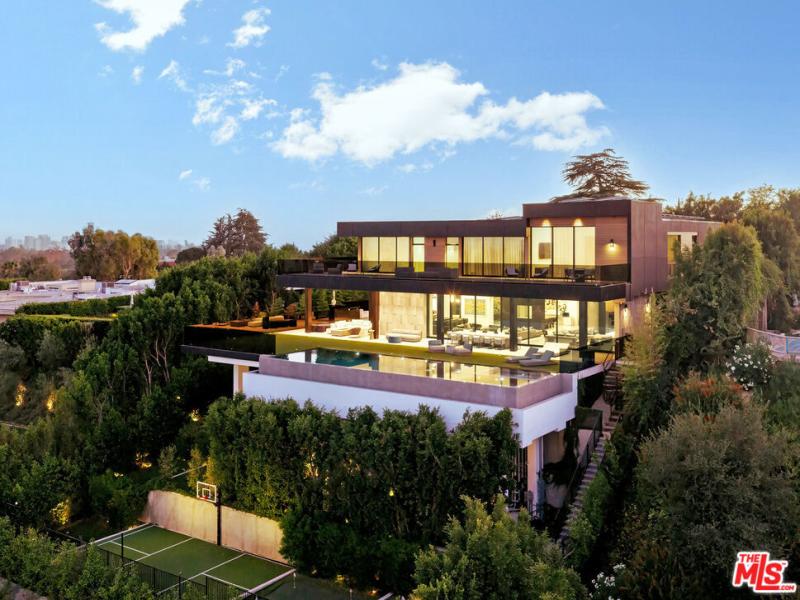
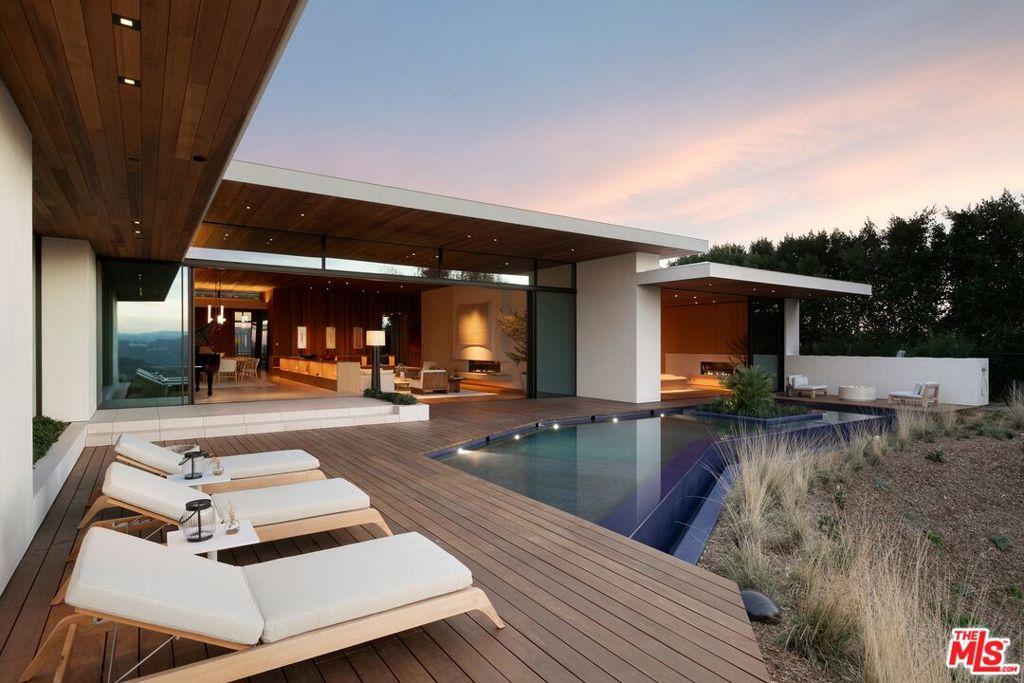
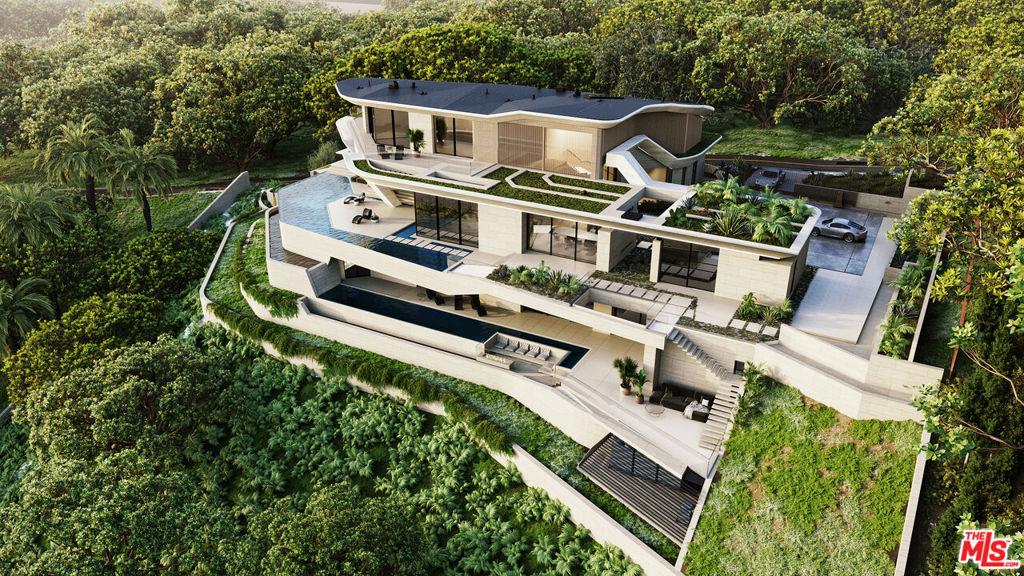
Beverly Hills’ estate inventory reflects the stylistic preferences of the 1920s through 1960s, when the neighborhood’s residential fabric was largely built out. Spanish Colonial Revival, Mediterranean, English Tudor, French Norman, and Colonial Revival estates are most common in the streets below Sunset Boulevard. Post-war construction introduced International Style, Mid-Century Modern, and the California Ranch typology. Contemporary new construction and major renovations on existing parcels have added modern and transitional architecture throughout the neighborhood. Above Sunset, the hillside terrain favors cantilevered contemporary homes that take advantage of view corridors — the Bird Streets-adjacent streets of BHPO contain some of the highest-profile modern architecture in the country.
From initial search to close, Beverly Hills luxury purchases typically take 60 to 180 days depending on price tier, property condition, and buyer circumstances. Due diligence for estate-scale properties is more involved than for standard residential purchases — historic structures, complex land configurations, and significant improvements require specialized inspections, permit history review, and, in some cases, architectural assessment. Financing for properties above $5 million typically involves jumbo or super-jumbo mortgage products with longer underwriting timelines. All-cash purchases are common at the upper end of the Beverly Hills market and compress the timeline significantly, but require proof-of-funds documentation that sophisticated sellers’ agents require before accepting an offer.
Land scarcity, global address recognition, and architectural significance collectively support Beverly Hills property values over time. Beverly Hills proper is geographically bounded and cannot expand, making flat estate-scale parcels a genuinely finite resource. The 90210 address attracts international buyer demand that is structurally independent of local employment cycles, which has historically provided some insulation from the cyclical corrections that affect more conventional residential markets. Properties with documented architectural pedigree attract a specialist buyer category that competes across markets for significant examples — a demand floor that does not exist for non-attributed properties at the same price point.
Explore more Luxury neighborhoods:
Lucky for you we’re looking out.
Subscribe to this Custom Search to be alerted when new properties hit the market in the area.
Choose the frequency that works for you.