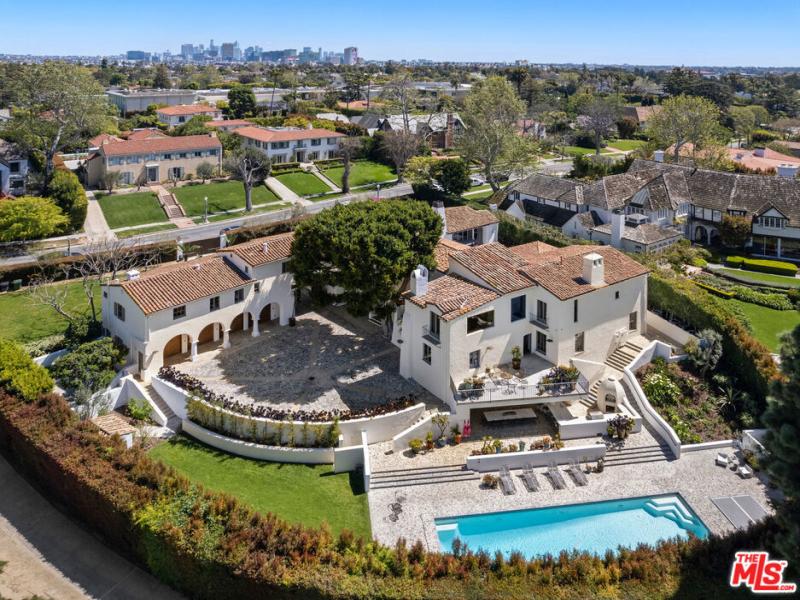
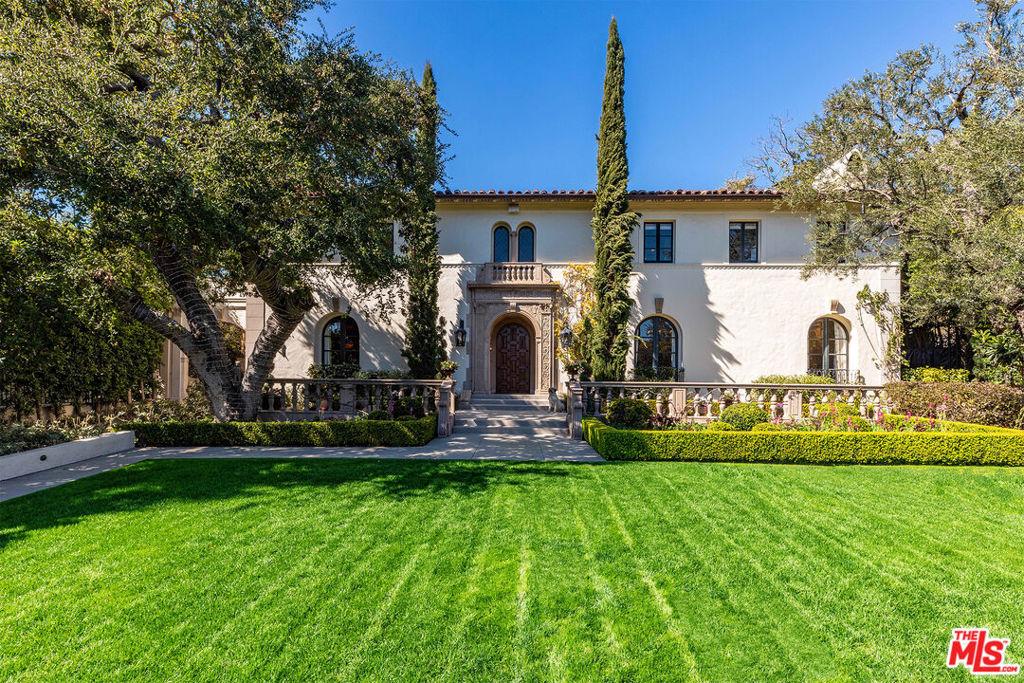
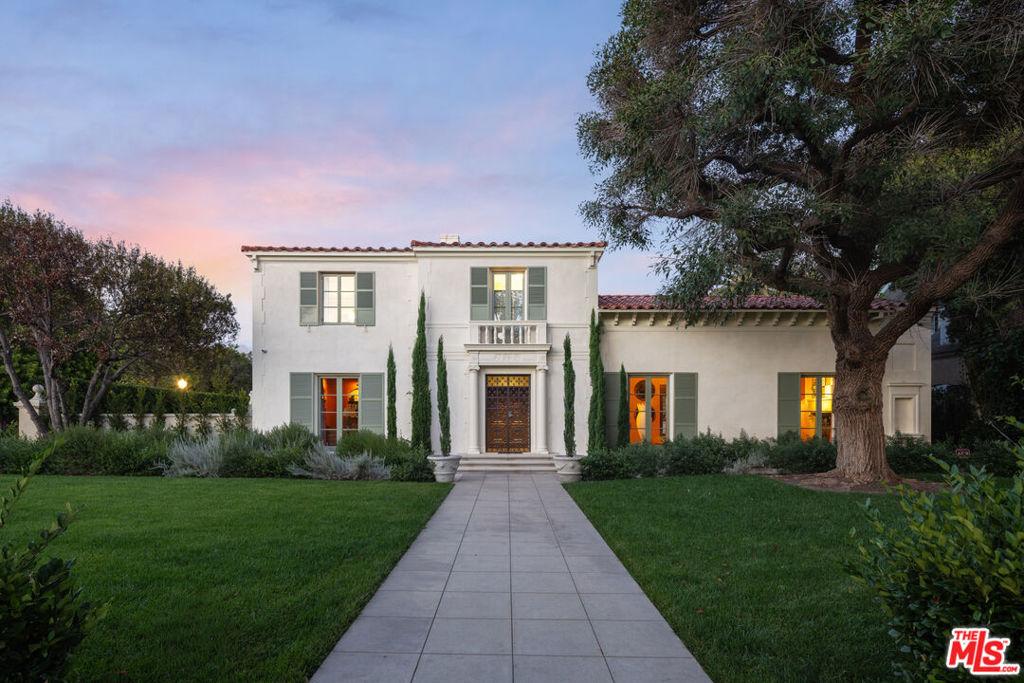
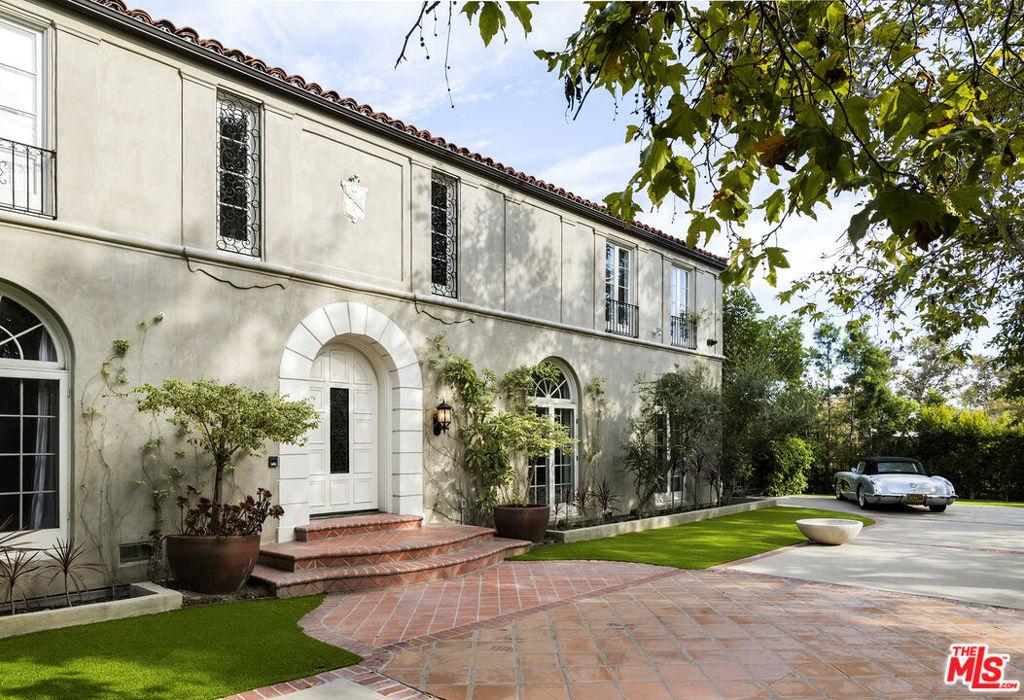
Luxury Homes for Sale Hancock Park currently number 8 active listings with a median asking price of $6,700,000 (CRMLS, September 2026).
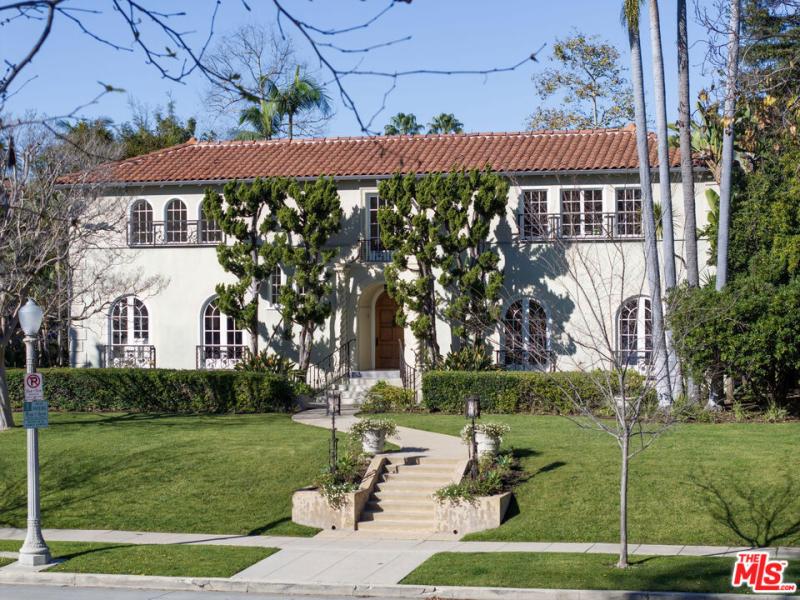
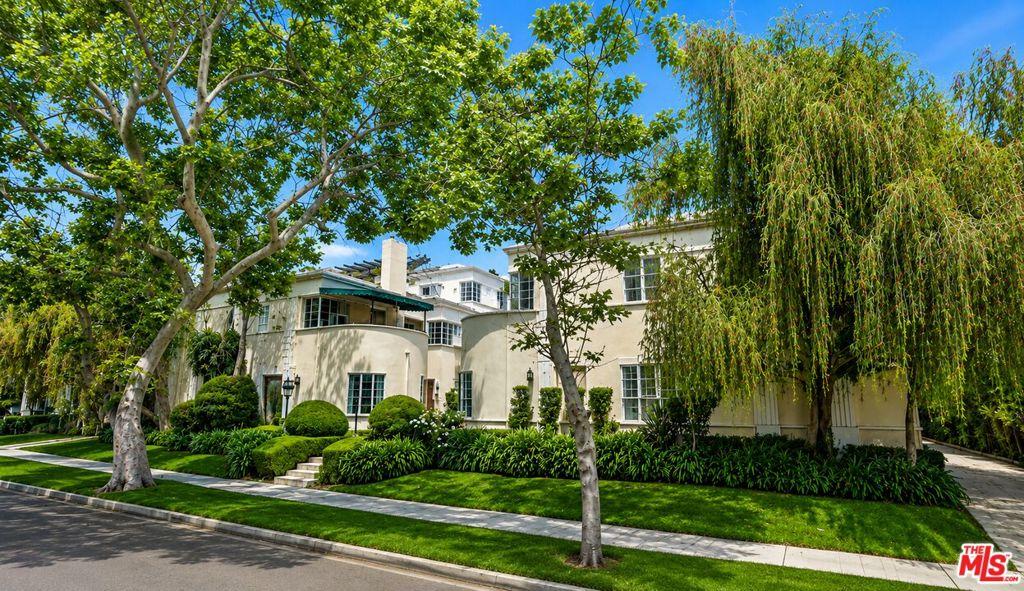
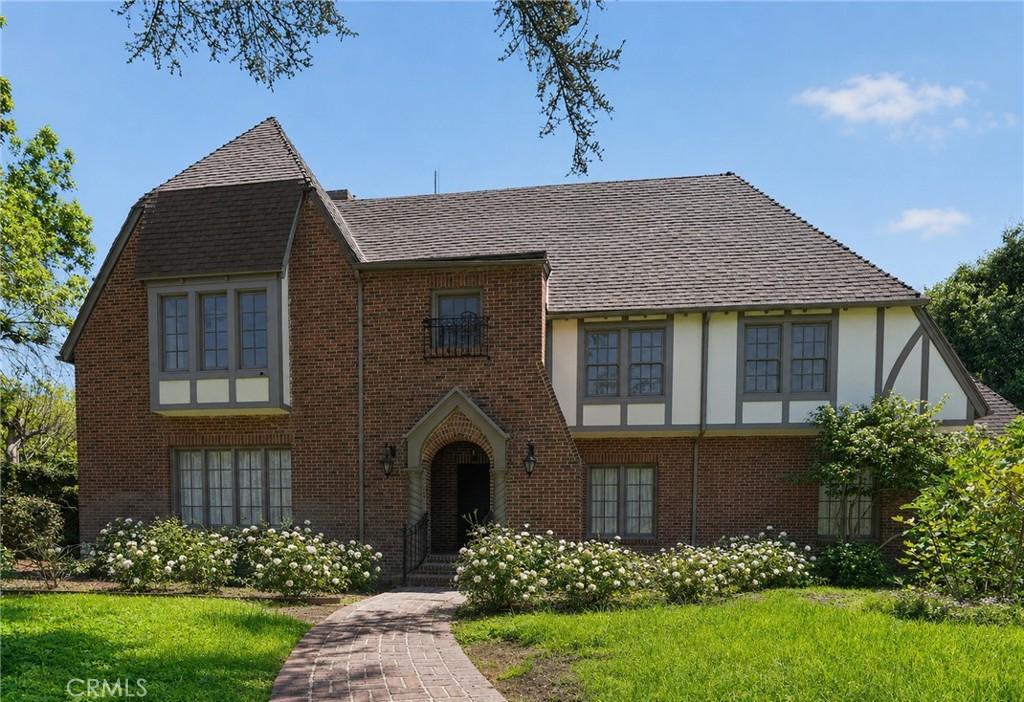
Hancock Park is Los Angeles’ most significant concentration of intact historic estate architecture, a neighborhood of Tudor Revival, Spanish Colonial, English Country, and Mediterranean estate homes built primarily in the 1920s and 1930s that have been maintained or thoughtfully restored without the wholesale teardown-and-rebuild pattern that has transformed comparable neighborhoods elsewhere in the city. Luxury homes in Hancock Park range from approximately $2 million for a well-maintained period home on a standard lot to $10 million and above for the most significant restored estates on the largest parcels in the neighborhood’s interior streets. The Historic Preservation Overlay Zone designation that covers most of Hancock Park restricts exterior modifications in ways that protect the neighborhood’s architectural integrity — which frustrates some buyers and is precisely the point for those who specifically value what that protection has preserved.
The Knight Group works Hancock Park as part of its Los Angeles historic and luxury practice. Hancock Park transactions require familiarity with HPOZ (Historic Preservation Overlay Zone) compliance — any exterior modification, renovation, or addition to a Hancock Park property requires HPOZ review and approval, a process that differs from standard city permitting and that is worth understanding before committing to a purchase where planned work will require that approval. The listings below represent currently available Hancock Park luxury inventory.
Luxury Homes For Sale Hancock Park listings currently show 8 active listings priced from $4,799,999 to $19,995,000, with a median asking price of $6,700,000 (CRMLS, August 2026).

Browse all Los Angeles real estate — or explore the full Los Angeles luxury real estate market.
Hancock Park was developed in the 1920s and 1930s as one of Los Angeles’ first planned residential communities, with deed restrictions (now superseded by later legal frameworks, though the HPOZ serves a similar function) intended to maintain the community’s character. The neighborhood’s streets — Muirfield Road, Hudson Avenue, Lucerne Boulevard, Rossmore Avenue, and the others within the HPOZ boundary — were platted with lots of a quarter-acre to a full acre in size, set back significantly from the street, with architectural covenants that produced the remarkable consistency of period architectural quality that the neighborhood displays today.
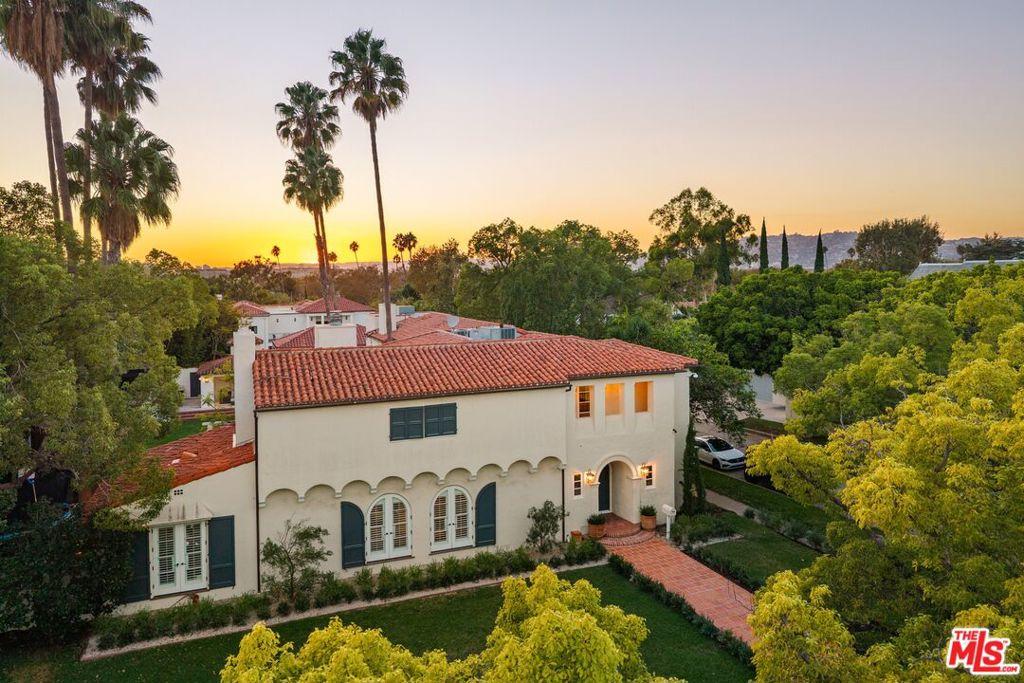
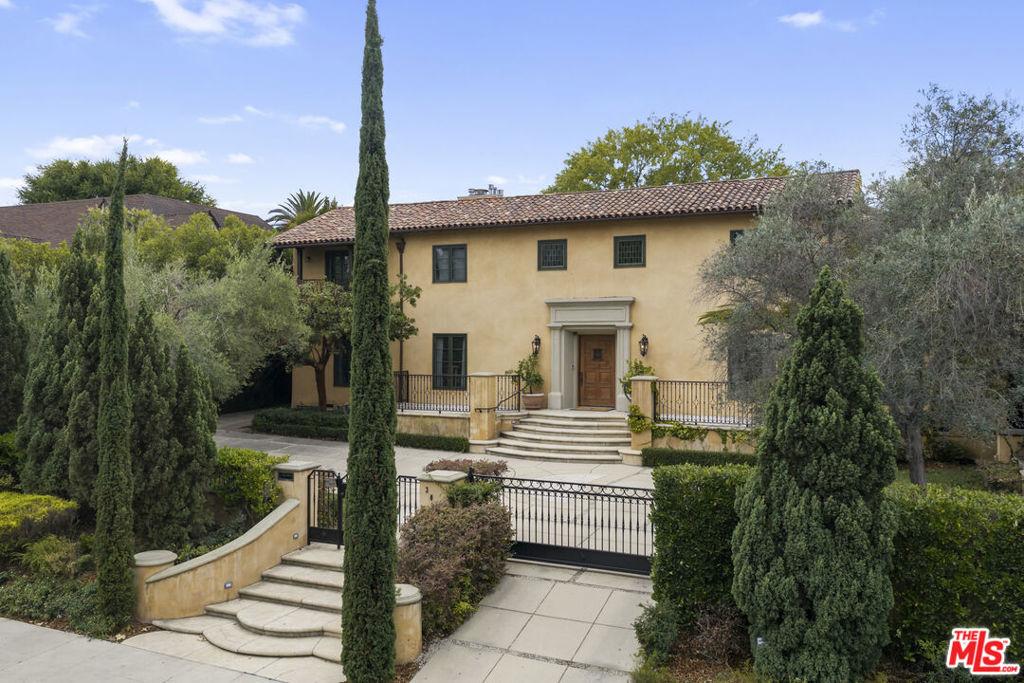
The architectural variety within Hancock Park is a genuine feature — the neighborhood contains excellent examples of Tudor Revival, Spanish Colonial Revival, English Country, French Norman, and Italian Renaissance residential architecture, all at estate scale, all within a few blocks of each other. Buyers with a specific architectural period preference can typically find properties in their preferred style within Hancock Park’s inventory. Spanish Colonial Revival estates — the white stucco and terracotta tile roofline style that defines much of period Los Angeles architecture — are particularly well represented, as are the half-timbered Tudor Revival estates that are among the neighborhood’s most iconic properties.
The HPOZ designation means that exterior modifications to Hancock Park properties require review by the Office of Historic Resources and compliance with the HPOZ’s preservation plan. This adds a step and timeline to renovation projects that standard non-HPOZ LA City properties do not require. Interior modifications are not covered by the HPOZ — buyers can update kitchens, bathrooms, mechanical systems, and interior finishes freely. The HPOZ restricts exterior alterations: window replacement must use historically appropriate profiles, new additions must be compatible with the original structure’s period, and demolition of character-defining features is not permitted. Buyers planning significant exterior work should consult with an architect or contractor who has experience with HPOZ compliance before finalizing their purchase and renovation plans.
The Hancock Park neighborhood is sometimes used loosely to refer to a broader area that includes Windsor Square (to the west, also HPOZ-designated) and the streets immediately adjacent to the formal Hancock Park boundary. Windsor Square is architecturally and historically comparable to Hancock Park itself — it was developed in the same period, by the same developers, with the same architectural standards. The two neighborhoods together represent the core of what buyers typically mean when they describe interest in “Hancock Park” real estate.
Larchmont Village — the commercial street at the east edge of Hancock Park — provides walkable commercial access that is unusual for neighborhoods at this price tier. The Larchmont Boulevard corridor, with its independent restaurants, coffee, specialty retail, and community character, functions as Hancock Park’s neighborhood main street and is within walking distance of much of the residential area. The Larchmont Farmers Market and the concentration of independently owned businesses on the boulevard give the neighborhood a pedestrian culture that distinguishes it from other Central LA luxury neighborhoods.
Hancock Park attracts a buyer profile that is specific and self-selecting: buyers for whom the architectural quality and historical integrity of their home is a primary rather than incidental consideration. Architecture enthusiasts, period-home collectors, buyers in the entertainment industry who value the neighborhood’s connection to classic Hollywood history (some of the original Paramount and RKO-adjacent executives built homes in Hancock Park in the 1930s), and buyers who want a Central LA address at prices below the Westside are the consistent segments.
The neighborhood’s central position — between the Miracle Mile, Koreatown, and the mid-Wilshire corridor — gives Hancock Park buyers reasonable access to both Downtown LA and the Westside at commute times that compare favorably with neighborhoods further west. Entertainment industry buyers who work in both Westside and Hollywood-adjacent production environments find Hancock Park’s central position a practical advantage over neighborhoods that require a specific directional commitment for commute purposes.
Hancock Park’s lifestyle is defined by its combination of estate residential character and Central LA accessibility. The neighborhood’s tree canopy — mature elms and oaks planted in the 1920s-1940s that are now significant in scale — creates a residential environment that is genuinely unusual in Los Angeles: a neighborhood that feels established and unhurried in a city that often tears down the old to build the new. Walking the Hancock Park streets — particularly the interior streets around Muirfield and Hudson — provides an experience of Los Angeles that predates the city’s postwar suburban expansion and that has been preserved in a way that most comparable 1930s residential environments have not.
The Wilshire Boulevard corridor to the south of Hancock Park provides access to LACMA (Los Angeles County Museum of Art), the La Brea Tar Pits, and the growing Miracle Mile museum district. The Academy Museum of Motion Pictures, opened in 2021, is within walking distance of Hancock Park’s southern boundary, making the neighborhood unusually proximate to the city’s major arts and cultural institutions for a residential area. Buyers for whom proximity to LA’s cultural infrastructure is a lifestyle priority will find Hancock Park’s position near LACMA and the Miracle Mile cultural district a material advantage over more suburban-residential neighborhoods further from these institutions.
Larchmont Village’s commercial corridor provides walking-distance daily amenities from most Hancock Park addresses: Café Zinc, Larchmont Bungalow, McConnell’s Fine Ice Creams, and the collection of independent businesses that line the boulevard create a neighborhood main street environment that residents consistently cite as central to what makes Hancock Park’s daily lifestyle distinctive. The Larchmont Farmers Market operates weekly and draws both neighborhood residents and buyers from adjacent areas.
Hancock Park’s central position places it approximately 20-30 minutes from Downtown LA, 20-30 minutes from Century City and the Westside employment corridor, and 15-20 minutes from Hollywood and Silver Lake. The 10 freeway to the south and the 101 to the north provide freeway access, with surface street connections that are practical for many commute patterns given the neighborhood’s central position. Buyers who work at multiple locations — alternating between Westside and Hollywood or Downtown — find Hancock Park’s central position reduces the asymmetry of those commutes compared to neighborhoods that are more committed to one directional orientation.
Hancock Park’s market is driven by the architectural premium specific to intact period residential estates in the HPOZ — a premium that reflects what buyers pay for architectural quality that cannot be replicated in new construction and that the HPOZ protection ensures will not be demolished or compromised by future development. Properties with exceptional architectural integrity — original features intact, period details preserved, significant renovation that respects rather than replaces the original character — command prices above comparables that have been more aggressively renovated or where original features have been removed.
Entry-tier luxury in Hancock Park runs from approximately $2 million for a well-maintained period home that needs thoughtful updating to approximately $4 million for a fully renovated traditional home with contemporary systems and kitchen. This tier attracts buyers who specifically want the Hancock Park architectural character and are willing to undertake the HPOZ-compliant renovation process to bring a period home to contemporary standard.
The mid-tier — $4 million to $7 million — encompasses the most significant renovated estate properties: homes where the original architectural character has been preserved while the interior has been comprehensively updated with contemporary finishes, kitchen and bath renovations, and mechanical system replacement. Properties in this range that represent both architectural significance and move-in ready condition are the most efficiently absorbed in the Hancock Park market.
The upper tier — above $7 million — is occupied by the most historically significant and architecturally exceptional properties: large-lot estates with multiple detached structures, exceptional architectural attribution or historical provenance, and renovation work that has been completed to the highest standard. These properties trade infrequently, and accurate pricing requires deep knowledge of the comparable pool within the HPOZ and within similar HPOZ-protected neighborhoods.
Hancock Park luxury homes range from approximately $2 million for a well-maintained period home on a standard lot to $10 million and above for the most historically significant estate properties on the neighborhood’s largest parcels. The most active tier runs from approximately $3 million to $6 million, where renovated traditional estates with contemporary interiors and preserved original architectural features represent the core of the Hancock Park transaction market.
An HPOZ (Historic Preservation Overlay Zone) is a City of Los Angeles designation that applies to neighborhoods with significant concentrations of historic architectural character. In Hancock Park, the HPOZ means that exterior modifications to residential properties require review and approval from the Office of Historic Resources in addition to standard building permits. Interior renovations are not covered by the HPOZ. Exterior changes — window replacement, addition of new structures, modifications to rooflines, changes to exterior cladding — must be reviewed for compatibility with the property’s historic character and the HPOZ’s preservation plan. Buyers planning exterior work should engage an architect familiar with HPOZ compliance before finalizing renovation plans, and should allow additional review time for the HPOZ approval step relative to standard city permitting timelines.
Hancock Park contains excellent examples of Spanish Colonial Revival, Tudor Revival, English Country, French Norman, Italian Renaissance, and Colonial Revival residential architecture, primarily from the 1920s and 1930s. Spanish Colonial Revival — with white stucco exteriors, terracotta tile roofs, arched openings, and ornamental ironwork — is particularly well represented and includes some of the most architecturally distinguished examples of the style in Los Angeles. Tudor Revival estates, with half-timbered facades and steeply pitched rooflines, are also prominent in the neighborhood. Buyers with a specific architectural period or style preference can typically find properties matching their criteria within the Hancock Park inventory.
At comparable budgets, Hancock Park typically offers: larger lots and more significant architectural structures than Beverly Hills at the same price point (with the trade-off of a Central LA location rather than a Westside location), and architectural character and historical significance that Brentwood’s more transitional housing stock does not match. Hancock Park’s advantages over Brentwood are primarily architectural and locational (more central for buyers who access both east and west LA); Brentwood’s advantages are Westside adjacency and the tree canopy and walkability of the San Vicente corridor. Buyers who primarily value architectural pedigree over address recognition and who work in Central LA or have flexible commutes will find Hancock Park a compelling comparison at any price point above $3 million.
Hancock Park has above-average walkability for a Central LA residential neighborhood, particularly for addresses near Larchmont Village. The Larchmont Boulevard commercial corridor — within walking distance of much of the neighborhood — provides groceries, coffee, dining, and services accessible on foot. The neighborhood’s internal walking environment is pleasant by LA standards: wide sidewalks, mature tree canopy, and low through-traffic volume on the residential streets. For buyers relocating from truly walkable urban environments, Hancock Park’s walkability is more limited than West Hollywood or Santa Monica, but it is meaningfully better than most comparable Central LA luxury neighborhoods.
Explore more Luxury neighborhoods:
Lucky for you we’re looking out.
Subscribe to this Custom Search to be alerted when new properties hit the market in the area.
Choose the frequency that works for you.