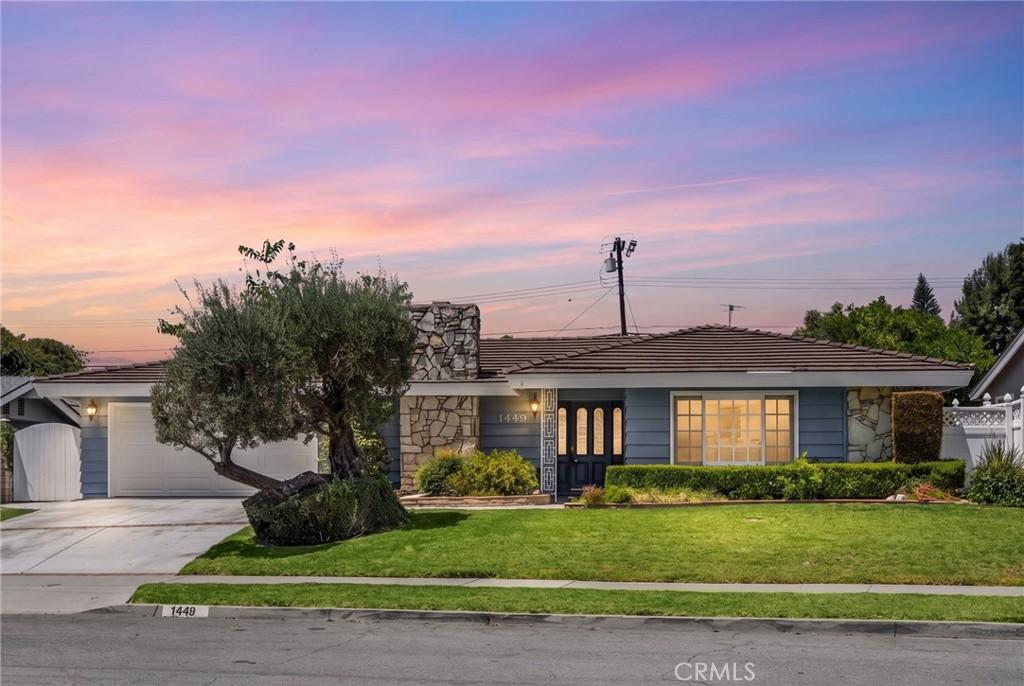
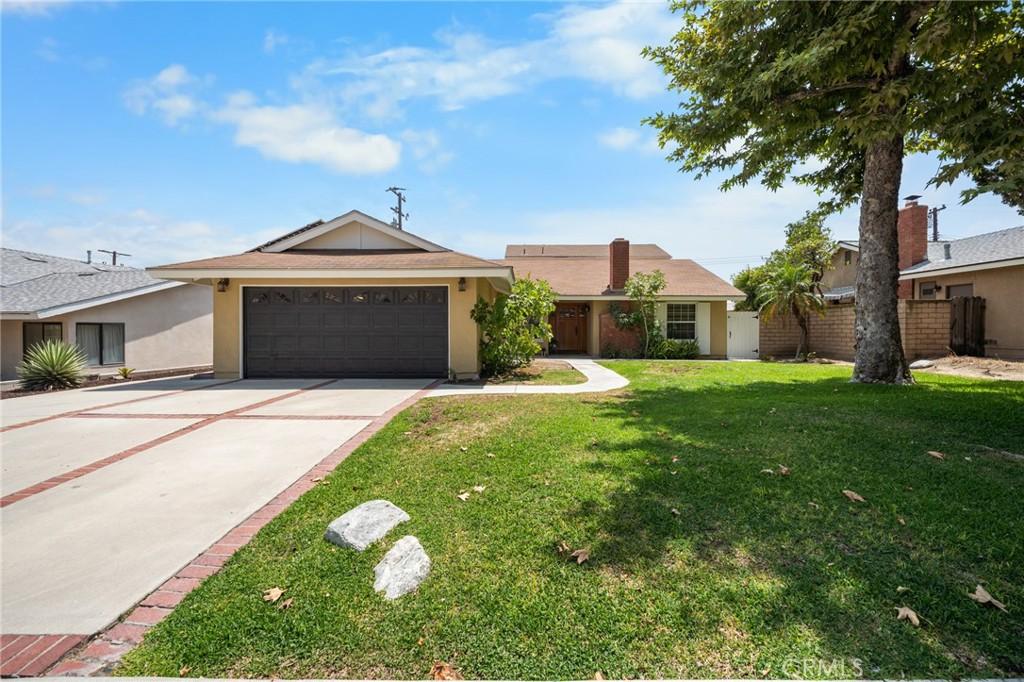
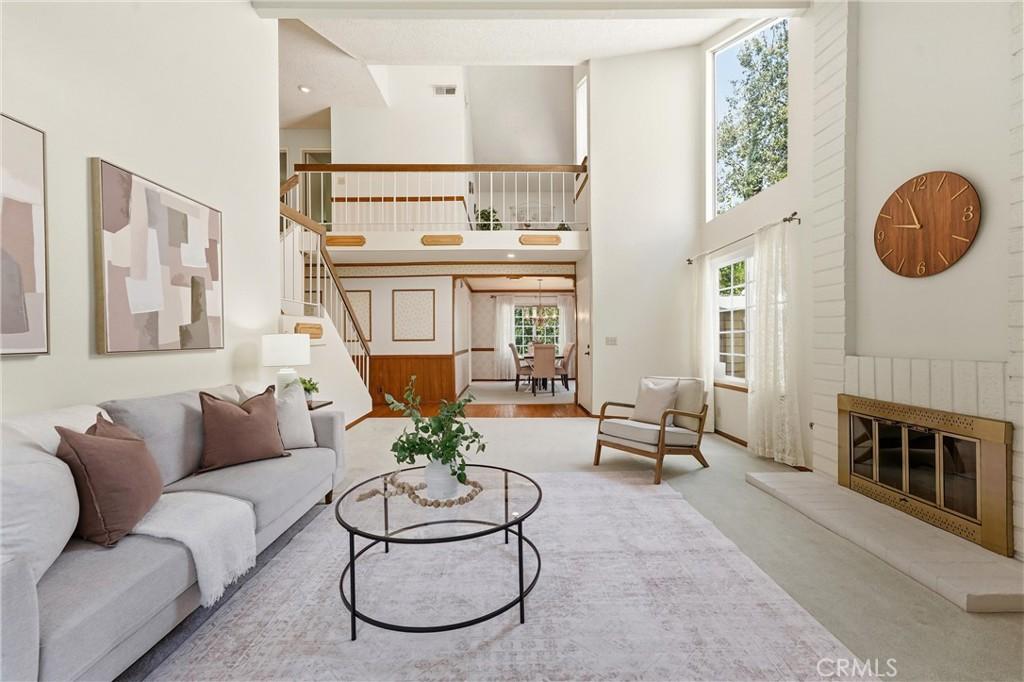
Brea CA Homes for Sale: What Buyers Should Know
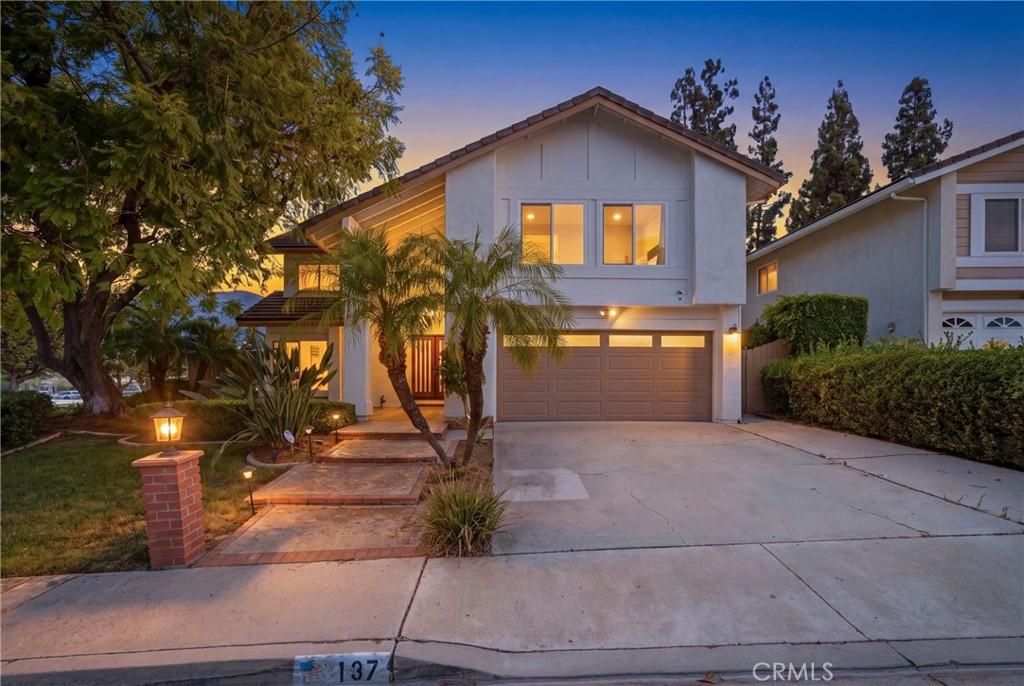
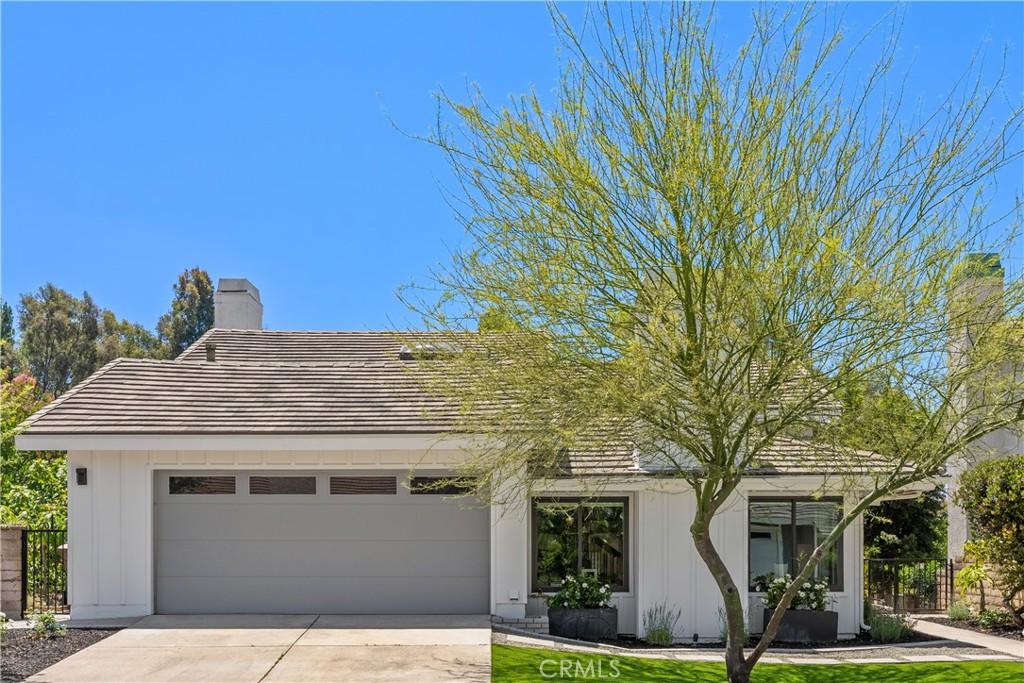
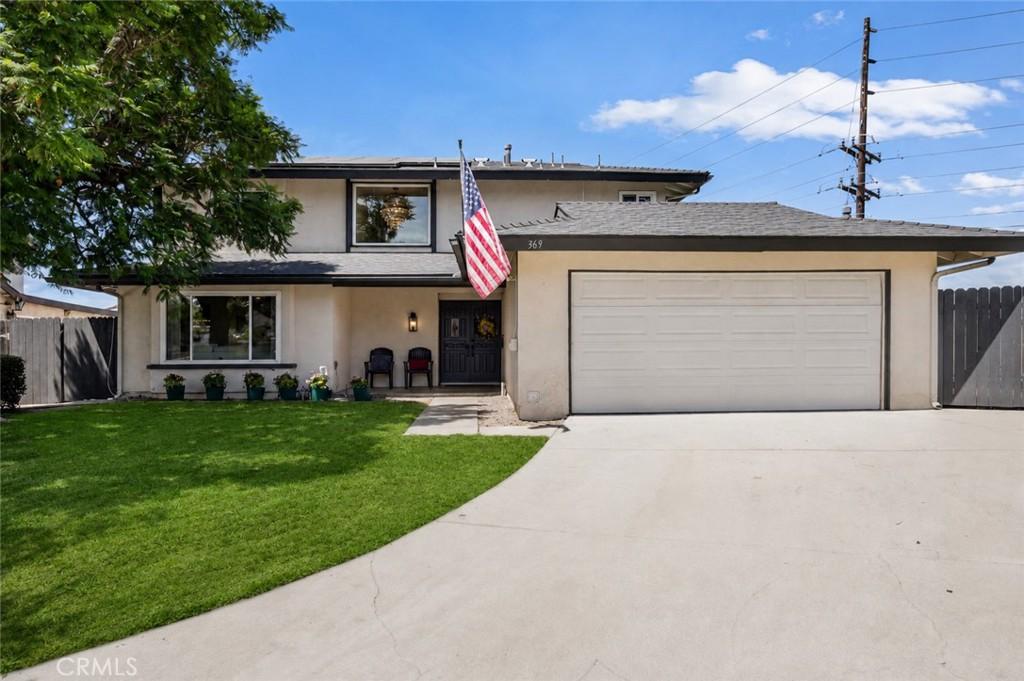
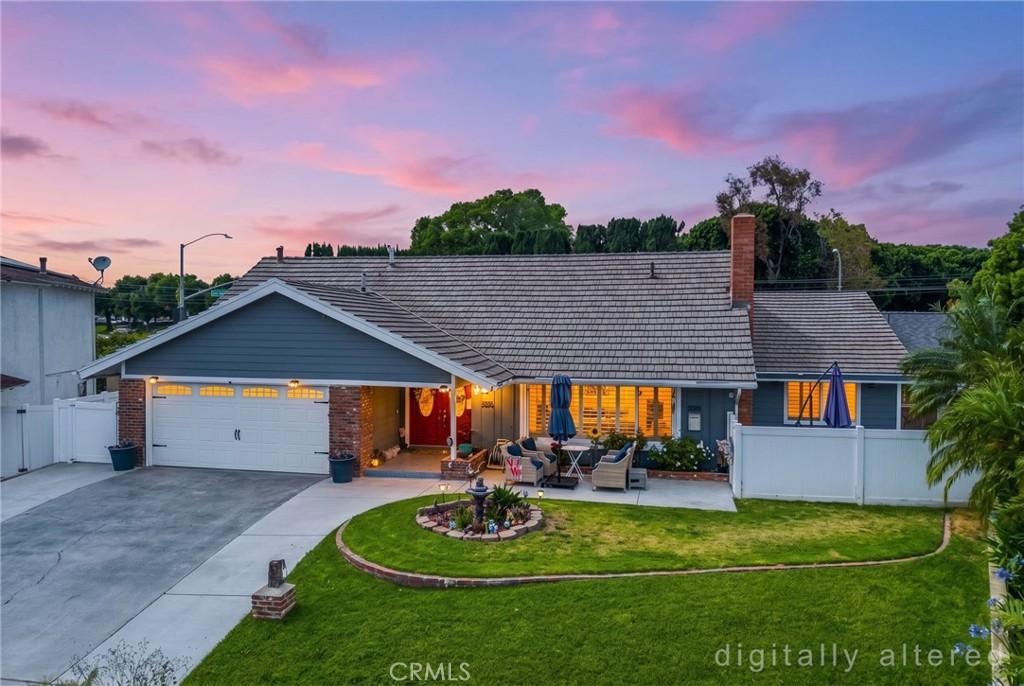
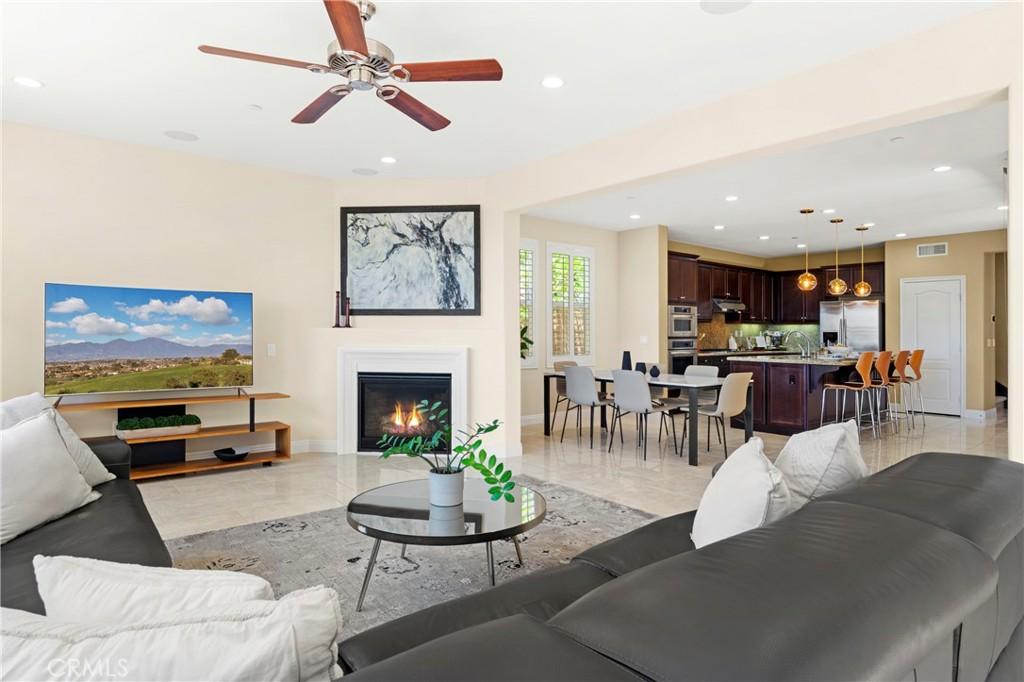
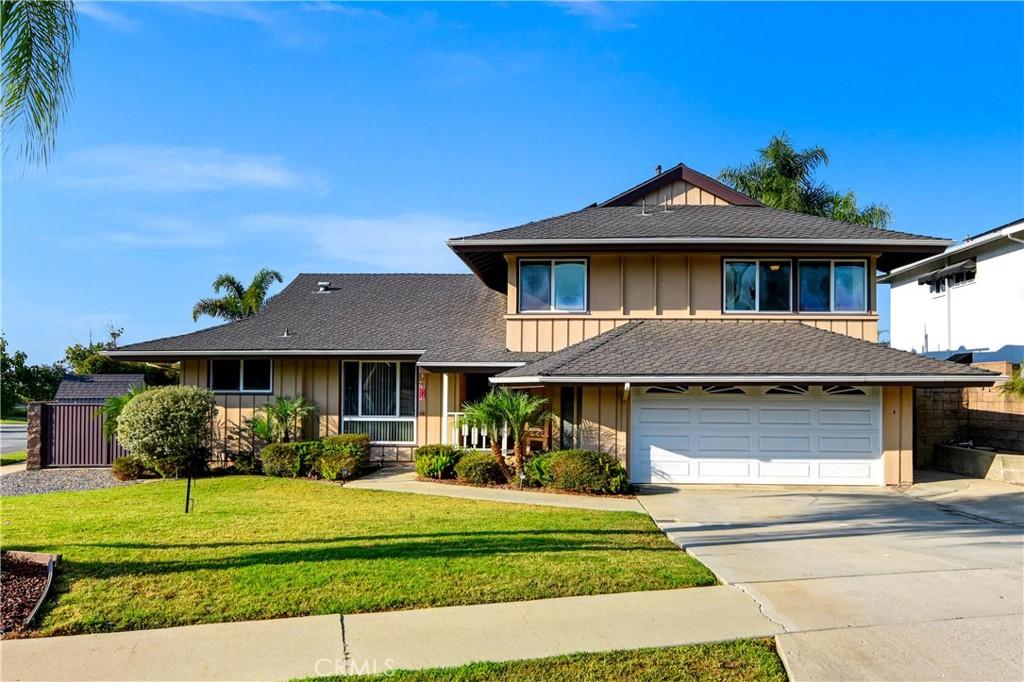
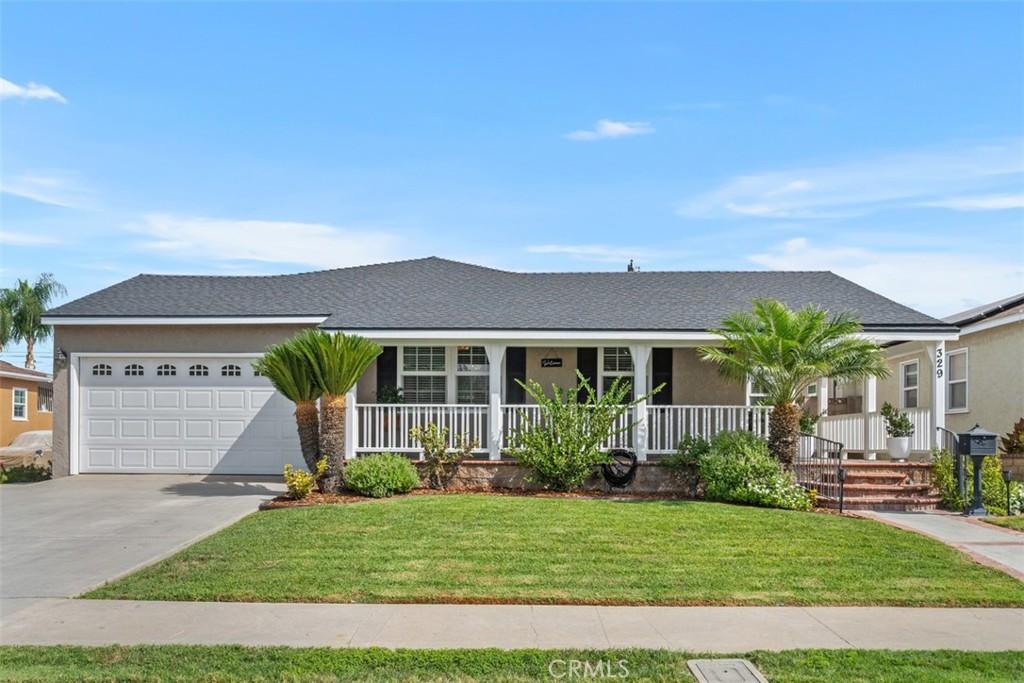
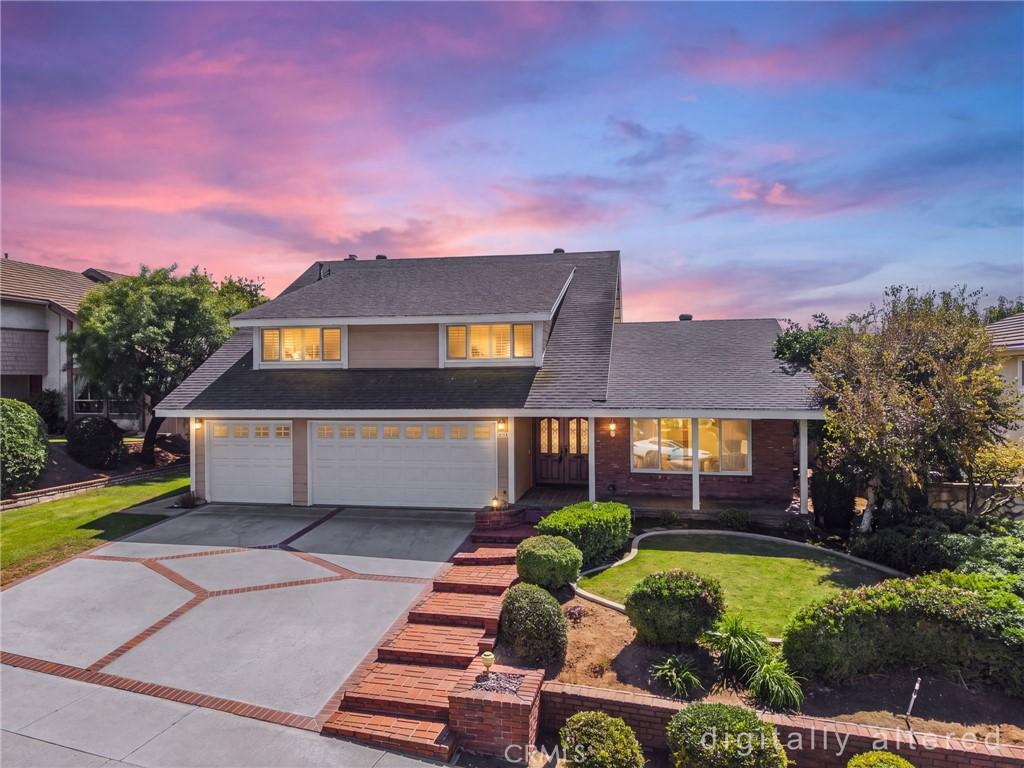
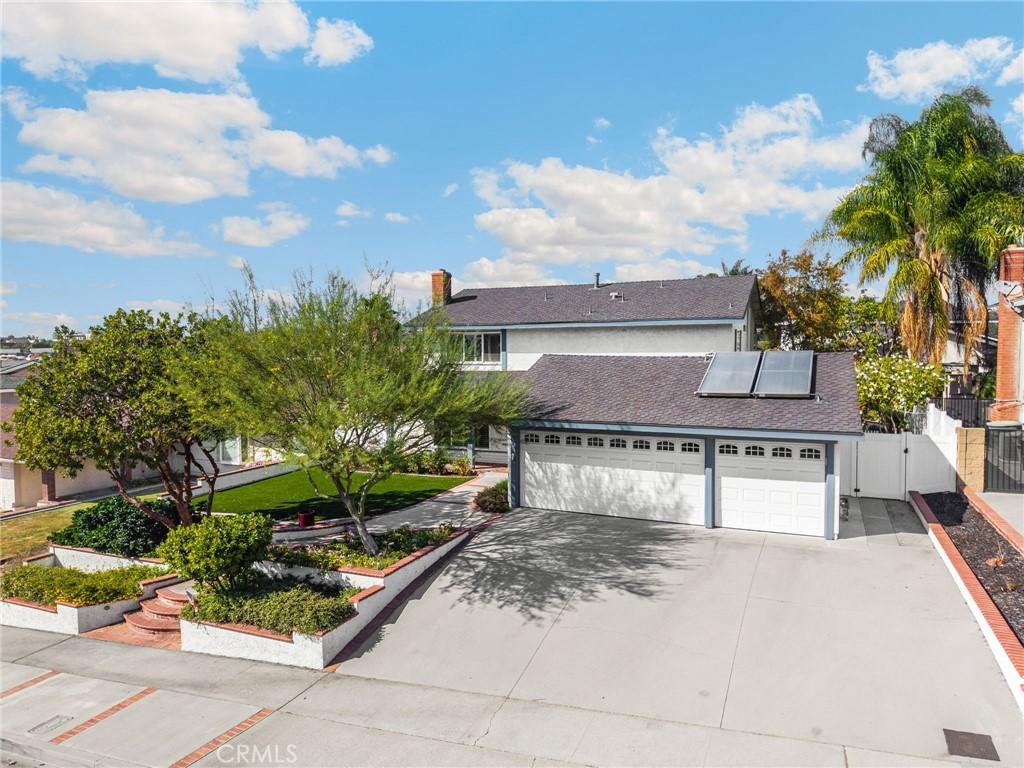
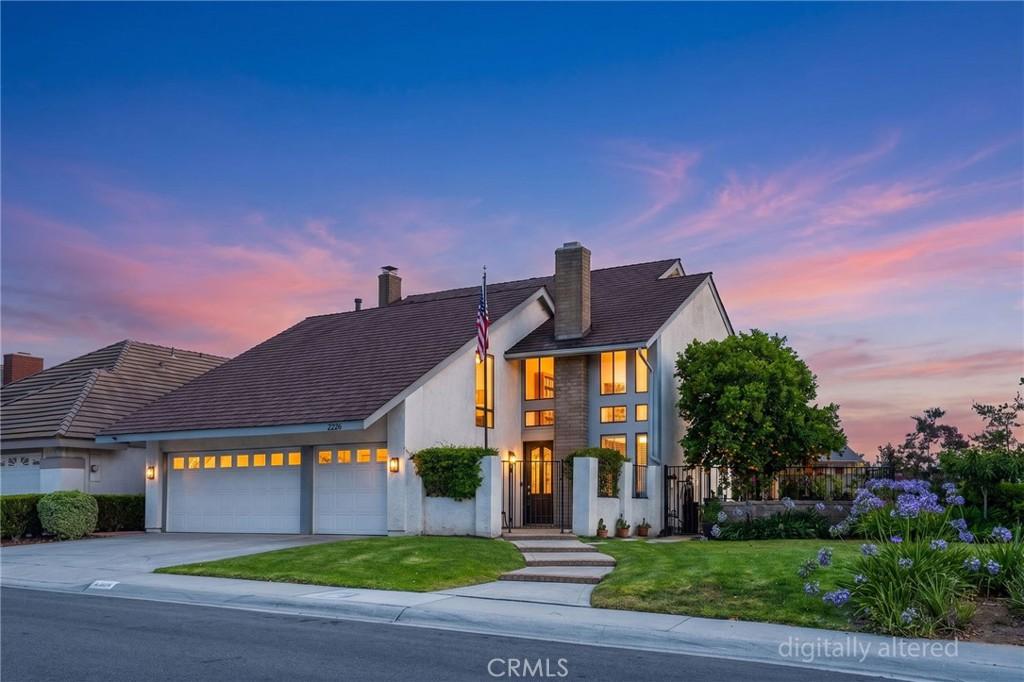
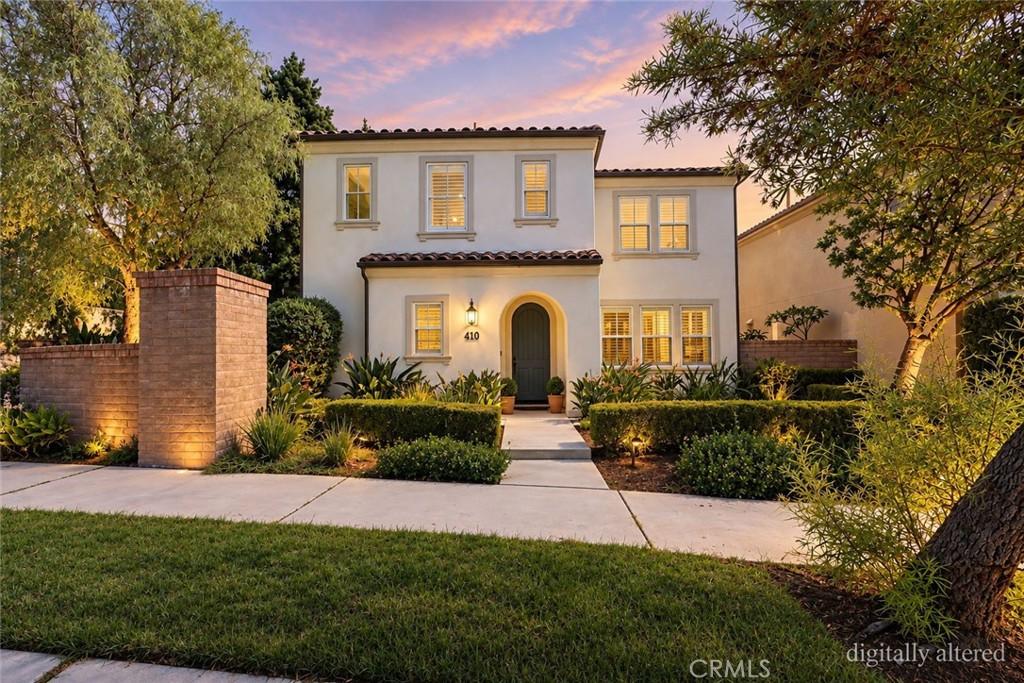
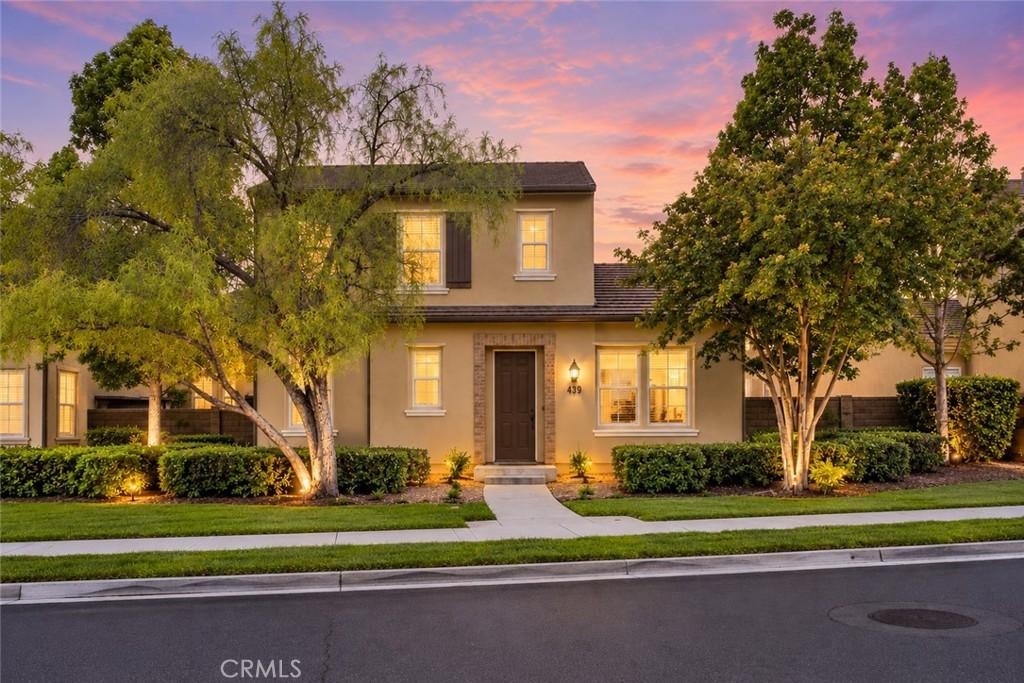
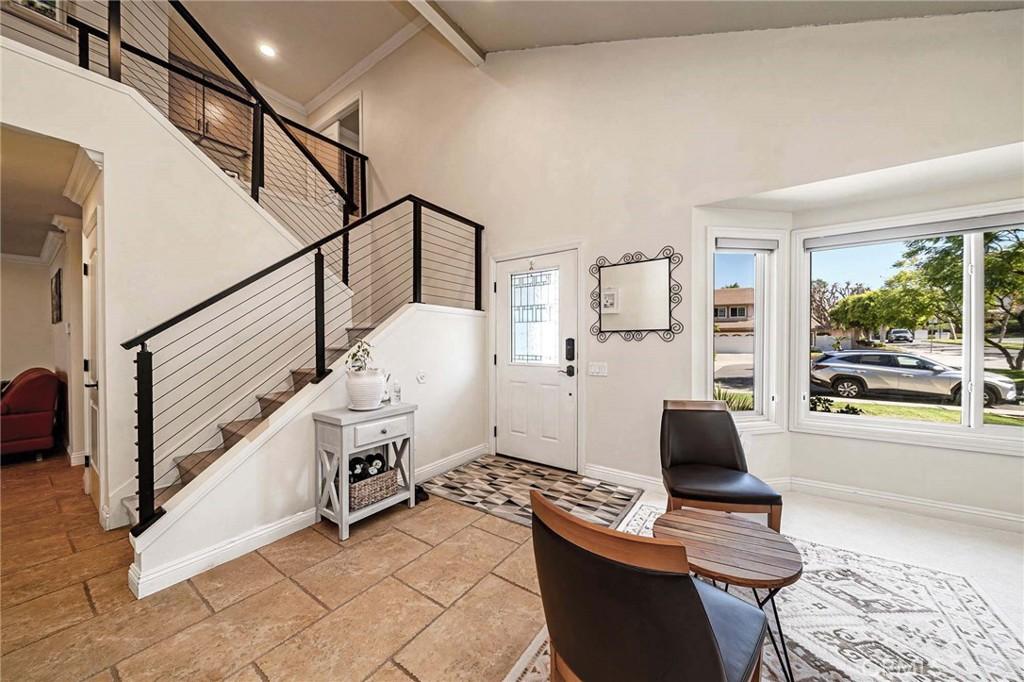
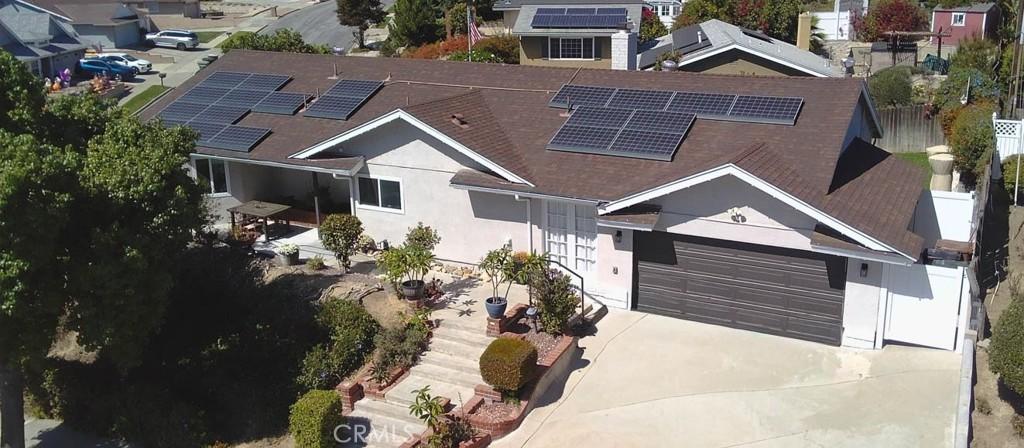
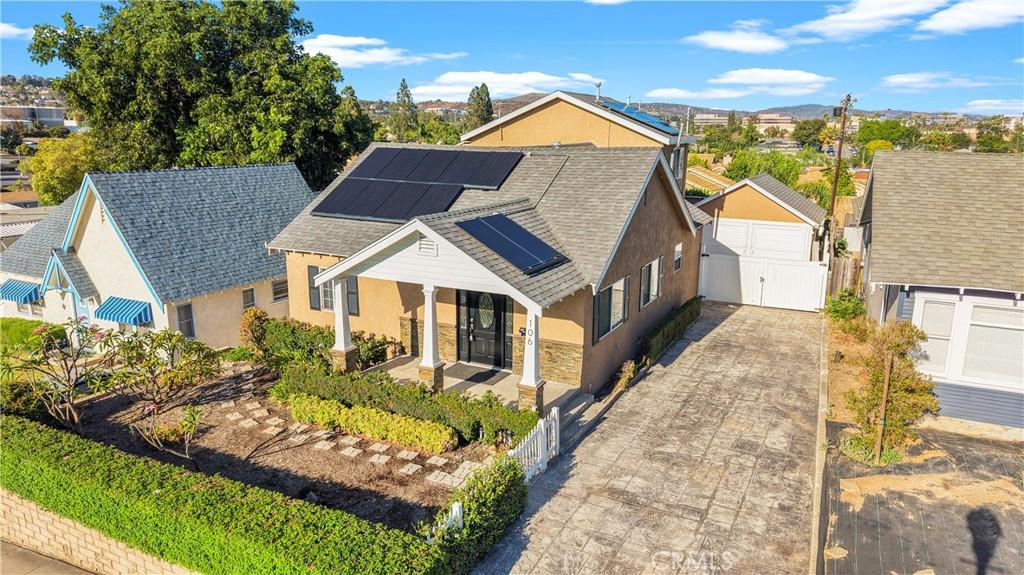
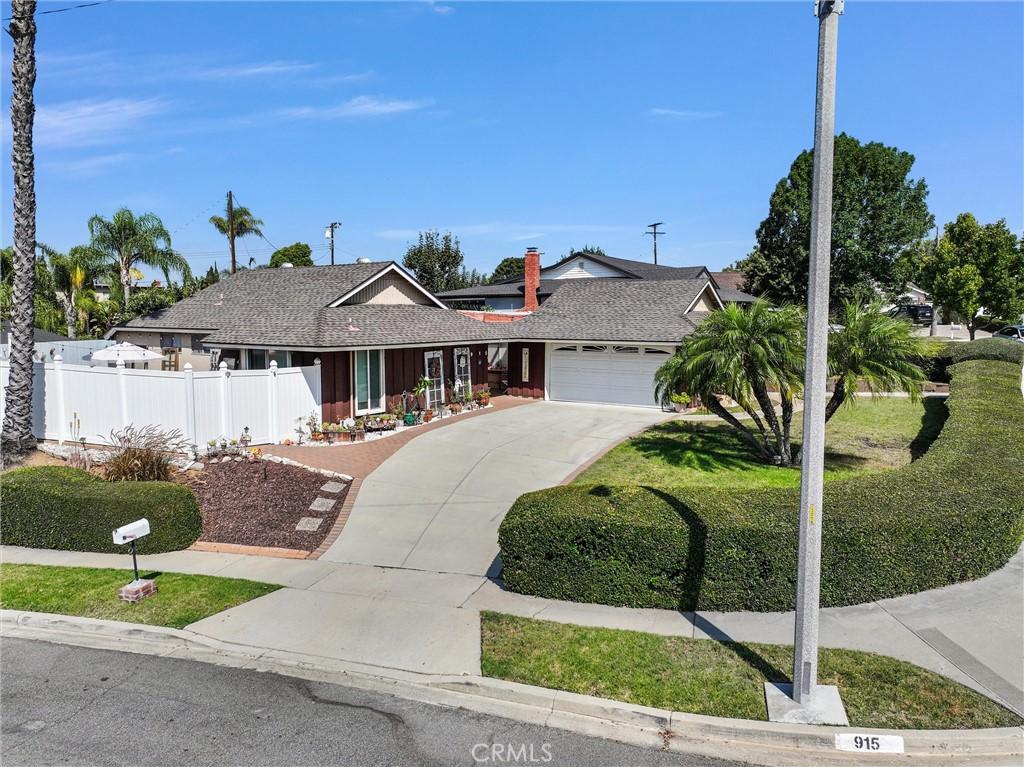
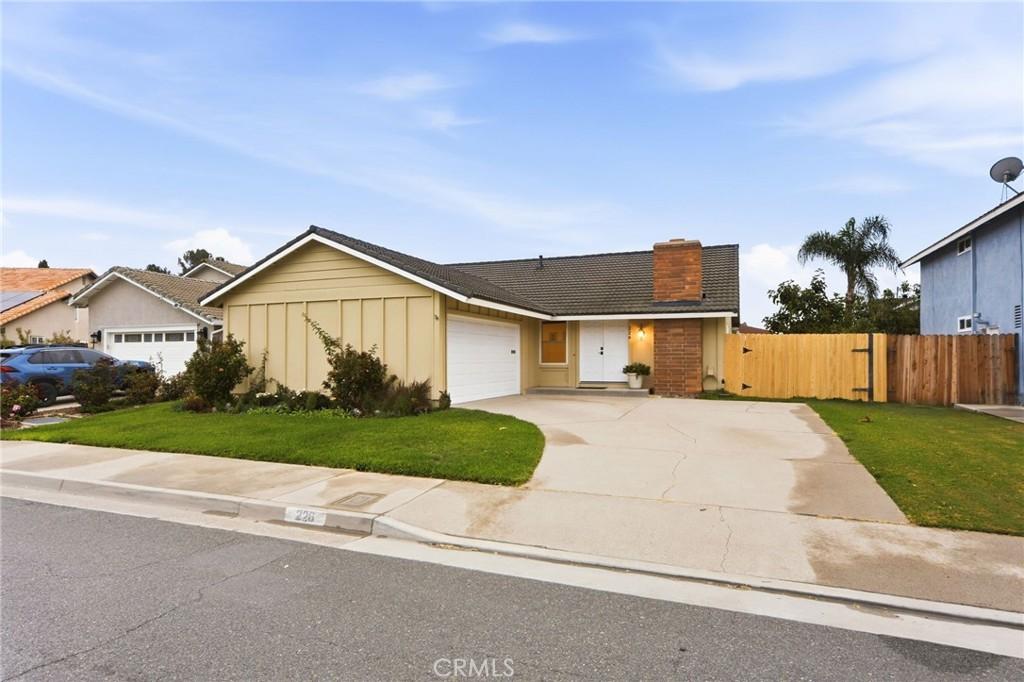
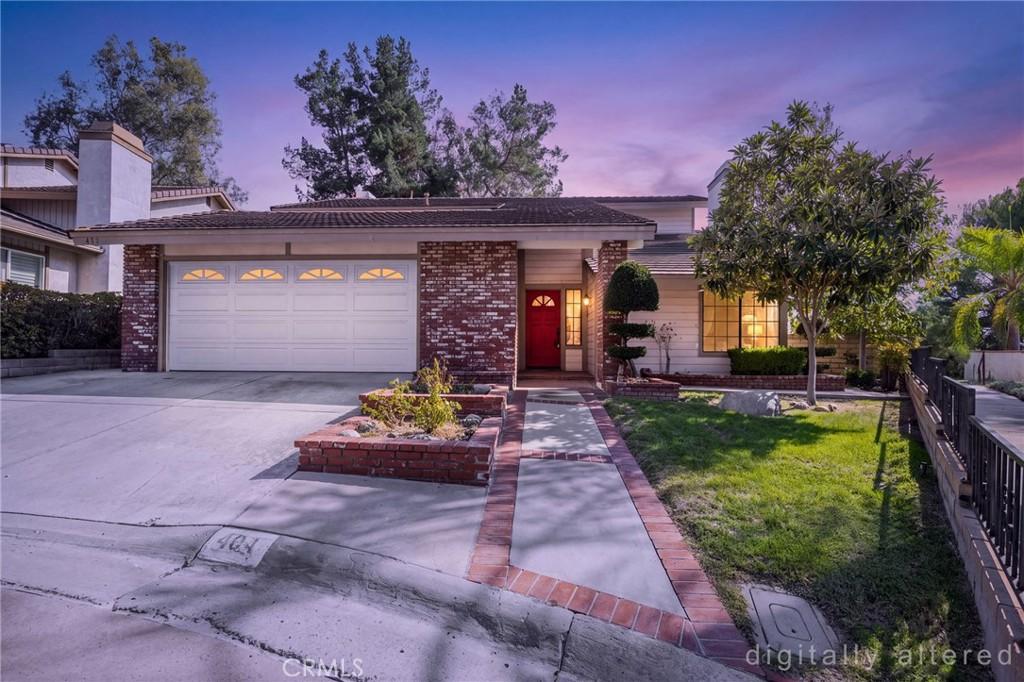
Brea CA Homes for Sale currently number 77 active listings with a median asking price of $995,000 (CRMLS, September 2026).
Brea CA homes for sale sit at the top of Orange County, right on the Los Angeles County line, and the market here runs on two things: master-planned neighborhoods built on former oil land and a walkable downtown along Birch Street that most Southern California suburbs never managed to build. Per Redfin, the median sale price was roughly $1.1 million as of June 2026, up about 17.9% year over year, with homes drawing around 6 offers and selling in roughly 19 days. State Route 57 runs straight through the city, which is why buyers can hold jobs in either county from the same address.
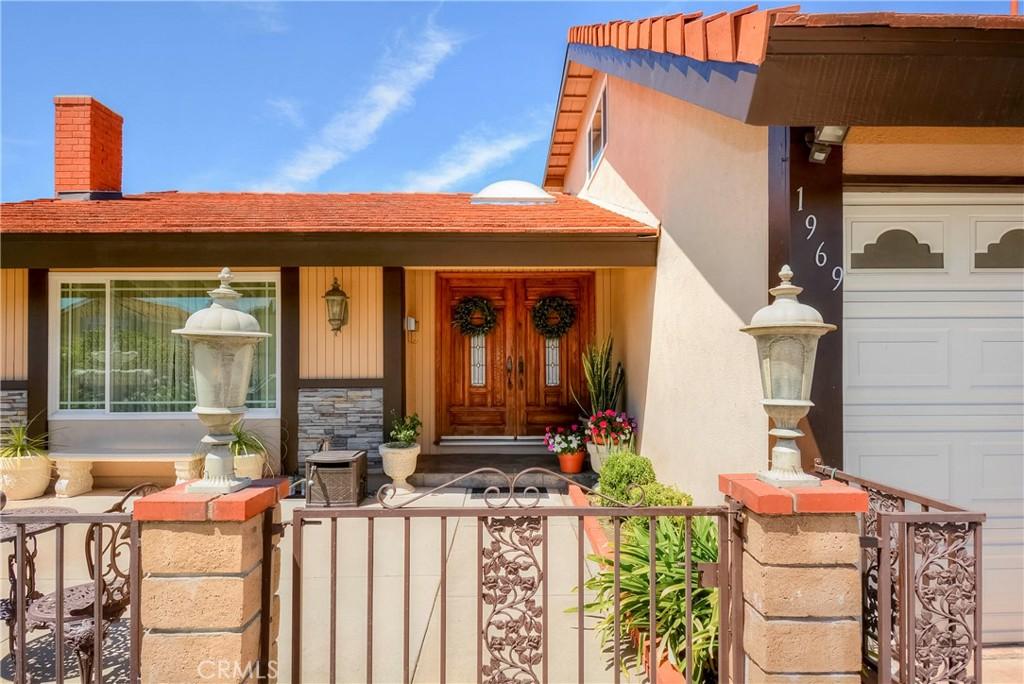
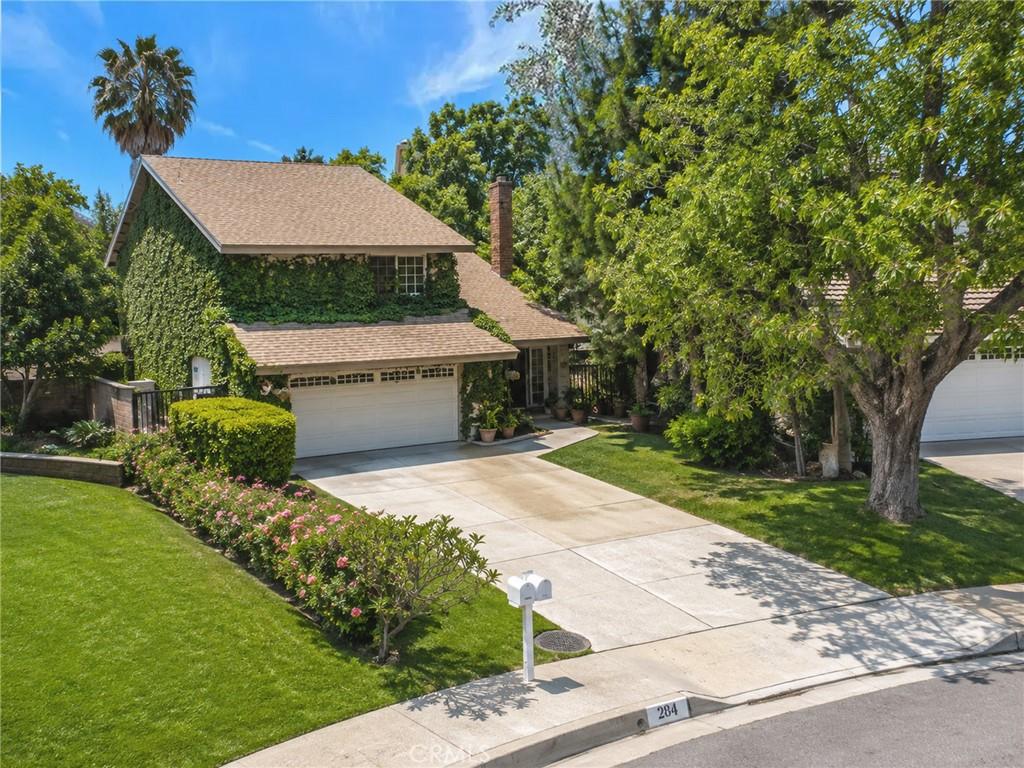
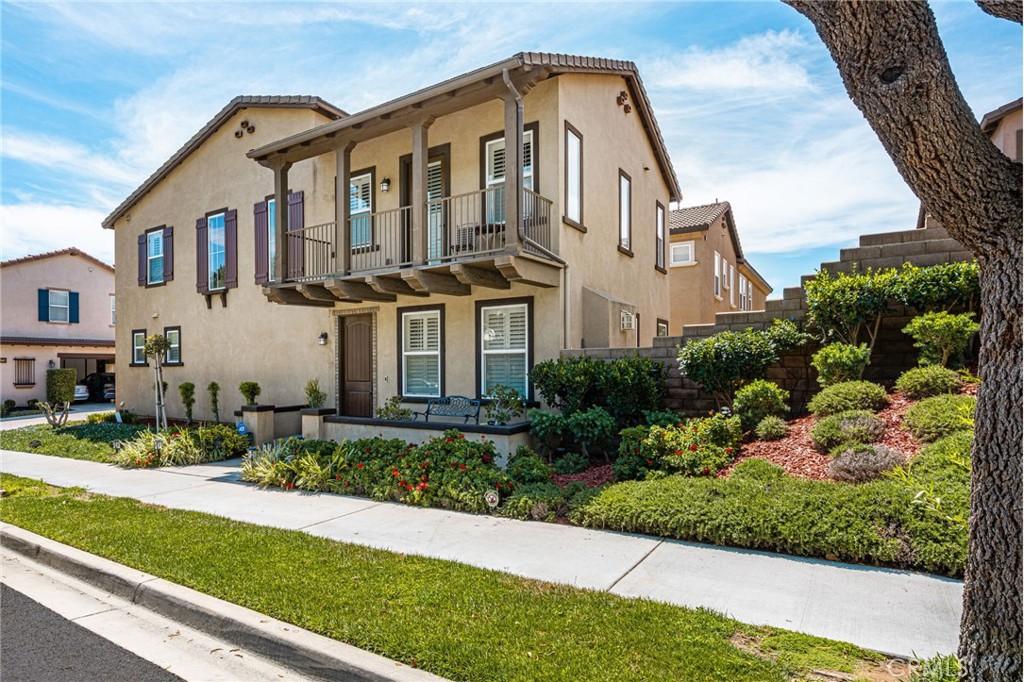
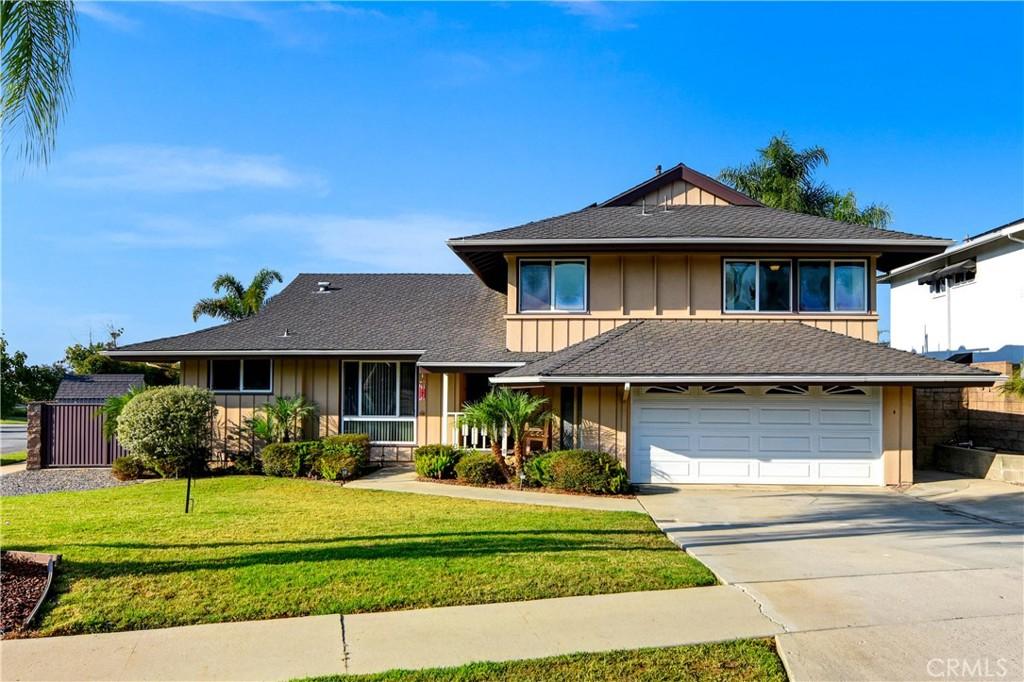
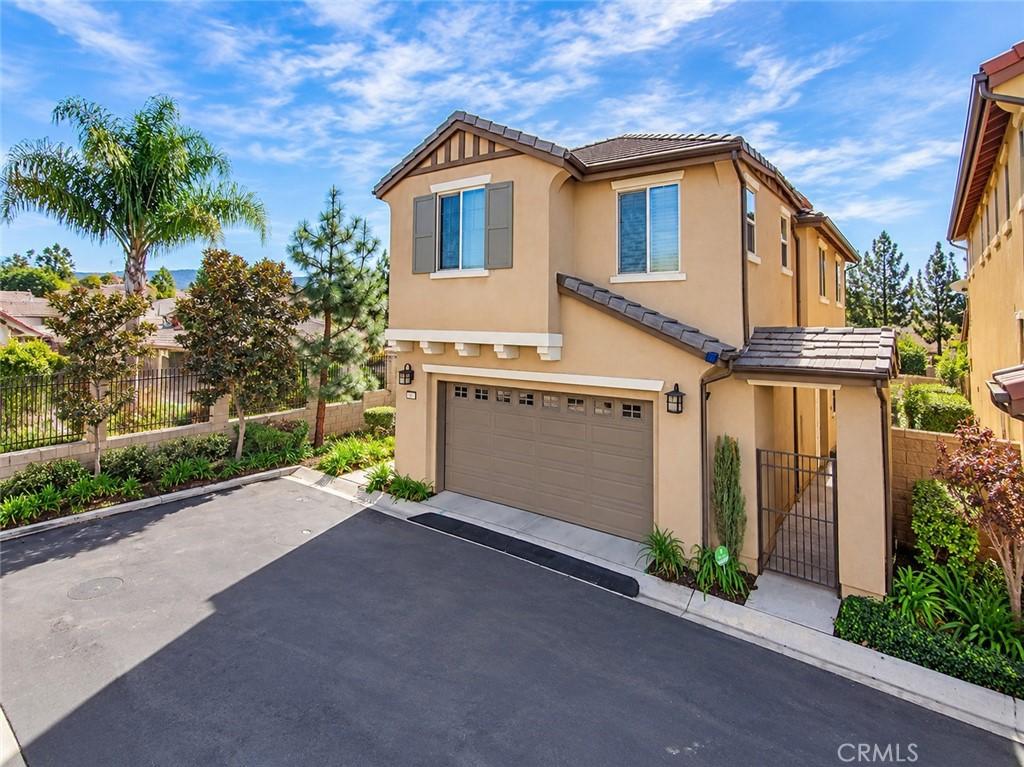
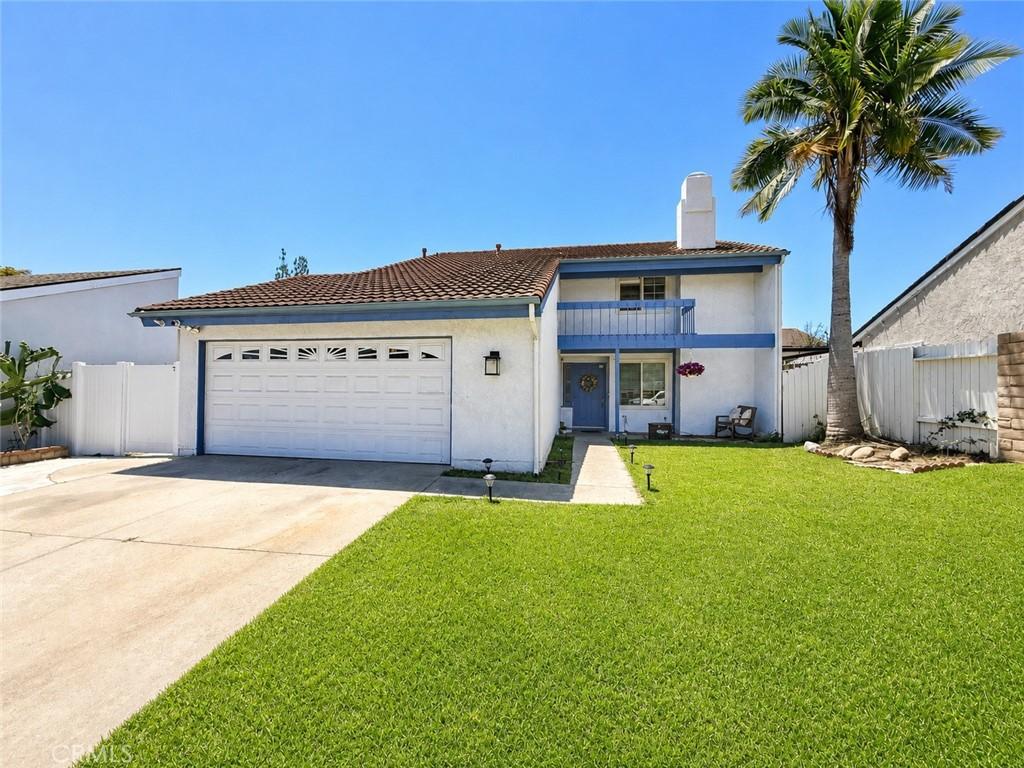
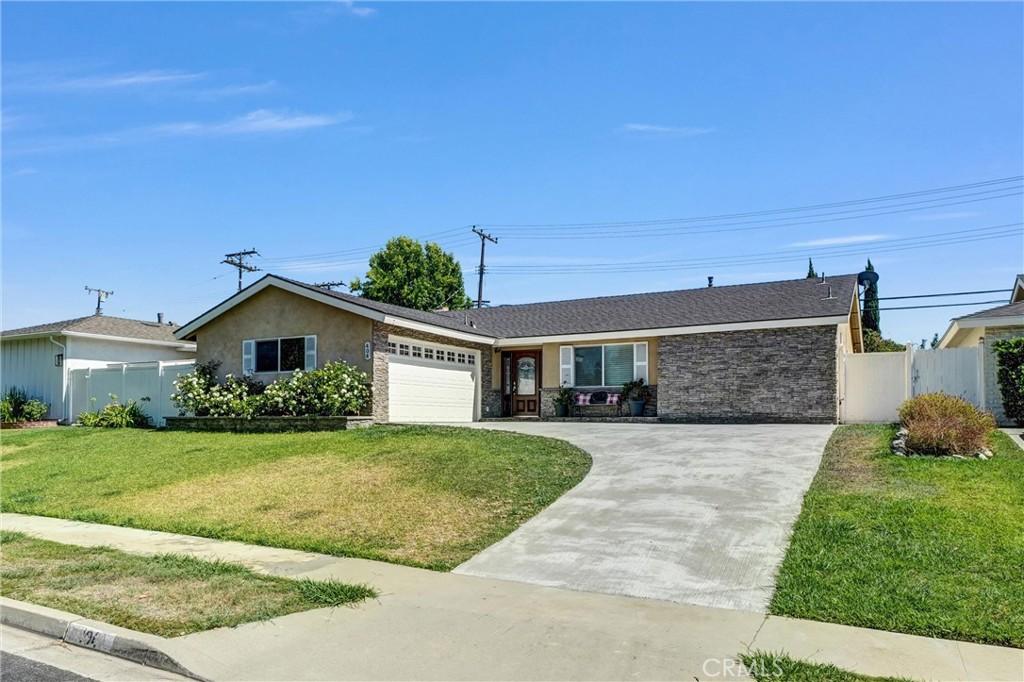
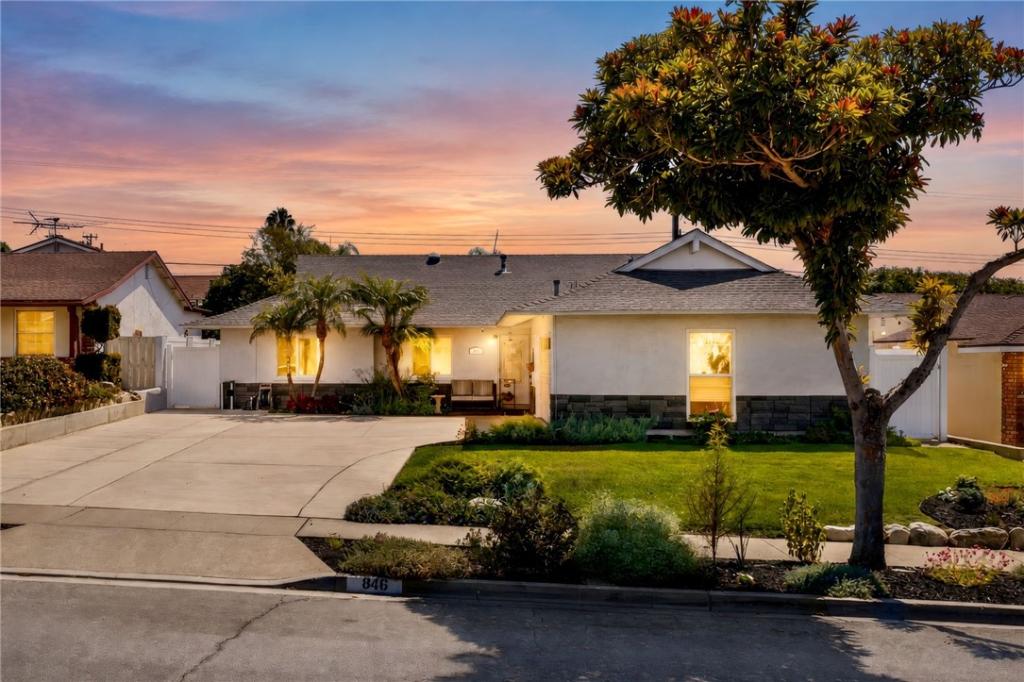
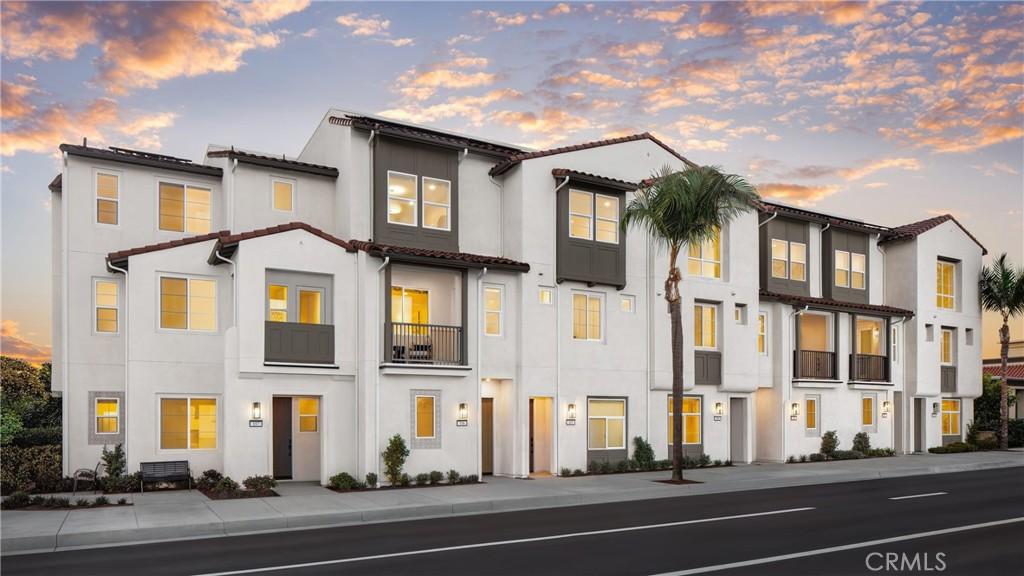
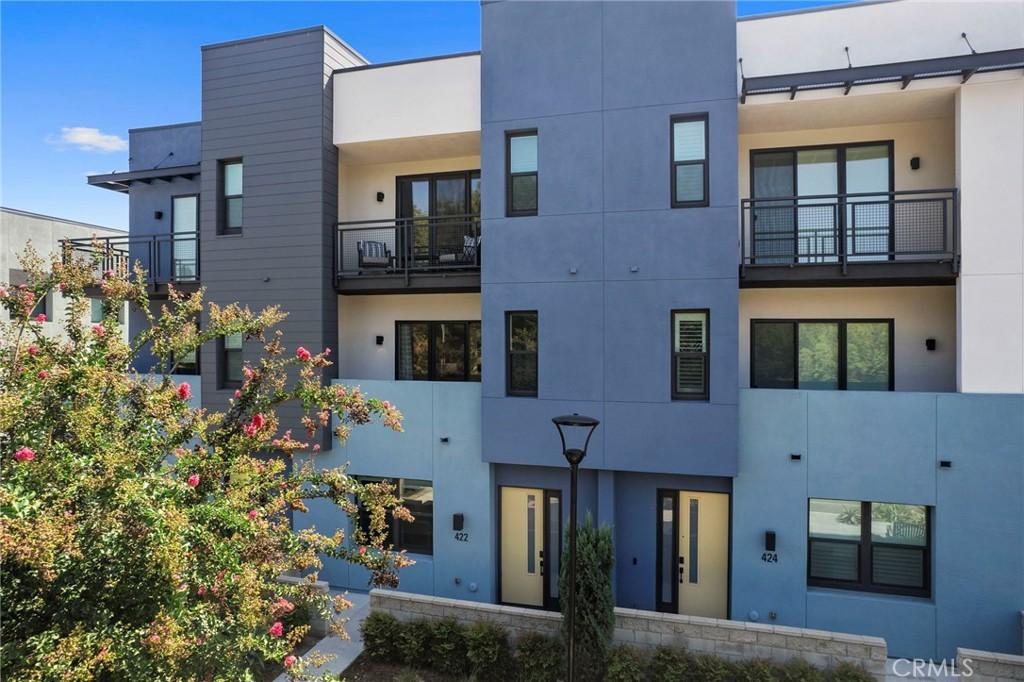
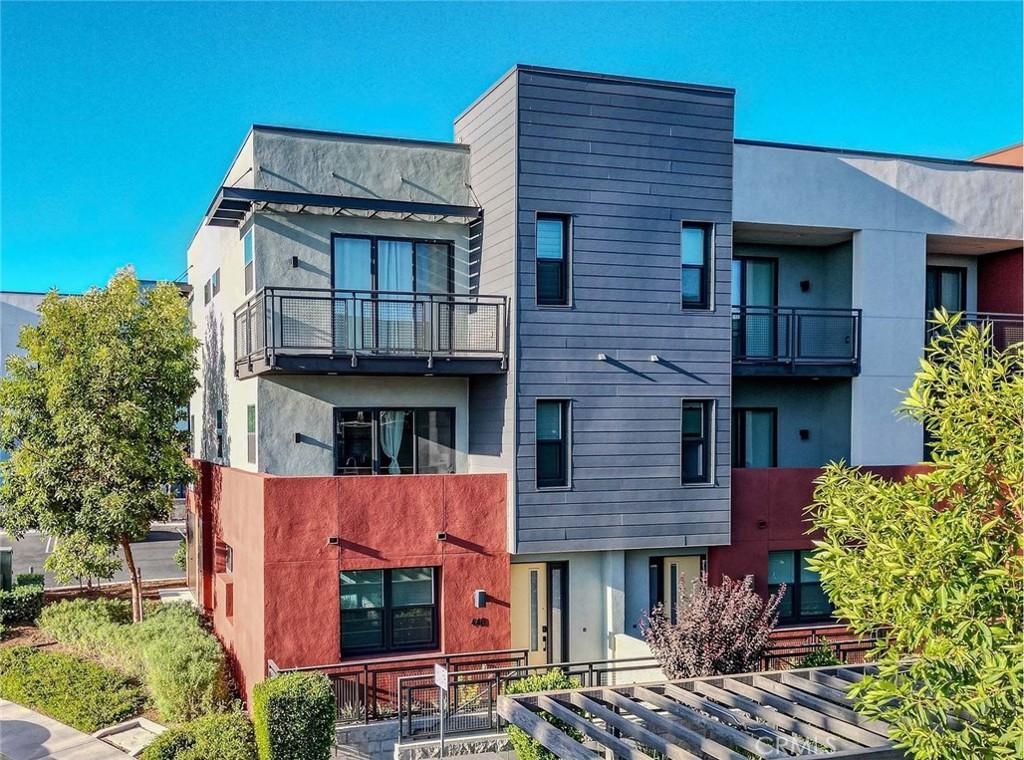
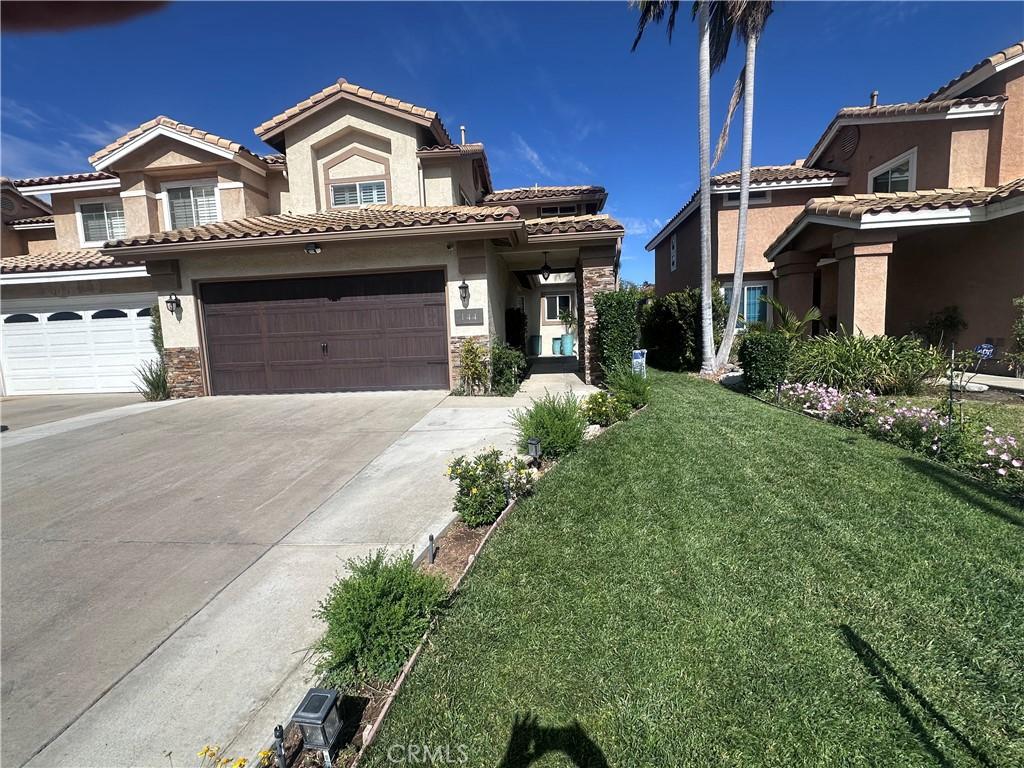
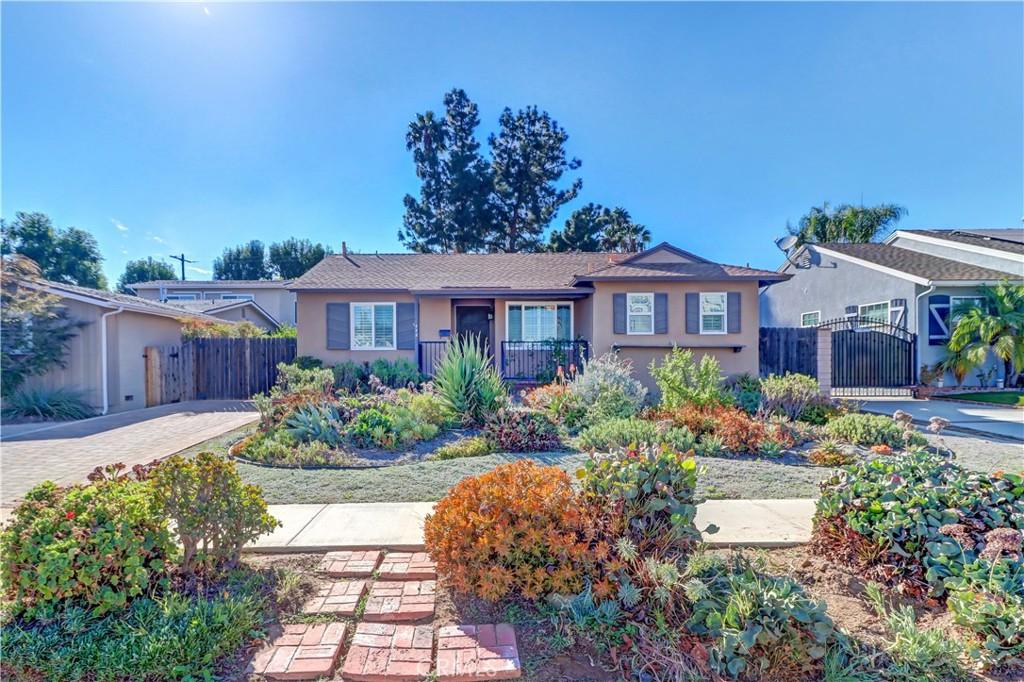
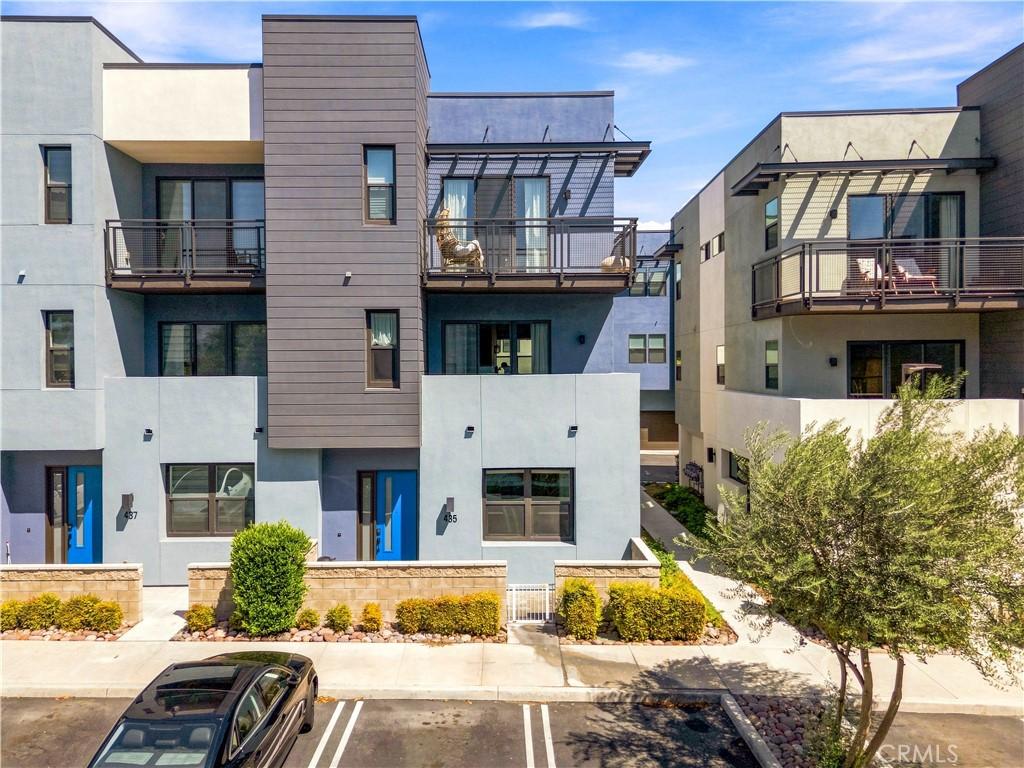
The housing stock splits. Newer master plans in the hills — Olinda Ranch, Blackstone, La Floresta — bring construction from 2000 onward, open space, and in some cases canyon views, but several carry Mello-Roos assessments. Older sections closer to downtown offer established homes, walkability to Birch Street, and often no Mello-Roos at all. Hillside edges also sit inside fire hazard territory. Which side of that trade-off fits you is the real decision.
Browse the current Brea listings below, or contact The Knight Group to talk through which part of the city actually fits how you want to live.
Where is Brea and why does its location matter?
Brea sits at the top of Orange County, pressed against the Los Angeles County line. State Route 57, the Orange Freeway, runs straight through it, crossing Imperial Highway near the Brea Mall before climbing north through Brea Canyon toward Pomona and the San Gabriel Valley. That single road is the reason Brea works as a commuter base: it links the Los Angeles Basin with the inland valleys, so buyers can hold jobs in either direction and still come home to the same house.
The strategic position has a cost. The 57 Freeway, Imperial Highway, and Carbon Canyon Road are all Caltrans-controlled routes, which means the city has limited say over how they are managed. Traffic at the crossroads is a known constant, not a surprise. If your daily drive matters to you, test it at the actual hour you would drive it before you commit to a neighborhood.
What the location buys you is optionality. Few Orange County cities give you this much reach into both counties from one address, and that reach is a large part of why demand here has stayed firm even as prices climbed.
How much do homes cost in Brea?
Brea is expensive by any national measure and priced near the top even within California. Per Redfin, the median sale price was roughly $1.1 million as of June 2026, up about 17.9% year over year. The market moves quickly at that level: Redfin data showed Brea homes receiving around 6 offers on average and selling in roughly 19 days.
Those figures move month to month, and monthly medians can swing widely because the mix of homes that happen to close in a given month is small. In March 2026, for example, the median sat well above the year’s average, while May came in lower, simply because different kinds of homes traded. Treat any single month as a data point, not a trend.
The larger pattern is what matters: Brea has posted appreciation rates higher than most of the country, and inventory has stayed tight. For a buyer, that means preparation beats speed. Financing lined up, expectations set, and a clear read on which neighborhoods actually meet your criteria will do more than trying to react quickly to a new listing.
What are the main neighborhoods in Brea?
Brea is not one uniform market. It splits between older, established sections closer to the flats and newer master-planned communities built into the hills, and the two do not behave the same way on price or carrying cost.
Olinda Ranch is a 284-acre master-planned community built on the site of a former Santa Fe Energy Resources oil field. It holds 639 homes across eight residential neighborhoods, with 98 acres set aside as permanent open space. Most of the homes here are newer, built from 2000 onward, and the community draws families for its proximity to parks and schools.
Blackstone is a hillside master plan developed by Shea Homes, planned for roughly 795 single-family and multi-family homes alongside private and public recreation areas and large tracts of preserved natural hillside. Its selling point is elevation: select home sites capture panoramic views across the canyon. It also sits adjacent to Carbon Canyon, which is worth understanding before you buy.
La Floresta is another of Brea’s newer master-planned communities and, like Blackstone, is commonly discussed alongside additional bond assessments. Older parts of the city closer to downtown offer more established housing stock and, in many cases, no Mello-Roos at all.
What is Downtown Brea and why do buyers care about it?
Downtown Brea is the walkable center most suburbs never manage to build. Birch Street is a pedestrian-friendly, roughly half-mile stretch running perpendicular to Brea Boulevard, lined with an eclectic mix of boutiques, salons, and a wide range of restaurants. The intersection of Birch Street and Brea Boulevard forms the spine of the district.
This did not happen by accident. By the 1970s and 1980s, Brea’s original downtown had declined as commerce shifted to the newer Brea Mall. In the 1990s the city launched a full redevelopment, demolishing deteriorated buildings and assembling roughly 60 acres of city-center land to build the current promenade. The result is a rare thing in the region: a downtown you can park once and walk. Homes within a short walk of Birch Street trade on that access, and it is a feature that holds up over time rather than fading like a trend.
For buyers, walkability is not a soft amenity. It is a durable value driver. Neighborhoods within reach of a real town center hold demand better than car-only tracts, and Brea’s downtown is a genuine one rather than a strip of shops calling itself a district.
What about the Brea Mall and the arts scene?
The Brea Mall is a major regional shopping anchor near the SR-57 and Imperial Highway interchange, and it has long been one of the north county’s primary retail destinations. It coexists with, rather than competes against, the downtown promenade, giving the city both enclosed regional retail and an open-air walkable district.
Brea also runs one of the oldest public art programs of its kind in the state. The Art in Public Places program was established in 1975, among the first art-in-private-development programs in California, and has produced more than 185 sculptures since its inception. The collection includes work by nationally and internationally recognized artists, and the pieces are scattered throughout the city rather than confined to a single gallery.
None of this shows up directly on a listing sheet, but it shapes the daily experience of living here and it is part of why Brea holds its identity against neighboring cities that look interchangeable from the freeway.
How are the schools in Brea?
Schools are a primary reason families buy in Brea. The Brea-Olinda Unified School District serves more than 5,700 students and operates six elementary schools, one junior high, one comprehensive high school, and one alternative high school. Brea Olinda High School is the district’s main 9th–12th grade campus.
A single unified district covering a compact city is an advantage for buyers: it keeps the school picture relatively simple compared to areas carved up among multiple districts. That said, attendance boundaries still matter, and a home’s assigned schools can differ from the nearest campus. Confirm the specific school assignment for any property before you assume it, and do not rely on a listing’s claim about which school a house feeds into.
The district’s reputation is a large part of what keeps Brea’s demand steady even when rates move against buyers. Reputation supports price, and price here has held up.
What is the history behind Brea?
Brea is an oil town at its origin. The original village of Olinda was founded in the 1890s and grew when petroleum was discovered at the adjacent Brea-Olinda Oil Field. Drilling began in 1896, and a major strike followed in 1898. In 1899 the Olinda area became the first site in California to use the technique of drilling with the hole full of water. The field developed as a fuel source for the Santa Fe Railroad, and Olinda became a boomtown at the turn of the century.
The Brea-Olinda field runs as a long, narrow band along and south of the Whittier Fault Zone, roughly six miles long and about a mile at its widest, covering around 2,000 acres. That oil heritage is not just trivia: several of today’s master-planned neighborhoods, Olinda Ranch chief among them, were built directly on former oil-field land. It is a good reminder to read the geological and environmental disclosures carefully on any hillside property.
What are the fire and natural-hazard risks in Brea?
The hillside edges of Brea sit in fire country, and that is the most important risk to weigh here. Olinda and the canyon neighborhoods are near Carbon Canyon Regional Park and Chino Hills State Park, surrounded by hills covered in chaparral. That landscape burns. The 2008 Freeway Complex Fire and, more recently, the 2026 Carbon Fire both prompted evacuation warnings and closures affecting Brea hill areas, including Olinda Village and Brea Hills.
What this means for a buyer is concrete. Homes in or near the wildland edge can carry higher insurance costs and, in some cases, difficulty securing coverage at all. Before you fall for a view, get an insurance quote on the specific address and confirm whether the property sits in a designated fire hazard severity zone. Do not treat this as a formality.
The flatter, established parts of the city away from the canyon carry far less of this exposure. This is one of the clearest cases where the exact neighborhood, not just the city, determines your carrying cost and your risk.
Will I pay Mello-Roos or special assessments in Brea?
It depends entirely on the neighborhood. Much of established Brea was built before the Mello-Roos era and carries no such assessment. Newer master-planned communities are a different story: Blackstone and La Floresta are the ones commonly cited as carrying additional bond assessments, which appear on the property tax bill under “Special Assessment Charges.”
Mello-Roos, formally a Community Facilities District, is a special financing tool California local governments use to fund infrastructure, typically running 20 to 25 years until the bonds are paid off. It is a real addition to your monthly cost, and it is not reflected in the base property tax rate. Two similar homes at similar prices can have meaningfully different total carrying costs depending on which side of a CFD boundary they fall.
The move here is simple: ask for the full property tax detail, including any special assessments, on any home you are serious about. The Knight Group will pull those figures so you are comparing true all-in cost, not just list price.
Who is Brea a good fit for?
Brea fits buyers who want newer housing, strong schools, and a real town center, and who value reach into both Orange and Los Angeles counties. Families are the core of the market here, drawn by the unified district and the family-oriented master plans in the hills. It also fits move-up buyers who want a view lot and are clear-eyed about the fire and assessment trade-offs that come with hillside living.
It is a weaker fit if you need a short, simple commute with no freeway crossroads, or if you want to avoid any wildland fire exposure and special assessments entirely. Both of those concerns are manageable in Brea, but only by choosing the right section of the city, which is exactly the kind of decision worth getting right the first time.
Should You Buy a Newer Master Plan or an Established Home?
This is the trade-off that defines Brea real estate more than any other. The hillside master plans give you newer construction, preserved open space, and in some cases canyon views — but several carry Mello-Roos assessments that add to your monthly cost on top of the mortgage and standard property tax. Run those numbers before you fall for a floor plan. A payment that works at $1.1 million without the assessment may not work with it, and the assessment does not build you equity.
Established sections closer to downtown flip the equation. Often no Mello-Roos, walkable access to Birch Street, and older housing stock that may need updating. Hillside edges also sit inside fire hazard territory, which affects insurance availability and cost — price that in early, not after you are in escrow. Decide which cost you would rather carry, then shop that half of the city.
Frequently Asked Questions About brea Homes for Sale
Is Brea in Orange County or Los Angeles County?
Brea is in Orange County, at its northern edge, directly against the Los Angeles County line. The 57 Freeway connects it into both counties, which is a large part of its appeal as a commuter base.
What is the median home price in Brea?
Per Redfin, the median sale price was roughly $1.1 million as of June 2026, up about 17.9% year over year. Monthly figures fluctuate because the number of sales in any given month is small, so treat the annual trend as more reliable than any single month.
Which Brea neighborhoods have Mello-Roos?
Newer master-planned communities such as Blackstone and La Floresta are commonly cited as carrying additional bond assessments. Much of older, established Brea does not. Always request the full special-assessment detail on a specific property before assuming either way.
Is Brea at risk of wildfire?
The hillside and canyon neighborhoods near Carbon Canyon and Chino Hills State Park sit in chaparral-covered fire country and have faced evacuation warnings, including during the 2026 Carbon Fire. The flatter, established parts of the city carry much less exposure. Get an insurance quote on the exact address before you buy near the wildland edge.
What school district serves Brea?
The Brea-Olinda Unified School District serves the city, with six elementary schools, one junior high, one comprehensive high school (Brea Olinda High School), and one alternative high school, covering more than 5,700 students. Confirm the specific attendance assignment for any home rather than assuming the nearest school.
What makes Downtown Brea different from other suburbs?
Downtown Brea centers on Birch Street, a genuinely walkable, roughly half-mile pedestrian promenade of shops and restaurants that the city built through a deliberate 1990s redevelopment. Paired with the long-running Art in Public Places program and its 185-plus sculptures, it gives Brea a town identity most freeway suburbs lack.
Are homes in Brea newer or older construction?
Both. Established sections closer to downtown offer older housing stock, while the hillside master plans like Olinda Ranch and Blackstone are largely built from 2000 onward. Your choice between them affects price, carrying cost, and hazard exposure.
How competitive is the Brea market for buyers?
Competitive. Redfin data showed homes receiving around 6 offers on average and selling in roughly 19 days, on tight inventory. Preparation, clear criteria, and financing in place matter more than trying to move fast on a listing.
How does The Knight Group work in the Brea market?
The Knight Group works Brea neighborhood by neighborhood, because in this city the neighborhood drives the numbers. The difference between a hillside master plan with a Mello-Roos assessment and fire exposure, and an established flatland home with neither, can outweigh the difference in list price. We pull the full tax and assessment detail, flag fire hazard zones, and read the environmental disclosures on former oil-field land so you are comparing true all-in cost.
We lead with the conclusion and name the trade-offs rather than talk around them. If a view lot carries an insurance problem, you will hear it before you fall for the view. If a school assignment does not match what a listing implies, we confirm it first. Browse the Brea listings below, then contact The Knight Group when you want a straight read on which part of the city fits what you actually need.
What is it like to buy Brea CA Homes?
- Brea CA Homes sit at the top of Orange County, pressed directly against the Los Angeles County line at the region’s northern edge.
- Commuter reach is the defining advantage, because a single address here can support jobs in either Orange County or Los Angeles County.
- Downtown Brea centers on a walkable Birch Street, a town center most Southern California suburbs never managed to build.
- Master-planned neighborhoods built on former oil land define much of the newer housing stock across the hillside sections.
- Olinda Ranch, Blackstone, and La Floresta are the hillside master plans offering newer construction, open space, and in some cases canyon views.
- Mello-Roos assessments attach to several of the newer hillside communities, adding carrying cost beyond the base property tax rate.
- Older sections closer to downtown offer established homes, walkability to Birch Street, and often no Mello-Roos assessment at all.
- Hillside edges of Brea sit inside fire hazard territory, which makes location within the city a genuine risk decision.
- Brea CA Homes are expensive by any national measure and priced near the top even within California itself.
- Competition runs high, with multiple offers common and homes moving quickly on inventory that has stayed persistently tight.
- Buyers weighing Brea CA Homes should test the actual commute at the hour they would drive before committing to a neighborhood.
- Preparation beats speed here, meaning financing lined up and clear neighborhood criteria matter more than reacting fast to fresh listings.
Who should consider Brea CA Homes?
- Families buy heavily into Brea CA Homes, and schools rank as a primary reason they choose the city over neighboring options.
- Brea-Olinda Unified School District serves the entire city with elementary campuses, a junior high, a comprehensive high school, and an alternative high school.
- Brea Olinda High School is the district’s main campus serving the upper grades for families across the city.
- A single unified district covering a compact city keeps the school picture simpler than areas carved among multiple districts.
- Attendance boundaries still matter, so confirm a property’s specific school assignment rather than assuming the nearest campus serves it.
- District reputation supports steady demand for Brea CA Homes even during stretches when interest rates move against buyers.
- Oil town origins shape the city, since the original village of Olinda grew after petroleum was discovered at the Brea-Olinda Oil Field.
- The Brea-Olinda field runs as a long, narrow band along and south of the Whittier Fault Zone.
- Olinda Ranch and other master-planned neighborhoods were built directly on former oil-field land, making environmental disclosures worth reading closely.
- Hillside and canyon neighborhoods near Carbon Canyon Regional Park and Chino Hills State Park sit surrounded by chaparral that burns.
- Insurance costs run higher near the wildland edge, and coverage can be difficult to secure at some specific addresses.
- Flatter established parts of the city carry far less fire exposure than the canyon and hillside edges.
- Mello-Roos, formally a Community Facilities District, funds infrastructure and appears on the tax bill under Special Assessment Charges.
- Buyers comparing Brea CA Homes should request full property tax detail, including special assessments, to weigh true all-in carrying cost.
What questions do buyers ask about Brea CA Homes?
- Brea sits in Orange County at its northern edge, directly against the Los Angeles County line rather than inside Los Angeles County.
- Monthly price figures fluctuate because sales volume in any given month is small, making the annual trend the more reliable read.
- Newer master-planned communities such as Blackstone and La Floresta are commonly cited as carrying additional bond assessments.
- Much of older, established Brea carries no Mello-Roos, so request the full special-assessment detail on a specific property before assuming.
- Wildfire risk concentrates in the hillside and canyon neighborhoods near Carbon Canyon and Chino Hills State Park.
- Insurance quotes on the exact address are essential for anyone buying Brea CA Homes near the wildland edge.
- Brea-Olinda Unified School District serves the city, and buyers should confirm attendance assignment rather than assuming the nearest school.
- Downtown Brea centers on Birch Street, a genuinely walkable pedestrian promenade of shops and restaurants built through deliberate redevelopment.
- The Art in Public Places program and its many sculptures give Brea a town identity most freeway suburbs lack.
- Brea CA Homes include both older established housing stock near downtown and newer hillside master plans like Olinda Ranch and Blackstone.
- The market runs competitive, with multiple offers common and tight inventory rewarding clear criteria and financing already in place.
- Neighborhood drives the numbers in this city, so a hillside master plan and a flatland home differ beyond list price.
- The Knight Group pulls tax and assessment detail, flags fire hazard zones, and reads environmental disclosures on former oil-field land.