Browse all Orange County real estate.

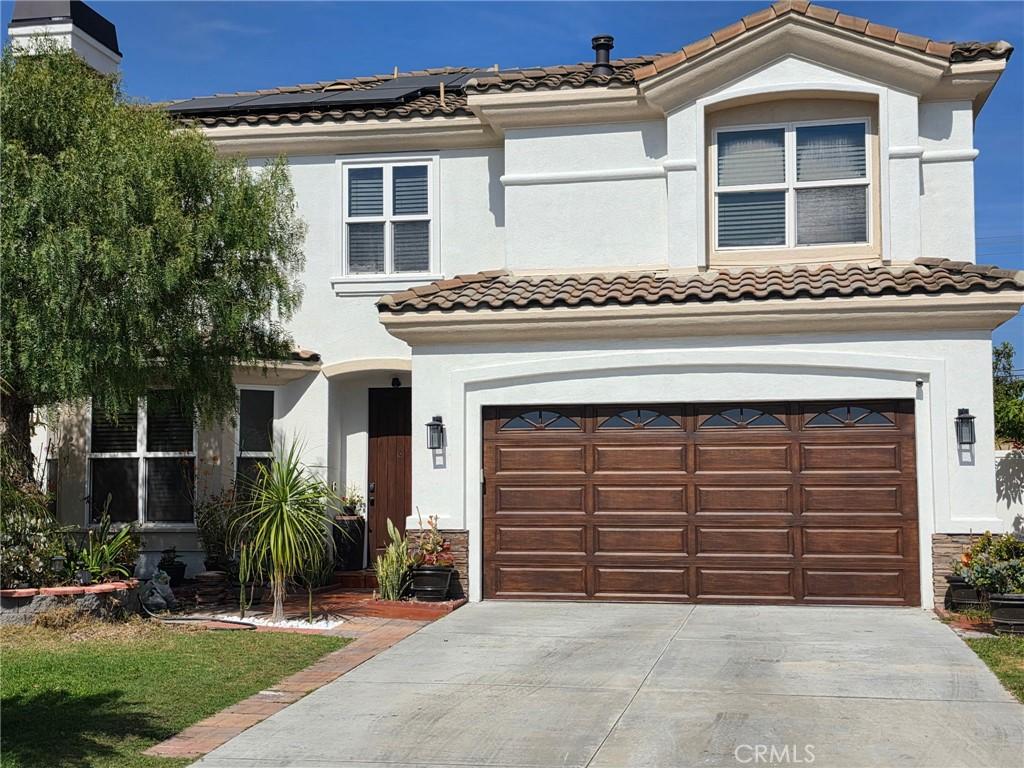
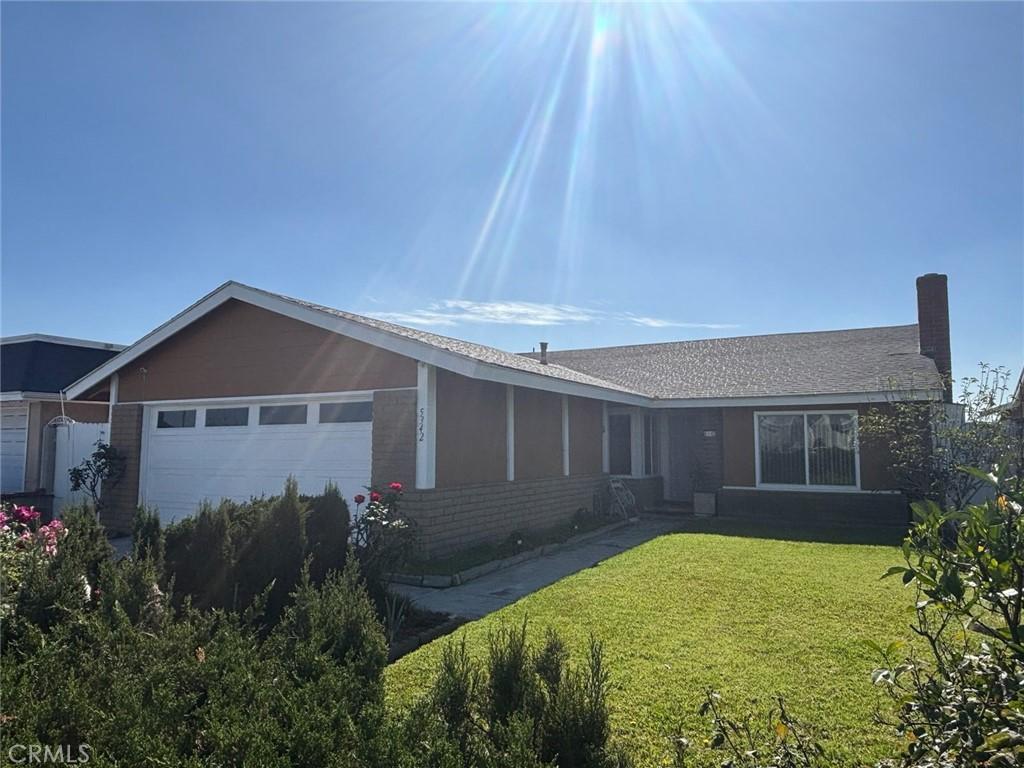
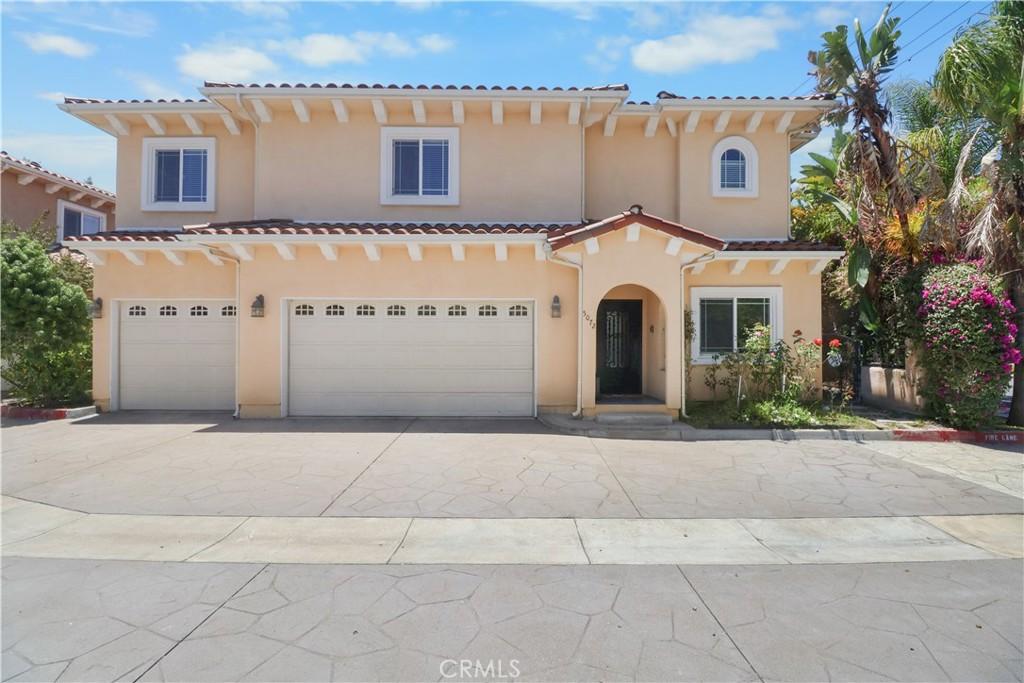
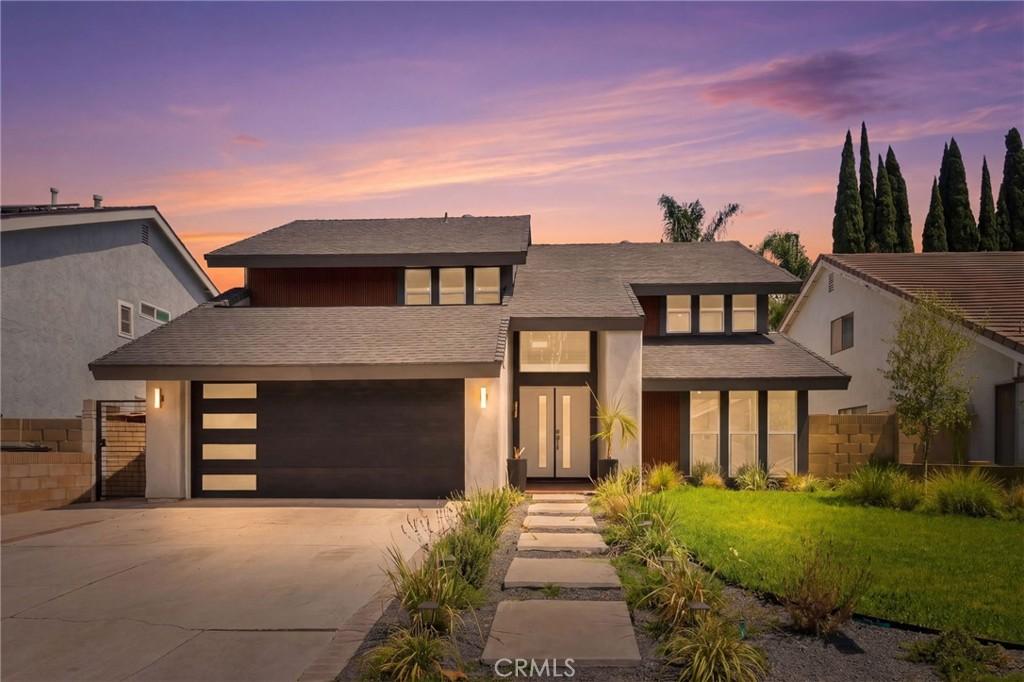
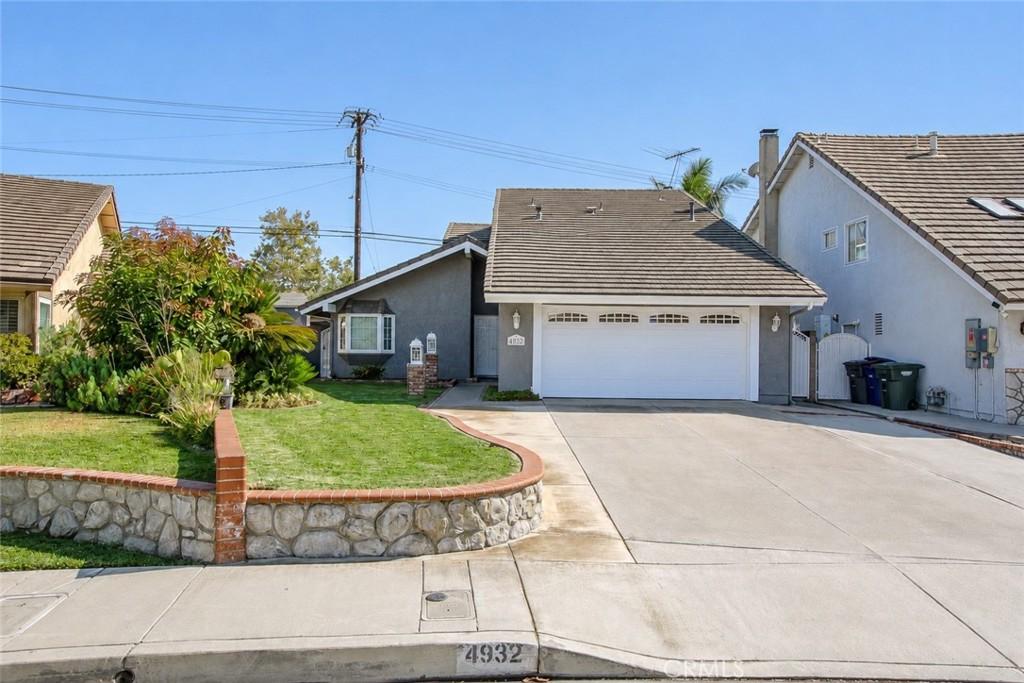
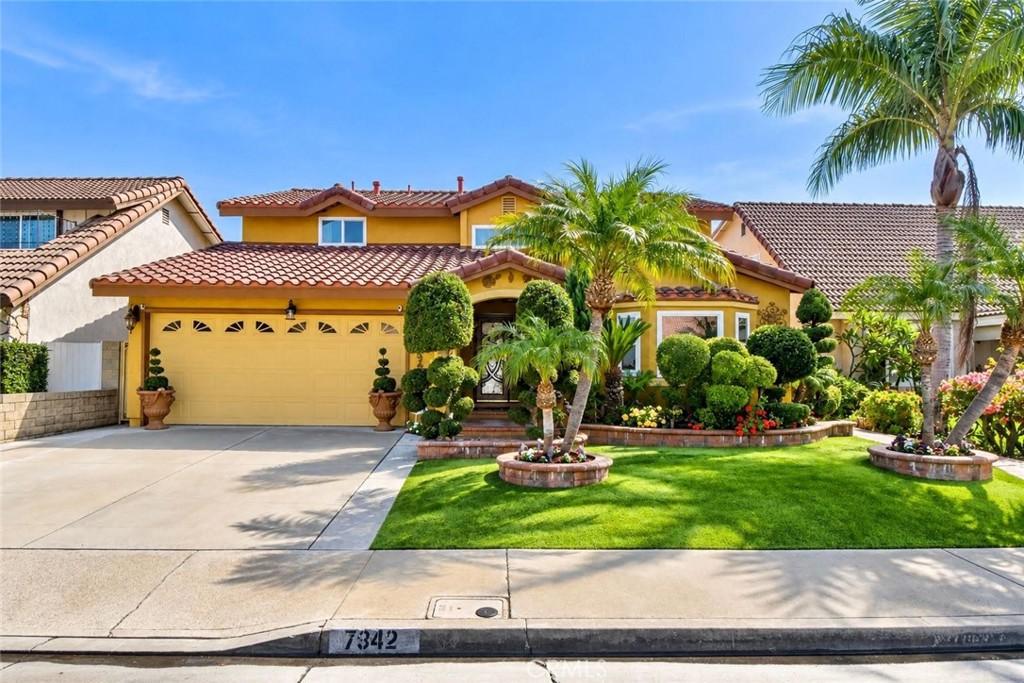
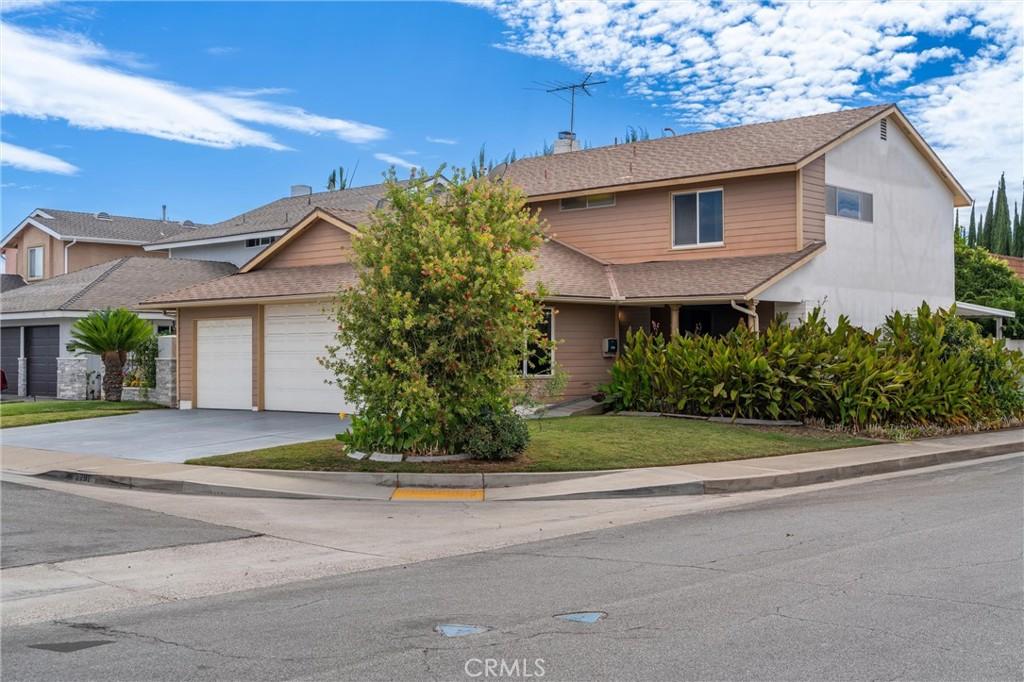
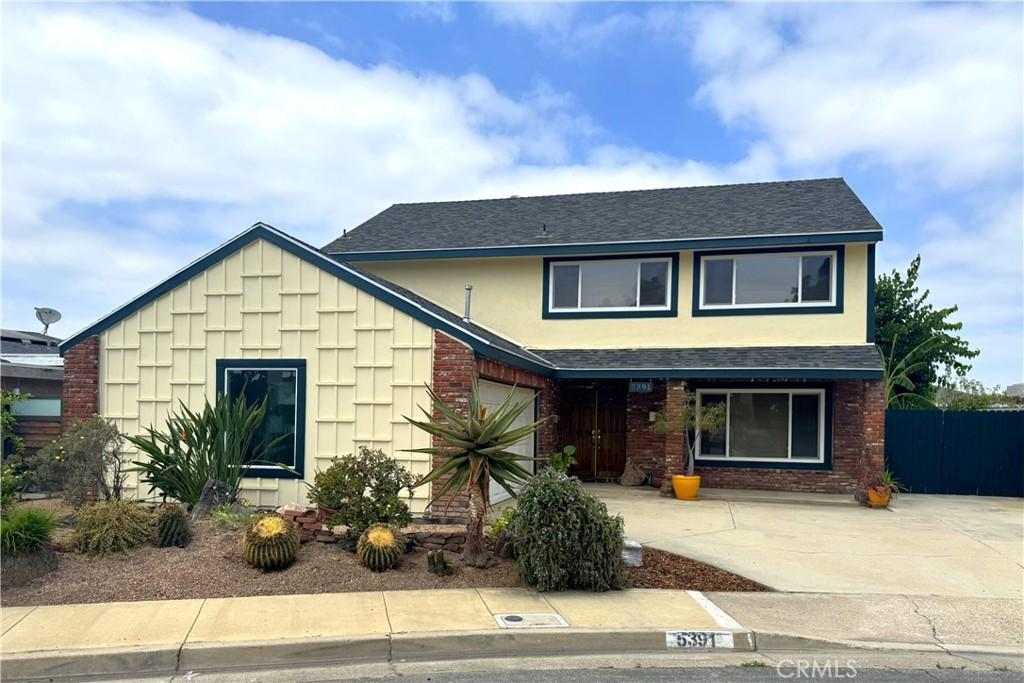
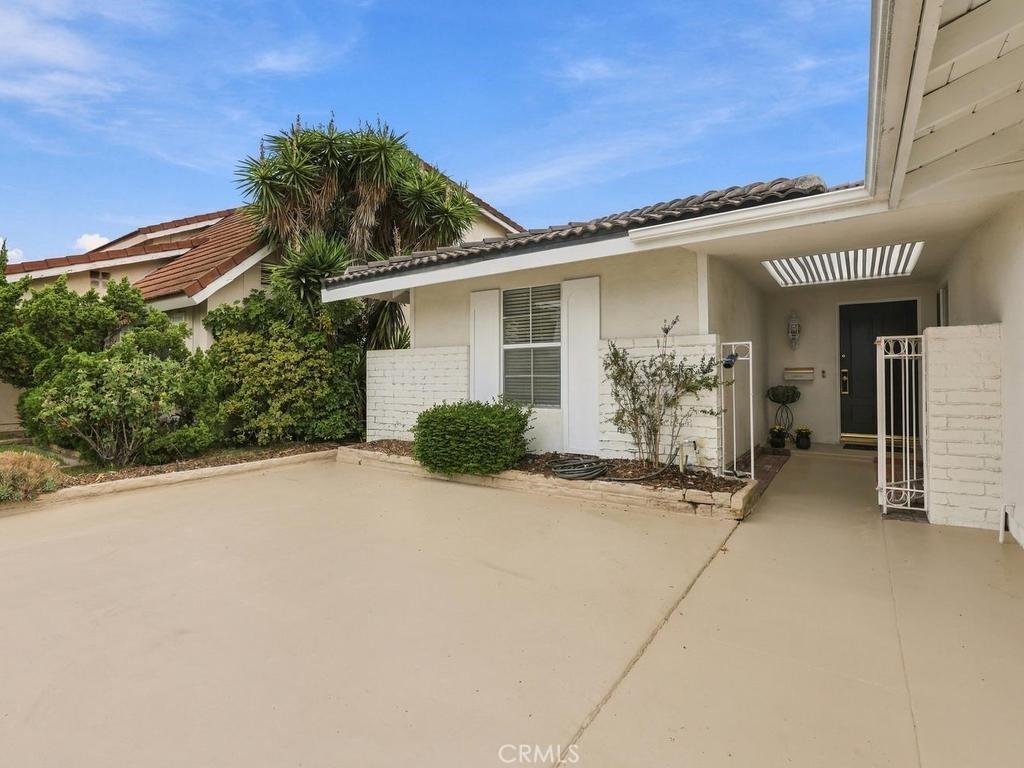
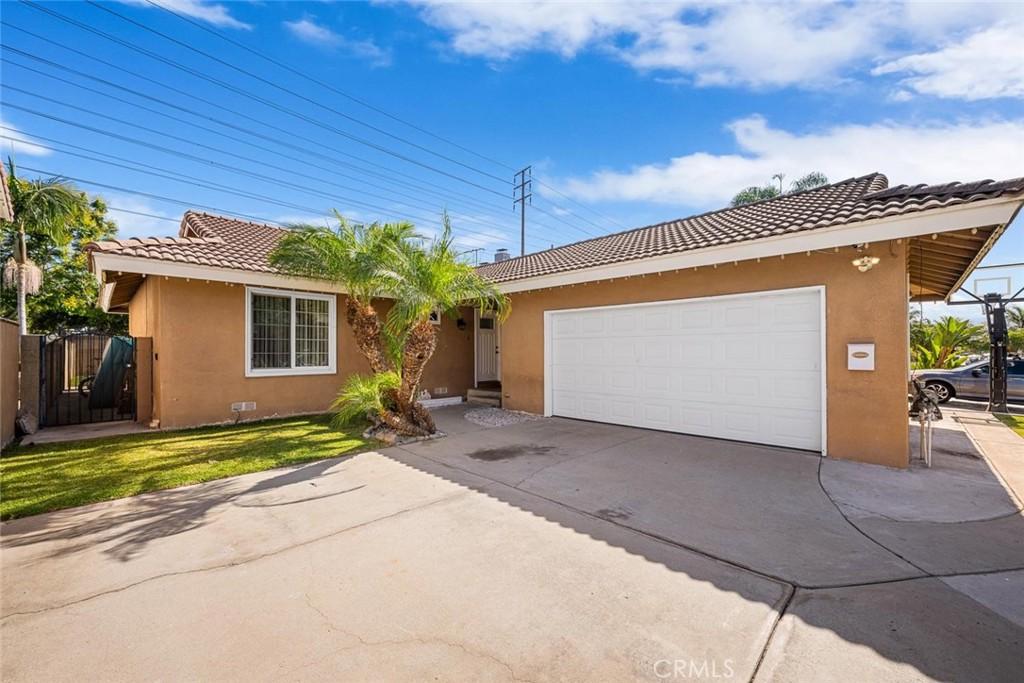
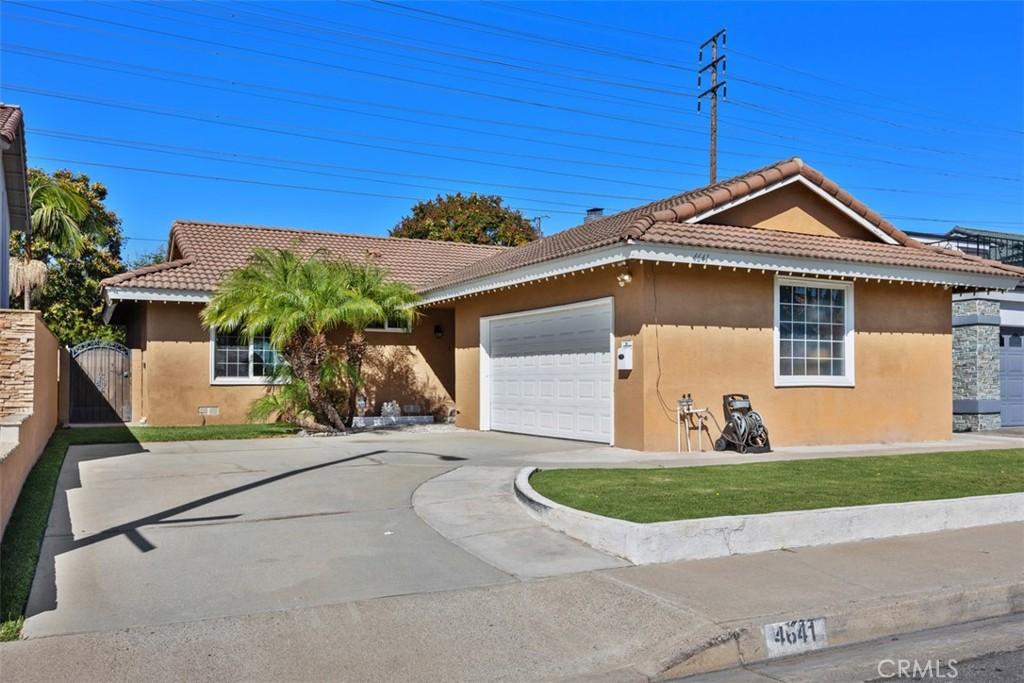
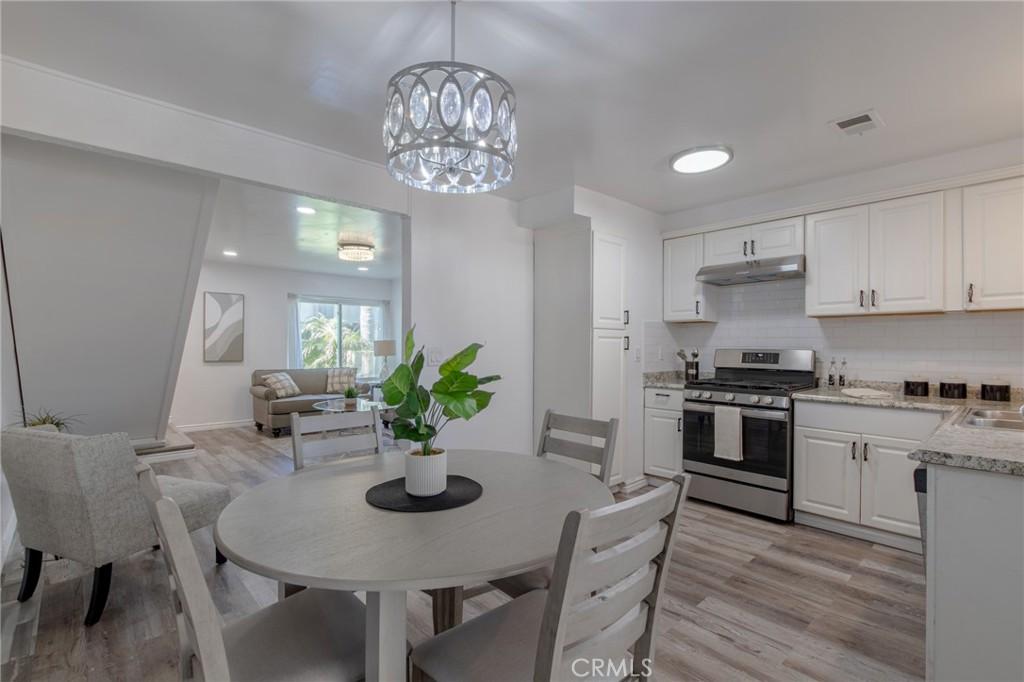
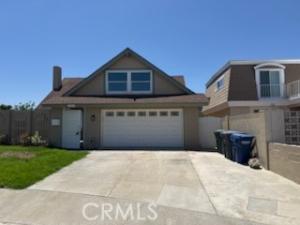
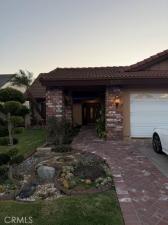
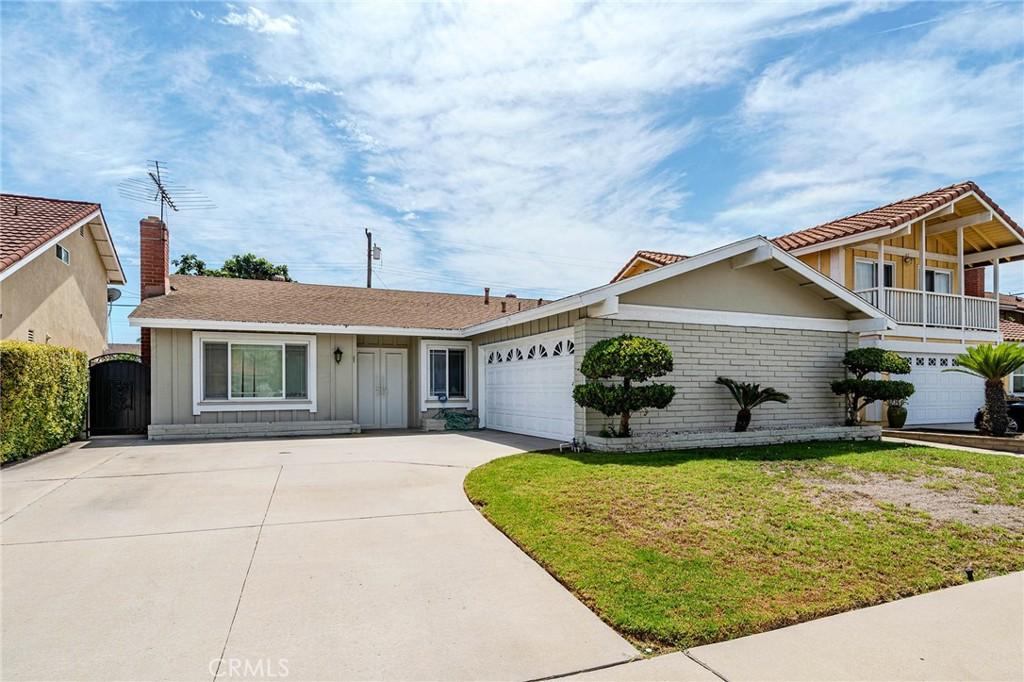
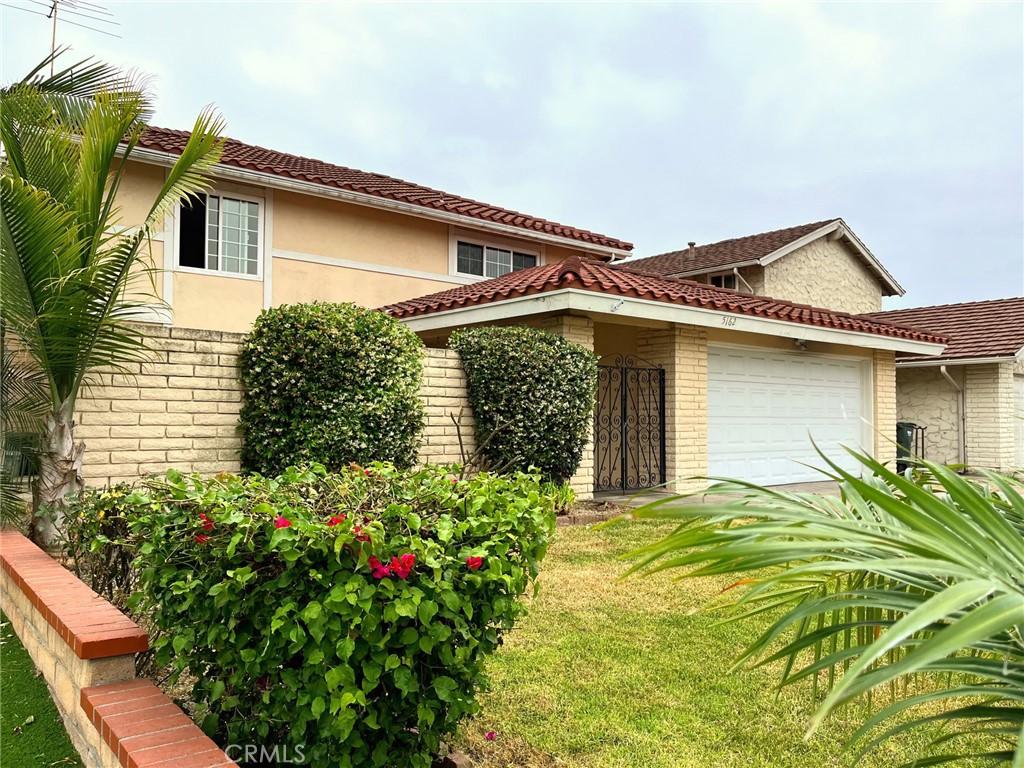
La Palma CA Homes for Sale currently number 14 active listings with a median asking price of $1,219,499 (CRMLS, September 2026).
Most people looking at La Palma CA homes for sale are looking at the smallest city in Orange County by land area, 1.78 square miles, and that compact footprint drives everything about inventory here. La Palma sits in the far northwest corner of the county against the Los Angeles County line, bordering Cerritos, Buena Park, Lakewood, and Cypress, with a single ZIP code of 90623. Roughly 68% of households owned their homes as of the 2020 Census, and the median household income was $115,833 in the 2023 American Community Survey. Owners stay, so listings are scarce.
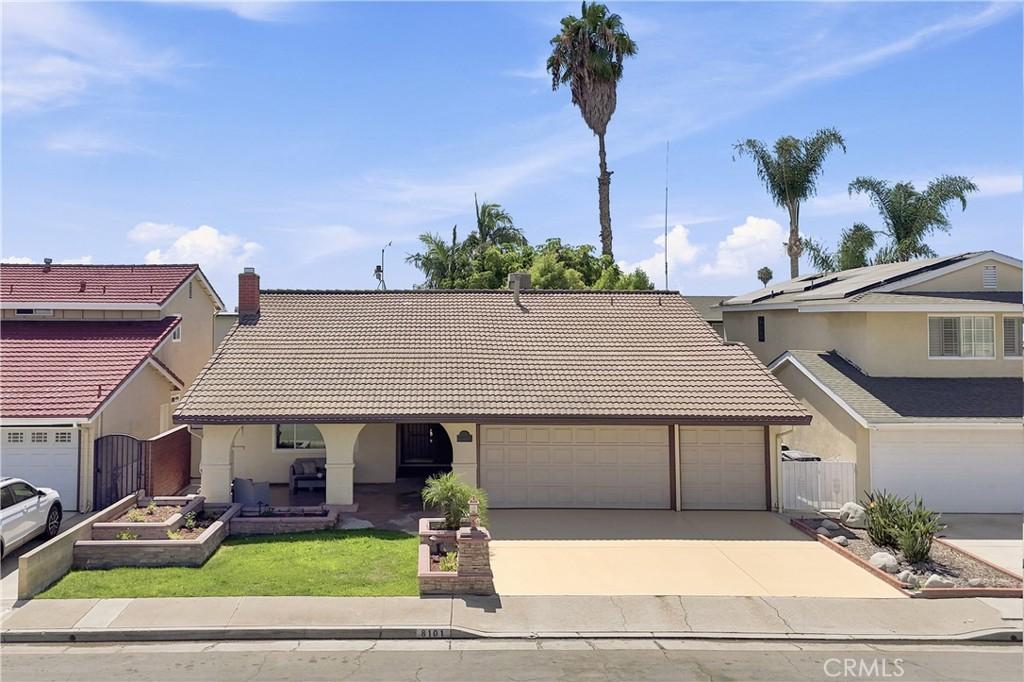
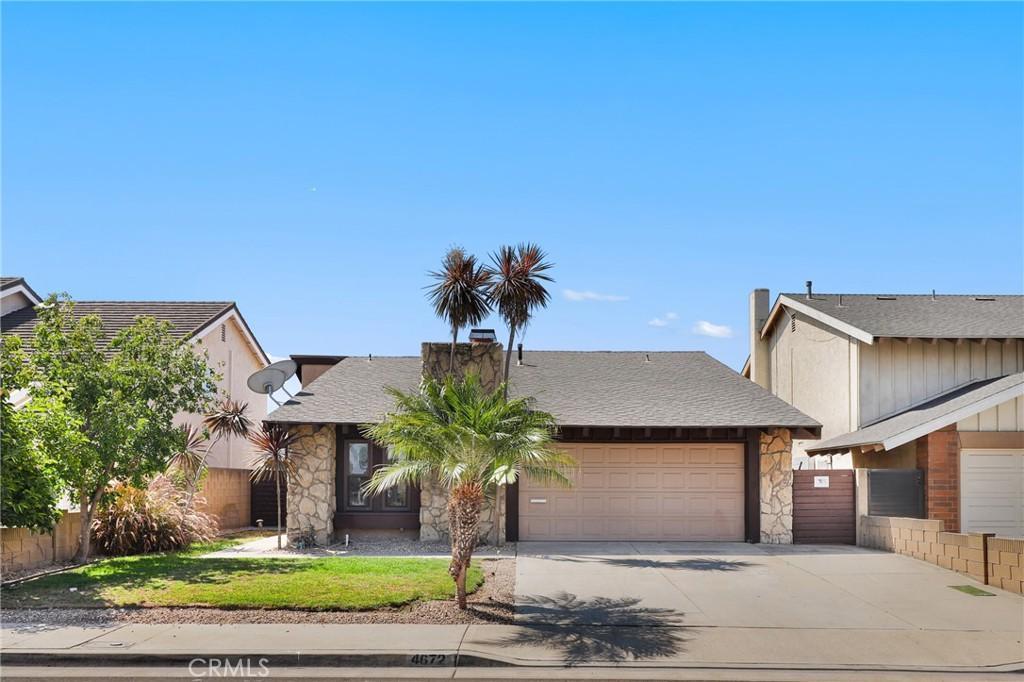
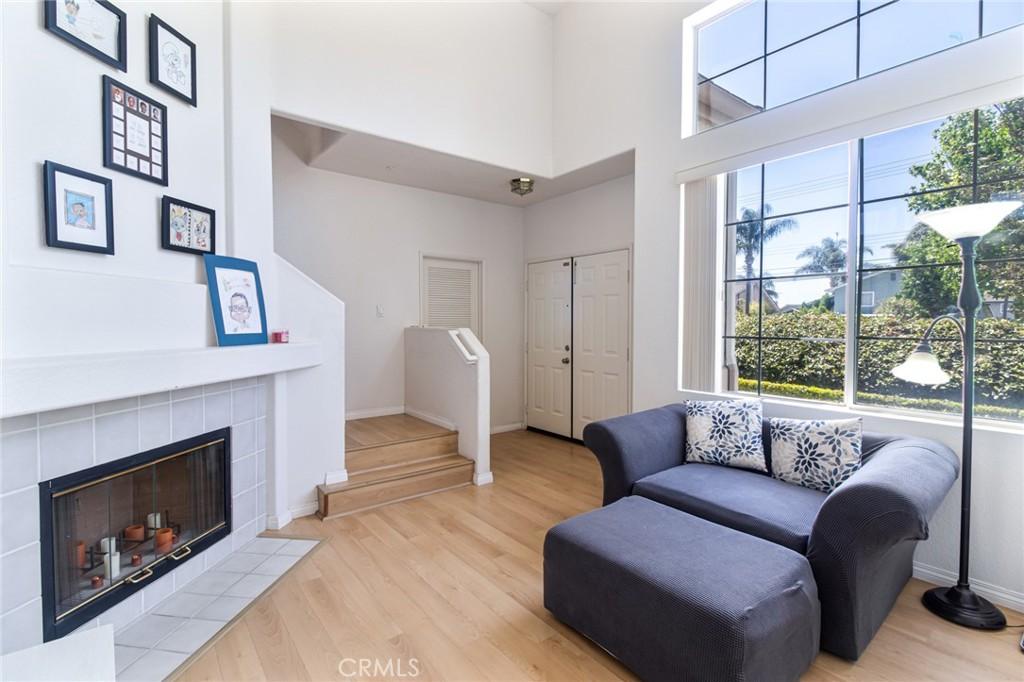
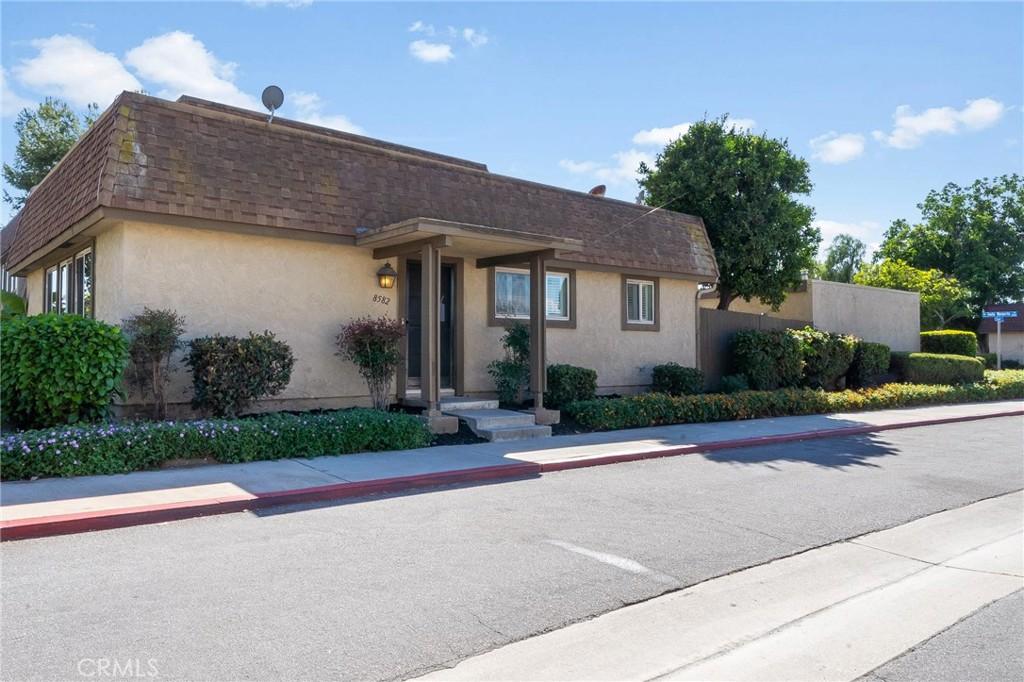
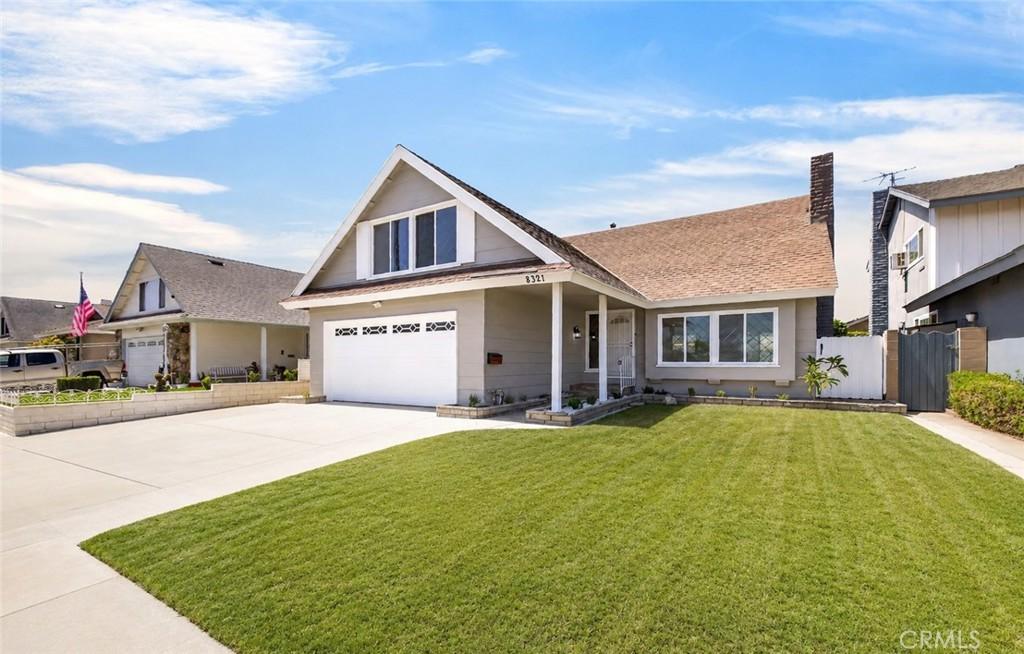
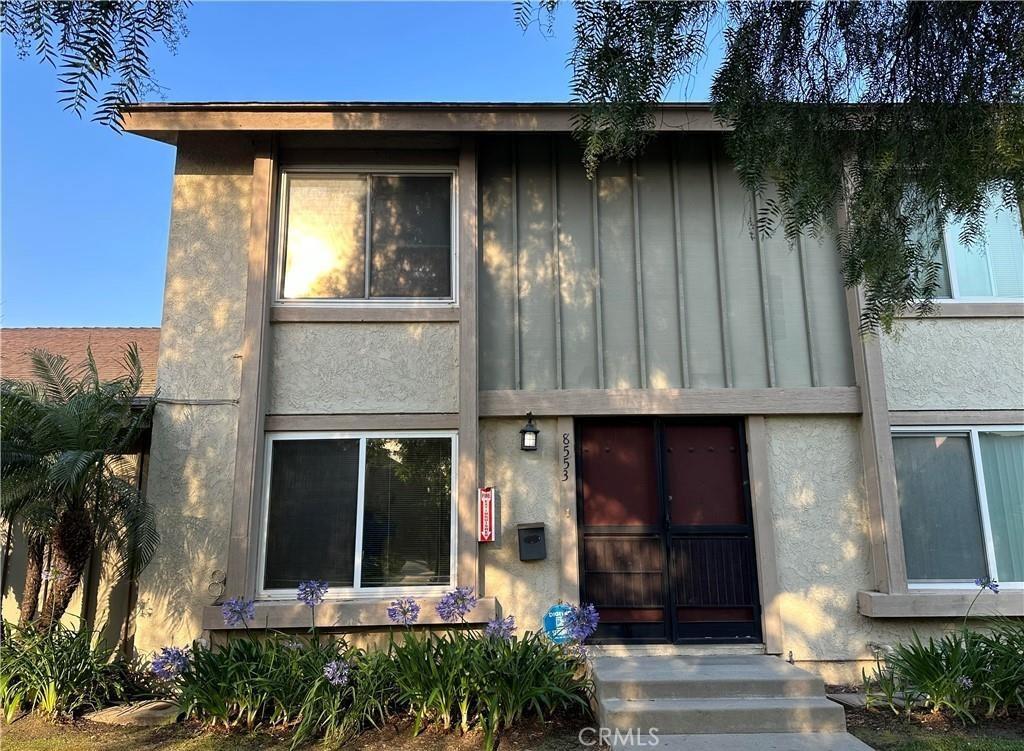
The housing is predominantly single-family detached, built mostly between the late 1950s and the 1970s on flat, uniform lots. Expect resale homes with some age, not new construction, so condition and update history swing pricing widely between two similar houses on the same street. Schools vary by address too: elementary students attend either Centralia or Cypress School District campuses, with Anaheim Union High School District at the secondary level.
If you want to see what is actually available right now, browse the active listings below, or contact The Knight Group directly and we will tell you honestly whether the timing and the inventory line up with what you are looking for.
La Palma sits in the far northwest corner of Orange County, pressed against the Los Angeles County line. It borders Cerritos to the north, Buena Park to the east, and Lakewood and Cypress to the south, which puts it at a seam between two counties and several distinct submarkets. Its ZIP code is 90623.
That border position matters more than most buyers expect. A home in La Palma is minutes from Los Angeles County services, shopping, and freeway corridors, while still carrying an Orange County address and Orange County schools. For buyers weighing La Palma against neighboring Cerritos or Cypress, the practical differences often come down to school attendance areas, property tax base, and which arterial you use to reach work, not distance.
The city is dense for a suburb. With about 15,581 residents recorded in the 2020 Census packed into 1.78 square miles, the population density runs near 8,750 people per square mile. In practice that reads as tidy, close-set residential blocks rather than large-lot estates. Anyone picturing sprawling acreage should recalibrate: La Palma is about efficient, well-kept lots on a walkable street grid.
La Palma was not always called La Palma. The city incorporated on October 26, 1955 under the name Dairyland, a nod to the dairy farms that covered this part of northern Orange County in the postwar years. As the dairies relocated eastward and the land converted to housing, the city adopted the name La Palma in 1965.
That history explains the building stock. Most of La Palma’s homes were built in the residential development wave of the late 1950s through the 1970s, which means solid mid-century tract construction on flat, engineered lots. It also means the housing is mature: established trees, finished infrastructure, and a street pattern that was fully laid out decades ago. Buyers are almost always purchasing a resale home with some age on it, not new construction, so the condition and update history of any specific property carries real weight in pricing.
The city runs on a Council-Manager form of government, the standard professional-management structure for California suburbs of this size. For residents that translates to predictable municipal services and a small-city responsiveness that larger neighbors cannot always match.
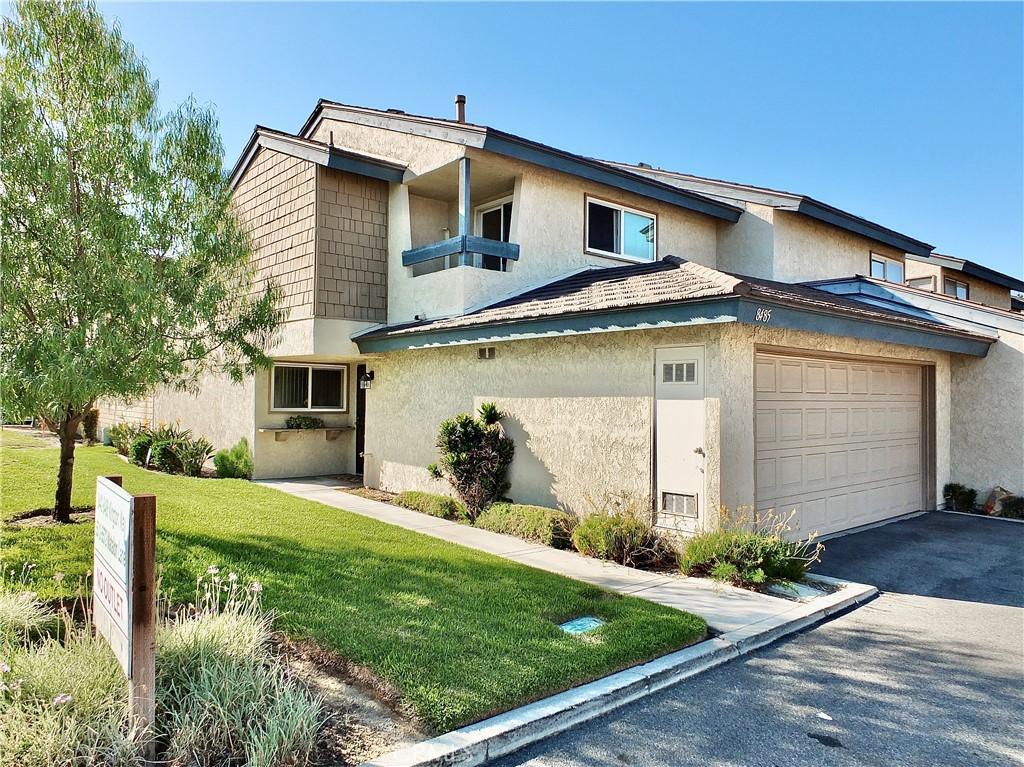
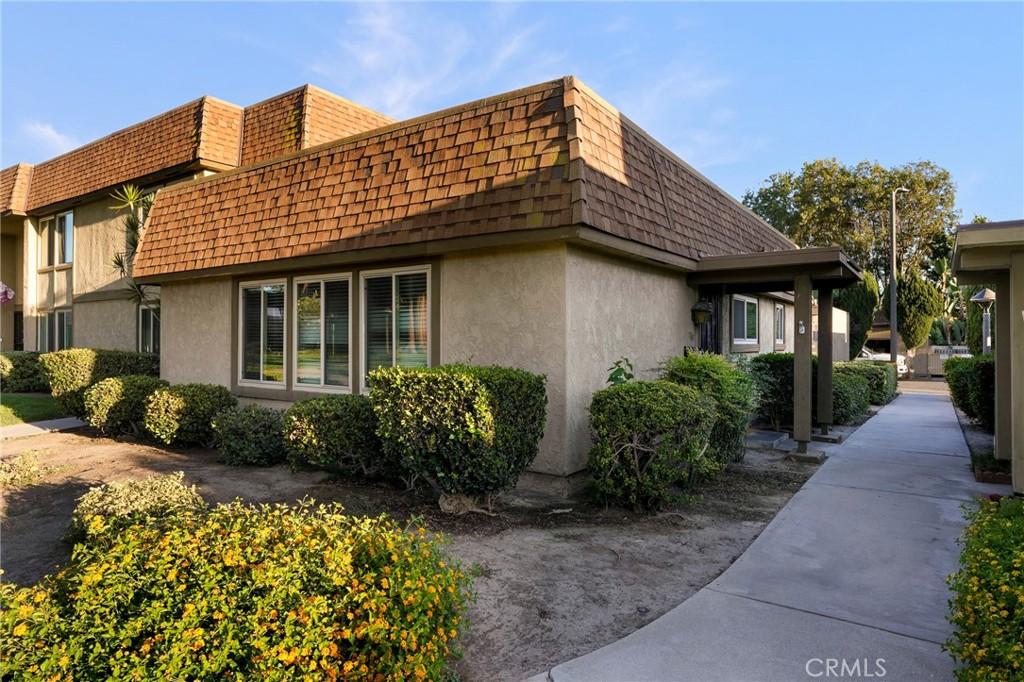
La Palma is predominantly single-family detached housing. The homes are largely the product of one concentrated build-out era, which gives the city a consistent architectural character: single-story and two-story tract homes on modest, uniform lots. You will find far fewer high-density condo towers or large new apartment complexes here than in nearby Buena Park or along the freeway corridors, because the city simply ran out of undeveloped land long ago.
The trade-off of a fully built-out city is inventory. There is no meaningful pipeline of new homes coming online, so supply depends almost entirely on existing owners deciding to sell. Given the high ownership rate and stable, higher-income resident base, turnover is low. That tends to support prices on the downside but also means buyers should be ready to move decisively when a home that fits comes up, because the next comparable listing may be weeks or months away.
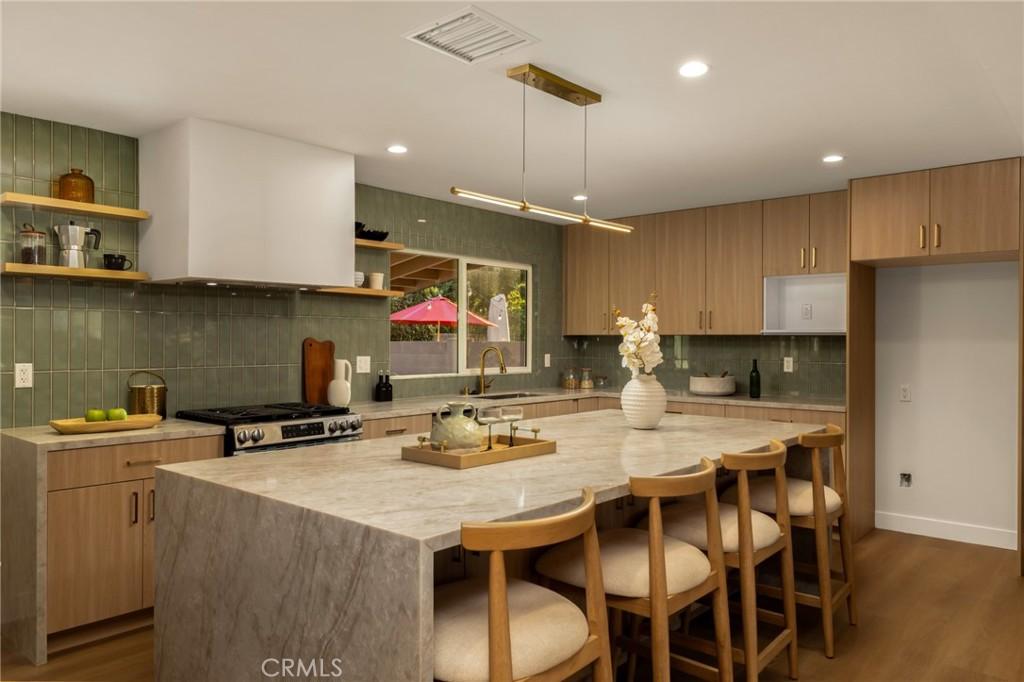
Because the housing is older, the spread between an updated home and a dated one can be wide. Two homes on the same street with similar square footage can price very differently depending on kitchens, systems, roofing, and whether the floor plan has been opened up. This is a market where walking the property and reading the condition correctly matters as much as reading the comparable sales.
La Palma is served by more than one district, which is an important detail for family buyers because your street determines your schools. Elementary students attend campuses in the Centralia Elementary School District or the Cypress School District depending on location. Named elementary schools associated with the city include Los Coyotes Elementary and G.B. Miller Elementary in the Centralia district and Steve Luther Elementary in the Cypress district.
At the secondary level, La Palma falls within the Anaheim Union High School District. Walker Junior High School serves the middle grades, and John F. Kennedy High School serves high school students. Because attendance boundaries can cut through a small city like this one, verify the exact assigned schools for any specific address before you write an offer. A difference of a few blocks can change both the elementary district and the assigned campus.
There are also specialized options in the area, including Beacon Day School, which serves children with autism and related needs. Families with particular educational requirements should factor those options into the location decision rather than treating the whole city as interchangeable.
Location is one of La Palma’s strongest selling points. Sitting at the Orange and Los Angeles county line in north Orange County, the city gives residents quick reach to several major freeway corridors serving the Riverside, Santa Ana, and Long Beach directions, which opens up job centers across two counties without committing a resident to a single congested route.
Public transit is limited but present. The Orange County Transportation Authority runs three bus routes serving La Palma, which supports local trips and connections to the broader OCTA network. This is not a transit-first city, though. Like most of north Orange County, it is built around driving, and the real commute advantage is road access rather than rail.
For buyers, the practical takeaway is that La Palma works well for households commuting in multiple directions. A two-earner household with one person working toward Los Angeles and another toward Orange County or the Inland Empire can both live here without either drawing the short straw on drive time. Confirm the specific routes and current traffic patterns for your own commute before you commit, since arterial timing varies block to block.
La Palma is a quiet, residential, service-oriented city rather than a nightlife or destination-shopping town. Its compact footprint means most daily needs are met either within the city or a short drive across the border in Cerritos, Buena Park, or Cypress, all of which carry large retail and dining bases. Residents get small-city calm with big-box and regional shopping minutes away.
The city has its own civic and medical footprint despite its size. La Palma Intercommunity Hospital gives residents a local healthcare anchor, and civic landmarks such as the Eternal Flame Veteran Memorial reflect a community that invests in its public spaces. The top employer in the city is ADP, which reported 565 employees locally, so there is a daytime working population alongside the residential base.
The overall texture is orderly and family-oriented. This is a place people move to for the schools, the safety of a small municipal footprint, and the reliability of an established neighborhood, not for reinvention or trend-chasing. Buyers who value that steadiness tend to stay a long time, which is part of why homes here rarely turn over quickly.
Scarcity is the defining feature of buying in La Palma. Because the city is fully built out and owner-occupancy is high, the number of homes for sale at any given moment is small. That structural shortage means well-priced, updated homes can attract serious competition even when the broader market cools, while dated or overpriced homes can sit until the number is corrected.
The right strategy is preparation over speed-for-its-own-sake. Have financing fully arranged, understand the condition premium described above, and know in advance what an updated home versus a project home should cost so you can recognize value the moment it appears. We do not publish a specific median price here because the figure moves and a stale number is worse than none, but The Knight Group will walk you through current, address-level comparable sales so you are working from live data rather than a headline.
Sellers have a different set of levers. In a low-inventory city, correct pricing and presentation can produce strong results because there are few alternatives for buyers who have decided they want to be in La Palma specifically. The mistake is assuming scarcity does the work by itself. It does not. Condition, staging, and an accurate read of the comparable set still determine whether a home sells near the top of its range or lingers.
Start with property taxes. California homes are assessed under Proposition 13, which sets the base assessment at the purchase price and caps annual increases, so your tax base largely resets to what you pay. Most of La Palma’s housing predates the Mello-Roos era, since the Community Facilities Act that created Mello-Roos special taxes passed in 1982 and the bulk of the city was built before then, so established homes typically carry standard assessments rather than Mello-Roos add-ons. Confirm the exact tax picture on any specific parcel, because there is no substitute for pulling the actual assessment.
HOA exposure is generally lower here than in newer master-planned communities, because most of La Palma is older single-family housing that was never organized under a homeowners association. That said, some pockets and any newer or attached product can carry HOA dues and Davis-Stirling Act governance, so always verify whether a specific home has an association and, if so, request the governing documents and financials.
On rent and resale rules, La Palma is a distinct Orange County city and is not inside the City of Los Angeles, so the City of LA transfer taxes commonly referred to as Measure ULA do not apply to sales here. Investor buyers should still account for California’s statewide framework: the Costa-Hawkins and AB 1482 rules govern residential rentals across the state, though many single-family homes are exempt from AB 1482’s rent cap when the required exemption notice is given. Any investor should confirm how those rules apply to a specific property before underwriting a rental.
One risk that genuinely does not weigh heavily here is wildfire. La Palma is flat, fully urbanized north Orange County, not hillside or wildland-interface terrain, so it sits outside the very-high fire hazard zones that raise insurance costs in the county’s canyon and foothill communities. That is a real, quantifiable advantage on insurance and long-term carrying cost relative to higher-risk parts of Southern California.
Be honest with yourself about what a 1.78-square-mile city can and cannot offer. The upside is calm, cohesion, and a strong ownership base. The downside is limited choice. If you have a narrow list of must-haves, a specific square footage, a particular school assignment, a three-car garage, you may wait a while for the right home to surface, because the total pool of homes is small and turnover is slow.
The second trade-off is age. You are almost always buying an older home, which can mean updating kitchens, baths, systems, or windows on your own timeline. That is not a flaw; it is the nature of an established city, and it is often where value is created. But it should be priced into your budget and your expectations from the start.
The third is that a small city has a small commercial core. For big-format shopping, dining variety, and entertainment, you will cross into neighboring cities. Most residents consider that a fair exchange for a quiet street and a stable neighborhood, but it is worth naming plainly so the decision is made with eyes open.
The typical La Palma buyer is an owner-occupier, frequently a family, drawn by schools, safety, commute flexibility, and the higher-income, stable-neighbor profile the numbers describe. This is not primarily a flipper’s market or a high-churn rental market; the 68% ownership rate from the 2020 Census tells you most homes are lived in by their owners.
The typical seller is a long-term owner. In a city where people stay put, sales are often driven by life events, upsizing, downsizing, relocation, or estate transitions, rather than short-hold speculation. That gives the market a measured, deliberate rhythm. It also means that when a well-maintained home from a long-term owner reaches the market, it can be a genuinely strong opportunity, because those homes are not common and do not stay available long.
La Palma real estate rewards preparation more than patience. Because the city is built out and owners tend to stay, you are usually choosing among a handful of properties rather than a broad field, and the one that fits your budget and floor plan may not have a close substitute for a while. That argues for having financing fully arranged, your must-haves separated from your preferences, and an agent who can get you into a home the week it lists. It also means being realistic: if nothing suitable is on the market this month, waiting is often smarter than stretching for a house that does not work.
The other half of the work is evaluating condition. With a mid-century building stock, budget for what a home may need after closing, and weigh whether you would rather pay for someone else’s remodel or do your own. Buyers open to a fixer often have more to choose from.
By land area, yes. La Palma covers 1.78 square miles, which its records identify as the smallest municipal footprint in Orange County. That compactness is central to why its housing inventory is so limited.
La Palma is in Orange County, in the county’s far northwest corner directly against the Los Angeles County line. It borders Cerritos, Buena Park, Lakewood, and Cypress.
It depends on your exact address. Elementary students attend the Centralia or Cypress school districts, and secondary students fall within the Anaheim Union High School District, including Walker Junior High School and John F. Kennedy High School. Always verify the assigned schools for a specific home before you buy, because boundaries cut through the city.
Yes. La Palma is predominantly single-family detached housing built largely from the late 1950s through the 1970s. There is comparatively little high-density condo or new-apartment product within the city limits.
Usually not on established homes. Most of La Palma’s housing predates the 1982 Mello-Roos legislation and was never placed under an HOA. Some newer or attached properties may carry HOA dues under the Davis-Stirling Act, so confirm on the specific home.
No. La Palma is its own Orange County city and is not inside the City of Los Angeles, so the Measure ULA transfer tax that applies to City of LA sales does not apply to La Palma sales.
Not meaningfully. La Palma is flat, fully urbanized terrain and sits outside the very-high fire hazard severity zones found in the county’s foothill and canyon areas, which is a favorable factor for insurance cost.
It can be competitive for the right home despite the quiet reputation, because inventory is structurally low. Updated, well-priced homes draw serious interest, while overpriced or dated homes sit. Preparation and accurate pricing matter more than raw speed.
We work this market with live data and plain talk. Because La Palma inventory is thin, our first job is to tell you the truth about timing: whether what you want exists right now, and if not, how to be positioned the moment it does. We pull address-level comparable sales, read property condition against price, and help you separate a genuine value from a home that is priced on optimism.
For sellers, we build the pricing and presentation strategy around the one real advantage a small, low-inventory city gives you: buyers who have decided they want La Palma specifically have very few alternatives. We make sure your home is the one that captures them, through accurate pricing, condition guidance, and staging, rather than assuming scarcity will carry a mispriced listing.
Browse the current listings below to see what is on the market today. When you are ready for a straight assessment of where you stand as a buyer or seller in La Palma, contact The Knight Group and we will give you the numbers, the trade-offs, and the next move.
The Knight Group is here to help you with all your realty needs. To get started, fill out the form below and one of our experienced agents will contact you as quickly as possible.
Copyright © 2024 The Knight Group.
All rights reserved. License: 02133297