Bloomington CA Homes for Sale
Bloomington CA Homes for Sale currently number 37 active listings with a median asking price of $640,000 (CRMLS, September 2026).
Bloomington CA homes for sale sit in an unincorporated pocket of San Bernardino County, right on Interstate 10 between Fontana and Colton, about an hour east of downtown Los Angeles. There is no city hall here — the County Board of Supervisors governs directly — and with 24,433 residents it is the largest unincorporated community in the county. Zillow put the typical home value near $538,000 in July 2026; Redfin’s trailing 12-month median sale price was $545,000.
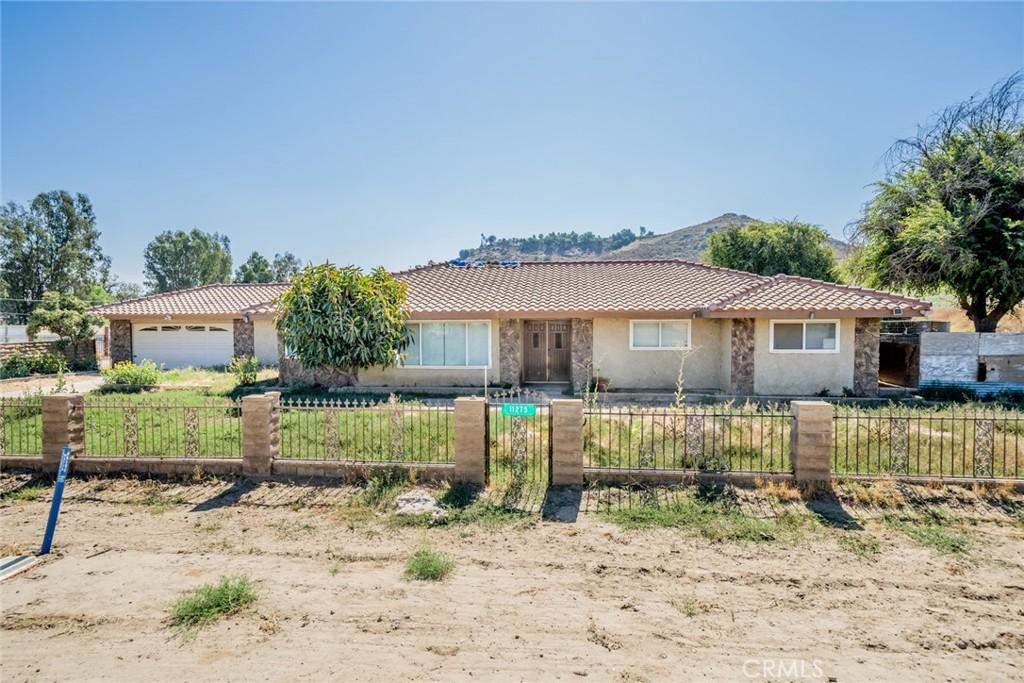
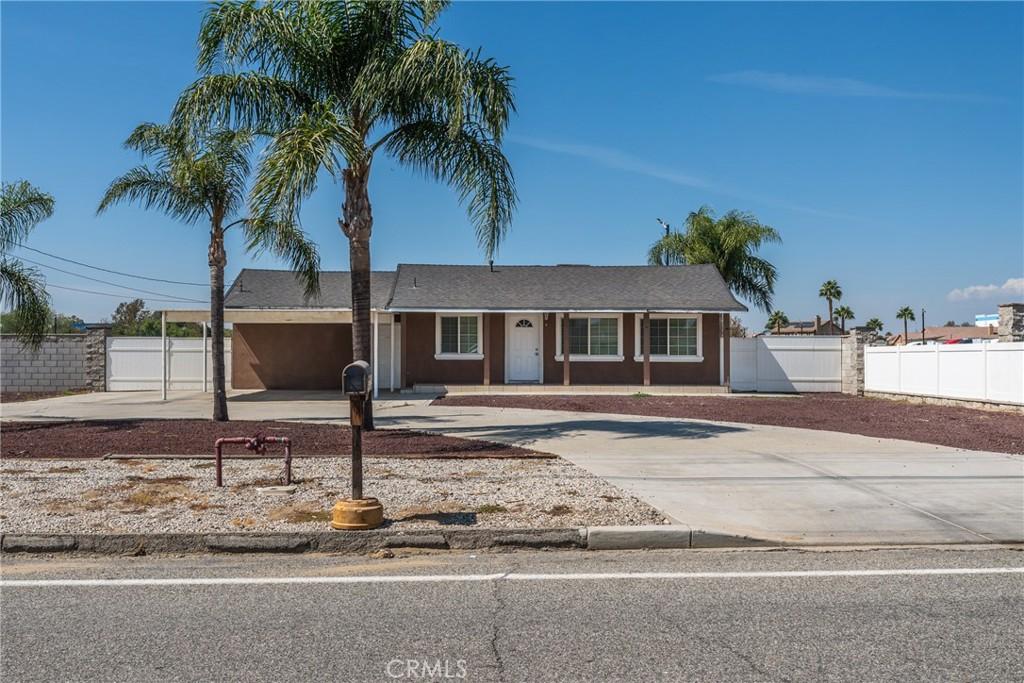
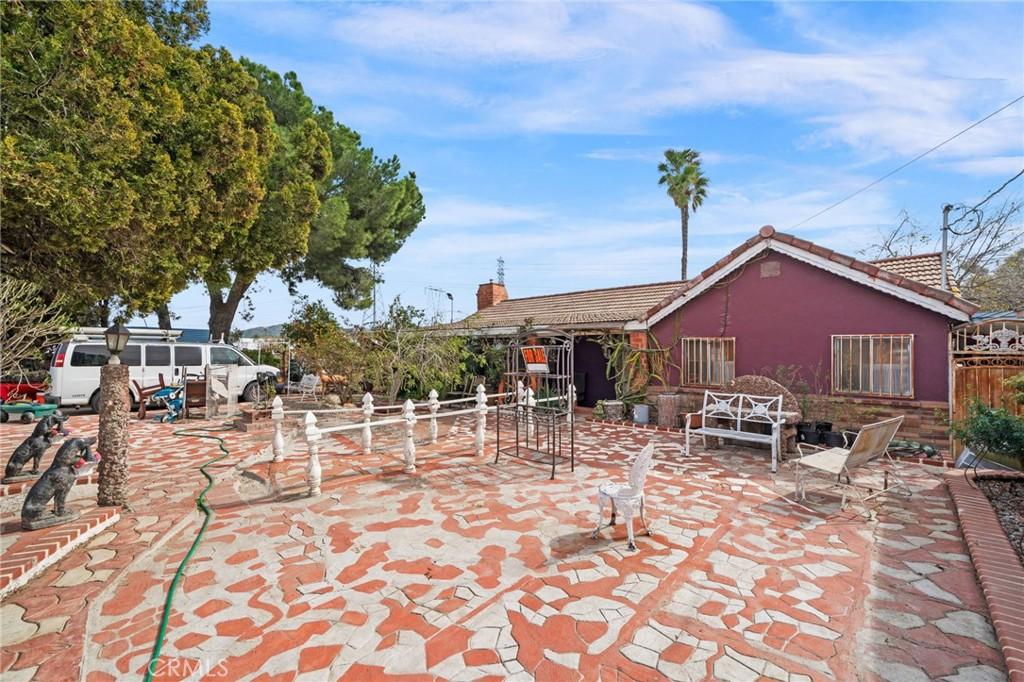
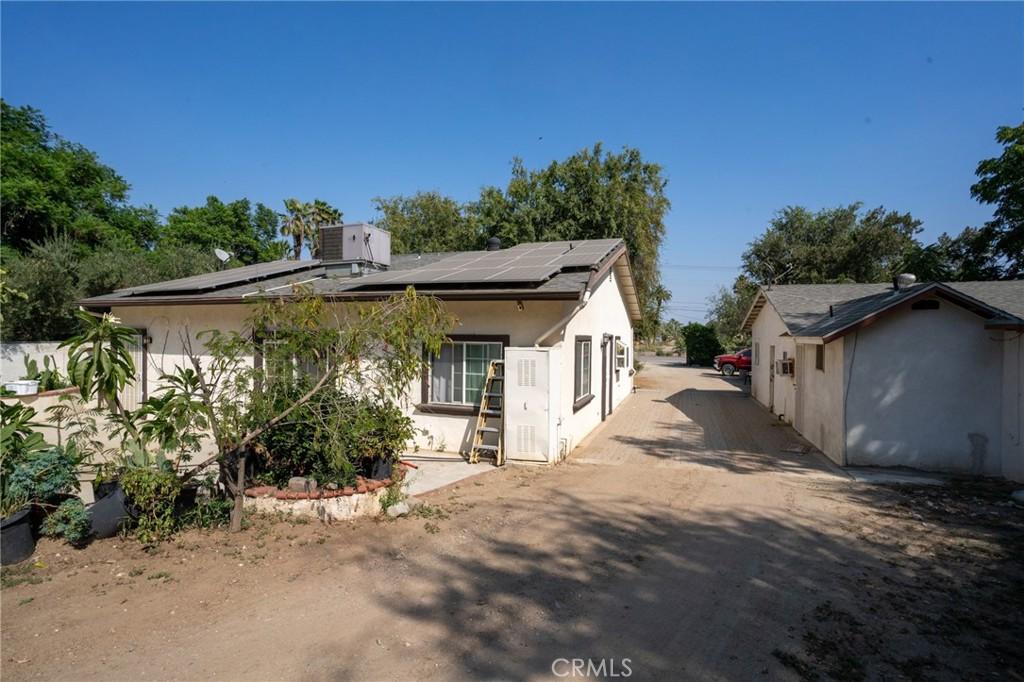
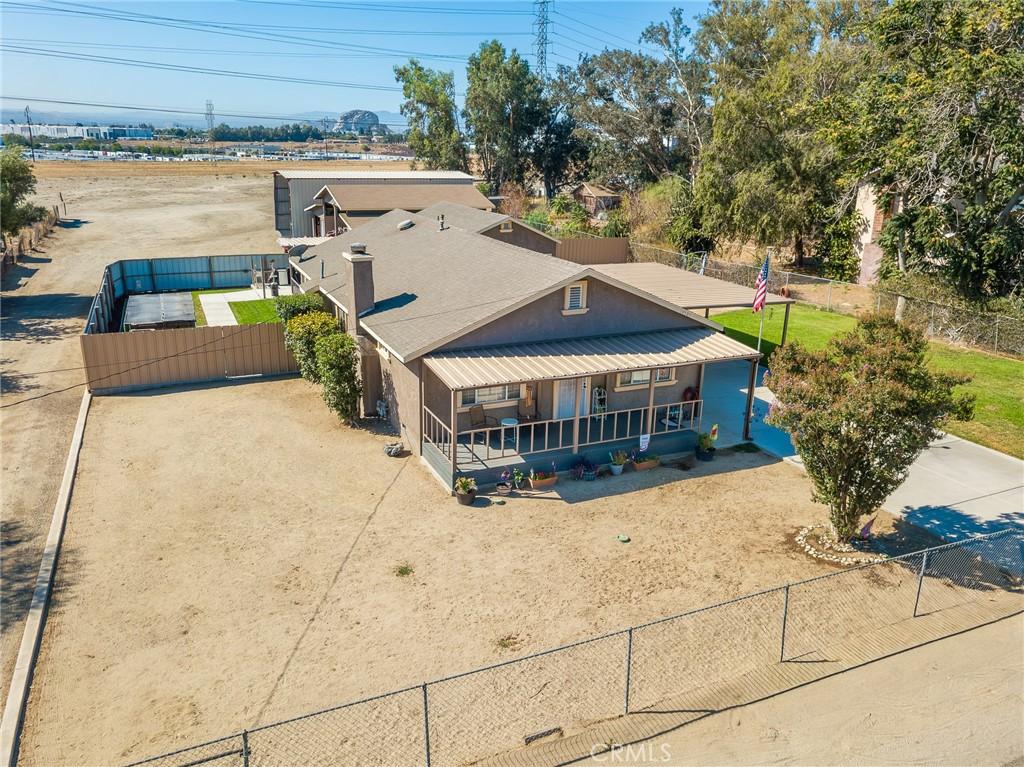
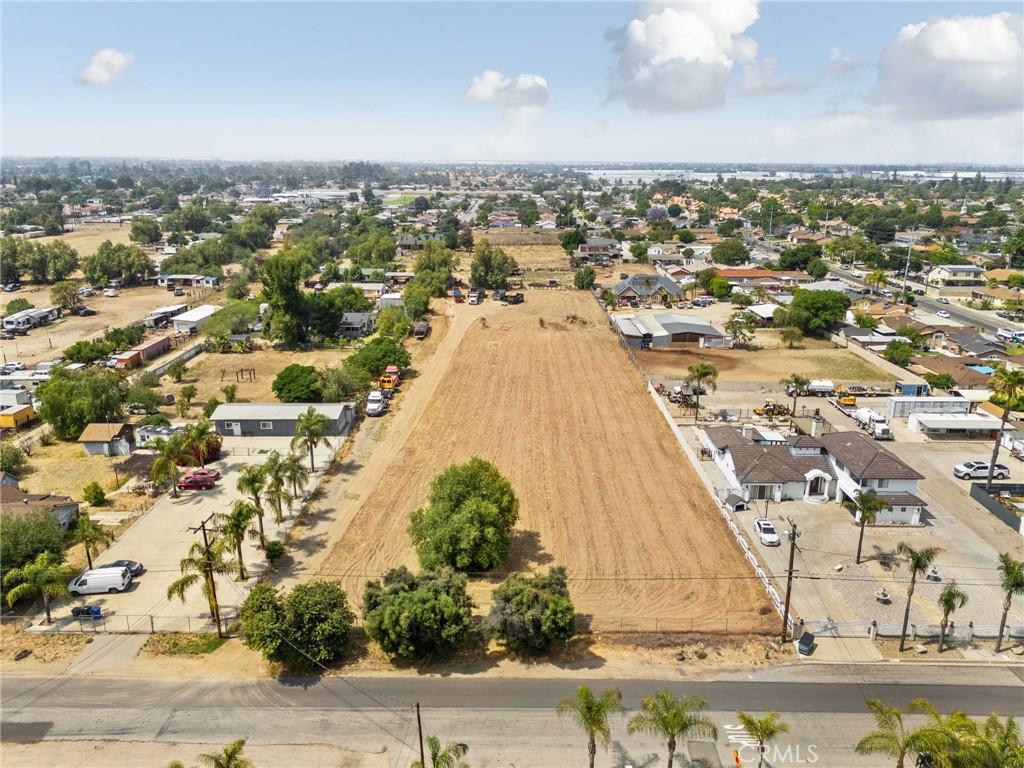
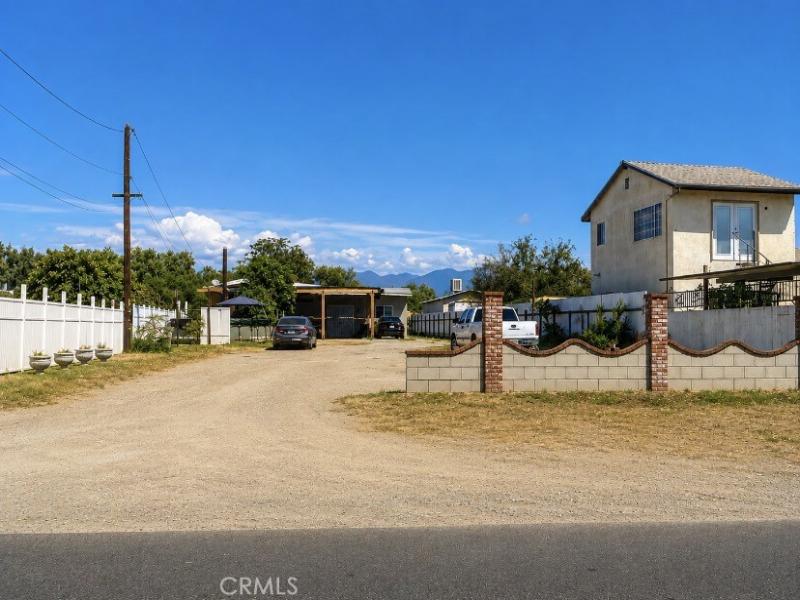
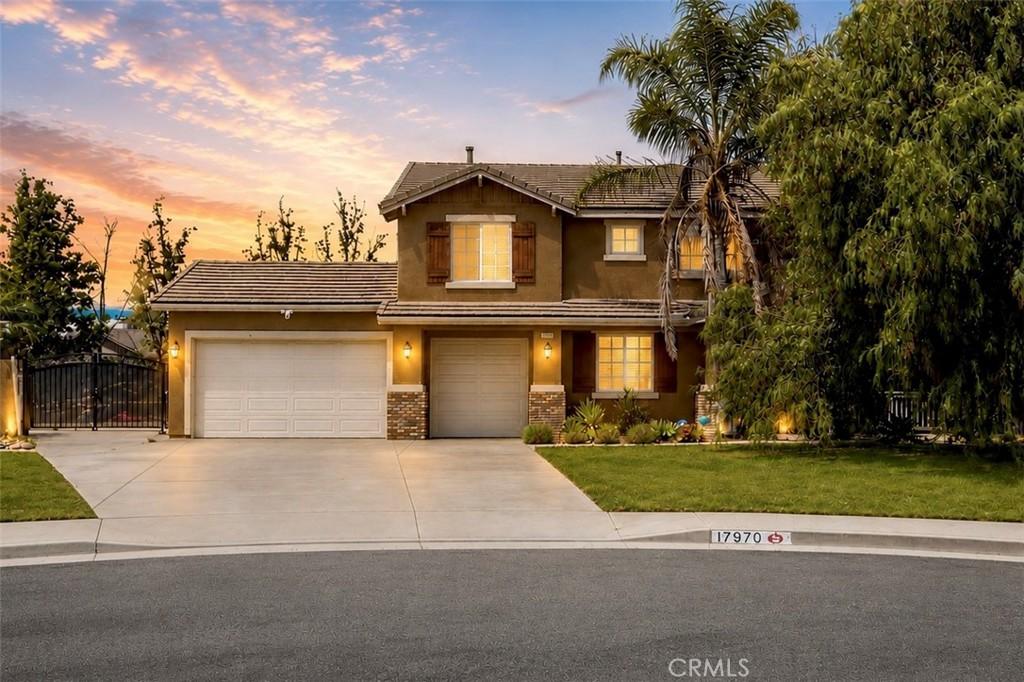
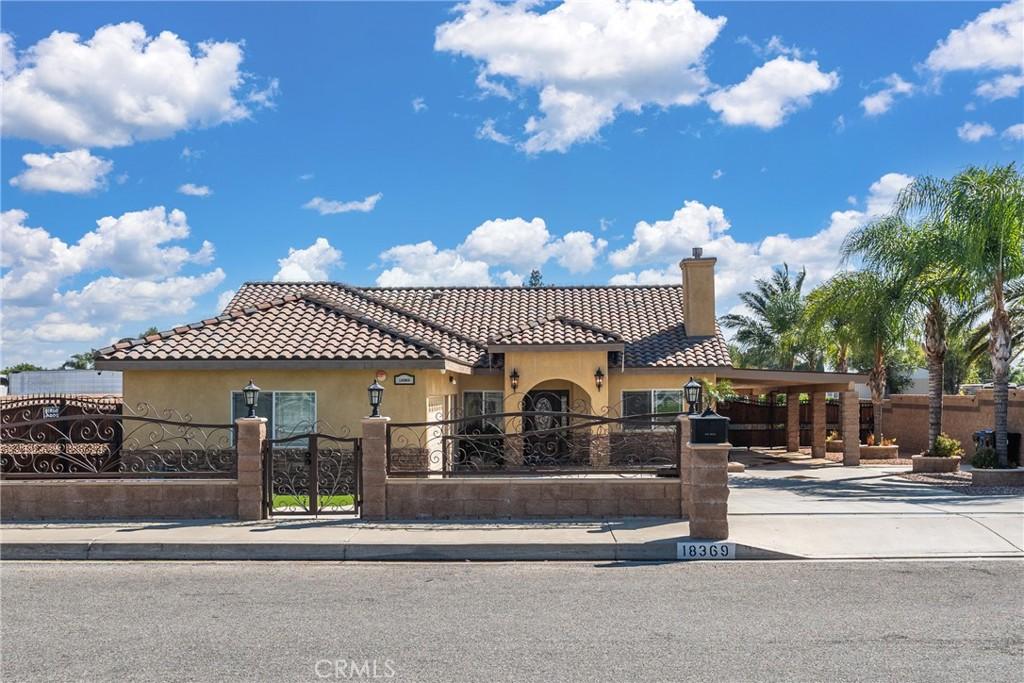
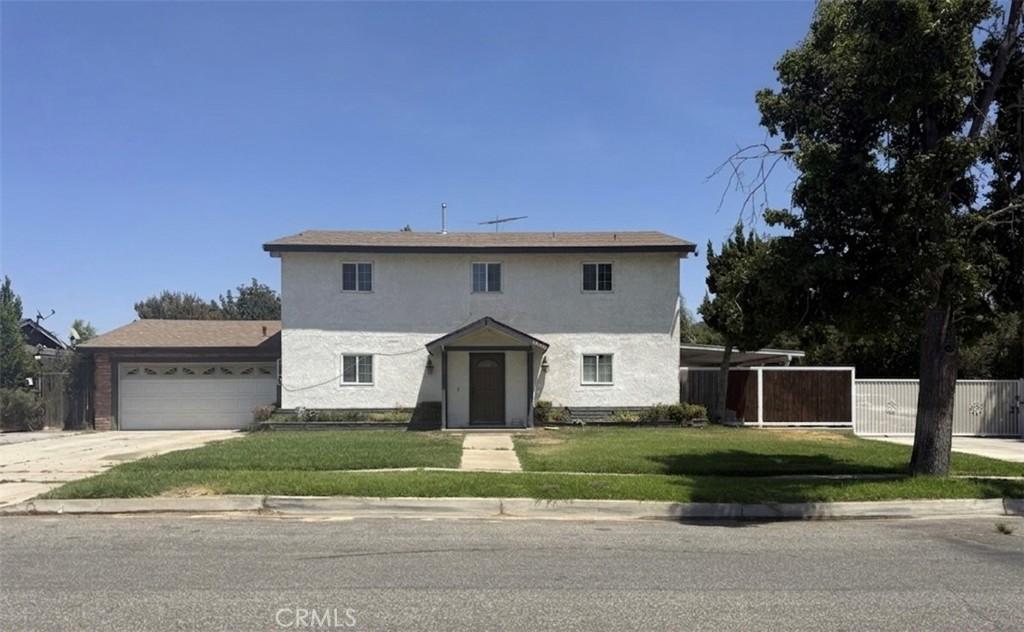
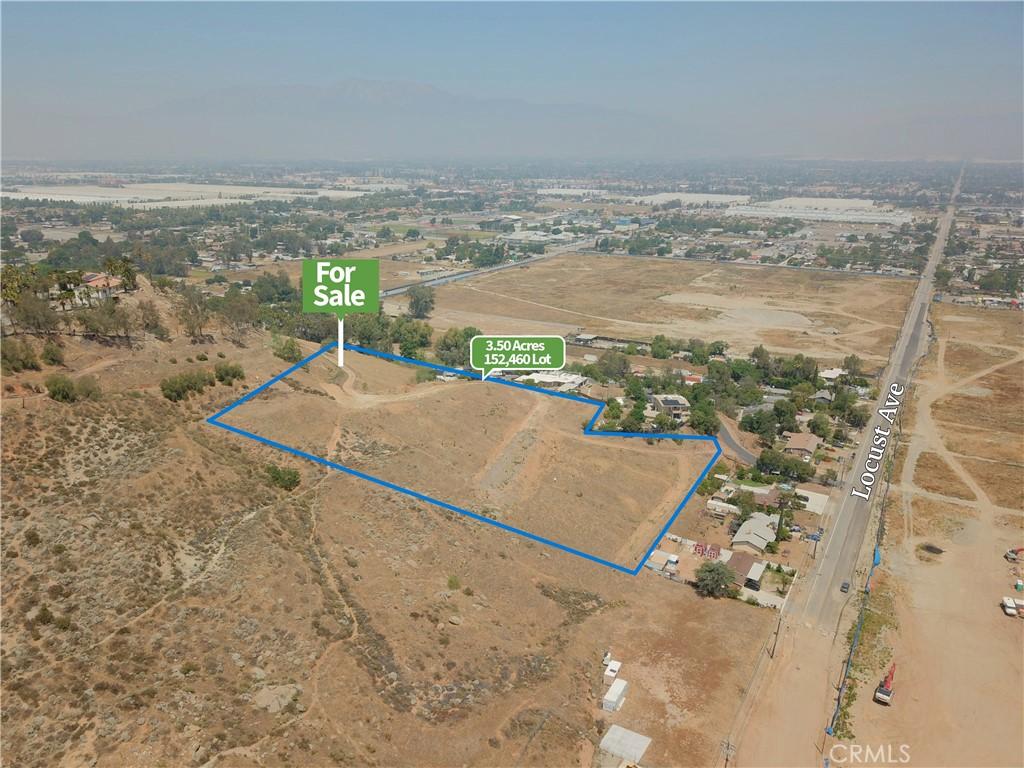
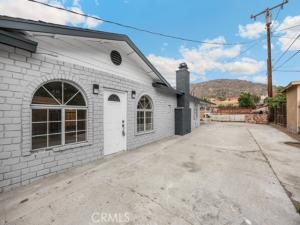
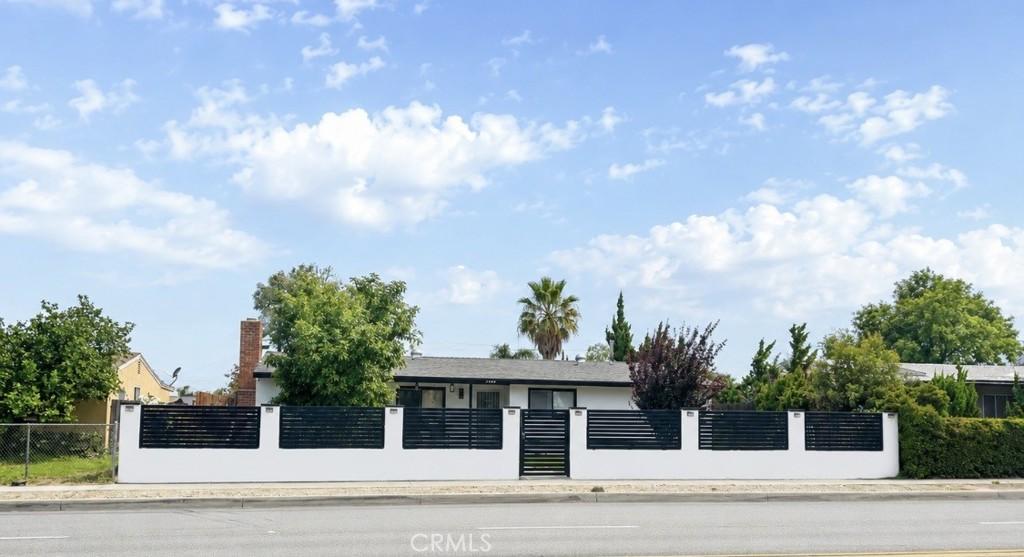
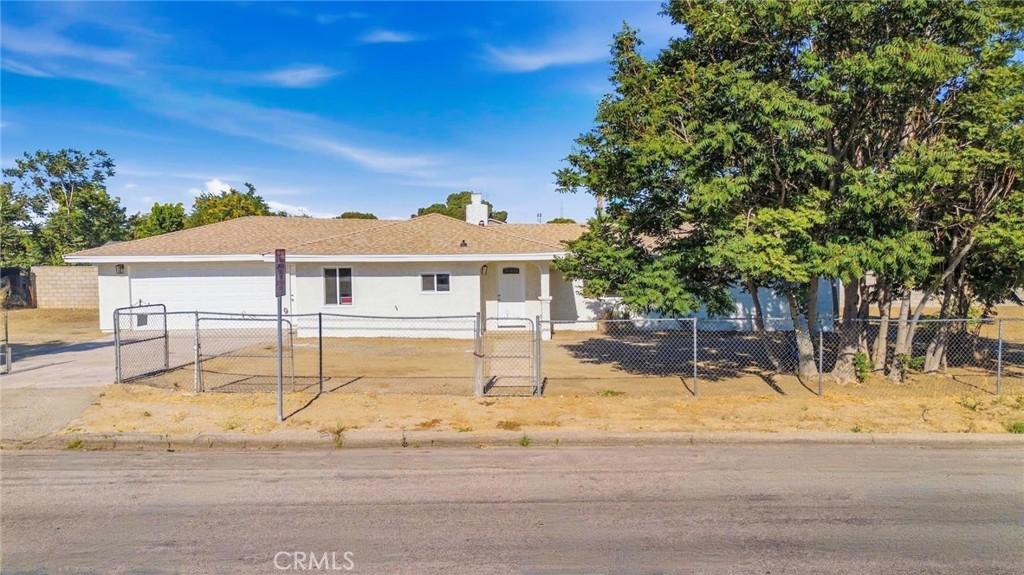
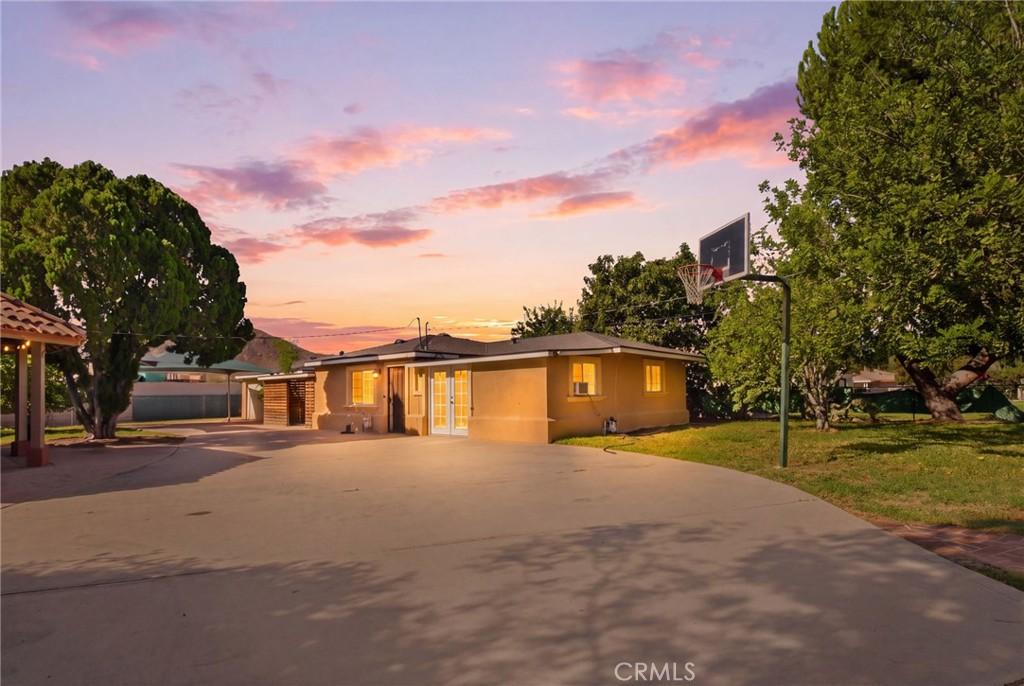
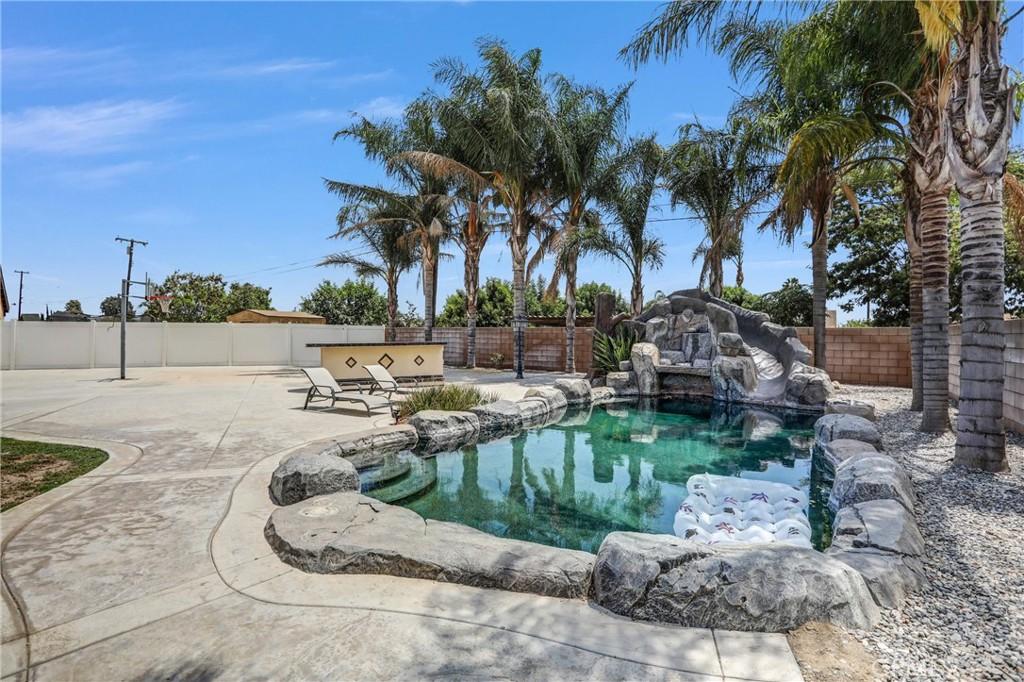
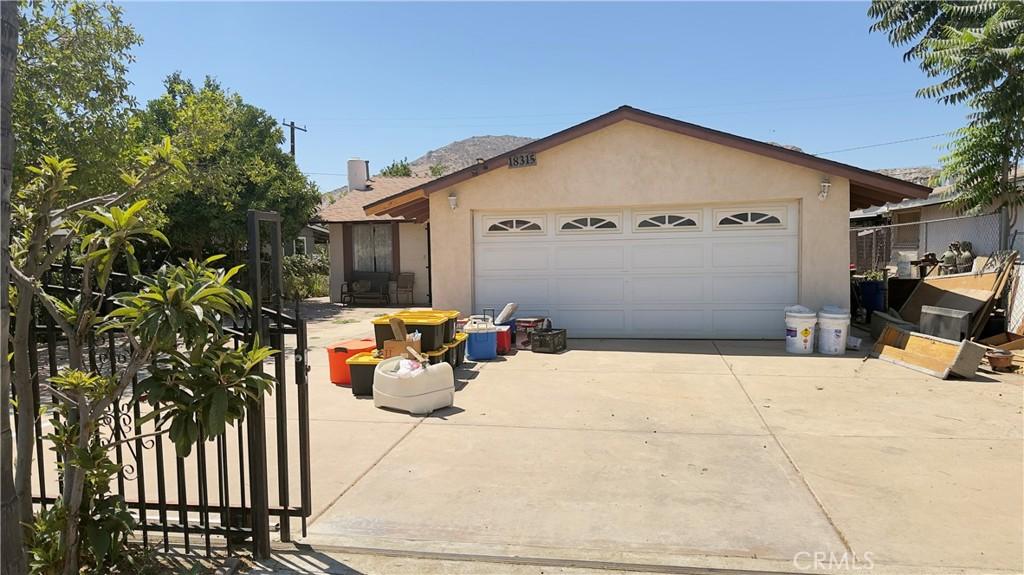
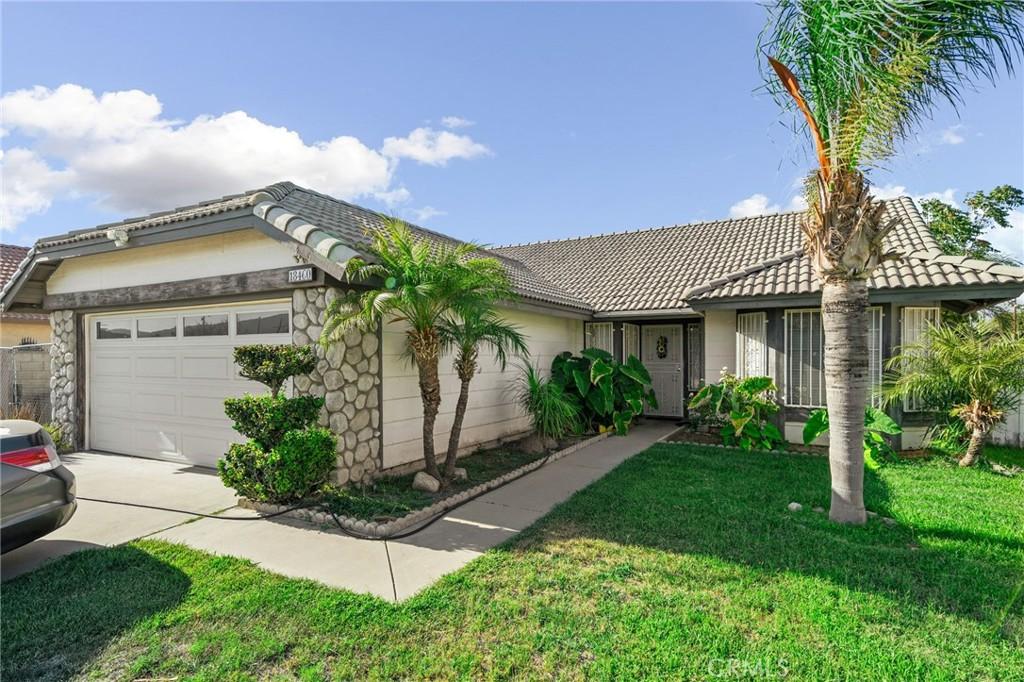
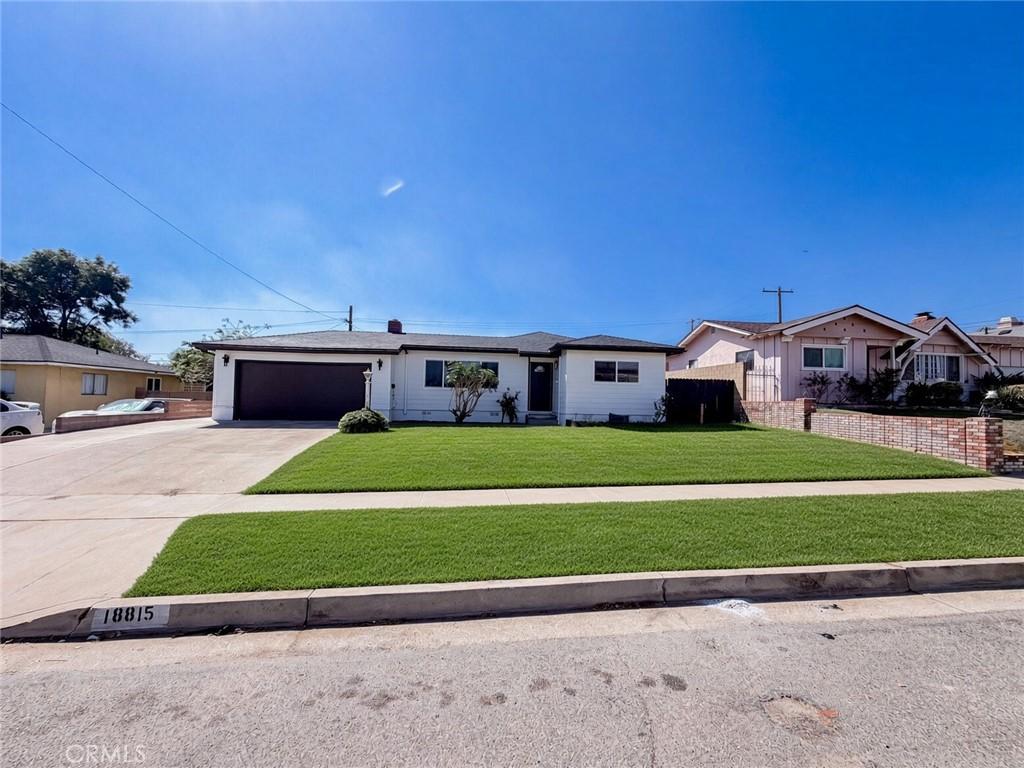
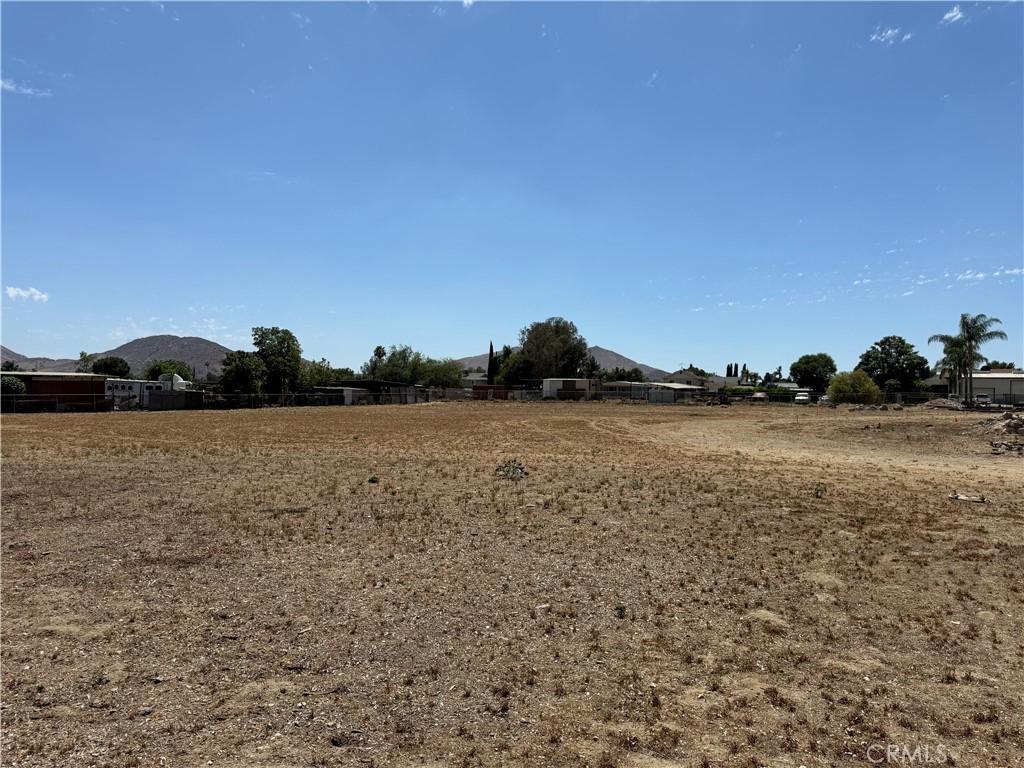
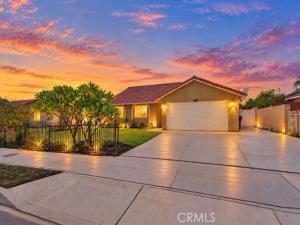
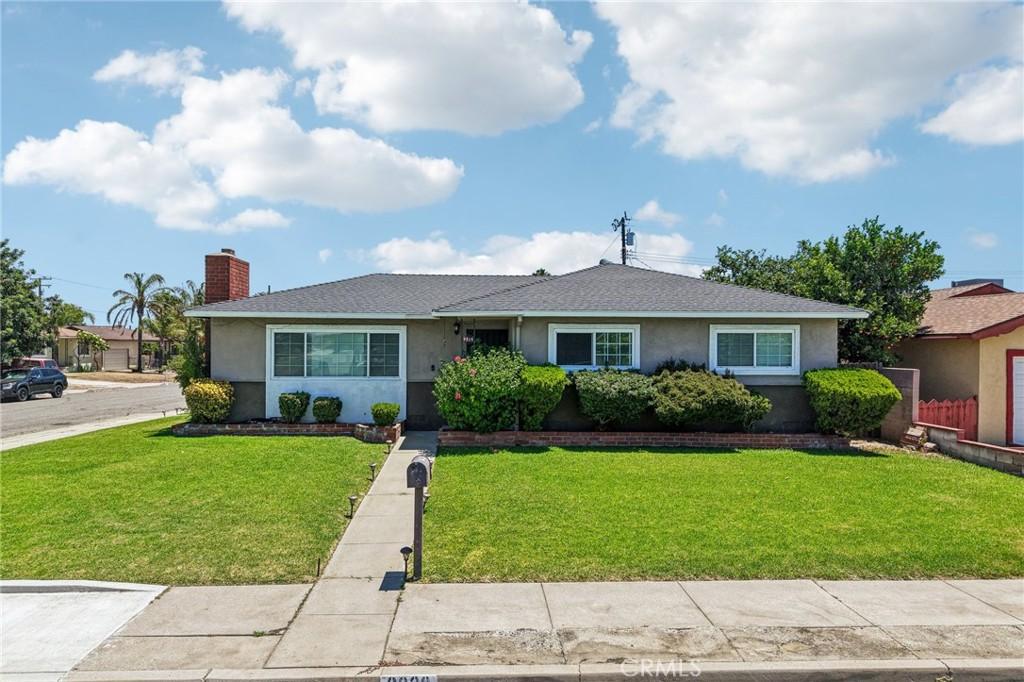
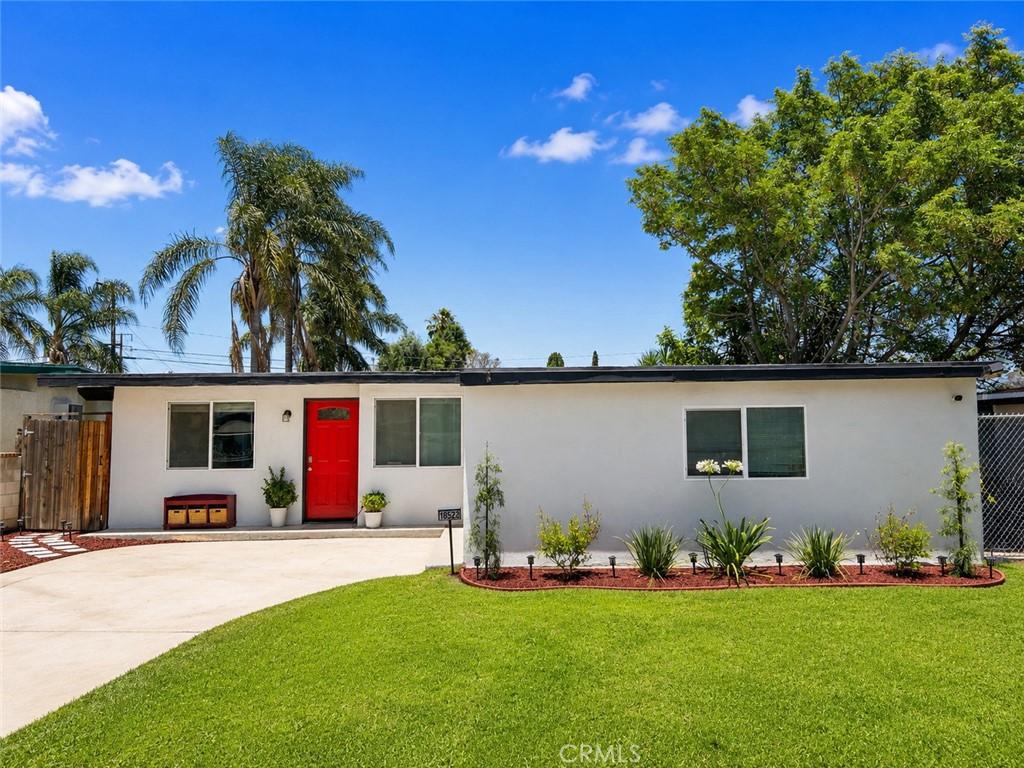
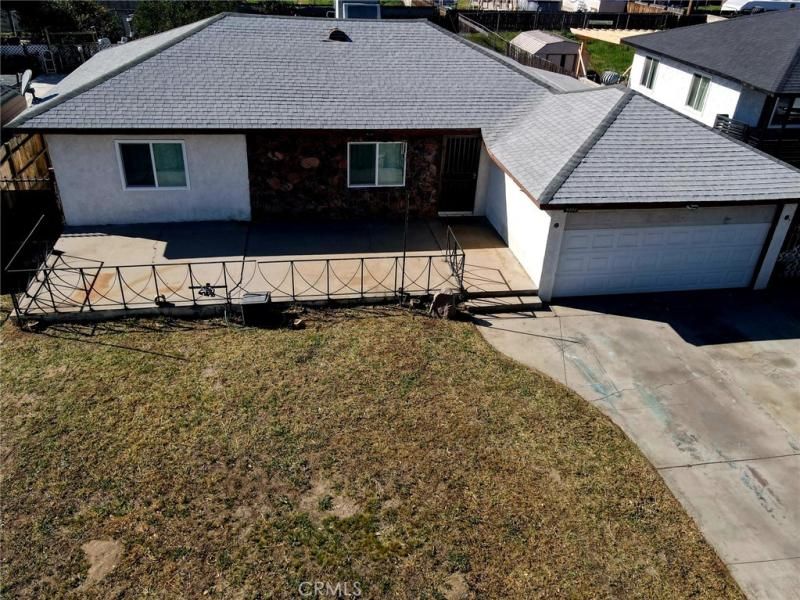
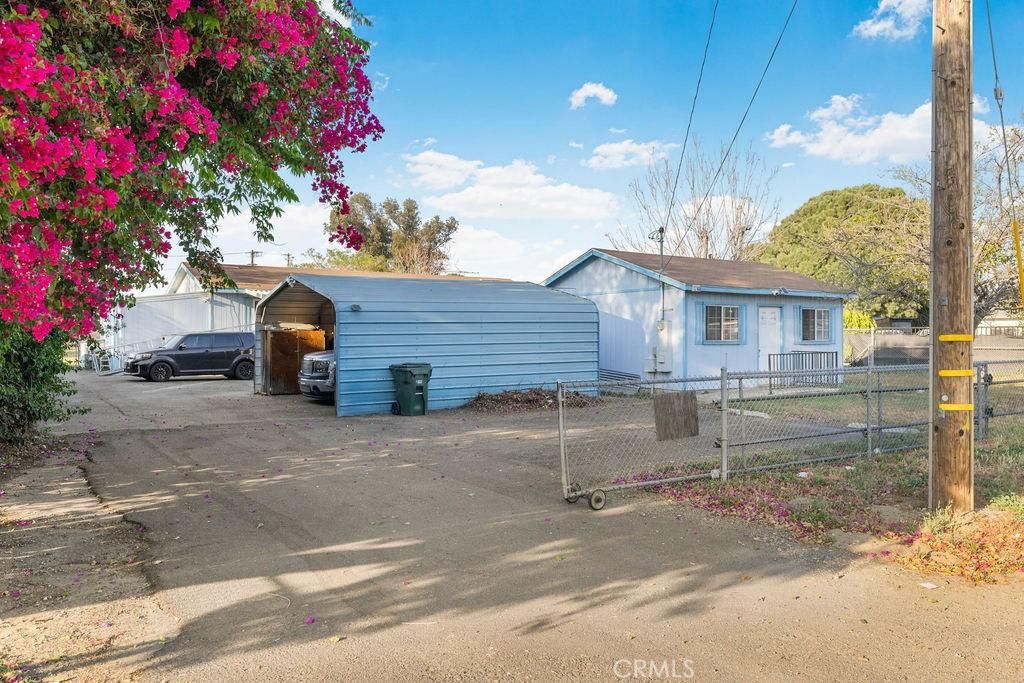
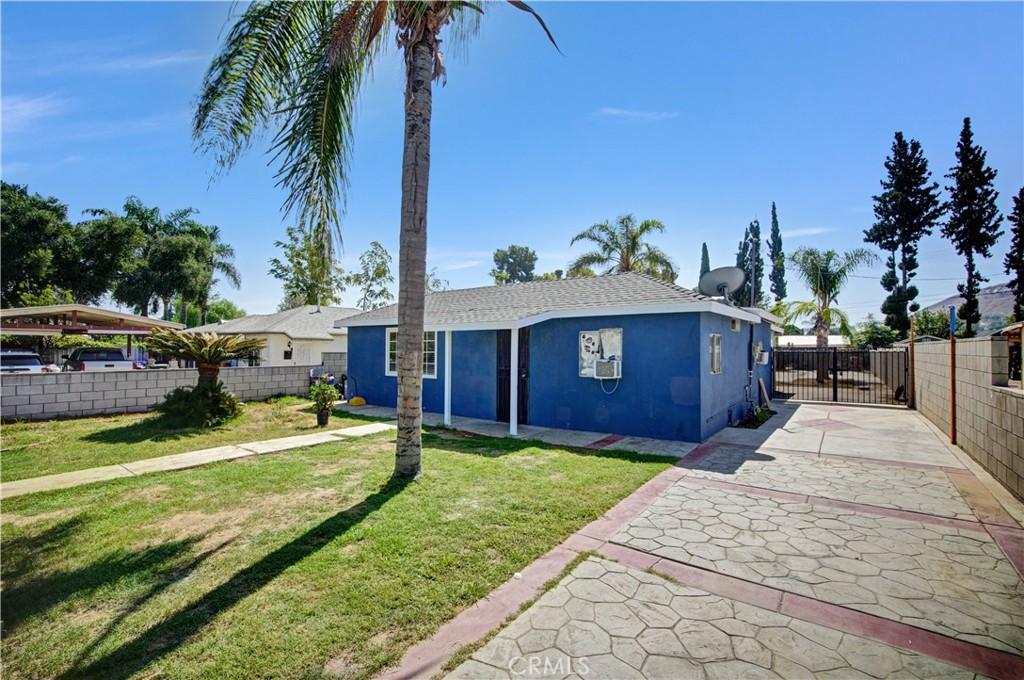
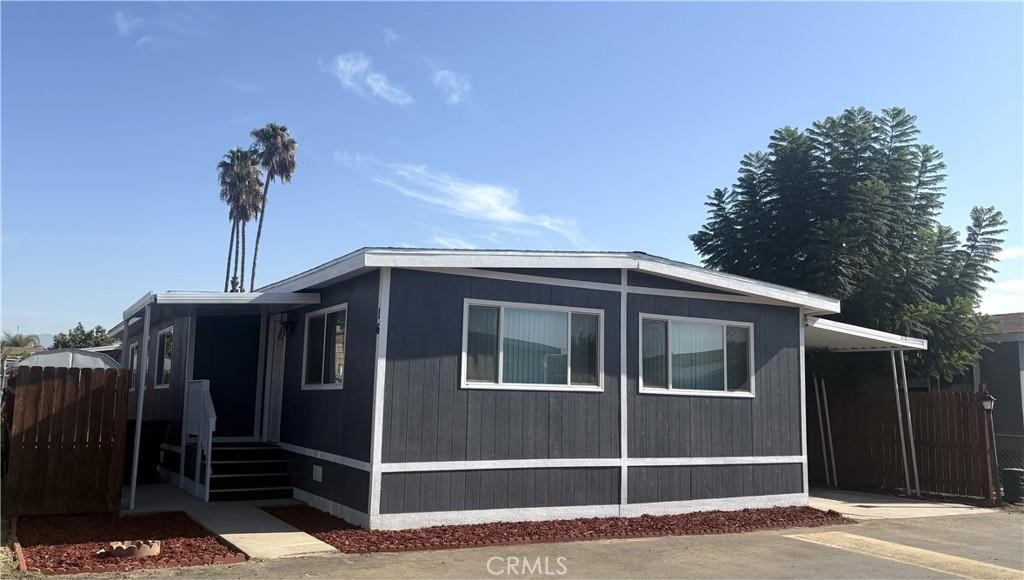
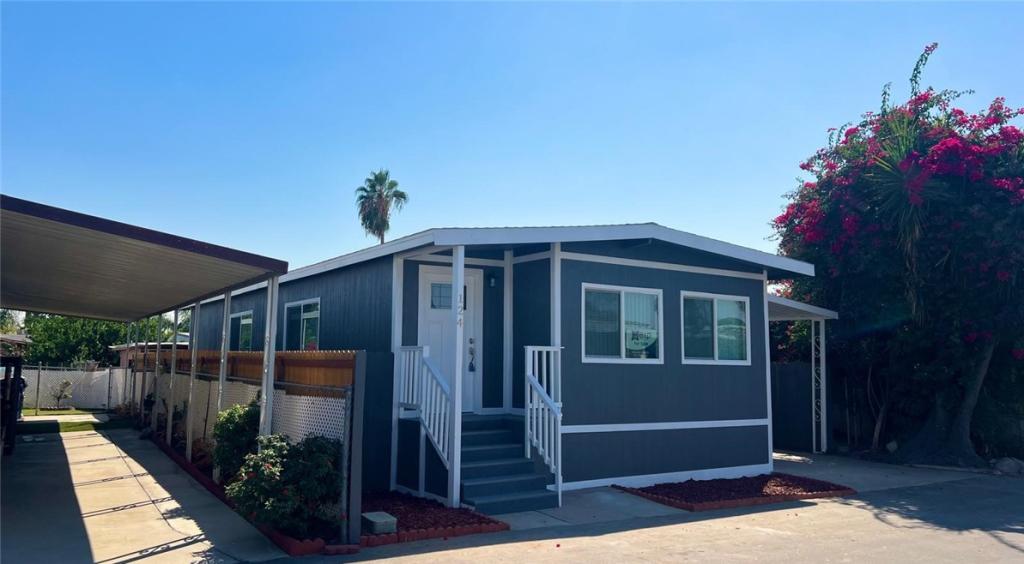
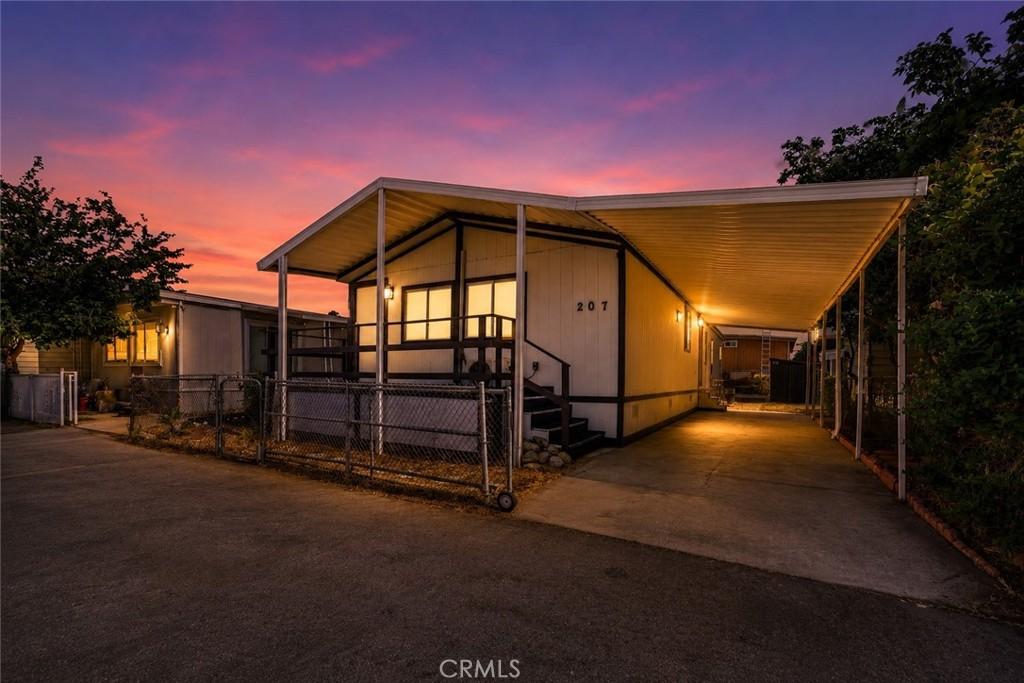
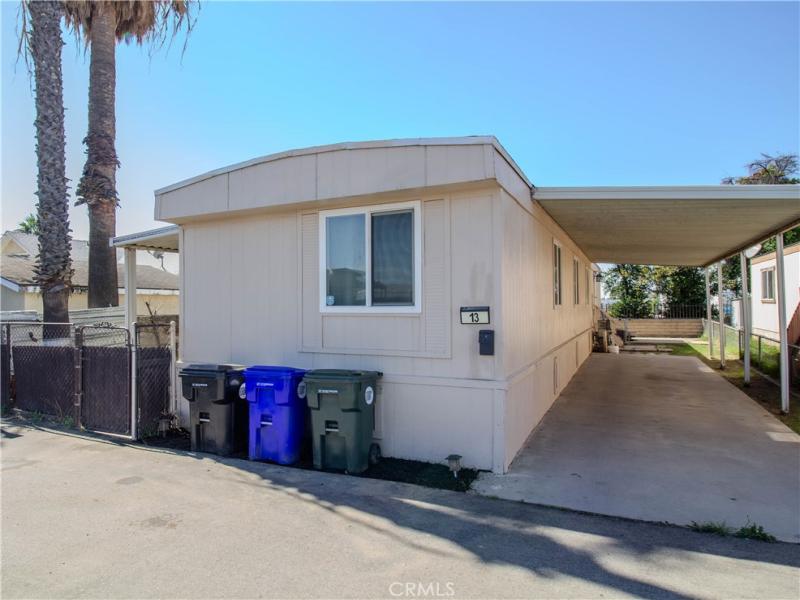
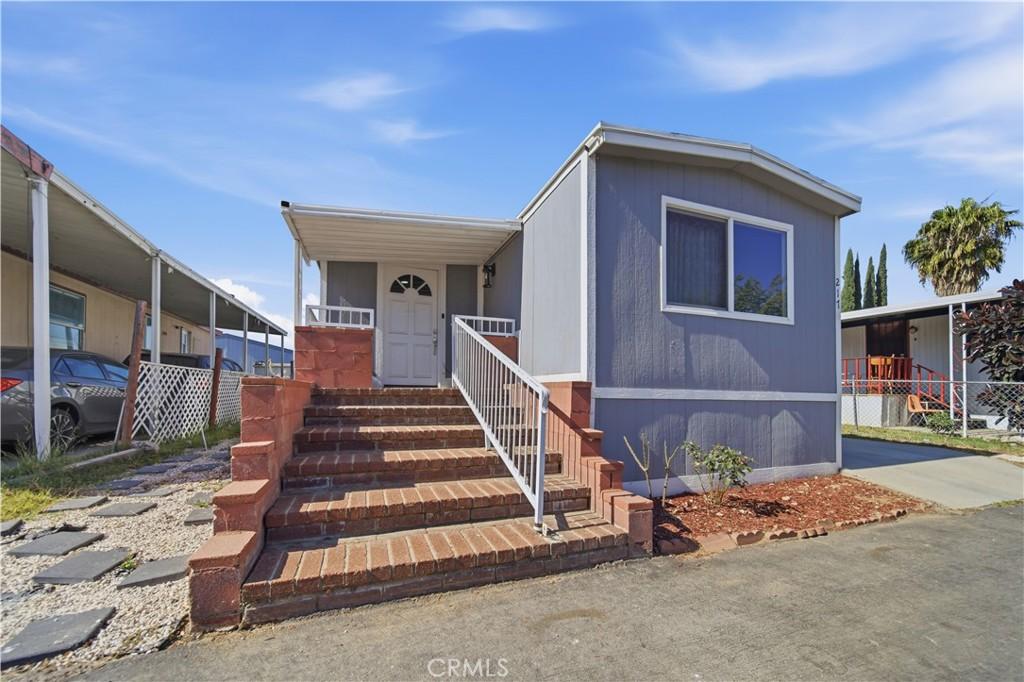
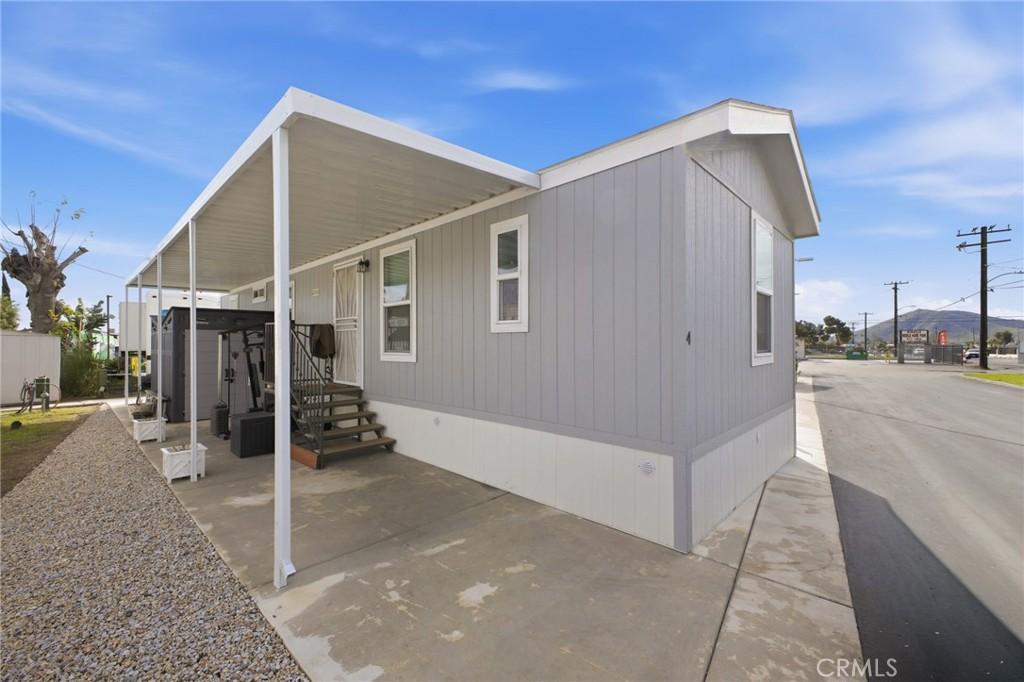
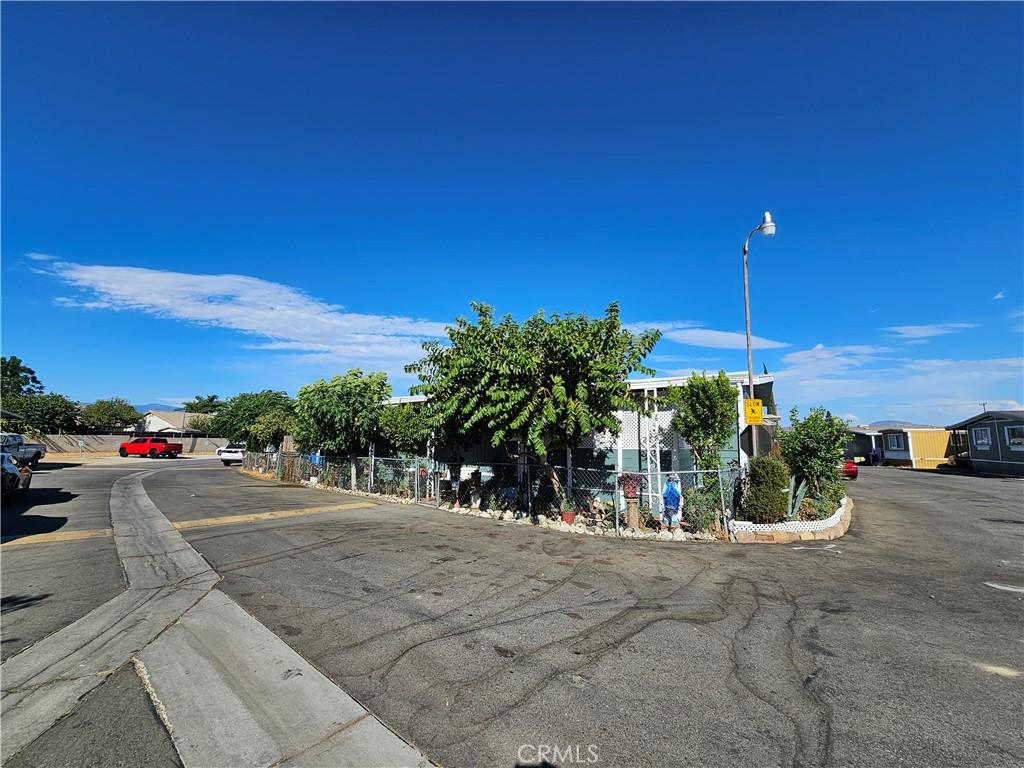
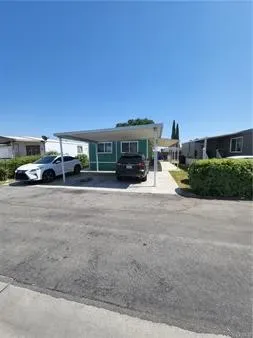
The housing stock is unusually varied for one community: large-lot rural estates, equestrian parcels, and mid-century ranch homes on acreage alongside newer subdivisions, a small number of rental apartments, and several mobile home parks. Lot size, zoning, and whether the land under a manufactured home is owned or leased change the math considerably from street to street.
Browse the current Bloomington listings below, or contact The Knight Group to talk through what a specific street, lot size, or zoning designation actually means before you write an offer.
Where exactly is Bloomington located?
Bloomington sits in the western San Bernardino Valley, wrapped by Fontana to the west, Rialto and Colton to the north and east, and the city of Riverside across the county line to the south. Interstate 10, the San Bernardino Freeway, runs straight through the community, and the Cedar Avenue interchange (Exit 66) is the primary way in and out. Fontana’s Sierra Avenue exit is a couple of miles west, and Rialto’s Riverside Avenue exit is a couple of miles east.
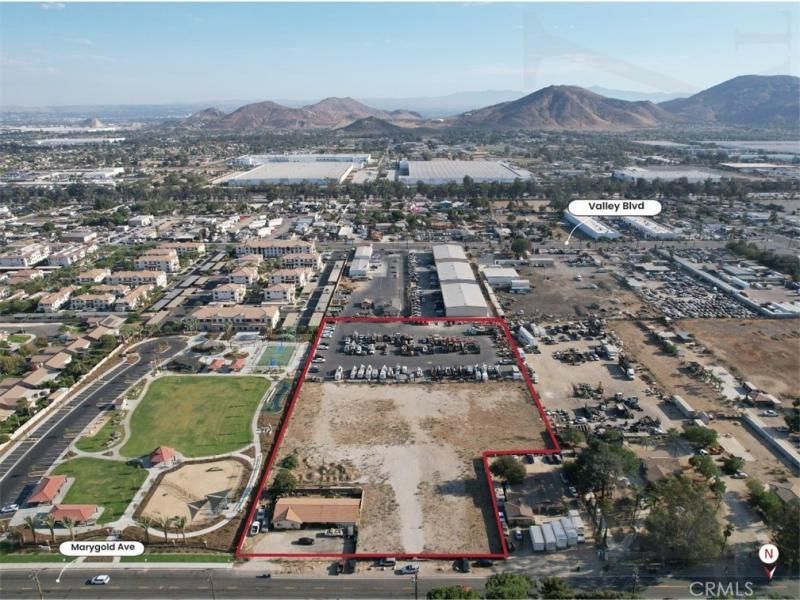
The community carries the ZIP code 92316, with some addresses overlapping the 92335 Fontana boundary. Valley Boulevard and Cedar Avenue form the historic commercial spine, lined with small retail and restaurants, while the corridors along I-10 carry a mix of industrial and freight businesses. That freeway adjacency is the double edge of Bloomington: it is why the commute works, and it is also why warehouse pressure has become the defining local issue, which is covered below.
What is the housing market like in Bloomington?
Bloomington is a mid-priced Inland Empire market that has cooled off its peak. The picture depends on which data source you read, and the sources disagree, so it is worth holding several at once. As of July 2026, Zillow put the typical Bloomington home value around $538,000, down roughly 6% over the prior year. Redfin reported an average sale price near $553,000 last month, up about 6.3% year over year, with a median sale price of $545,000 over the trailing 12 months, down about 2% from the year before. Listing prices ran higher, with a median list price around $599,000 in July 2026 per Zillow.
The takeaway is not the exact number. It is that different measures point in slightly different directions, which is normal in a market this size where a handful of large-lot or distressed sales can swing an average. Redfin scored the market as somewhat competitive, around 69 out of 100, with homes selling in roughly 50 days on average as of mid-2026. Price per square foot sat near $391 in July 2026, down about 10% year over year per Redfin, a reminder that the softening has been real.
For buyers, that combination of flat-to-down pricing and homes sitting closer to two months means there is room to negotiate on many properties, especially those that have been on the market a while. For sellers, it means pricing to the recent comparable sales rather than to last year’s peak. The Knight Group can pull the specific comps for your street and lot type, because a half-acre equestrian parcel and a 1,400-square-foot tract home in the same ZIP code do not trade on the same math.
What kinds of homes can you buy in Bloomington?
Bloomington’s housing stock is unusually varied for a single community. The San Bernardino County community profile describes it as a mix of large-lot rural estate homes, contemporary single-family subdivisions, a small amount of rental apartments, and several mobile home parks. On the ground, that translates into a few distinct buyer situations.
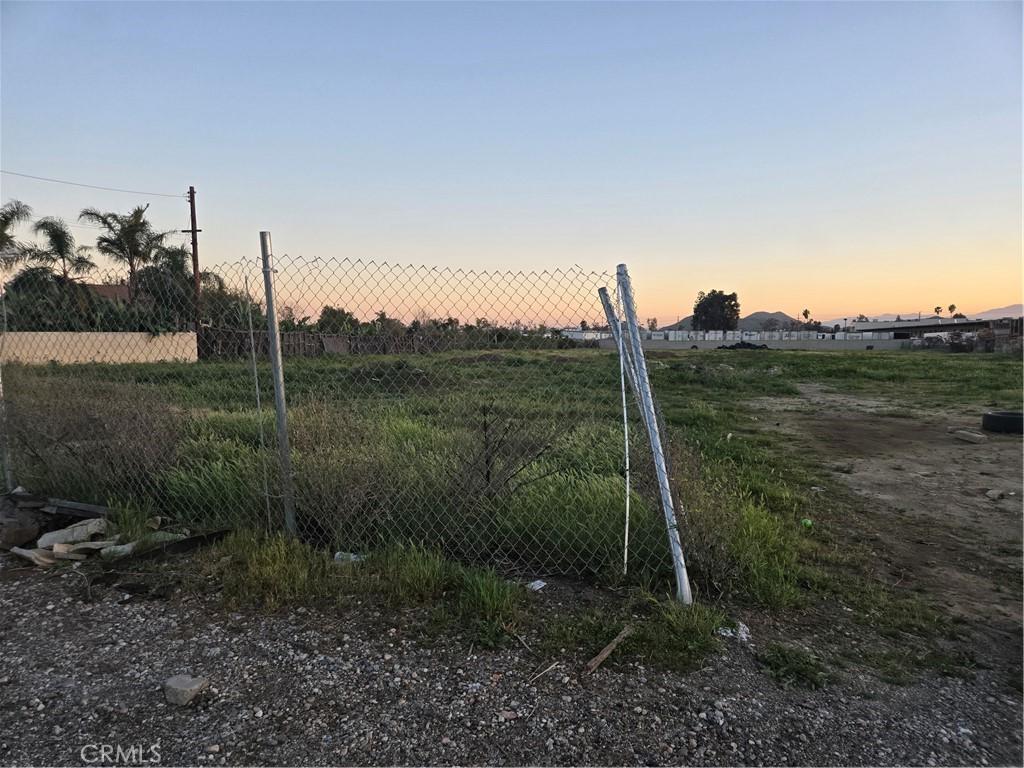
The first is the large-lot and equestrian buyer. Bloomington retains remnants of its mid-century rural character, with ranch-style homes on multiple acres and properties zoned to keep horses. That inventory is finite and does not come along often, so when a genuine equestrian parcel lists, it tends to draw attention from across the region.
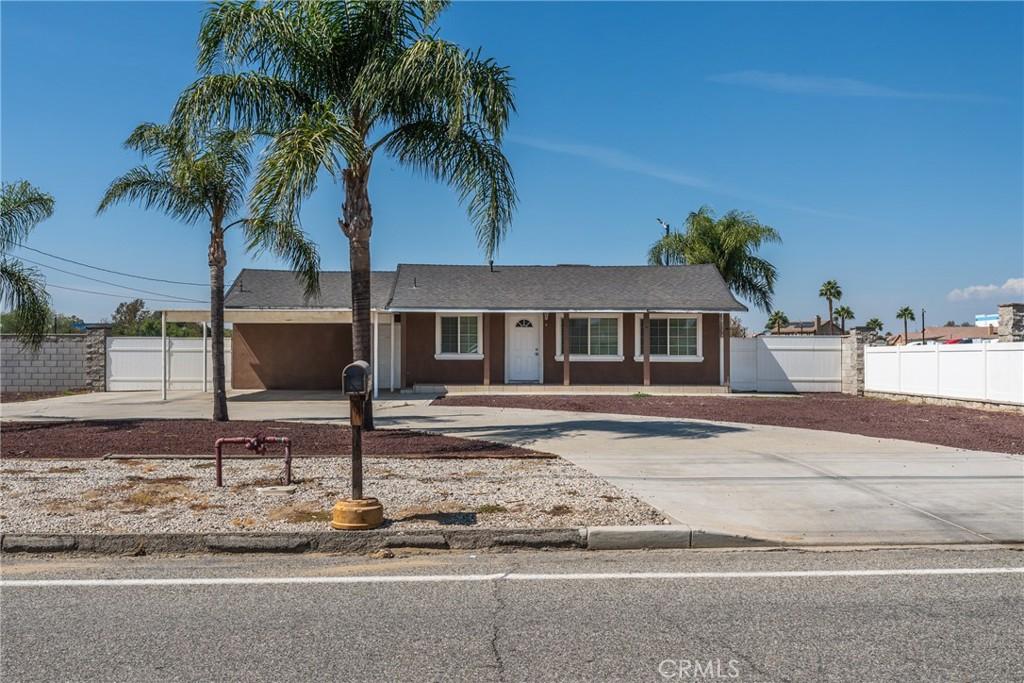
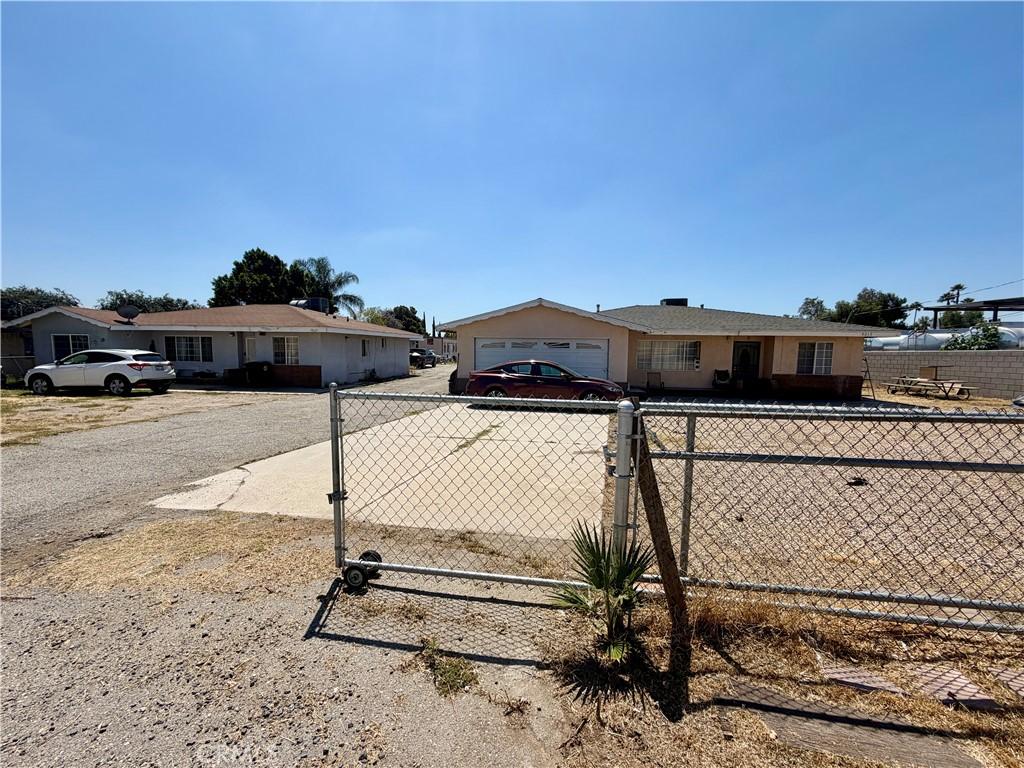
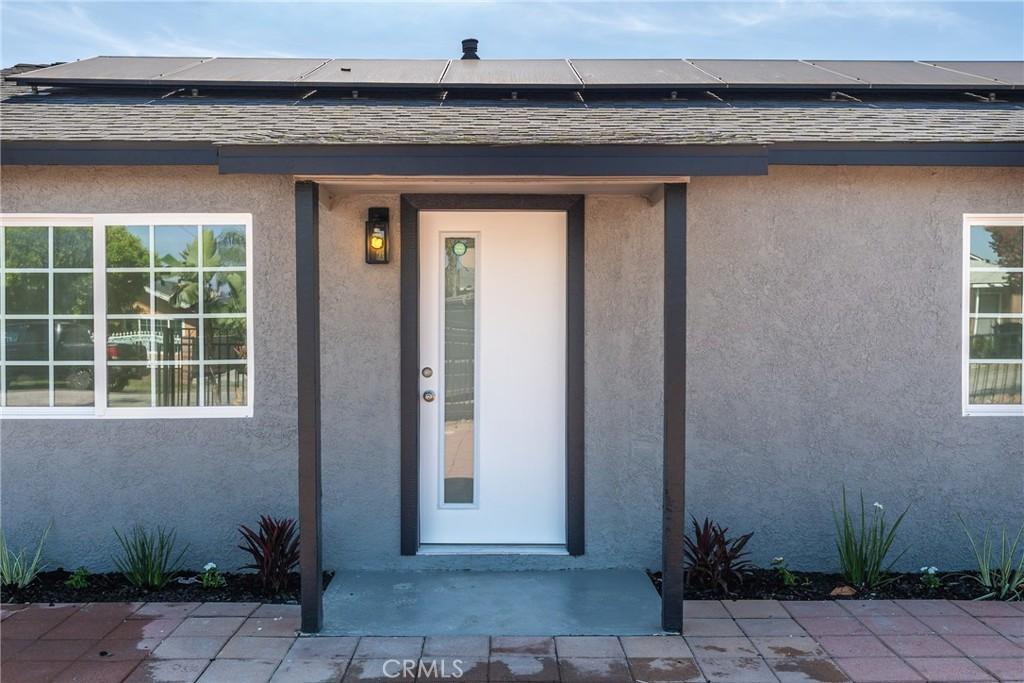
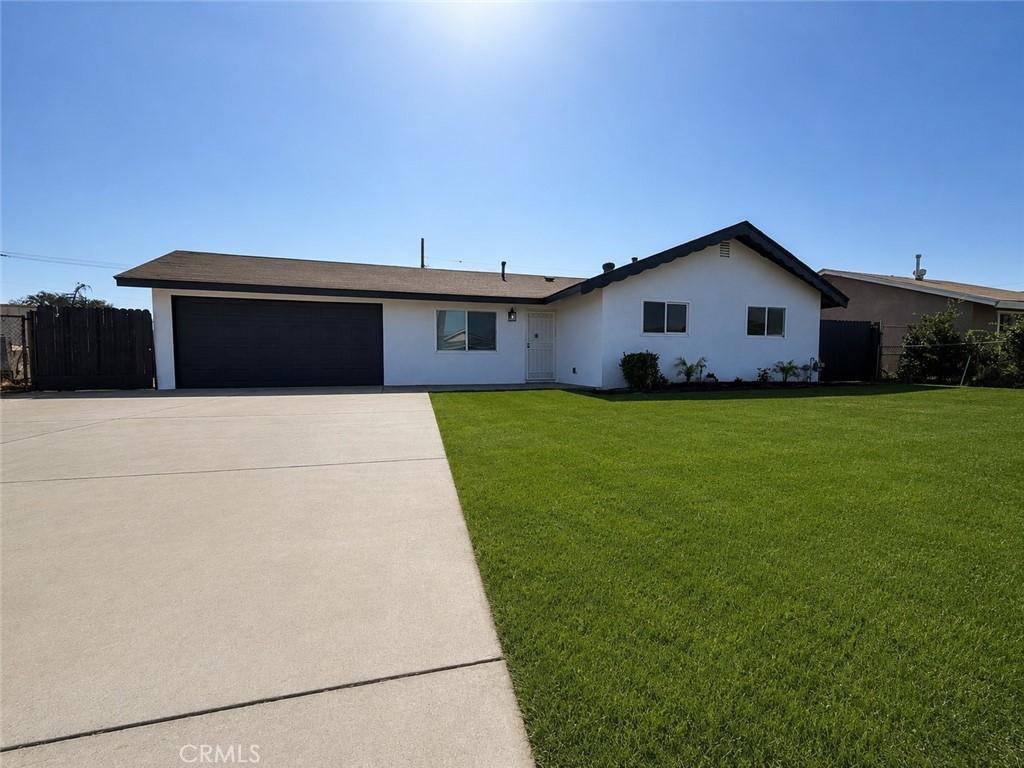
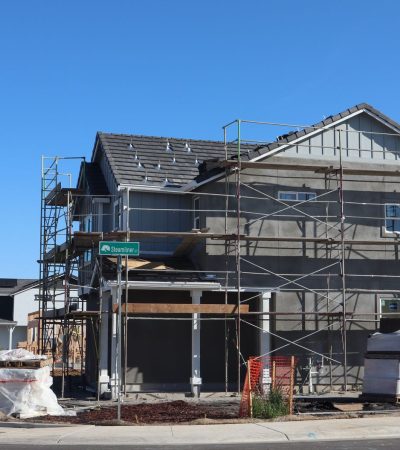
The second is the standard single-family buyer looking at newer subdivision homes. These are the more predictable purchases: detached houses on conventional lots, often built in recent decades, priced in the range the market data above describes.
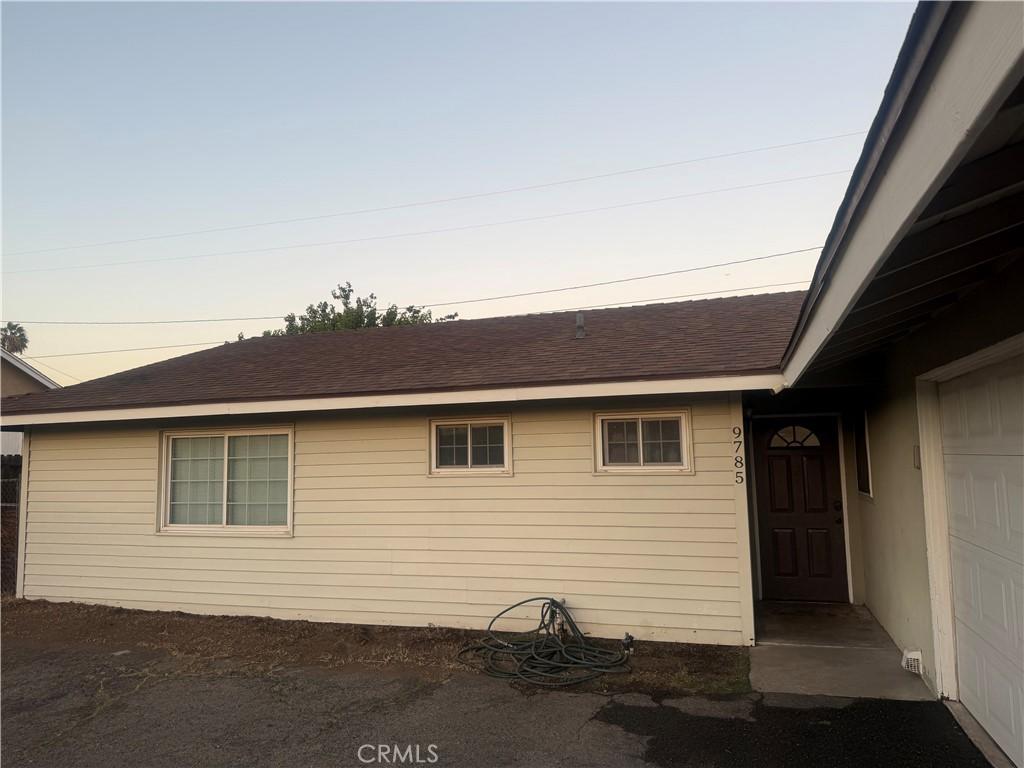
The third is the value-oriented or first-time buyer, who may be looking at mobile home park units or smaller older homes. These carry different financing and ownership structures, especially where the land underneath a manufactured home is leased rather than owned, and that distinction matters enormously to your monthly cost and your resale. The Knight Group flags these differences before you fall in love with a listing.
What is the warehouse controversy, and should a buyer care?
Yes, a buyer should care, and here is the honest version. Bloomington sits inside the Inland Empire’s logistics corridor, and San Bernardino County approved the Bloomington Business Park Specific Plan in 2022. The plan set aside roughly 213 acres for up to four large warehouses. According to reporting from KVCR, ABC7, and CalMatters, the project called for demolishing more than 100 homes and an elementary school, and some of those properties were already razed before the litigation escalated.
In 2024, a San Bernardino County Superior Court judge halted construction after finding deficiencies in the county’s environmental review under CEQA. As of mid-2026, the legal fight was still active, with environmental and community groups continuing to challenge the project on housing and pollution grounds. Supporters point to the fees and the roughly 2,000 jobs the county projected. Opponents point to displaced residents, added diesel truck traffic, and air quality in a community already carrying a heavy freight burden.
For a buyer, the practical implication is location-specific. A home several miles from the specific-plan footprint is a different proposition than a home adjacent to a proposed truck route. Before you commit, you want to know where the parcel sits relative to current and planned industrial land, what the county’s zoning maps show nearby, and how freight traffic already moves on your prospective street. This is exactly the kind of due diligence The Knight Group runs as a matter of course, because it directly affects both livability and long-term resale.
What schools serve Bloomington?
Bloomington is served by the Colton Joint Unified School District, which covers most of Colton, all of Bloomington and Grand Terrace, and small portions of Fontana, Rialto, and San Bernardino. The community’s comprehensive high school is Bloomington High School, located at 10750 Laurel Street and open since 1962. It serves roughly 1,864 students in grades 9 through 12 per its Wikipedia profile, with a student-to-teacher ratio near 17 to 1, and the mascot is the Bruin.
The school offers Advanced Placement coursework, with an AP participation rate reported around 25%. It is worth noting that the reported student body is overwhelmingly economically disadvantaged, near 88%, which is context a family relocating from a wealthier district should understand rather than discover later. School fit is personal, so The Knight Group encourages buyers with children to tour campuses directly and check current enrollment boundaries with the district, since attendance areas within an unincorporated community can shift.
What is the commute like from Bloomington?
The commute is Bloomington’s strongest practical selling point. With Interstate 10 running through the community and the Cedar Avenue interchange right there, residents have direct freeway access west toward Los Angeles County and east toward San Bernardino and the Coachella Valley. The San Bernardino County Transportation Authority has invested in the Cedar Avenue corridor and I-10 interchange, reflecting how much regional traffic moves through this point.
Neighboring job centers are close. The drive to Rialto is roughly 3.5 miles and about nine minutes in normal conditions, and Fontana sits even closer. Metrolink service through nearby cities on the San Bernardino Line gives commuters a rail option toward Los Angeles Union Station, though you will drive to the station first. The trade-off is the one every Inland Empire buyer weighs: you gain lot size and price relief, and you pay for it in freeway miles when you head toward the coast. If your work is in the Inland Empire itself, that trade-off tilts strongly in Bloomington’s favor.
What is the history of Bloomington?
Bloomington was first laid out as a town in 1887. Traces of that original settlement survive around the intersection of Cedar Avenue and Valley Boulevard, but most of the historic core was later displaced by the construction of Interstate 10 and the expansion of the Colton Rail Yard. That history is not incidental. It explains why Bloomington’s identity has always been tied to transportation infrastructure, and why the current warehouse debate feels, to longtime residents, like the latest chapter of a very old story.
The community held onto its semi-rural character longer than most of the surrounding valley. Into recent decades, Bloomington kept its equestrian lots and ranch homes even as Fontana, Rialto, and Colton urbanized around it. That lingering rural texture is precisely what many current buyers are looking for, and precisely what the industrial pressure threatens, which is the tension running underneath nearly every land-use conversation here.
Who lives in Bloomington?
Bloomington is a young, working, and predominantly Latino community. The median age is about 32.9 years per World Population Review, notably younger than the state as a whole, which reflects a population of families and multi-generational households. The median household income is roughly $81,640, with a poverty rate near 15.63% per the same source. The population grew about 11.53% between the 2020 census and 2026, so this is a place adding people, not losing them.
For a buyer, that demographic profile signals a stable owner-occupant base rather than a purely speculative market, and it signals demand for the kind of larger, family-oriented homes Bloomington offers. It also underscores why the displacement concerns tied to the warehouse project have drawn regional and even national attention: the households most directly affected are the ones who define the community.
What are the trade-offs of buying in Bloomington?
Every market has them, and naming them upfront is more useful than selling around them. On the plus side: larger lots than almost anywhere comparable at this price, direct I-10 access, room for horses and outbuildings on the rural parcels, and a market that has softened enough to give buyers negotiating room in 2026.
On the other side: the community sits inside an active freight and logistics corridor, and the warehouse expansion pressure is real, unresolved, and location-dependent. Air quality and truck traffic are legitimate considerations near the industrial edges. As an unincorporated area, Bloomington relies on county rather than city services, which affects everything from code enforcement to how land-use decisions get made. And the school context is one a relocating family should research rather than assume. None of these are reasons to avoid Bloomington. They are reasons to buy the right parcel in the right part of it, which is where local guidance earns its keep.
Who Buys in Bloomington, and What to Weigh Before You Do
Most buyers who end up here are choosing Bloomington over Fontana, Rialto, or Colton for one of two reasons: land or price. If it is land, the equestrian and multi-acre parcels are the draw, and the trade-off is that this inventory is thin, rarely comparable to anything else on the market, and slower to resell to a narrow buyer pool. If it is price, the newer subdivision homes and older tract houses do the work, and the freeway access at Cedar Avenue is what makes the commute math hold together.
The unincorporated status shapes both paths. With the County Board of Supervisors setting zoning and land-use policy rather than a city council, decisions that affect Bloomington real estate — including the Business Park Specific Plan — get made at the county level, not at a local meeting down the street. Before you write an offer, check the parcel’s zoning, its distance from the specific plan area, and whether the land under the home is owned or leased.
Frequently Asked Questions About bloomington Homes for Sale
Is Bloomington a city or part of another city?
Neither. Bloomington is an unincorporated community in San Bernardino County, governed directly by the county Board of Supervisors rather than by its own city government. It is the county’s largest and most developed unincorporated community.
How much does a home in Bloomington cost in 2026?
Estimates vary by source. As of July 2026, Zillow put the typical home value near $538,000 while Redfin reported a trailing-12-month median sale price of $545,000 and a median list price closer to $599,000. Prices have been flat to modestly down over the prior year. Actual pricing depends heavily on lot size and home type.
Can I keep horses on a property in Bloomington?
Some parcels are zoned to allow it, which is part of what distinguishes Bloomington from the surrounding cities. Equestrian and large-lot properties are a real part of the inventory, but zoning is parcel-specific. Confirm the zoning and any keeping restrictions before you buy, and The Knight Group can verify this against county records for any listing.
Will the warehouse project affect my home?
It depends entirely on where the home sits. The Bloomington Business Park Specific Plan covers a defined footprint of roughly 213 acres, and litigation had halted construction as of mid-2026. Homes near the industrial edges face different truck-traffic and air-quality considerations than homes several miles away. Reviewing a parcel’s location against the county’s land-use maps is essential.
What school district is Bloomington in?
Bloomington is served by the Colton Joint Unified School District, which includes all of Bloomington along with Colton, Grand Terrace, and portions of neighboring cities. Bloomington High School is the local comprehensive high school. Confirm current attendance boundaries with the district for any specific address.
How long is the commute to Los Angeles?
Bloomington sits directly on Interstate 10, so freeway access is immediate at the Cedar Avenue interchange. Drive time to downtown Los Angeles is roughly an hour in favorable conditions and longer in peak traffic. Metrolink’s San Bernardino Line offers a rail alternative from nearby stations.
Is now a good time to buy in Bloomington?
The 2026 market gives buyers more leverage than the peak did, with prices flat to down and homes averaging around 50 days on the market. That favors patient buyers who can negotiate. Whether it is right for you depends on your financing, your timeline, and the specific parcel. The Knight Group can run the numbers on any listing before you commit.
How does The Knight Group work in the Bloomington market?
The Knight Group represents buyers and sellers across San Bernardino County, and Bloomington is a market where local knowledge changes outcomes. The work starts with the parcel, not the pitch: lot size, zoning, proximity to the industrial corridor, school boundaries, and the recent comparable sales that actually apply to that home type. For sellers, that means pricing to the current market rather than to last year’s peak, and positioning a large-lot or equestrian property to the buyers who specifically want it.
Because Bloomington’s land-use picture is genuinely in motion, The Knight Group treats due diligence as part of the offer, not an afterthought. If a home sits near a proposed warehouse footprint or a freight route, you will hear it from us before you write the offer, not from a neighbor after you close. Browse the Bloomington listings below, and when you are ready to look closely at a specific property or plan a sale, contact The Knight Group.
What are Bloomington CA Homes like to buy?
- Bloomington has no city hall, and the County Board of Supervisors governs the community directly rather than through a municipal government.
- Bloomington ranks as the largest unincorporated community in San Bernardino County, a distinction that shapes how local decisions get made.
- Housing stock across Bloomington CA Homes is unusually varied, spanning large-lot rural estates, equestrian parcels, and mid-century ranch homes on acreage.
- Newer subdivisions, a small number of rental apartments, and several mobile home parks round out the mix of available property types.
- Lot size, zoning, and whether land under a manufactured home is owned or leased change the math considerably from street to street.
- Bloomington sits in the western San Bernardino Valley, wrapped by Fontana to the west and Rialto and Colton to the north and east.
- Riverside lies across the county line to the south, placing Bloomington within reach of multiple Inland Empire job centers.
- Fontana’s Sierra Avenue exit lies to the west and Rialto’s Riverside Avenue exit to the east of the community.
- Valley Boulevard and Cedar Avenue form the historic commercial spine, lined with small retail shops and restaurants serving local residents.
- Freeway adjacency is the double edge of Bloomington CA Homes, making the commute work while also driving warehouse pressure as the defining local issue.
- Buyers weighing a specific street, lot size, or zoning designation can contact The Knight Group to understand what it actually means before writing an offer.
What is it like to live in Bloomington CA Homes?
- Commuting stands out as the strongest practical selling point for residents choosing Bloomington CA Homes over other Inland Empire options.
- Residents reach west toward Los Angeles County and east toward San Bernardino and the Coachella Valley without navigating surface streets first.
- The San Bernardino County Transportation Authority has invested in the Cedar Avenue corridor and the freeway interchange serving the community.
- Rialto sits a short drive away in normal conditions, and Fontana sits even closer to Bloomington CA Homes.
- Metrolink service on the San Bernardino Line gives commuters a rail option toward Los Angeles Union Station, though driving to the station comes first.
- Buyers trade freeway miles toward the coast for lot size and price relief, a calculation that favors anyone working within the Inland Empire.
- Bloomington was first laid out as a town in the late nineteenth century, with traces surviving around Cedar Avenue and Valley Boulevard.
- Bloomington held onto its semi-rural character longer than most of the surrounding valley, keeping equestrian lots as neighboring cities urbanized.
- Residents form a young, working, and predominantly Latino community of families and multi-generational households.
- Population has grown since the last census, signaling a place adding people and supporting a stable owner-occupant base rather than a speculative market.
- Advantages of Bloomington CA Homes include larger lots than almost anywhere comparable at this price, direct freeway access, and room for horses and outbuildings.
- Trade-offs include an active freight and logistics corridor, unresolved warehouse expansion pressure, county rather than city services, and school context worth researching.
What should buyers know before purchasing Bloomington CA Homes?
- Pricing estimates for Bloomington CA Homes vary by source, with typical value, median sale price, and median list price all landing differently.
- Actual pricing depends heavily on lot size and home type rather than on any single community-wide figure.
- Some parcels are zoned to allow horses, which is part of what distinguishes Bloomington from the surrounding cities.
- Equestrian and large-lot properties form a real part of the inventory, though zoning remains parcel-specific across the community.
- Buyers should confirm zoning and any keeping restrictions before purchase, and The Knight Group can verify this against county records for any listing.
- The Bloomington Business Park Specific Plan covers a defined footprint, and litigation had halted construction as of the most recent reporting.
- Homes near the industrial edges face different truck-traffic and air-quality considerations than homes several miles away from that footprint.
- Reviewing a parcel’s location against the county’s land-use maps is essential before committing to any purchase in the community.
- Colton Joint Unified School District serves Bloomington along with Colton, Grand Terrace, and portions of neighboring cities.
- Bloomington High School is the local comprehensive high school, though attendance boundaries should be confirmed with the district for any specific address.
- Freeway access is immediate at the Cedar Avenue interchange, with drive time to downtown Los Angeles running longer in peak traffic.
- Metrolink’s San Bernardino Line offers a rail alternative from nearby stations for commuters heading toward Los Angeles.
- The current market gives buyers of Bloomington CA Homes more leverage than the peak did, favoring patient buyers who can negotiate.
- The Knight Group starts with the parcel rather than the pitch, weighing lot size, zoning, industrial proximity, school boundaries, and applicable comparable sales.