
Living in Beverly Hills: The Real Guide for Buyers

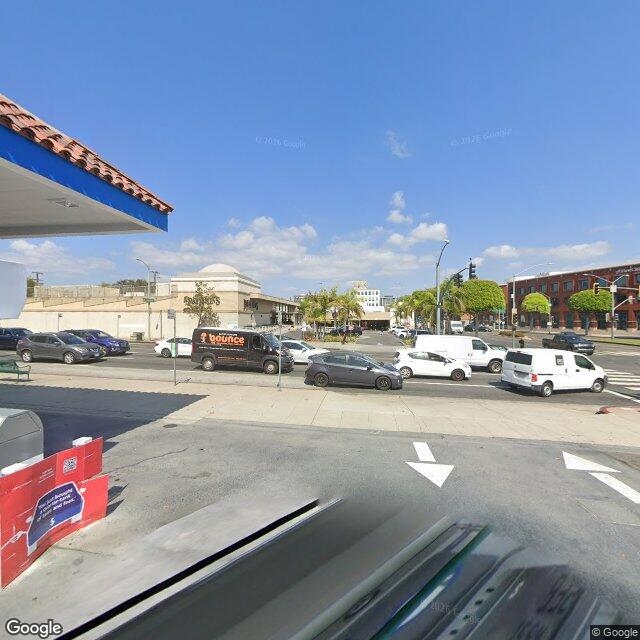
Living in Beverly Hills means something specific and something else entirely depending on which part of the 5.7 square miles you’re talking about. The globally recognized luxury address — the address that carries brand weight internationally, that sits in the cultural imagination as a shorthand for Southern California wealth — is a real city with a real residential fabric. That fabric is more nuanced, more granular, and more interesting than the postcard version.
This guide covers what living in Beverly Hills actually looks and feels like at the neighborhood level, what the Beverly Hills real estate market gives buyers at different price points, and what a thoughtful buyer should know before committing to the address.
What You’re Actually Buying Into When You Move to Beverly Hills
Beverly Hills is an independent city — not a neighborhood of Los Angeles. It has its own police department, fire department, public schools (Beverly Hills Unified School District), and city services. This distinction matters: it means the residential quality of life has a different infrastructure provider than most of the surrounding Westside.
The Beverly Hills Unified School District is consistently among the strongest in California. Beverly Hills High School (Samohi’s rival, with its own storied athletic and academic reputation), Horace Mann Elementary, and El Rodeo Elementary are the main feeders. Families who locate in Beverly Hills for the school district are making a specific and rational calculation: paying a premium for the city address buys access to a public school system that would otherwise require private school tuition.
The city’s commercial infrastructure is concentrated in the flat core — the Beverly Hills triangle of Wilshire, Santa Monica Boulevard, and Rexford. The Rodeo Drive corridor is three blocks of boutique luxury retail. The Canon/Dayton/Brighton commercial streets have a working neighborhood retail character that’s less visible to outsiders but genuinely useful to residents.
The city’s services — street cleaning, park maintenance, public safety response times — reflect the tax base and the city government’s specific attention to residential quality. Beverly Hills is regularly cited as one of the best-maintained small cities in LA County.
The Flats vs. The Hills: Two Different Living Propositions
The most important distinction in Beverly Hills real estate is the divide between the Flats and the Hills — two geographically and experientially different places that share a city government and a zip code.
*The Beverly Hills Flats.* The flat, gridded residential streets between Wilshire and Sunset Boulevard are what most long-time Beverly Hills residents and agents mean when they say “Beverly Hills.” The Flats are walkable in a way the hills aren’t — from Rodeo Drive north to the Flats, most errands, restaurants, and daily retail are within walking distance. The streets — Bedford, Crescent, Maple, Elevado, Rodeo, Palm, Linden — are wide, tree-canopied, and residential in character. Properties here run from smaller 1920s-1940s Spanish Colonials and Tudor-style homes on 6,000-8,000 square foot lots to larger estates on 12,000-18,000 square foot lots. The Flats are where many long-term Beverly Hills residents live because the daily lifestyle works.
Price range in the Flats: $4M-$15M+ depending on lot size and renovation quality. The entry point for a respectable, renovated single-family home on a standard Flats lot starts around $4M-$5M.
*The Beverly Hills Hills.* The streets above Sunset — Coldwater Canyon, Benedict Canyon, Mulholland Drive, Cielo Drive, and the surrounding hillside streets — are a different character. More private, more gated, larger lots, often more significant architectural statements. Views are possible in the right locations. The trade: the hills require a car for essentially everything; traffic on the canyon roads can be frustrating during commute hours; and the city’s walkable character doesn’t extend up the slope.
*BHPO (Beverly Hills Post Office) vs. Beverly Hills proper.* A meaningful distinction that surprises buyers: a large number of properties in the Hollywood Hills carry “Beverly Hills” in their mailing address but are not in the city of Beverly Hills. These are “Beverly Hills Post Office” (BHPO) properties — they’re in unincorporated LA County or the city of LA, and they use a Beverly Hills postal address because their mail is routed through the BHPO. This matters: BHPO properties do not have access to Beverly Hills Unified School District, Beverly Hills city services, or Beverly Hills police. They are in a different jurisdiction entirely. Any buyer searching for Beverly Hills and encountering a property marketed as “Beverly Hills” should verify the actual city of incorporation.
What Daily Life Looks Like in Beverly Hills
The daily Beverly Hills experience differs significantly between the Flats and the Hills.
*In the Flats:* Morning coffee at Coffee Bean or one of the Canyon Drive cafes. Walking or biking to school (most Flats families are within walking distance of the elementary school feeders). The Beverly Hills Farmers Market on Sundays. Dinner on Crescent Drive or Canon. The proximity to Cedars-Sinai Medical Center is a practical consideration that matters more as life stages change.
The entertainment industry is heavily represented in Beverly Hills’s residential base — agents, producers, executives, and talent who want a Westside address and the city’s specific character. The result is a community that’s wealthier on average than most LA neighborhoods and correspondingly more image-conscious. The social fabric is real; it’s just weighted differently than in neighborhoods with more artistic or progressive cultures.
*Traffic reality:* Beverly Hills is adjacent to Century City, a major office corridor. Beverly Drive and Wilshire through Beverly Hills are both significant commute corridors, and rush hour congestion is real. The 405 freeway is accessible from Beverly Hills but requires navigating surface streets in all directions. Buyers who commute frequently to the Valley, downtown, or anywhere east of the 405 should test the specific route before committing.
The city’s proximity to the Westside’s retail and restaurant infrastructure — Erewhon (Weho location is nearby), the Century City mall, the Westfield Century City anchor — makes it highly functional for daily needs.
What Your Budget Gets You in Beverly Hills Real Estate
*$4M-$6M:* Entry-level in the Flats. This range reaches smaller, potentially older homes (1920s-1940s construction, less renovation) on standard lots, or renovated smaller homes on less desirable interior streets. Condos at this price point in the newer buildings on Wilshire are also possible. This is the floor of the market for a move-in-ready single-family home.
*$6M-$10M:* The solid Flats range. This is where 2,500-4,000 square foot homes on 8,000-12,000 square foot lots trade, typically in renovated or newer condition. Most families buying Beverly Hills for the school district and walkable lifestyle are looking in this range.
*$10M-$20M:* Significant Flats properties. Larger lots, architectural quality, renovation state are the differentiators here. This is where the best Flats addresses trade. The hills market also begins in earnest at this range.
*$20M+:* Estate tier. Significant hillside estates, the largest Flats lots with serious architectural work, or specific addresses with historic significance or exceptional design. This segment trades primarily on uniqueness and has a thin, episodic buyer pool.
*Rental market:* Beverly Hills has a meaningful rental market for luxury apartments and condos. Prices for a 2-bedroom luxury apartment run $5,000-$12,000/month in most buildings; Wilshire corridor premium buildings run higher. For buyers considering the city but not ready to purchase, the rental market offers a test period that many Westside neighborhoods don’t — Beverly Hills has enough rental stock at the luxury tier to make a 12-month lease meaningful market research. Current Los Angeles rental listings include options across Beverly Hills and the broader Westside for buyers who want to test the market before committing.
What Buyers Should Know Before Committing to Beverly Hills
*The Rodeo Drive tourist corridor.* The three blocks of Rodeo Drive north of Wilshire are a major tourist destination year-round. The hotel corridor (the Beverly Hills Hotel, the Beverly Wilshire, the Montage) brings constant visitor traffic to the surrounding streets. For Flats residents more than a few blocks from the corridor, this is background noise. For buyers considering properties immediately adjacent to Rodeo or the hotel stretch, the weekend and evening traffic and pedestrian volume is worth factoring.
*The address premium.* A portion of what you’re paying for Beverly Hills is the address itself. This is a legitimate purchase motivation for buyers who value what the address communicates — globally, within the entertainment industry’s social fabric, for certain international buyer profiles. For buyers who don’t particularly value the address for its own sake, the question is whether you’re getting better physical product per dollar in Beverly Hills versus Brentwood or Santa Monica at a comparable price. Often the answer is no — the address commands a premium above what the physical product alone justifies. A cross-neighborhood comparison of active Los Angeles homes for sale at the same price tier makes this concrete: Brentwood and Santa Monica regularly offer more square footage and lot on comparable budgets.
*Insurance.* Beverly Hills proper is not a high-fire-risk area (it’s flat and well-maintained). However, hillside properties in the Beverly Hills adjacent canyon areas carry higher fire risk than the Flats. Verify insurance availability and cost for any hillside property.
*The city government.* Beverly Hills’s city government is attentive to residential property owners in ways that LA proper’s city government often isn’t. Code compliance, permitting, and neighborhood dispute resolution tend to move faster and more predictably in Beverly Hills than in unincorporated LA or the city proper. This is a quality-of-life feature that matters more for buyers who are planning construction, renovation, or any work that interacts with city permitting.
Beverly Hills is the right address for a specific buyer profile: families who want the school district, buyers who value the address as a brand asset, buyers who want the Westside’s walkable character with city services that reflect the tax base. For buyers where those things matter, the premium is rational. For buyers evaluating multiple Westside options on physical product alone, the conversation often ends somewhere else.
TKG can run that comparison for any buyer calibrating between Beverly Hills and its Westside neighbors at your specific price point.
Browse all available Beverly Hills homes for sale, or explore luxury real estate across Los Angeles.
Ready to buy in Beverly Hills? TKG’s buyer advisory covers the full process.
Already own in Beverly Hills and considering a sale? TKG’s seller strategy guide covers pricing, positioning, and how to access the off-market channel.
Keep reading: Hollywood Hills vs Beverly Hills: the buyer’s comparison