
Living in Santa Monica, California: The Real Guide for Buyers

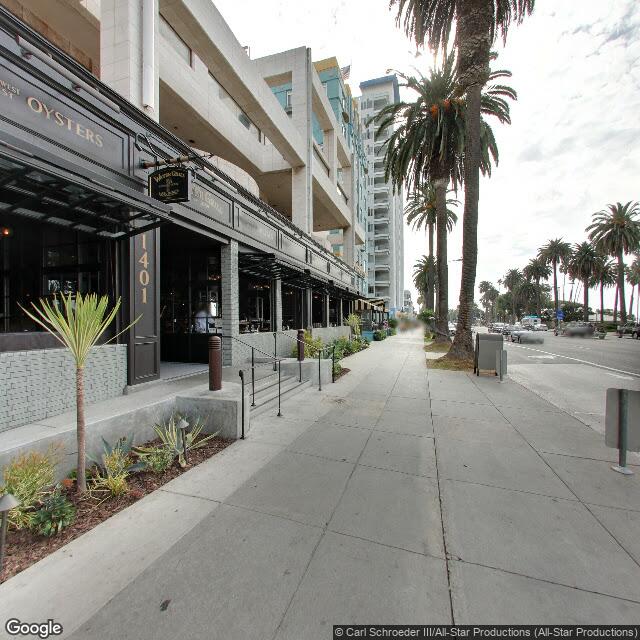
Living in Santa Monica, California means living in the one neighborhood on the entire Westside where you can actually leave the car in the garage. That’s not a small thing in Los Angeles. It’s the central fact that explains why Santa Monica real estate commands a premium over every comparable neighborhood in the region, and why buyers who land here tend to stay.
This guide covers what Santa Monica actually looks and feels like as a place to live — the neighborhoods within it, the daily lifestyle, the real estate market, and the things a thoughtful buyer needs to understand before committing.
Why Buyers Choose Santa Monica Over Every Other Westside Option
Santa Monica wins the lifestyle calculus for buyers who want the beach, the culture, and the option of a carless daily routine — and who have the budget to pay for all three at once. For buyers still mapping the full Westside picture, the broader Los Angeles homes for sale inventory makes the Santa Monica premium concrete against alternatives at the same price point.
The concrete case: from North of Montana, a resident can walk to Erewhon, the Wednesday farmers market on Arizona Avenue, the Third Street Promenade, the Santa Monica Pier, and a dozen restaurants without touching their car. That level of daily walkability doesn’t exist in Brentwood. It doesn’t exist in Pacific Palisades. It doesn’t exist on the Westside at all except in Santa Monica.
For buyers relocating from New York, Chicago, or San Francisco — buyers who are accustomed to urban walkability and know what they’re trading when they move to LA — Santa Monica is often the one neighborhood that doesn’t feel like a lifestyle demotion. The Promenade is real urban retail. The beach is real open space. The neighborhood has actual density and texture that the rest of the Westside largely doesn’t.
The school district is a secondary but significant draw. Santa Monica-Malibu Unified School District consistently ranks among the strongest public school districts in Los Angeles County. Franklin Elementary, John Adams Middle School, and Santa Monica High School (Samohi) are the main public feeders, and all three have reputations that matter to families doing the school district math when selecting a neighborhood.
The trade: you’re paying a significant premium per square foot versus comparable neighborhoods. A home that would be $2.5M in Mar Vista is $3.5M or more in Santa Monica with equivalent square footage. The walkability, beach access, and school district are what you’re paying for, and the buyers who value those things find the premium reasonable. The Santa Monica real estate listings make this premium concrete against comparable Westside options at the same price point.
What Are the Neighborhoods Within Santa Monica?
Santa Monica is small — 8.3 square miles — but the differences between its sub-neighborhoods are significant enough to affect price, lifestyle, and who you’ll encounter on your street.
North of Montana. The most prestigious residential address in Santa Monica, and among the most prestigious on the entire Westside. Streets like San Vicente, Georgina, and Adelaide run through quiet, tree-lined blocks of California Craftsmans, Spanish Colonials, and newer contemporary builds. The street energy here is calm, almost suburban in character despite the proximity to everything. The median home price in this pocket runs $4M-$8M and up for larger lots. This is the Santa Monica that draws the entertainment executive, the tech founder, and the family that is not trying to prove anything.
Montana Avenue corridor. Montana Avenue itself is the neighborhood’s spine — a 1-mile stretch of boutique retail, coffee shops, pilates studios, and brunch restaurants that has no equivalent on the Westside. Living within three blocks of Montana means walking to most of what you’ll want on a daily basis. Prices here are somewhat lower than the deeper North of Montana streets because the walk score trades against the parking competition.
Ocean Park / South of Wilshire. A different character entirely. The blocks between Pico and Ocean Park Boulevard, and east toward Lincoln, are denser, younger, and more eclectic. The housing stock includes more condos, more smaller bungalows, and a broader mix of buyers. Prices per square foot are meaningfully lower than North of Montana — a family on a $1.5M-$2M budget that wants Santa Monica is likely looking here.
Main Street / Sunset Park. The southern edge of Santa Monica, bordering Venice. Main Street has a looser, more creative energy than the Montana corridor — more bars, more street art, more weekend foot traffic from Venice spilling north. Sunset Park is a stable, mostly single-family neighborhood that offers good value relative to other SM sub-areas. Families who want good schools and a quieter feel without the North of Montana price tag land here.
Downtown / Wilshire. The corridor around Wilshire, Third Street Promenade, and the Santa Monica Place mall is mostly condo and apartment living. This is the urban Santa Monica — the highest walkability score, the densest foot traffic, and the smallest private outdoor space. Well-suited to younger buyers or empty nesters who want to walk everywhere and have no interest in maintaining a yard.
What Does Daily Life Actually Look Like in Santa Monica?
A representative day in Santa Monica doesn’t involve a freeway, which is the point. From most residential neighborhoods, the beach is a 10-20 minute walk. The farmers market Wednesday and Saturday is a walk. Erewhon and comparable grocery options are a walk. The Friday night dinner is a walk.
The bike path along the beach runs from Pacific Palisades to Torrance — 22 miles of separated infrastructure that lets residents commute, exercise, and travel the coast without entering a car. For buyers who bike, Santa Monica’s position at the north end of the South Bay path is a genuine lifestyle amenity.
The weekend energy is high. The Third Street Promenade brings significant foot traffic, particularly in summer. The Santa Monica Pier area draws tourists year-round. For buyers who enjoy urban energy on weekends, this is a feature. For buyers who want quiet, this is worth understanding before you commit to the blocks nearest that energy.
Commute reality: Santa Monica is on the wrong side of LA for most eastward commutes. The 10 freeway connecting Santa Monica to downtown is one of the most consistently congested corridors in the city. Buyers commuting to Century City, Beverly Hills, or West Hollywood have reasonable options. Buyers commuting to downtown, the Valley, or anywhere east of the 405 will feel the distance.
The Big Blue Bus and the Expo Line (Metro E Line) connect Santa Monica to the rest of the city. The Expo Line runs to downtown LA and to Culver City, which has made certain commutes meaningfully easier since its completion. It’s a real transportation option for buyers willing to use it.
What Does Your Budget Get You in Santa Monica Real Estate?
Santa Monica runs from the $1.2M-$1.8M range for a smaller condo or townhouse entry point to $20M+ for the largest estates in North of Montana. The meaningful price anchors for house buyers:
$2M-$3M: Reaches smaller single-family homes in Ocean Park, Sunset Park, and the south and mid-corridor areas. Expect 1,200-1,800 square feet, typically with older bones and varying renovation states. Condos in this range reach larger formats in better buildings.
$3M-$5M: Opens up the Montana Avenue corridor and starts to compete in North of Montana on smaller lots. At this range, buyers can find well-renovated 2,000-3,000 square foot homes with outdoor space on reasonable street-depth lots.
$5M-$10M: North of Montana’s primary price range. This is where 3,500-5,000 square foot houses on 7,500-12,000 square foot lots trade. Architectural quality varies significantly within this range — a 1950s three-bedroom that has been cosmetically refreshed trades very differently from a renovated Spanish Colonial with mature gardens.
$10M+: The estate tier. Large lots in the deepest, quietest blocks of North of Montana. These properties trade primarily on lot size, architectural significance, and renovation quality. They are rare on the open market and frequently transact off-market.
Condos: A significant share of Santa Monica’s housing stock is condominiums. The Wilshire corridor has a concentration of mid-century and 1970s-era buildings with ocean views. Newer developments near the Expo Line and downtown core represent the high-end condo market. Buyers interested in condos should factor HOA fees (which range from $600-$1,500/month in older buildings) and the rent-control overlay discussed below.
What Buyers Should Know Before Committing to Santa Monica
Honest information belongs here.
The Promenade and beach area. Santa Monica’s homelessness infrastructure is concentrated near the Third Street Promenade, Palisades Park (the bluff above the beach), and the beach itself. This is a genuine quality-of-life consideration that affects some buyers more than others, and it is more visible in Santa Monica than in most comparable Westside neighborhoods. The situation has varied over time depending on enforcement and outreach policy. Buyers who are sensitive to this factor should walk the neighborhood at different times of day before committing, with specific attention to the blocks nearest the Promenade and beach access points. The North of Montana residential streets are mostly insulated from this dynamic. The Ocean Park area and Main Street corridor have less concentration than the beachfront.
Rent control. Santa Monica has one of the most comprehensive rent control ordinances in California. Properties built before 1979 that contain two or more units are subject to the Santa Monica Rent Control Charter Amendment, which severely limits rent increases on covered units and restricts eviction rights. For buyers considering a property as a future rental or for buyers purchasing a multi-unit property, understanding whether units are subject to rent control before making an offer is essential. Rent control affects both the income potential of the property and the owner’s flexibility, and it is a permanent feature of the city’s legal landscape. Buyers modeling rental income for a Santa Monica multi-unit property can benchmark current market rates across the city through Los Angeles rental listings.
Traffic density. During summer months and holiday weekends, Santa Monica’s street grid becomes significantly congested. Lincoln Boulevard, Wilshire, Santa Monica Boulevard, and Olympic all experience slowdowns that are routine for residents but can be jarring for buyers who visited during a quiet weekday. Test your commute and your daily routes on a representative Saturday in June.
Parking. Residential streets near the Promenade and beach face significant parking competition from visitors, particularly on weekends. Most single-family homes have garages; if the property doesn’t, this is worth pressure-testing before close.
Is Santa Monica the Right Move for You?
Santa Monica is the right answer for buyers who want beach access, genuine walkability, and a strong public school district — and who have the budget to pay for all three without compromise.
It is not the right answer for buyers who need easy freeway access to the east side of the city, who want estate-scale property at comparable values to other markets, or who are sensitive to urban density and its occasional friction.
For buyers where the numbers work and the lifestyle fits, Santa Monica has one of the lowest regret rates of any LA neighborhood. The people who buy here stay. The demand is consistent across market cycles because the underlying proposition — walk to everything, live at the beach — doesn’t go away.
If you’re pressure-testing Santa Monica against Brentwood, Pacific Palisades, or Venice and want to understand what the real trade-offs are at your specific budget, that’s a calibration we can run for you.
Browse all available Santa Monica homes for sale, or explore luxury real estate across Los Angeles.
Ready to buy in Santa Monica? TKG’s buyer advisory covers the full process.
Already own in Santa Monica and considering a sale? TKG’s seller strategy guide covers pricing, positioning, and how to access the off-market channel.