
Living in West Hollywood: The Real Guide for Buyers

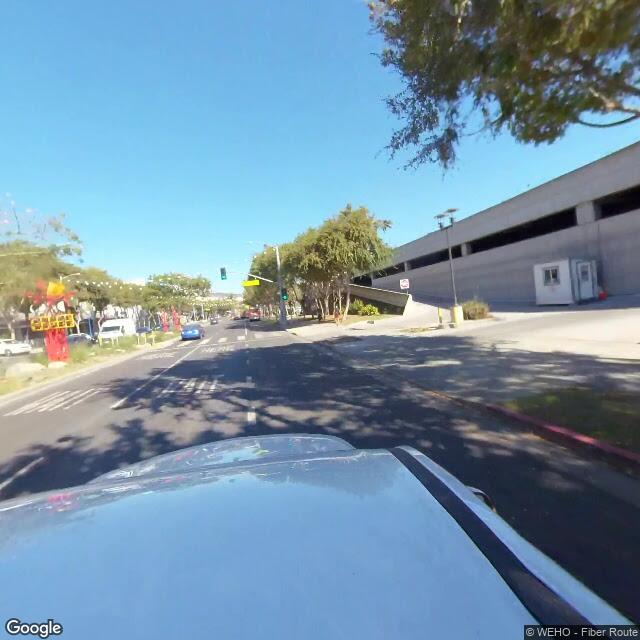
Living in West Hollywood means living in the most culturally specific neighborhood in Los Angeles — a 1.9-square-mile independent city with a genuine personality that no other LA address replicates. West Hollywood is LGBTQ+ community infrastructure, the Sunset Strip, Melrose Avenue boutiques, some of LA’s most walkable blocks, and a nightlife and restaurant density that makes it the city’s most active neighborhood after dark.
West Hollywood is also adjacent to the entertainment industry’s power corridor — agents, managers, and production companies cluster in the streets between Santa Monica and Sunset Boulevards. The result is a neighborhood that operates at high energy, attracts a specific buyer profile, and is much smaller and more specific than its global brand recognition might suggest.
What West Hollywood Actually Is
West Hollywood is an independent city — not a neighborhood of Los Angeles — that incorporated in 1984 partly in response to the local gay community’s political organizing. That history is the foundation of the city’s character: WeHo has consistently been at the forefront of LGBTQ+ civil rights in California, and the community infrastructure that was built through that activism is a permanent part of the city’s identity.
The city covers roughly a rectangle bounded by Beverly Hills to the west, Hollywood to the east, the Sunset Strip to the north, and Santa Monica Boulevard and the residential streets below it to the south. It is genuinely small — most of it can be walked end-to-end in 25 minutes.
*The city’s government* is notable for responsiveness and community-focused governance. WeHo has strong tenant protections (stricter than LA’s RSO in some respects), active community programming, and a city council that is historically attentive to the residential community’s quality-of-life concerns. The city’s maintenance standards are consistently high.
West Hollywood’s Neighborhoods
West Hollywood has a few distinct sub-areas that create meaningfully different living experiences within the same city boundaries.
*The Norma Triangle.* The residential streets north of Santa Monica Boulevard (Westmount, Huntley, Norma Place, and surrounding streets) are the quietest and most residential part of WeHo. Small lots, Spanish Colonials, bungalows, and more recent contemporary development. This is where WeHo’s homeowners primarily live — away from the commercial energy of the Strip and Melrose. Prices here run $1.2M-$3M+ for smaller single-family homes, with condos lower.
*The Sunset Strip.* The northern edge of WeHo, where the iconic rock venues (Roxy, Whisky a Go Go, Troubadour) and the entertainment industry’s networking restaurants and hotels (Soho House, Sunset Tower, Chateau Marmont) concentrate. Residential on the Strip itself is minimal — it’s the commercial and nightlife spine. The residential streets immediately south of and parallel to Sunset are some of the most desirable in the city.
*Santa Monica Boulevard corridor.* The main commercial and community corridor. LGBTQ+ businesses, restaurants, clubs, the Weho Pride route — this is the civic center of the community. Residential units above commercial, condos, and high-density apartment buildings line the corridor and the adjacent streets.
*The southern residential area.* Below Santa Monica Boulevard, residential density increases and prices compress somewhat. This area transitions toward Beverly Hills to the west and the streets toward Melrose to the south — a mix of condos, apartments, and smaller single-family homes.
Why People Choose West Hollywood
*LGBTQ+ community infrastructure.* This isn’t a side note — it’s the primary reason a meaningful segment of WeHo’s buyer pool chooses the city specifically. The community’s health services, social organizations, affirmative business environment, and the general comfort of living in a city where LGBTQ+ identity is the cultural baseline rather than an exception are real and valued. Buyers who want to live somewhere where this community is genuinely centered, not just tolerated, consistently return to WeHo.
*Walkability.* West Hollywood’s walkability scores consistently outperform most of LA’s neighborhoods. From most residential streets, residents can walk to groceries (Whole Foods on Santa Monica, Gelson’s on Fountain), restaurants (the density on Melrose and Santa Monica is extraordinary), coffee shops, gyms, and the boutique retail on Melrose and Robertson without needing a car. For buyers coming from walkable cities who want the LA lifestyle without daily car dependency, WeHo is the answer along with Santa Monica.
*The cultural calendar.* The Sunset Strip Music Festival, WeHo Pride, Halloween Carnaval (one of the largest street events in the US), and the year-round restaurant and nightlife programming make WeHo one of the most event-active neighborhoods in the city. For buyers who want to live somewhere that has genuine urban energy, this is the address.
*Entertainment industry adjacency.* The specific social and professional network of the film and television industry is heavily concentrated in WeHo and immediately adjacent areas (Beverly Hills, Hollywood Hills). For buyers who work in or around the entertainment industry, the geographic proximity to that network matters.
What Your Budget Gets You in West Hollywood Real Estate
West Hollywood’s housing stock is primarily condominiums and apartments — single-family homes exist but are a smaller share of the total inventory than in most LA neighborhoods. The West Hollywood real estate listings reflect this — condos dominate, with SFH a premium and relatively rare subset.
*Under $1M:* Reaches smaller 1-bedroom condos in most parts of WeHo, or older buildings with fewer amenities. The entry point for the neighborhood.
*$1M-$2M:* Single-bedroom luxury condos or 2-bedroom condos in newer or renovated buildings. This range accesses the most of WeHo’s condo market.
*$2M-$4M:* Reaches larger condos with building amenities, penthouse units in smaller buildings, or small single-family homes in the Norma Triangle. This is the range where the most significant condo transactions occur.
*$4M+:* Single-family homes in the Norma Triangle, larger custom condos, or small-lot homes with renovation. The SFH market in WeHo is thin; when these properties come available, they command significant premiums.
What Buyers Should Know Before Committing to West Hollywood
*Nightlife noise.* The Sunset Strip and Santa Monica Boulevard are active after midnight — Friday and Saturday night traffic and sound from the venues and restaurants is a real quality-of-life factor for residents within proximity. Buyers considering properties within 2-3 blocks of the Strip or the primary Santa Monica Boulevard nightlife corridor should visit on a representative Saturday night before committing. Residents who are light sleepers or who have early morning schedules report this as the most significant livability friction.
*Parking.* West Hollywood’s residential streets have significant competition for street parking, particularly on weekend evenings. Most condominiums include at least one assigned parking space; single-family homes typically have garages or driveways. Street parking as a primary strategy is not viable.
*Rent control.* West Hollywood’s rent stabilization is notably strong — among the strongest in the region. Landlords with RSO-covered properties face specific constraints on rent increases and eviction rights. For buyers considering investment properties in WeHo, the RSO environment is a significant underwriting factor. Those evaluating rent levels before investing can benchmark current market rates through the Los Angeles rental listings database.
*Condo HOAs.* A large share of WeHo’s ownership housing is in condominium buildings with active HOAs. HOA fees range from $400-$1,500+/month in most buildings. Buyers should review the HOA financial health, reserve fund status, and any pending special assessments before committing.
West Hollywood is the right answer for buyers who specifically want the community, the walkability, the nightlife access, and the cultural character that WeHo provides. For buyers who prioritize quiet, space, or who have suburban lifestyle preferences, the neighborhood’s energy and density is not for them.
TKG works with buyers at every budget in West Hollywood. The neighborhood’s specific character and condo-heavy inventory requires an agent who understands both the community dynamics and the building-by-building quality variation.
Browse all available West Hollywood homes for sale, or explore luxury real estate across Los Angeles.
Ready to buy in West Hollywood? TKG’s buyer advisory covers the full process.
Already own in West Hollywood and considering a sale? TKG’s seller strategy guide covers pricing, positioning, and how to access the off-market channel.
Keep reading: the Hollywood Hills celebrity homes map