Browse all Alameda County real estate.

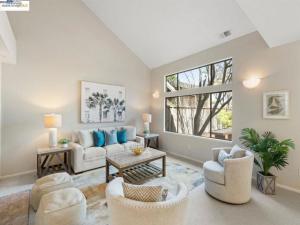
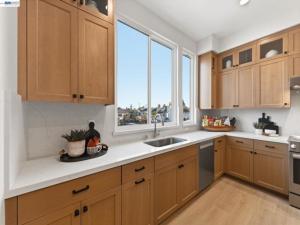
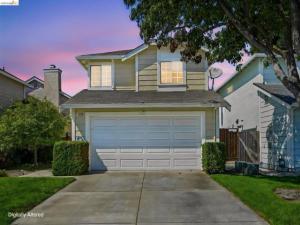
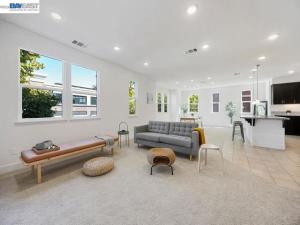
Alameda CA Homes for Sale currently number 28 active listings with a median asking price of $1,074,500 (CRMLS, September 2026).
Alameda CA homes for sale sit on an island with a fixed land boundary, which shapes how this market behaves. Separated from Oakland by the estuary and reached by the Webster and Posey tubes and three bridges, Alameda can’t expand its supply of single-family homes the way mainland East Bay cities do. Prices generally run below Berkeley and Oakland’s premium neighborhoods but above Hayward and San Leandro. Well-priced homes often draw multiple offers and sell within two weeks; overpriced listings sit, which is where informed buyers find room to negotiate.
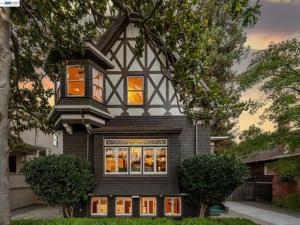
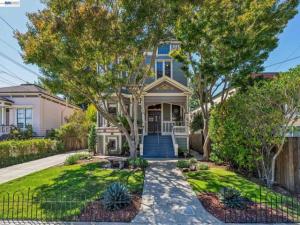
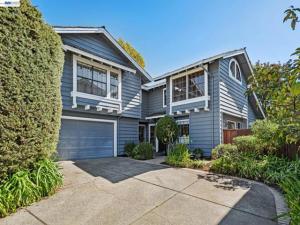
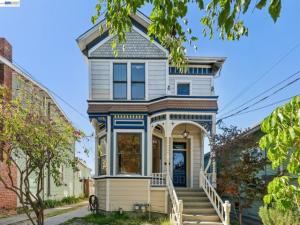
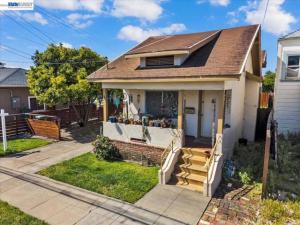
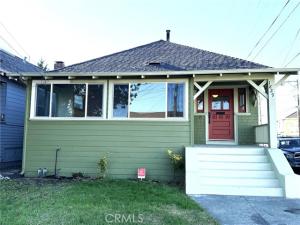
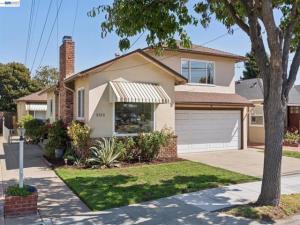
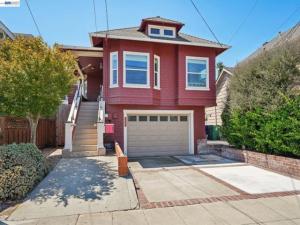
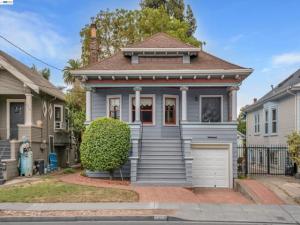
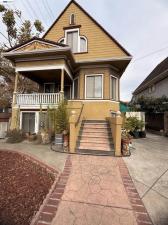
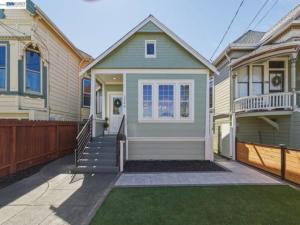
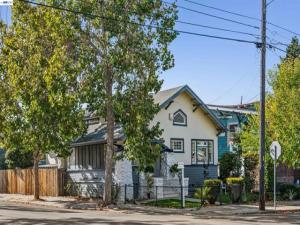
The housing stock is dominated by Victorian and Craftsman architecture, mostly owner-occupied single-family homes, with condominiums and multi-unit buildings near the Park Street and Webster Street corridors and along the waterfront. What varies most is location. The Gold Coast and Harbor Bay command significant premiums over comparable inland addresses, Bay Farm Island reads as a quieter 1970s and 1980s community, and Alameda Point offers newer construction on the West End.
Alameda’s real estate market reflects its geography. The island’s boundaries are fixed, which means the supply of single-family homes does not expand to absorb demand the way it does in mainland East Bay communities. When the broader market softens, Alameda tends to hold value relatively well because there is simply no room to overbuild. When demand rises, competition for well-priced homes can be intense, with multiple offers common across price bands.
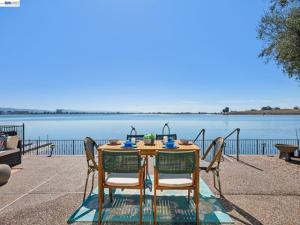
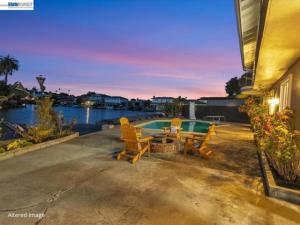
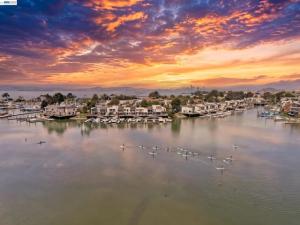
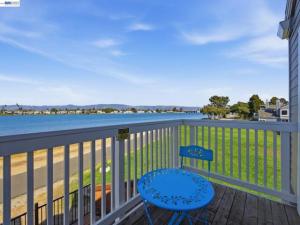
The market is predominantly owner-occupied single-family homes, with a meaningful condominium and multi-unit segment near the Park Street and Webster Street commercial corridors and along the waterfront. Prices are typically below Berkeley and Oakland’s premium neighborhoods but above Hayward and San Leandro, placing Alameda in a mid-to-upper range for Alameda County. The bay waterfront properties, particularly in the Gold Coast and Harbor Bay areas, command significant premiums over comparable inland addresses.
Inventory levels on the island are consistently low relative to buyer demand. Properties that are priced correctly and presented well tend to sell within two weeks. Overpriced listings do sit, which gives informed buyers an opportunity to negotiate. TKG tracks days-on-market and list-to-sale ratios by neighborhood on the island so clients understand the real competitive environment before they act.
The island’s appeal has broadened as Bay Area buyers seek alternatives to San Francisco and Oakland at lower price points. The ferry commute to San Francisco, in particular, draws professionals who want a genuinely different living environment without a long drive. That demand segment has been consistent and adds a floor to pricing in waterfront-accessible neighborhoods.
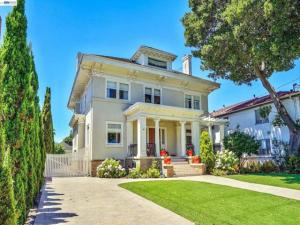
Alameda is small enough that neighborhood distinctions matter a great deal to buyers. The Gold Coast, along the northern shoreline facing the San Francisco Bay, is the most prestigious address on the island. Large Victorian and Colonial-era homes on generous lots characterize this area, and properties here sell infrequently. When they do come to market, they attract significant attention.
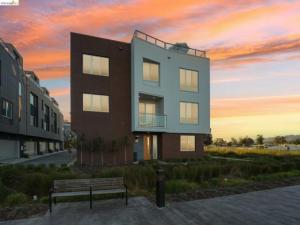
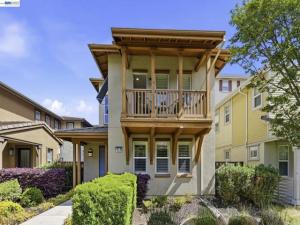
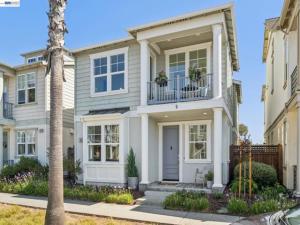
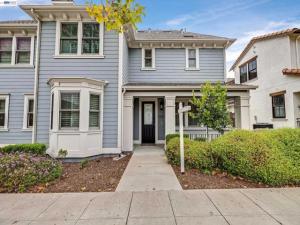
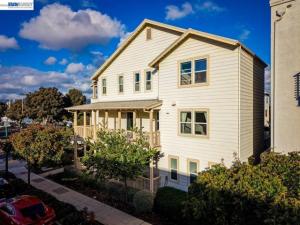
The West End neighborhood encompasses the area west of Park Street, including the historic neighborhoods near Webster Street and the former Naval Air Station Alameda site. The NAS Alameda redevelopment, now known as Alameda Point, is an ongoing large-scale infill project that has added new housing, commercial space, and public waterfront access to the western end of the island. New condominiums and townhomes at Alameda Point appeal to buyers seeking newer construction on the island.
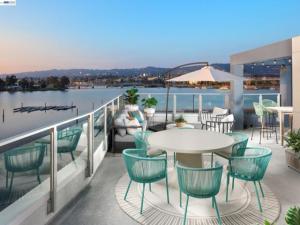
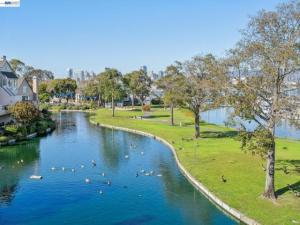
Bay Farm Island, connected to the main island by a short bridge, is a distinct residential community built primarily in the 1970s and 1980s. It has a marina, Bay Trail access, and a quieter feel than the main island. Harbor Bay Isle within Bay Farm offers waterfront homes with private dock access. The Harbor Bay Landing area has a small business park and the South Shore Center shopping district nearby.
The neighborhoods along Buena Vista Avenue and Pacific Avenue offer mid-century and earlier residential streets with mature landscaping and the kind of settled, block-by-block character that longtime Alameda residents cite as the reason they stay. These areas are walkable to Park Street and the island’s school campuses.
Alameda Unified School District serves the island with a network of elementary, middle, and high school campuses. The district has two comprehensive high schools: Alameda High School, located near the Park Street commercial district, and Encinal High School on the western side of the island. Both serve the full island community, and families in certain areas may have preferences based on proximity.
The district also operates Bay Farm School for elementary students on Bay Farm Island, which is popular among families in that area. Lincoln Middle School and Wood Middle School serve the intermediate grades. Overall, the district is well-regarded for its programs and outcomes relative to other mid-size East Bay unified districts.
Private and charter school options are limited within Alameda itself, but the island’s proximity to Oakland and Berkeley gives families access to a broader range of independent school options across the East Bay. Several families in Alameda make use of open enrollment options and private institutions across the estuary.
Life in Alameda is shaped by its island geography. The pace is noticeably different from Oakland and Berkeley, with lower density, quieter streets, and a community culture built around local institutions. The Park Street Business District is the primary commercial corridor, with local restaurants, independent shops, a theater, and a farmers market on Sundays. The Webster Street corridor on the West End is a smaller but active commercial area serving that part of the island.
Crown Memorial State Beach on the southern shore provides one of the few publicly accessible sandy beaches in the East Bay, a significant amenity that residents use year-round. Crab Cove, a marine reserve adjacent to the beach, offers wildlife observation and educational programming. The Bay Farm Island waterfront trail and the main island’s shoreline walks are part of the Bay Trail network connecting to other East Bay communities.
The Alameda Recreation and Parks Department maintains numerous parks, including Washington and Lincoln parks, which anchor community activity across the island. Youth sports leagues are active, and the island’s compact geography means most families can walk or bike to their regular destinations. The community has a strong civic culture, with neighborhood organizations and historical preservation groups that actively participate in local governance.
The island’s dining scene is local and independent rather than chain-focused, with a range of options along Park Street that reflects the community’s demographic mix. Coffee shops, bakeries, and casual dining anchor daily life for residents who do not need to cross to the mainland for everyday needs.
The Alameda-Oakland Ferry provides a significant commute advantage for residents bound for San Francisco’s Ferry Building. The ferry runs on a schedule that serves typical commute hours and offers a water commute experience that is genuinely different from driving or BART. This option is a primary draw for buyers who work in the Financial District, SoMa, or the Embarcadero area of San Francisco.
For Oakland-bound commuters, the Webster and Posey tubes provide vehicle and bus access to the mainland. AC Transit operates bus routes through the island connecting to BART stations in Oakland, including the 12th Street/Oakland City Center station. The tubes can experience congestion during peak hours, which is a factor buyers who drive daily should evaluate.
Cyclists can access the island via the Fruitvale Bridge and a network of Class I and II bike lanes on the island itself. Alameda is considered one of the more bicycle-friendly communities in Alameda County due to its flat terrain and protected infrastructure. Biking to Fruitvale BART is a realistic commute option for residents in the eastern neighborhoods.
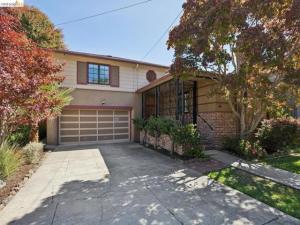
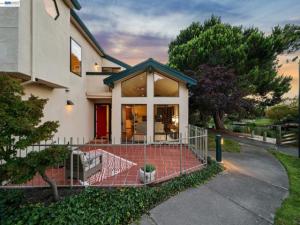
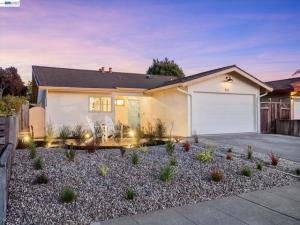
The most common property type in Alameda is the single-family home, with Victorian, Craftsman, Colonial Revival, and mid-century styles all present in significant numbers. The island’s long residential history means many homes have been renovated multiple times, and buyers will find a wide range of condition from original historic character to fully updated contemporary finishes behind traditional exteriors.
Condominiums and townhomes are available in several areas, including newer developments at Alameda Point and existing complexes near the commercial corridors and waterfront. The multi-unit residential stock also includes smaller apartment buildings and duplexes that occasionally come to market as investment properties or owner-occupied units.
Larger lots and estate-scale properties exist in the Gold Coast and along the waterfront, but the island’s density means most properties have standard suburban lot sizes. Buyers looking for larger lots relative to purchase price may find more options in Bay Farm Island, which was developed with somewhat more generous setbacks than the older parts of the main island.
Island geography creates specific considerations that buyers in mainland East Bay communities do not face. Flood zone designations affect portions of the island, and flood insurance requirements should be reviewed for any property in lower-elevation areas near the shoreline or estuary. The Webster and Posey tubes are the only vehicle connections to Oakland, which means commute planning requires more thought than in mainland communities.
The historic housing stock means buyers should budget for deferred maintenance in older homes. Victorian and Craftsman homes, while architecturally distinctive, can carry significant costs for foundation work, electrical updates, plumbing, and sewer lateral compliance. A thorough home inspection with specialists in older construction is standard practice for buyers here.
Alameda Point properties and HOA communities on Bay Farm Island have specific governance structures. Buyers in these areas should review CC&Rs, HOA financial statements, and reserve fund adequacy before committing. TKG reviews these documents as a standard part of the pre-offer process.
The Knight Group represents buyers and sellers in Alameda with a process built on preparation and accurate local data. Before submitting an offer, TKG clients understand the comparable sales, the seller’s situation, and how to structure terms that compete without overpaying. The island market moves quickly for well-priced homes, and buyers who are not prepared to act within days of a listing going active often miss opportunities.
TKG’s seller representation in Alameda focuses on accurate pricing, targeted marketing to the buyer profiles most likely to pay full value, and negotiation strategy through inspection and contingency periods. The goal is a transaction that closes at the right price with the fewest unnecessary complications. Connect with TKG to discuss the current Alameda market and how to position yourself effectively as a buyer or seller.
Connect with TKG about Alameda real estate.
Alameda's rental market is driven by the island's supply constraint and its ferry-based transit access to San Francisco's Financial District. Tenants who want San Francisco accessibility without San Francisco rent levels, and who are willing to accept the island commute character, represent a consistent and deep rental demand pool. Single-family homes with yards, which are the dominant Alameda property type and the one most households seeking to raise a family prioritize, command strong rents that reflect the island's supply limitation and the specific lifestyle appeal of residential Alameda versus the mainland.
Multi-unit properties on and near Park Street and Webster Street in the commercial corridors provide the highest gross rental income among Alameda investment property types, though cap rates compress as prices in the island market have increased. Investors who target Alameda need to underwrite for rent control provisions that apply to multi-unit properties built before 1995. The city's rent stabilization ordinance affects hold strategy and exit planning for multi-unit buyers and is a material consideration in any investment underwriting for pre-1995 vintage buildings.
The former Naval Air Station Alameda redevelopment continues to produce new residential units that add to the island's supply over time. This site-specific supply addition is a long-term factor in Alameda's rental market equilibrium. Near-term, the phased pace of the NAS development means that supply additions are gradual rather than disruptive, and the new units tend to be amenity-rich products that occupy a distinct tier from the existing island housing stock.
The Alameda Point redevelopment is the most significant long-term development story in the city. The former Naval Air Station represents approximately 1,400 acres of developable land on the western tip of the island, a scale of infill opportunity that is exceptionally rare in the built-out Bay Area. Planning for the site has gone through multiple iterations, and the current framework includes a mix of residential, commercial, and public amenity uses. The pace of development has been slower than initial projections, which means that the impact on the Alameda residential market has been gradual rather than sudden.
The ferry terminal at the former NAS site, once activated at the planned service level, would provide a direct water transit connection to San Francisco's Ferry Building that would substantially increase the transit access value of western Alameda properties. This infrastructure improvement, when realized, is expected to accelerate appreciation in the properties nearest the western waterfront.
How does the island location affect the purchase process?
Alameda is accessible by road over the two Oakland bridges and the Webster Street Tube, by the Alameda-Oakland ferry to San Francisco, and by AC Transit buses. The island location does not significantly affect the purchase process itself, but it does affect daily logistics in ways buyers should evaluate: grocery runs, school drop-offs, and emergency services all involve bridge crossing times that add 5 to 15 minutes to mainland-equivalent errands.
Are there restrictions on home modifications in Alameda?
Alameda has a significant number of historic and architecturally significant properties, particularly in the Victorian-era residential neighborhoods near the central island. The city has a historic preservation ordinance that may apply to modifications of certain designated properties. Buyers planning significant exterior alterations, additions, or demolition of any Alameda structure should verify historic designation status with the city's Planning, Building, and Transportation Department before acquiring the property.
What is the flood risk in Alameda?
Alameda is an island in the San Francisco Bay with sea level elevation generally 10 to 20 feet above mean sea level in the residential areas. FEMA flood zone designations vary by specific address, and some areas near the lagoon and the shoreline are in Special Flood Hazard Areas requiring flood insurance. Buyers should verify the flood zone designation of any Alameda address and obtain a flood insurance cost estimate as part of their due diligence, particularly for properties near the waterfront or the lagoon.
What are the best streets for families in Alameda?
Families frequently target the neighborhoods east of Park Street in the central island, along Santa Clara Avenue and the parallel residential streets, for their proximity to established elementary campuses and the central park facilities. The Crown Beach area in the western part of the island attracts active families for the direct beach access. TKG helps school-motivated buyers identify which specific addresses fall within the attendance areas of highest-performing Alameda Unified campuses.
How competitive is the Alameda market?
Properties in Alameda's primary market segments, particularly well-maintained Victorian and Craftsman homes in the central island neighborhoods, typically receive multiple offers within the first week of marketing. Pre-approval and offer readiness before beginning active property search is essential for buyers who want to compete effectively. TKG works with Alameda buyers to position offers competitively in a market where waived contingencies and escalation clauses are common tools among prepared buyers.
Browse all Alameda County real estate.