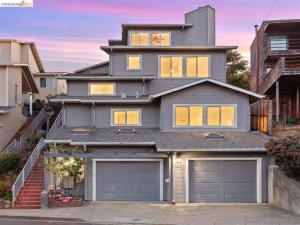
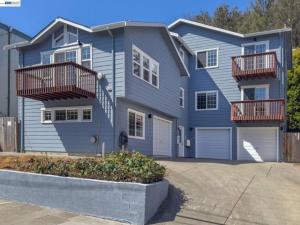
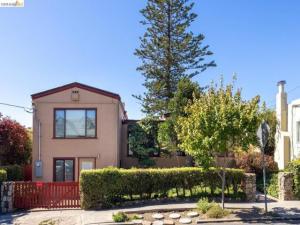
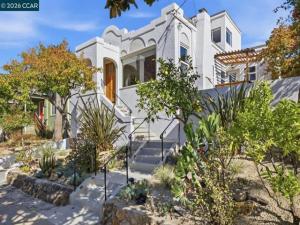
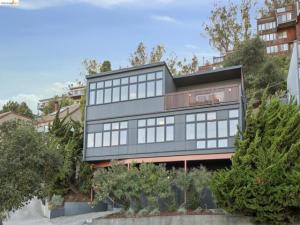
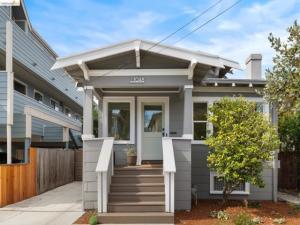
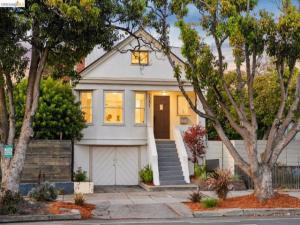
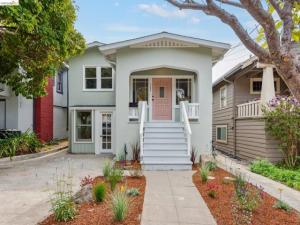
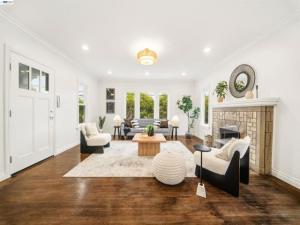
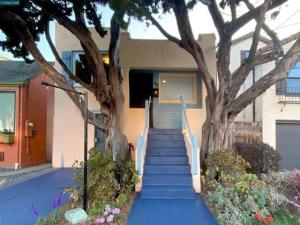
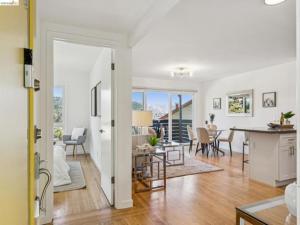
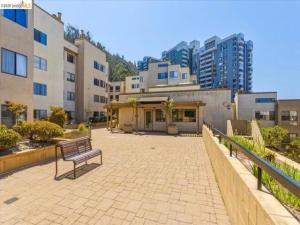
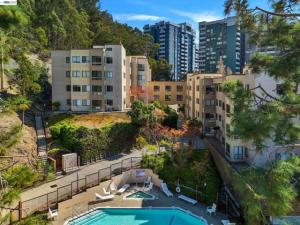
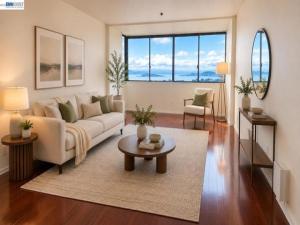
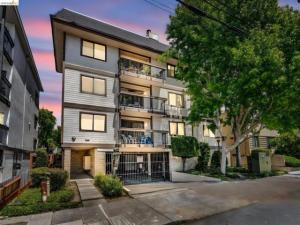
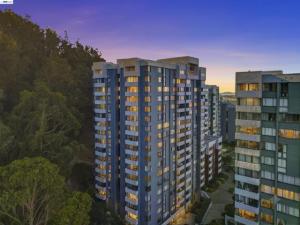
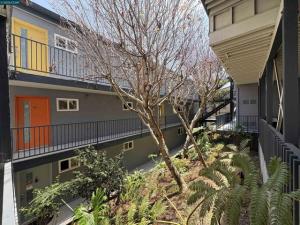
Albany CA Homes for Sale currently number 32 active listings with a median asking price of $566,500 (CRMLS, September 2026).
Most buyers searching Albany CA homes for sale are here for one reason: Albany Unified School District. Albany is one of the smallest incorporated cities in California by land area, just under two square miles between Berkeley and Richmond, and that scarcity shapes everything. There are very few undeveloped parcels, no large infill sites, and owners who tend to hold for decades. The result is persistently low inventory and real competition for well-priced listings.
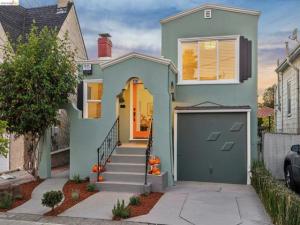
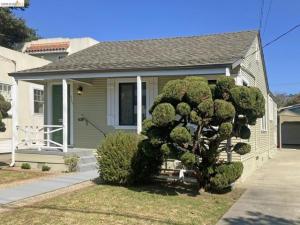
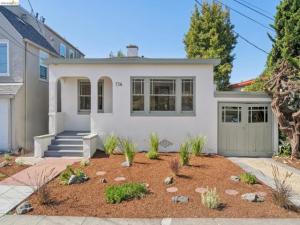
The housing stock is mostly mid-century single-family homes on 25-to-50 foot lots, with Craftsman-era and larger, more architecturally varied properties in the hillside section bordering Berkeley. The flatlands are the walkable side, close to Solano Avenue and Marin Avenue. Along San Pablo Avenue, a small corridor of multi-family buildings offers condo options at a lower entry point.
Albany is one of the smallest incorporated cities in California by land area, covering just under two square miles between Berkeley and Richmond in the western East Bay. What it lacks in size it compensates for with school quality, walkability, and a consistent demand base from buyers who prioritize the Albany Unified School District. This guide covers the Albany real estate market in full, including neighborhood character, school options, commute access, and what buyers and sellers should understand about competing in this tight-inventory market.
Albany’s market is driven more by school demand than perhaps any other single factor in Alameda County. Albany High School consistently ranks among the top public high schools in California, and the elementary campuses in the district perform at a high level relative to comparable East Bay districts. That demand base is consistent across economic cycles. When interest rates rise and broader Bay Area markets soften, Albany holds better than most because the buyer pool for schools-driven purchases is relatively inelastic.
The housing stock is mostly mid-century single-family homes on 25-to-50 foot lots, with some Craftsman-era properties in the hillside sections. The compact lot sizes mean buyers get less land per dollar than in nearby El Cerrito or Richmond, but they get the school district and the Solano Avenue walkability that those communities cannot offer. Prices have historically tracked above the broader West Contra Costa and western Alameda County averages.
Inventory is consistently low. Albany has very few undeveloped parcels, no large infill sites, and a homeowner base that tends to hold properties long-term. This structural supply constraint keeps competition raise for well-priced listings. Buyers who are not pre-approved and ready to move within days of a listing going active frequently lose to more prepared competitors.
The rental market in Albany is also tight, driven by the same school demand from families who are not yet in a financial position to purchase. This demand creates a strong floor under investment property values as well.
Albany organizes naturally into a flatlands area and a hillside area, though neither section is formally named. The flatlands, which occupy most of the city’s land area, are characterized by post-war and mid-century single-family homes on relatively flat grid streets. These neighborhoods are the most walkable, with easy access to Solano Avenue and Marin Avenue as the primary commercial spines.
The hillside section in the southeastern corner of Albany, bordering Berkeley, sits on steeper terrain with more varied lot configurations and occasional view potential toward the Bay. Homes in the hills tend to be larger and more architecturally varied than the flatlands stock, with some mid-century modern designs that attract buyers seeking character beyond the standard post-war ranch.
Albany’s border with Berkeley along Marin Avenue means that some properties feel more Berkeley-adjacent than others, and buyers considering Albany sometimes cross-shop with Berkeley’s Thousand Oaks and Northbrae neighborhoods. The school district boundary is the decisive factor for most buyers making this comparison.
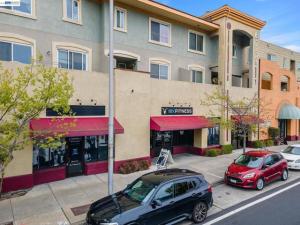
A small corridor of multi-family residential buildings runs along San Pablo Avenue and the areas adjacent to the commercial strips, providing rental supply and some owner-occupied condo options for buyers who want Albany’s address without the single-family home price point.
Albany Unified School District is the defining institution of the city for many buyers. The district operates three elementary schools, Cornell, Marin, and Ocean View, each serving distinct attendance areas within the city. Students progress to Albany Middle School and then Albany High School, creating a coherent K-12 pathway within a single district of manageable size.
Albany High School’s academic profile includes high graduation rates, strong Advanced Placement enrollment and performance, and consistent placement of graduates at competitive universities. The school is also known for its arts programs and extracurricular depth. For many families relocating to the East Bay from competitive academic environments, Albany High’s profile matches what they are accustomed to.
The small size of the district, with fewer than 4,000 students total, means parents and teachers know each other and administrative responsiveness is higher than in larger districts. This community-scale characteristic is something Albany families consistently cite as a reason they chose the district over other high-performing alternatives in the Bay Area.
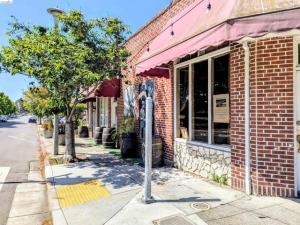
Solano Avenue is the heart of Albany’s commercial and community life. Shared with Berkeley, the avenue runs through both cities but the Albany section has a distinctly neighborhood-retail character, with independent restaurants, bookshops, hardware stores, and service businesses that have maintained their presence through Bay Area retail evolution. The Solano Stroll, a major annual street festival, draws thousands of residents from Albany and Berkeley each September.
The Albany Bulb, a former landfill site at the end of Buchanan Street, has become a distinctive public open space with Bay views, informal public art installations, and a popular dog park. Access to the Bay Trail from the Bulb connects Albany to the broader shoreline trail network running north to Richmond and south toward Berkeley and Emeryville.
Golden Gate Fields, the thoroughbred horse racing venue on the Albany shoreline, operates seasonal race meets and draws visitors from across the East Bay. The venue is also used for other events during non-racing periods and is a distinctly local institution. The property is large and has been subject to long-running redevelopment discussions that could eventually reshape that portion of the Albany waterfront.
Albany has a strong civic culture, with an active city council, an engaged residents’ association network, and a community that turns out for local government processes in numbers proportionally large relative to the city’s population. Schools, parks, and the character of Solano Avenue are persistent topics in local civic life.
Albany has no BART station within its boundaries, which is an important distinction for transit-dependent buyers. The nearest BART stations are El Cerrito del Norte in Richmond (to the north) and Ashby in Berkeley (to the south), both accessible by bus, bike, or a short drive. El Cerrito del Norte serves the Richmond line to San Francisco, with trains every 15 minutes during peak hours. Ashby serves both the Richmond and Fremont lines.
AC Transit operates several routes through Albany connecting to BART, downtown Berkeley, and other East Bay destinations. The 72 and 72R lines run along San Pablo Avenue providing frequent service. Marin Avenue connects directly to Berkeley and the University of California campus area.
Cyclists find Albany highly accessible given its flat terrain. Dedicated bike lanes on Marin and San Pablo avenues connect to the broader East Bay cycling network. The Albany Greenway, a former rail corridor converted to a multi-use path, runs through the city and connects residential neighborhoods to the waterfront without crossing arterial traffic.
The dominant property type in Albany is the post-war single-family home, typically built between 1940 and 1970 in the Craftsman-adjacent style common across the flatland East Bay. Lot sizes are compact, typically 3,000 to 5,000 square feet, and homes range from 900 to 1,800 square feet in the main stock. Larger homes and lots exist in the hillside sections and on corner lots throughout the flatlands.
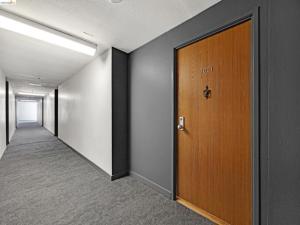
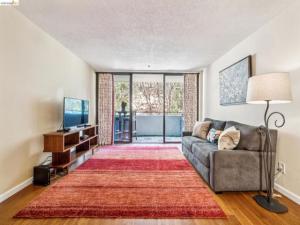
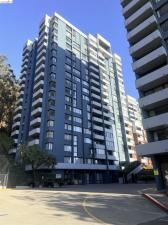
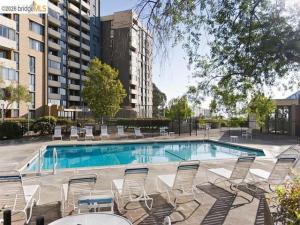
Condominium and townhome options are limited but exist in a few complexes along San Pablo Avenue and near the commercial areas. These provide a lower entry price point into the Albany school district and attract buyers who want the address without the maintenance burden of a single-family home.
Multi-unit investment properties, primarily duplexes and small apartment buildings, are available on occasion and attract buyers who want to owner-occupy one unit while renting others. These properties are popular but rarely come to market, and competition for them is significant.
Albany’s compact size means there are few secrets in the market. Active agents in the area know which listings are coming before they hit MLS, and buyers who rely solely on online search alerts regularly lose to buyers who are connected through agents with local relationships. Getting pre-approved, knowing your price range with precision, and having a clear sense of what you will and will not accept before you start visiting homes are prerequisites for competing effectively.
The mid-century housing stock in Albany, while well-maintained in many cases, often requires sewer lateral and electrical panel updates that are not visible during a home visit. Budgeting $15,000 to $40,000 for infrastructure updates on a typical purchase is a reasonable expectation for buyers who have not done specific due diligence on condition. TKG walks clients through pre-inspection options before they go into contract so there are no surprises.
The Knight Group serves Albany buyers and sellers with the same preparation-first approach that defines TKG’s broader practice. Albany’s market requires speed and precision: knowing what a property is worth before it goes active, understanding how to write a compelling offer without unnecessary risk, and having a clear picture of total acquisition cost including likely repairs and updates.
For sellers, TKG’s focus is on accurate pricing, pre-listing preparation that maximizes value, and marketing that reaches the specific buyer profiles, school-seeking families, Berkeley-adjacent buyers, and East Bay transplants, most likely to pay full market value. Connect with TKG to start the conversation about Albany real estate.
Connect with TKG about Albany real estate.
Albany's rental market benefits from the city's proximity to UC Berkeley and its reputation as a family-oriented community with a strong school district. Two distinct renter profiles drive demand: Berkeley faculty, staff, and graduate students who want residential neighborhood character within commute distance of campus, and families who prefer to rent in Albany while saving for a purchase. Both profiles are stable and self-renewing, which gives Albany landlords consistent occupancy and low vacancy rates relative to adjacent markets.
Multi-unit properties in Albany are subject to rent stabilization provisions that buyers should review carefully before acquiring pre-1980 vintage rental properties. The city's rent control ordinance applies to most multi-unit residential buildings built before 1980 and affects the income assumptions and hold strategy for investment buyers. TKG reviews the specific rent control status of any Albany multi-unit property as part of standard investment transaction due diligence.
Albany's geography is constrained: the city occupies approximately 1.8 square miles between Berkeley, Richmond, and the Bay, with no significant undeveloped parcels remaining for large-scale residential development. This supply constraint is the structural underpinning of Albany's consistent price performance across market cycles. What drives Albany forward is not development but appreciation sustained by demand from the Berkeley-adjacent professional and academic community.
The Albany Bulb and the adjacent Eastshore State Park shoreline on the Bay have been gradually improved with public access trails and habitat restoration, increasing the recreational value of Albany's waterfront. These improvements reinforce the quality-of-life case for Albany living and modestly increase the value of properties with western exposure toward the Bay.
How does Albany Unified's reputation compare to Berkeley Unified?
Albany Unified consistently outperforms Berkeley Unified on standardized academic metrics, a fact that drives significant buyer interest in Albany from Berkeley-employed professionals and from families who want East Bay school quality without Berkeley's price premium. The smaller district size also means more direct parent involvement and responsiveness from administration. TKG helps buyers verify specific Albany Unified campus assignments for any address they are considering.
Is Albany affected by Berkeley's rental restrictions?
Albany has its own rent stabilization ordinance that is separate from Berkeley's more well-known rent control framework. Albany's ordinance covers most multi-unit buildings built before 1980. Single-family homes and buildings built after 1980 are not subject to Albany's rent stabilization provisions. Buyers of multi-unit properties should have a thorough review of Albany's current rent ordinance and any tenancy-in-place assumptions before finalizing acquisition.
What makes the Solano Avenue corridor valuable for Albany homebuyers?
Solano Avenue is the primary commercial street shared between Albany and Berkeley, extending from San Pablo Avenue in Albany east into the Thousand Oaks neighborhood of Berkeley. For Albany residents, the Solano corridor provides walkable access to independent restaurants, specialty retail, a bookstore, wine bars, and weekly farmers market activity without requiring a car. Properties within walking distance of Solano command a walkability premium within the Albany market that reflects the genuine lifestyle value of this access.
How quickly do Albany homes sell?
Well-priced Albany homes typically go under contract within 1 to 2 weeks of listing. The city's small size and highly regarded school district make properly prepared and correctly priced properties attractive to a pre-qualified buyer pool that is actively watching for new inventory. Buyers who are not pre-approved when an Albany property comes to market often lose to buyers who are. TKG advises Albany buyers to have pre-approval complete before beginning serious property search.
Albany's market peaks in February through May when school-motivated buyers are most active. The window between late January and early April is historically the most competitive, with the highest number of multiple-offer situations and the largest over-list-price premiums recorded. Buyers who can remain flexible about the school year start and who are willing to search in the summer or fall typically find reduced competition and more negotiating latitude, though inventory is also thinner in those periods.
First-time buyers in Albany are typically competing against trade-up buyers from less desirable East Bay addresses and against investors who recognize the long-term stability of Albany's school-quality-driven demand. This competitive landscape means that pre-approval quality matters: letters from local credit unions or direct underwriting from the originating bank are viewed more favorably by listing agents than pre-qualification letters from internet mortgage platforms. TKG helps Albany buyers source the pre-approval format that presents their financial position most credibly.
Albany listings that are correctly priced typically go into multiple offers within 5 to 8 days. Properties that sit longer than two weeks at a given price have typically either been overpriced or have a disclosure that is affecting buyer confidence. TKG analyzes the reason behind any Albany listing's days-on-market before advising clients on negotiation posture for those properties.
Property taxes in Albany follow California's Proposition 13 framework, with the assessed value established at purchase and annual increases capped at 2 percent. At purchase, buyers pay property tax based on the purchase price, which at Albany's current price levels represents a meaningful annual property tax obligation. In addition to the base 1 percent property tax rate, Albany levies several voter-approved parcel taxes that support Albany Unified School District, library services, and other city functions. These parcel tax obligations add approximately $3,000 to $5,000 per year to the total property tax bill for a typical Albany homeowner and are in addition to the base ad valorem tax. TKG discloses all applicable parcel taxes for any Albany property during the early advisory phase of buyer representation so clients can calculate their full annual tax obligation accurately.
Albany's sewer lateral compliance ordinance requires that sewer laterals be tested and certified as compliant at the time of sale. This is a specific and material disclosure and remediation requirement that affects Albany transactions. If the sewer lateral is found to be non-compliant, the seller must bring it into compliance before close or provide a credit for the remediation cost. TKG ensures sewer lateral certification is addressed early in the Albany transaction timeline to avoid last-minute delays.
Marin Avenue, which climbs the hill from the flatlands into the Thousand Oaks neighborhood of Berkeley at Albany's southern border, is one of the most sought-after streets in the area for its tree cover, established character, and proximity to the Solano Avenue commercial corridor. The streets parallel to Marin in the flatlands, including Kains, Stannage, and Curtis, provide comparable residential character at modestly more accessible prices.
The streets in the northern portion of Albany near the Albany Bulb and the Bay shoreline have a more private residential character and the closest proximity to the waterfront recreation areas. San Pablo Avenue forms the eastern commercial boundary of the city, and the residential streets west of San Pablo between Marin and Solano provide the most walkable access to the Solano Avenue commercial corridor for daily errands and dining.
Browse all Alameda County real estate.