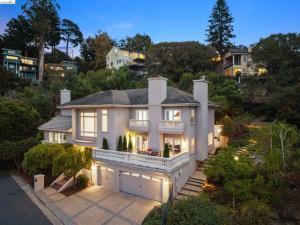
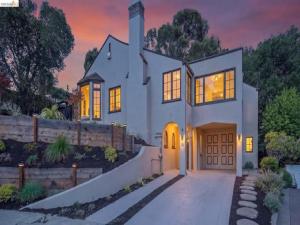
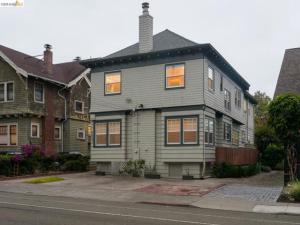
Most searches for Oakland CA homes for sale return results from a dozen different markets at once, which is why the city can be so hard to read from a listing site. Oakland has over 400,000 residents spread across more than 56 square miles, and it functions as a set of micro-markets rather than one. Rockridge, on the Berkeley border, moves in days with multiple offers. East Oakland, south of the I-580/MacArthur interchange, offers some of the most accessible single-family pricing in the inner East Bay.
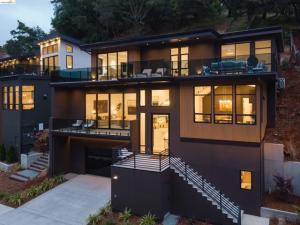
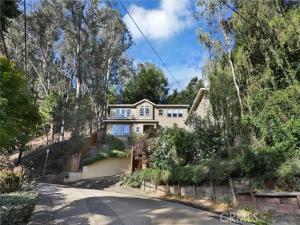
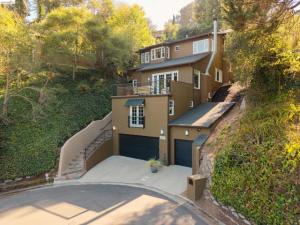
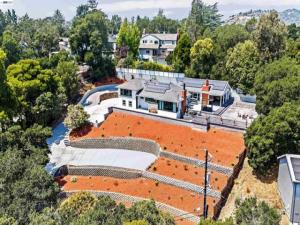
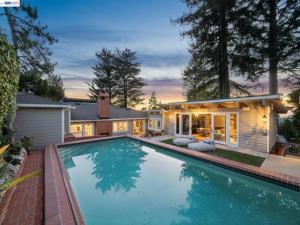
The housing stock runs from Craftsman and bungalow blocks in Temescal, Grand Lake, and the Laurel and Dimond districts, to mid-century and newer hillside homes in Montclair, Piedmont Pines, and Joaquin Miller, to converted warehouse lofts and new condos around Jack London Square and Uptown. What changes most between them is price, competition, school assignment, and risk — fire hazard severity zones matter in the hills, while flatlands buyers weigh BART access and walkable corridors.
Oakland is Alameda County’s largest city and one of the Bay Area’s most complex real estate markets. With over 400,000 residents across more than 56 square miles, Oakland encompasses dozens of distinct neighborhoods ranging from waterfront industrial conversions to wooded hillside estates, from affordable flatlands blocks to some of the most sought-after Craftsman residential neighborhoods in the country. Understanding Oakland requires understanding which part of Oakland, because the city operates as multiple micro-markets that differ in character, price, competition level, and risk profile. This guide covers Oakland’s major neighborhoods, schools, commute options, and what buyers need to know before purchasing in this diverse and dynamic market.
Oakland’s market is among the most internally stratified in the Bay Area. The Rockridge neighborhood, a Craftsman-dense flatlands area straddling the Oakland-Berkeley border, operates at premium prices with fierce competition. Sections of East Oakland along Foothill Boulevard and the Fruitvale-San Antonio corridor offer some of the most accessible price points for single-family homes in the inner East Bay. The gap between these extremes, in both price and buyer experience, is larger than in almost any other Bay Area city.
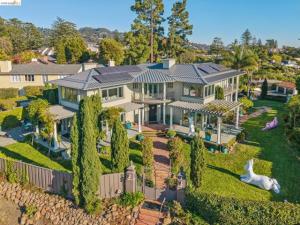
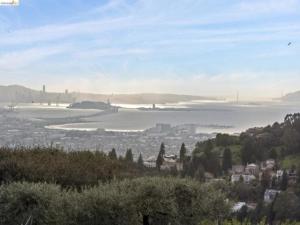
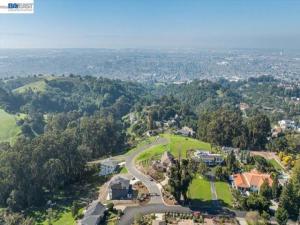
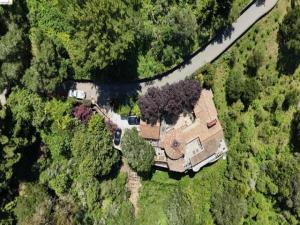
The hill neighborhoods, including Montclair, Piedmont Pines, Joaquin Miller, and Redwood Heights, have historically attracted buyers from San Francisco and the Inner East Bay who want wooded settings, Bay views, and a degree of natural separation from urban density. These neighborhoods trade at premium per-square-foot prices and have held value well through multiple market cycles. Fire hazard severity zone exposure is a significant consideration in the Oakland Hills, following the 1991 Tunnel Fire that destroyed over 3,000 homes.
The flatlands neighborhoods, particularly in Temescal, Uptown, Grand Lake, and the Laurel and Dimond districts, have attracted significant buyer and investor interest over the past decade as buyers priced out of San Francisco sought alternatives. These neighborhoods offer Craftsman and bungalow character, walkable commercial corridors, and BART connectivity at prices that, while raise from a national perspective, are competitive within the Bay Area premium market.
East Oakland, south of the I-580/MacArthur interchange, has a different risk and value profile than the neighborhoods above. Prices are accessible by Bay Area standards, and some buyers and investors have found significant appreciation in these areas as the broader market has risen. But the due diligence considerations, including crime patterns, school quality, and infrastructure condition, require a more careful assessment than buyers applying standard Bay Area investment frameworks sometimes apply.
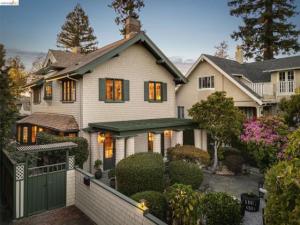
Rockridge is consistently one of the most competitive neighborhoods in the Bay Area. Centered on College Avenue between the Rockridge BART station and the Berkeley border, the neighborhood offers walkable retail and dining, Craftsman homes on leafy blocks, and immediate BART access. Days on market for well-priced Rockridge listings are measured in days, not weeks, and multiple offers are the norm for any desirable property.
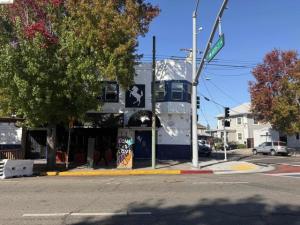
Temescal, along Telegraph Avenue north of 40th Street, has emerged as one of Oakland’s most dynamic commercial and residential neighborhoods over the past decade. A concentration of craft breweries, restaurants, and independent businesses on Telegraph Avenue anchors a strong walkability score, and the residential streets around the corridor have seen significant buyer interest from San Francisco transplants and East Bay tech workers.
Montclair, in the Oakland Hills, occupies a wooded valley above the flatlands accessible from Mountain Boulevard. The neighborhood has a true village character with a small walkable commercial district surrounded by residential blocks of mid-century and newer homes on landscaped lots. Views, privacy, and school quality at Montclair Elementary are primary draws.
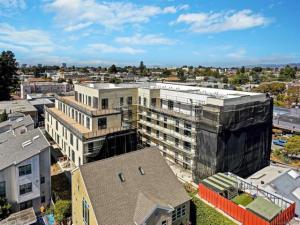
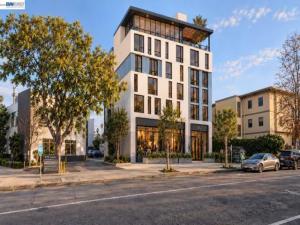
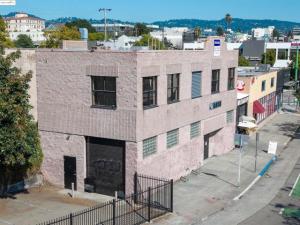
Jack London Square and the Uptown district represent Oakland’s urban residential frontier, with former warehouse and industrial buildings converted to loft and mixed-use residential, new construction condominiums, and active entertainment and dining districts. These neighborhoods attract buyers who want an urban lifestyle with Oakland pricing rather than San Francisco pricing.
The Fruitvale, San Antonio, and Laurel districts provide mid-range pricing in Oakland’s geographic middle, with access to the Fruitvale BART station and commercial corridors that reflect Oakland’s diverse Latino, Asian, and African American community character. These neighborhoods have attracted buyers who value cultural diversity, food access, and BART proximity at mid-range price points.
Oakland Unified School District is a large, complex, and internally varied district. The district has invested in school choice programs, charter authorizations, and academic improvement initiatives, resulting in a landscape where school quality at the campus level varies dramatically. Buyers with school-age children should research individual school options, including magnet programs, charter applications, and private alternatives, rather than relying on district-wide performance metrics.
Strong campus options within the district include Montclair Elementary (high-performing hill school), Peralta Elementary (arts integration focus), and the Oakland School for the Arts charter. Multiple private school options exist across the city and adjacent Berkeley, and many Oakland buyers factor private school tuition into their housing cost calculations.
Oakland’s cultural offerings match its residential diversity. The Fox Theater on Telegraph Avenue is one of the most restored and active mid-size music venues in the Bay Area. The Oakland Museum of California on Lake Merritt provides art, history, and natural science exhibitions that are locally funded and maintained. The Paramount Theatre in Uptown is a landmark Art Deco venue with a varied performing arts calendar.
Lake Merritt, an urban estuary lake at the center of the city, is ringed by a park, walking path, and boathouse that provide daily recreation for residents across the flatlands neighborhoods. The Saturday farmers market and the Grand Lake commercial district along Grand Avenue adjacent to the lake provide a neighborhood anchor for the central Oakland residential community.
Joaquin Miller Park in the Oakland Hills provides significant old-growth redwood forest access, hiking trails, and views from the ridgeline. Redwood Regional Park in the hills east of Montclair provides an even larger natural area with redwood groves, creek trails, and backcountry distance from the urban core.
Oakland has the highest concentration of BART stations of any East Bay city, with 12th Street, 19th Street, Lake Merritt, Fruitvale, Coliseum, Oakland Airport, and MacArthur stations within city limits. This transit infrastructure gives Oakland residents access to San Francisco, Berkeley, the South Bay, and the broader Bay Area without a car. Service frequency during peak hours is 15 minutes or better on most lines.
The Bay Bridge provides direct freeway access to San Francisco, and I-880 connects Oakland to Fremont and San Jose. Highway 13 through the hills provides access to the Caldecott Tunnel and Contra Costa County. AC Transit operates an extensive bus network within Oakland and provides transbay service to San Francisco.
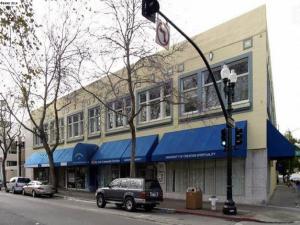
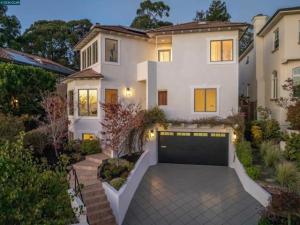
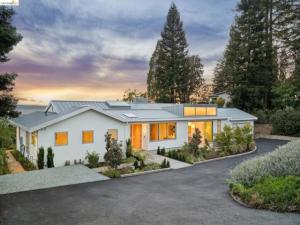
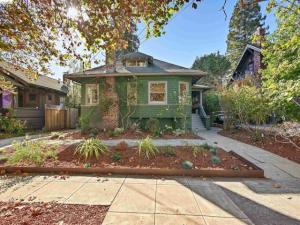
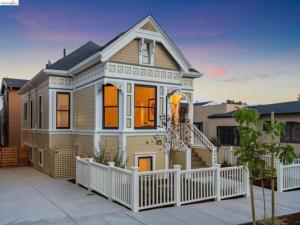
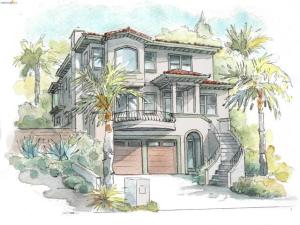
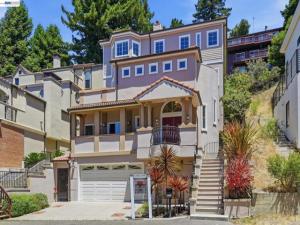
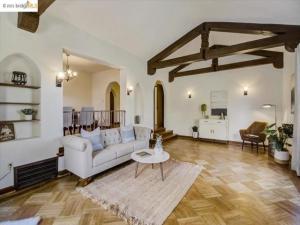
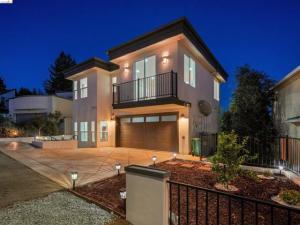
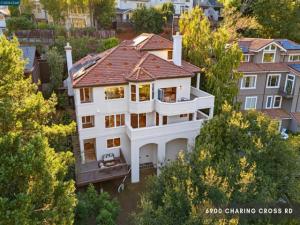
Oakland’s property diversity matches its neighborhood diversity. Craftsman and Victorian single-family homes dominate the flatlands premium neighborhoods. Brown Shingle and Mediterranean designs are present in the hills. Post-war ranches and split-levels are common in the flatlands mid-market. Loft conversions, condominium towers, and mixed-use residential buildings serve the urban market in Uptown, Jack London Square, and along the commercial transit corridors.
The Knight Group navigates Oakland’s neighborhood complexity for buyers and sellers. The risk profiles, competitive dynamics, and buyer demographics are genuinely different across Oakland’s sub-markets, and accurate representation requires neighborhood-specific expertise rather than city-level generalizations. TKG provides clients with the specific data they need to act decisively and accurately in whichever Oakland neighborhood matches their goals. Connect with TKG to discuss the current Oakland market.
Connect with TKG about Oakland real estate.
Oakland's rental market is one of the largest and most complex in the Bay Area, shaped by the city's diversity, its comprehensive rent control framework, a mix of distressed and thriving sub-markets, and the constant spillover of San Francisco demand that finds Oakland as the more accessible alternative. The Oakland Rent Adjustment Program covers most multi-unit buildings built before 1983, with just cause eviction protections and annual allowable rent increase limits that significantly affect the investment economics of covered properties.
Buyers targeting Oakland investment properties need to understand the rent control framework in detail before any acquisition. The Rent Adjustment Program's just cause requirements, capital improvement petitions, and banked rent processes are material to hold strategy and income projections. Oakland is not an appropriate investment market for buyers who have not thoroughly reviewed and accepted the rent control framework as a permanent operating condition of Oakland multifamily ownership.
The strongest rental income opportunities in Oakland exist in the hills, Rockridge, Temescal, and Grand Lake sub-markets, where professional-demographic tenants pay market-level rents for quality units near BART and the commercial corridors. The flatlands markets near the Coliseum and the San Leandro border offer higher gross yields with higher management intensity and different tenant profiles.
How does Oakland rent control work for single-family homes?
Oakland's Rent Adjustment Program exempts single-family homes that are owner-occupied and condominiums from rent control provisions in most circumstances. However, single-family homes with sitting tenants established under covered conditions and certain other circumstances may be subject to just cause eviction requirements. Buyers of single-family homes with existing tenants should have the specific tenancy reviewed against Oakland's rent ordinance before assuming full market rate flexibility at re-let. TKG coordinates rent ordinance review for all Oakland transactions involving properties with existing tenants.
Which Oakland neighborhoods are most competitive for buyers?
Rockridge, Piedmont Avenue, Grand Lake, and the hills neighborhoods with Montclair and Woodminster access are consistently the most competitive sub-markets in Oakland. These areas attract multiple offers, waived contingencies, and significant over-list pricing in strong market conditions. The flatlands and transitional neighborhoods near the Fruitvale and Coliseum corridors offer more accessible pricing but require buyers to have more detailed due diligence frameworks for neighborhood trajectory assessment.
Is Oakland's crime situation improving?
Oakland has experienced significant variation in crime statistics across years and across neighborhoods. Certain commercial corridors and flatlands areas have persistent property crime challenges, while the hills and Rockridge sub-markets have crime profiles closer to adjacent Piedmont and Berkeley. TKG provides buyers with the current neighborhood-specific crime context as part of standard Oakland location due diligence, and helps clients make informed decisions about specific addresses rather than making city-wide assessments that mask the significant intra-city variation.
How is Oakland's school quality?
Oakland Unified School District is a large district with significant performance variation across campuses. Several OUSD schools have strong academic reputations, including some charter and specialized programs that attract students from across the district. Other campuses in the district have faced persistent challenges. Buyers with school-age children in Oakland are advised to review campus-specific data at the address level and explore both OUSD district schools and charter alternatives before committing to a specific Oakland address.
Oakland's market is genuinely segmented across its many distinct sub-markets, and the competitive dynamics in Rockridge are substantially different from those in West Oakland, which are different from East Oakland, which are different from the Oakland Hills. Any generalization about "the Oakland market" obscures the neighborhood-level variation that makes Oakland one of the most complex single-city markets in the Bay Area. TKG provides neighborhood-specific competitive analysis for each Oakland sub-market rather than city-wide generalizations.
The Rockridge and Temescal sub-markets are among the most competitive in Oakland, with correctly priced properties in the primary buyer demographics typically receiving multiple offers within the first week. The Montclair and Woodminster areas in the hills are somewhat less competitive on a per-listing basis due to the smaller but more specific buyer pool that targets the hills lifestyle. The flatlands east of Highway 580 offer the most accessible entry prices but also the most variable competitive dynamics driven by the neighborhood-specific trajectories that differ considerably across the eastern flatlands.
Oakland Unified is a large and complex district with dozens of campuses, a substantial charter school sector, and a performance range that spans from some of the strongest public schools in the East Bay to campuses with persistent challenges. The most competitive Oakland school addresses are near the Montclair neighborhood's schools, near the Piedmont Border schools in the Rockridge and Temescal areas, and near the most highly regarded OUSD charter campuses. TKG does not advise Oakland school-motivated buyers to rely on district-wide averages; instead, TKG researches the specific campuses serving each address under consideration and provides campus-specific data as a component of the buyer advisory process.
Oakland has been the subject of significant development attention from real estate investors and developers who see the city's BART connectivity, port economy, creative sector employment, and proximity to San Francisco as fundamentals that underpin long-term appreciation. The city's transit-oriented development pipeline near several BART stations has added residential supply in the station areas, and the ongoing revitalization of the Jack London Square waterfront, the Uptown entertainment district, and the Temescal commercial corridor reflects a city that has accumulated a critical mass of investment momentum. The trajectory is real, but Oakland's political environment, housing policy framework, and crime dynamics require buyers to do genuine neighborhood-level research rather than accepting city-wide optimism at face value.
Oakland has exceptional healthcare infrastructure for a city of its size. The UCSF Benioff Children's Hospital Oakland is one of the premier pediatric medical centers on the West Coast and attracts patients from across the Bay Area and Northern California. Highland Hospital, operated by Alameda County, is the East Bay's primary trauma center and provides comprehensive acute care serving the entire county population. Kaiser Permanente's Oakland Medical Center is one of the largest Kaiser facilities in California. Summit Medical Center provides an additional major acute care option in the hills and Pill Hill medical district. For residents who prioritize healthcare access, Oakland's concentration of major medical resources is a genuine competitive advantage over many suburban Bay Area communities.
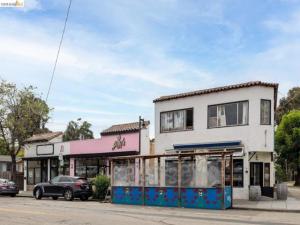
The Temescal, Fruitvale, and Laurel commercial districts provide Oakland residents with walking-distance commercial access that ranges from Vietnamese pho restaurants and Mexican taquerias to craft cocktail bars, specialty coffee roasters, and upscale bistros. This commercial diversity is a product of Oakland's cultural richness and is a genuine quality-of-life asset that differentiates Oakland from suburban markets that have only chain commercial offerings.
Oakland's neighborhoods are not equally positioned in the current appreciation cycle. The neighborhoods that have seen the most consistent appreciation and the strongest buyer demand over the past decade share common features: walkable commercial access, safe pedestrian environments, BART proximity, and a critical mass of owner-occupants who invest in their properties. Temescal, Rockridge, Piedmont Avenue, Grand Lake, and the lower portions of the Oakland Hills have demonstrated the strongest combination of these features. Fruitvale, Laurel, and the Dimond District have been moving in a positive direction as buyer demand has pushed eastward from more established western neighborhoods.
East Oakland neighborhoods, while offering the most accessible entry prices in the city, carry higher investment uncertainty due to more variable demand, slower infrastructure investment, and in some areas, safety conditions that limit the buyer pool. TKG advises buyers to research specific blocks and micro-neighborhoods rather than relying on zip codes or neighborhood-level generalizations when evaluating Oakland, because the variation within neighborhoods can be as significant as the variation between them.
Browse all Alameda County real estate.