Niche Community

Koreatown Rentals Explore Amazing Apartments

Koreatown Rentals Explore Amazing ApartmentsListings

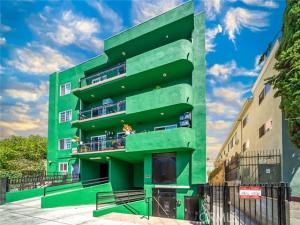
Koreatown Apartments for Rent in Central Los Angeles

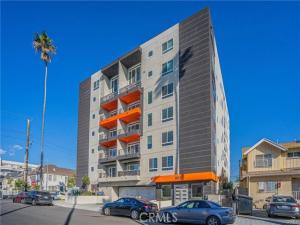
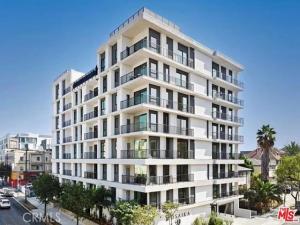
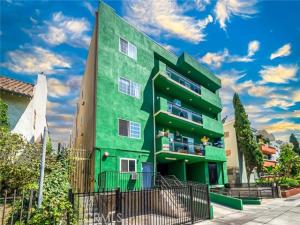
Koreatown apartments for rent generally run $2,211 to $4,000+ per month, with the average sitting around $2,211 to $2,728 as of January 2025 according to RentCafe and Renty.ai. That spread is wide for a single neighborhood, and where a unit lands in it usually comes down to building age, unit size, and how close you are to the busier corridors. We source rentals here through both on-market and off-market channels, which matters in an area where good units move before they get widely advertised.

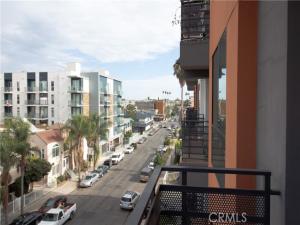
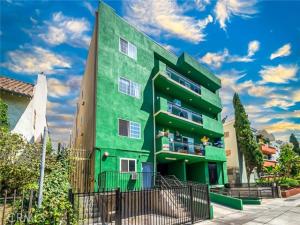
Expect a mix of housing stock rather than one dominant type. Proximity to Seoul International Park is a factor for renters who want green space and a place to run, and the surrounding community infrastructure — groups like the Koreatown Youth and Community Center, which runs after-school tutoring and community gardening — is part of what keeps families in the area. Pricing and availability shift block by block, so it pays to compare a few streets before committing.

Renting Versus Buying in Koreatown

Plenty of people who start out renting here eventually look at homes for sale in Koreatown, and the decision usually turns on how long you plan to stay. Renting gives you flexibility in a market where inventory turns over quickly and where the right unit can appear and disappear in a matter of days. Buying makes more sense if you have settled on a specific pocket of the neighborhood and want to stop absorbing annual increases. Either way, the block-by-block variation applies — a few streets can separate a quiet residential stretch from a busy corridor.

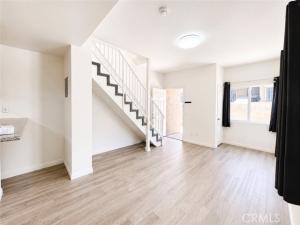
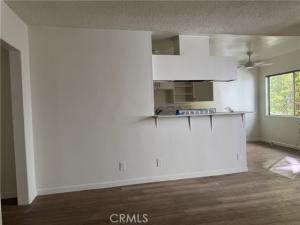
Weigh the practical differences before you commit. Older buildings often trade updated finishes for larger floor plans; newer construction tends to reverse that. Access to green space at Seoul International Park and to community programs matters more to some households than square footage. Walk the streets you are considering at different times of day, and compare at least a few options.

Koreatown Rentals Explore Amazing Apartments in Central Los Angeles Homes for Sale

Community

Living the Koreatown Dream: More Than Just Affordable Rent

Okay, so you’ve crunched the numbers and you’re sold on the affordability. But Koreatown is more than just a good deal – it’s a character. This isn’t just a neighborhood; it’s a lifestyle.


A Melting Pot of Flavors and Cultures

Let’s be real: you’re probably here for the food. Koreatown’s culinary scene is like a greatest hits album of global cuisine. Sure, you’ve got your late-night KBBQ spots and your trendy bibimbap cafes. But venture a little deeper, and you’ll find Salvadoran pupuserias tucked next to artisanal coffee roasters and speakeasy-style mezcal bars.

And here’s a pro tip: The best restaurants aren’t always the ones with the flashiest Yelp reviews. That tiny hole-in-the-wall with the handwritten menu? That’s where the magic happens. Don’t be afraid to explore – your taste buds will thank you.

Take, for example, the story of Jae Kim, a local food blogger who’s made it his mission to try every restaurant in Koreatown. I’ve been at it for three years, he says, and I’m still discovering new places every week. The diversity here is incredible. One day I’m having homestyle Korean soups, the next I’m trying Filipino fusion tacos.


The Cultural Tapestry of Koreatown

While Korean culture is undoubtedly the dominant influence, Koreatown is far from homogeneous. The neighborhood is home to significant Latino and Bangladeshi communities, among others. This diversity is reflected in the local businesses, religious institutions, and community events.

For instance, the annual Koreatown Festival celebrates not just Korean culture, but the multicultural fabric of the neighborhood. You’ll find traditional Korean performances alongside mariachi bands and Bollywood dance troupes. It’s a perfect encapsulation of what makes Koreatown so special – a place where cultures don’t just coexist, but blend and evolve together.

Who Rents in Koreatown

Koreatown draws renters who prioritize seoul international park, located in the heart of koreatown, is a popular spot for families and fitness enthusiasts alike. over square footage. The rental pool here is typically professional — medical staff, entertainment industry workers, and transplants who want a specific commute corridor before committing to a purchase.

Rental turnover in Koreatown varies by property type. Single-family rentals tend to attract longer-term tenants; apartment-style buildings see more annual turnover. Knowing which you’re entering matters for planning.

Why work with The Knight Group in Koreatown?

The Knight Group sources rentals in Koreatown across on-market and off-market channels. Property owners who prefer to screen tenants privately — without a public listing — contact The Knight Group directly. That off-market layer is often where the best properties sit.

For renters, we can move quickly when the right property surfaces. Reach out with your requirements and we’ll pull current availability across both channels.

Who rents Koreatown Apartments?

  • Koreatown Apartments draw professional renters including medical staff, entertainment industry workers, and transplants testing a commute corridor before committing to a purchase.
  • Renters here prioritize location and access to Seoul International Park and neighborhood life over raw square footage.
  • Single-family rentals tend to attract longer-term tenants, while apartment-style buildings around Koreatown Apartments see more annual turnover.
  • Culinary variety anchors daily life, from late-night KBBQ spots and bibimbap cafes to Salvadoran pupuserias and speakeasy-style mezcal bars.
  • Hole-in-the-wall restaurants with handwritten menus often outshine the places carrying the flashiest online reviews.
  • Latino and Bangladeshi communities live alongside the dominant Korean influence, shaping local businesses, religious institutions, and community events.
  • The annual Koreatown Festival pairs traditional Korean performances with mariachi bands and Bollywood dance troupes in a genuinely multicultural celebration.
  • The Knight Group sources Koreatown Apartments across on-market and off-market channels, including owners who prefer screening tenants privately without a public listing.

Area Details

Work Hard, Play Harder: The Koreatown Lifestyle

Koreatown isn’t just a place to crash after work – it’s a 24/7 playground for the young and restless. By day, you’ll find freelancers and remote workers hunched over laptops in chic cafes. By night, those same cafes transform into bustling soju bars and noraebang (karaoke) spots.

And let’s talk about those rooftop pools. In a city obsessed with views, Koreatown’s high-rise apartments offer some of the best skyline vistas in town. Imagine spending your weekends lounging poolside, cocktail in hand, as the sun sets over the Hollywood Hills. Not a bad way to live, right?

But the Koreatown lifestyle isn’t all about luxury and leisure. The neighborhood has a strong sense of community and civic engagement. Local organizations like the Koreatown Youth and Community Center (KYCC) offer programs ranging from after-school tutoring to community gardening initiatives.

Sarah Lee, a resident who volunteers with KYCC, shares her experience: What I love about Koreatown is how involved everyone is. There’s always a community clean-up or a fundraiser happening. It’s a big city, but it feels like a small town sometimes.


What green initiatives does Koreatown offer?

While Koreatown is known for its urban density. It’s not all concrete jungle. The neighborhood is home to several parks and green spaces that provide a respite from city life.

Seoul International Park, located in the heart of Koreatown, is a popular spot for families and fitness enthusiasts alike. With its basketball courts, playground, and walking paths. It’s a hub of community activity. On any given weekend, you’ll find pickup soccer games, tai chi classes, and children’s birthday parties all happening simultaneously.

For those seeking a more tranquil experience, there’s the Shatto Recreation Center. This hidden gem features a beautiful Japanese garden, complete with a koi pond and traditional tea house. It’s a perfect spot for meditation or simply escaping the hustle and bustle of city life for a moment.


Finding Your Perfect Koreatown Pad: Tips from a Local

So you’re sold on the Koreatown dream. Now comes the hard part: actually finding an apartment. Here’s the inside scoop from someone who’s been through the trenches:

  1. Start your search early. Remember those low vacancy rates we talked about? That means competition is fierce. Give yourself at least two months to find the perfect place.
  2. Be prepared to move fast. When you find a place you love, be ready to pounce. Have your application, credit report, and deposit ready to go.
  3. Don’t be afraid to negotiate. While Koreatown is still a relative bargain, landlords are open to negotiation, especially for longer leases.
  4. Look beyond the big complexes. Some of the best deals are in smaller, older buildings that have been recently renovated.
  5. Consider the trade-offs. That pre-war building might have tons of character, but it might also lack central AC. Decide what amenities are deal-breakers for you.


Navigating the Rental Application Process

Securing an apartment in Koreatown can be competitive, so it’s crucial to be prepared. Here’s a step-by-step guide to navigating the rental application process:

  1. Gather your documents: Most landlords will require proof of income (usually pay stubs or bank statements), a copy of your ID, and references from previous landlords. Have these ready before you start your search.
  2. Check your credit: Many landlords in Koreatown require a credit check. Know your score beforehand and be prepared to explain any issues.
  3. Set up rental alerts: Use websites like Zillow, Trulia, or HotPads to set up alerts for new listings that match your criteria. In a fast-moving market like Koreatown, being one of the first to respond can make all the difference.
  4. Be flexible with your move-in date: If you can be flexible with when you move in, you might have more options. Some landlords prefer tenants who can move in immediately to minimize vacancy.
  5. Consider a rental agent: While it’s an extra expense, a good rental agent can be invaluable in a competitive market like Koreatown. They often have access to listings before they hit the public market.

Remember, persistence is key. Don’t get discouraged if you don’t land the first apartment you apply for. Keep at it, and you’ll find your perfect Koreatown home.

How do you get around Koreatown?

Koreatown is part of the Los Angeles rental market. Seoul International Park, located in the heart of Koreatown, is a popular spot for families and fitness enthusiasts alike. Drive times to major employment centers vary by time of day. For renters commuting to the Westside, Downtown, or the San Fernando Valley, the specific street address matters more than the neighborhood name — test your commute before signing.

Public transit options in Koreatown vary. Some parts of the area are served by Metro bus lines; others are effectively car-dependent. If transit access is a priority, The Knight Group can filter available rentals by proximity to relevant routes.

What rental logistics apply in Koreatown?

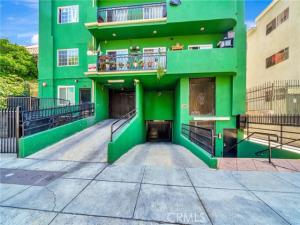
Renters in Koreatown should budget for: first month plus last month plus security deposit (standard in this market), renter’s insurance (typically $15–$30/month), and parking if not included. Many properties in this area do not include utilities — confirm what’s covered in the lease before signing.

What is it like to live in Koreatown Apartments?

  • Koreatown Apartments sit in a neighborhood that functions as a round-the-clock playground for young, restless renters rather than a quiet place to crash.
  • Chic cafes fill with freelancers and remote workers hunched over laptops by day, then transform into bustling soju bars and noraebang karaoke spots by night.
  • Rooftop pools at Koreatown Apartments high-rises deliver some of the best skyline vistas in a city that is obsessed with views.
  • Weekends can mean lounging poolside with a cocktail in hand while the sun sets over the Hollywood Hills.
  • Community organizations such as the Koreatown Youth and Community Center run programs spanning after-school tutoring and community gardening initiatives.
  • Seoul International Park anchors local recreation with basketball courts, a playground, and walking paths that draw families and fitness enthusiasts.
  • Shatto Recreation Center offers a quieter counterpoint with a Japanese garden, koi pond, and traditional tea house for meditation or escape.
  • Renters chasing Koreatown Apartments should start searching early, prepare application and credit documents in advance, and decide which amenities are true deal-breakers.

Your Burning Koreatown Questions Answered


Is Koreatown safe?

Contrary to outdated stereotypes, Koreatown is one of the safer neighborhoods in Los Angeles. It ranks in the top 20% of LA’s safest neighborhoods, according to the LA County Sheriff’s department. Like any urban area, use common sense and stay aware of your surroundings.

However. It’s important to note that crime rates can vary within the neighborhood. The eastern part of Koreatown, closer to Downtown LA, tends to have slightly higher crime rates than the western areas.

Community policing initiatives have played a significant role in improving safety in Koreatown. The LAPD’s Olympic Division, which covers Koreatown, has implemented programs like the Community-Police Advisory Board to foster better relationships between law enforcement and residents.


How’s the public transportation in Koreatown?

In a word: excellent. Koreatown is served by the Metro Purple Line, making it easy to zip downtown or to other parts of the city. There’s also an extensive bus network, and the neighborhood is incredibly walkable. Many residents find they can ditch their cars altogether.

The Purple Line Extension project, which is currently under construction, will make Koreatown even more connected. When completed in 2027, it will extend the subway to Westwood, making it possible to travel from Koreatown to UCLA in just 25 minutes.

For cyclists, Koreatown is becoming increasingly bike-friendly. The city has implemented several bike lanes in the neighborhood, and there are plans for more. The Metro Bike Share program also has several stations throughout Koreatown, making it easy to rent a bike for short trips.


What’s the best time to look for apartments in Koreatown?

Winter tends to be slower for rentals, so you might find better deals from November to February. However, given the competitive market, good apartments come up year-round. The key is to be ready to move quickly when you find the right place.

It’s worth noting that the rental market in Koreatown can be influenced by the academic calendar of nearby universities like USC. You might see an influx of student renters looking for apartments in late summer before the fall semester starts.


Are utilities typically included in Koreatown rentals?

It varies by building, but many older apartments include some utilities (usually water and trash) in the rent. Newer luxury buildings often have separate utility charges. Always ask about utility costs when viewing an apartment.

In some of the older buildings, you might encounter a master metered system where the entire building shares one utility meter. In these cases, utility costs are often included in the rent or divided equally among tenants.

For energy-conscious renters. It’s worth noting that many new developments in Koreatown are being built with sustainability in mind. Features like solar panels, energy-efficient appliances, and grey water recycling systems are becoming more common, which can help reduce utility costs.

How competitive is the rental market in Koreatown?

Competition in Koreatown varies by property type and season. Well-priced, well-maintained single-family rentals typically receive multiple applications within the first week. Apartment units move faster in spring and summer. The Knight Group can advise on timing and positioning your application for the properties you’re targeting.

What lease terms are typical in Koreatown?

Standard lease terms in Koreatown are 12 months. Month-to-month is available in some cases at a premium — typically $200–$500/month above the annual rate. Shorter-term (6-month) leases are less common but can be negotiated directly. The Knight Group can identify which landlords in Koreatown are open to non-standard terms.

Are pets allowed in Koreatown rentals?

Pet policies vary by landlord. Many Koreatown rentals accept pets with an additional deposit or monthly pet rent. Single-family homes are generally more pet-friendly than multi-unit buildings. The Knight Group can filter available rentals by pet policy to match your requirements.

ExploreMore

Embarking on a property search akin to a treasure hunt, each click unravels the tapestry of possibilities. The search isn’t just a mere quest; it’s a personalized journey through architectural narratives, neighborhood nuances, and the pulse of a city’s heartbeat. Every keystroke reveals a spectrum of homes, each with its own story waiting to be discovered. It’s not merely a search; it’s a curated exploration of lifestyles and possibilities, guided by the rhythm of one’s aspirations. Let your curiosity run wild as you explore these similar custom searches.

GetAlerts

Signup for email alerts when properties match your interest!

Hey, You ALMOST MISSED IT!

Lucky for you we’re looking out.

Subscribe to this Custom Search to be alerted when new properties hit the market in the area.

Choose the frequency that works for you.