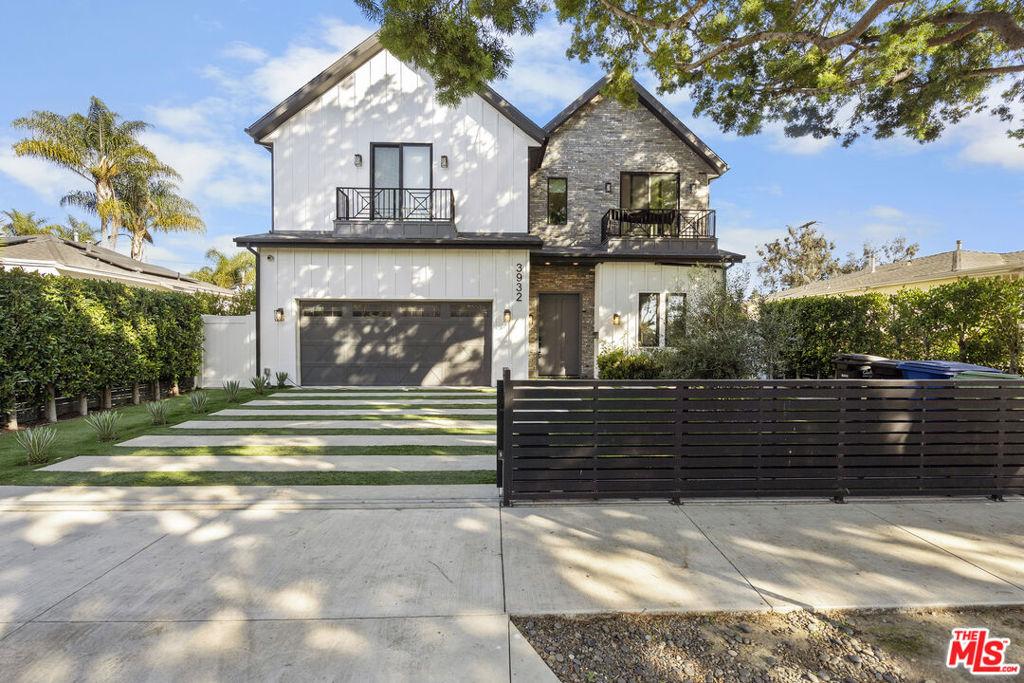
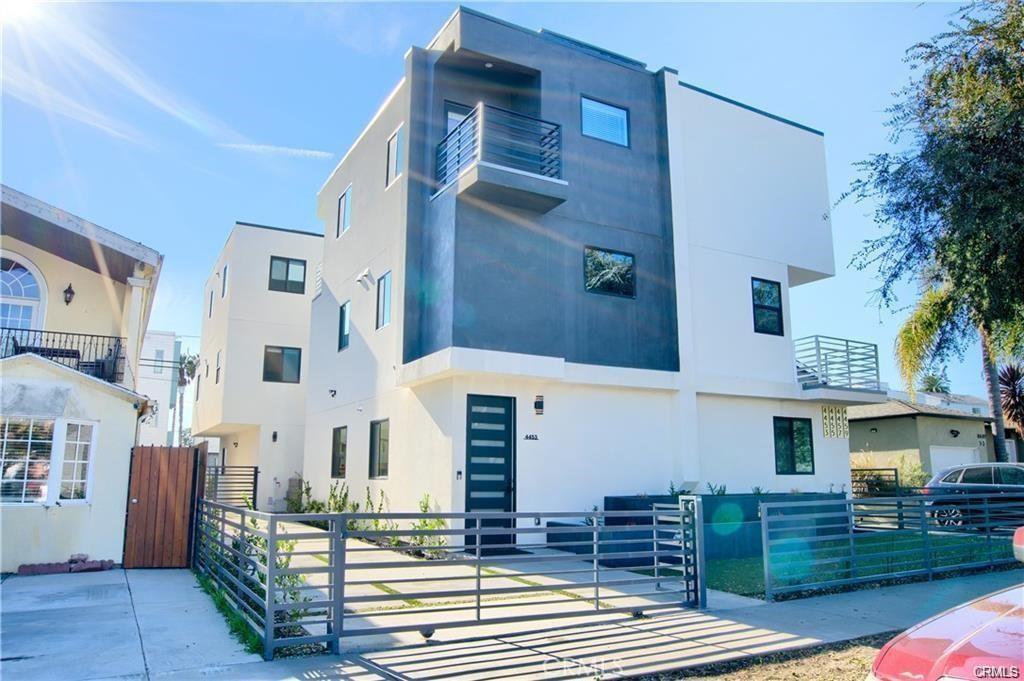
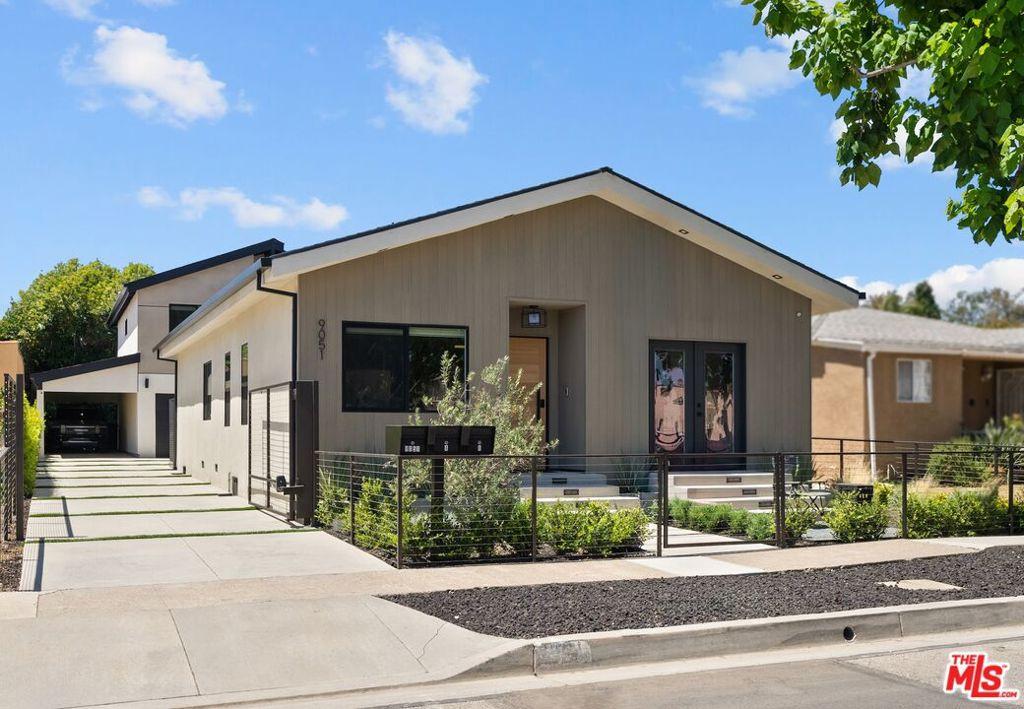
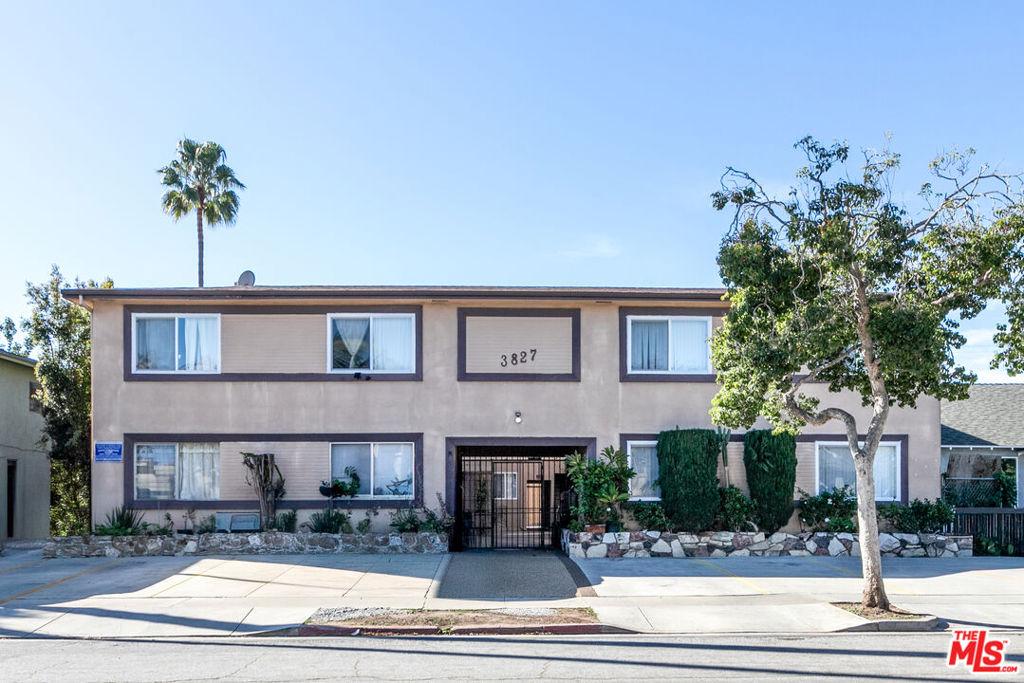
Condos for Sale in Culver City
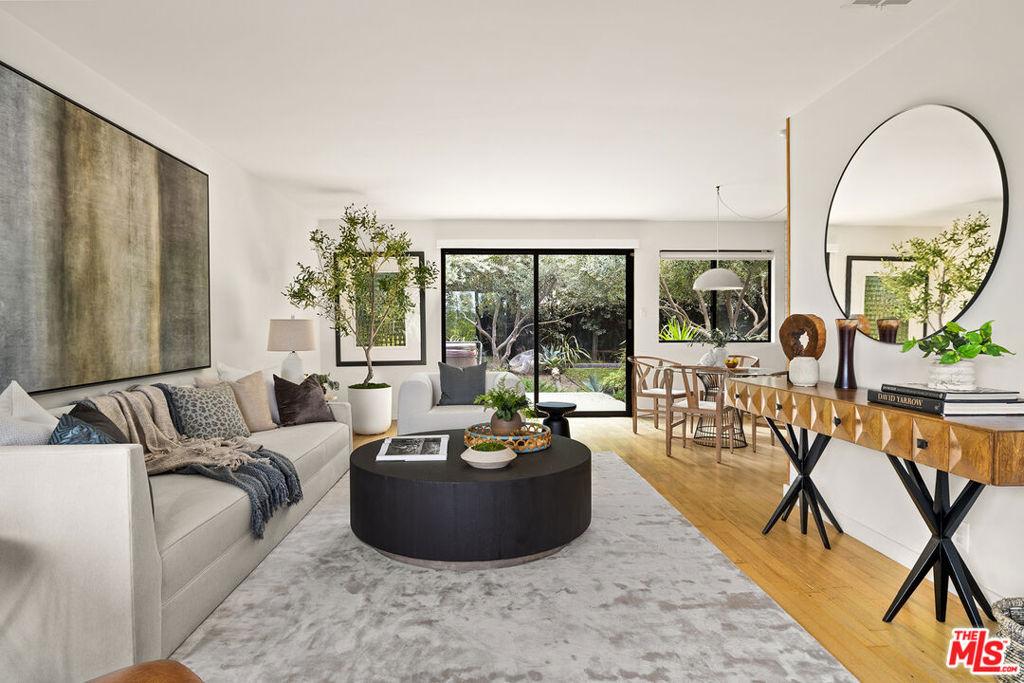
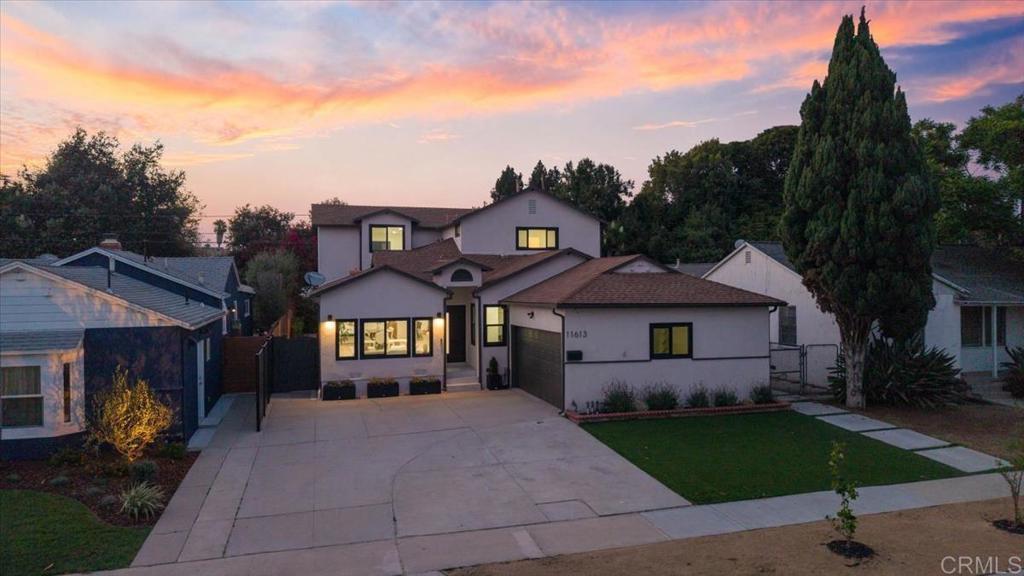
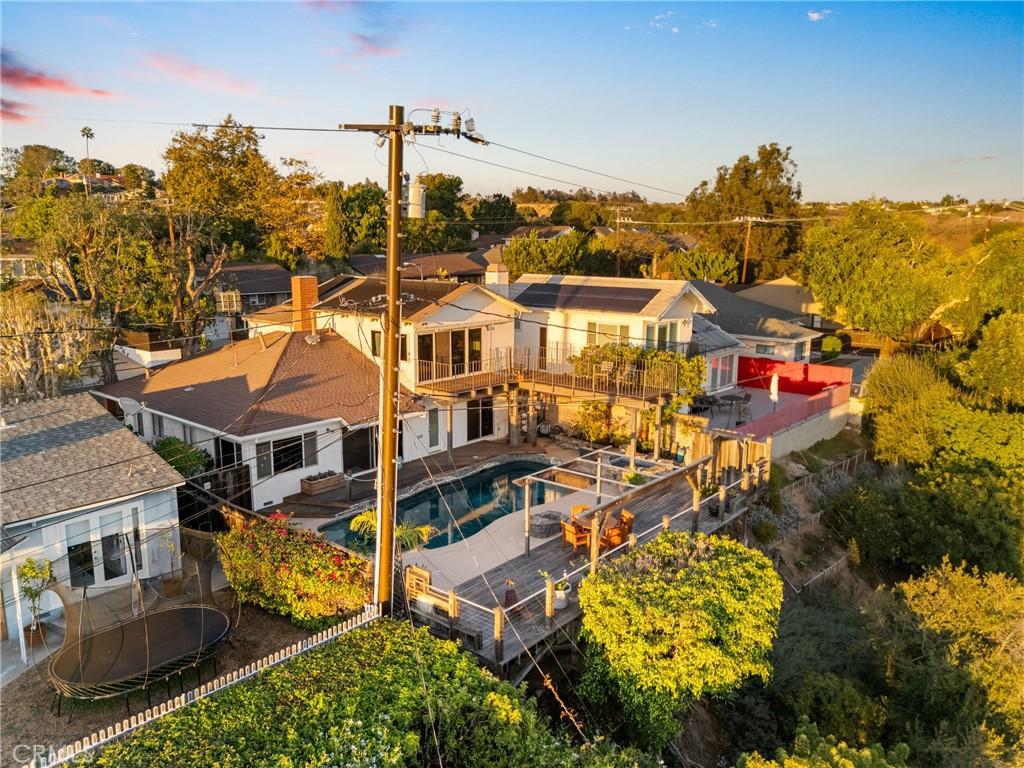
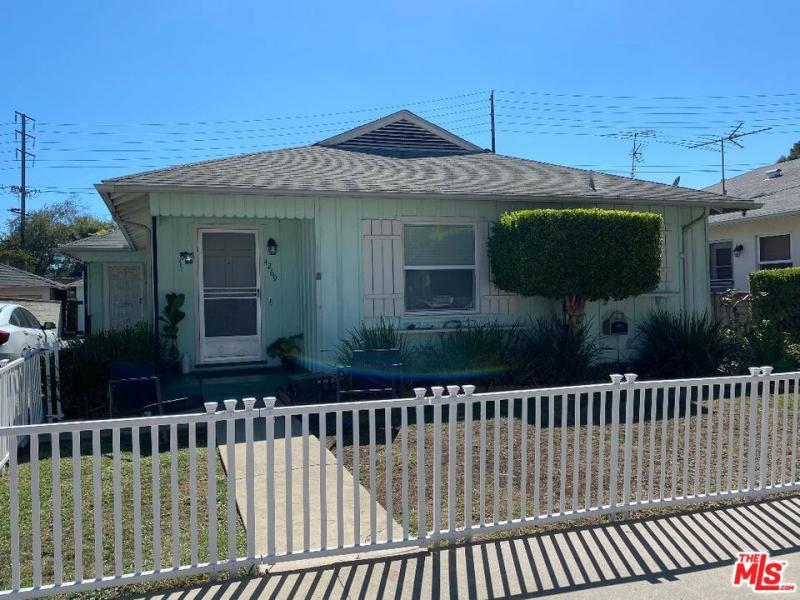
Condos for Sale in Culver City currently number 112 active listings with a median asking price of $1,199,995 (CRMLS, September 2026).
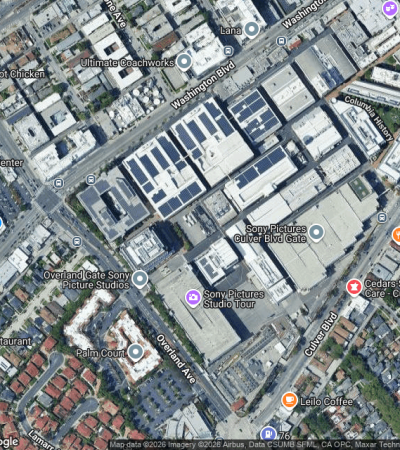
Condos for sale in Culver City sit inside a five-square-mile independent city on the Westside — not Los Angeles city property. Culver City runs its own municipal code, its own bus system through Culver CityBus, and its own school district, Culver City Unified, rather than LAUSD. It is also the Westside submarket where a buyer can still reach ownership well under the local single-family median, in a compact, transit-served city that hosts Sony Pictures Studios, Amazon Studios, Apple, and Warner Bros. Discovery offices.
Most inventory falls into two groups. The larger one is 1970s garden and townhome associations in Fox Hills and Studio Village — Tara Hill’s 430 gated units from 1973, Heather Village’s 404 units from 1970, Raintree’s roughly 354 units from 1972, Lakeside Villas at about 232 units from 1975. The smaller group is newer mid-rise product near the Metro E Line downtown, like the 132-unit Harlow Culver City on Washington Boulevard. Which building you pick matters more here than which street.
Browse the current listings below, or contact The Knight Group if you want the association-level detail before you tour anything. Which building you pick matters more here than which street.
Why do buyers choose Culver City over the surrounding parts of Los Angeles?
Three reasons come up repeatedly, and they are all structural rather than stylistic.
First, jobs. Culver City absorbed a large share of Westside media and tech leasing over the last decade. Bisnow reported roughly 1.34 million square feet of office space in the city leased to Amazon Studios, HBO, and Apple alone, clustered around downtown and the Metro station. If you work for one of those tenants, a Culver City condo is a walk or a short bus ride instead of a Sepulveda Pass commute.
Second, governance. Culver City runs its own schools through Culver City Unified rather than LAUSD, and it operates Culver CityBus, which Wikipedia records as founded on March 3, 1928 and the second oldest municipal bus line in California. Buyers who want a smaller civic unit inside greater Los Angeles get one here.
Third, entry price. The condo stock is genuinely more attainable than the detached stock. That is the trade. You accept an HOA, shared walls, and association politics in exchange for a Westside address at a number the detached market will not produce.
Which Culver City neighborhoods and condo communities sit inside this hub?
The city recognizes fifteen neighborhoods. Condo and townhome density is not spread evenly across them, so it helps to know which pocket you are actually shopping.
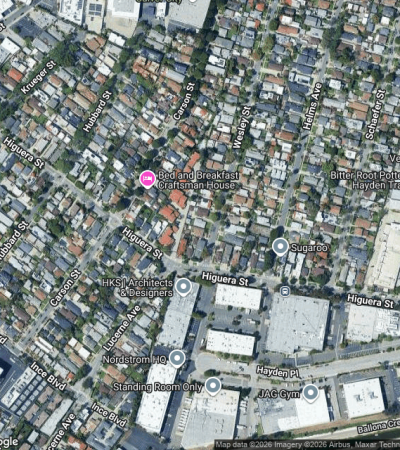
Downtown and the Washington Boulevard corridor. This is the walkable, transit-adjacent core. Washington Culver is among the most walkable neighborhoods in the city, sitting along the boulevard that carries the restaurants, the Platform retail project, and the Metro station. The newest ownership product in this area is Harlow Culver City at 9901 Washington Boulevard, a six-story, 132-unit building completed in 2020 with 12,500 square feet of ground-floor retail and office, per building records compiled by HighRises Condos. Fifty-four of its homes are two-story lofts on the fifth and sixth floors. Nearby, McManus and McLaughlin are quieter residential slices that residents know and visitors do not, while Lucerne-Higuera mixes older and newer stock within short reach of downtown and Platform.
The central grid. Carlson Park, formally the Park East neighborhood, is the tree-lined center of the city and holds mostly detached homes with a thin layer of small attached buildings. Clarkdale is a quiet residential pocket on the city’s western side, and Culver West centers on Washington Boulevard closer to the Marina. Jefferson is defined by movement and access, with quick connections to the rest of the Westside and blocks that read more corridor-adjacent than park-adjacent depending on where you stand.
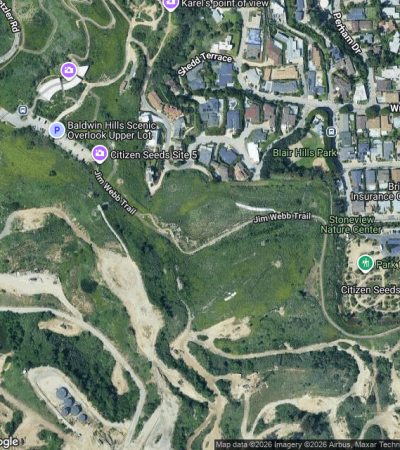
The hills. Blair Hills is a small hillside neighborhood of roughly 0.56 square miles, bounded by La Cienega Boulevard on the east, the Baldwin Hills Scenic Overlook area on the west, and Jefferson Boulevard on the north. Streets wind and elevation changes give it a more private feel than the flats. Blanco-Culver Crest occupies the higher ground on the city’s southern edge, where views and grade separation come at the cost of a longer walk to anything.
Studio Village and Sunkist Park. This is where Culver City’s condominium history starts. The Studio Village townhouses date to 1965 and are commonly described as the first condominium development built in Culver City. Studio Estates came later, developed by Goldrich Kest in the late 1970s and early 1980s on former MGM studio land, built out in roughly five phases with six floor plans. Sunkist Park sits alongside them and is one of the most community-oriented pockets in the city, steady and residential rather than showy.
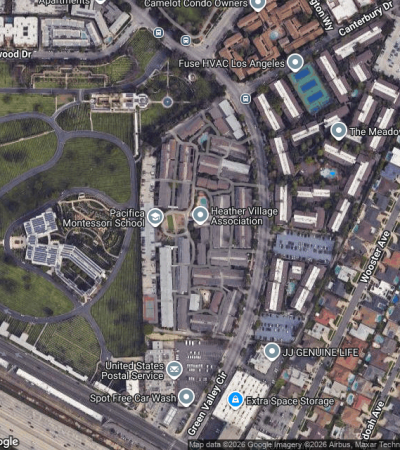
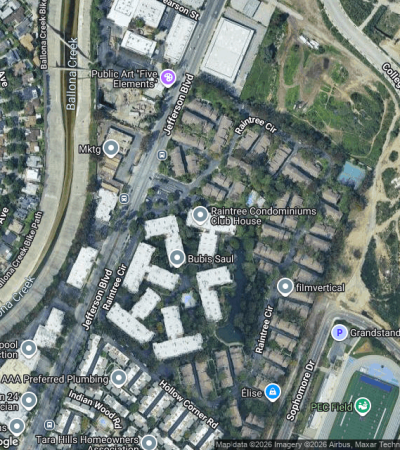
Fox Hills and the large associations. Fox Hills holds the deepest condo inventory in Culver City. The area was annexed in 1964 when it was largely undeveloped land, riding stables, and golf courses, then built out with apartments and condominiums through the 1970s around the mall that opened in 1975. Its residents moved from LAUSD to Culver City Unified in 1993. The associations here are large and amenity-heavy. Tara Hill on Hollow Corner Road is a gated 430-unit community built in 1973 with two pools, saunas, a spa, a fitness center, and a playground, with homes running roughly 690 to 1,406 square feet. Raintree Condominiums dates to 1972 and runs about 354 units, set on park-like grounds with water features and open space, and Raintree Townhomes on Raintree Circle offers the two-story version of the same setting. Heather Village on Green Valley Circle is a 404-unit community established in 1970, with homes from roughly 885 to 1,524 square feet. Lakeside Villas on Maytime Lane was built in 1975 and holds about 232 units across single-level and multi-level plans. Camelot and Fox Gate round out the Fox Hills association set. All unit counts and build years above come from published building records on condo listing platforms and should be confirmed against the association’s own documents during escrow.
What do Culver City condos cost?
Condos are the affordable half of a very expensive city. Market trackers reporting through May 31, 2026 put the Culver City median condo and co-op sale price near $620,000, roughly 5.9 percent below the prior year, while first-quarter 2026 data showed a condo median around $642,000. For contrast, Redfin data cited in late 2025 put the all-housing median in Culver City near $1.6 million, a figure dominated by detached sales.
Read those numbers as a range, not a quote. A one-bedroom in a 1970s Fox Hills association and a two-story loft at Harlow are not the same asset and do not trade at the same price per square foot. Age, HOA dues, reserve funding, parking, and whether the association is warrantable for conventional financing move the number more than the ZIP code does. Ask for a current comparable set drawn from actual closed sales in the specific association before you anchor on a citywide median.
What do HOA dues cover, and what does Davis-Stirling require?
Every condo in Culver City sits under a common interest development governed by California’s Davis-Stirling Act. Dues in the city commonly range from the low hundreds to the upper hundreds per month, with the higher end appearing in associations that carry more services or broader insurance. Typical coverage includes common-area upkeep, landscaping, pool maintenance, trash, and a master exterior insurance policy. Some associations also include water or sewer, which changes the real monthly cost more than most buyers expect.
Davis-Stirling obligates boards to plan for long-term repairs, disclose reserve health to owners, and update the reserve study and funding plan on a regular cycle, with reserve studies required at least every three years. The study identifies major components with less than thirty years of remaining useful life, estimates replacement cost, and sets a funding plan. This is the single most useful document in a condo purchase and the one buyers most often skip.
Read the reserve study, the last twelve months of board minutes, and the budget. A low monthly due in a thinly funded association is a deferred bill, not a bargain.
How hard is it to finance a Culver City condo?
Harder than a house, and the difficulty is association-specific rather than borrower-specific. Lenders underwrite the building alongside the borrower. Reserve funding percentage, owner-occupancy ratio, the share of units held by any single investor, pending litigation, and deferred maintenance all feed the decision. Associations funded below roughly fifty percent of their reserve obligation are commonly treated as elevated risk.
If you plan to use FHA or VA financing, confirm early whether the community carries approval or qualifies for single-unit approval. Large 1970s associations in Fox Hills vary widely on this, and finding out at week three of escrow is an expensive way to learn. Conventional financing is usually available but not automatic. Get the association’s questionnaire ordered on day one.
How is the commute from a Culver City condo?
Better than most of the Westside, and this is the city’s quiet advantage. The Metro E Line stops at Culver City station, an elevated light rail platform at 8817 Washington Boulevard, connecting east toward downtown Los Angeles and west toward Santa Monica. Adjacent to it sits Ivy Station, a 500,000-square-foot mixed-use project that Lowe describes as the gateway linking historic downtown Culver City to the Arts District.
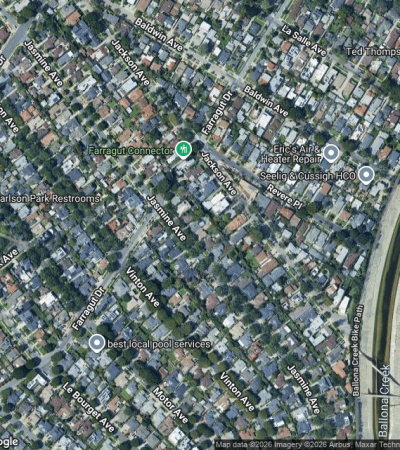
By car, the 405 runs along the western edge of Fox Hills, the 10 sits just north, and the 90 feeds toward the Marina. Culver CityBus covers the city plus Marina del Rey and adjacent Los Angeles neighborhoods. For anyone commuting by bike, the Ballona Creek Bike Path runs roughly seven miles from Syd Kronenthal Park in east Culver City to the coast bike path near Marina del Rey.
The trade-off is real. Fox Hills gives you the freeway and the mall but not the train. Downtown gives you the train and the walkability but at a higher price per square foot and, usually, a smaller home.
Which schools serve Culver City condo owners?
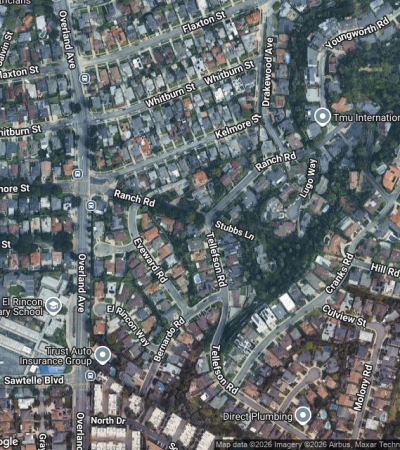
Culver City Unified School District serves the city and enrolls roughly 6,500 students. It runs five K-5 elementary schools: El Marino Language School, El Rincon, Farragut, Linwood E. Howe, and La Ballona. Students then move to Culver City Middle School and Culver City High School, located at 4401 Elenda Street and established in January 1951. The district also operates a continuation high school, an independent study program, an adult school, and a preschool program.
El Marino is a language immersion school and does not assign by street address the way the neighborhood elementaries do. If school placement is driving your purchase, verify current attendance boundaries and program admission rules directly with CCUSD before you write an offer. Boundaries change, and a listing description is not an enrollment guarantee.
What can you actually walk to?
Downtown Culver City has been rebuilt around pedestrians over the last decade. The Culver Steps at 9300 Culver Boulevard added about 115,000 square feet of retail, office, and restaurant space along with roughly 35,000 square feet of new public space and a grand stair leading to an elevated plaza. Platform, on Washington Boulevard, holds about 50,000 square feet of retail and restaurant space plus 80,000 square feet of office in a repurposed industrial complex. The Helms Bakery District, one block east of the E Line, carries design and furnishings retail and restaurants inside the historic bakery buildings, with an IKEA format store announced for the complex.
On the recreation side, Fox Hills Park is a ten-acre site at Green Valley Circle and Buckingham Parkway with playgrounds, courts, fields, and trails, and Culver City Park and the Baldwin Hills Scenic Overlook sit on the ridge above the creek. Walkability drops off quickly outside the downtown core, so treat it as a neighborhood-level question rather than a citywide one.
What local taxes and rental rules apply to a Culver City condo?
Culver City is not subject to the City of Los Angeles Measure ULA transfer tax, because it is a separate municipality. It has its own. Culver City voters approved Measure RE in November 2020, which layered marginal brackets on top of the existing 0.45 percent transfer tax rate, or $4.50 per $1,000 of value. Per Ballotpedia and the city’s own election materials, the marginal structure applies 1.5 percent from $1,500,000 to under $3,000,000, 3 percent from $3,000,000 to under $10,000,000, and 4 percent above $10,000,000. At the time of passage the city projected that roughly 70 percent of sales would stay at the base 0.45 percent rate. Most condo transactions fall well under the first bracket, so for the typical buyer in this hub the transfer tax is the base rate.
On the rental side, Culver City has a rent control ordinance. California’s Costa-Hawkins Act generally exempts individually owned condominiums from local rent ceilings, but Culver City’s ordinance narrows that exemption: it applies to landlords with no direct or indirect economic interest in more than two rental units and excludes REITs, corporations, and corporate-controlled LLCs and partnerships. If you are buying a Culver City condo to rent out, verify your own exemption status with counsel rather than assuming Costa-Hawkins covers you.
What risks should you weigh before writing an offer?
Name them up front. Association health. The largest Culver City condo communities are now more than fifty years old. Plumbing, roofs, decks, and elevators in 1970s stock come due, and special assessments follow underfunded reserves. Price direction. Condo pricing in the city was running below the prior year in the first half of 2026 even as the detached market held. That is a buyer-favorable condition and also a reason not to overpay on the assumption of immediate appreciation.
The Inglewood Oil Field is the largest urban oil field in the country, spanning roughly 1,000 acres across Culver City and Baldwin Hills, with more than 400 active wells as of 2022 according to reporting on the site. Culver City’s council voted to phase out production and remediate the city’s roughly 78-acre share, a process covered by NRDC and the Sierra Club. Properties on the eastern and southern edges of the city sit closer to that footprint than properties in Fox Hills or Culver West. Ask about proximity if it matters to you.
Finally, parking and storage. Many 1970s associations were built to 1970s parking ratios. Confirm assigned spaces and guest parking rules in writing.
Frequently Asked Questions About culver city Condos for Sale
Is Culver City part of the City of Los Angeles?
No. Culver City is an independent municipality incorporated on September 17, 1917 and surrounded on most sides by the City of Los Angeles. It has its own council, police, bus system, school district, and transfer tax.
Where is most of the condo inventory?
Fox Hills carries the deepest supply, built out through the 1970s in large amenity-heavy associations. Studio Village and Sunkist Park hold the older townhome stock, and downtown holds the smaller, newer mid-rise buildings.
Does Measure ULA apply when I sell a Culver City condo?
No. Measure ULA applies inside the City of Los Angeles. Culver City sales fall under Culver City’s own transfer tax, which has a 0.45 percent base rate with higher marginal brackets starting at $1,500,000.
Can I rent out a condo I buy in Culver City?
Usually, subject to two separate gates. The association’s governing documents may cap rentals or impose a minimum lease term, and Culver City’s rent control ordinance limits the condominium exemption to small non-corporate owners. Check both before you buy for investment.
What is a realistic HOA due in Culver City?
Published guidance for the city describes a range from the low hundreds to the upper hundreds per month, driven by what the association covers. A community that includes water, sewer, and heavy amenities will sit at the higher end. Compare dues against coverage and reserve funding rather than in isolation.
Do Culver City condos qualify for FHA loans?
Some do. FHA approval is granted at the association level, with a single-unit approval path for otherwise ineligible projects. Approval status changes over time, so confirm current status for the specific community rather than relying on what was true a year ago.
Which schools serve the condo neighborhoods?
All Culver City neighborhoods, including Fox Hills since 1993, are served by Culver City Unified School District. Confirm the assigned elementary for a specific address with the district, since boundaries and program rules are set by CCUSD and not by the listing.
How old is most of the condo stock?
The bulk of it dates to 1965 through the late 1970s, with a smaller wave of new construction downtown, including Harlow in 2020. Age is the main driver of reserve and assessment risk here.
How does The Knight Group work in the Culver City condo market?
We underwrite the association before we tour the unit. That means pulling the reserve study, the budget, recent board minutes, litigation disclosures, and rental caps, then telling you what the monthly cost and the five-year assessment exposure actually look like. For a fifty-year-old Fox Hills community, that analysis often changes which building you want more than any walkthrough will.
On the sell side, we price against closed sales inside your specific association rather than a citywide median, because a Heather Village two-bedroom and a downtown loft do not compete for the same buyer. We also handle the Culver City transfer tax calculation and the association document delivery early, since both are common sources of delay in escrow here.
Browse the listings below, then reach out. Tell us the neighborhoods you are considering and we will send you the association-level detail on each before you spend a Saturday driving.
What are condos for sale in Culver City actually like?
- Condos for sale in Culver City sit inside an independent Westside city rather than on Los Angeles city property, with its own municipal code.
- Culver City runs its own bus system through Culver CityBus and its own school district, Culver City Unified, rather than falling under LAUSD.
- Ownership here remains reachable well under the local single-family median, in a compact, transit-served city with a genuine downtown core.
- Sony Pictures Studios, Amazon Studios, Apple, and Warner Bros. Discovery all hold offices inside the city, anchoring the local employment base.
- Most inventory falls into two groups: older garden and townhome associations, and newer mid-rise product near the Metro E Line downtown.
- Fox Hills and Studio Village hold the larger group of garden and townhome associations, including Tara Hill, Heather Village, Raintree, and Lakeside Villas.
- Harlow Culver City on Washington Boulevard represents the newer mid-rise ownership product clustered near the downtown transit station.
- Culver City absorbed a large share of Westside media and tech office leasing over the last decade, clustered around downtown and the Metro station.
- Amazon Studios, HBO, and Apple lease substantial office space in the city, making a local condo a walk or short bus ride from work.
- Culver CityBus counts as the second oldest municipal bus line in California, per Wikipedia, and serves the city directly.
- Buyers seeking a smaller civic unit inside greater Los Angeles get one in Culver City, with local schools and local transit under local control.
- Condos for sale in Culver City trade an HOA, shared walls, and association politics for a Westside address the detached market will not produce.
- The city recognizes fifteen neighborhoods, though condo and townhome density is not spread evenly, so knowing the pocket matters.
- Washington Culver ranks among the most walkable neighborhoods, carrying restaurants, the Platform retail project, and the Metro station along the boulevard.
What is daily life like for owners of condos for sale in Culver City?
- The Metro E Line stops at Culver City station, an elevated light rail platform connecting east toward downtown Los Angeles and west toward Santa Monica.
- Ivy Station sits adjacent to the rail platform, described by its developer as the gateway linking historic downtown Culver City to the Arts District.
- Culver CityBus covers the city plus Marina del Rey and adjacent Los Angeles neighborhoods, giving owners a local alternative to driving.
- Ballona Creek Bike Path runs from Syd Kronenthal Park in east Culver City to the coast bike path near Marina del Rey.
- Fox Hills delivers the freeway and the mall but not the train, while downtown delivers the train and walkability at a higher price per square foot.
- Culver City Unified School District serves the entire city and runs elementary campuses including El Marino Language School, El Rincon, Farragut, Linwood E. Howe, and La Ballona.
- Students move from the elementary campuses to Culver City Middle School and then Culver City High School on Elenda Street.
- El Marino operates as a language immersion school and does not assign by street address the way the neighborhood elementaries do.
- Buyers driven by school placement should verify current attendance boundaries and program admission rules directly with CCUSD before writing an offer.
- The Culver Steps on Culver Boulevard added retail, office, and restaurant space plus new public space and a grand stair to an elevated plaza.
- Platform on Washington Boulevard holds retail, restaurant, and office space inside a repurposed industrial complex near the transit core.
- Helms Bakery District, one block east of the E Line, carries design and furnishings retail and restaurants inside historic bakery buildings.
- Fox Hills Park at Green Valley Circle and Buckingham Parkway offers playgrounds, courts, fields, and trails for nearby condo owners.
- Culver City sits outside the City of Los Angeles Measure ULA transfer tax because it operates as a separate municipality with its own tax.
What should buyers know before buying condos for sale in Culver City?
- Fox Hills carries the deepest condo supply, built out in large amenity-heavy associations that define the bulk of local inventory.
- Studio Village and Sunkist Park hold the older townhome stock, while downtown holds the smaller, newer mid-rise buildings.
- Measure ULA does not apply to condos for sale in Culver City, because that tax applies only inside the City of Los Angeles.
- Culver City sales fall under the city’s own transfer tax, which carries a base rate with higher marginal brackets above a threshold.
- Renting out a purchased unit is usually possible but sits behind two separate gates that a buyer should clear before closing.
- Association governing documents may cap rentals or impose a minimum lease term, so investors should read them before making an offer.
- Culver City’s rent control ordinance limits the condominium exemption to small non-corporate owners, which matters for anyone buying as an investment.
- HOA dues range from the low hundreds to the upper hundreds per month, driven by what the association actually covers.
- A community that includes water, sewer, and heavy amenities will sit at the higher end of the local dues range.
- Dues deserve comparison against coverage and reserve funding rather than being judged in isolation as a raw monthly number.
- FHA approval is granted at the association level, with a single-unit approval path available for otherwise ineligible projects.
- Culver City Unified School District serves all city neighborhoods, including Fox Hills, and sets boundaries and program rules rather than the listing.
- Most condo stock dates to the mid-sixties through the late seventies, with a smaller wave of new construction downtown.
- Age drives reserve and assessment risk more than anything else across condos for sale in Culver City.
- The Knight Group underwrites the association before touring the unit, pulling the reserve study, budget, board minutes, litigation disclosures, and rental caps.