Monterey Hills is a neighborhood in East Los Angeles — the communities immediately east of downtown LA where historically working-class and predominantly Latino communities maintain distinct cultural identities alongside increasing gentrification pressure from downtown LA’s ongoing expansion. Monterey Hills is an elevated community in the transitional area between El Sereno and Alhambra, where hillside terrain provides views toward downtown Los Angeles and the San Gabriel Mountains and where the elevation creates residential distinction within the broader East LA geography. East Los Angeles’s A Line Metro connectivity, downtown proximity at accessible pricing, and cultural depth create a specific residential value proposition for buyers who want urban proximity to downtown Los Angeles at prices well below comparable distance communities to the west and north.
Browse all Los Angeles real estate — or explore the full Los Angeles luxury real estate market.
Monterey Hills is one of East Los Angeles’s established neighborhoods, monterey hills is an elevated community in the transitional area between el sereno and alhambra, where hillside terrain provides views toward downtown los angeles and the san gabriel mountains and where the elevation creates residential distinction within the broader east la geography within a residential zone that spans from the densely urban Boyle Heights community directly across the Los Angeles River from downtown to the hillside Monterey Hills neighborhoods where elevated terrain provides views and residential distinction within the broader East LA geography.
Los Angeles Unified School District serves Monterey Hills for K-12 education. East LA’s LAUSD campuses vary in academic performance; specific campus assignments and their data should be researched for any address under consideration. Many East LA families access magnet programs distributed across the district, and the presence of several charter school options provides additional choices for families seeking educational alternatives to the assigned local campus. The school situation is a primary research item for buyers with school-age children considering East LA residential options.
The A Line Metro provides transit access from Boyle Heights and Lincoln Heights to Union Station (approximately 10 to 15 minutes) and to Pasadena, Alhambra, and the eastern San Gabriel Valley on the other direction. Freeway access via the 10, 5, and 60 provides car-based connectivity to downtown LA, the San Gabriel Valley, the South Bay, and Orange County. East LA’s transit connectivity is above average for the Los Angeles area, particularly for residents near the A Line stations, providing a genuine car-optional commute to downtown LA employment for this demographic.
Gentrification dynamics in East Los Angeles are among the most actively discussed in Los Angeles’s housing policy dialogue — the displacement of working-class Latino renters and homeowners by rising real estate values driven by investment buyers and affluent newcomers is a real phenomenon with measurable community impact. Buyers approaching East LA as an investment opportunity should consider this community context as part of their due diligence, understanding that the neighborhood’s cultural richness and community engagement are attributes worth preserving alongside the financial opportunity that the area’s price positioning represents in the broader Los Angeles market.
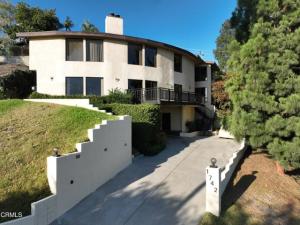
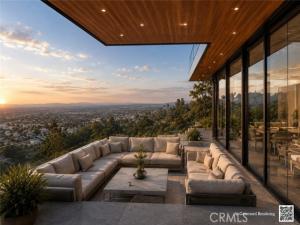
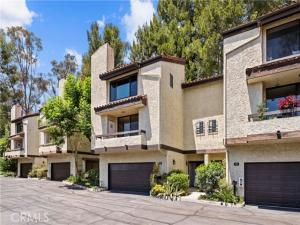
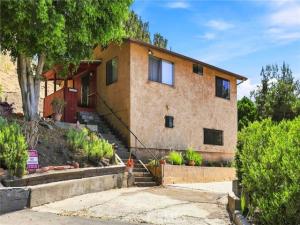
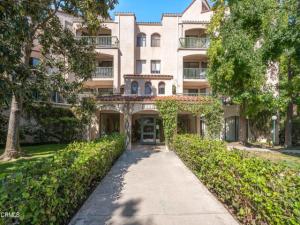
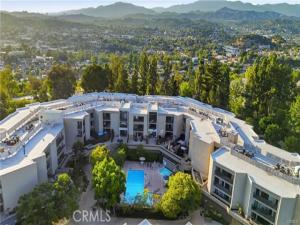
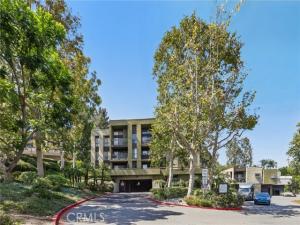
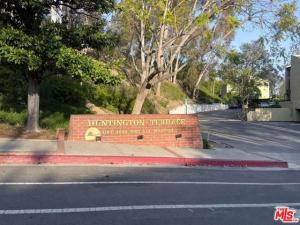
Monterey Hills is a planned residential community on the elevated terrain above Lincoln Heights and El Sereno — a 1980s-era hillside development whose winding streets and the elevated positioning provide the panoramic views toward Downtown Los Angeles and the San Gabriel Mountains that the flat East LA communities below cannot access. The planned community’s architectural consistency, the private streets and maintained common areas, and the HOA governance that sustains the community’s residential standards create the planned-community character that distinguishes Monterey Hills from the organic neighborhood fabric of the older East LA communities in the valley below. The community’s elevation provides the additional residential benefit of the cooler summer temperatures that the hillside setting creates relative to the flat basin floor — the natural air conditioning effect that LA’s hillside communities have historically valued.
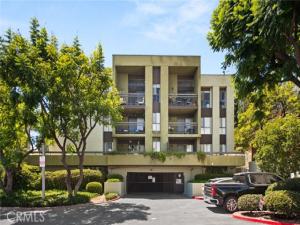
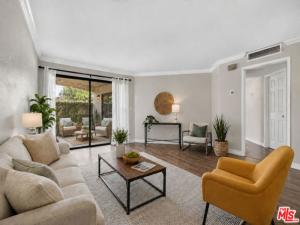
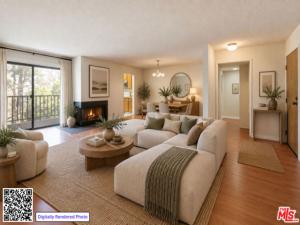
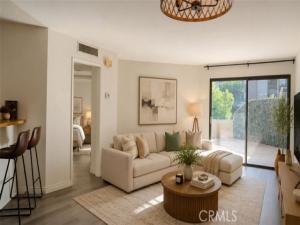
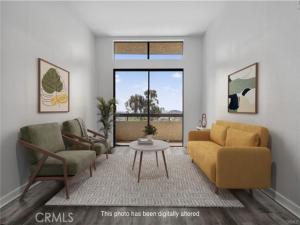
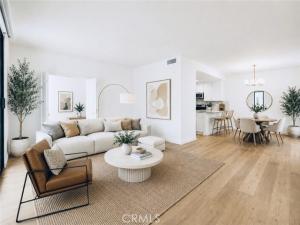
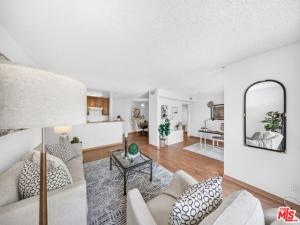
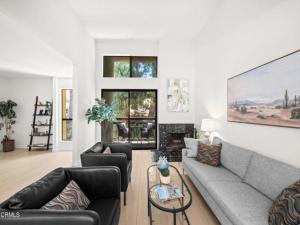
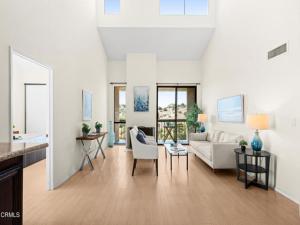
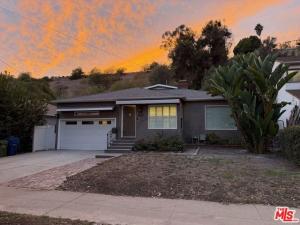
Monterey Hills’s residential market provides the panoramic-view, planned-community character at a pricing tier that reflects the East LA location discount relative to comparable hillside planned communities in the Westside and the San Fernando Valley. The single-family homes and townhomes that Monterey Hills’s planned development created are priced to provide the view, the community amenities, and the hillside character that buyers in the $700K-$1.1M range can access within the East LA geography — a value proposition that the neighborhood’s elevation, the views, and the planned community quality create at a discount from comparably amenitized hillside communities elsewhere in Los Angeles. The convenient access to the I-10 and the I-710 freeway corridors provides the commute infrastructure that sustains Monterey Hills’s accessibility to the Downtown and South Bay employment centers that East LA’s geography serves.
Monterey Hills’s planned 1980s community character creates a residential lifestyle that is notably different from the organic neighborhood character of the flat East LA communities in the valley below — the HOA-maintained common areas, the private streets, and the controlled residential environment of the planned community provide the suburban lifestyle quality that the East LA address does not conventionally suggest. The community’s homeowners association governs the common area maintenance, the architectural standards for exterior property modifications, and the community programs that sustain the planned community’s residential character; the HOA’s governance creates both the quality assurance that the maintained common areas and the consistent architectural standards provide and the homeowner fees and the HOA rule compliance that planned community living requires. The elevation advantage that Monterey Hills’ hillside positioning creates — the natural cooling that the hilltop breeze provides, the lower urban density that the hillside setbacks sustain, and the natural separation from the traffic and commercial activity of the valley below — creates the residential quality premium that the East LA location context would not otherwise produce. The community’s proximity to Cal State Los Angeles (approximately 2 miles) and the access to the I-10 freeway create the educational and commute infrastructure that sustains Monterey Hills’ appeal for the professional and academic demographic that the Cal State LA corridor attracts.
East Los Angeles’s proximity to downtown Los Angeles — accessible by the A Line (formerly Gold Line) Metro from the Lincoln/Cypress and Soto stations in Boyle Heights — provides a transit-connected residential option adjacent to the city’s urban core at pricing significantly below comparable downtown-proximity communities in western and northern Los Angeles. The A Line’s connection to Union Station and the downtown Metro hub makes East LA residents some of the most transit-accessible in the Los Angeles basin outside of communities directly adjacent to the downtown core.
The cultural life of East Los Angeles is anchored by Mariachi Plaza, the Boyle Heights community’s annual festivals and events, Olvera Street (the birthplace of Los Angeles, immediately adjacent to downtown), and the murals and public art installations that have accumulated across the neighborhood’s decades as a center of Chicano and Latino art. The Self Help Graphics & Art gallery and other community art institutions in Boyle Heights sustain an arts infrastructure that predates and rivals the arts districts that have emerged in more gentrified parts of Los Angeles. For buyers who value cultural authenticity and community engagement as primary residential attributes, East Los Angeles offers a depth of cultural identity that recently redeveloped neighborhoods cannot replicate.
The 10 Freeway (eastbound from downtown), the 5 Freeway (through the Lincoln Heights corridor), and the 60 Freeway (through Monterey Hills) provide East LA’s primary freeway connections. The A Line Metro provides rail transit northbound to Pasadena and eastbound to Azusa, and westbound to Union Station and the broader Metro network. Bus service across East LA connects residential streets to Metro stations and other transit corridors. East LA’s transit access, while not as comprehensive as downtown LA, is above average for the Los Angeles metropolitan area and supports a more transit-oriented lifestyle than is available in most LA suburban communities.
East Los Angeles encompasses the communities immediately east of downtown LA — Boyle Heights, Lincoln Heights, El Sereno, and the elevated terrain of Monterey Hills — where historically working-class and predominantly Latino communities have sustained distinct neighborhood identities across many decades of ownership stability and, more recently, increasing gentrification pressure as downtown LA’s revitalization and the Arts District’s expansion push demand eastward. The 2026 median home price across East Los Angeles ranges from approximately $650,000 to $900,000 for standard single-family homes, making the area one of the more accessible residential options adjacent to downtown Los Angeles.
Boyle Heights is the most nationally recognized East Los Angeles neighborhood — a predominantly Mexican-American community whose identity has been shaped by immigration history, civil rights activism, and the cultural richness that a dense, active, community-engaged population sustains. The Mariachi Plaza, Olvera Street’s proximity, and the community’s murals and public art represent cultural assets of genuine significance. Gentrification pressure in Boyle Heights has been among the most discussed residential displacement debates in contemporary Los Angeles — a conflict between the investment value that real estate opportunity represents to some buyers and the community displacement that rising prices create for long-term residents whose housing costs the new market can no longer absorb.
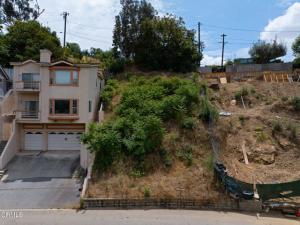
Lincoln Heights and El Sereno offer more established mid-century single-family homes in a slightly less pressured market than Boyle Heights, with access to downtown LA via the 10 and 5 Freeways and Gold/L Line Metro service that connects the communities to Union Station and the broader Metro network. Monterey Hills occupies elevated terrain between El Sereno and Alhambra, with bay views from upper-slope properties and a more distinctly hillside residential character that commands premiums within the East LA market.
East Los Angeles — the corridor of neighborhoods east of Downtown along the Los Angeles River’s industrial floodplain — is undergoing the residential investment cycle that proximity to Downtown and the cultural authenticity that decades of Latino residential concentration have produced. Boyle Heights, the most prominent of the East LA neighborhoods, sits across the First Street Bridge from the Arts District and Little Tokyo — the direct adjacency to Downtown’s most rapidly appreciating neighborhoods that sustains the investment pressure that the gentrification debate has focused on Boyle Heights specifically. The neighborhood’s Mariachi Plaza, the Hollenbeck Lake and Park, and the concentration of historic murals and public art that reflect the Chicano cultural heritage create the distinctive neighborhood character that new residential buyers and the longtime community both value — albeit with sharply different stakes in the outcomes. El Sereno, Lincoln Heights, and Monterey Hills provide the hillside residential character east of the flat floodplain — the elevated terrain that provides the view corridors and the natural separation from the industrial corridor below that sustains their residential premiums within the East LA geography.
East LA’s residential trajectory reflects the broader Los Angeles pattern of investment following transit infrastructure: the Metro Gold Line (now the A Line) connecting East LA to Pasadena and Downtown has catalyzed the residential investment cycle that transit-adjacent neighborhoods throughout the LA Basin have experienced. The B Line (Red Line) extension to East LA and the improved bus rapid transit that Metro’s network provides create the transit access that downtown-employed residential buyers and the transit-dependent community that East LA’s demographic profile includes both require. LAUSD serves East LA’s K-12 student population; the East LA district’s schools include several that have developed strong community academic programs through the parent engagement and bilingual education investment that the community’s deep educational commitment sustains.
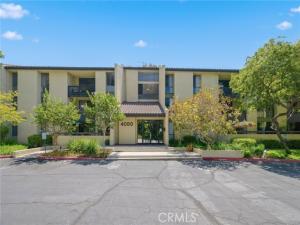
Monterey Hills pricing is within East Los Angeles’s range of approximately $650,000 to $950,000 for single-family homes, with Monterey Hills commanding premiums for its elevated terrain and views. Condominiums and smaller multifamily properties provide lower entry points. East LA’s pricing is among the more accessible in proximity to downtown Los Angeles, reflecting the working-class community context and the gentrification stage that varies across the area’s specific neighborhoods.
East Los Angeles has among the best downtown LA commute access of any residential area in the city — the A Line Metro from the Boyle Heights/Arts District and Soto stations provides service to Union Station in approximately 10 to 15 minutes. Driving via the 10 or 5 Freeways can be faster off-peak but slower during peak hours due to freeway congestion. The combination of short distance and available rail transit makes East LA’s downtown commute significantly better than most Los Angeles residential communities at comparable pricing.
East Los Angeles investment dynamics reflect the gentrification pressures that downtown LA’s expansion generates — buying near a revitalizing urban core at accessible prices, with the caveat that gentrification creates real community displacement costs. Investment buyers should evaluate East LA with full awareness of these dynamics, including the regulatory environment for landlords in LA and the community opposition to displacement that has generated political pressure on development in some East LA neighborhoods. The financial opportunity is real; the community context requires thoughtful consideration.
Monterey Hills’s planned 1980s development character distinguishes it fundamentally from the organic, older residential fabric of Lincoln Heights, El Sereno, and Boyle Heights — the flat-grid, working-class East LA neighborhoods that the planned community sits above. While the organic East LA neighborhoods feature the architectural diversity, the dense street commercial activity, and the working-class community character that the historic residential fabric sustains, Monterey Hills provides the controlled residential environment, the panoramic views, the HOA-maintained common areas, and the planned-community consistency that a different buyer demographic specifically seeks. The elevation creates both the views and the psychological separation from the valley below that many Monterey Hills buyers value — the ability to live above the flat urban grid while remaining within the East LA geography and its commute advantages. Buyers who prefer the planned community’s HOA governance and architectural consistency over the organic neighborhood’s cultural character and affordability will typically prefer Monterey Hills to the surrounding East LA neighborhoods.
Monterey Hills homeowners association fees vary by specific development section within the community and change over time; prospective buyers should request the current HOA fee schedule, the HOA’s financial statements, and the CC&Rs from the seller or the HOA management company as part of due diligence before purchase. The HOA’s typical governance scope in Monterey Hills includes: landscaping and maintenance of the common area green spaces, private street maintenance, exterior architectural review (approval required for exterior modifications to color, roofing, additions, or other visible changes), community security features, and the administrative overhead that the HOA’s governance requires. Buyers should specifically review the HOA reserve fund status (a well-funded reserve indicates that the HOA is preparing for future capital expenditures like road resurfacing or landscaping renovation; a depleted reserve indicates that special assessments — one-time charges to homeowners — may be forthcoming) and the HOA’s history of special assessments as part of the financial due diligence that HOA-governed properties require. California HOA law requires disclosure of the HOA’s financial condition and governing documents to prospective buyers; the HOA documents packet that sellers are required to provide contains the information needed to assess the HOA’s financial health and governance quality before purchase.
Explore more East Los Angeles neighborhoods:
Lucky for you we’re looking out.
Subscribe to this Custom Search to be alerted when new properties hit the market in the area.
Choose the frequency that works for you.