Lincoln HeightsListings

Lincoln Heights Real Estate | East Los Angeles, CA

Lincoln Heights is a neighborhood in East Los Angeles — the communities immediately east of downtown LA where historically working-class and predominantly Latino communities maintain distinct cultural identities alongside increasing gentrification pressure from downtown LA’s ongoing expansion. Lincoln Heights is one of East Los Angeles’s oldest neighborhoods — a community along the Los Angeles River north of downtown where the early twentieth century residential fabric of Craftsman bungalows and California colonials coexists with the industrial heritage of the riverside manufacturing corridor. East Los Angeles’s A Line Metro connectivity, downtown proximity at accessible pricing, and cultural depth create a specific residential value proposition for buyers who want urban proximity to downtown Los Angeles at prices well below comparable distance communities to the west and north.

[showcaseidx_hotsheet name=”Los Angeles”]

Lincoln Heights in East Los Angeles

Community

What is Lincoln Heights?

Lincoln Heights is one of East Los Angeles’s established neighborhoods, lincoln heights is one of east los angeles’s oldest neighborhoods — a community along the los angeles river north of downtown where the early twentieth century residential fabric of craftsman bungalows and california colonials coexists with the industrial heritage of the riverside manufacturing corridor within a residential zone that spans from the densely urban Boyle Heights community directly across the Los Angeles River from downtown to the hillside Monterey Hills neighborhoods where elevated terrain provides views and residential distinction within the broader East LA geography.

Los Angeles Unified School District serves Lincoln Heights for K-12 education. East LA’s LAUSD campuses vary in academic performance; specific campus assignments and their data should be researched for any address under consideration. Many East LA families access magnet programs distributed across the district, and the presence of several charter school options provides additional choices for families seeking educational alternatives to the assigned local campus. The school situation is a primary research item for buyers with school-age children considering East LA residential options.

The A Line Metro provides transit access from Boyle Heights and Lincoln Heights to Union Station (approximately 10 to 15 minutes) and to Pasadena, Alhambra, and the eastern San Gabriel Valley on the other direction. Freeway access via the 10, 5, and 60 provides car-based connectivity to downtown LA, the San Gabriel Valley, the South Bay, and Orange County. East LA’s transit connectivity is above average for the Los Angeles area, particularly for residents near the A Line stations, providing a genuine car-optional commute to downtown LA employment for this demographic.

Gentrification dynamics in East Los Angeles are among the most actively discussed in Los Angeles’s housing policy dialogue — the displacement of working-class Latino renters and homeowners by rising real estate values driven by investment buyers and affluent newcomers is a real phenomenon with measurable community impact. Buyers approaching East LA as an investment opportunity should consider this community context as part of their due diligence, understanding that the neighborhood’s cultural richness and community engagement are attributes worth preserving alongside the financial opportunity that the area’s price positioning represents in the broader Los Angeles market.

Lincoln Heights: LA’s Oldest Residential Neighborhood and the New East Side

Lincoln Heights holds the distinction of being one of Los Angeles’s oldest residential neighborhoods — a hillside community northeast of Downtown whose development predates the 20th century and whose Victorian-era residential stock creates the historical depth that more recently developed LA neighborhoods cannot claim. The neighborhood’s position between Chinatown (to the west), El Sereno (to the east), and the LA River (to the south) creates the geographic centrality within the East Side residential landscape that sustains Lincoln Heights’s connectivity to multiple adjacent neighborhood commercial and cultural communities. The Lincoln Heights commercial strip along North Broadway and Broadway-Manchester reflects the neighborhood’s predominantly Latino character — the taquerias, carnicerias, panaderias, and service businesses that sustain the working-class community’s daily commercial life without the gentrification-era boutiques that have transformed neighboring commercial strips.

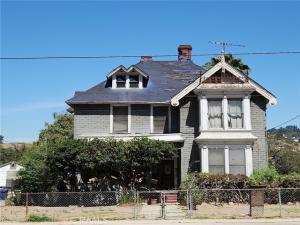
Lincoln Heights’s residential market reflects the early-cycle investment that the neighborhood’s Downtown adjacency, historic housing stock, and relative affordability create for buyers who are tracking the investment cycle that has moved through Boyle Heights, Highland Park, and the adjacent East Side neighborhoods. The Victorian and early-20th-century residential stock in Lincoln Heights includes properties that the renovation market has not yet fully absorbed — the investment opportunity in original-condition historic homes that reward the buyer willing to undertake restoration work at the current pricing tier before the neighborhood’s appreciation cycle advances toward the pricing level that the neighborhood’s Downtown adjacency and historic character would justify in a fully developed market.

Does Lincoln Heights offer renovation investment opportunities?

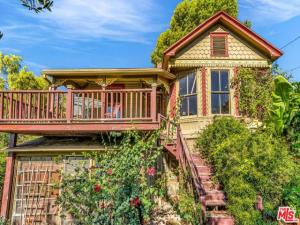
Lincoln Heights’s early residential development history — the Victorian and Craftsman-era homes that predate the Spanish Colonial Revival wave that defined the 1920s Hollywood Hills and the Mid-City development — creates an unusually rich architectural legacy that the renovation market has only partially absorbed. The late-19th and early-20th century residential stock includes examples of the Queen Anne, Colonial Revival, and Craftsman styles that are rare in the Los Angeles residential landscape outside of the downtown adjacent historic neighborhoods; the original-condition Victorian homes that remain in Lincoln Heights offer the renovation opportunity that buyers who seek the authentic Los Angeles architectural heritage can access at price points far below the comparable Victorian-era homes in the more-appreciated adjacent neighborhoods. The Heritage Square Museum (a Los Angeles Parks Department facility that preserves historic Victorian-era homes moved from threatened locations throughout the city) is located in the adjacent Mt. Washington neighborhood, reflecting the Lincoln Heights-area’s position at the center of the Victorian-era residential legacy that the Northeast LA hillside communities sustained from the 1880s through the 1910s.

Area Details

Is Lincoln Heights close to downtown and the metro?

East Los Angeles’s proximity to downtown Los Angeles — accessible by the A Line (formerly Gold Line) Metro from the Lincoln/Cypress and Soto stations in Boyle Heights — provides a transit-connected residential option adjacent to the city’s urban core at pricing significantly below comparable downtown-proximity communities in western and northern Los Angeles. The A Line’s connection to Union Station and the downtown Metro hub makes East LA residents some of the most transit-accessible in the Los Angeles basin outside of communities directly adjacent to the downtown core.

The cultural life of East Los Angeles is anchored by Mariachi Plaza, the Boyle Heights community’s annual festivals and events, Olvera Street (the birthplace of Los Angeles, immediately adjacent to downtown), and the murals and public art installations that have accumulated across the neighborhood’s decades as a center of Chicano and Latino art. The Self Help Graphics & Art gallery and other community art institutions in Boyle Heights sustain an arts infrastructure that predates and rivals the arts districts that have emerged in more gentrified parts of Los Angeles. For buyers who value cultural authenticity and community engagement as primary residential attributes, East Los Angeles offers a depth of cultural identity that recently redeveloped neighborhoods cannot replicate.

The 10 Freeway (eastbound from downtown), the 5 Freeway (through the Lincoln Heights corridor), and the 60 Freeway (through Monterey Hills) provide East LA’s primary freeway connections. The A Line Metro provides rail transit northbound to Pasadena and eastbound to Azusa, and westbound to Union Station and the broader Metro network. Bus service across East LA connects residential streets to Metro stations and other transit corridors. East LA’s transit access, while not as comprehensive as downtown LA, is above average for the Los Angeles metropolitan area and supports a more transit-oriented lifestyle than is available in most LA suburban communities.

Market Trends

How is the East Los Angeles Real Estate real estate market?

East Los Angeles encompasses the communities immediately east of downtown LA — Boyle Heights, Lincoln Heights, El Sereno, and the elevated terrain of Monterey Hills — where historically working-class and predominantly Latino communities have sustained distinct neighborhood identities across many decades of ownership stability and, more recently, increasing gentrification pressure as downtown LA’s revitalization and the Arts District’s expansion push demand eastward. The 2026 median home price across East Los Angeles ranges from approximately $650,000 to $900,000 for standard single-family homes, making the area one of the more accessible residential options adjacent to downtown Los Angeles.

Boyle Heights is the most nationally recognized East Los Angeles neighborhood — a predominantly Mexican-American community whose identity has been shaped by immigration history, civil rights activism, and the cultural richness that a dense, active, community-engaged population sustains. The Mariachi Plaza, Olvera Street’s proximity, and the community’s murals and public art represent cultural assets of genuine significance. Gentrification pressure in Boyle Heights has been among the most discussed residential displacement debates in contemporary Los Angeles — a conflict between the investment value that real estate opportunity represents to some buyers and the community displacement that rising prices create for long-term residents whose housing costs the new market can no longer absorb.

Lincoln Heights and El Sereno offer more established mid-century single-family homes in a slightly less pressured market than Boyle Heights, with access to downtown LA via the 10 and 5 Freeways and Gold/L Line Metro service that connects the communities to Union Station and the broader Metro network. Monterey Hills occupies elevated terrain between El Sereno and Alhambra, with bay views from upper-slope properties and a more distinctly hillside residential character that commands premiums within the East LA market.

East Los Angeles Real Estate: Cultural Identity, Rising Investment, and the Boyle Heights Moment

East Los Angeles — the corridor of neighborhoods east of Downtown along the Los Angeles River’s industrial floodplain — is undergoing the residential investment cycle that proximity to Downtown and the cultural authenticity that decades of Latino residential concentration have produced. Boyle Heights, the most prominent of the East LA neighborhoods, sits across the First Street Bridge from the Arts District and Little Tokyo — the direct adjacency to Downtown’s most rapidly appreciating neighborhoods that sustains the investment pressure that the gentrification debate has focused on Boyle Heights specifically. The neighborhood’s Mariachi Plaza, the Hollenbeck Lake and Park, and the concentration of historic murals and public art that reflect the Chicano cultural heritage create the distinctive neighborhood character that new residential buyers and the longtime community both value — albeit with sharply different stakes in the outcomes. El Sereno, Lincoln Heights, and Monterey Hills provide the hillside residential character east of the flat floodplain — the elevated terrain that provides the view corridors and the natural separation from the industrial corridor below that sustains their residential premiums within the East LA geography.

East LA’s residential trajectory reflects the broader Los Angeles pattern of investment following transit infrastructure: the Metro Gold Line (now the A Line) connecting East LA to Pasadena and Downtown has catalyzed the residential investment cycle that transit-adjacent neighborhoods throughout the LA Basin have experienced. The B Line (Red Line) extension to East LA and the improved bus rapid transit that Metro’s network provides create the transit access that downtown-employed residential buyers and the transit-dependent community that East LA’s demographic profile includes both require. LAUSD serves East LA’s K-12 student population; the East LA district’s schools include several that have developed strong community academic programs through the parent engagement and bilingual education investment that the community’s deep educational commitment sustains.

FAQs

What is the price range in Lincoln Heights?

Lincoln Heights pricing is within East Los Angeles’s range of approximately $650,000 to $950,000 for single-family homes, with Monterey Hills commanding premiums for its elevated terrain and views. Condominiums and smaller multifamily properties provide lower entry points. East LA’s pricing is among the more accessible in proximity to downtown Los Angeles, reflecting the working-class community context and the gentrification stage that varies across the area’s specific neighborhoods.

How is the commute to downtown Los Angeles?

East Los Angeles has among the best downtown LA commute access of any residential area in the city — the A Line Metro from the Boyle Heights/Arts District and Soto stations provides service to Union Station in approximately 10 to 15 minutes. Driving via the 10 or 5 Freeways can be faster off-peak but slower during peak hours due to freeway congestion. The combination of short distance and available rail transit makes East LA’s downtown commute significantly better than most Los Angeles residential communities at comparable pricing.

Is East Los Angeles a good investment?

East Los Angeles investment dynamics reflect the gentrification pressures that downtown LA’s expansion generates — buying near a revitalizing urban core at accessible prices, with the caveat that gentrification creates real community displacement costs. Investment buyers should evaluate East LA with full awareness of these dynamics, including the regulatory environment for landlords in LA and the community opposition to displacement that has generated political pressure on development in some East LA neighborhoods. The financial opportunity is real; the community context requires thoughtful consideration.

Is Lincoln Heights a safe neighborhood for families?

Lincoln Heights, like most Los Angeles neighborhoods, has experienced significant improvement in public safety metrics over the past two decades as the broader LAPD crime reduction trajectory has reduced violent and property crime across the LA Basin. The neighborhood’s crime rate today is higher than the city-wide average (reflecting the socioeconomic conditions that correlate with crime rates) but lower than the levels that defined the neighborhood’s public safety challenges in the 1990s. The LAPD’s Northeast Division serves Lincoln Heights; community policing programs and the active neighborhood council provide the resident engagement infrastructure that sustains the community safety dialogue. Family buyers who are evaluating Lincoln Heights should review the most current LAPD crime mapping data for the specific blocks under consideration, visit the neighborhood during different times of day, and connect with current resident families through the Lincoln Heights Neighborhood Council to assess the lived safety experience that statistics alone don’t fully capture.

What is the Heritage Square Museum and what does it preserve?

Heritage Square Museum is a unique Los Angeles Parks facility that has assembled a collection of Victorian-era homes and commercial buildings from locations throughout the city that were threatened with demolition — the buildings were physically moved to the Heritage Square site in the Arroyo Seco near Lincoln Heights, where they have been restored and preserved as a “museum village” that visitors can tour to experience the architectural character of the 1870s-1910s Los Angeles residential landscape. The collection includes the Hale House (an 1887 Queen Anne Victorian), the Mount Pleasant House (1876 Italianate style), the Lincoln Avenue Methodist Church (an 1897 Gothic Revival church relocated from Lincoln Heights itself), and several other structures that represent the building types and the architectural styles of the city’s early residential development era. The museum’s docent-led tours and the living history programming create the educational resource that connects the contemporary Northeast LA residential community to the Victorian-era heritage that the Lincoln Heights and surrounding neighborhoods retain in their remaining historic building stock. For Lincoln Heights buyers who are acquiring original-condition Victorian properties, Heritage Square provides the architectural reference and the preservation expertise that the renovation of historic structures requires.

Explore More

Explore more East Los Angeles neighborhoods:

Hey, You ALMOST MISSED IT!

Lucky for you we’re looking out.

Subscribe to this Custom Search to be alerted when new properties hit the market in the area.

Choose the frequency that works for you.

get alerts

[showcaseidx_contact]