Condos for Sale in Manhattan Beach
Condos for Sale in Manhattan Beach currently number 92 active listings with a median asking price of $4,649,500 (CRMLS, September 2026).
Condos for sale in Manhattan Beach are attached, common-interest homes inside a 3.94-square-mile coastal city in Los Angeles County‘s South Bay, home to 35,506 residents along roughly 2.1 miles of oceanfront as of the 2020 census. The city is fully built out, with no vacant land left to absorb new supply, so the condo stock is finite and turns over slowly. Attached product is the least expensive way to own inside Manhattan Beach Unified School District boundaries and within walking or biking distance of the Strand, the pier, and downtown.
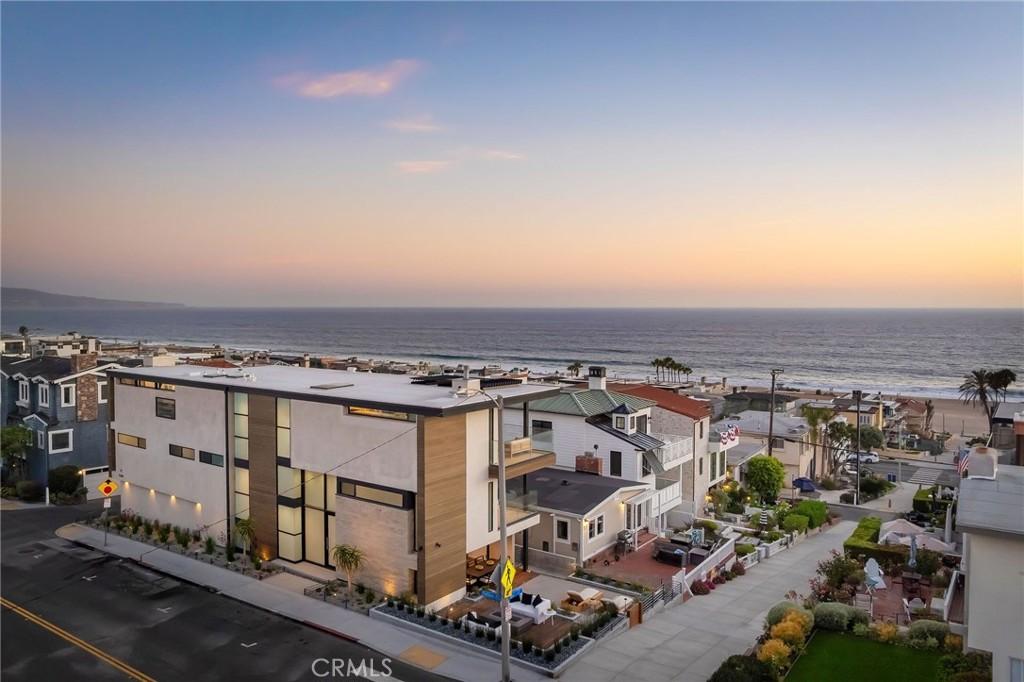
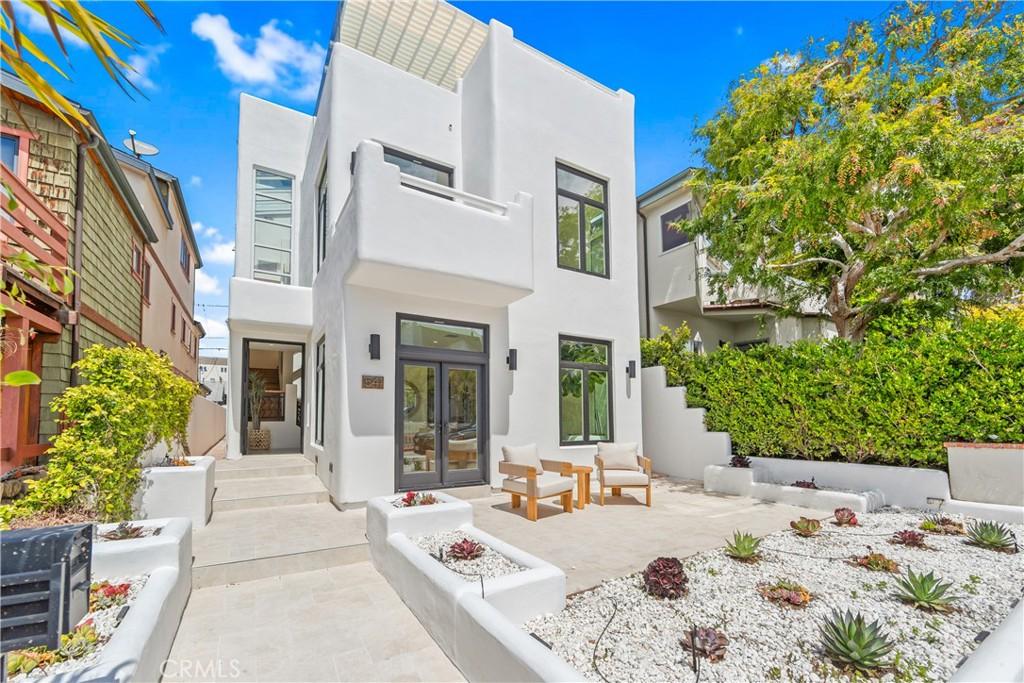
Most of the inventory sits in three places. The Sand Section holds small-lot, three-level buildings, often two or three units rather than a managed association. El Porto, from 38th to 45th Street, has the highest concentration of small attached units and the lowest entry price per door. Manhattan Village, built starting in 1985 with 177 townhouses and 223 court homes, is the inland option with real common areas and professional management.
Browse the current condo and townhome inventory below. For the part of this market that does not fit on a webpage, which buildings have healthy reserves and which listings are mispriced against their comparables, contact The Knight Group.
Where are the condos in Manhattan Beach?
Manhattan Beach is not one market. It is a set of named sections with materially different price, product, and daily experience. Which section a listing sits in tells you more than its square footage.
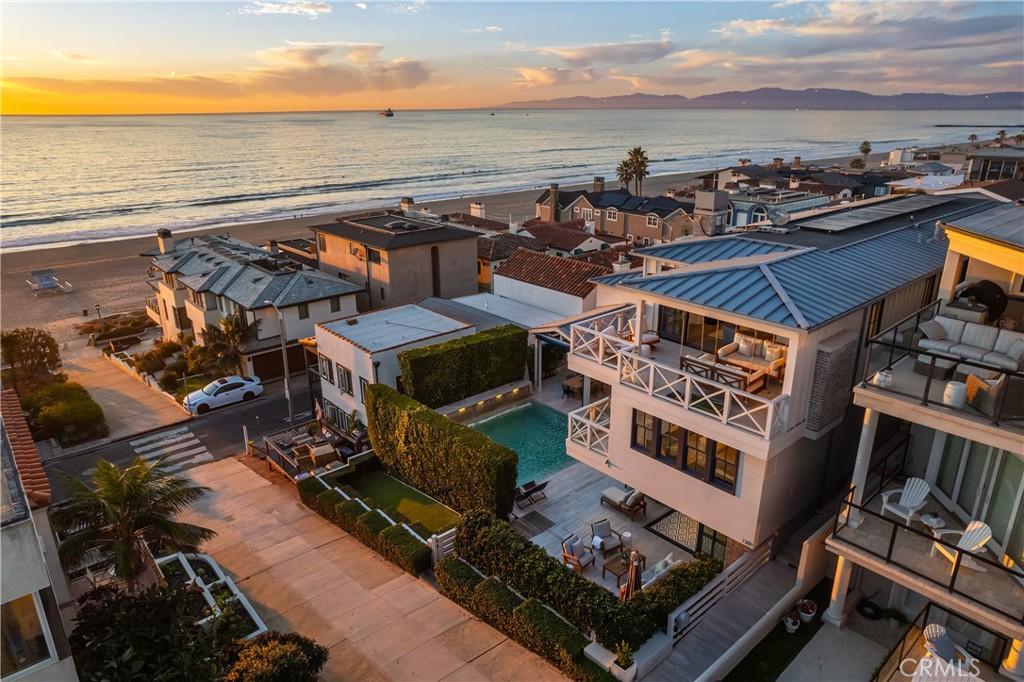
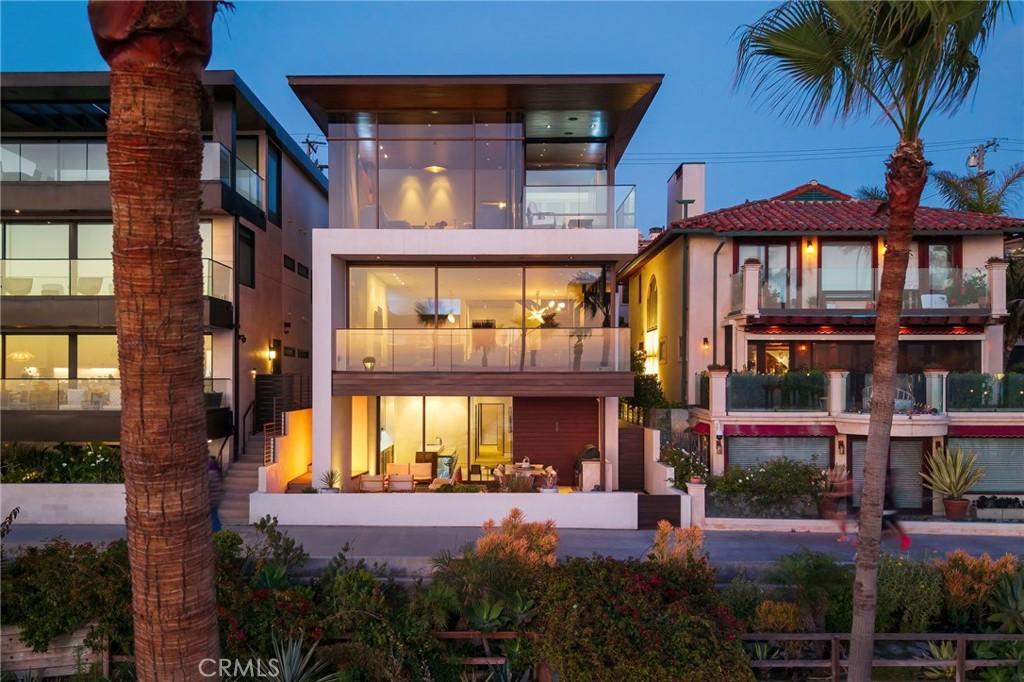
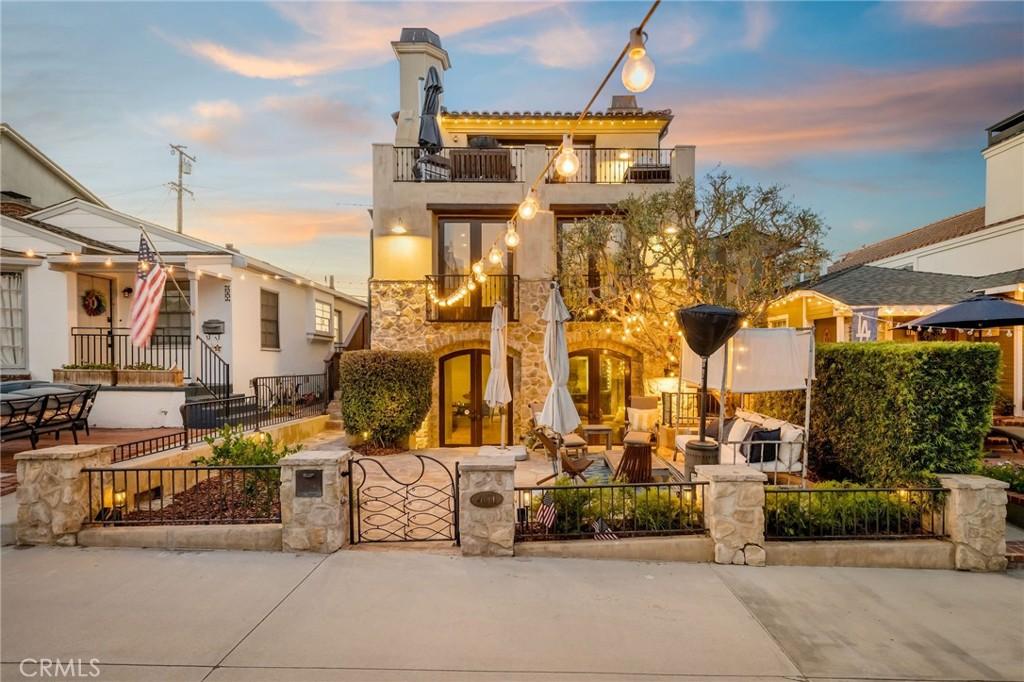
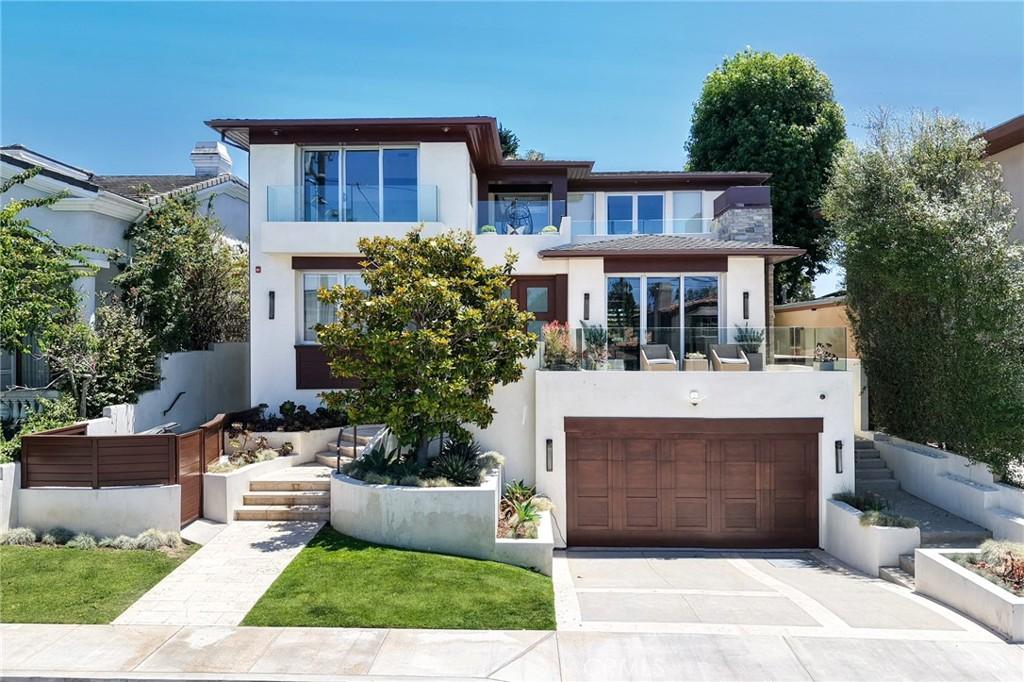
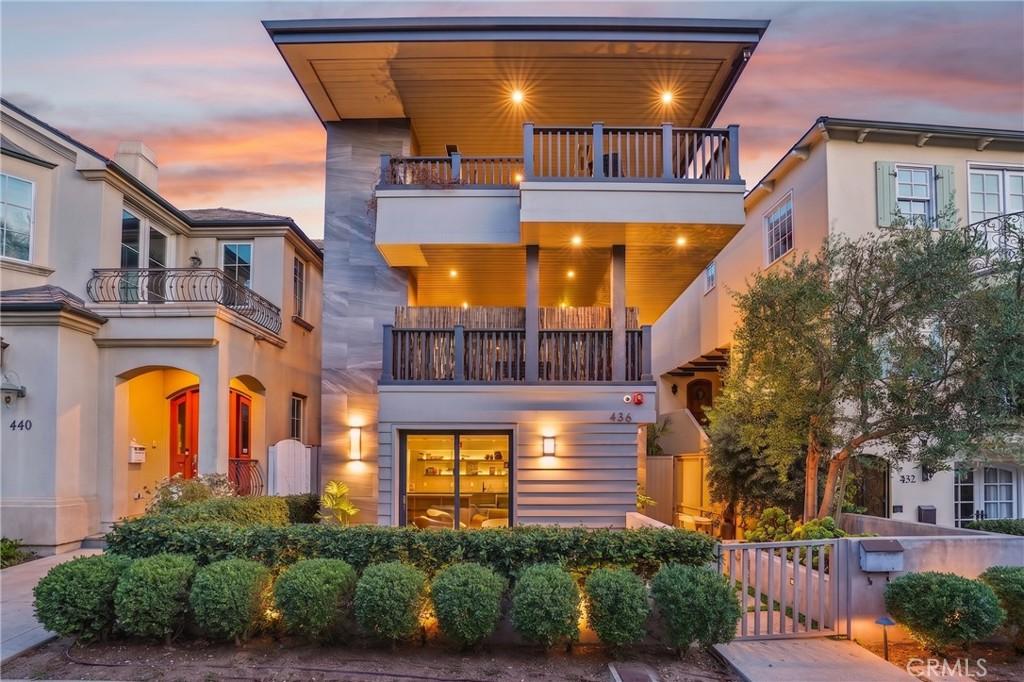
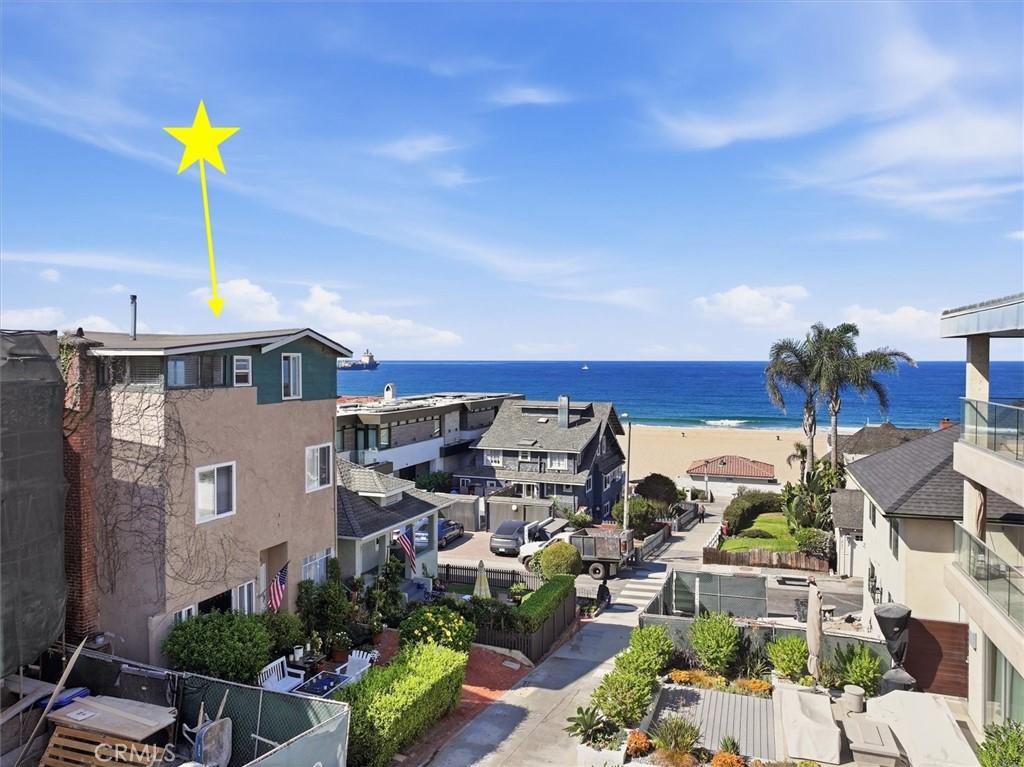
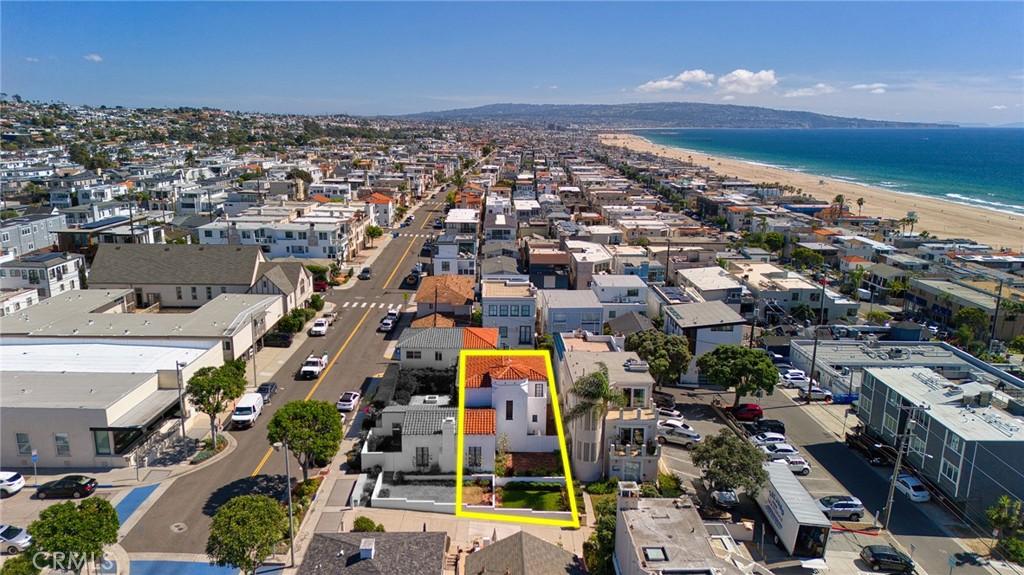
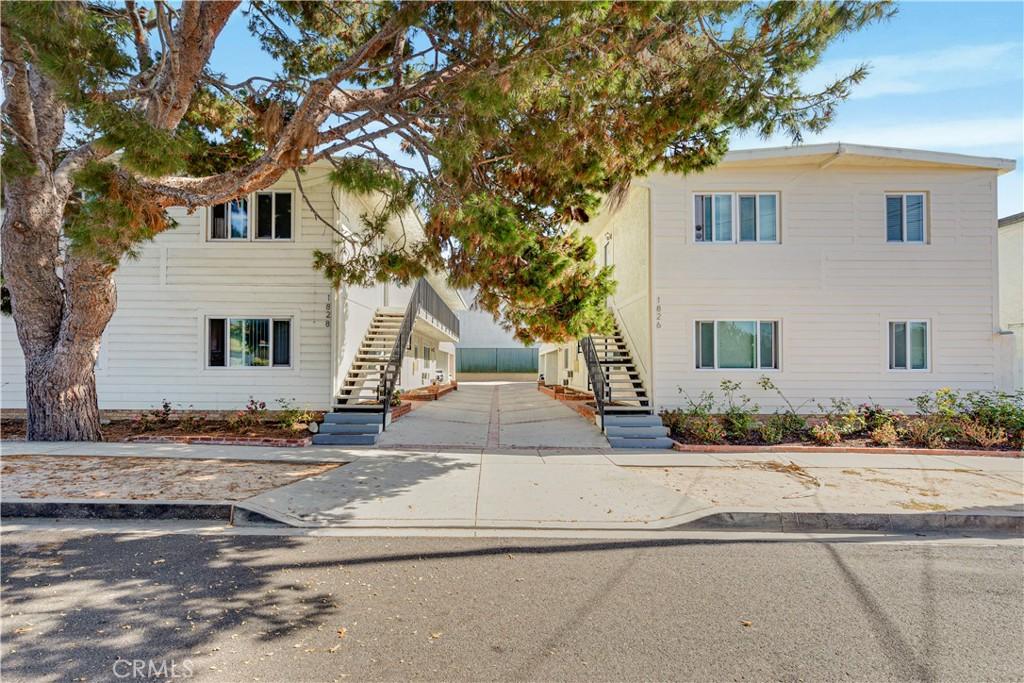
The Sand Section is the flat, dense grid between Highland Avenue and the ocean. Lots are small, walk streets replace car streets in places, and the housing is a mix of half-lot homes, duplexes, and condominium units stacked three levels tall. This is where the walkable inventory is. It is also where parking is hardest and where you are most likely buying into a two- or three-unit building rather than a managed association.
El Porto, also called North Manhattan Beach, runs from 38th Street to 45th Street with Crest Drive as the eastern edge. It was subdivided in 1911 on land owned by developer George H. Peck and stayed an unincorporated county island until Manhattan Beach annexed the roughly 34-acre community in November 1980. El Porto carries the highest concentration of small attached units and the lowest entry price per door in the Sand Section, largely because it sits closest to El Segundo’s industrial edge and the refinery. Highland Avenue is the commercial spine. The surf break is the draw.
Manhattan Village is the inland exception and the most important address for condo buyers who want a conventional association. It was founded in 1985 on land that had been a Chevron oil tank farm, described at the time as the last major developable parcel in the city. The original entitlement covered 115 single-family homes, 177 townhouses, and 223 court homes. That is a large, purpose-built block of attached housing with real common areas and professional management, which is rare here. It sits between the 405 Freeway and Sepulveda Boulevard, bounded by Marine Avenue and Rosecrans Avenue.
The Hill Section rises east of the Sand Section and holds the largest lots and the highest detached prices. Attached inventory is scarce. When it appears it is usually a small conversion or a two-unit building, not a managed complex.
The Tree Section sits north and east of downtown and is predominantly single-family. East Manhattan Beach, Manhattan Heights, the Poet’s Section, the Gas Lamp Section, and the Roth Tract known locally as the Bird Section fill in the inland grid. Attached product exists in these areas but is thin. Buyers who need a condo specifically should expect to spend most of their search in the Sand Section, El Porto, and Manhattan Village.
What does a condo in Manhattan Beach cost?
Manhattan Beach sits at the top of the Los Angeles County price ladder and has for a long time. In 2013, DataQuick reported that more homes sold above $1 million in Manhattan Beach than in any other California city. Land economics say the same thing from another angle: Strand land has been valued at roughly $10 million for a 3,000-square-foot lot. Estimated median household income in 2023 was $193,904.
We will not publish a live median condo price on a page that does not update itself. Prices in a market this small move fast, and a stale number is worse than none. What is stable is the shape of the market. Attached housing is the discount tier here, and the discount is real, but it is a discount off a very high base.
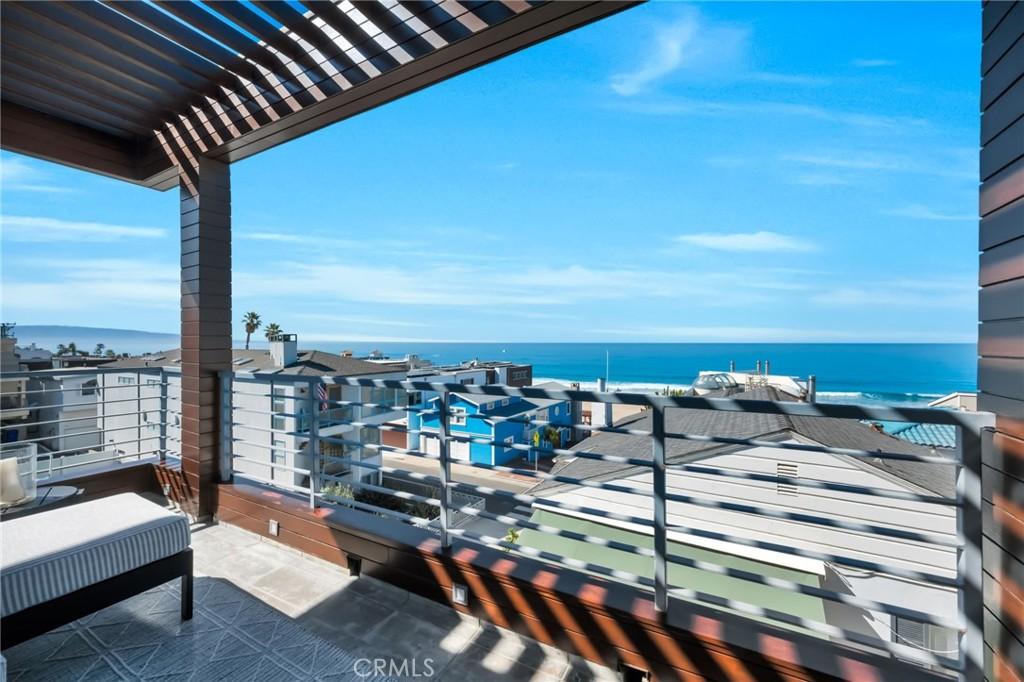
Within that tier, price is driven by four things in roughly this order: distance to the sand, front unit versus back unit, direct-access parking, and whether an ocean view survives future construction on the lot in front of it. Square footage matters less than any of those. A small front unit with a protected view routinely outprices a larger back unit in the same building.
The cost most buyers underestimate is the association. A condo with low dues and no reserves is more expensive than one with high dues and funded reserves. That difference does not show up in the list price. It shows up in a special assessment three years after you close.
What is the difference between a condo, a townhome, and a half-lot home here?
A condominium is a legal form of ownership. You own the airspace inside your unit and an undivided interest in the common area. The building envelope, roof, and usually the exterior walls belong to the association.
A townhome describes a multi-level attached unit with its own ground-floor entrance. It can be held as a condominium or as a planned development where you own the land beneath your unit. Read the title report, not the listing headline, to find out which.
A half-lot home is a Manhattan Beach specialty and it is not a condo. Sand Section lots are frequently split down the middle, producing two narrow houses on what was one parcel. These trade like houses because they are houses.
The practical consequence is financing. Lenders review a condominium association’s budget, owner-occupancy ratio, litigation status, and insurance, and small two- to four-unit buildings frequently fail conventional condo project approval. That can push you into a portfolio loan or a larger down payment. Establish this before you write an offer.
How do HOA dues and CC&Rs work in a California condo?
Every condominium in California is governed by the Davis-Stirling Common Interest Development Act, which covers condominiums, cooperatives, and planned developments statewide. It was reorganized and renumbered effective January 1, 2014, so older references online may cite superseded section numbers.
Under Davis-Stirling, the developer records a Declaration of Covenants, Conditions, and Restrictions with the county recorder. The CC&Rs bind every owner to the extent they do not conflict with state or federal law. They control what you can change, what you can rent, and what you owe. The board levies regular assessments to fund maintenance, insurance, security, and shared amenities, and it can impose fines and pursue collection for nonpayment.
The association is a small government you are joining, and you inherit its balance sheet along with its rules. In a two-unit Sand Section building your co-owner is effectively the entire board. In Manhattan Village you are one voice among hundreds. Neither structure is better in the abstract. They fail in different ways, and you should know which failure mode you are signing up for.
What should you check in the HOA documents before removing contingencies?
Read the association package like an underwriter. Six items carry the most risk.
Reserves. Find the reserve study and the percent funded. Salt air eats decks, railings, windows, and roofing faster than it does inland. Underfunded reserves here are a deferred bill with your name on it.
Special assessments. Look for assessments already levied, assessments under discussion in the minutes, and any pattern of the board deferring work. Board minutes are the most useful document in the package and the least read.
Litigation. Active construction defect or habitability litigation can block conventional financing outright.
Insurance. Confirm what the master policy covers versus your individual HO-6 policy, and confirm the deductible. Coastal California insurance has repriced significantly, and an underinsured association is transferring risk to you.
Rental restrictions. If you may rent the unit, verify the CC&Rs allow it and check any minimum lease term.
Owner-occupancy ratio and delinquency rate. Both affect your loan and your resale liquidity. If any of these come back ugly, that is not automatically a reason to walk. It is a reason to reprice, and we negotiate against association findings regularly.
Which schools serve Manhattan Beach?
Manhattan Beach Unified School District serves the city with five elementary schools, one middle school, and Mira Costa High School. The district ranks among the strongest in California and is a primary driver of demand for every housing type here, condos included. El Porto is zoned to Grand View Elementary.
Attendance boundaries are set by the district and do change, so confirm the current assignment for a specific address with MBUSD directly rather than relying on a listing sheet or a third-party school site. We check this in writing before our clients remove contingencies.
Schools are why a small Manhattan Beach condo can outprice a much larger home a few miles inland. Buyers are paying for district access, and that premium is durable.
How is the commute from Manhattan Beach?
Los Angeles International Airport sits immediately north. For anyone who flies regularly that is close to a best-case position in Los Angeles County. The same proximity is the trade-off: north-end addresses, particularly in El Porto, sit nearer the approach corridor and carry more aircraft noise than the south end. Visit at different times of day before you commit.
The 405 Freeway runs along the eastern edge of the city near Manhattan Village, and the 105 connects east toward downtown Los Angeles. Sepulveda Boulevard, which is State Route 1, carries north-south traffic through the inland side. Rosecrans Avenue and Marine Avenue are the main east-west arterials. Northrop Grumman and Skechers are the largest employers based in Manhattan Beach itself, reported at roughly 3,000 and 1,221 employees respectively.
There is no Metro rail station inside Manhattan Beach. The nearest light rail is the Metro C Line along the 105 corridor to the east. For most residents this is a car and bicycle city, and inside the Sand Section a bicycle is genuinely faster than a car.
What is daily life like in a Manhattan Beach condo?
The Strand is the organizing feature: the paved beachfront path running the length of the city, connecting north toward El Segundo and south into Hermosa Beach and Redondo Beach. The beach itself is unusually wide, roughly 400 feet, which keeps the sand usable even on crowded summer days.
Downtown runs along Manhattan Beach Boulevard perpendicular to the Manhattan Beach Pier. It is compact, walkable, and dense with restaurants and retail. If you buy in the Sand Section you will use it constantly. If you buy inland you will drive to it and park, which in summer is its own project.
Polliwog Park is the largest park in the city and includes a botanical garden. Sand Dune Park preserves the only remaining exposed dune. Manhattan Village Shopping Center, a 44-acre mixed-use retail and office property, completed a $110 million renovation between 2017 and 2020. Volleyball, surfing, and cycling are not marketing here. They are what a large share of residents actually do.
What history should a buyer know about Manhattan Beach?
The city incorporated on December 12, 1912, on what had been sand dunes. During the 1920s and 1930s excess sand from local grading was shipped to Hawaii to build up Waikiki Beach.
The most consequential history here is Bruce’s Beach. Mrs. W. A. Bruce established what is documented as the first beach resort for Black Americans in Southern California. In 1924 the city used eminent domain to seize the property under the stated pretense of building a park. In 2021, Governor Gavin Newsom signed legislation authorizing transfer of the property to the family’s descendants.
What regulations and risks apply to Manhattan Beach condos?
Name the constraints before you buy, not after.
Coastal Zone permitting. The Sand Section and El Porto sit within California’s Coastal Zone. Exterior work, additions, and redevelopment there can require a coastal development permit on top of standard city approvals, which adds time and cost to any renovation touching the building envelope.
Measure ULA does not apply here. The transfer tax known as Measure ULA applies only to property within the City of Los Angeles. Manhattan Beach has been an independent municipality since 1912, so a sale here falls outside it. County documentary transfer tax and any applicable city transfer tax still apply. Confirm current rates with escrow rather than relying on any published figure.
Parking. In the Sand Section and El Porto this is the most common source of buyer regret. Verify the number of deeded spaces, whether they are tandem, whether they are direct-access or in a shared garage, and what guest parking looks like on a Saturday in July.
Industrial and airport adjacency. El Porto sits between the ocean and El Segundo’s energy facilities, including the refinery. Aircraft approach noise affects the north end more than the south. Neither is disqualifying and both are priced in, but experience them in person.
Insurance and coastal exposure. Salt air, wind, and marine layer accelerate building wear. Master policy adequacy and reserve funding are the primary financial risk in a condo purchase here, not paperwork details.
Rent control. Manhattan Beach has no local rent control. Under California’s statewide Tenant Protection Act, individually owned condominiums are generally exempt from the rent cap and just cause provisions when the required notice is given to the tenant, but the exemption is conditional. Investors should have counsel confirm the specifics.
Who buys condos in Manhattan Beach?
Four groups dominate: first-time buyers who want the school district and cannot reach detached pricing, downsizers leaving a larger Hill Section or Tree Section house, second-home buyers who want a beach base without a full property to manage, and investors buying long-term rental product in El Porto and the Sand Section. Each weights the same features differently. Investors care about parking and rental restrictions, downsizers about elevators and single-level layouts, first-time buyers about the loan clearing condo project review. Tell us which group you are in and the shortlist gets much shorter and much better.
Frequently Asked Questions About manhattan beach Condos for Sale
Are condos a good value in Manhattan Beach?
They are the most efficient entry point into the city. You buy the location, the school district, and the walkability at a lower absolute price than detached housing. The trade-off is shared control and association exposure.
Where are most Manhattan Beach condos located?
The Sand Section, El Porto in North Manhattan Beach, and Manhattan Village hold most of the attached inventory. Manhattan Village is the only area with large, purpose-built, professionally managed associations, developed from 1985 with an original entitlement of 177 townhouses and 223 court homes.
Does Measure ULA apply to a Manhattan Beach sale?
No. Measure ULA is a City of Los Angeles transfer tax and Manhattan Beach is a separate incorporated city. Other transfer taxes and closing costs still apply, so confirm the current figures with your escrow officer.
What schools serve Manhattan Beach condo owners?
Manhattan Beach Unified School District, which operates five elementary schools, one middle school, and Mira Costa High School. El Porto is zoned to Grand View Elementary. Confirm the current boundary for any specific address with the district before you rely on it.
Can I rent out a condo I buy in Manhattan Beach?
It depends on the CC&Rs of the specific association and on city rules. Some associations cap the number of rented units or impose minimum lease terms. Short-term rental rules are set at the city level and must be verified independently. Never assume a coastal location permits nightly rentals.
What is the difference between El Porto and the rest of the Sand Section?
El Porto runs from 38th Street to 45th Street at the northern end of the city and was annexed from unincorporated county territory in November 1980, roughly 34 acres with about 1,185 residents at the time. It offers the lowest entry pricing in the Sand Section and the closest proximity to El Segundo’s industrial edge and to airport noise.
How much are HOA dues in Manhattan Beach?
They vary widely by building and we will not publish a single figure, because dues without reserve funding data are meaningless. A low-dues building with an underfunded reserve costs more over a five-year hold than a fully funded one. Ask us for the reserve study and board minutes on any unit you are serious about.
Is Manhattan Beach in a high fire hazard zone?
Wildfire is not the defining hazard in this coastal, fully built-out city the way it is in the canyon and foothill markets of Los Angeles County. Coastal exposure, insurance cost, and association reserve adequacy matter more here. Always pull the current hazard disclosures for the specific parcel.
How does The Knight Group work in the Manhattan Beach condo market?
We work this market building by building, not listing by listing. Before you tour, we tell you what we know about the association: reserve position, assessment history, litigation, insurance posture, and how the building has traded relative to its neighbors. That analysis is where the money is in a condo purchase, and it is never in the marketing remarks.
On the buy side we underwrite the association package during contingency and negotiate against what we find. On the sell side we position attached product against the right comparables, which here means similar sections and similar parking and view profiles, not a raw price per square foot across the city.
Browse the current inventory below. When you find something worth a closer look, contact The Knight Group and we will pull the association documents and give you a direct read on whether the price holds up.
Where are the condos for sale in Manhattan Beach located?
- Condos for sale in Manhattan Beach are attached, common-interest homes inside a coastal city in Los Angeles County’s South Bay.
- Manhattan Beach is fully built out, with no vacant land left to absorb new supply, so the condo stock is finite.
- Attached product is the least expensive way to own inside Manhattan Beach Unified School District boundaries.
- Walking or biking distance to the Strand, the pier, and downtown is what attached buyers are paying for here.
- The Sand Section holds small-lot, three-level buildings, often two or three units rather than a managed association.
- The Sand Section is the flat, dense grid between Highland Avenue and the ocean, where the walkable inventory sits.
- Walk streets replace car streets in places within the Sand Section, and lots throughout that grid are small.
- Parking is hardest in the Sand Section, and buyers there most often purchase into a small building rather than a managed association.
- El Porto, also called North Manhattan Beach, runs between Crest Drive on its eastern edge and the ocean.
- El Porto carries the highest concentration of small attached units and the lowest entry price per door in the Sand Section.
- El Porto sits closest to El Segundo’s industrial edge and the refinery, with Highland Avenue as its commercial spine and the surf break as the draw.
- Manhattan Village is the inland option with real common areas and professional management, built on land that had been a Chevron oil tank farm.
- Manhattan Village sits between the freeway and Sepulveda Boulevard, bounded by Marine Avenue and Rosecrans Avenue.
- The Hill Section rises east of the Sand Section, holds the largest lots and highest detached prices, and offers scarce attached inventory.
- The Tree Section, East Manhattan Beach, Manhattan Heights, the Poet’s Section, the Gas Lamp Section, and the Bird Section fill in the inland grid.
- Buyers who need condos for sale in Manhattan Beach should expect to spend most of their search in the Sand Section, El Porto, and Manhattan Village.
What is it like to live in condos for sale in Manhattan Beach?
- Manhattan Beach Unified School District serves the city with elementary schools, a middle school, and Mira Costa High School.
- School district strength ranks among the best in California and drives demand for every housing type here, condos included.
- El Porto is zoned to Grand View Elementary, though attendance boundaries are set by the district and do change over time.
- Buyers of condos for sale in Manhattan Beach should confirm current school assignments with the district directly rather than a listing sheet.
- Schools explain why a small Manhattan Beach condo can outprice a much larger home a few miles inland.
- Los Angeles International Airport sits immediately north, close to a best-case position for anyone who flies regularly.
- North-end addresses, particularly in El Porto, sit nearer the approach corridor and carry more aircraft noise than the south end.
- Freeway access runs along the eastern edge of the city near Manhattan Village, connecting east toward downtown Los Angeles.
- Sepulveda Boulevard carries north-south traffic through the inland side, while Rosecrans Avenue and Marine Avenue are the main east-west arterials.
- Northrop Grumman and Skechers are the largest employers based in Manhattan Beach itself.
- No Metro rail station sits inside Manhattan Beach, with the nearest light rail along the freeway corridor to the east.
- Bicycles are genuinely faster than cars inside the Sand Section, making this a car and bicycle city for most residents.
- The Strand is the organizing feature, a paved beachfront path connecting north toward El Segundo and south into Hermosa Beach and Redondo Beach.
- Downtown runs along Manhattan Beach Boulevard perpendicular to the pier, compact, walkable, and dense with restaurants and retail.
- Polliwog Park is the largest park in the city and includes a botanical garden, while Sand Dune Park preserves the only remaining exposed dune.
- Volleyball, surfing, and cycling are not marketing here but what a large share of residents actually do.
Are condos for sale in Manhattan Beach a good buy?
- Condos for sale in Manhattan Beach are the most efficient entry point into the city for buyers watching absolute price.
- Buyers purchase the location, the school district, and the walkability at a lower absolute price than detached housing.
- Shared control and association exposure are the trade-off that comes with buying attached product here.
- The Sand Section, El Porto in North Manhattan Beach, and Manhattan Village hold most of the attached inventory.
- Manhattan Village is the only area with large, purpose-built, professionally managed associations of townhouses and court homes.
- Measure ULA is a City of Los Angeles transfer tax and does not apply, since Manhattan Beach is a separate incorporated city.
- Other transfer taxes and closing costs still apply to a sale here, so confirm current figures with an escrow officer.
- Manhattan Beach Unified School District operates the elementary schools, middle school, and Mira Costa High School serving condo owners.
- El Porto is zoned to Grand View Elementary, and the current boundary for any specific address should be confirmed with the district.
- Rental rights depend on the CC&Rs of the specific association and on city rules.
- Some associations cap the number of rented units or impose minimum lease terms on owners.
- Short-term rental rules are set at the city level and must be verified independently, since coastal location never implies nightly rentals are permitted.
- El Porto sits at the northern end of the city, annexed from unincorporated county territory, offering the lowest entry pricing in the Sand Section.
- HOA dues vary widely by building, and dues quoted without reserve funding data are meaningless to a buyer.
- A low-dues building with an underfunded reserve costs more over a hold period than a fully funded one.
- Wildfire is not the defining hazard in this coastal, fully built-out city, so coastal exposure, insurance cost, and reserve adequacy matter more.