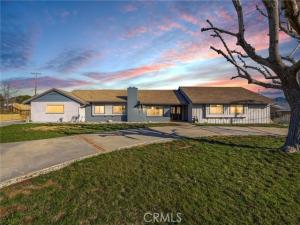
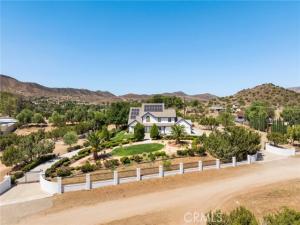
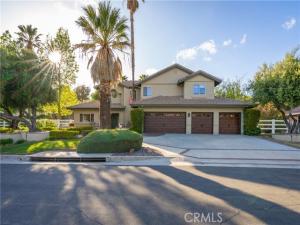
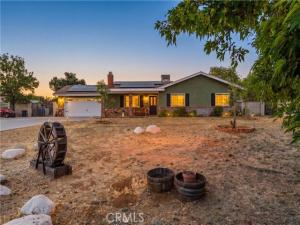
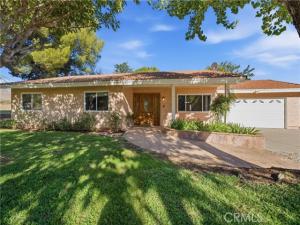
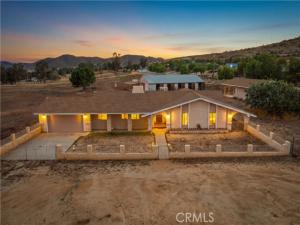
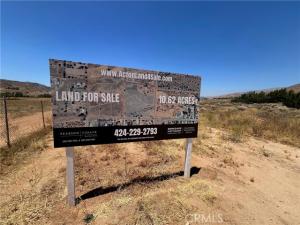
Acton Homes for Sale currently number 10 active listings with a median asking price of $774,500 (CRMLS, September 2026).
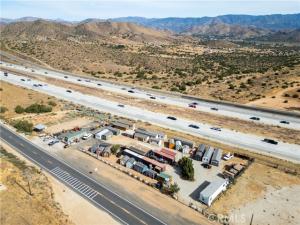
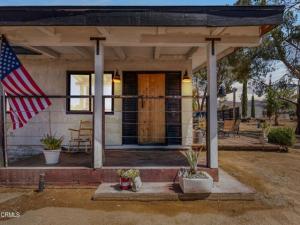
Acton homes for sale sit in the eastern Santa Clarita Valley along the 14 Freeway, in a rural unincorporated community at roughly 2,600 feet elevation. This is low-density, equestrian country — large lots, horse properties, and high desert landscape, all still inside Los Angeles County. Like the rest of the Santa Clarita Valley north of the San Fernando Valley, you get more space for the money than you would down the hill, with the William S. Hart Union High School District serving the broader area.
Prices in 2026 generally run about $550,000 to $800,000, but that band moves with lot size and property type more than anything else. Equestrian parcels on two or more acres can push past $1 million, while smaller residential lots come in at the accessible end of the range.
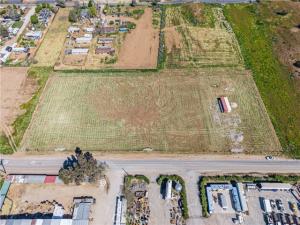
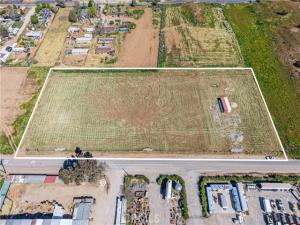
Because the range here is driven by land rather than square footage, two listings at the same asking price can be very different purchases. A compact parcel with a well-kept house and a bare-bones equestrian setup on several acres may land in the same price band, so the first question worth settling is how much acreage you actually want to maintain. Buyers who plan to keep horses should look closely at usable flat ground, existing barns or arenas, and access — the features that separate a true horse property from a large lot that merely looks the part.
Commute tolerance matters too. Homes for sale in Acton trade freeway proximity and rural quiet for distance from the denser parts of the valley, and the higher elevation means weather that runs cooler and more exposed than areas down the hill. Anyone comparing Acton real estate against closer-in options should price in the drive, the well or septic systems common to rural parcels, and the upkeep that comes with acreage.
Browse all Los Angeles real estate — or explore the full Los Angeles luxury real estate market.
Acton is one of the Santa Clarita Valley’s communities, acton is a rural unincorporated community in the eastern santa clarita valley along the 14 freeway — a low-density equestrian and rural residential community where large lot sizes, horse properties, and the high desert landscape at approximately 2,600 feet elevation create a semi-rural lifestyle within los angeles county within a regional residential zone that is defined by the Newhall Land development legacy — the master-planned Valencia community and the surrounding neighborhoods that have grown around it into one of the most complete planned residential environments in Los Angeles County, with parks, paseos, trail systems, and school facilities integrated into the residential planning in a way that distinguishes SCV development from generic suburban sprawl.
William S. Hart Union High School District serves the Santa Clarita Valley’s high school population with campuses including Valencia, Hart, Saugus, Canyon, Golden Valley, and Castaic High Schools — a district that consistently performs above the California average and that is a primary driver of SCV residential demand from families with school-age children who want strong public school options without private school costs. Elementary and middle school assignments depend on the specific neighborhood and district boundaries; Newhall, Saugus, Castaic, and Sulphur Springs elementary districts serve SCV’s younger grades with above-average academic performance that extends the school quality argument across the entire K-12 ladder.
The I-5 Freeway provides the Santa Clarita Valley’s primary commute corridor southbound to the San Fernando Valley and downtown Los Angeles (approximately 35 to 50 minutes off-peak, extending to 60 to 90 minutes during peak hours). The Metrolink Antelope Valley Line from the SCV’s Metrolink stations (Santa Clarita and Via Princessa) to downtown LA’s Union Station takes approximately 60 to 75 minutes and provides an alternative to the freeway commute that many SCV residents use regularly to avoid the peak-hour traffic congestion on the I-5. The commute time from the SCV is longer than from the San Fernando Valley, and buyers need to honestly assess their commute tolerance before choosing a specific SCV community based on destination employment.
The Santa Clarita Valley’s master-planned residential quality — the Valencia paseo pedestrian network, the community parks integrated into residential planning, the Trail Link system connecting neighborhoods to open space — creates a suburban residential environment that is genuinely distinct from the postwar grid-plan subdivisions that the San Fernando Valley’s residential stock primarily represents. For buyers who value new or newer construction, planned community amenities, and the specific lifestyle that the SCV’s combination of park access and freeway connectivity provides, the Santa Clarita Valley delivers a residential quality that comparable San Fernando Valley pricing often does not.
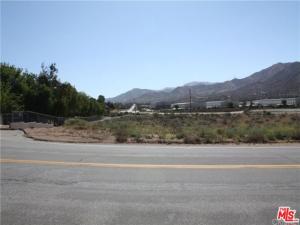
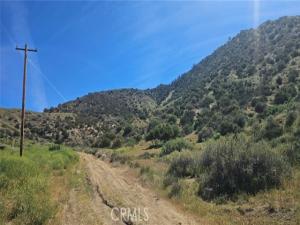
Acton is a rural unincorporated community in the high desert terrain east of the Santa Clarita Valley — a horse-country, large-lot residential area where the chaparral, Joshua trees, and the open high-desert landscape create the semi-rural character that distinguishes Acton from the master-planned suburban communities of the SCV proper. The community’s positioning in the Antelope Valley transition zone (between the San Gabriel Mountains and the high desert north of Los Angeles) creates the elevated terrain, the cool desert-night climate, and the open sky that the equestrian and rural-lifestyle residential buyers who choose Acton specifically seek over the amenity-rich but densely suburban SCV communities to the west. The Pacific Crest Trail passes through the Acton area (the “Mile 444” section of the PCT near the Acton KOA campground), and the Acton area’s ranch and equestrian character creates the working-land lifestyle that the large-lot rural residential market sustains.
Acton’s residential market provides the most affordable large-lot equestrian residential option in the Santa Clarita Valley area — the ranch properties and rural residential parcels at $600K-$1.5M depending on lot size and improvements. The William S. Hart Union High School District serves the community for K-12 education.
Acton’s rural residential market operates on the different investment timeline that semi-rural properties sustain: the appreciation cycles in the rural high-desert communities adjacent to the Los Angeles metropolitan area have historically lagged the suburban Valley markets but have produced solid long-term returns as the remote-work flexibility of post-2020 employment has expanded the buyer pool that values the rural lifestyle. The State Route 14 (Antelope Valley Freeway) provides the primary commute access from Acton to the Santa Clarita Valley (approximately 20-25 minutes south to the I-5) and to the Antelope Valley communities to the north. The rural property market in Acton is distinct from the conventional suburban market: the well and septic infrastructure that most rural parcels require (rather than the municipal water and sewer that tract development typically connects to), the large-lot maintenance requirements, and the fire-prone terrain that the high-desert chaparral creates all require the specific rural property knowledge that buyers new to the rural residential market should develop before purchasing. The Acton/Agua Dulce Unified School District’s small-district character provides the K-8 education; the William S. Hart Union High School District serves the secondary student population.
Six Flags Magic Mountain is the Santa Clarita Valley’s most recognized landmark — the regional theme park on the I-5 corridor that draws visitors from across the Los Angeles basin and beyond. For Santa Clarita Valley residents, Six Flags is less a daily-life attraction and more a defining geographic marker — the community is “north of Six Flags” in the mental geography of most Los Angeles County residents. The theme park’s employment and the logistics and distribution centers along the I-5 corridor provide a significant local employment base that reduces the car commute burden for residents who work locally rather than commuting south to the San Fernando Valley or downtown LA.
The I-5 Freeway (Golden State Freeway) is the Santa Clarita Valley’s primary freeway connection — northbound to Bakersfield, the Central Valley, and Northern California; southbound to the San Fernando Valley, downtown Los Angeles (approximately 35 to 50 minutes off-peak), and Orange County (via the 5 south). The 14 Freeway (Antelope Valley Freeway) connects the SCV to the Antelope Valley and Palmdale/Lancaster to the northeast. The I-5/14 interchange at Santa Clarita is a significant regional transit hub; the Metrolink Antelope Valley Line provides commuter rail from the SCV to downtown Los Angeles’s Union Station (approximately 60 to 75 minutes), providing a transit alternative to the freeway for residents who commute to downtown LA.
The Santa Clarita Valley’s natural setting — the Transverse Ranges to the north, the San Francisquito Canyon, Bouquet Canyon, and the Santa Clara River’s riparian corridor — provides a genuine natural landscape backdrop that the planned residential communities’ park and paseo systems extend into the daily residential experience. The city of Santa Clarita maintains an extensive trail network including the Santa Clara River Trail for cycling and hiking, and the surrounding national forest land provides additional recreational access that distinguishes the SCV lifestyle from the purely urban residential environment of the San Fernando Valley communities to the south.
The Santa Clarita Valley is one of the fastest-growing residential regions in Los Angeles County — a planned residential zone north of the San Fernando Valley in the Santa Clara River watershed where the city of Santa Clarita (comprising Valencia, Newhall, Saugus, and Canyon Country), the unincorporated communities of Stevenson Ranch, Castaic, Acton, and Agua Dulce, and the rural Val Verde community create a residential landscape that spans from master-planned suburban communities to rural equestrian estates. The 2026 median home price across the Santa Clarita Valley ranges from approximately $550,000 for Val Verde’s rural community to $900,000 to $1.2 million in Valencia and Stevenson Ranch’s most developed master-planned residential sections.
Valencia is the Santa Clarita Valley’s planning centerpiece — the master-planned community developed by the Newhall Land company beginning in the 1960s that established the Valencia Town Center mall, Cal State University Northridge’s satellite campus, the Valencia Industrial Center, and residential villages organized around paseos (pedestrian pathways) and parks that have influenced planned residential development across California. Valencia’s paseo system — the network of connected walkways linking homes, parks, and community facilities — remains one of the most innovative residential planning features in Southern California, allowing residents to walk to schools, parks, and commercial areas through the neighborhood interior rather than along arterial streets.
The William S. Hart Union High School District serves the Santa Clarita Valley’s high school population with multiple campuses including Valencia, Hart, Saugus, Canyon, Golden Valley, and Castaic High Schools. The district consistently performs above the California average, making it a significant driver of residential demand from families with school-age children who are priced out of the San Fernando Valley’s premium residential areas but who want comparable school district quality. Elementary and middle school assignments within the Santa Clarita Valley vary by neighborhood; Newhall, Saugus, and Castaic school districts serve the elementary grades in their respective communities.
The Santa Clarita Valley — the broad residential valley north of the Santa Susana Mountains along the I-5 freeway corridor — has developed from a collection of small communities (Newhall, Saugus, Castaic, Valencia) into one of the most successful master-planned suburban development landscapes in California. The Valencia master plan (developed from 1965 onward by the Newhall Land and Farming Company, now FivePoint Communities) has created the prototypical “New Urbanism before New Urbanism” suburban landscape: the neighborhood village concept, the paseos (the pedestrian pathway network connecting neighborhoods without requiring street crossings), the community centers embedded in each village, and the excellent school facilities that have been built into the development plan from the beginning. The Santa Clarita Valley’s six incorporated communities (Santa Clarita is the umbrella city; the historic downtowns of Newhall, Saugus, Valencia, Canyon Country, Stevenson Ranch, and the unincorporated areas) provide the residential diversity within the planned community framework.
The Santa Clarita Valley’s residential market reflects the master-planned community quality, the William S. Hart Union High School District’s excellent academic programs, and the I-5 freeway corridor’s access to the San Fernando Valley’s employment centers and (via I-210) to Pasadena and the San Gabriel Valley. The SCV’s family residential demand is sustained by the school quality, the community infrastructure (the SCV’s extensive trail system, the Westfield Valencia Town Center, the community sports facilities), and the newer construction quality that the ongoing Valencia master plan expansion creates. Pricing ranges from the $600K-$900K tier in the older Newhall and Canyon Country areas to the $1M-$2M+ range in the newer master-planned Valencia village developments.
Acton’s 2026 median home price of approximately $550,000 to $800,000 varies significantly by lot size and property type — equestrian properties on 2+ acres can exceed $1 million while smaller residential lots are more accessible. Current specific pricing data for Acton is available from The Knight Group. The Santa Clarita Valley’s price range spans from approximately $550,000 in rural communities like Val Verde to $1.2 million or beyond in Valencia and Stevenson Ranch’s most developed master-planned sections; any specific community’s pricing requires context from its position within the SCV’s residential hierarchy.
The I-5 Freeway commute from Acton to downtown LA ranges from approximately 35 to 50 minutes off-peak to 60 to 90 minutes during peak commute hours, depending on the specific SCV community and the downtown destination. Metrolink Antelope Valley Line service from SCV stations to Union Station takes approximately 60 to 75 minutes and runs on a schedule that many SCV commuters prefer to the variable freeway travel time. SCV residents who work in the San Fernando Valley face shorter commutes than those going to downtown or the Westside, and the specific commute time should be tested before committing to an SCV address based on the destination employment.
William S. Hart Union High School District’s academic performance reflects the demographics and community investment of the Santa Clarita Valley’s professional and family-oriented residential community — parents who moved to the SCV specifically for school quality tend to be engaged stakeholders who sustain the district’s academic culture through parent involvement, booster organizations, and the advocacy that high-achieving districts depend on to maintain their performance over time. The elementary districts (Newhall, Saugus, Castaic, Sulphur Springs) share this community character. The specific high school campus assignment depends on the neighborhood within the Hart Union district boundaries.
Acton’s high-desert positioning (elevation approximately 2,600-3,000 feet, east of the San Gabriel Mountains’ ridgeline) creates a significantly different microclimate from the Santa Clarita Valley’s warmer basin climate. Acton experiences the high-desert temperature range: hotter summer days (temperatures can reach 100-110 degrees in the summer months when the Santa Ana weather patterns set up), significantly cooler nights (the high desert’s excellent nighttime cooling creates the 30-40 degree temperature differential between daytime highs and nighttime lows that the desert diurnal range produces), and occasional winter snowfall that the elevation and the cold-air drainage from the San Gabriels creates. The winter cold can produce overnight frosts and occasional hard freezes that the SCV’s valley floor largely avoids. Residents who choose Acton specifically for the climate-lifestyle benefits cite the cooler nights, the dramatically lower humidity, the star visibility (the dark-sky conditions that distance from urban light pollution creates), and the dramatic seasonal change as the high-desert character advantages over the more temperate but climatically bland SCV valley floor climate.
Explore more Santa Clarita Valley neighborhoods:
Signup for email alerts when properties match your interest!
Lucky for you we’re looking out.
Subscribe to this Custom Search to be alerted when new properties hit the market in the area.
Choose the frequency that works for you.