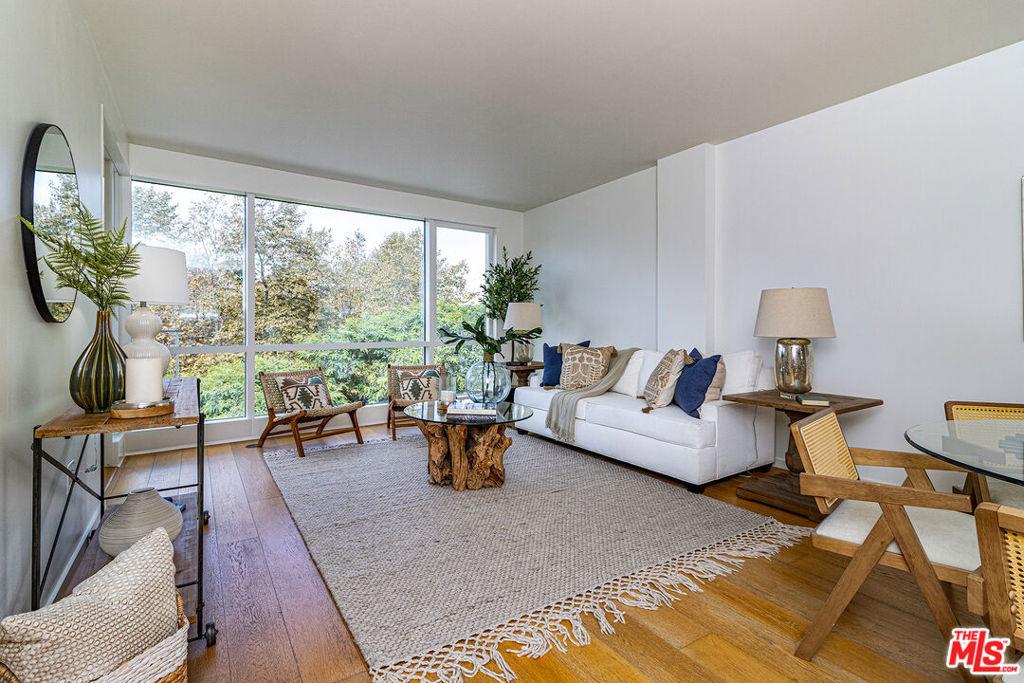
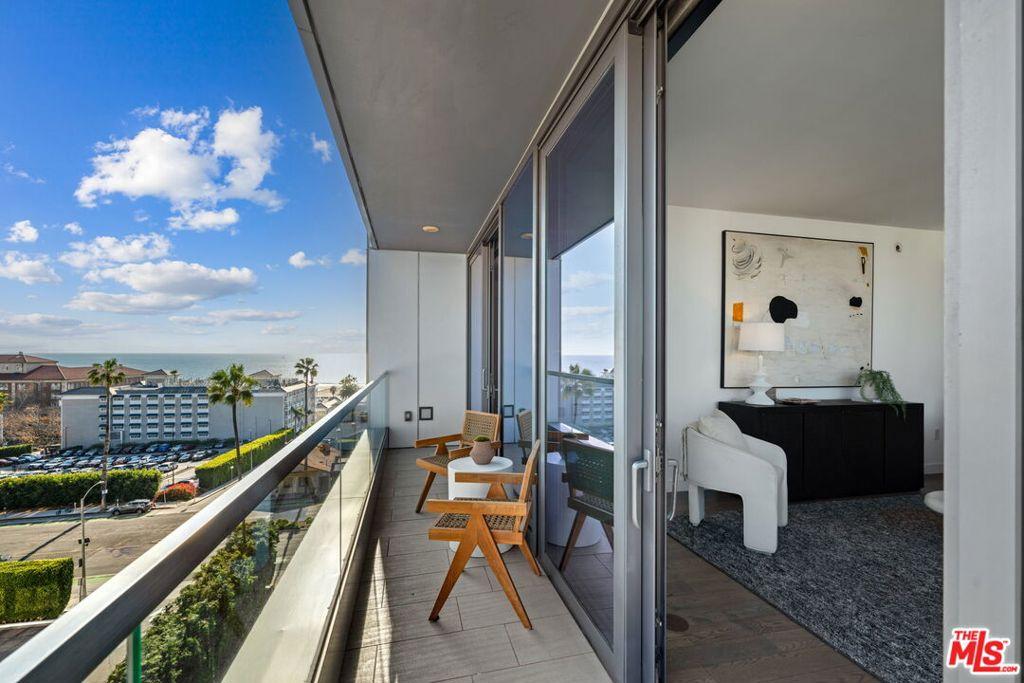
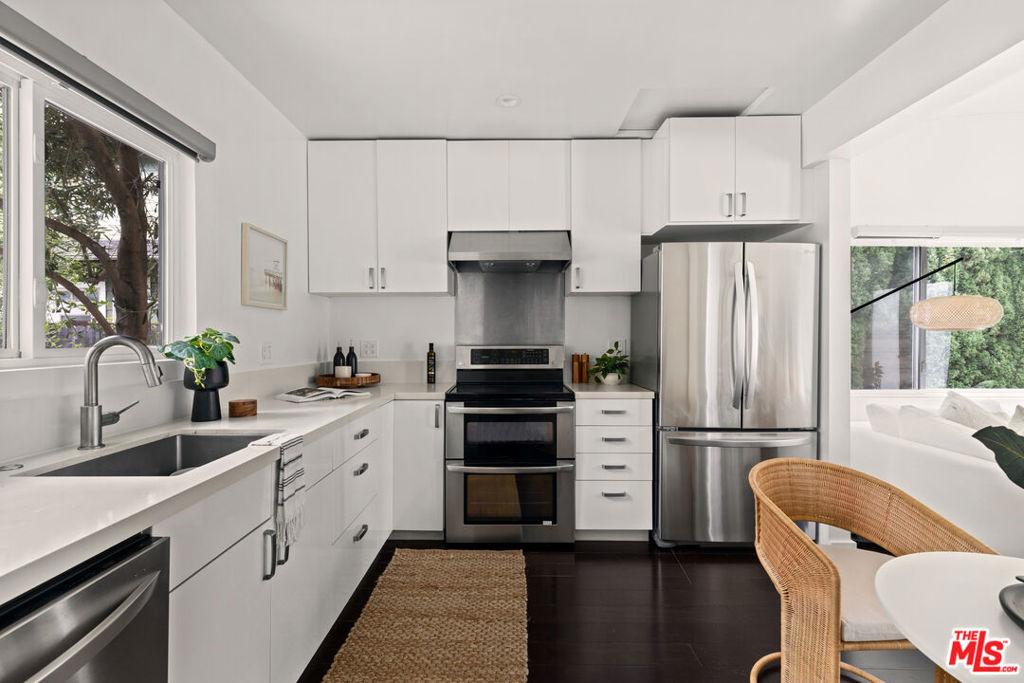
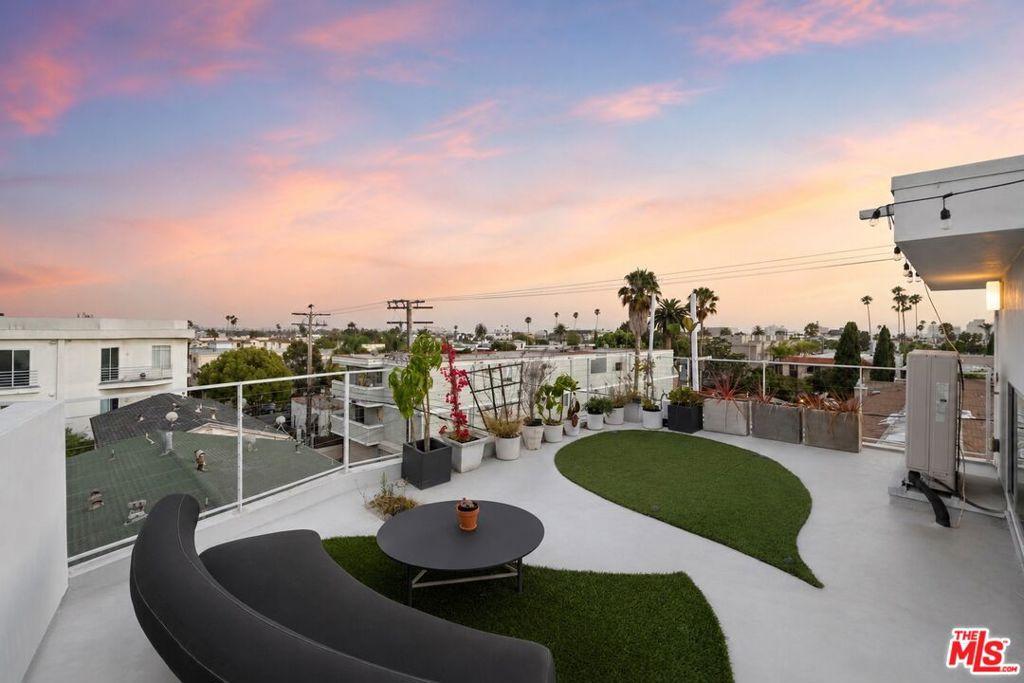
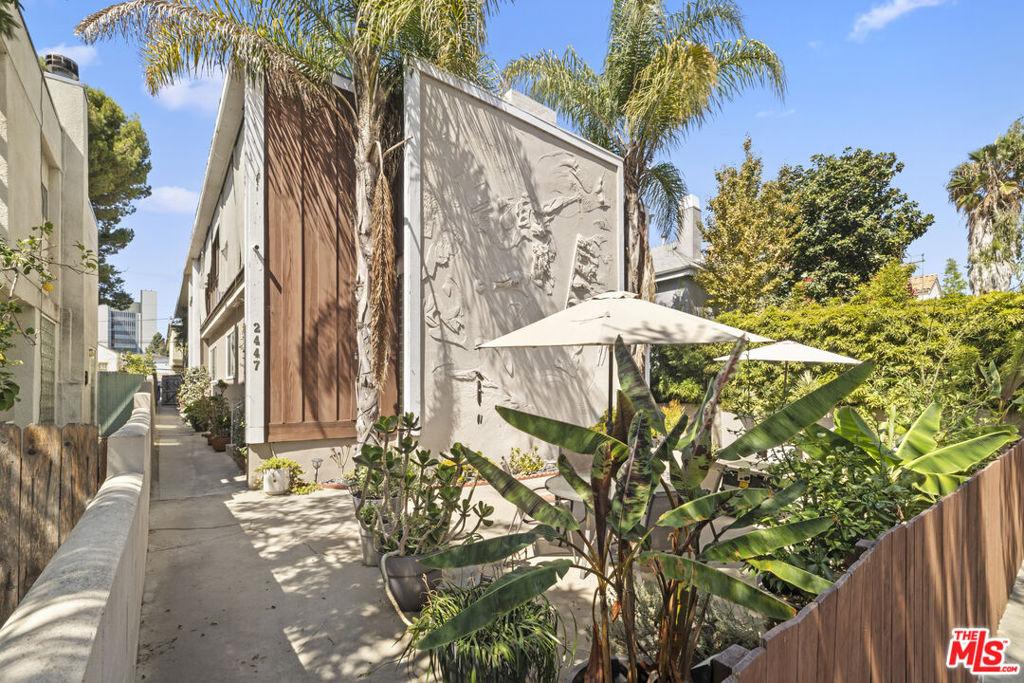
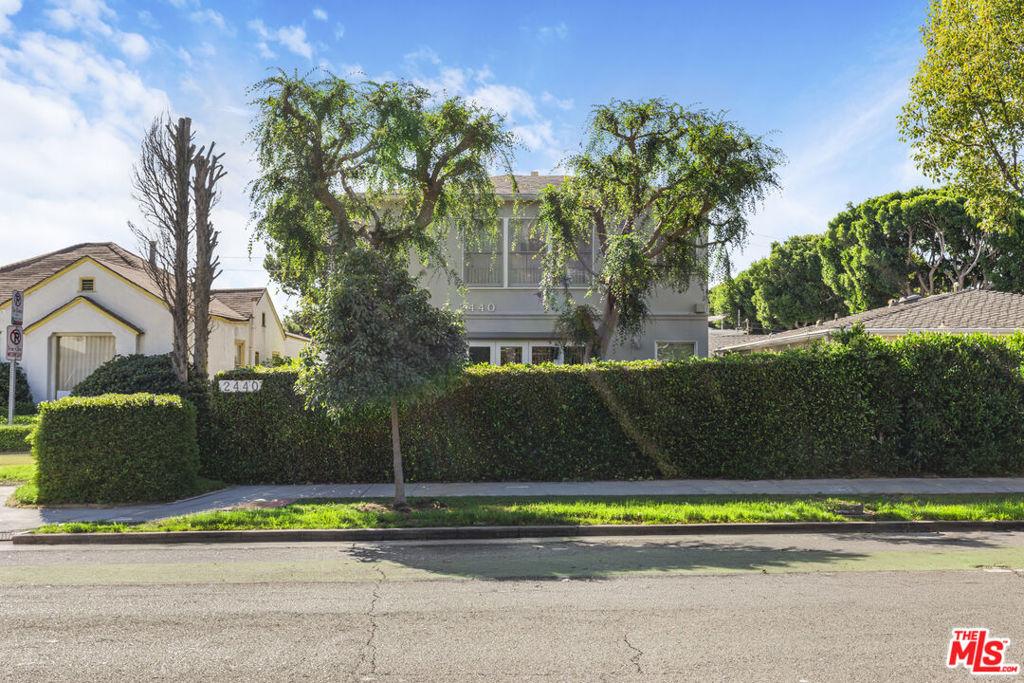
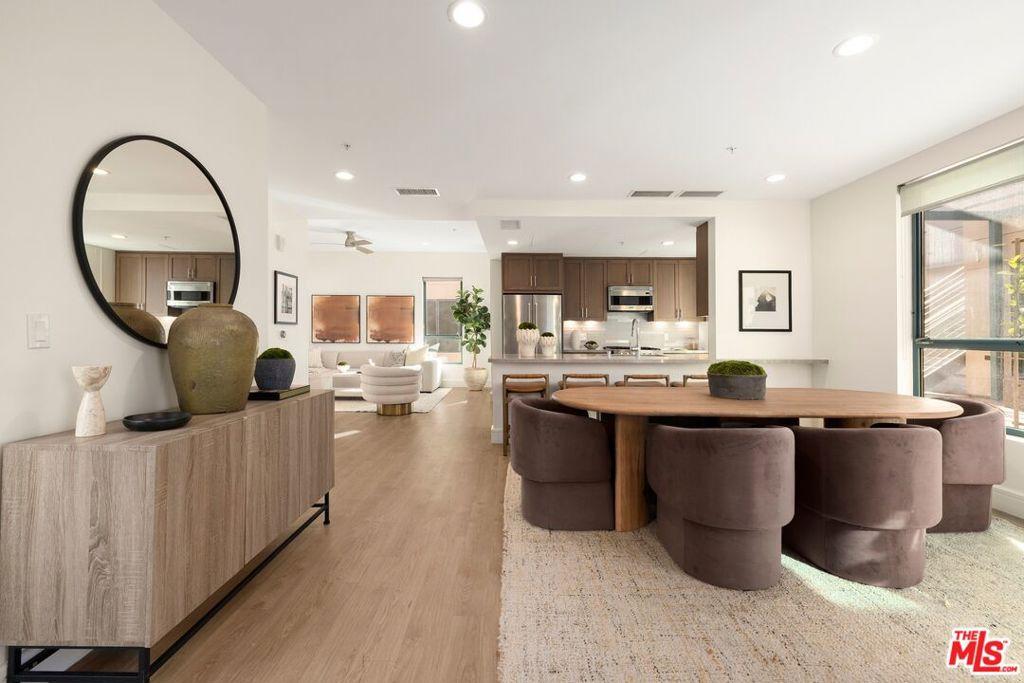
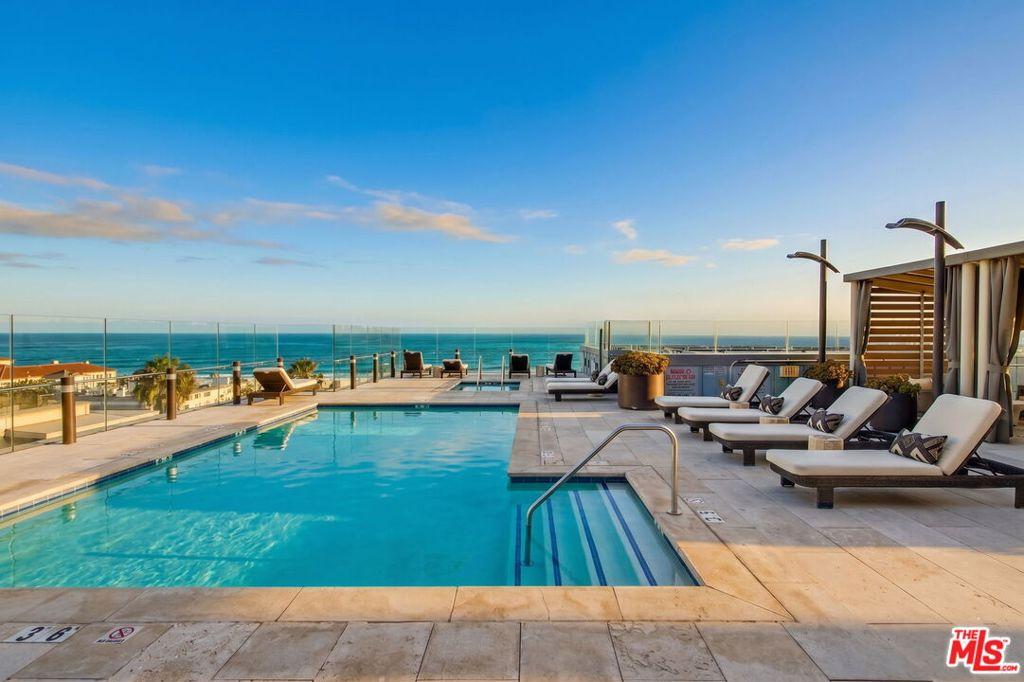
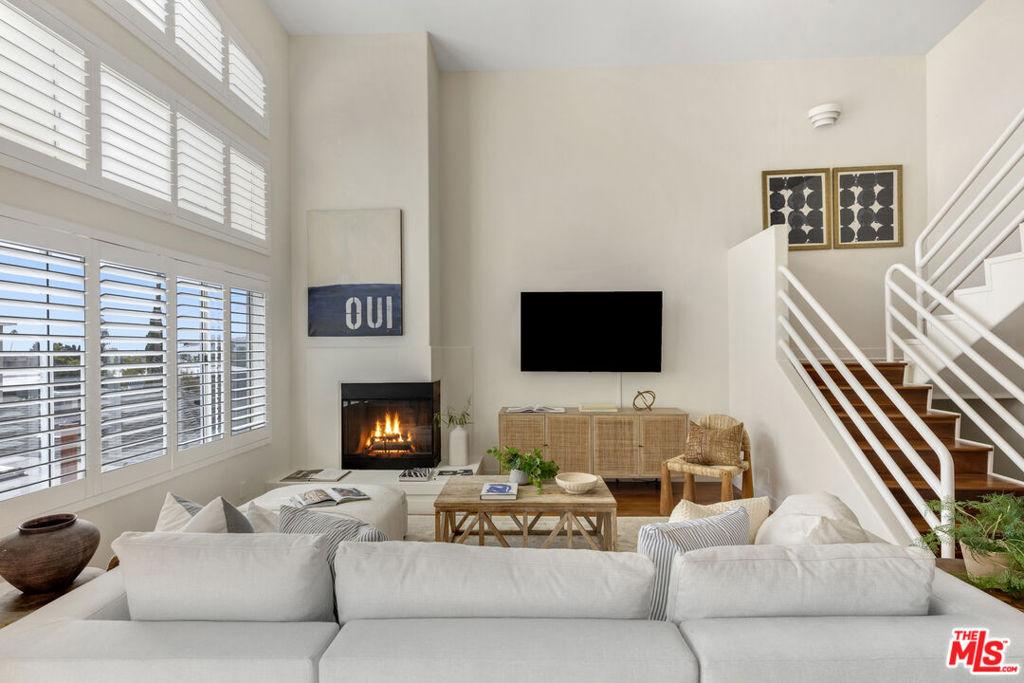
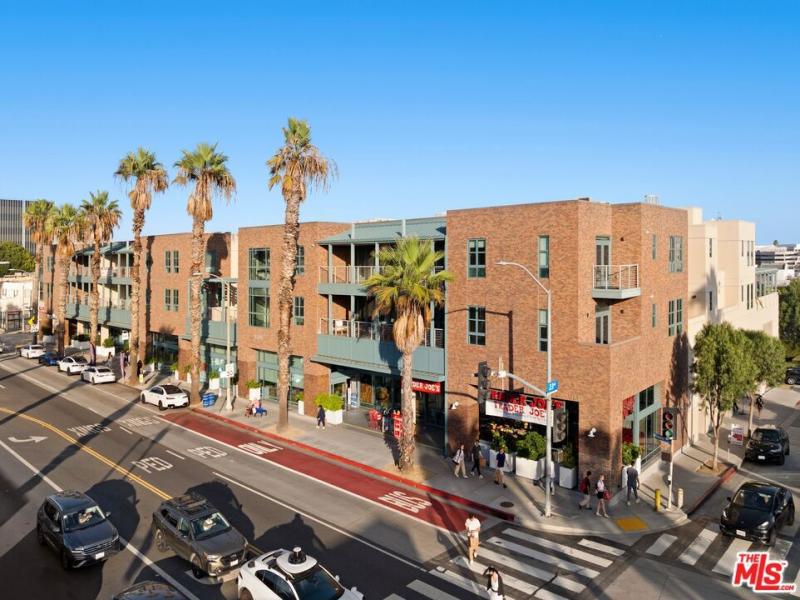
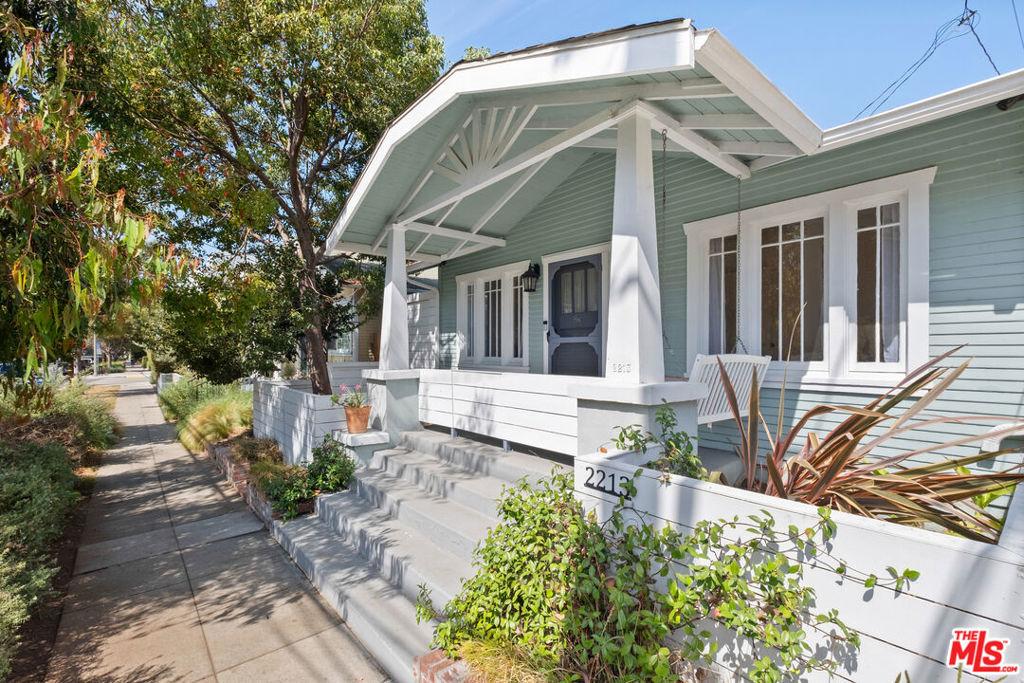
Mid-City Santa MonicaListings

Mid-City Santa Monica Real Estate | Santa Monica, CA

Mid-City Santa Monica is a neighborhood in Santa Monica, California — one of Los Angeles’s most desirable coastal cities where beach access, the Third Street Promenade, top schools, and the mild Pacific climate create a residential premium that is among the highest in the Los Angeles metropolitan area. Mid-City Santa Monica is the residential interior of the city — the neighborhoods between Lincoln Boulevard and Cloverfield that provide more accessible pricing than the beachfront and Montana Avenue sections while maintaining Santa Monica school district access and the city’s overall lifestyle quality. Santa Monica’s walkability, the C Line Metro connection to downtown LA, and the Silicon Beach technology employment concentration make it one of LA’s most livable and most in-demand residential addresses for the professional demographic that can afford the city’s premium pricing.

Mid-City Santa Monica in Santa Monica

Community

What’s life like in Mid-City Santa Monica?

Mid-City Santa Monica is one of Santa Monica’s established residential neighborhoods, mid-city santa monica is the residential interior of the city — the neighborhoods between lincoln boulevard and cloverfield that provide more accessible pricing than the beachfront and montana avenue sections while maintaining santa monica school district access and the city’s overall lifestyle quality within a city whose consistent demand, limited supply of developable land, and comprehensive lifestyle package — beach, walkable commercial, top-rated schools, mild climate, transit access — create one of the most stable and consistently premium residential markets in the Los Angeles basin.

Mid-City Santa Monica’s more interior positioning relative to the beach provides somewhat more accessible pricing within the city’s overall premium market, making it the entry point for buyers who want Santa Monica’s school district and lifestyle but who face the pricing constraints that the oceanfront and Montana sections impose. Santa Monica-Malibu Unified School District serves Mid-City Santa Monica for K-12 education, with Santa Monica High School as the primary high school campus. The district’s academic programming and extracurricular offerings at Samohi reflect the comprehensive high school model; families seeking more specialized academic environments often supplement with the district’s magnet options or private school choices that Santa Monica’s affluent demographic supports. Elementary school assignments within SMMUSD depend on address and current enrollment boundaries.

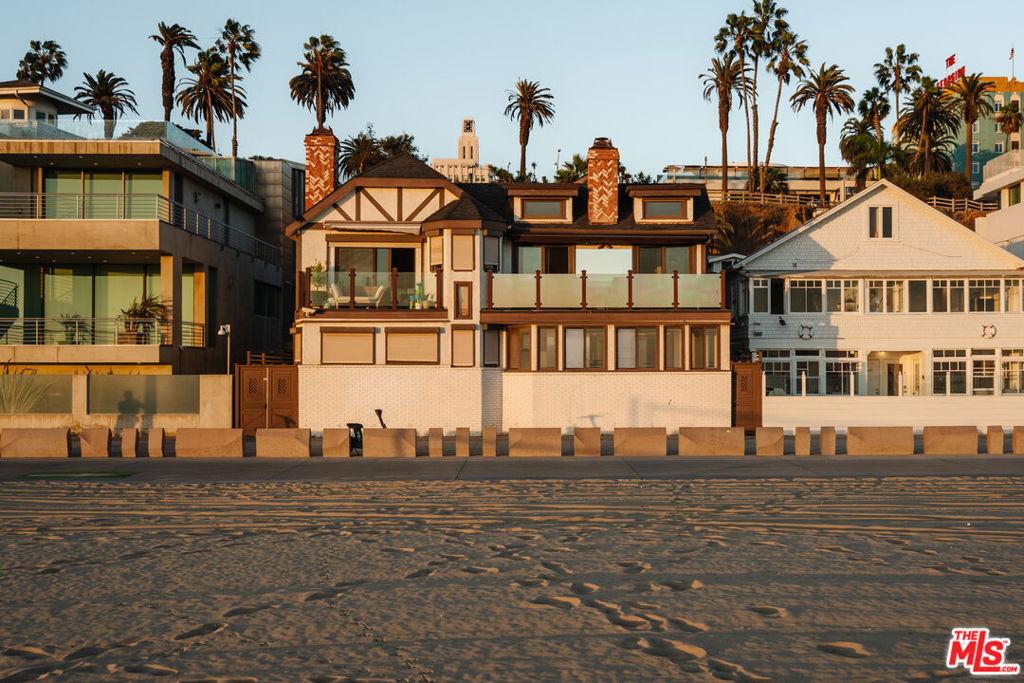
The beach is Santa Monica’s most fundamental residential amenity — multiple access points along Ocean Avenue connect Mid-City Santa Monica to the Pacific Ocean within minutes, and the paved bike path running along the coast extends the beach lifestyle infrastructure from Malibu to the Palos Verdes Peninsula for cyclists who use it for daily fitness or commuting. The combination of beach access, the Third Street Promenade, and the Montana Avenue neighborhood commercial corridor creates a walkable residential environment that is rare in the Los Angeles metropolitan area outside of Santa Monica and its immediate neighbors Venice and Brentwood.
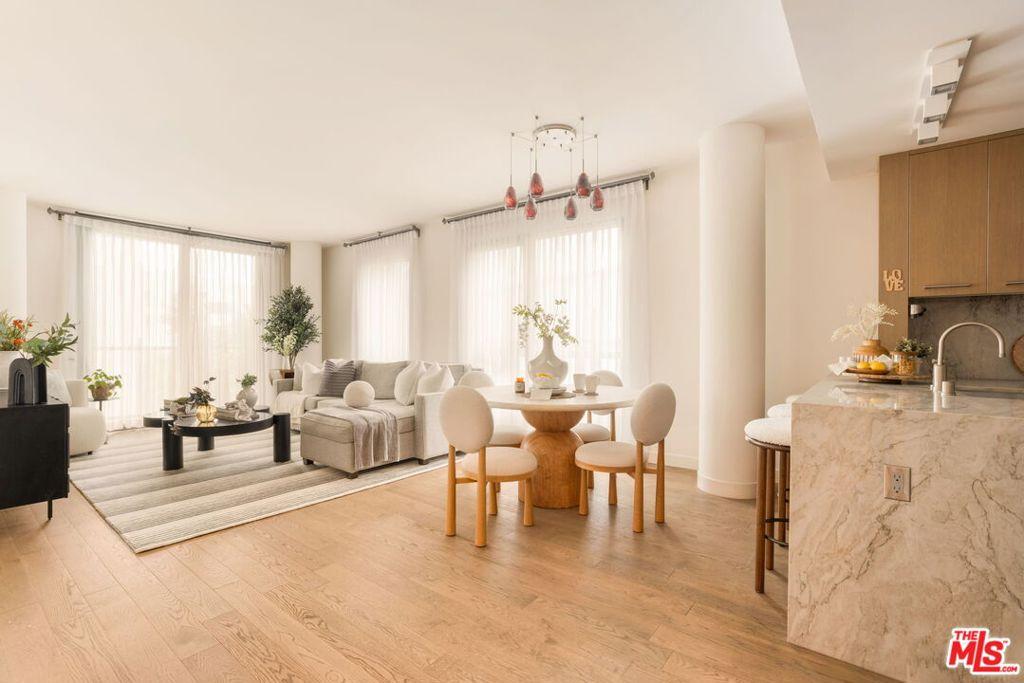
The C Line (formerly Expo Line) Metro’s Santa Monica terminus is at 4th and Colorado, providing rail connectivity to Culver City, USC, downtown Los Angeles, and ultimately Azusa via a single line. For residents of Mid-City Santa Monica who work at employment destinations on the C Line corridor, the transit option reduces driving frequency in a city where parking is limited and traffic congestion is a significant daily challenge. The Big Blue Bus provides local bus service across Santa Monica and to adjacent communities. Highway 10 (the Santa Monica Freeway) provides freeway access to downtown LA and the broader metropolitan area when rail transit is impractical for a specific destination.
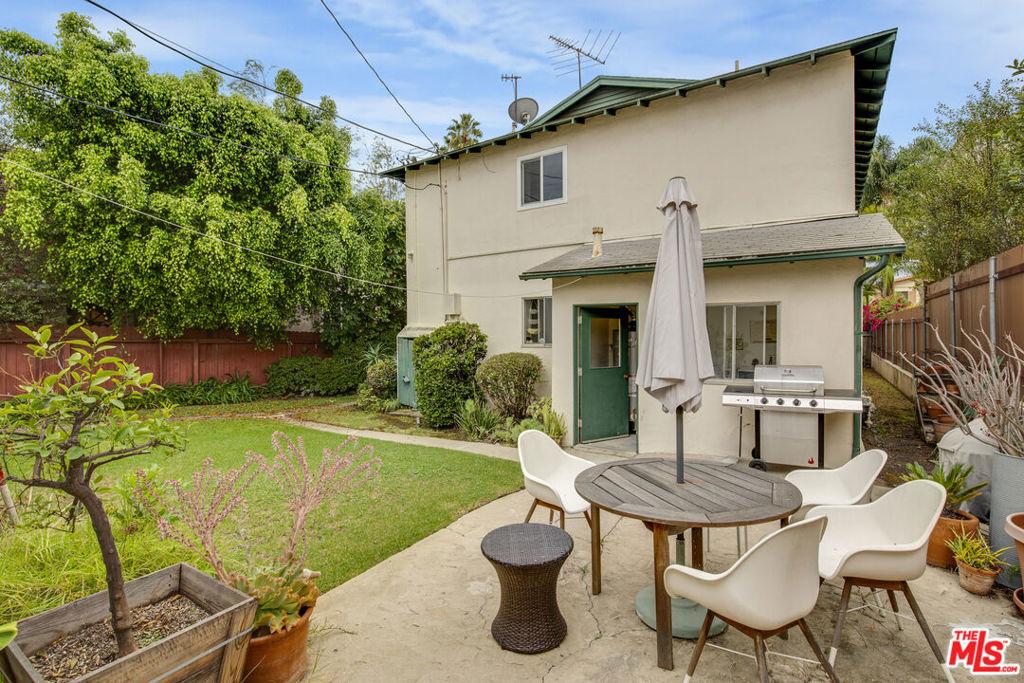
Mid-City Santa Monica: Established Residential Character Between the Beach and the 10

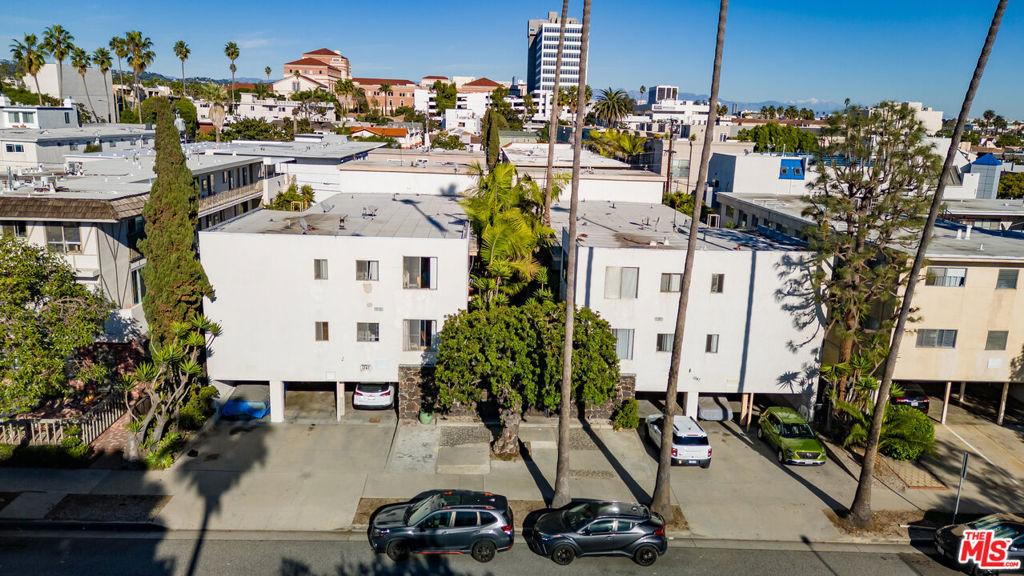
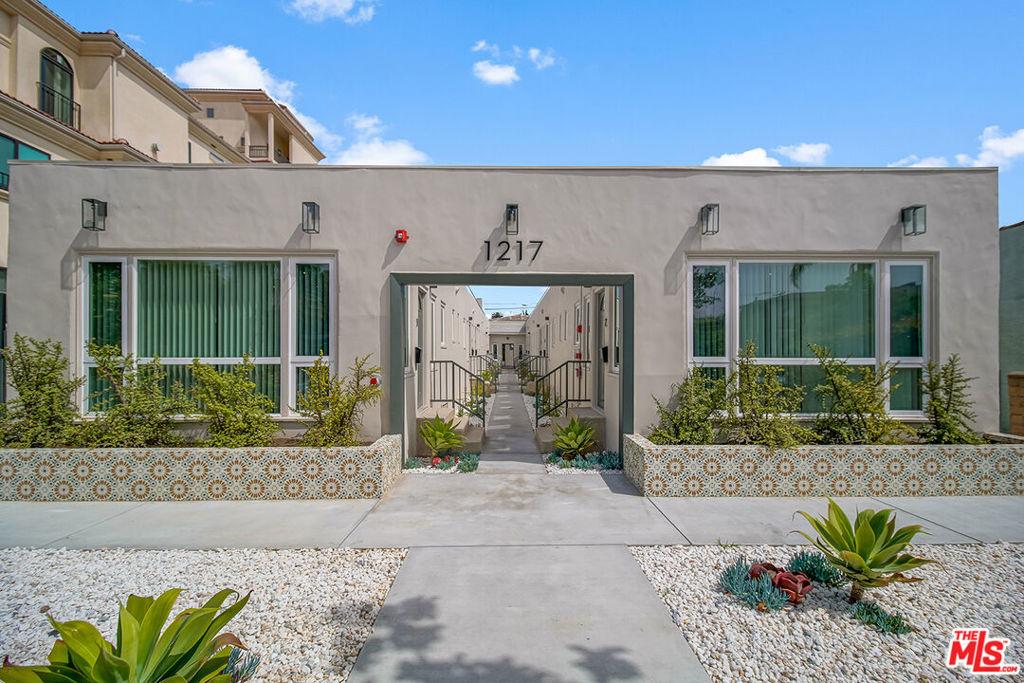
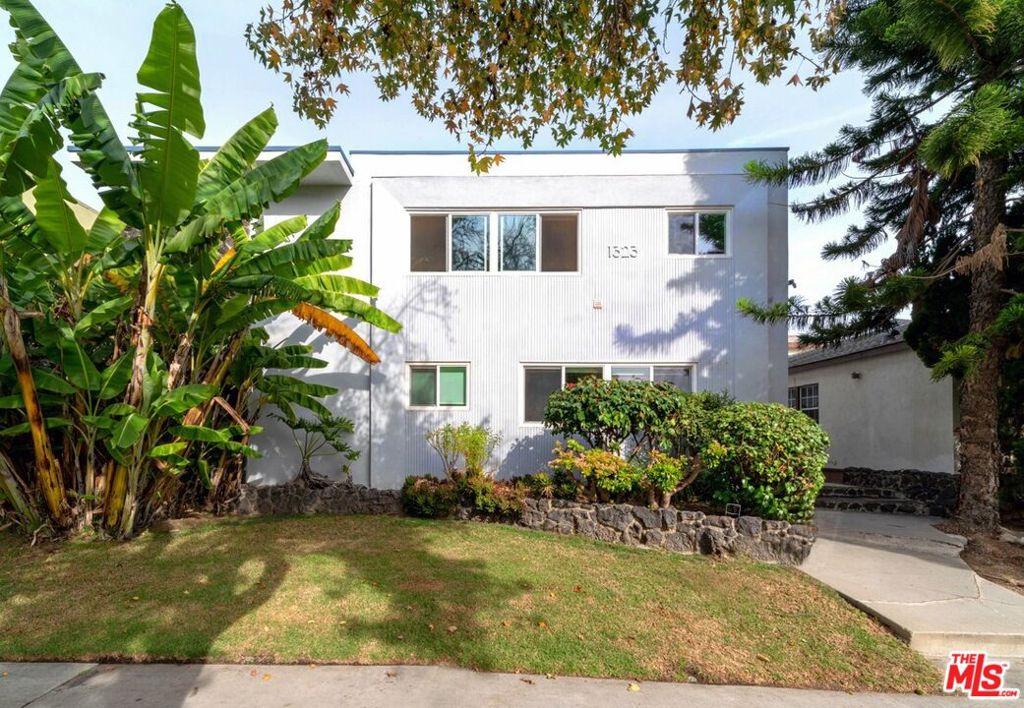
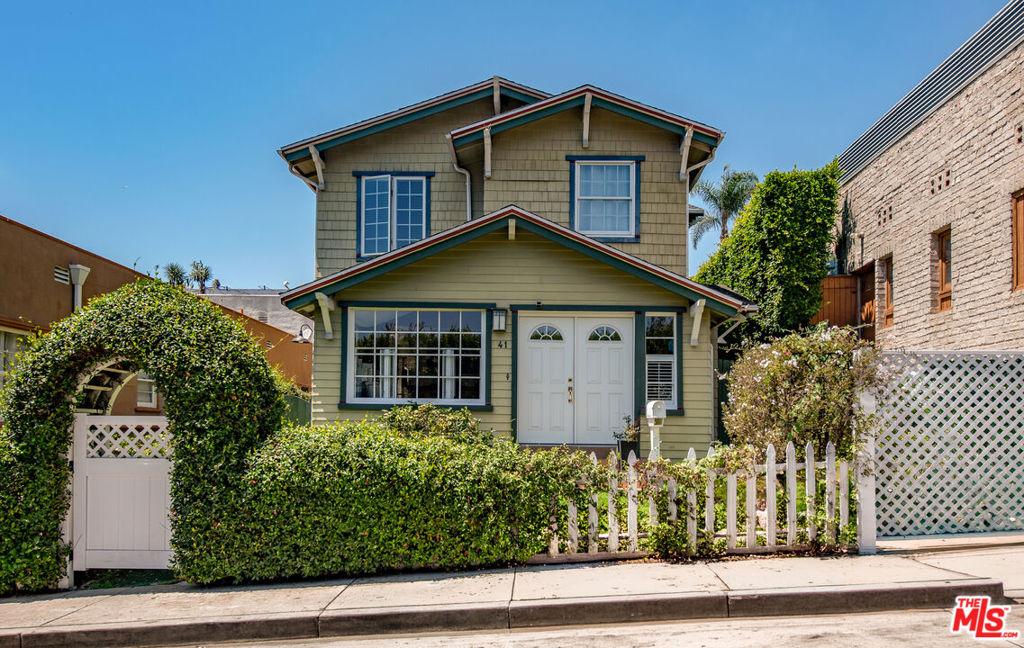
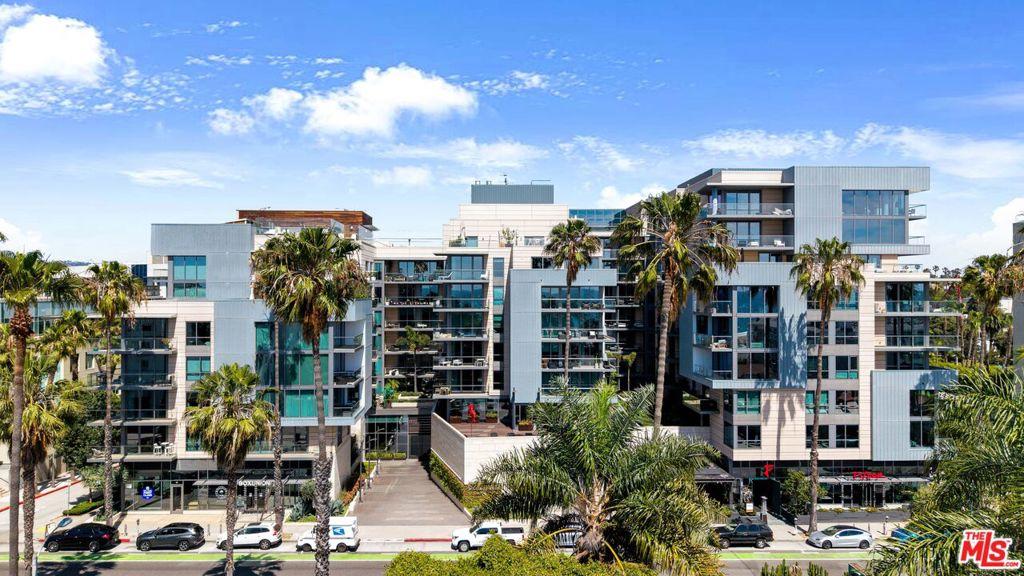
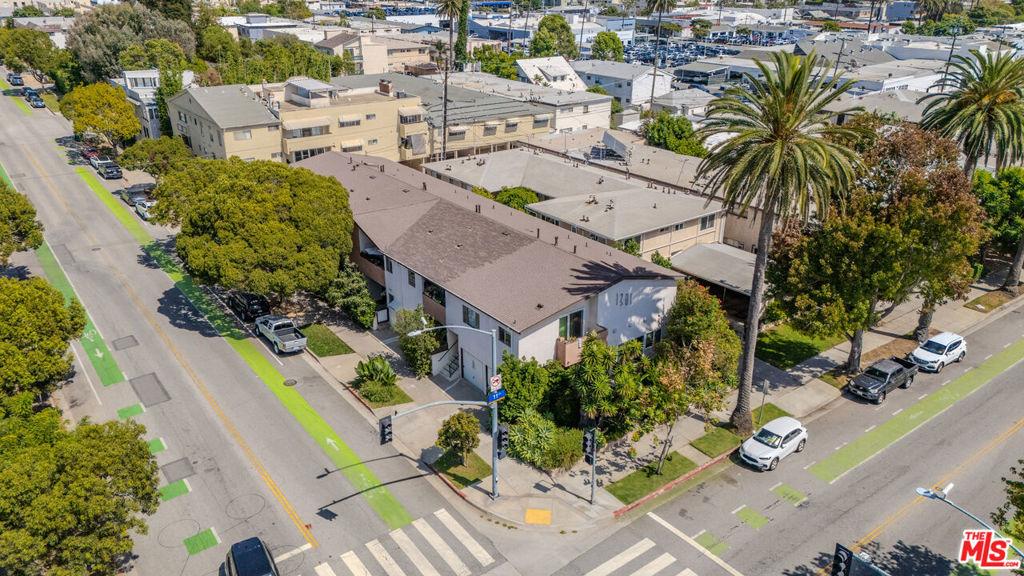
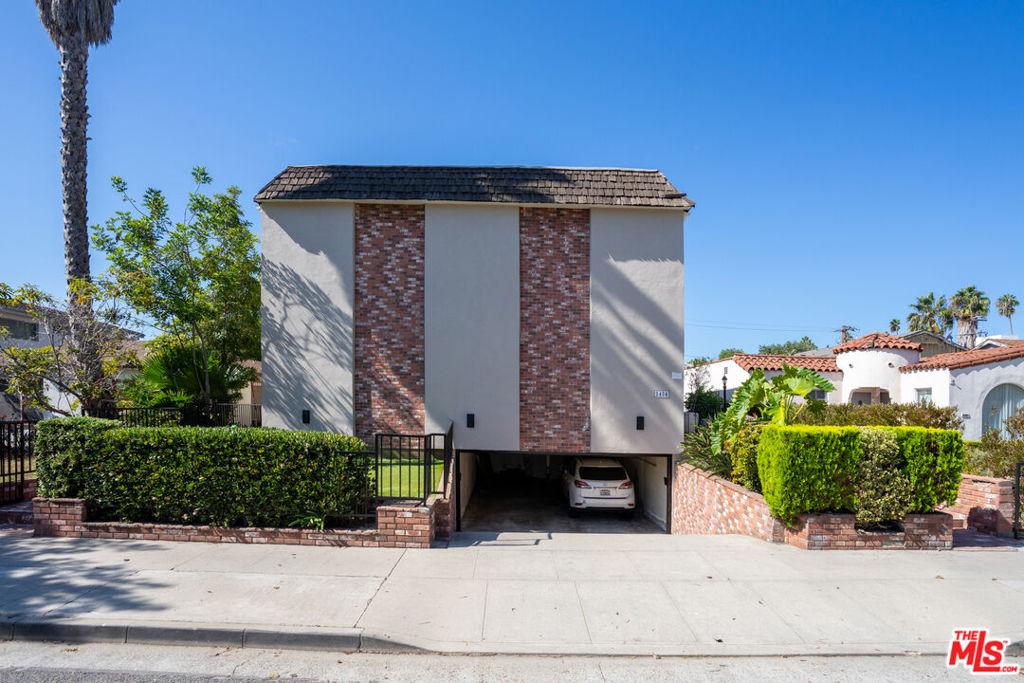
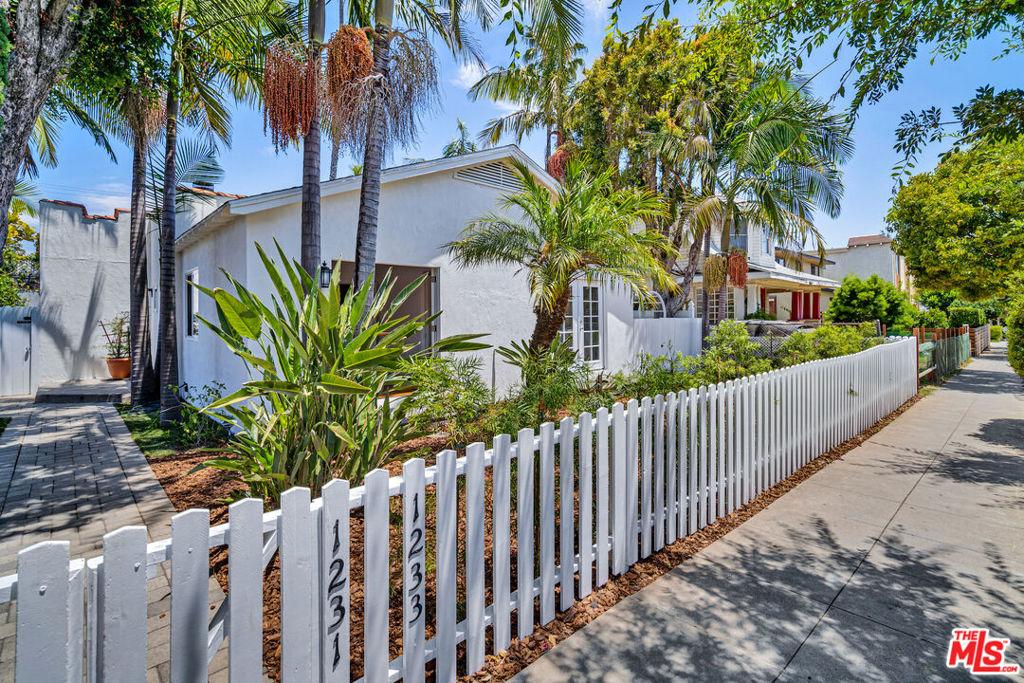
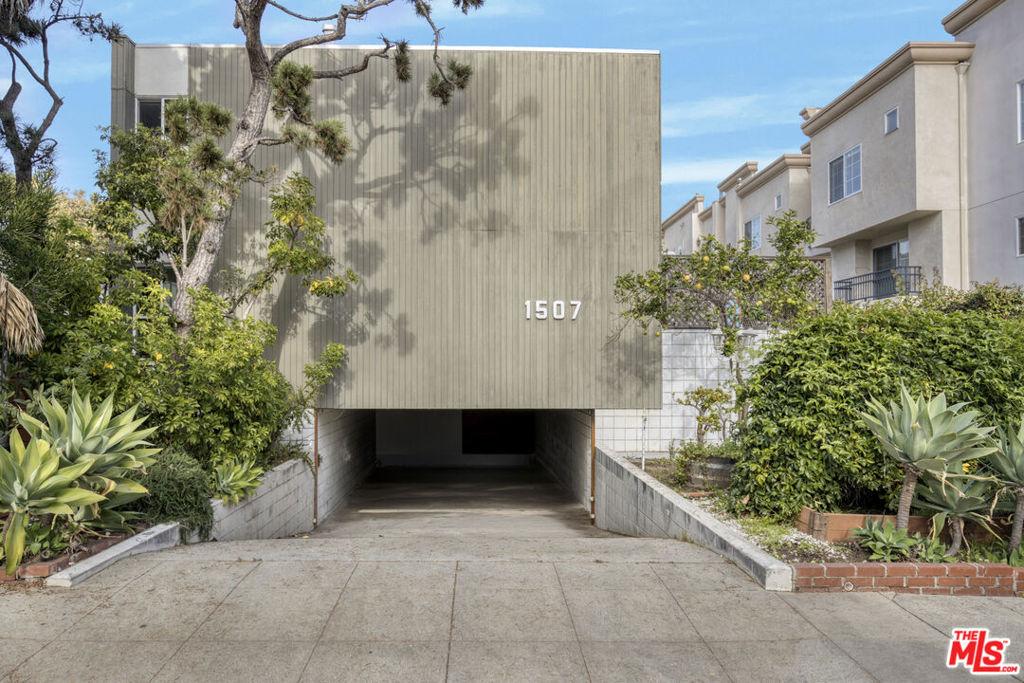
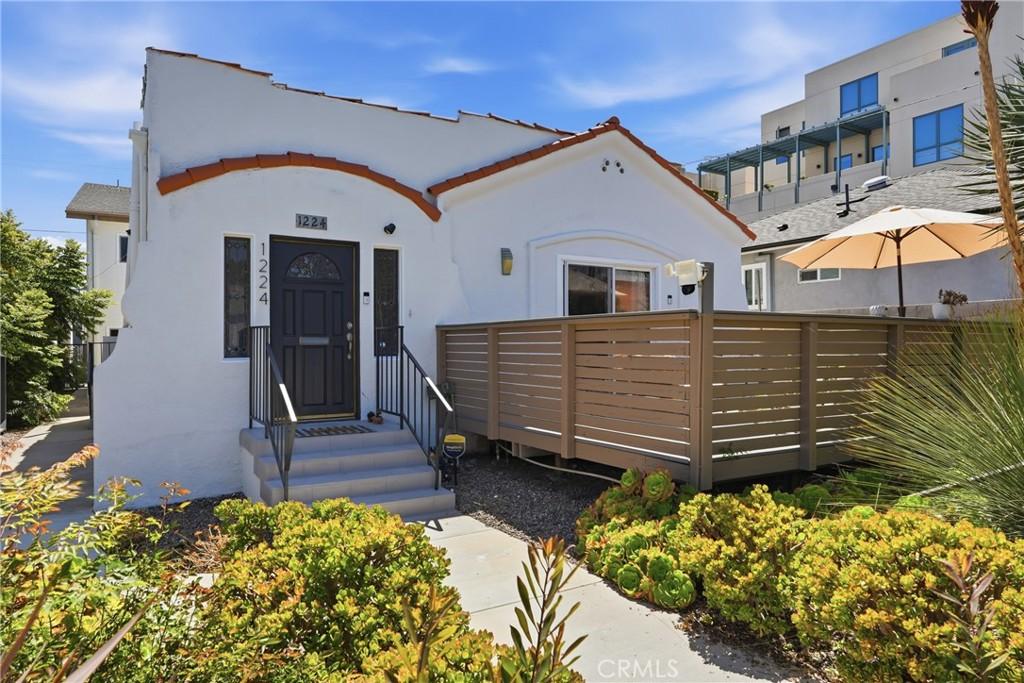
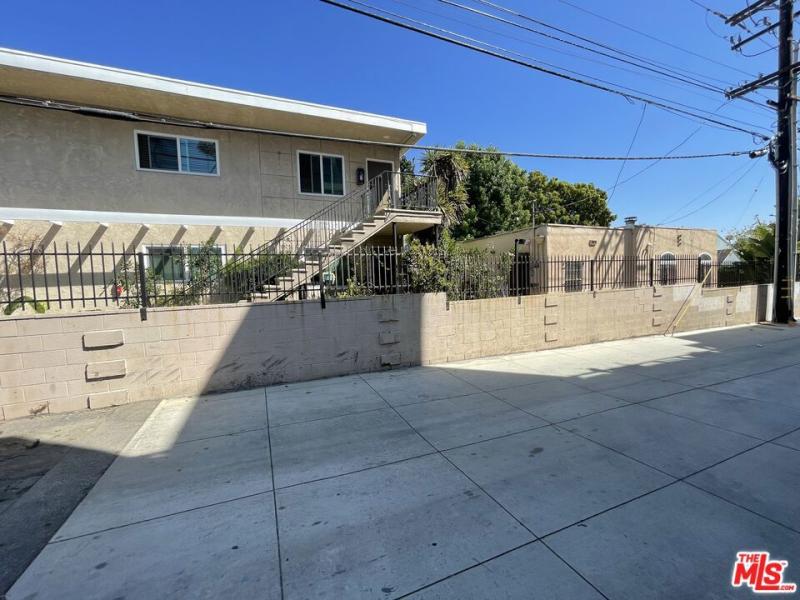
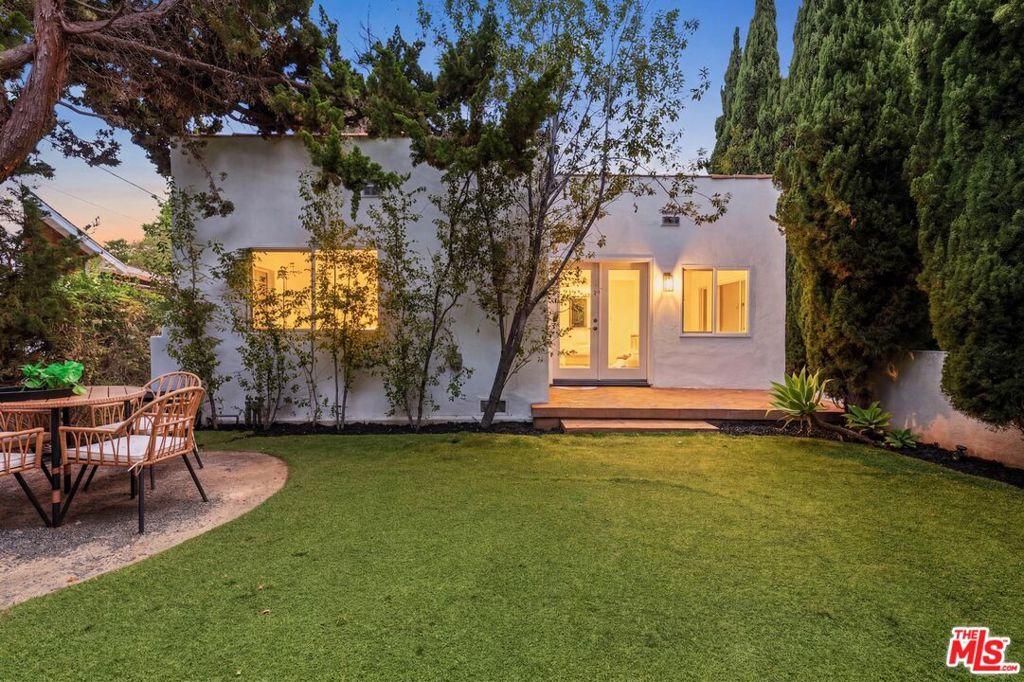
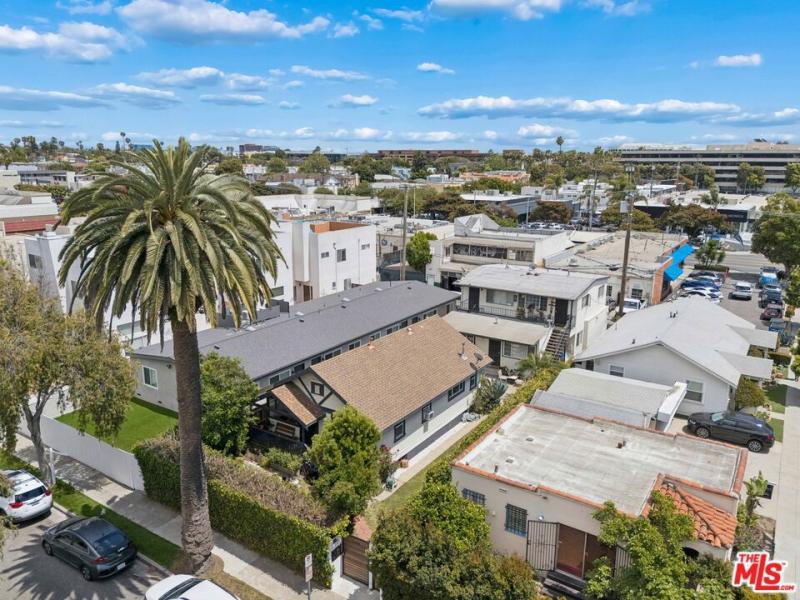
Mid-City Santa Monica occupies the residential streets between Wilshire Boulevard and Pico Boulevard in the center of Santa Monica’s residential geography — the established single-family and multi-family neighborhoods that provide the most accessible Santa Monica residential pricing below the north-of-Wilshire estate market and the beachside residential premium. The area’s residential character reflects the range of Santa Monica’s housing stock: the 1920s-1940s Spanish Colonial and English Tudor residential buildings, the 1950s-1960s apartment buildings, and the more recent condominium development that the Expo Line’s accessibility has catalyzed along the Lincoln Boulevard and Cloverfield Boulevard corridors. The Montana Avenue boutique commercial district and the Wilshire Boulevard urban commercial strip provide the neighborhood-scale retail and dining that Mid-City Santa Monica residents access within walking distance.

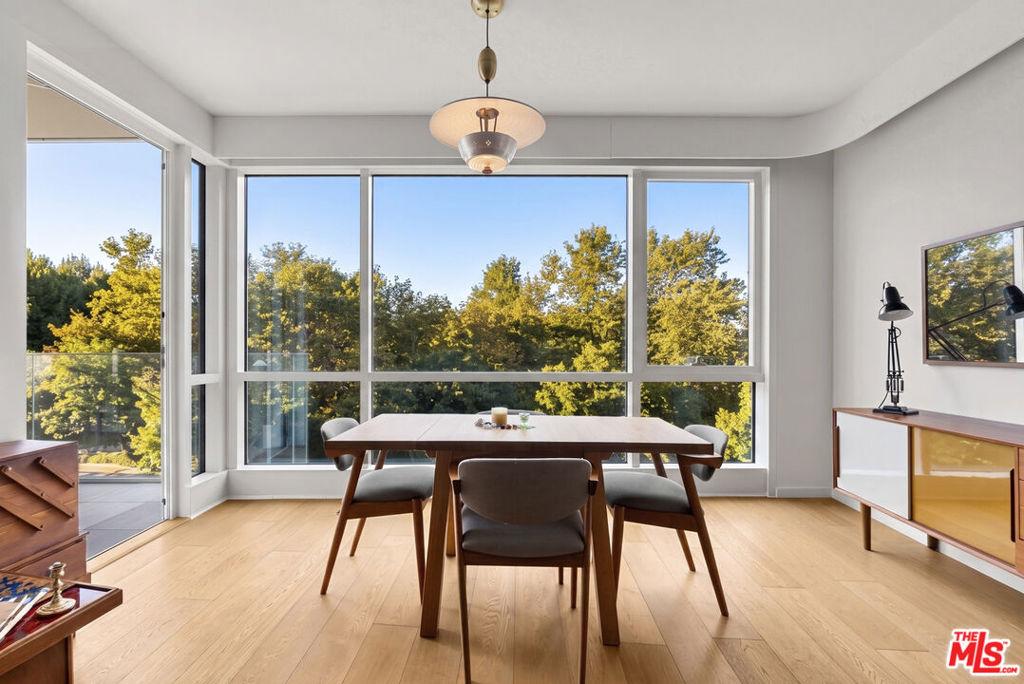
Mid-City Santa Monica’s residential market provides the beach-city lifestyle access at the most accessible Santa Monica pricing tier — the condos and smaller single-family homes at $1.2M-$3M+ that offer the Santa Monica-Malibu USD school quality, the Expo Line transit access, and the beach proximity without the north-of-Wilshire single-family estate pricing. The Santa Monica College campus proximity creates the student and academic residential demand alongside the professional and family residential market.

Mid-City Santa Monica: The Resident’s Santa Monica

Mid-City Santa Monica is where Santa Monica functions most effectively as a residential community rather than a tourist destination — the Pico Boulevard neighborhood where the farmers market, the family-owned restaurants, the Pico Branch Library, and the Lincoln Park green space create the daily residential infrastructure that the beach-town and tech-company visitor infrastructure overshadows but that Santa Monica’s 93,000 permanent residents rely on for their daily community life. The Pico Boulevard commercial strip (between Cloverfield and Lincoln) provides the neighborhood-scale commercial character that serves the south-of-Wilshire residential community with the diversity of cuisines, the specialty services, and the community businesses that Santa Monica’s multicultural residential demographic sustains alongside the upscale Westside commercial identity that the more-visible Montana and Main Street corridors project. The Santa Monica Place mall’s proximity (walkable from mid-city addresses along 4th Street and 5th Street) provides the retail anchor that the southern residential quadrant accesses without the Third Street Promenade’s tourist congestion that the Promenade’s peak-season visitor volumes create. The Barnard Way beach access (the southern Santa Monica beach path connection) provides the beach lifestyle access from mid-city addresses that sustains Santa Monica’s residential identity across the full geographic range of the city’s residential neighborhoods.

Area Details

Is Mid-City Santa Monica walkable and beach-accessible?

The Third Street Promenade is Santa Monica’s most recognizable commercial asset — a three-block pedestrian shopping street that hosts national retailers, independent restaurants, street performers, and the Saturday Farmers Market that is one of California’s most celebrated. The Promenade’s success as an open-air pedestrian commercial environment has informed urban retail development across the country, and it sustains Santa Monica’s identity as a rare Los Angeles community where walking to errands, restaurants, and entertainment is genuinely practical. The proximity of Palisades Park’s ocean-bluff walking path, the beach, and the bike path that runs along the coast to Venice and Manhattan Beach extends the pedestrian and cyclist lifestyle infrastructure across the entire city.

The Expo Line (now C Line) Metro terminus at 4th and Colorado provides rail transit from Santa Monica to downtown Los Angeles, Culver City, and the Mid-Wilshire corridor — making Santa Monica one of the few Los Angeles residential communities where car-free or car-light living is genuinely achievable for the portion of the professional population whose work destinations are on the Expo Line corridor. The Big Blue Bus (Santa Monica’s independent transit system) provides local connectivity within Santa Monica and to UCLA, Century City, and other adjacent destinations. The transit infrastructure, combined with the walkability of the downtown and Montana commercial corridors, gives Santa Monica a transit-friendly character unusual in the Los Angeles metropolitan context.

Santa Monica’s tech industry presence — particularly in the “Silicon Beach” corridor along Lincoln and Olympic Boulevards — creates a significant professional employment base within the city that supports local residential demand from technology workers who can walk or bike to their offices. Snap, Hulu, and dozens of smaller technology companies maintain Santa Monica offices, and the startup ecosystem in Santa Monica and Venice creates economic vitality that differs from the entertainment industry’s more volatile employment patterns. The combination of tech employment, beach lifestyle, and walkable urbanism produces the quality of life proposition that sustains Santa Monica’s premium pricing through multiple economic cycles.

Market Trends

How is the Santa Monica Real Estate real estate market?

Santa Monica is one of the most sought-after residential addresses in Los Angeles — a city of approximately 90,000 residents on the Pacific Coast where the combination of beach access, the Third Street Promenade’s commercial vitality, Santa Monica College, top-rated Santa Monica-Malibu Unified schools, and the mild maritime climate that Pacific Ocean proximity provides creates a residential environment that consistently commands some of the highest prices in the Los Angeles metropolitan area. The 2026 median home price in Santa Monica ranges from approximately $2 million for smaller condominiums to $4 to $8 million or beyond for single-family homes in the most desirable neighborhoods north of Montana Avenue and near the Palisades. Santa Monica’s residential premium reflects both the genuine lifestyle quality that the city provides and the scarcity of Santa Monica addresses given the city’s fixed boundaries and high owner-occupancy rates.

Santa Monica’s residential geography spans approximately two miles from the Pacific Ocean to the eastern border at Lincoln Boulevard, with a north-south span from Montana Avenue (the northern residential limit) to the Santa Monica Airport and Venice borders in the south. Montana Avenue and Ocean Avenue command the highest residential premiums — single-family homes within walking distance of the Palisades Park, the beach, and the Montana commercial corridor consistently achieve the city’s strongest per-square-foot values. The downtown core around the Third Street Promenade and the Ocean Avenue condominiums serve a buyer demographic that specifically values the urban walkability and beachfront positioning that these central locations provide.

Santa Monica-Malibu Unified School District serves the city’s K-12 students, with Santa Monica High School (Samohi) as the primary high school campus. The district’s academic performance and the specific campus characteristics vary; Samohi is a large comprehensive high school with strong programs alongside the typical challenges of a 3,000-student campus. Many Santa Monica families supplement public school with private options or the district’s magnet and alternative programs. The school district premium that Santa Monica’s address commands is real and reflects the overall quality-of-life package that the city provides rather than a singular school quality argument.

Santa Monica Real Estate: Beachside Urban Living and the Third Street Promenade

Santa Monica is the Los Angeles metropolitan area’s most complete beach city — the 8.3-square-mile independent municipality west of Los Angeles whose beachfront (3.5 miles of Pacific beach), the Third Street Promenade pedestrian commercial mall, the Montana Avenue boutique corridor, and the Silicon Beach tech employment cluster have created the most desirable and most expensive residential address on the LA coast outside Malibu’s private beach estates. Santa Monica’s residential identity reflects the convergence of the beach lifestyle and the urban amenity that few American cities can provide simultaneously: the ability to walk to the farmers market on the beach, the Expo Line light rail to UCLA or Downtown, and the tech-company offices of Google, Snap, and the dozens of Silicon Beach start-ups that have made Santa Monica the West Coast’s second tech hub. The city’s progressive municipal politics (rent control for pre-1979 buildings, a robust affordable housing program, the bike-lane and transit-first transportation policy) create the urban governance character that Santa Monica’s progressive residential demographic sustains through the political process.

Santa Monica’s residential market occupies the coastal premium tier of the Los Angeles market — the single-family homes north of Wilshire Boulevard (the more established residential neighborhoods) at $3M-$10M+, the Ocean Park and south-of-Pico single-family market at $2M-$5M, and the Wilshire Boulevard and Main Street corridor condo market at $1M-$3M. The Santa Monica-Malibu Unified School District (SMMUSD) serves the city’s K-12 student population with consistently high-performing public campuses that sustain the family residential demand that the beach-and-school combination creates in Santa Monica’s housing market.

FAQs

What is the price range in Mid-City Santa Monica?

Mid-City Santa Monica pricing reflects Santa Monica’s overall premium market. Single-family homes start at approximately $2.5 million in the city’s more accessible interior sections and range to $5 to $10 million or beyond for premier locations. Condominiums and townhomes start at approximately $1.2 million and provide the entry point into Santa Monica ownership for buyers who want the city’s lifestyle at lower acquisition costs. Current specific pricing for Mid-City Santa Monica addresses is available from The Knight Group.

How walkable is Mid-City Santa Monica?

Mid-City Santa Monica has a Walk Score that reflects Santa Monica’s overall pedestrian infrastructure — the city is among the most walkable in the Los Angeles metropolitan area, with grocery, pharmacy, restaurants, and entertainment accessible on foot from most addresses. The specific walkability from Mid-City Santa Monica addresses depends on proximity to the Montana commercial corridor, the Third Street Promenade, or neighborhood-scale commercial streets. Santa Monica’s bike infrastructure, including protected lanes and the coastal bike path, extends the car-free mobility option beyond walking distance.

What is the commute from Mid-City Santa Monica to downtown LA?

The C Line Metro provides rail transit from Santa Monica to downtown Los Angeles in approximately 50 minutes, with stops at Culver City, USC, and other Mid-Wilshire destinations along the way. Driving via the 10 Freeway ranges from 20 minutes off-peak to 60 to 90 minutes during peak commute hours, reflecting the Santa Monica Freeway’s consistent congestion during morning and evening rush periods. Many Santa Monica residents who commute to downtown LA prefer the Metro for its schedule reliability relative to the freeway’s variable travel times. For Westside employment destinations, the commute from Santa Monica is shorter and often achievable by bicycle for the most motivated cyclists.

What is Montana Avenue and why is it significant for Santa Monica residents?

Montana Avenue is Santa Monica’s most upscale and pedestrian-friendly neighborhood commercial street — a stretch of independently owned boutiques, coffee shops, restaurants, yoga studios, and specialty retailers between 7th and 17th Streets that creates the walkable neighborhood commercial infrastructure that the affluent north-of-Wilshire Santa Monica residential community sustains. The street’s character reflects the Santa Monica professional and family residential demographic that the north-of-Wilshire neighborhoods sustain: the children’s boutiques, the specialty fitness studios, the organic and health-focused restaurants, and the artisanal food and beverage establishments that the income levels and lifestyle preferences of the neighborhood create as the commercial market. For Mid-City Santa Monica residents in the Wilshire-area blocks adjacent to Montana, the street provides the walkable commercial character that is harder to access in the south-of-Wilshire and Pico corridor neighborhoods. Montana Avenue’s Saturday morning foot traffic creates the neighborhood social gathering that the commercial street sustains as one of Santa Monica’s most agreeable weekend social environments.

Hey, You ALMOST MISSED IT!

Lucky for you we’re looking out.

Subscribe to this Custom Search to be alerted when new properties hit the market in the area.

Choose the frequency that works for you.

get alerts

[showcaseidx_contact]