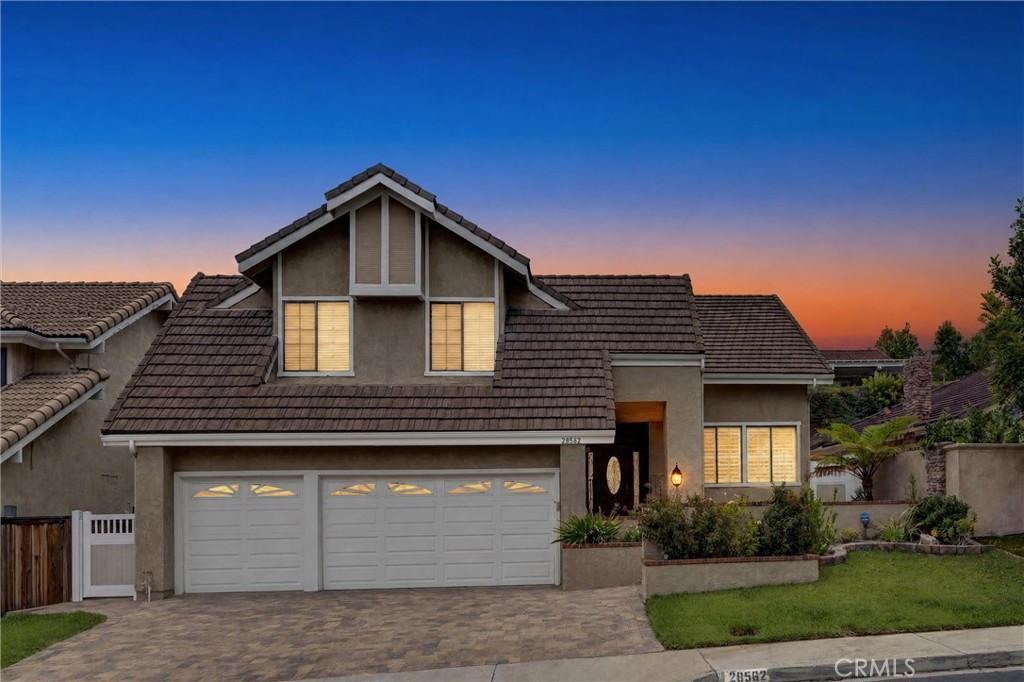
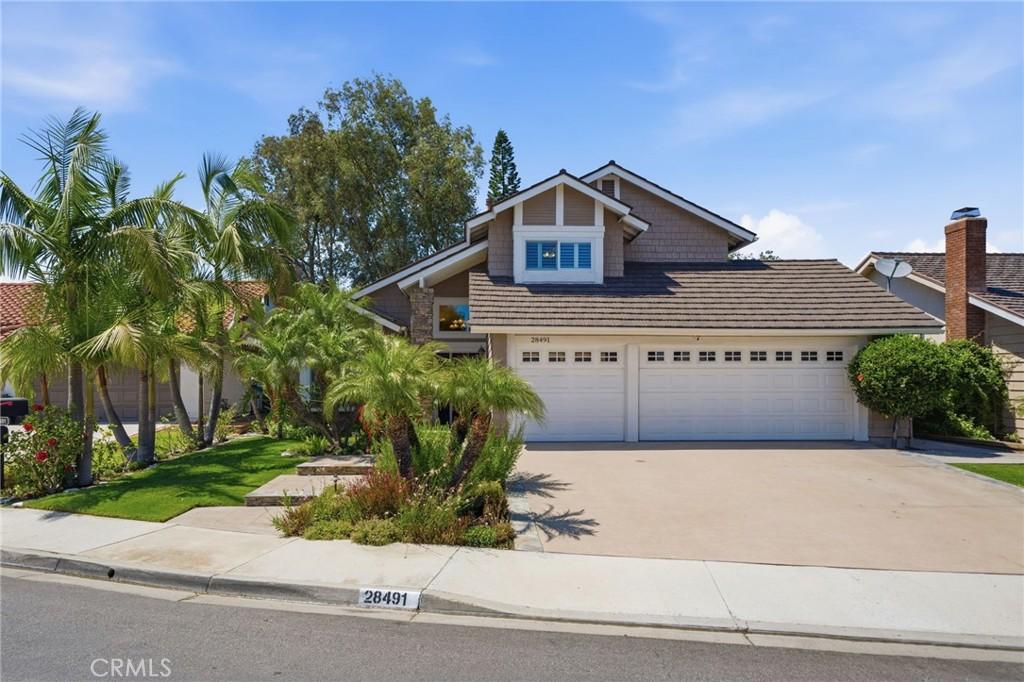
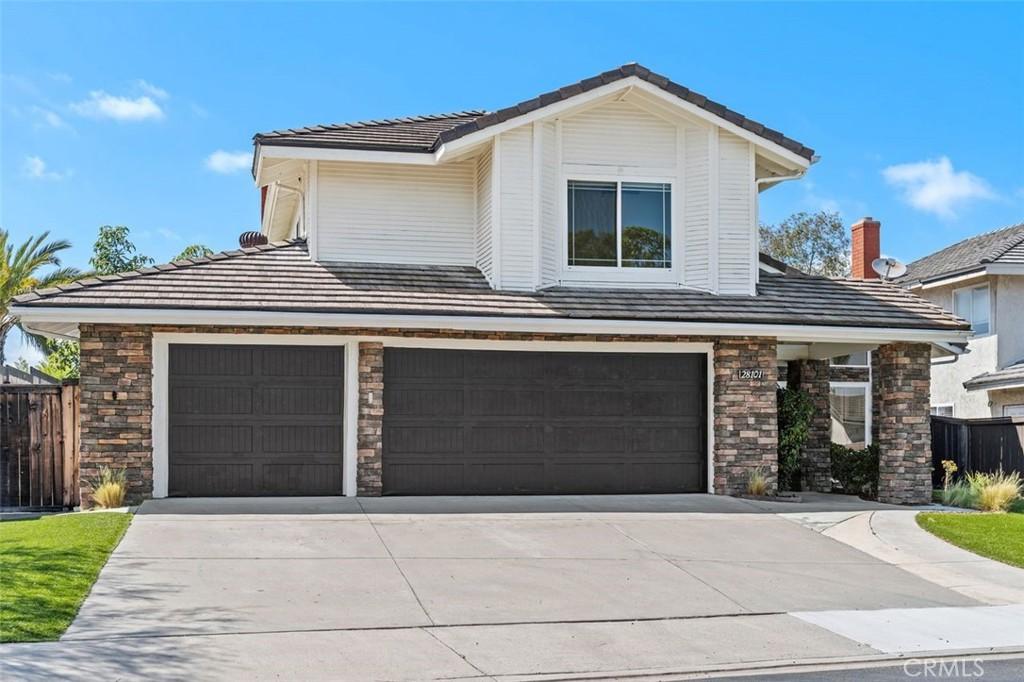
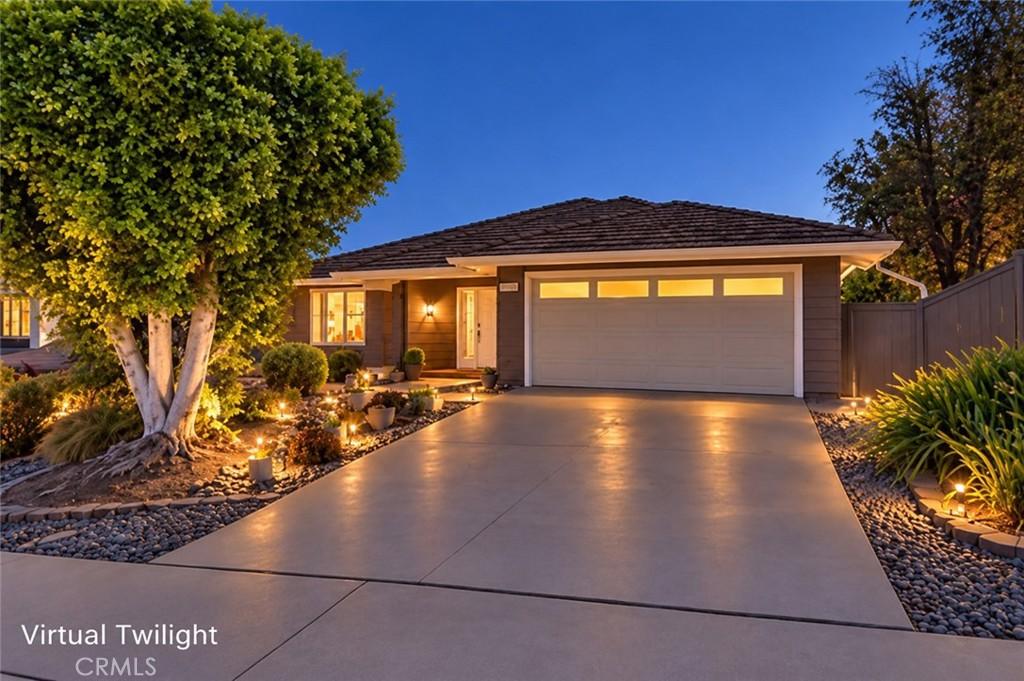
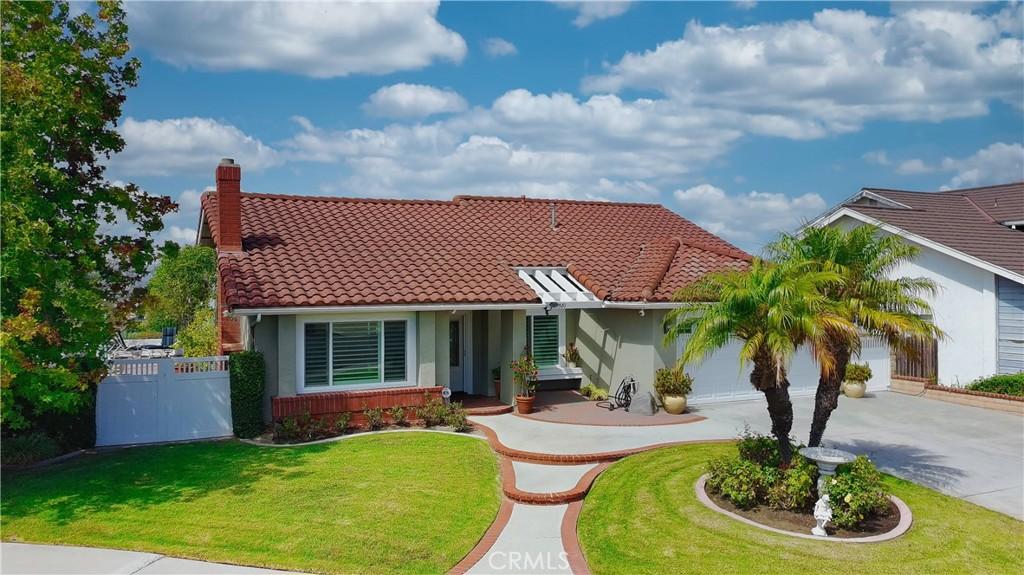
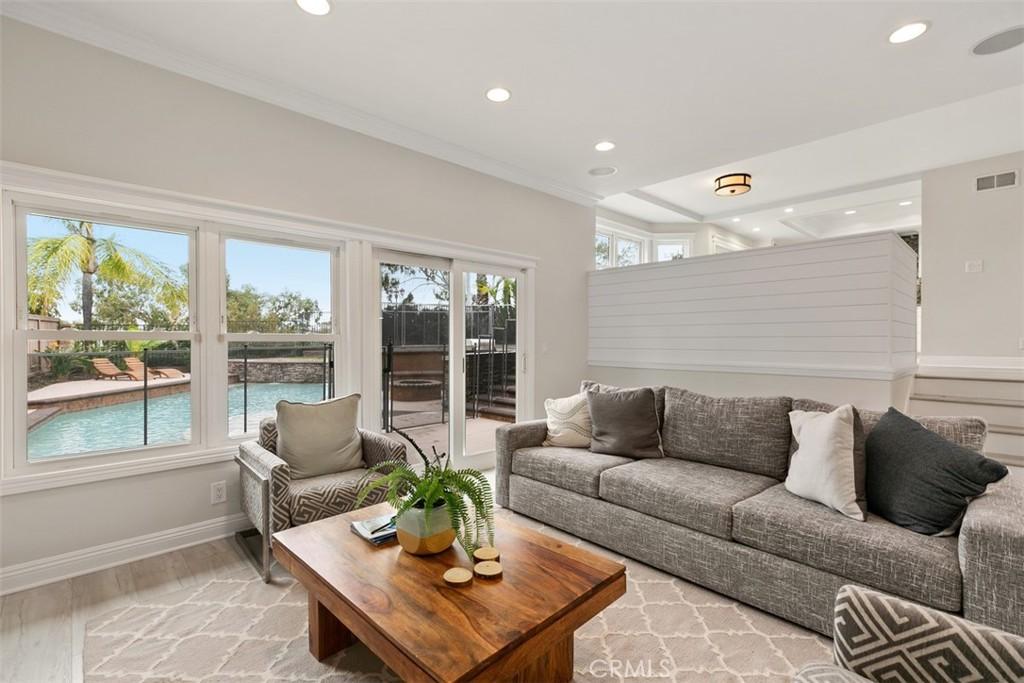
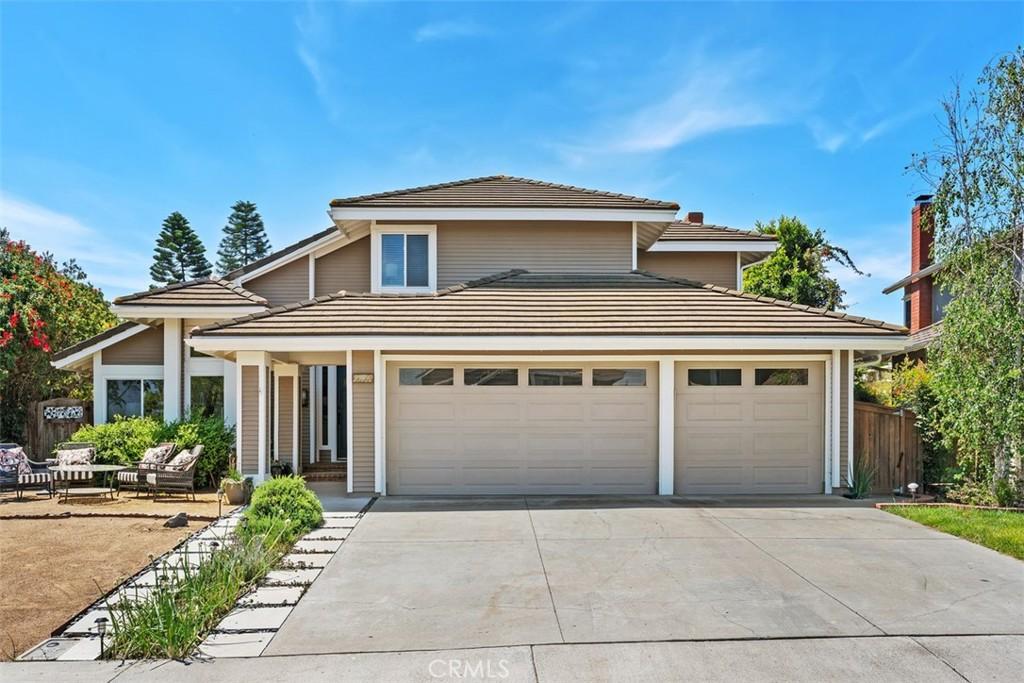
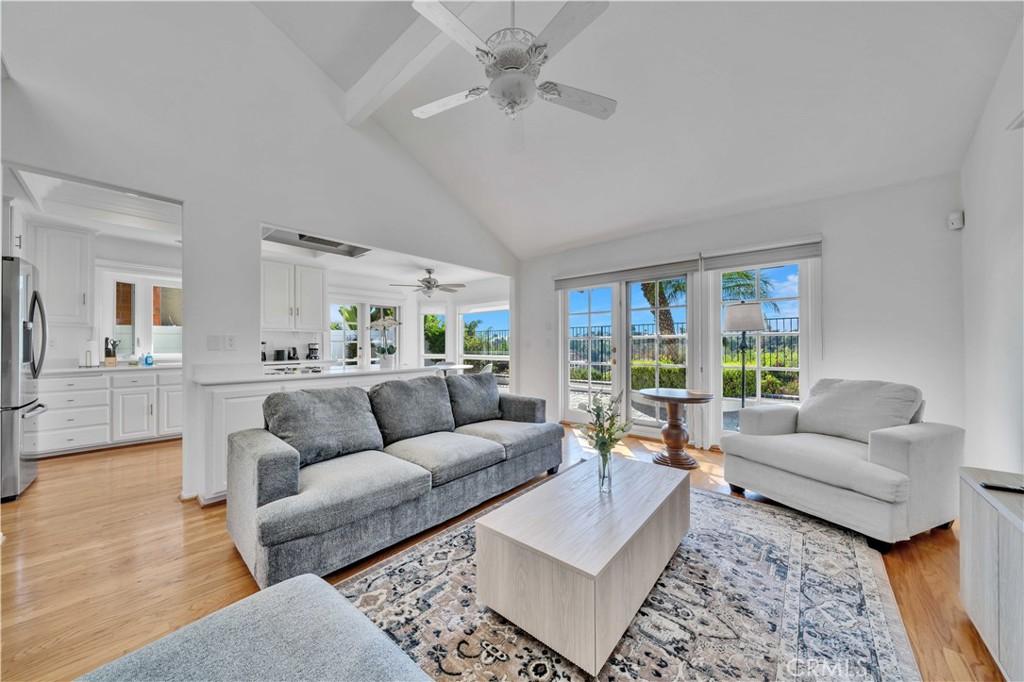
Rolling Hills CA homes for rent run from about $1,855 to $10,000 a month, with Zumper putting the 2023 average around $6,925. That’s a wide band, and it reflects how few properties turn over here at any given time. Rolling Hills sits inside the Palos Verdes Peninsula Unified School District, consistently one of the top-ranked districts in California, which drives a lot of the demand from families. We source rentals through both on-market and off-market channels, because the listed inventory alone rarely tells the whole story.
Expect a good portion of what’s available to never hit the public sites. Pricing varies sharply depending on the property, so the average is a reference point, not a forecast. Plan on first month, last month, and a security deposit up front — that’s standard for most Rolling Hills landlords.
Most landlords in Rolling Hills Ca require first month, last month, and a security deposit. The Knight Group can identify on- and off-market options quickly.
Now, I know what you’re thinking. Sure, the houses sound great, but what about the community? What am I really getting into here?
Rolling Hills is part of the Palos Verdes Peninsula Unified School District, which is consistently ranked as one of the top districts in California. According to Niche. This district ranks #1 in Los Angeles County and #2 in California for 2023. We’re talking about schools where AP classes are the norm, where the biggest drama in the science fair is whether little Timmy’s fusion reactor will overshadow Jessica’s cure for cancer.
Dapplegray Elementary, Rancho Vista Elementary, and Palos Verdes Peninsula High School are just a few of the educational powerhouses in the area. And for the college-bound, you’re just a stone’s throw from Harbor College, El Camino College, and Cal State Dominguez Hills.
In Rolling Hills, your neighbors aren’t just the people next door; they’re your co-conspirators in living the good life. This is a place where block parties involve champagne tastings, where the neighborhood watch is more likely to alert you about a celebrity sighting than a suspicious character.
But it’s not all glitz and glamour. Rolling Hills is known for its strong sense of community. There are equestrian clubs for the horse lovers, hiking groups for the outdoor enthusiasts, and enough charity galas to keep your social calendar (and conscience) full year-round.
One of the best-kept secrets of Rolling Hills is its natural beauty. Sure, you’ve got the ocean views, but did you know about the miles of hiking and equestrian trails that crisscross the area? According to the Rolling Hills Community Association, the community has over 30 miles of trails for hiking and horseback riding.
Living in Rolling Hills means you can go from a power lunch in downtown LA to horseback riding through scenic trails in less time than it takes most people to commute home. It’s like having your cake and eating it too, except the cake is a slice of paradise and you get to eat it every single day.
Rolling Hills Ca draws renters who prioritize location and access over square footage. The rental pool here is typically professional — medical staff, entertainment industry workers, and transplants who want a specific commute corridor before committing to a purchase.
Rental turnover in Rolling Hills Ca varies by property type. Single-family rentals tend to attract longer-term tenants; apartment-style buildings see more annual turnover. Knowing which you’re entering matters for planning.
The Knight Group sources rentals in Rolling Hills Ca across on-market and off-market channels. Property owners who prefer to screen tenants privately — without a public listing — contact The Knight Group directly. That off-market layer is often where the best properties sit.
For renters, we can move quickly when the right property surfaces. Reach out with your requirements and we’ll pull current availability across both channels.
Landlords in Rolling Hills Ca typically screen for credit score (usually 650+), verifiable income (typically 2.5–3x monthly rent), and rental history. Self-employed applicants often need to provide two years of tax returns. The Knight Group can advise on how to position your application for the specific landlord type you’re approaching.
Los Angeles County has extensive tenant protection ordinances that apply to many properties in Rolling Hills Ca. Depending on the property’s age and whether it falls under LA’s Rent Stabilization Ordinance (RSO), your rights as a tenant regarding rent increases, eviction protections, and habitability standards may vary significantly. The Knight Group can help identify whether a specific property carries these protections before you sign.
The rental population in Rolling Hills Ca tends to be employment-driven — people relocating for a specific job, in between home purchases, or choosing the area for its access to a particular employer cluster. This demand profile makes the Rolling Hills Ca rental market relatively stable, as renters are here for reasons that persist beyond market cycles.
Understanding who your competition is for a unit helps renters in Rolling Hills Ca move faster and submit stronger applications. If the landlord or property manager mentions a high volume of applications, come prepared with a complete package: income documentation at 2.5-3x the monthly rent, prior landlord references, and a brief cover note explaining your situation and move-in timeline. Landlords approve organized applicants faster.
renting in Rolling Hills isn’t like renting anywhere else. This isn’t a market flooded with For Rent signs and landlords desperate to fill vacancies. No. This is a game of insider knowledge, perfect timing, and sometimes, a little bit of luck.
According to recent data from Zumper, as of 2023, the average rent for a home in Rolling Hills clocks in at a cool $6,925 per month. Now, before you choke on your artisanal coffee, let’s break that down a bit:
But here’s where it gets interesting. Despite these eye-watering figures, Rolling Hills has actually seen a 14% decrease in rent prices over the past year. That’s right, in a market where most places are seeing rents skyrocket, Rolling Hills is bucking the trend.
Why? Well, that’s where things get murky. Some say it’s due to an influx of new construction in nearby areas. Others whisper about long-time residents finally deciding to cash in on their prime real estate. Whatever the reason. It’s created a unique window of opportunity for those in the know.
Rolling Hills Ca is part of the Los Angeles rental market. Drive times to major employment centers vary by time of day. For renters commuting to the Westside, Downtown, or the San Fernando Valley, the specific street address matters more than the neighborhood name — test your commute before signing.
Public transit options in Rolling Hills Ca vary. Some parts of the area are served by Metro bus lines; others are effectively car-dependent. If transit access is a priority, The Knight Group can filter available rentals by proximity to relevant routes.
Renters in Rolling Hills Ca should budget for: first month plus last month plus security deposit (standard in this market), renter’s insurance (typically $15–$30/month), and parking if not included. Many properties in this area do not include utilities — confirm what’s covered in the lease before signing.
Most rentals in Rolling Hills Ca are served by Los Angeles Department of Water and Power (LADWP) for electricity and water. Some properties in the area may be served by SoCalGas for natural gas. Utility costs in Los Angeles are meaningful — budget $150–$300/month for a typical apartment depending on size, season, and efficiency of the unit.
Internet service options in Rolling Hills Ca typically include Spectrum (cable), AT&T Fiber (where available), and in some buildings, Frontier. Confirm availability at the specific address before signing — fiber availability varies significantly by block in Los Angeles.
Rental markets in Los Angeles have gone through measurable cycles. The Rolling Hills Ca area has historically held renter demand relative to surrounding areas, driven by proximity to employment centers, transit access, and the general quality of the rental stock. Understanding the historical pattern helps renters assess whether current rents are at a cyclical high or represent fair market value for the area.
For renters who may eventually consider purchasing, Rolling Hills Ca and surrounding neighborhoods are worth understanding as a potential first purchase area. The Knight Group works with both renters and buyers in this market and can provide context on the path from renting to owning in this specific part of Los Angeles — without any pressure to move before you’re ready.
You might assume that securing a rental in Rancho Palos Verdes is all about nabbing that coveted ocean view. And while those panoramic vistas are indeed spectacular, the rental scene here is as multifaceted as the coastline itself. into what shapes this unique market.
Imagine waking up to the sound of waves, stepping onto your balcony, and being greeted by a canvas of cerulean blue stretching to the horizon. In Rancho Palos Verdes. This isn’t just a vacation fantasy,it’s everyday life for many residents. But as with any prime real estate, these picture-perfect scenes come at a premium.
According to the latest data from Zumper, the average rent in Rancho Palos Verdes has soared to $5,634 as of January 2025, marking a significant 9% increase from the previous year. This surge reflects the area’s growing desirability and the limited supply of rental properties.
Let’s break down the numbers:
But here’s where it gets interesting. The region you choose can dramatically impact your rental costs:
These stark contrasts highlight the importance of researching specific neighborhoods within Rancho Palos Verdes. Your ideal rental might be more attainable than you think if you’re willing to explore different areas.
The Rancho Palos Verdes rental market is anything but static. It’s a dynamic ecosystem influenced by various factors, from seasonal demands to broader economic trends. Recent data paints a picture of a market in flux:
These rapid changes underscore the importance of timing in your rental search. The market here moves fast, and yesterday’s bargain could be tomorrow’s premium listing.
Verify current figures per MLS before making pricing decisions.
Los Angeles rental prices in areas like Rolling Hills Ca are driven by a combination of location desirability, unit quality, and seasonal demand. The rental market here typically tightens in spring and summer (March–August) and softens slightly in fall and winter — though this varies year to year.
Renters negotiating in Rolling Hills Ca should understand that landlords in desirable pockets rarely negotiate heavily on price. Where negotiation is possible, it’s more likely on lease start date, included utilities, or parking terms than on monthly rent. Price range in this area: $1,855 to $10,000 per month. Verify current availability directly.
The factors that drive rental pricing in Rolling Hills Ca include proximity to employment corridors, school district quality, unit condition, and included parking. Understanding which factors you’re paying a premium for — and which you’re not getting — helps calibrate your offer. The Knight Group can provide a current rental comp analysis for this area.
The Los Angeles rental market is one of the least elastic in the country — supply additions have consistently lagged demand growth, which keeps vacancies low and rents high relative to income levels. Rolling Hills Ca reflects this general pattern, with rental demand historically supported by proximity to employment and lifestyle access that attracts a broad renter population.
For renters who anticipate being in Rolling Hills Ca for two or more years, tracking the purchase market in parallel is worth doing — even if purchase isn’t imminent. The Knight Group regularly works with renters who use the renting period to build savings and understand the market, then transition to purchase when conditions and timing align. There’s no pressure to move before you’re ready, but having context early improves the eventual decision.
What’s the average rent for a home in Rolling Hills, CA?
Ah, the million-dollar question (or should I say, the $6,925 question?). As we mentioned earlier, that’s the average monthly rent for a home in Rolling Hills as of 2023, according to Zumper. But let’s break it down further:
Remember, these are averages. You might find some hidden gems for less, or some jaw-dropping estates for significantly more. It’s Rolling Hills – expect the unexpected.
Are there pet-friendly rental options in Rolling Hills?
Good news for all you pet parents out there – many Rolling Hills rentals are indeed pet-friendly. After all, what’s the point of all that space if you can’t share it with your furry friends?
However, and this is a big however, pet policies can vary widely from property to property. Some might welcome your entire menagerie with open arms, while others might have stricter policies or additional pet deposits.
My advice? If you’re planning on bringing Fido or Fluffy along, be upfront about it from the get-go. In Rolling Hills, honesty isn’t just the best policy – it’s the only policy.
How do I apply for a rental home in Rolling Hills?
Buckle up, because applying for a rental in Rolling Hills isn’t like applying for your average apartment. Here’s a general rundown of what you might expect:
Find a property: As mentioned earlier, your best bet is working with a local real estate agent who specializes in high-end rentals.
Prepare your documents: You’ll likely need:
A completed rental application
Background check: Many landlords in Rolling Hills will conduct a thorough background check. This isn’t just about your rental history – they’re looking at your overall lifestyle to ensure you’ll be a good fit for the community.
Interview: Don’t be surprised if you’re asked to meet with the property owner or management company. This isn’t just about them vetting you – it’s your chance to ask questions and get a feel for the community.
Approval and lease signing: If you’re approved, congratulations! You’ll then move on to reviewing and signing the lease agreement.
Remember, in Rolling Hills, the rental process is often as much about you choosing them as it is about them choosing you. It’s a mutual selection process, so don’t be afraid to ask questions and ensure it’s the right fit for you.
What’s the best time of year to find rentals in Rolling Hills?
Now. This is where things get interesting. Unlike many rental markets that see peaks and valleys throughout the year, Rolling Hills operates on its own unique calendar.
Generally speaking, you might find more options in the late spring to early summer months. This is when some families might be relocating for work or school, potentially freeing up some properties.
However, and this is crucial, the most desirable properties in Rolling Hills can become available at any time. When they do. They often get snapped up quickly. This is why having a good relationship with a local real estate agent is key – they can give you the inside scoop on upcoming availabilities before they hit the market.
My advice? If you’re serious about renting in Rolling Hills, start your search early and be prepared to move quickly when the right property becomes available. In this market, hesitation can mean missing out on your right property.
Are utilities typically included in Rolling Hills rentals?
In most cases, utilities are not included in the rent for Rolling Hills homes. Given the size and luxury amenities of many of these properties, utility costs can be significant.
You’ll likely be responsible for:
– Electricity
– Gas
– Water and sewage
– Internet and cable
– Trash collection
Some properties might include certain utilities, like water or trash collection, but this is the exception rather than the rule. Always clarify what’s included in the rent before signing a lease.
Pro tip: Ask for estimates of average utility costs for the property. In homes with features like pools, extensive landscaping, or smart home systems, these costs can add up quickly.
Is it possible to find short-term rentals in Rolling Hills?
Short-term rentals in Rolling Hills are about as rare as a cloudy day in Southern California – they exist, but they’re not common.
Most property owners in Rolling Hills prefer long-term tenants, typically with leases of a year or more. This is partly due to the community’s emphasis on stability and partly because the process of vetting and approving tenants is so thorough.
That said, you might occasionally find furnished rentals available for shorter terms, particularly if they’re corporate rentals or if the owner is temporarily relocating. These are often more expensive than long-term rentals and can be highly competitive.
If you’re looking for a short-term stay in Rolling Hills, your best bet might be to explore nearby areas like Rancho Palos Verdes homes for rent or Rolling Hills Estates, which sometimes offer more flexible rental options while still providing access to the Rolling Hills lifestyle.
Remember, in Rolling Hills, flexibility often comes at a premium. If you do find a short-term rental in this exclusive community, be prepared for it to come with a hefty price tag.
Competition in Rolling Hills Ca varies by property type and season. Well-priced, well-maintained single-family rentals typically receive multiple applications within the first week. Apartment units move faster in spring and summer. The Knight Group can advise on timing and positioning your application for the properties you’re targeting.
Standard lease terms in Rolling Hills Ca are 12 months. Month-to-month is available in some cases at a premium — typically $200–$500/month above the annual rate. Shorter-term (6-month) leases are less common but can be negotiated directly. The Knight Group can identify which landlords in Rolling Hills Ca are open to non-standard terms.
Pet policies vary by landlord. Many Rolling Hills Ca rentals accept pets with an additional deposit or monthly pet rent. Single-family homes are generally more pet-friendly than multi-unit buildings. The Knight Group can filter available rentals by pet policy to match your requirements.
Explore more South Bay neighborhoods:
Lucky for you we’re looking out.
Subscribe to this Custom Search to be alerted when new properties hit the market in the area.
Choose the frequency that works for you.