TorranceListings

Torrance Real Estate | Torrance, CA

Torrance is a community in Los Angeles County’s South Bay — the coastal region south of LAX encompassing beach cities, aerospace employment hubs, and diverse residential communities that serve buyers across a wide range of price points and lifestyle priorities. Torrance is the South Bay’s largest city — a community of approximately 145,000 residents where Honda and Toyota’s North American headquarters, the Del Amo Fashion Center, Torrance Unified School District’s strong academic performance, and a large Japanese-American community create a distinctive city identity within the South Bay’s residential landscape. Torrance’s 2026 median home price of approximately $1 to $1.5 million reflects the Torrance Unified school district premium, the corporate employment base that Honda and Toyota sustain, and the city’s position as the South Bay’s largest and most commercially complete residential option below Manhattan Beach’s price tier.
[showcaseidx_hotsheet name=”Los Angeles”]

Torrance in South Bay

Community

What is Torrance like?

Torrance is one of the South Bay’s distinct communities, torrance is the south bay’s largest city — a community of approximately 145,000 residents where honda and toyota’s north american headquarters, the del amo fashion center, torrance unified school district’s strong academic performance, and a large japanese-american community create a distinctive city identity within the south bay’s residential landscape within a region that spans from Manhattan Beach’s trophy beachfront estates to more affordable working-class communities in the South Bay’s inland tier, united by the region’s aerospace employment concentration, LAX proximity, and the beach lifestyle that the Pacific Ocean access sustains across the entire coastal zone.

The school district serving Torrance is a primary factor in the community’s residential value positioning within the South Bay market. Manhattan Beach Unified, Torrance Unified, and Redondo Beach Unified are the South Bay’s highest-rated school systems; Hawthorne and other communities are served by districts with more variable performance. The specific district and campus assignment for any Torrance address should be verified with the relevant district office. School quality differences across adjacent South Bay communities can produce meaningful price differences even for homes on the same size lot with similar construction quality.

The 405 Freeway provides the South Bay’s primary freeway connection — southbound to Orange County and the 5 Freeway, northbound to LAX, Culver City, and the 10 Freeway for Westside and downtown destinations. Highway 1 (Pacific Coast Highway) connects the beach communities along the coast. The Green/J Line Metro provides transit connectivity from Redondo Beach to Norwalk and the Metro network’s other lines. LAX is accessible within 10 to 20 minutes from most South Bay communities, making the airport’s convenience a specific advantage for frequent travelers who choose the South Bay for this access attribute.

The aerospace and defense industry provides significant South Bay employment for professional workers whose residential needs the region’s diverse price range can serve — SpaceX engineers in Hawthorne can buy in El Segundo, Hawthorne, or stretch to Manhattan Beach depending on budget; Northrop Grumman or Boeing professionals at Redondo Beach facilities have even more South Bay options within their commute radius. This aerospace-professional demographic creates the professional employment base that sustains residential demand across the South Bay’s price tiers beyond the beach-lifestyle-driven demand that Manhattan Beach and Hermosa Beach primarily serve.

The beach’s daily accessibility — whether by walking, cycling on the Strand, or driving to a parking-accessible beach access point — is a year-round lifestyle quality that South Bay residents consistently cite as their primary reason for choosing the region over the inland alternatives at comparable or lower price points. The Pacific’s water temperature, the region’s mild climate, and the beach culture that the South Bay communities sustain create a lifestyle environment that is genuinely distinct from inland LA’s residential experience, even for residents who live several miles from the beach and access it only occasionally.

Torrance: South Bay’s Largest Inland City and Japanese-American Automotive Hub

Torrance is the largest city in the South Bay — approximately 147,000 residents in 20.5 square miles — whose diverse residential character (the beach-adjacent western Torrance sections, the inland suburban residential fabric, and the commercial and industrial zones along the 405 corridor), the Torrance Unified School District’s strong academic programs, and the Japanese corporate headquarters concentration (Honda North America, Toyota North America, and Fujitsu America have or have had significant operations in Torrance) create the comprehensive South Bay suburban community that sustains Torrance’s consistent ranking as one of the South Bay’s most complete residential destinations. The Del Amo Fashion Center (one of California’s largest shopping malls), the Madrona Marsh Preserve (a 43-acre freshwater marsh that is the only example of this rare coastal wetland habitat type remaining in the LA Basin), and the Wilson Park Torrance Bakery (a historic community facility known for its distinctive pumpkin pie) create the civic landmarks that sustain Torrance’s community identity.

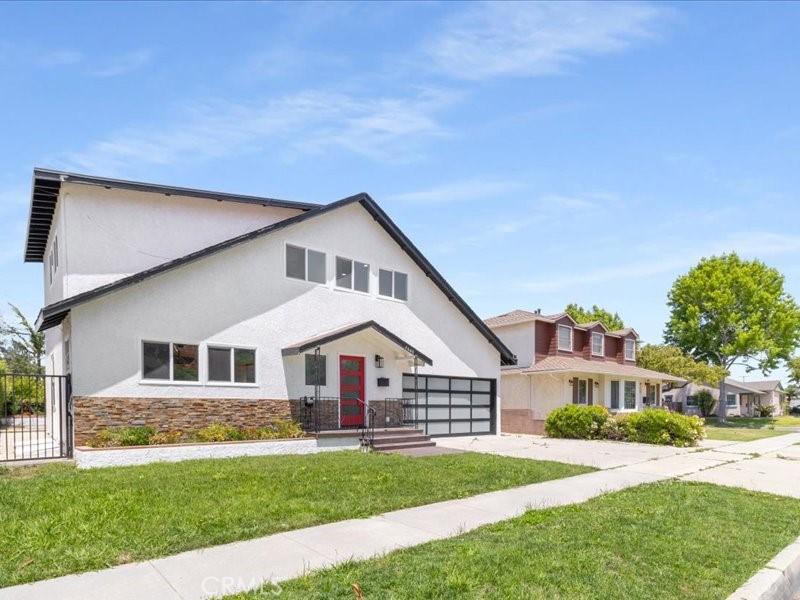
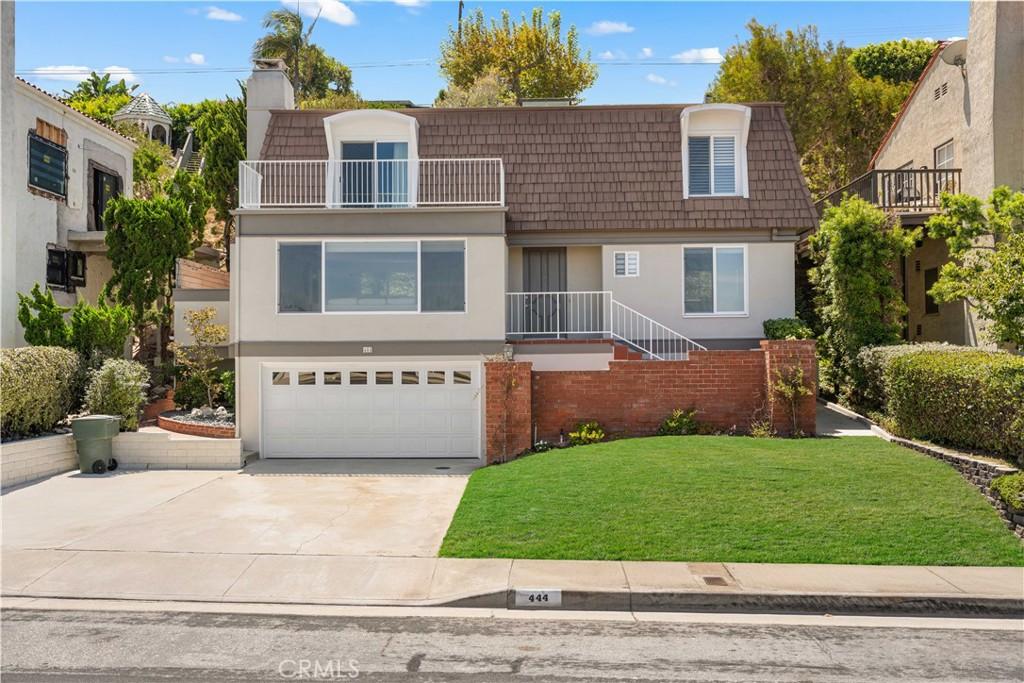
Torrance’s residential market provides the South Bay’s widest price range — from the beach-adjacent western Torrance sections at $1.3M-$3M+ to the inland eastern sections at $900K-$1.6M — reflecting the geographic diversity that a 20.5-square-mile city creates within the South Bay’s residential landscape. The Torrance USD’s consistently strong academic outcomes sustain family residential demand throughout the city’s diverse price range.

Area Details

How close is Torrance to beaches and aerospace jobs?

The South Bay’s beaches — Manhattan Beach, Hermosa Beach, Redondo Beach, Malaga Cove — provide the oceanfront access that defines the region’s lifestyle identity. The Strand, the paved walkway that runs along the beach from Torrance to Santa Monica, is the South Bay’s most beloved recreational infrastructure — a daily-use path for cyclists, runners, and walkers that connects the region’s beach communities and provides ocean views along its entire length. For residents who live within cycling distance of the Strand, the path’s access creates a daily exercise routine that is specific to the South Bay lifestyle and that distinguishes this residential region from the inland South Bay communities without direct beach access.

The South Bay’s school district landscape reflects the residential diversity. Manhattan Beach Unified School District is among LA County’s highest-rated, with Mira Costa High School consistently ranked in California’s top tier. Torrance Unified is a strong unified district (K-12) with good academic outcomes. Redondo Beach Unified is above-average for LA County. Hawthorne and Inglewood are served by their own school districts with more variable performance. Gardena, Lawndale, and Lennox are served by Los Angeles Unified or their own smaller districts. School district quality is a primary driver of residential value differences across the South Bay’s diverse communities.
The 405 Freeway runs through the South Bay’s eastern section, providing the primary north-south freeway connection to LAX, the Westside (via Sepulveda Pass), and Orange County (via the 405 south). Highway 1 (Pacific Coast Highway) runs along the coastline, connecting South Bay beach communities to Malibu to the north and to the Palos Verdes Peninsula to the south. The Green Line Metro (now the J Line) provides transit connectivity between Norwalk and Redondo Beach, with a connection to LAX via shuttle. South Bay residents generally commute by car to most destinations; transit is used primarily for LAX access and downtown LA commutes via the Metro connections.

Market Trends

How is the South Bay Real Estate real estate market?

The South Bay is Los Angeles County’s coastal residential region south of LAX — a collection of beach cities, aerospace employment hubs, and working-class suburbs that spans the full range of the LA residential market from Manhattan Beach’s trophy estates ($3 to $10 million and beyond) to Lennox’s entry-level townhomes ($550,000 to $750,000). The South Bay’s defining assets are its beach access, its aerospace and defense employment concentration (Northrop Grumman, Raytheon, Boeing, SpaceX, and dozens of smaller defense contractors operate major facilities here), and the relatively mild climate that proximity to the Pacific provides. LAX’s presence — both as an employment hub and as a noise and traffic generator — shapes the residential experience of South Bay communities near the airport’s approach paths.

Manhattan Beach is the South Bay’s benchmark luxury residential destination — a city of approximately 35,000 residents where the combination of premium beach access, the strand walkway, excellent Manhattan Beach Unified schools, and the specific lifestyle character of a small beach city that has resisted the commercial density of other coastal cities creates a residential premium that makes it one of the most expensive residential addresses in the broader LA metropolitan area. The Manhattan Beach Tree Section, the Hill Section, and Sand Section have distinct residential characters within the broader city geography, with beachfront strand properties achieving the market’s most dramatic price-per-square-foot values.

The aerospace and defense industry’s presence in Hawthorne, El Segundo, and Torrance creates a significant professional employment base that shapes South Bay residential demand — engineers, scientists, and technical professionals who work at SpaceX (headquartered in Hawthorne), Boeing, Northrop Grumman, and the dozens of aerospace suppliers in the region generate substantial residential purchasing power that lifts values across a wide range of South Bay communities. The proximity to LAX and the tech and aerospace corridors also makes the South Bay a preferred destination for Los Angeles’s growing tech professional demographic whose work is concentrated on the Westside but whose budgets favor South Bay pricing over Santa Monica and Brentwood.

South Bay Real Estate: Beach Cities, Employment, and the LA Basin’s Pacific Lifestyle Hub

The South Bay — the collection of beach cities and inland communities south of Los Angeles International Airport along the Pacific coastline and the inland mesa terrain behind the beach bluffs — is the Los Angeles metropolitan area’s most consistently sought-after beach residential landscape: the combination of the Pacific Ocean access, the milder marine microclimate (the marine layer that moderates summer heat), and the excellent public school districts (Manhattan Beach USD, Hermosa Beach USD, Redondo Beach USD, Torrance USD) that the beach cities provide create the multi-factor premium that sustains the South Bay’s position as the most expensive residential territory in Los Angeles County outside the Westside luxury enclaves. Manhattan Beach’s consistent appearance on national “best beach towns” rankings, the South Bay’s beach volleyball culture, the cycling and running community that the Strand (the pedestrian and bicycle path along the beach) sustains, and the aerospace and tech employment cluster in El Segundo and Hawthorne create the lifestyle and employment convergence that drives the South Bay’s sustained residential demand.

The South Bay’s residential market reflects the beach city premium and the school district quality that the most desirable communities command — Manhattan Beach’s single-family homes at $2M-$5M+ for the typical residential product, Hermosa Beach at $1.8M-$4M, and Redondo Beach at $1.2M-$3M provide the coastal premium tier, while the inland South Bay communities (Torrance, Gardena, Hawthorne, Inglewood, Lawndale, Lomita) provide the South Bay employment access and the coastal climate proximity at the more accessible $700K-$1.5M price range. The proximity to LAX and the aerospace-tech employment cluster (SpaceX, Boeing, Northrop Grumman, Raytheon in El Segundo and Hawthorne) creates the specialized professional workforce residential demand that the South Bay’s complete residential geography serves across a wide price range.

FAQs

What is the price range in Torrance?

Torrance’s 2026 median home price of approximately $1 to $1.5 million reflects the Torrance Unified school district premium, the corporate employment base that Honda and Toyota sustain, and the city’s position as the South Bay’s largest and most commercially complete residential option below Manhattan Beach’s price tier. Current specific pricing data for Torrance properties is available from The Knight Group. The South Bay’s wide price range — from Manhattan Beach’s multi-million dollar estates to more affordable communities like Lennox and Gardena — means that any single community’s price estimate requires the specific context of that community’s market positioning within the broader region.
How close is Torrance to the beach?

South Bay communities vary significantly in beach proximity. Manhattan Beach, Hermosa Beach, and Redondo Beach have direct beach access from residential streets. Torrance, Hawthorne, and inland communities access the beach within 5 to 15 minutes by car or longer by bicycle. Gardena, Inglewood, and the more inland communities have the longest beach drives within the South Bay geography. The beach proximity from Torrance specifically depends on its position within the South Bay’s coastal-to-inland gradient; buyers who specifically prioritize beach walkability should verify proximity to their preferred beach access point before committing to any specific address.

What school district serves Torrance?

South Bay school districts vary significantly in quality and size. Manhattan Beach Unified is the most prestigious; Torrance Unified and Redondo Beach Unified are strong performers; other districts are more variable. The specific district serving Torrance depends on the community and address. Buyers with school-age children should verify the district assignment and review campus-specific performance data rather than relying on district-level generalizations, as performance within any district can vary significantly across campuses.

What Japanese corporations are based in Torrance and why did they choose the South Bay?

Torrance became the preferred US headquarters location for Japanese automotive and technology companies beginning in the 1970s-1980s, when Honda Motor Co. established Honda of America Manufacturing and American Honda Motor Co. in Torrance, and Toyota Motor Sales USA established its North American headquarters in Torrance (later relocated to Plano, Texas in 2017, though Toyota maintains a significant Torrance presence). The South Bay’s selection by Japanese corporations reflects several factors: the proximity to the Port of Los Angeles and Long Beach (where imported Japanese vehicles and parts arrived), the established Japanese-American community infrastructure in the surrounding South Bay communities (Gardena, Torrance, and the surrounding area had significant Japanese-American populations who provided the cultural familiarity for Japanese corporate executives relocating to the US), and the Los Angeles area’s general desirability for Japanese executives’ quality of life. The Japanese corporate presence created the cultural and commercial infrastructure (the Japanese supermarkets, the Japanese restaurants, the Japanese-language schools) that sustains Torrance’s Japanese-American commercial character today, and created the South Bay’s distinctive combination of aerospace-tech employment and Japanese automotive industry employment that distinguishes the area from other Los Angeles suburban regions.

Hey, You ALMOST MISSED IT!

Lucky for you we’re looking out.

Subscribe to this Custom Search to be alerted when new properties hit the market in the area.

Choose the frequency that works for you.

get alerts

[showcaseidx_contact]