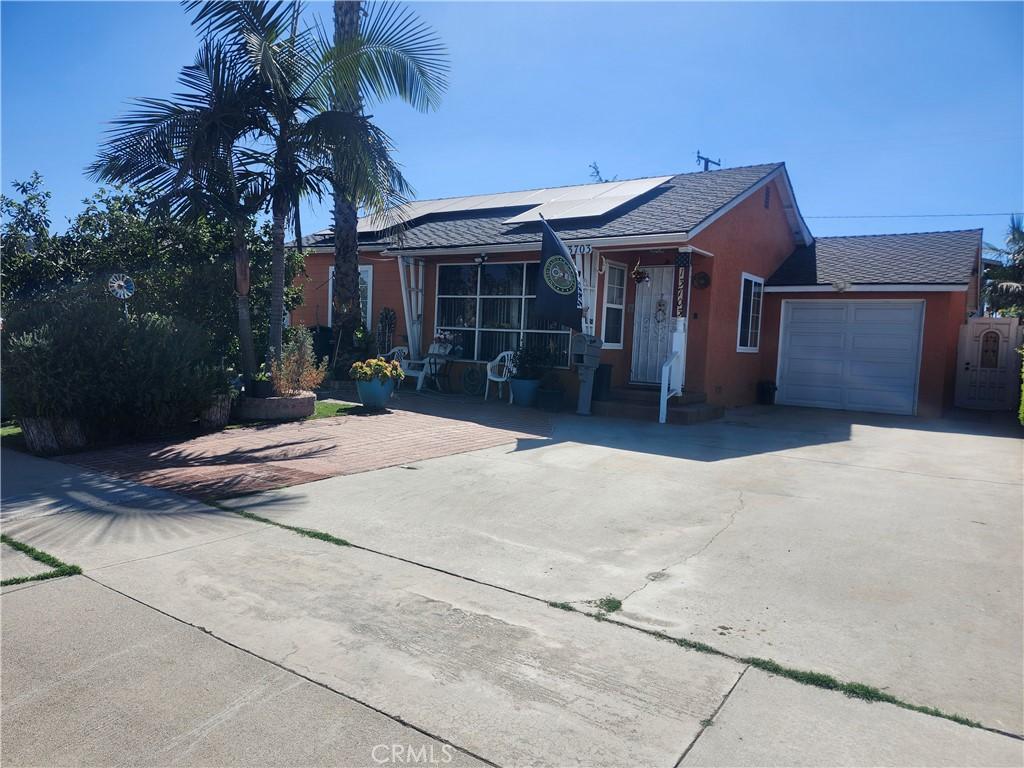
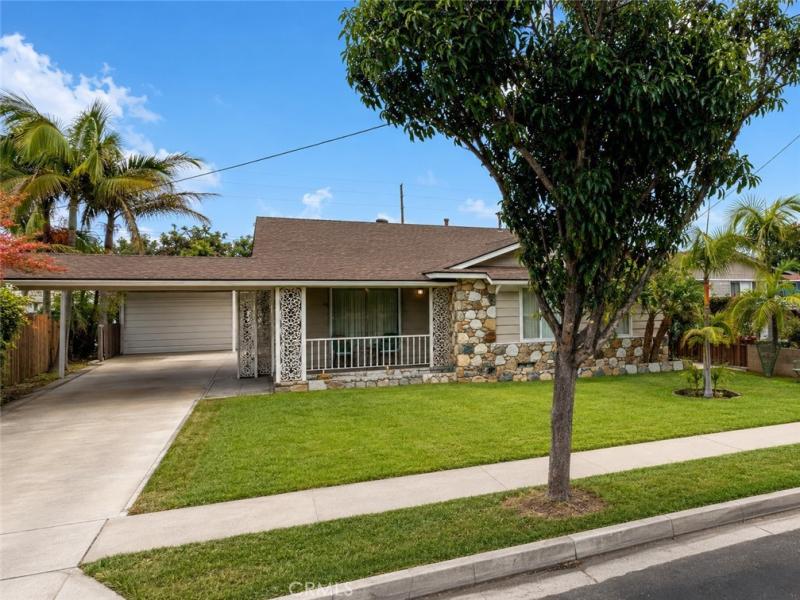
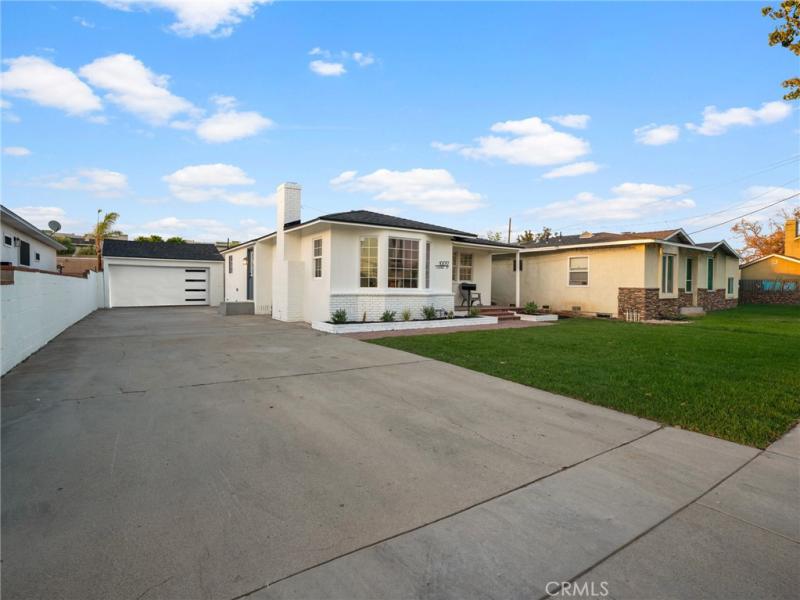
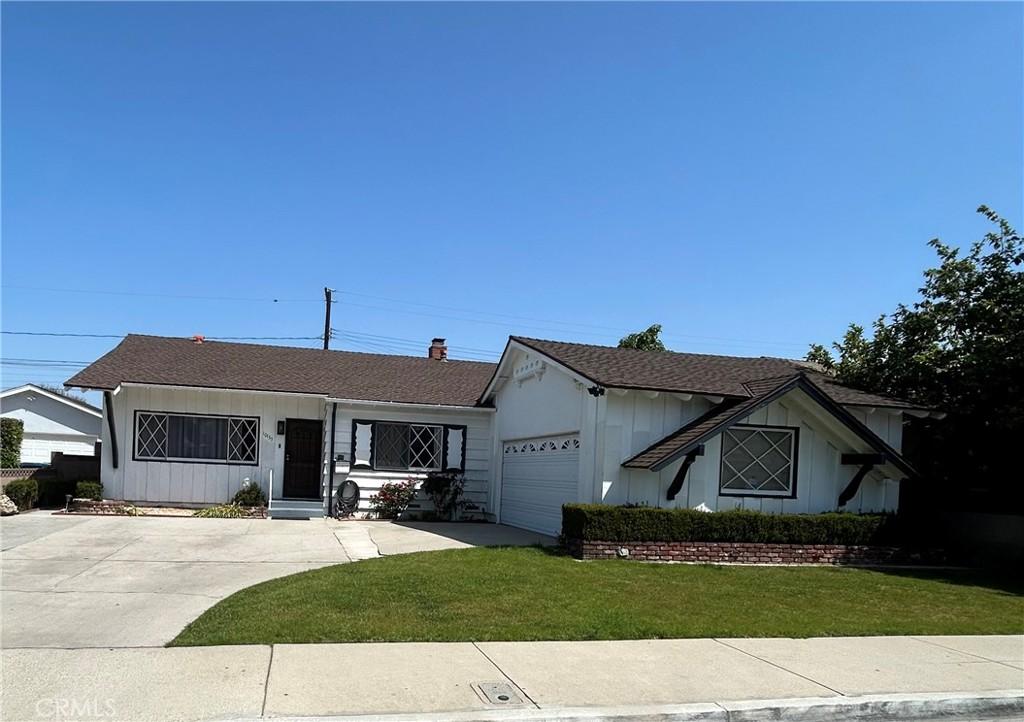
What is the Bellflower market like right now?
Bellflower is tracked as a distinct sub-market of The Halo Cities, and its figures diverge from the parent average. The measurements below come from CRMLS listing data as of September 2026.
- Active listings: 62 in Bellflower, priced at a median of $757,400 as of September 2026.
- Median asking price per square foot in Bellflower: $483.
- Median list price across 83 tracked Bellflower properties: $868,000.
- Median lot size in Bellflower: 6,059 sq ft.
- Median living area in Bellflower: 1,503 sq ft.
- Median days on market in Bellflower: 17.
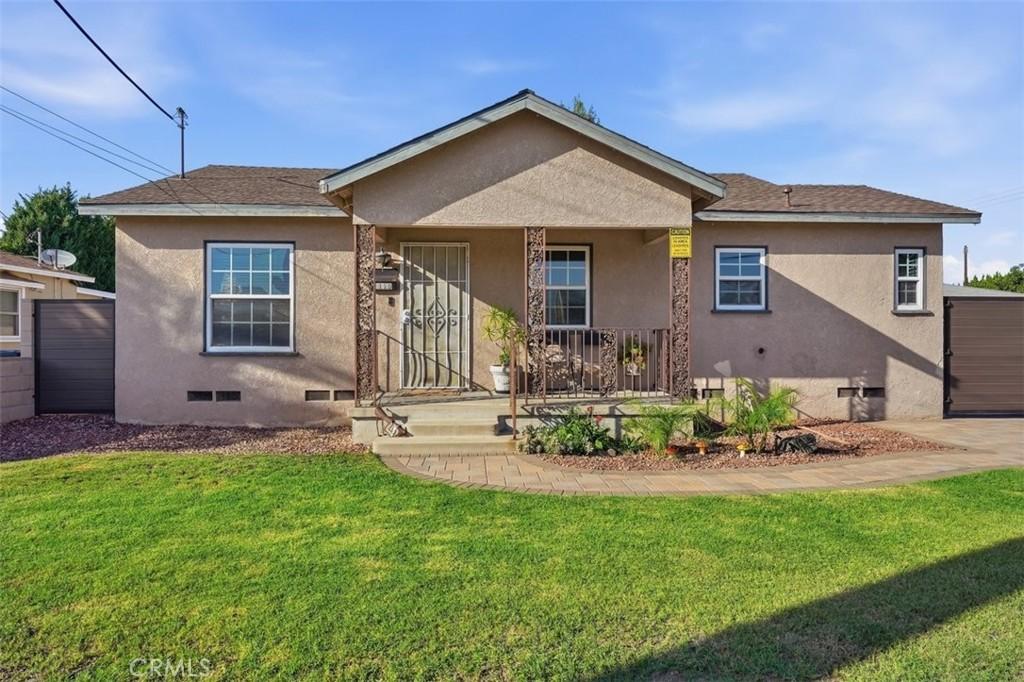
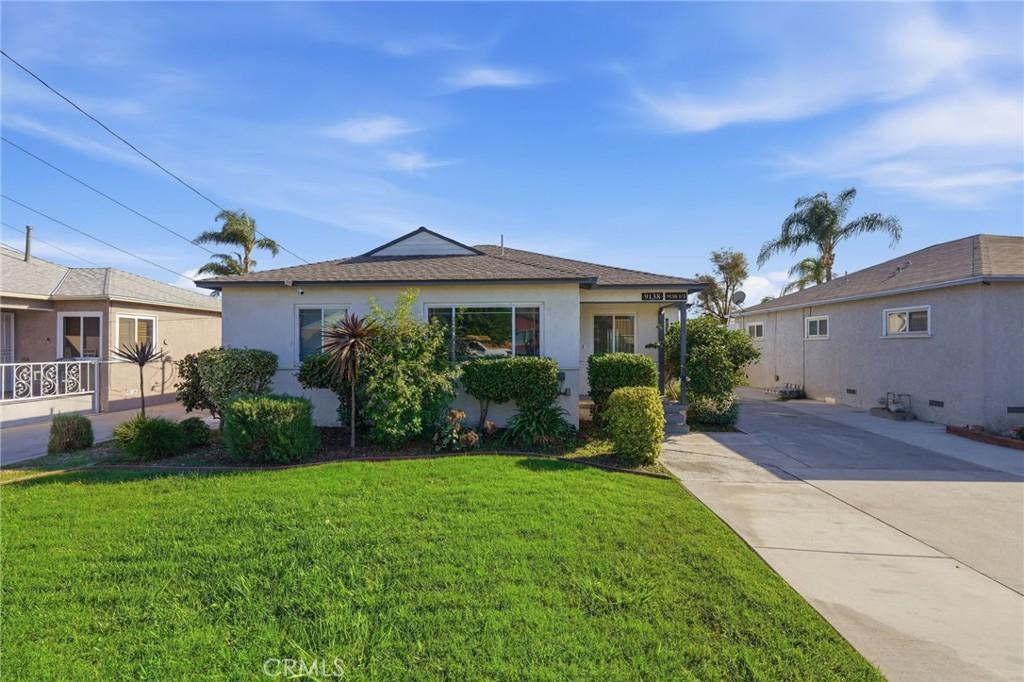
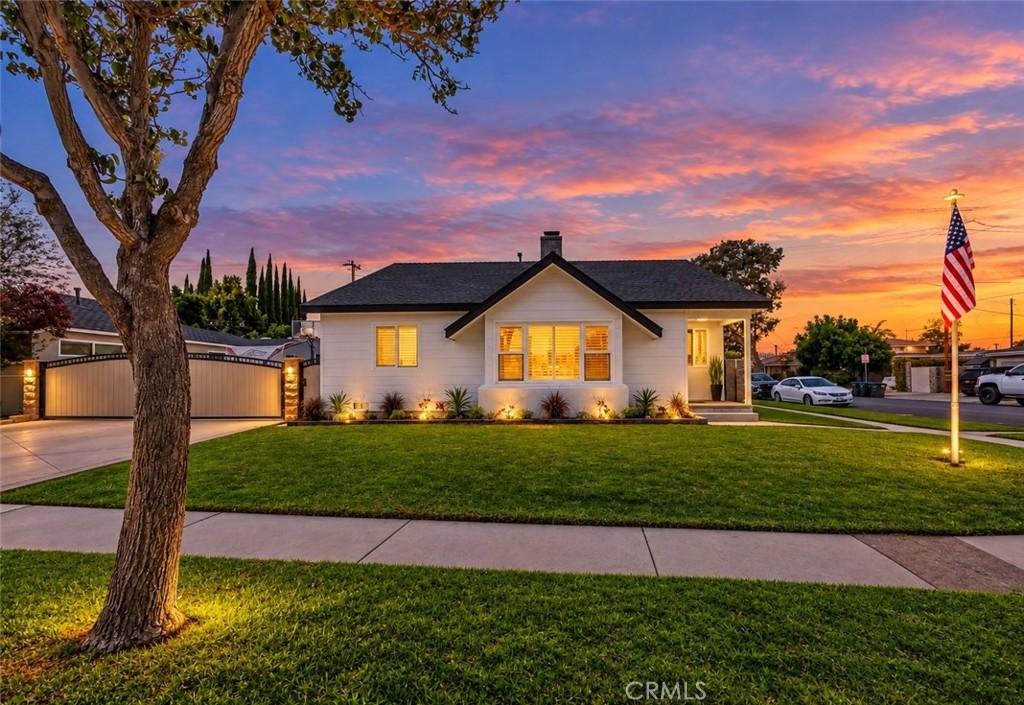
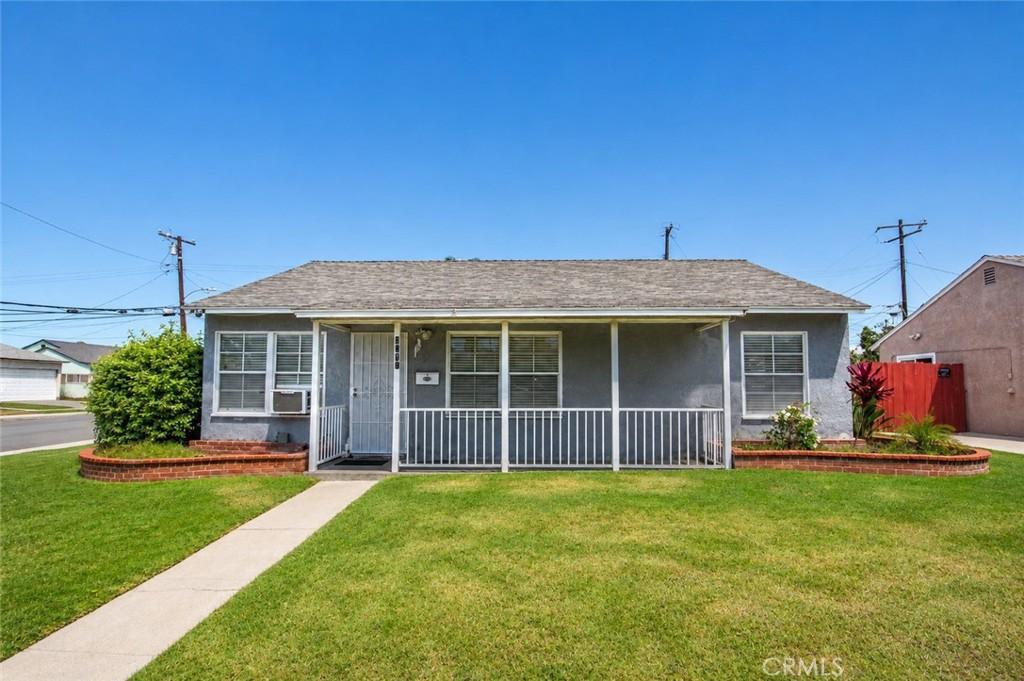
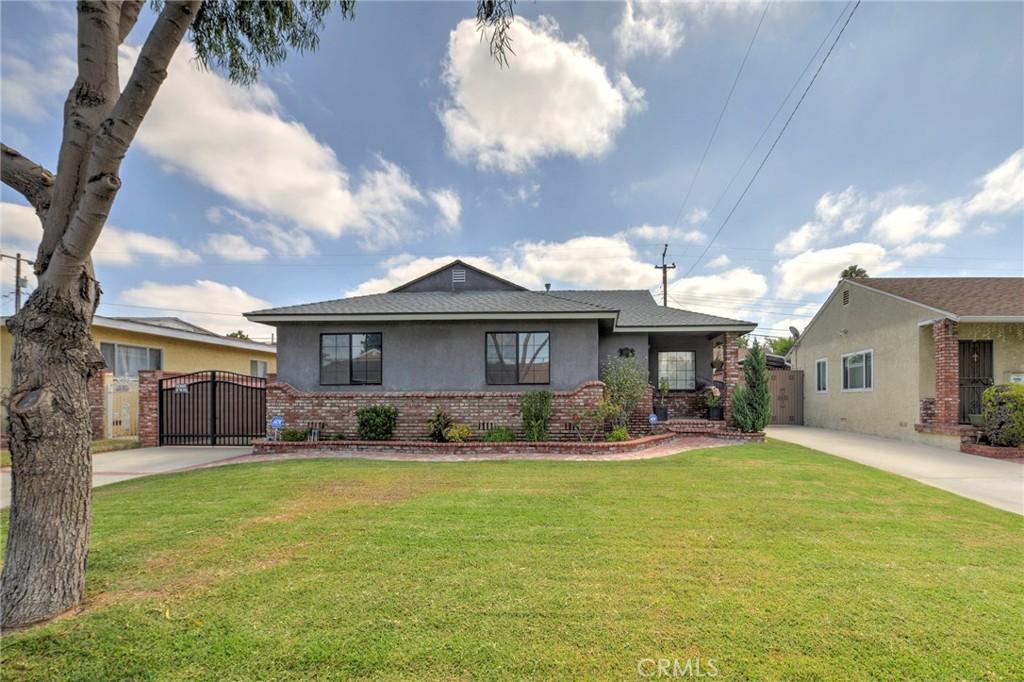
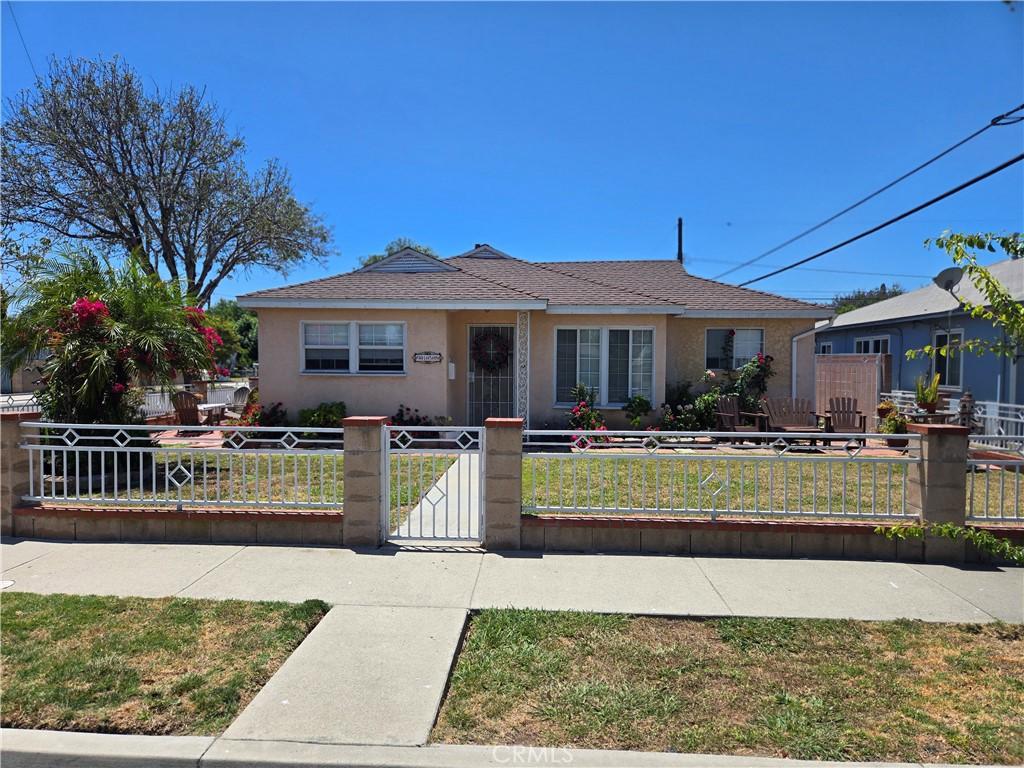
- Housing stock in Bellflower was built between 1910 and 2024, with a median year of 1953.
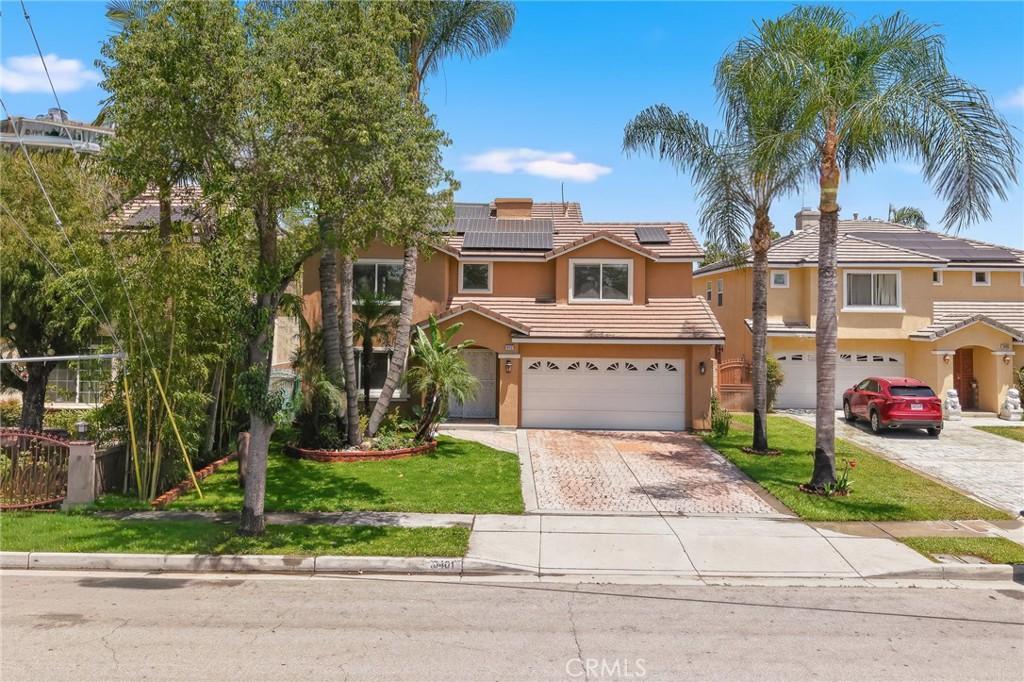
- Typical Bellflower home height: 1 story.
How much do homes in Bellflower actually sell for?
Bellflower is one of the strongest sellers’ markets in The Halo Cities. Across 42 recorded sales, homes traded at a median of 100.4% of their original asking price after a median 14 days on market (CRMLS, September 2026). Asking prices are what sellers hope for; these are the numbers they accepted.
- Homes in Bellflower sold for a median of 100.4% of their original asking price across 42 recorded sales.
- Median time on market in Bellflower: 14 days.
- 14% of Bellflower sellers reduced their price before selling.
- 52% of sales in Bellflower closed above the original asking price.
- Median recorded sale price in Bellflower: $830,000.
- Median recorded price per square foot in Bellflower: $629.
- A buyer in Bellflower should expect competition and little room to negotiate downward.
Where price resistance shows up in The Halo Cities
Negotiating room is not evenly distributed across price. Measured across recorded sales in this dataset, the gap between asking and accepted widens sharply at the top of the market.
- Under $1M: sold at a median 98.7% of original ask after 20 days, with 33% of sellers reducing (1316 sales).
- $1M-$2M: sold at a median 99.3% of original ask after 19 days, with 28% of sellers reducing (1571 sales).
- $2M-$5M: sold at a median 98.9% of original ask after 22 days, with 20% of sellers reducing (752 sales).
- $5M and above: sold at a median 91.3% of original ask after 54 days, with 24% of sellers reducing (174 sales).
How is the Halo Cities Real Estate real estate market?
The Halo Cities are the ring of incorporated municipalities immediately surrounding the city of Los Angeles to the south and southeast — communities including Downey, Whittier, Cerritos, Norwalk, Compton, South Gate, Huntington Park, Bell, Maywood, Lynwood, Paramount, Bellflower, La Mirada, Artesia, Pico Rivera, Santa Fe Springs, Commerce, Bell Gardens, Cudahy, La Habra Heights, and unincorporated East Los Angeles that form the residential and industrial fabric of the Los Angeles basin’s southeastern quadrant. The 2026 median home price across the Halo Cities ranges from approximately $550,000 to $800,000, making the region one of the most accessible entry-level homeownership zones in Los Angeles County for buyers who need city-of-LA proximity without city-of-LA pricing.
Cerritos and Whittier represent the Halo Cities’ premium residential tier — Cerritos for its ABC Unified School District quality and the planned-community residential character that its 1960s development produced; Whittier for its historic downtown, hillside residential neighborhoods, and the Whittier College presence that sustains a college-town cultural character distinct from the purely residential Halo Cities communities. Downey occupies the mid-tier, with the Columbia Memorial Space Center (where Saturn V rockets were built), established residential neighborhoods, and Downey Unified’s above-average academic performance making it the Halo Cities’ most complete mid-market residential option. The industrial tier of Commerce and Santa Fe Springs has virtually no residential component, existing primarily as tax-base-generating commercial and industrial zones that fund municipal services their small populations would not otherwise support.
The Halo Cities’ freeway network — the 5, 105, 605, and 710 Freeways — provides the regional connectivity that links these communities to downtown Los Angeles, the South Bay (via the 105 and 710), Long Beach (via the 605 and 710), and Orange County (via the 5 and 91). The Metro’s A Line (Gold Line) and C Line (Green Line/Expo) provide transit access to the Metro network for some Halo Cities. The working-class residential character of the Halo Cities has historically provided homeownership access for Los Angeles County’s Latino, Asian-American, and African-American working families whose incomes could not sustain the city-of-LA pricing that comparable residential access would require closer to the urban core.
Southeast LA and Gateway Cities Real Estate: Industrial Heritage, Affordability, and the Freeway-Adjacent Corridor
The Southeast Los Angeles and Gateway Cities corridor — the municipalities and unincorporated communities that extend south and east of Downtown along the I-5, I-710, and I-605 freeway corridors — represents the most affordable owner-occupied residential market in the Los Angeles Basin for buyers who require LA County access. The communities of Bell, Bell Gardens, Bellflower, Compton, Cudahy, Downey, Huntington Park, Lynwood, Maywood, Norwalk, Paramount, Pico Rivera, South Gate, and the surrounding municipalities form the dense, predominantly Latino residential and light-industrial corridor that has sustained the working-class families who staff the logistics, manufacturing, healthcare, and service sector employment that the LA Basin’s industrial and commercial economy requires. The corridor’s residential character — the single-family homes, duplexes, and small apartment buildings on the grid-pattern streets that the original 1920s-1940s working-class suburb development created — provides the most accessible path to homeownership in Los Angeles County for first-generation buyers in the $500K-$800K range that the Westside and Valley have long since left behind.
The Gateway Cities’ economic engine is the intermodal freight infrastructure that the Ports of Los Angeles and Long Beach create — the container terminal complex that processes 40% of US imports by volume, the rail yards (BNSF and Union Pacific’s Intermodal Container Transfer Facility complex), the warehousing and distribution centers that occupy the industrial zones along the I-710 freeway corridor, and the truck transportation network that distributes cargo inland. This industrial employment base — the port workers, the logistics and warehouse employees, the truck drivers, and the manufacturing workforce — sustains the working-class residential demand that the Gateway Cities corridor’s housing market reflects. The corridor’s air quality challenge (the diesel particulate pollution from port operations, rail yards, and freight trucks that disproportionately burdens the communities adjacent to the 710 freeway) represents the environmental justice issue that the working-class residential communities have organized around and that infrastructure investment is beginning to address through electrification of port equipment and truck fleets.
What is the market for Bellflower Homes like?
- Bellflower Homes belong to the Halo Cities, the ring of incorporated municipalities immediately surrounding Los Angeles to the south and southeast.
- Halo Cities communities include Downey, Whittier, Cerritos, Norwalk, Compton, South Gate, Paramount, La Mirada, Artesia, Pico Rivera, and unincorporated East Los Angeles.
- Median home prices across the Halo Cities make the region one of the most accessible entry-level homeownership zones in Los Angeles County.
- Buyers who need city-of-LA proximity without city-of-LA pricing concentrate their search in this southeastern quadrant of the basin.
- Cerritos and Whittier represent the premium residential tier, Cerritos for ABC Unified quality and planned-community character, Whittier for its historic downtown and hillside neighborhoods.
- Downey occupies the mid-tier with the Columbia Memorial Space Center, established residential neighborhoods, and above-average academic performance from Downey Unified.
- Commerce and Santa Fe Springs form an industrial tier with virtually no residential component, existing as tax-base-generating commercial zones.
- Freeway networks link Halo Cities communities to downtown Los Angeles, the South Bay, Long Beach, and Orange County across multiple corridors.
- Metro A Line and C Line service provides transit access to the wider Metro network for some Halo Cities communities.
- Working-class character has historically provided homeownership access for Latino, Asian-American, and African-American working families priced out of comparable city-of-LA locations.
- Bellflower Homes sit in the Southeast LA and Gateway Cities corridor, the most affordable owner-occupied residential market in the Los Angeles Basin.
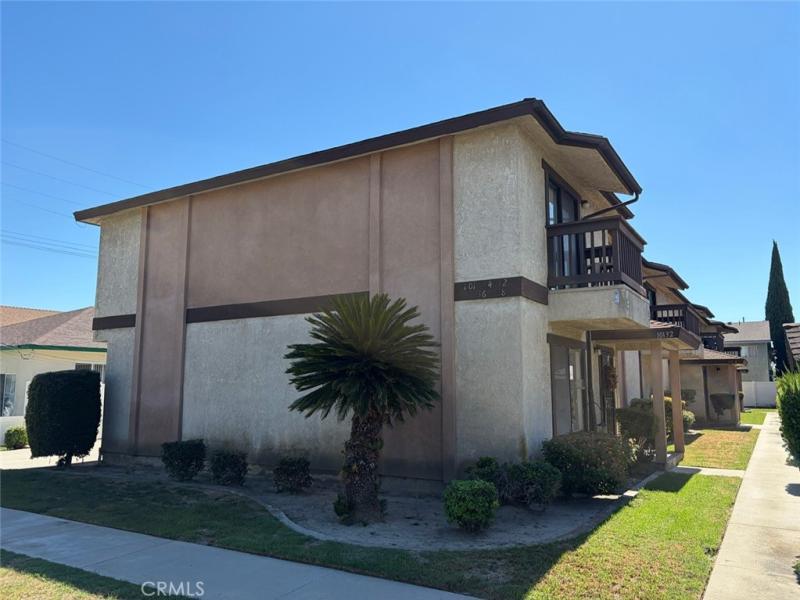
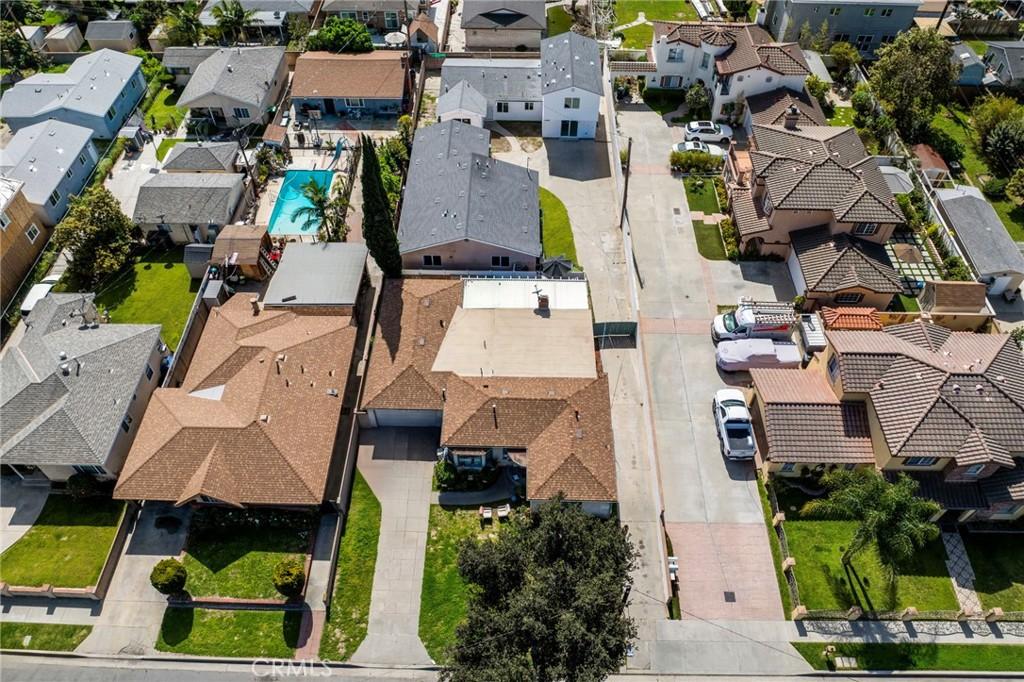
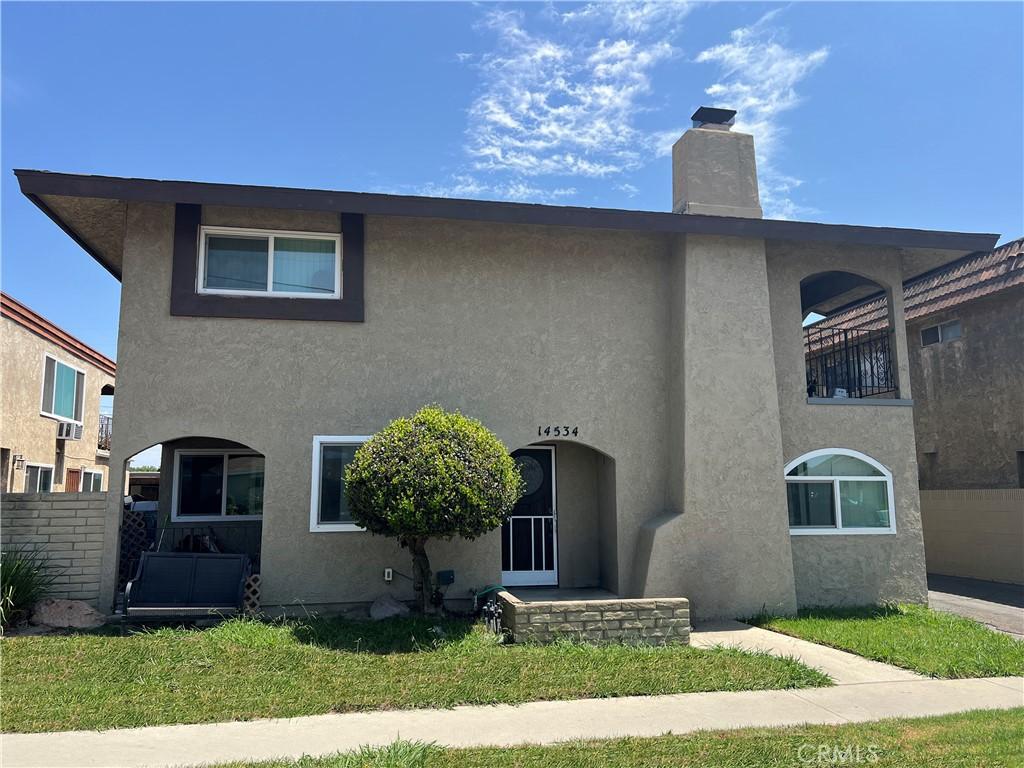
- Single-family homes, duplexes, and small apartment buildings on grid-pattern streets reflect the original working-class suburb development that shaped the corridor.
- Gateway Cities economic strength comes from intermodal freight infrastructure created by the Ports of Los Angeles and Long Beach, including major rail yards.