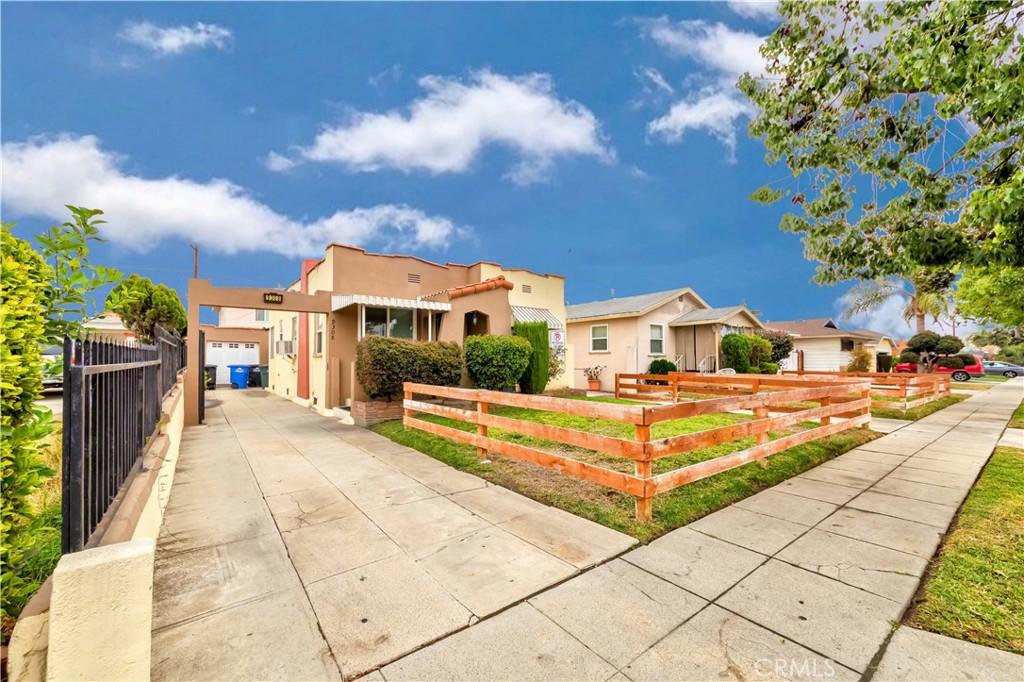
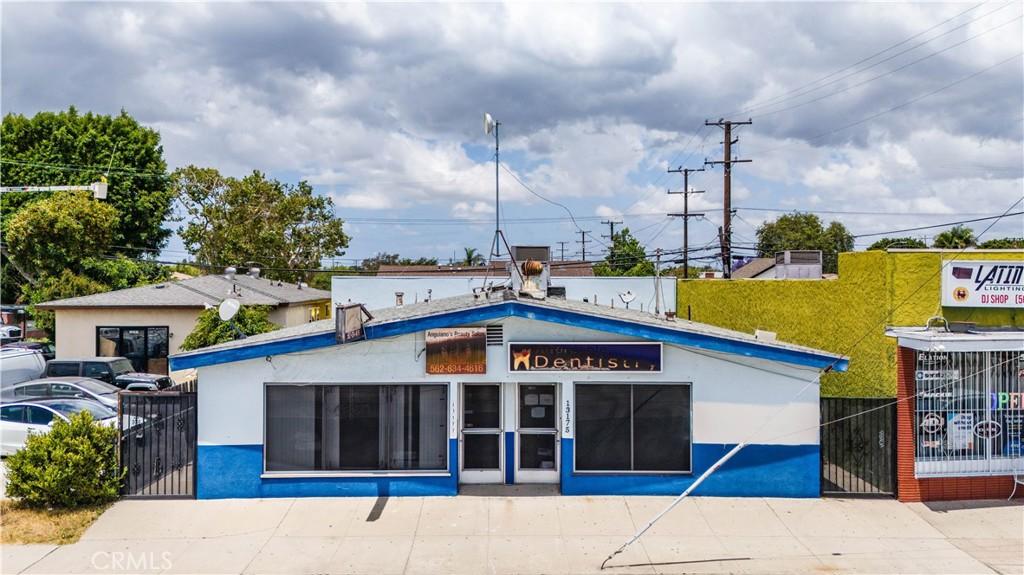
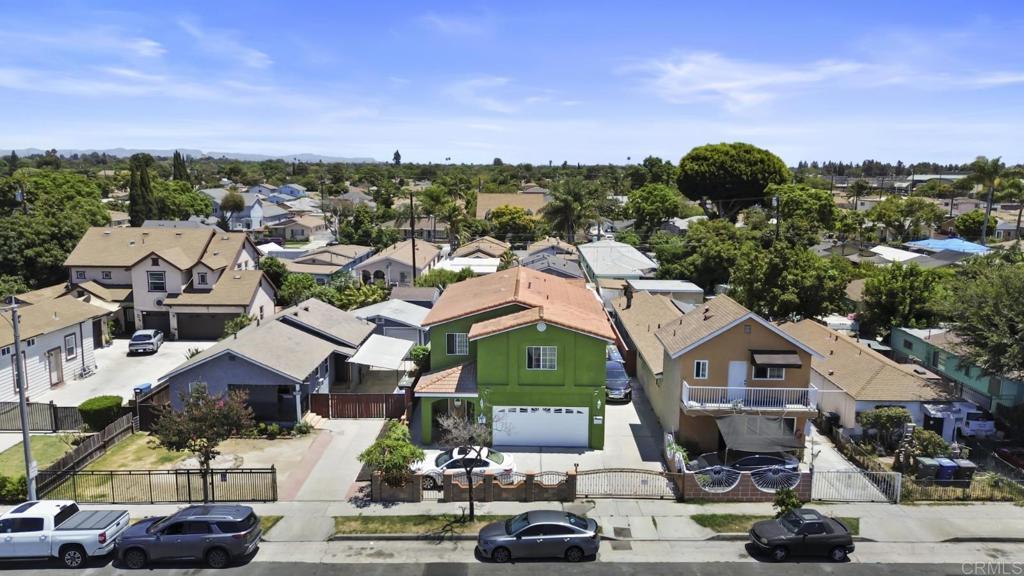
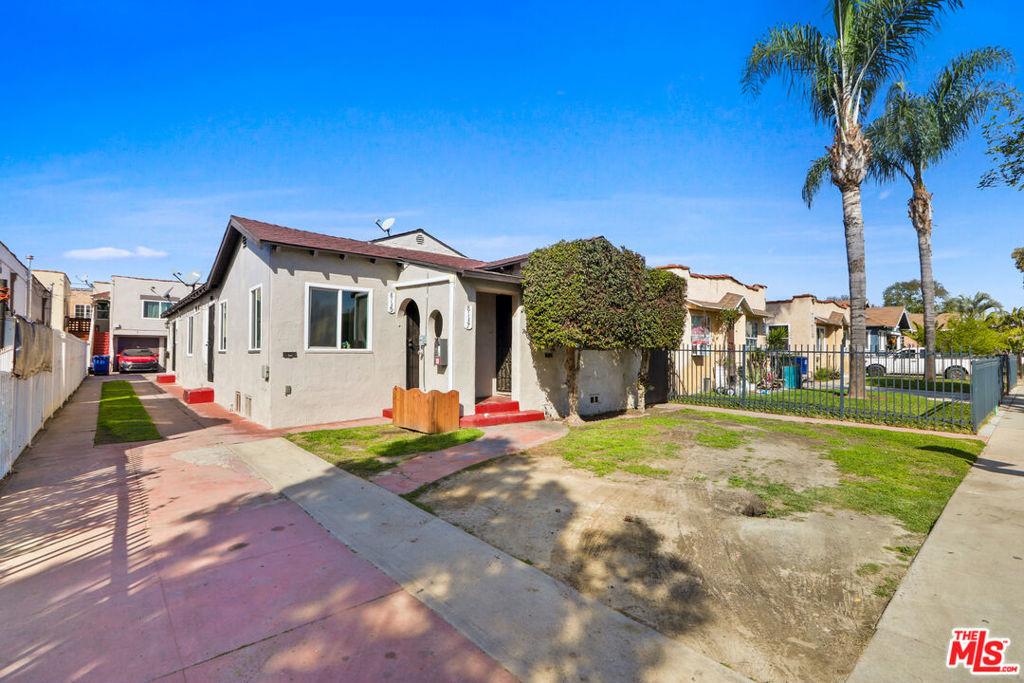
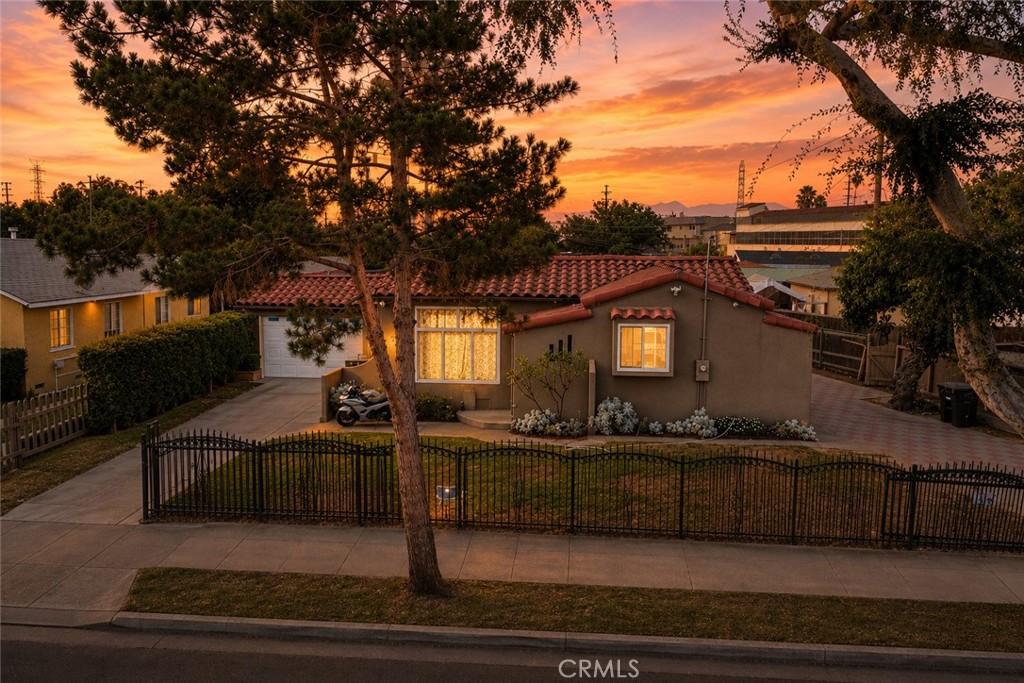
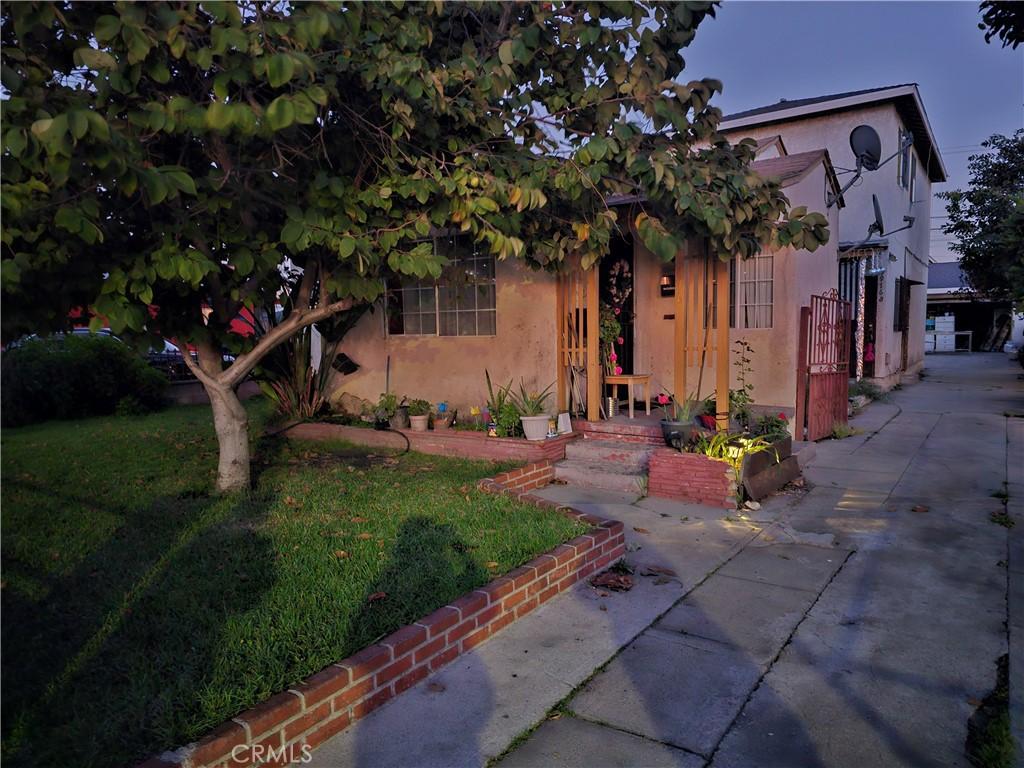
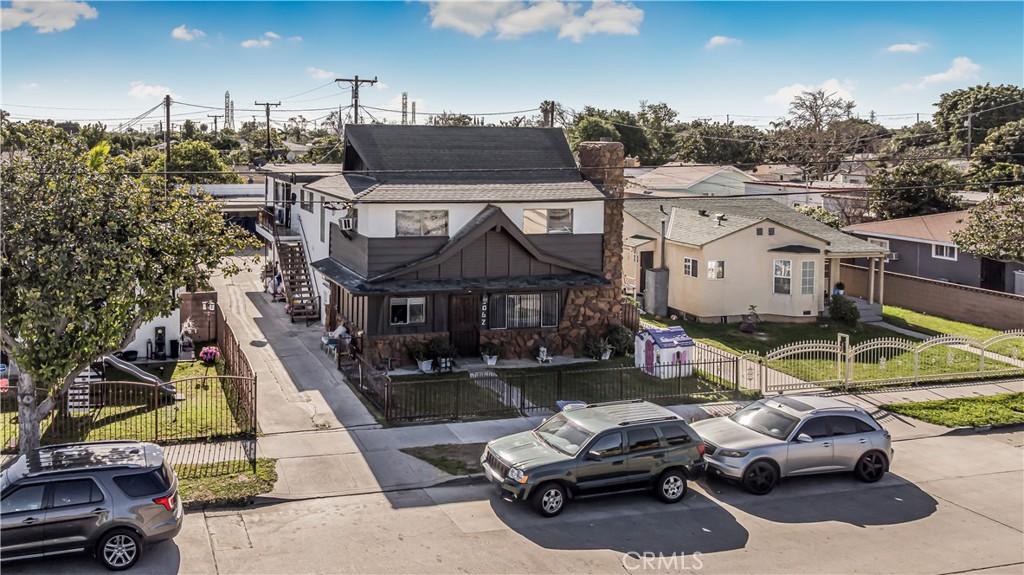
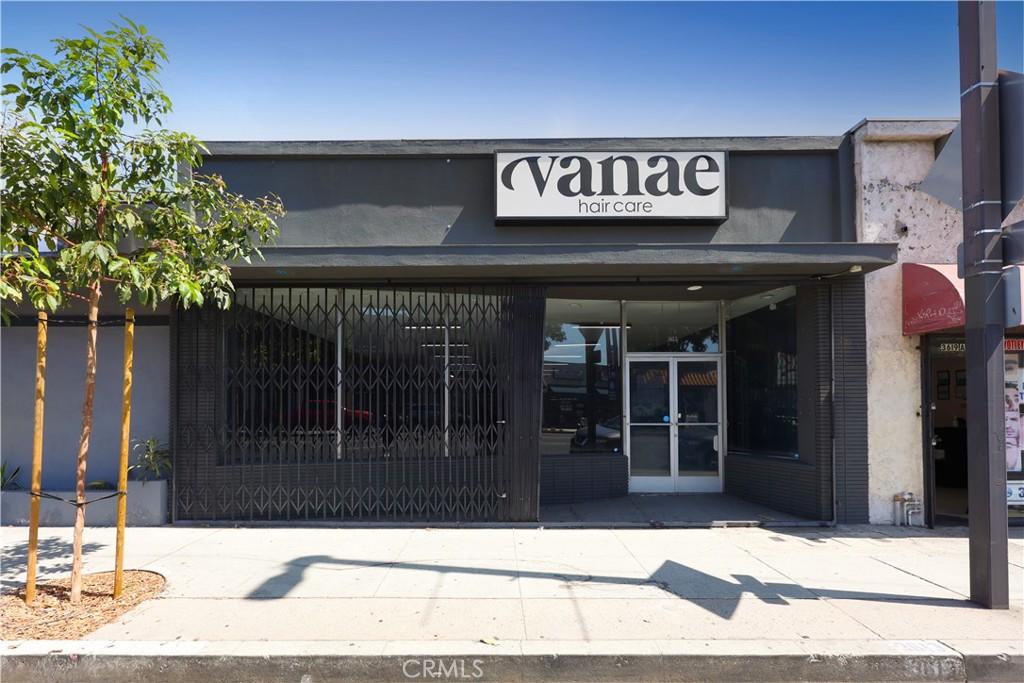
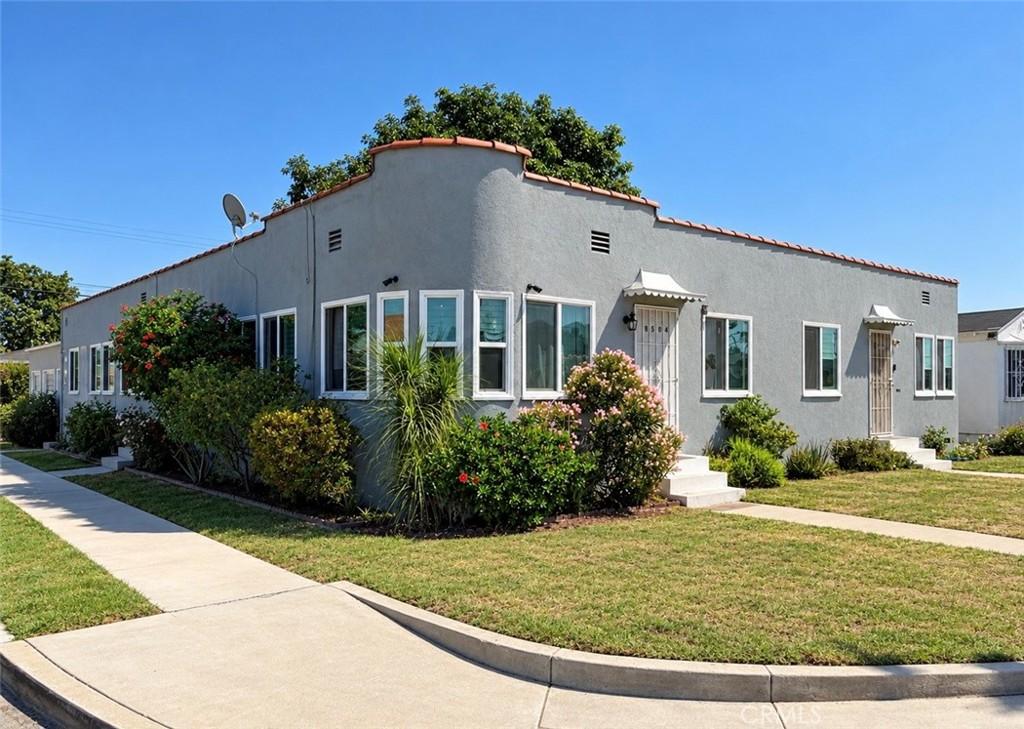
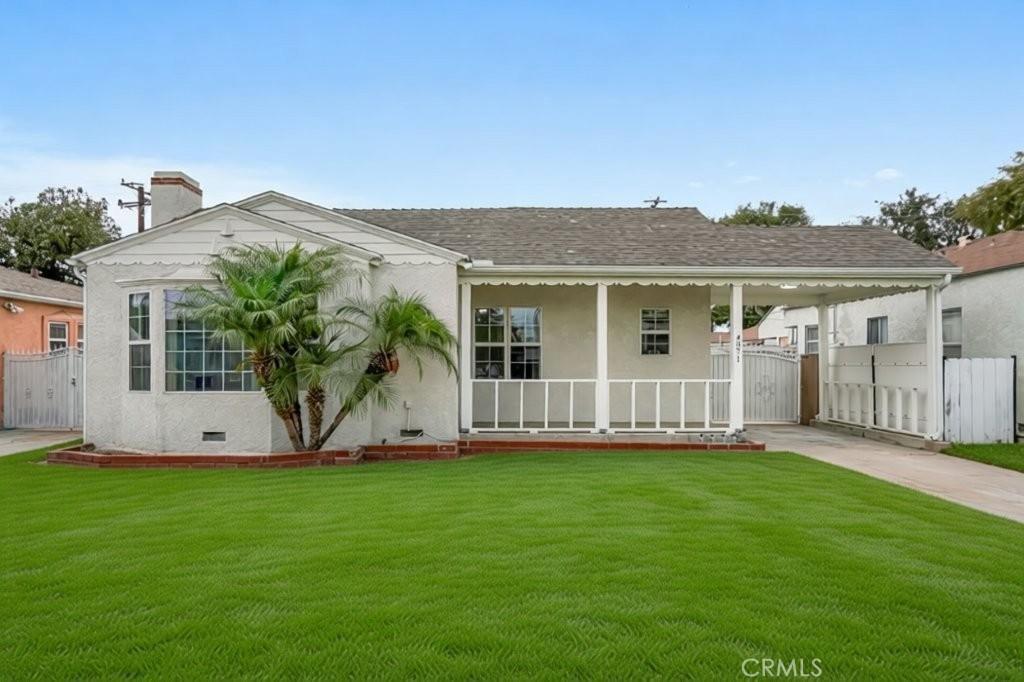
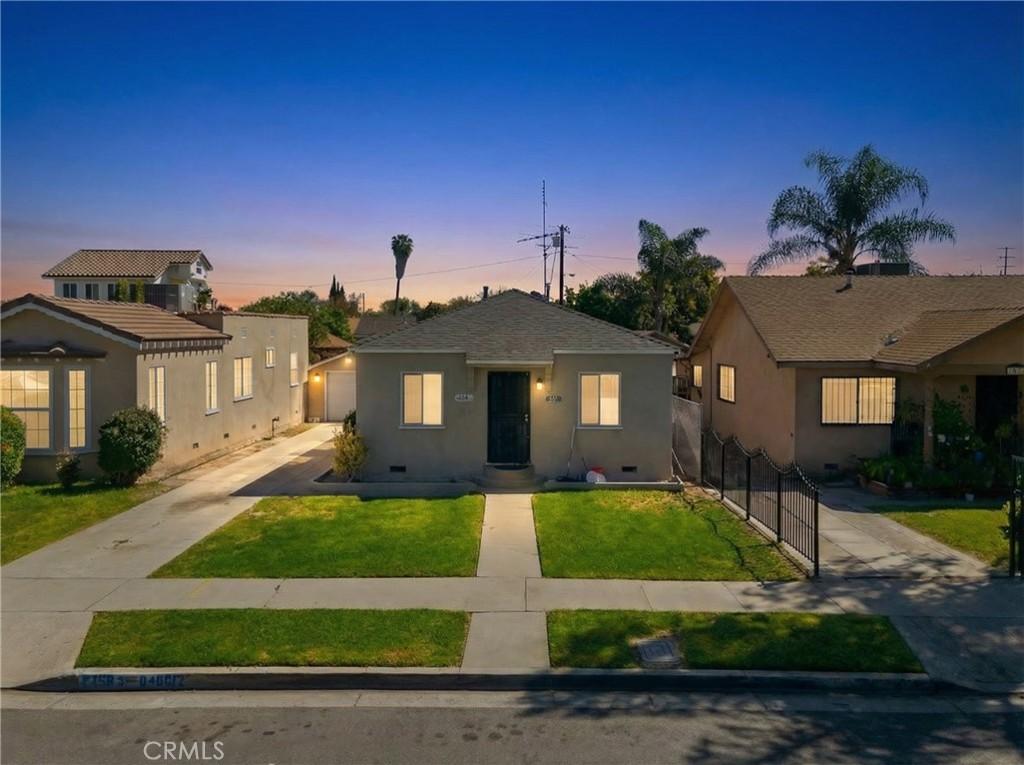
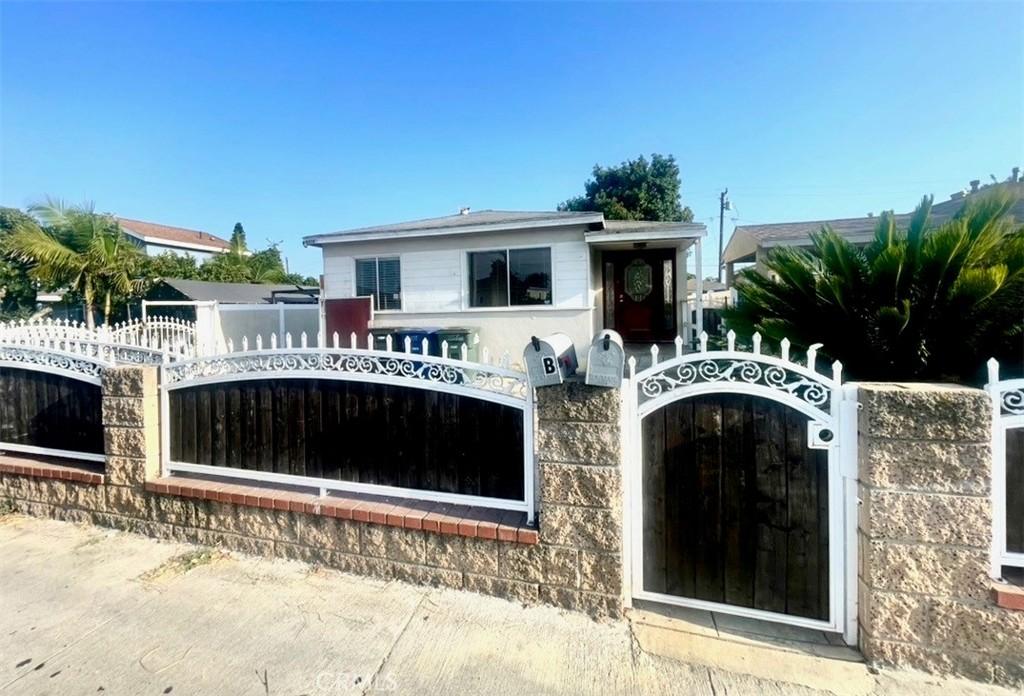
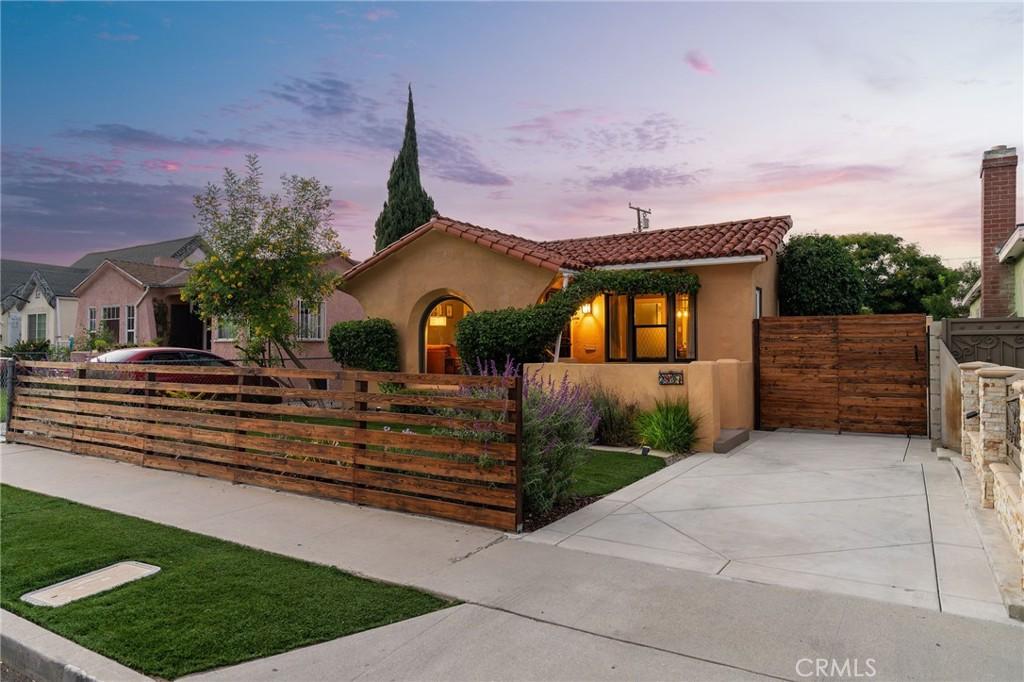
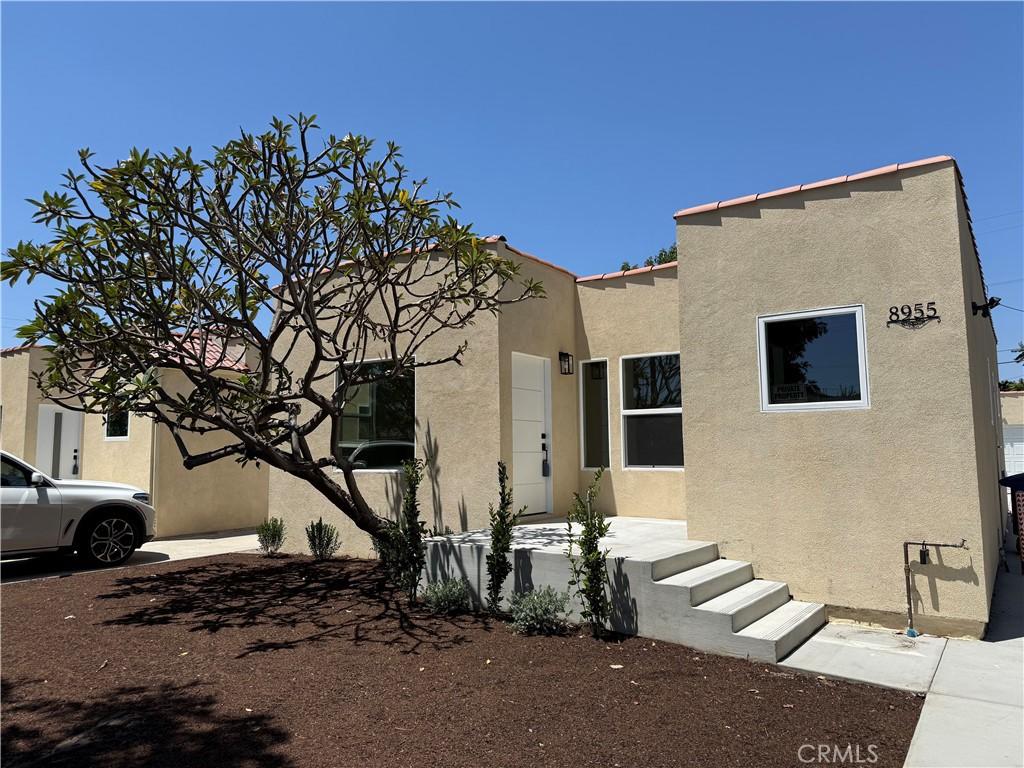
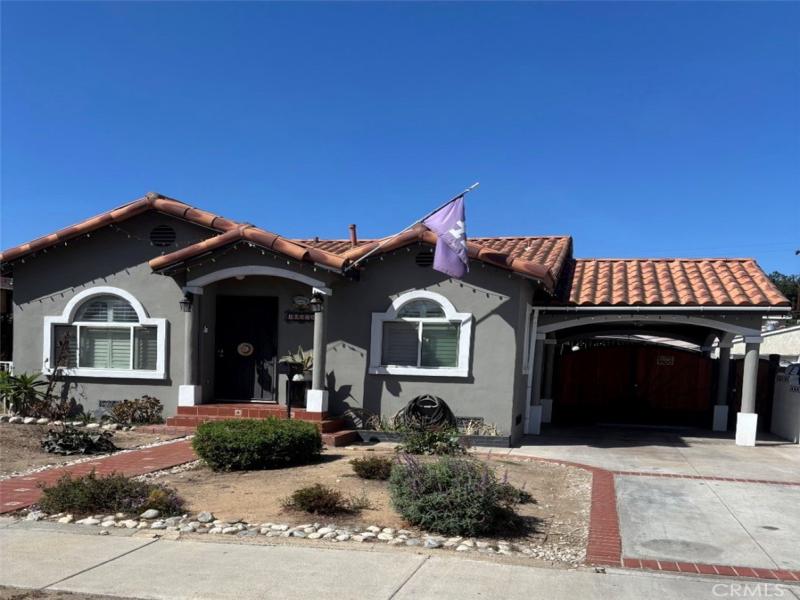
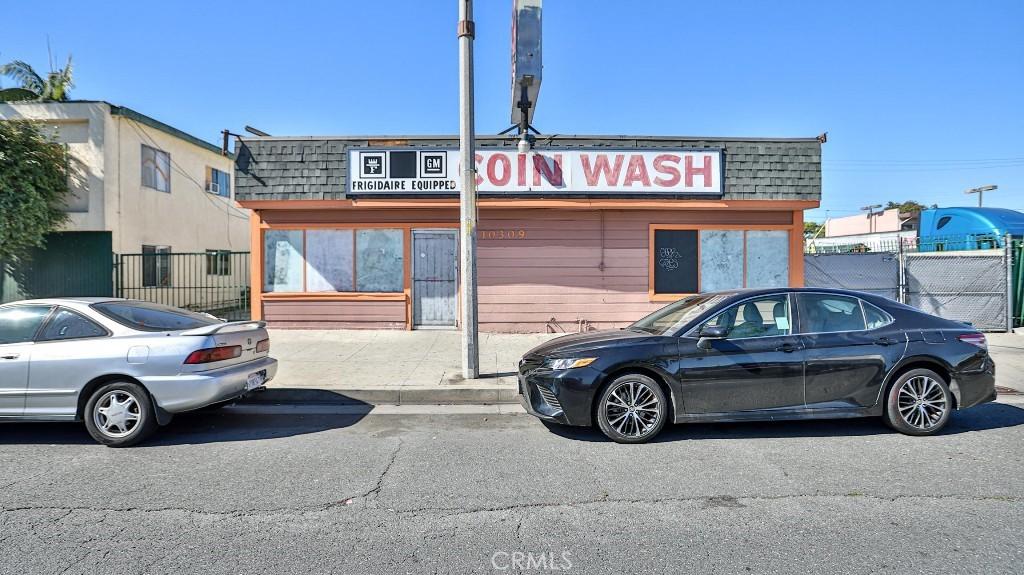
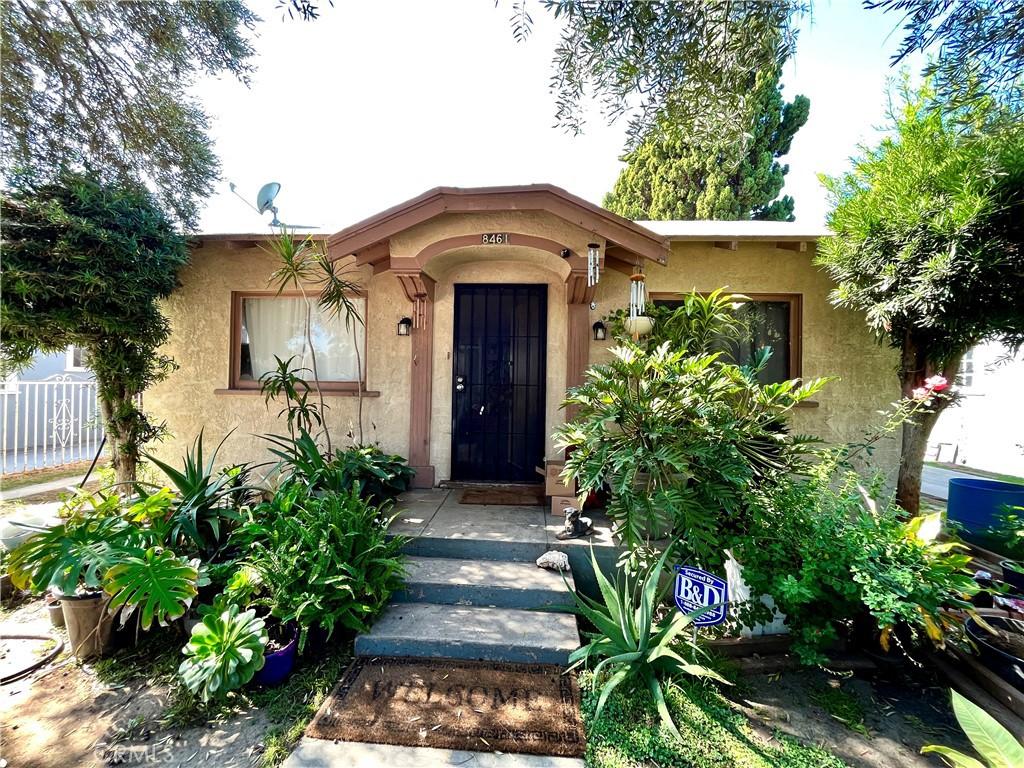
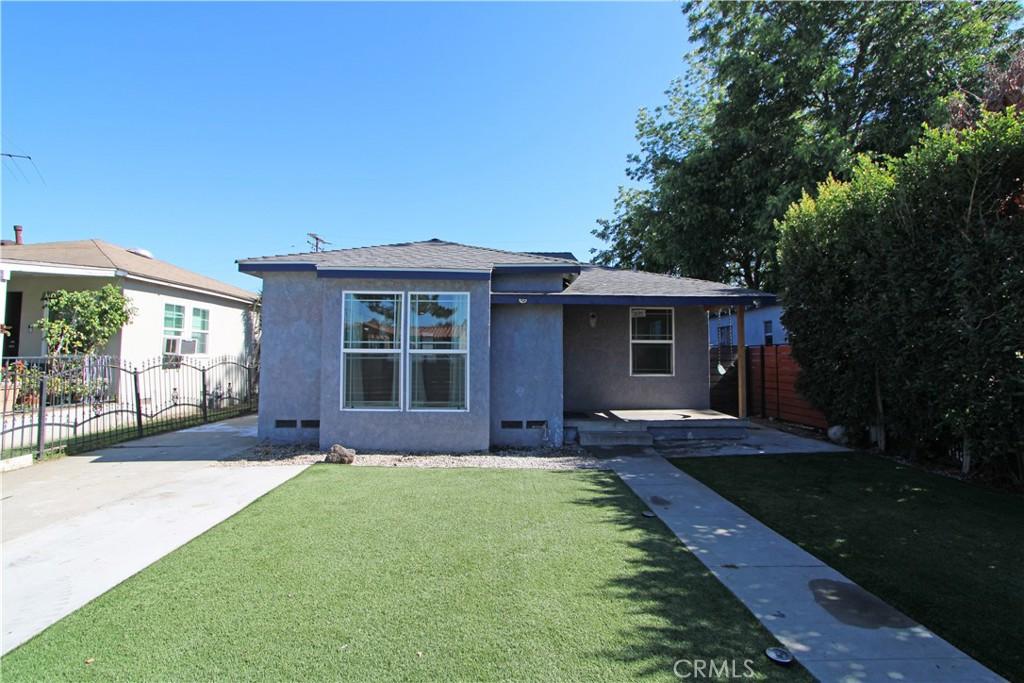
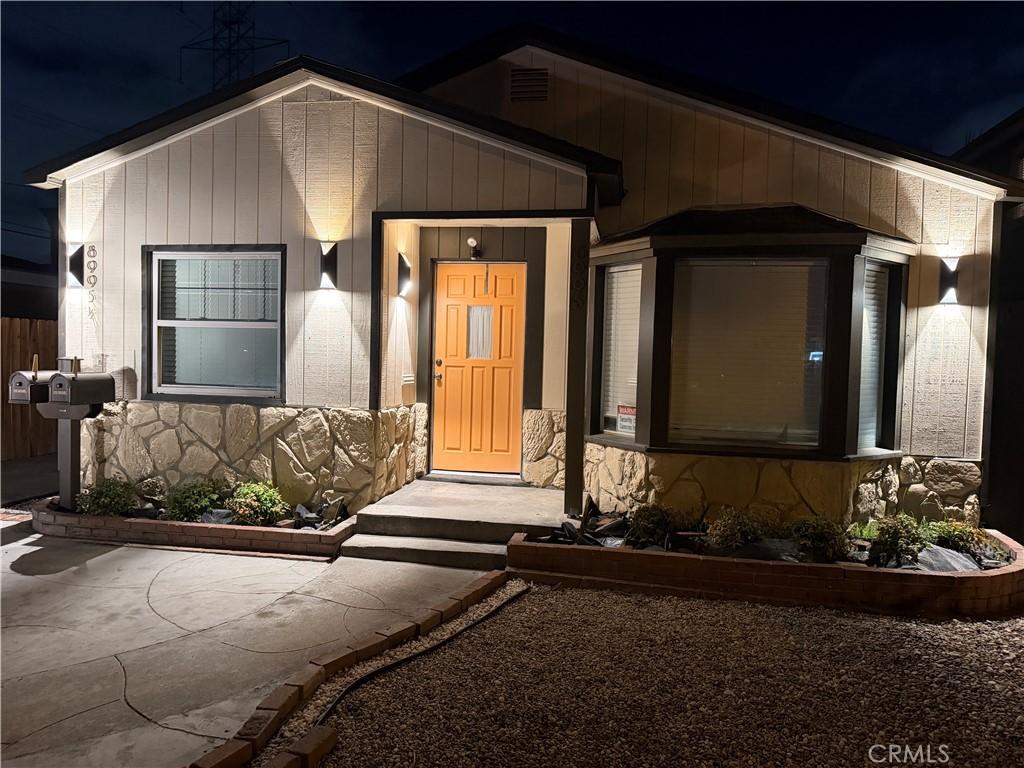
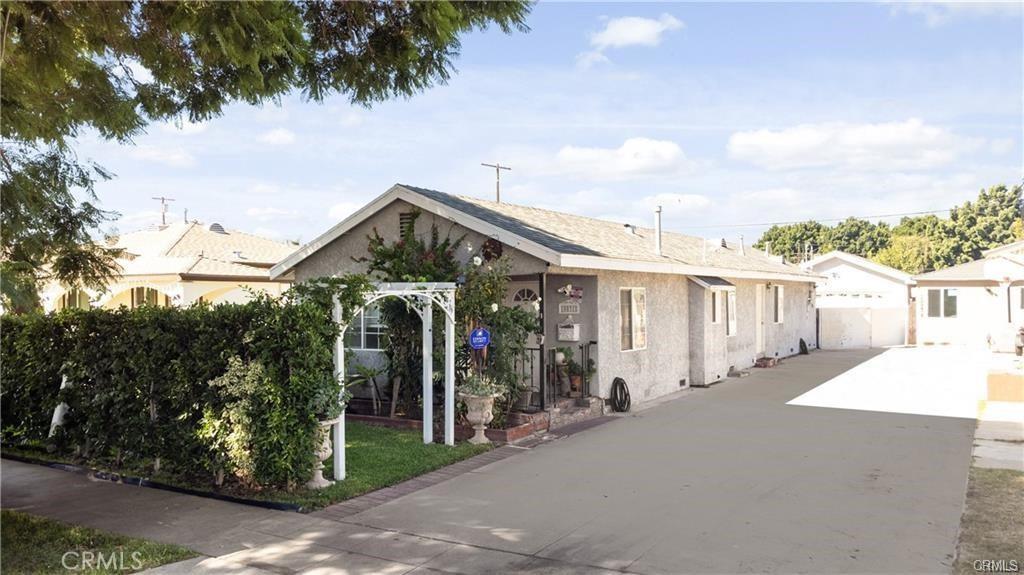
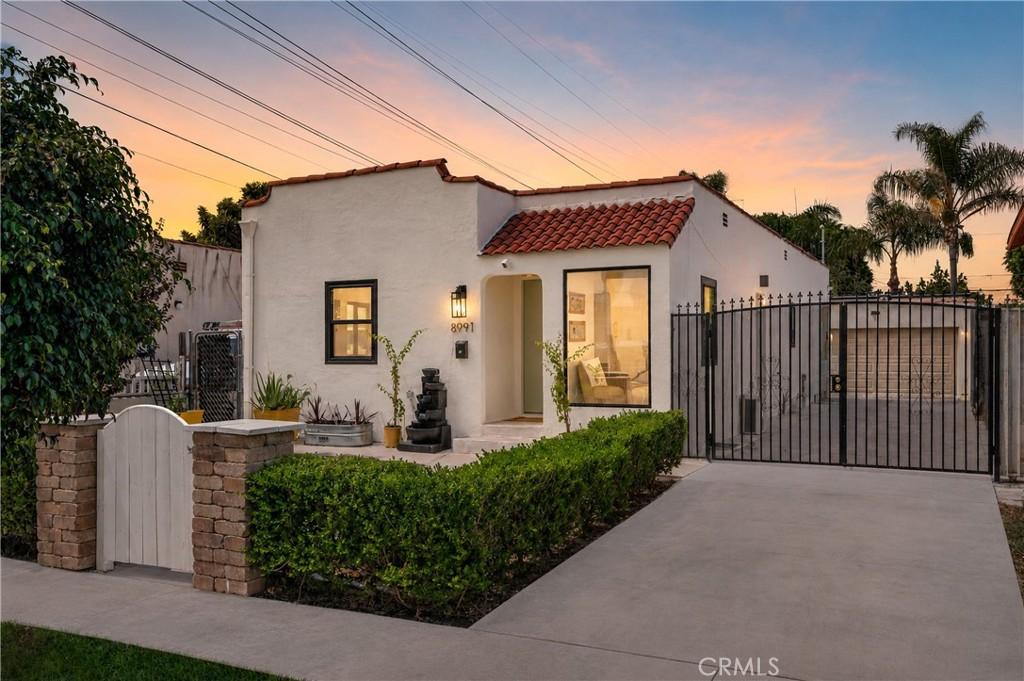
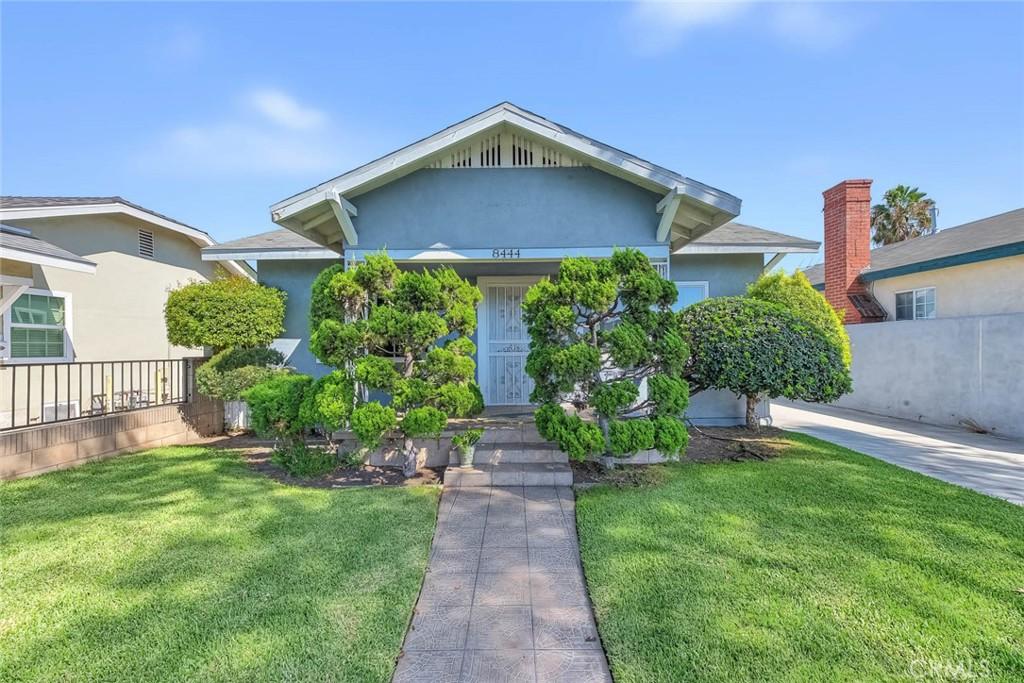
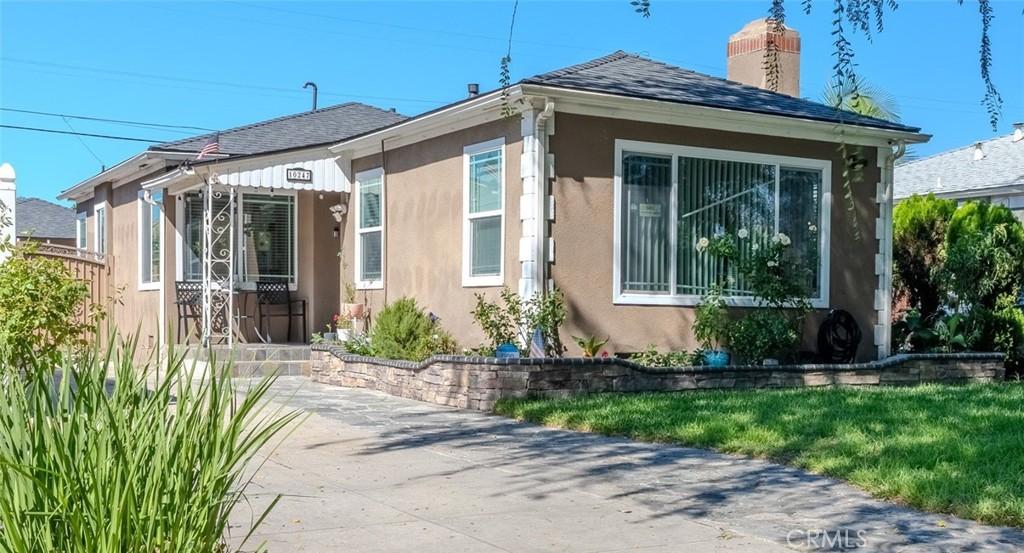
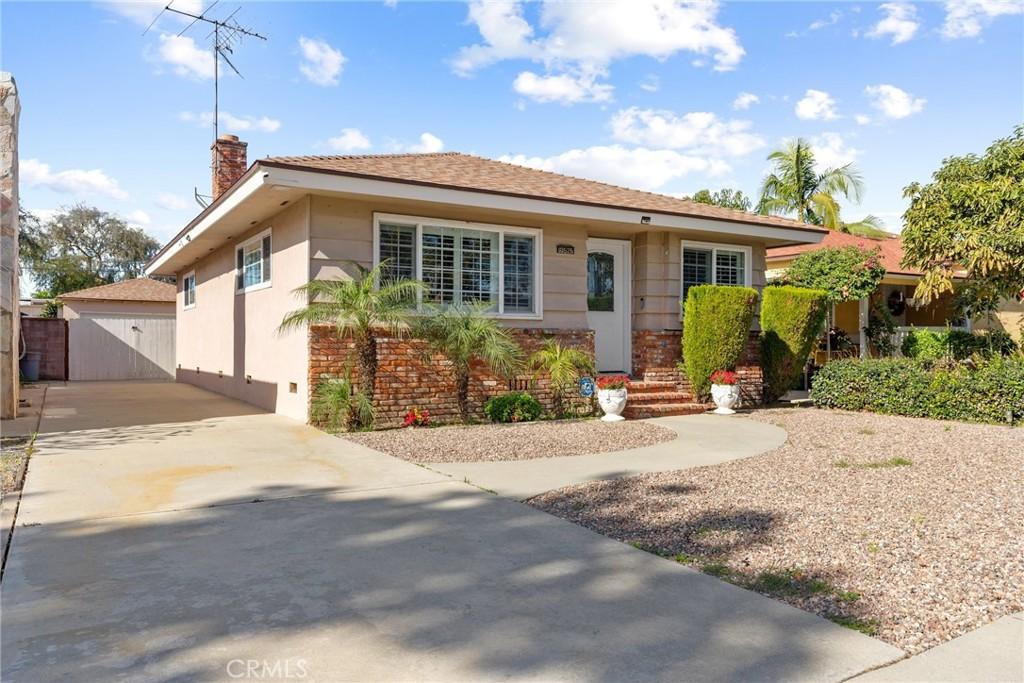
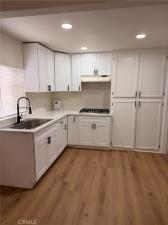
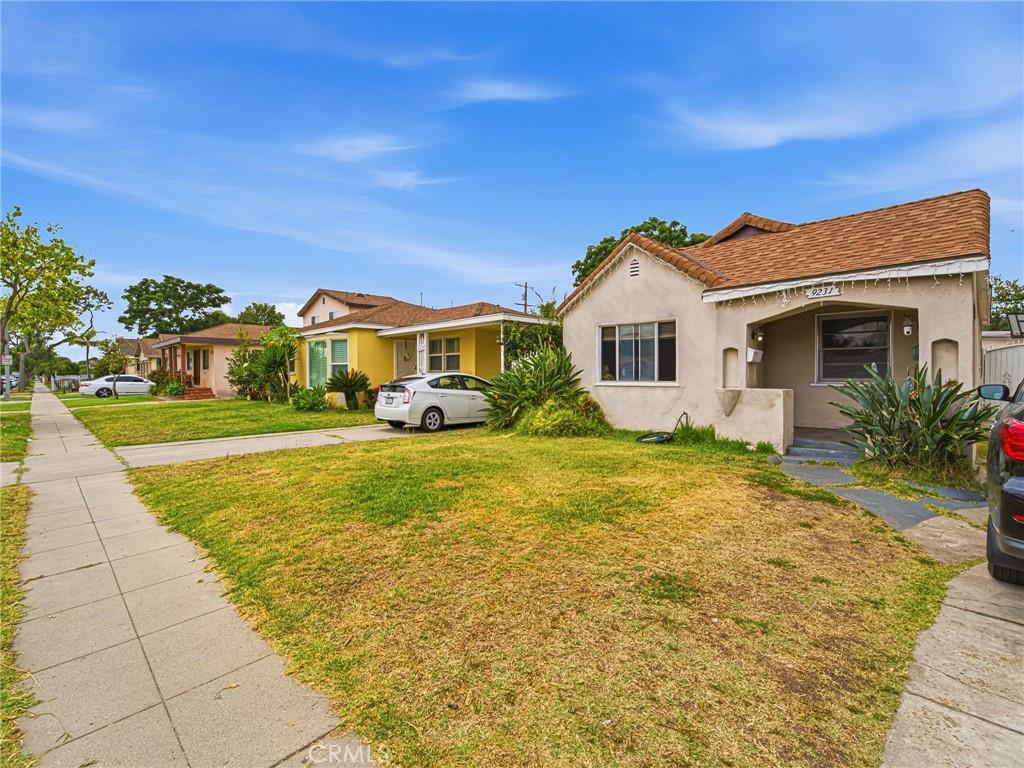
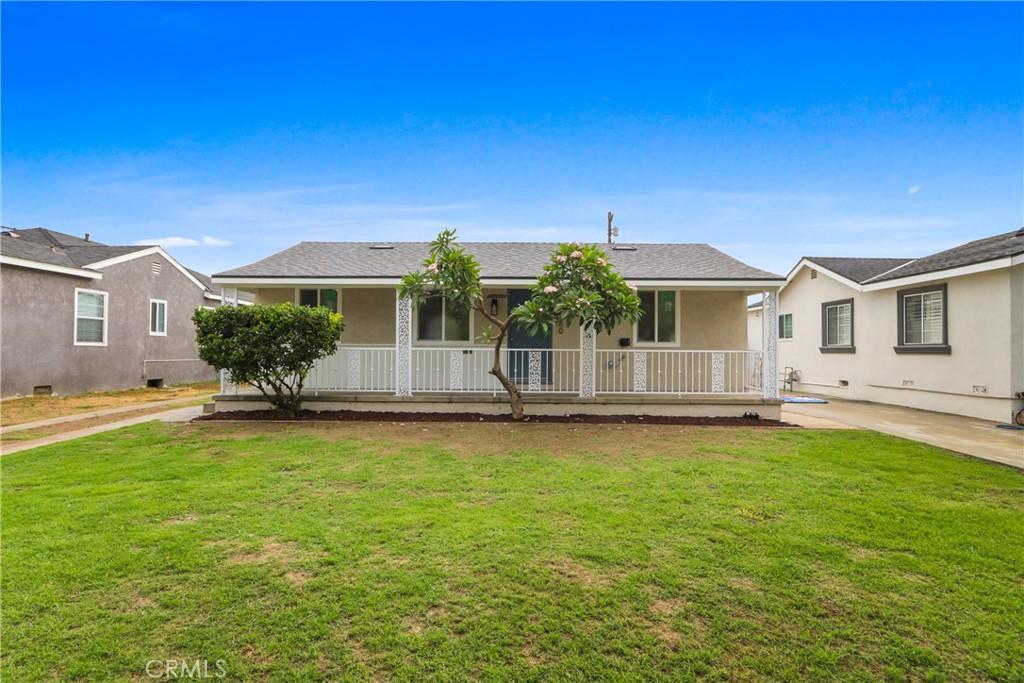
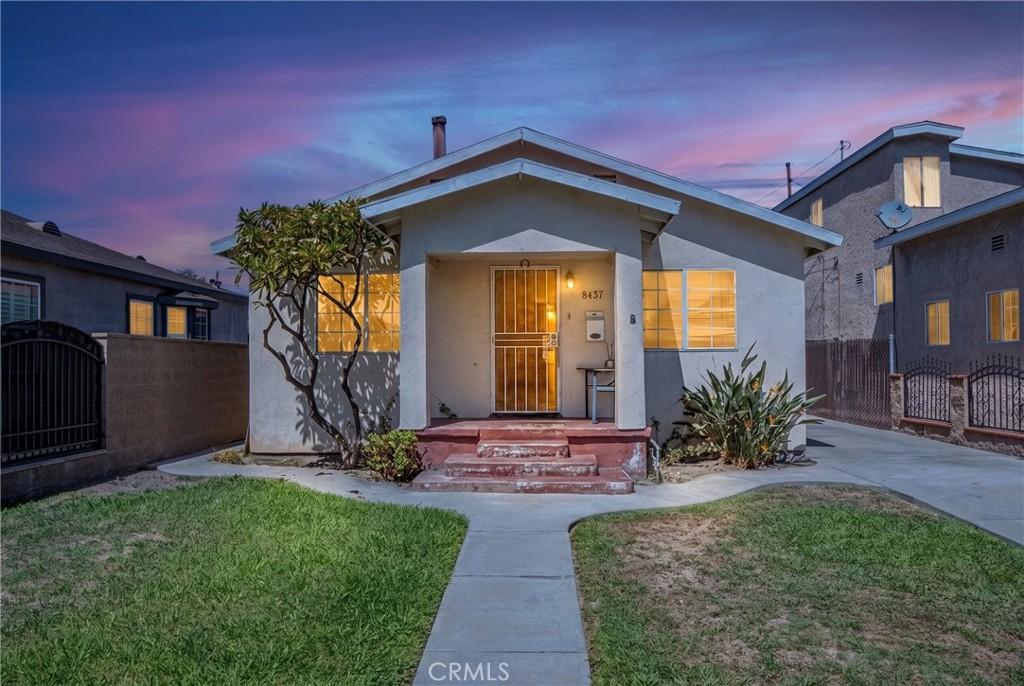
South Gate is a community in the Los Angeles Halo Cities — the ring of incorporated municipalities surrounding the city of Los Angeles to the south and southeast where accessible homeownership pricing, freeway connectivity to downtown and the broader LA basin, and established working-class residential communities create an entry-level homeownership market that provides city-proximity at substantially lower cost than the city of Los Angeles proper. South Gate is an incorporated city of approximately 95,000 residents in southeastern Los Angeles County — a predominantly Latino working-class community between Huntington Park and Lynwood where the commercial corridors along Tweedy Boulevard and the residential neighborhoods off Long Beach Boulevard maintain an active civic and commercial life. South Gate’s 2026 median home price of approximately $600,000 to $750,000 reflects the working-class residential character, the dense housing stock, and the accessible pricing that characterizes the southeastern Los Angeles County residential tier.
Browse all Los Angeles real estate — or explore the full Los Angeles luxury real estate market.
South Gate is one of the Halo Cities’ established communities, south gate is an incorporated city of approximately 95,000 residents in southeastern los angeles county — a predominantly latino working-class community between huntington park and lynwood where the commercial corridors along tweedy boulevard and the residential neighborhoods off long beach boulevard maintain an active civic and commercial life within a regional zone that collectively houses more than 800,000 residents in the municipalities immediately surrounding and adjacent to the city of Los Angeles, providing the working-class residential foundation that the broader Los Angeles metropolitan economy depends on for the teachers, health care workers, tradespeople, and municipal employees who sustain the urban region’s daily functions.
The school district serving South Gate is a primary factor in the community’s specific residential value positioning within the Halo Cities market. ABC Unified (Cerritos, Artesia) and Downey Unified are the region’s strongest academic performers; other districts vary significantly. The specific district and campus assignment for any South Gate address should be verified before purchase for buyers with school-age children. Charter school options and magnet programs provide alternatives in many Halo Cities communities for families willing to navigate the enrollment process.
Freeway access from South Gate depends on its position within the Halo Cities geography. The 5 Freeway connects the southeastern communities to downtown LA and Orange County; the 605 connects north to the 10 Freeway and south to the 405; the 105 (Century Freeway) provides east-west access to LAX and the Green Line Metro connection. Downtown LA is accessible from most Halo Cities within 20 to 35 minutes off-peak, and 40 to 60 minutes during peak hours — a commute that the working-class professional demographic that these communities serve considers acceptable given the homeownership cost savings relative to city-of-LA alternatives.
The Halo Cities’ long-term homeownership culture produces neighborhood stability that benefits residents who buy in for the long term. Home price appreciation in communities like Cerritos, Whittier, and Downey has been consistent across multiple economic cycles, reflecting the genuine residential quality that good school districts, stable communities, and freeway accessibility sustain even in the modest price tiers that define the Halo Cities market. For first-time buyers in Los Angeles County who cannot afford the Westside or the foothill communities but who need genuine urban proximity, the Halo Cities represent the most accessible path to homeownership in the county’s western and southeastern residential geography.
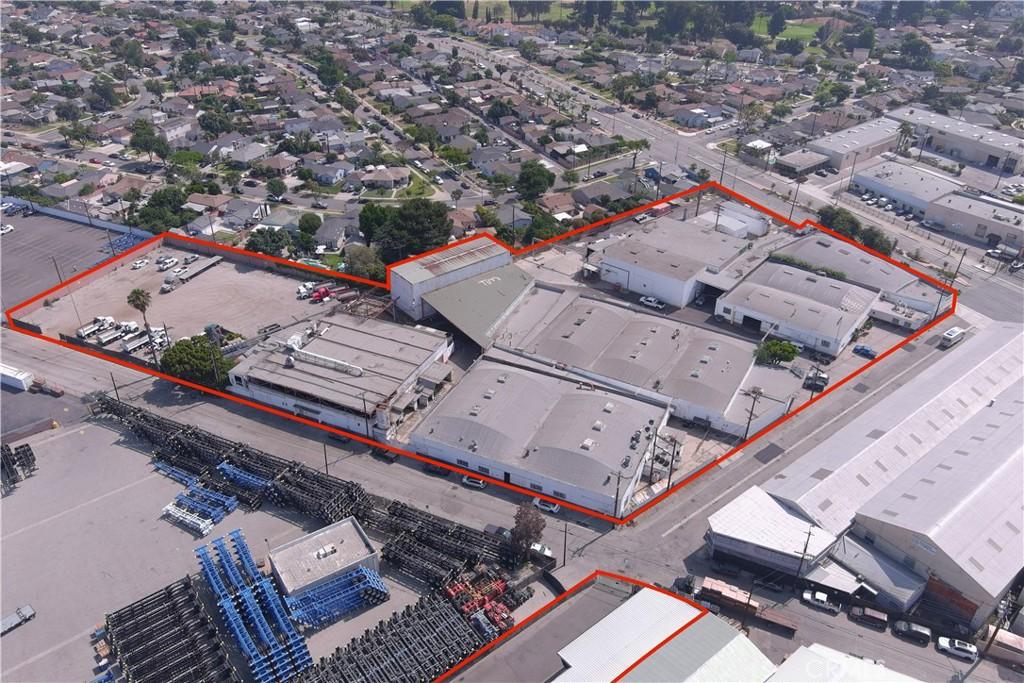
South Gate is one of Southeast LA’s most significant cities — approximately 96,000 residents in 7.4 square miles — whose working-class Latino community has sustained the residential and commercial character through the industrial decline that followed the closure of the General Motors and Firestone manufacturing plants that were the city’s major employers through the mid-20th century. The GM plant’s closure (1982) and the Firestone tire plant’s closure eliminated the manufacturing employment that South Gate’s working-class residential community was built around, creating the economic transition that the service sector and logistics employment in the surrounding freeway corridor has partially replaced. Hollydale Regional Park and the South Gate Park complex provide the recreational infrastructure that the dense residential community relies on for the outdoor access that the urban fabric cannot otherwise provide at neighborhood scale.
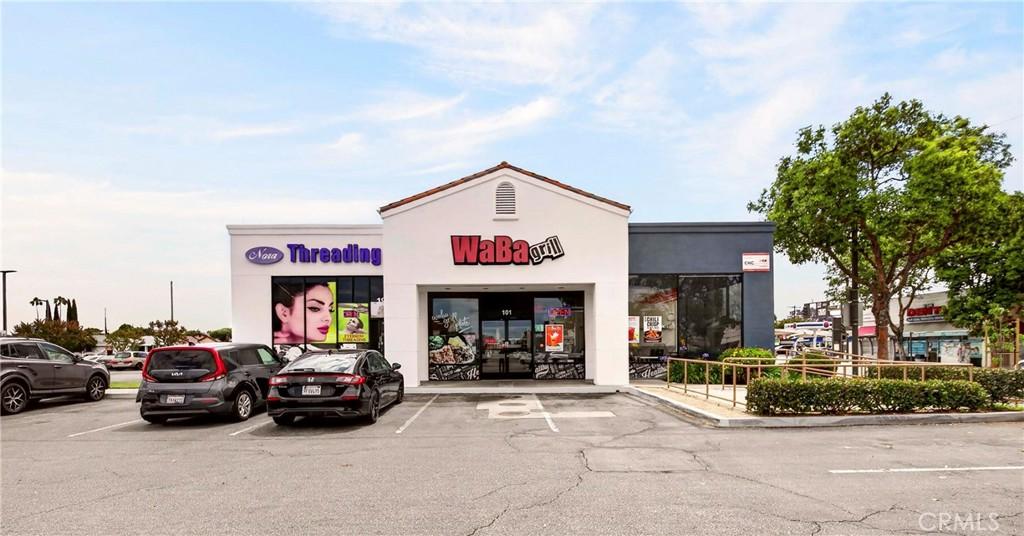
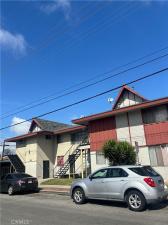
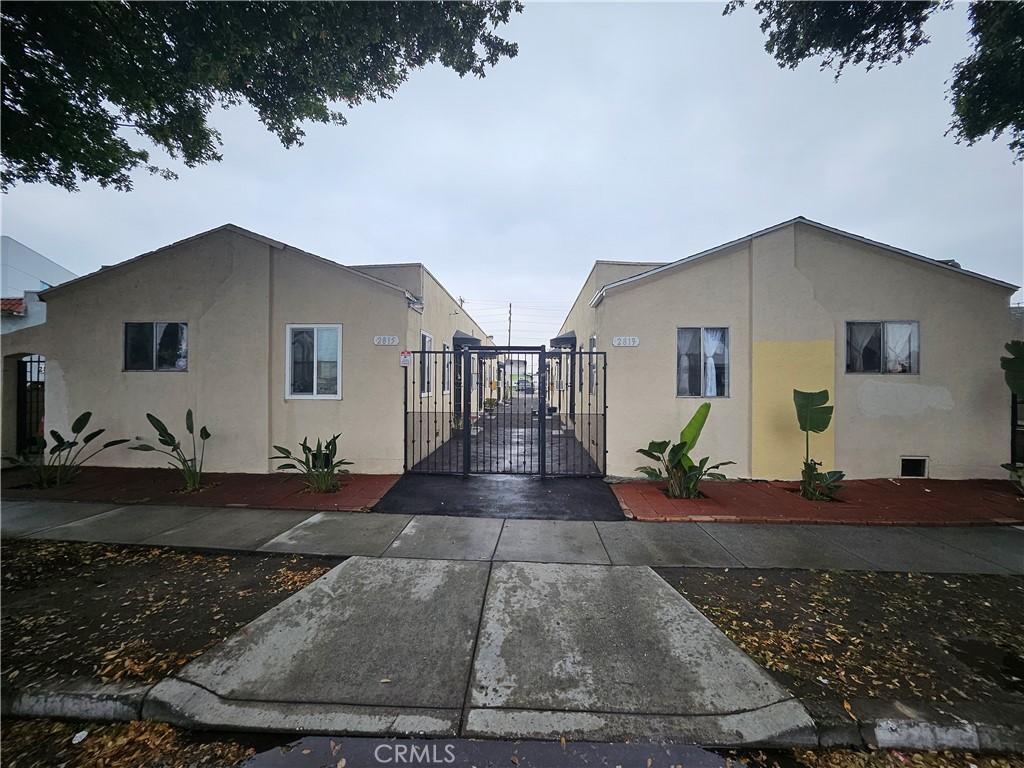
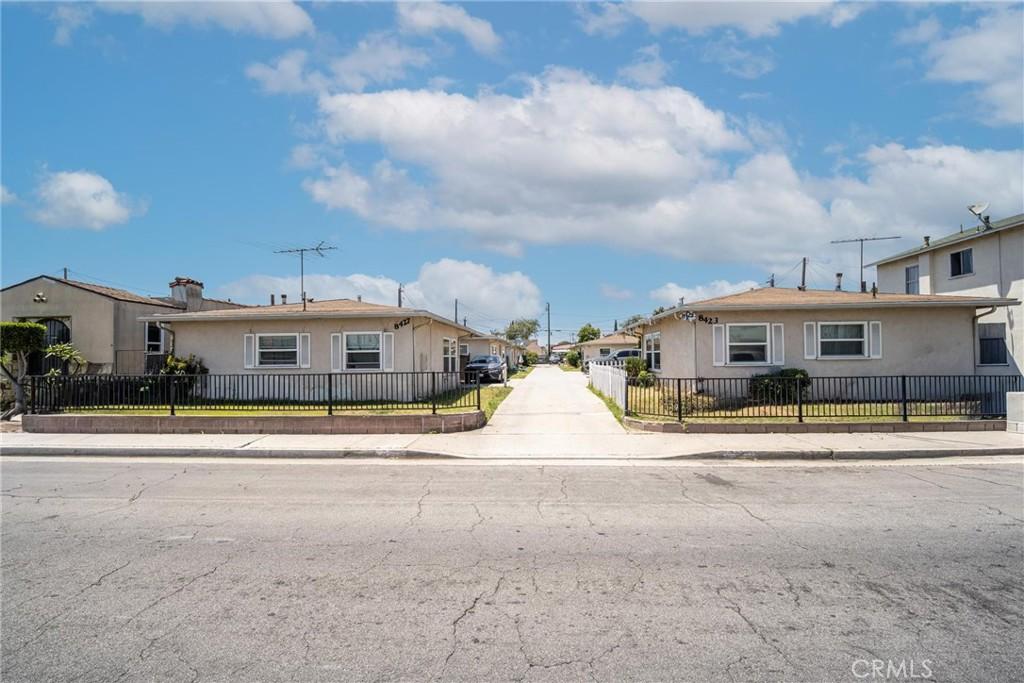
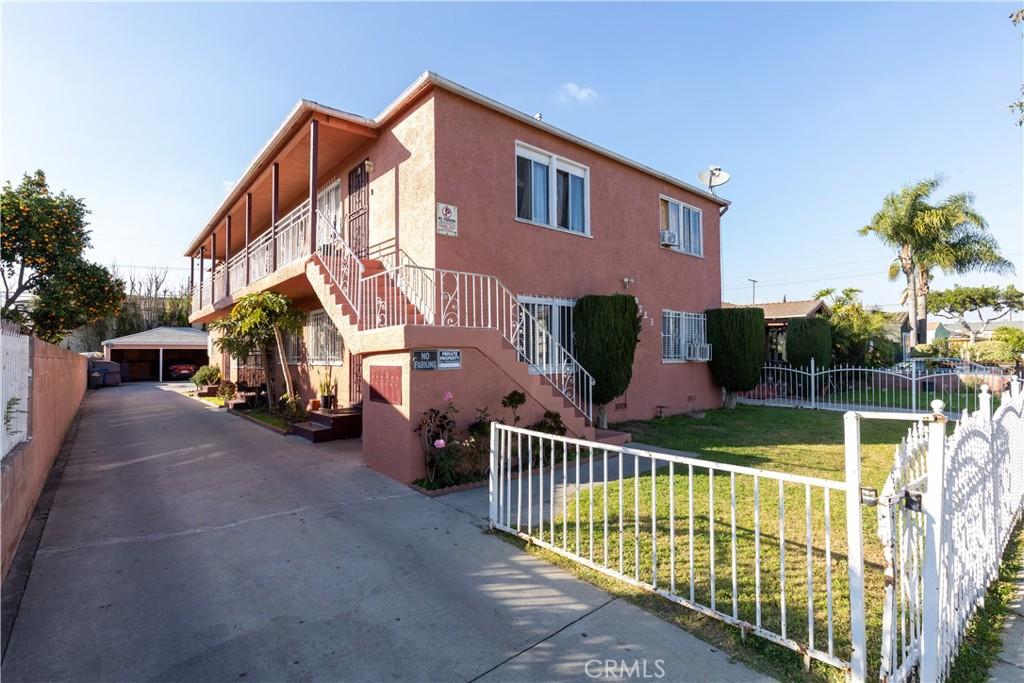
South Gate’s residential market provides the Southeast LA working-class tier — the single-family homes and apartment buildings that the city’s relatively large residential stock sustains at price points in the $550K-$800K range that reflects the Southeast LA affordability tier with the I-710 and I-105 freeway access to the South Bay and Downtown employment corridors. The city’s Azalea Shopping Center development and the Tweedy Boulevard commercial corridor provide the commercial infrastructure that the community’s daily needs require.
South Gate’s recreational infrastructure reflects the municipal investment that a city of 96,000 residents in 7.4 square miles requires: the Hollydale Regional Park (a county regional park within South Gate’s service area), the South Gate Park complex with its swimming pool and athletic facilities, and the community center programming create the recreational access that the dense residential population uses as its outdoor and athletic infrastructure. The Azalea Shopping Center development (built on the former General Motors plant site that the 1982 closure made available for redevelopment) provides the commercial anchor that the South Gate community uses for the retail access that the working-class residential community requires; the Azalea’s development transformed the industrial ghost site into the commercial tax-generating center that now sustains a significant portion of South Gate’s municipal revenue. The Tweedy Boulevard pedestrian district provides the walkable commercial character that South Gate’s Latino commercial culture sustains as the neighborhood-scale retail and restaurant strip that the residential population can access on foot. For buyers, South Gate’s recreational infrastructure investment and the commercial revitalization that the Azalea and Tweedy Boulevard represent create the improving community quality that the long-term residential investment requires as the foundation for the appreciation trajectory that the Southeast LA market’s improving fundamentals are producing.
The Halo Cities’ identity as working-class residential municipalities with industrial employment nearby creates a specific residential character that differs from the aspirational suburban identity of bedroom communities farther from the urban core. Long-term homeownership — multiple generations of the same family in the same house — is common in Halo Cities communities, reflecting both the affordability of the original purchase decades ago and the community ties that have sustained residential stability through economic cycles that displaced renters in more expensive adjacent areas. The homeownership cultures that these communities sustain are assets of genuine social value, independent of the investment return that real estate appreciates to.
The school district landscape across the Halo Cities is varied: ABC Unified (Cerritos and Artesia) is among LA County’s strongest; Downey Unified performs above average for the region; Whittier Union High School District serves Whittier’s high school population with multiple campuses including Whittier High (historic) and La Serna. Compton Unified, Lynwood Unified, and other districts in the communities with more economic challenges face resource constraints that affect academic outcomes. Specific school quality research for any address is essential for buyers with school-age children, as district-level averages obscure significant campus-level variation within each district.
The Los Angeles River and Rio Hondo River channels run through the Halo Cities, providing the flood control infrastructure that the Army Corps of Engineers constructed in the mid-twentieth century to prevent the flooding that plagued the region in its early development. The rivers’ concrete channels have recently been the subject of greening and restoration initiatives — the Los Angeles River Revitalization and similar programs aim to restore riparian habitat and recreational access along the channels that flow through multiple Halo Cities communities. The 605 Freeway corridor, the San Gabriel River, and the regional parks system provide the recreational infrastructure that supports daily activity for Halo Cities residents without the mountain-and-beach access that Westside and foothill communities enjoy.
The Halo Cities are the ring of incorporated municipalities immediately surrounding the city of Los Angeles to the south and southeast — communities including Downey, Whittier, Cerritos, Norwalk, Compton, South Gate, Huntington Park, Bell, Maywood, Lynwood, Paramount, Bellflower, La Mirada, Artesia, Pico Rivera, Santa Fe Springs, Commerce, Bell Gardens, Cudahy, La Habra Heights, and unincorporated East Los Angeles that form the residential and industrial fabric of the Los Angeles basin’s southeastern quadrant. The 2026 median home price across the Halo Cities ranges from approximately $550,000 to $800,000, making the region one of the most accessible entry-level homeownership zones in Los Angeles County for buyers who need city-of-LA proximity without city-of-LA pricing.
Cerritos and Whittier represent the Halo Cities’ premium residential tier — Cerritos for its ABC Unified School District quality and the planned-community residential character that its 1960s development produced; Whittier for its historic downtown, hillside residential neighborhoods, and the Whittier College presence that sustains a college-town cultural character distinct from the purely residential Halo Cities communities. Downey occupies the mid-tier, with the Columbia Memorial Space Center (where Saturn V rockets were built), established residential neighborhoods, and Downey Unified’s above-average academic performance making it the Halo Cities’ most complete mid-market residential option. The industrial tier of Commerce and Santa Fe Springs has virtually no residential component, existing primarily as tax-base-generating commercial and industrial zones that fund municipal services their small populations would not otherwise support.
The Halo Cities’ freeway network — the 5, 105, 605, and 710 Freeways — provides the regional connectivity that links these communities to downtown Los Angeles, the South Bay (via the 105 and 710), Long Beach (via the 605 and 710), and Orange County (via the 5 and 91). The Metro’s A Line (Gold Line) and C Line (Green Line/Expo) provide transit access to the Metro network for some Halo Cities. The working-class residential character of the Halo Cities has historically provided homeownership access for Los Angeles County’s Latino, Asian-American, and African-American working families whose incomes could not sustain the city-of-LA pricing that comparable residential access would require closer to the urban core.
The Southeast Los Angeles and Gateway Cities corridor — the municipalities and unincorporated communities that extend south and east of Downtown along the I-5, I-710, and I-605 freeway corridors — represents the most affordable owner-occupied residential market in the Los Angeles Basin for buyers who require LA County access. The communities of Bell, Bell Gardens, Bellflower, Compton, Cudahy, Downey, Huntington Park, Lynwood, Maywood, Norwalk, Paramount, Pico Rivera, South Gate, and the surrounding municipalities form the dense, predominantly Latino residential and light-industrial corridor that has sustained the working-class families who staff the logistics, manufacturing, healthcare, and service sector employment that the LA Basin’s industrial and commercial economy requires. The corridor’s residential character — the single-family homes, duplexes, and small apartment buildings on the grid-pattern streets that the original 1920s-1940s working-class suburb development created — provides the most accessible path to homeownership in Los Angeles County for first-generation buyers in the $500K-$800K range that the Westside and Valley have long since left behind.
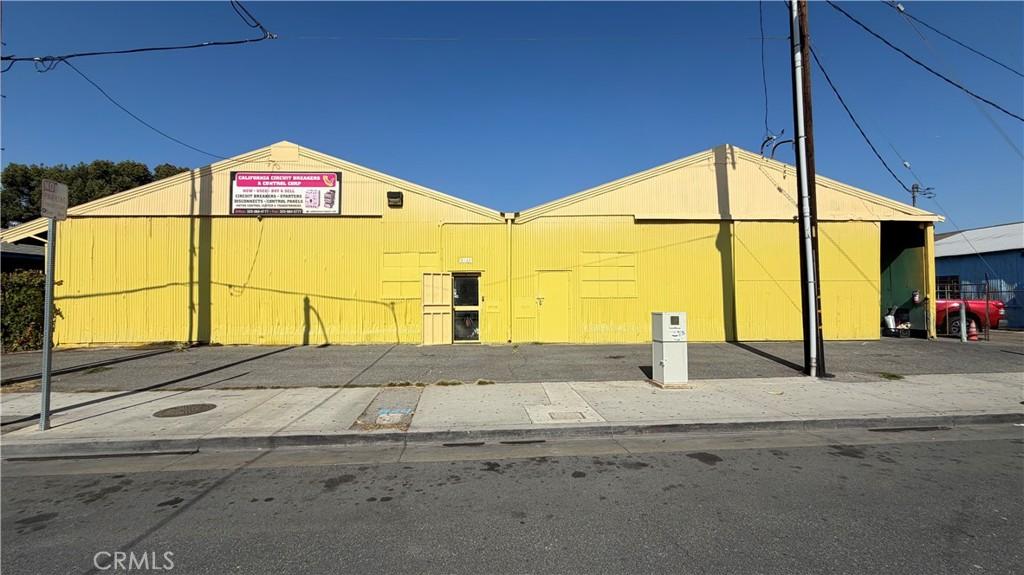
The Gateway Cities’ economic engine is the intermodal freight infrastructure that the Ports of Los Angeles and Long Beach create — the container terminal complex that processes 40% of US imports by volume, the rail yards (BNSF and Union Pacific’s Intermodal Container Transfer Facility complex), the warehousing and distribution centers that occupy the industrial zones along the I-710 freeway corridor, and the truck transportation network that distributes cargo inland. This industrial employment base — the port workers, the logistics and warehouse employees, the truck drivers, and the manufacturing workforce — sustains the working-class residential demand that the Gateway Cities corridor’s housing market reflects. The corridor’s air quality challenge (the diesel particulate pollution from port operations, rail yards, and freight trucks that disproportionately burdens the communities adjacent to the 710 freeway) represents the environmental justice issue that the working-class residential communities have organized around and that infrastructure investment is beginning to address through electrification of port equipment and truck fleets.
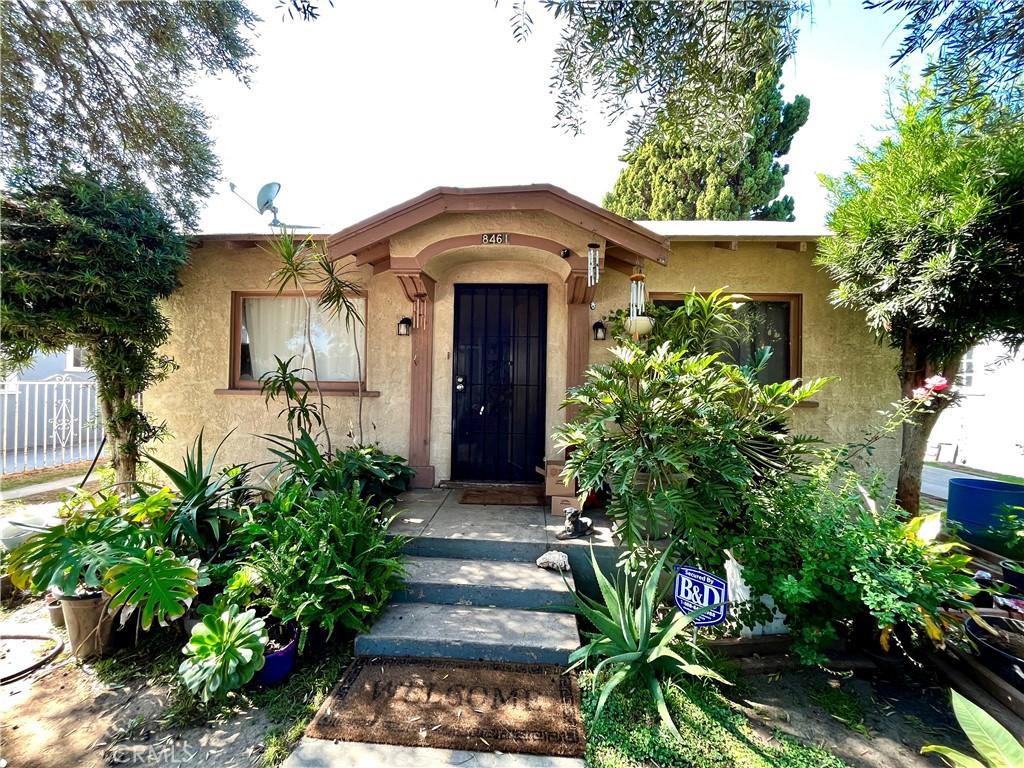
South Gate’s 2026 median home price of approximately $600,000 to $750,000 reflects the working-class residential character, the dense housing stock, and the accessible pricing that characterizes the southeastern Los Angeles County residential tier. Current specific pricing data is available from The Knight Group. The Halo Cities’ price range reflects the working-class residential context and the entry-level homeownership positioning within the Los Angeles County market.
School districts across the Halo Cities vary significantly in quality and resources. ABC Unified (Cerritos, Artesia) and Downey Unified are among the region’s stronger districts; other communities are served by districts with more variable performance. The specific district serving South Gate should be researched before purchase for any buyer with school-age children, as campus-level performance within a district can vary substantially from the district average.
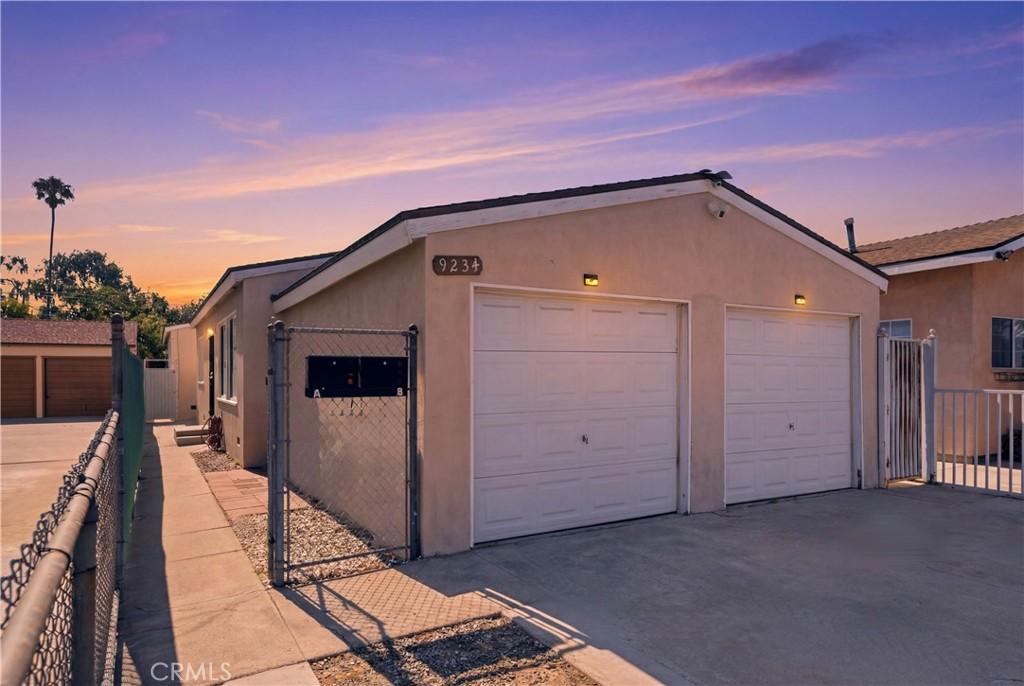
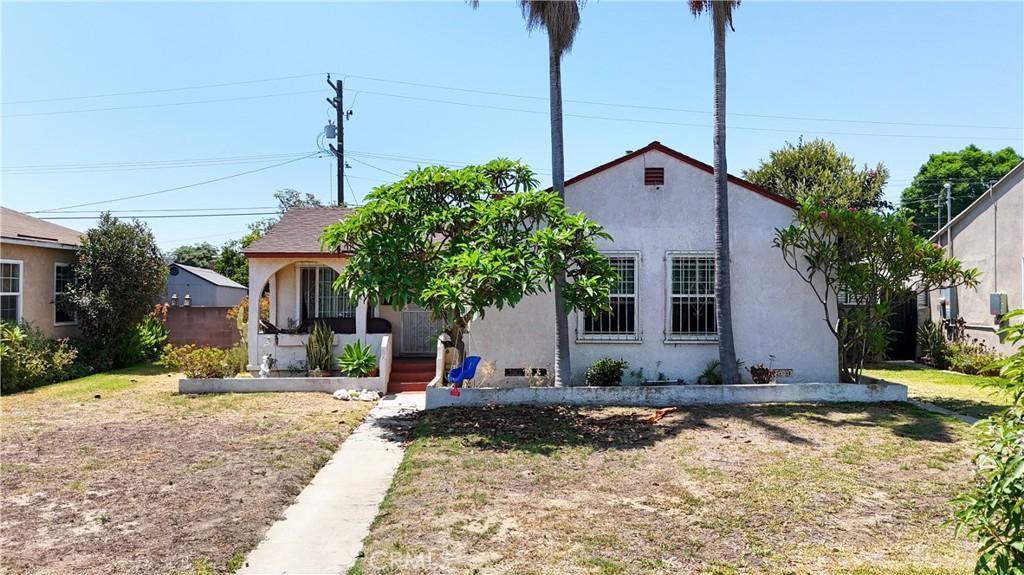
Most Halo Cities are 20 to 35 minutes from downtown Los Angeles off-peak by freeway, extending to 40 to 60 minutes during peak commute hours on the 5, 605, and 710 Freeway corridors. Metro access is available from some Halo Cities via the A Line (Gold Line), C Line (Green Line), and connecting bus service. For residents who commute to downtown LA, the Halo Cities’ freeway proximity provides reasonable access at a significant cost saving over city-of-LA residential alternatives at comparable commute times.
South Gate’s economic recovery from the closure of the General Motors and Firestone manufacturing plants has been partial and ongoing — the manufacturing employment that sustained several thousand middle-class jobs in the city through the 1960s-1970s has been replaced by the logistics, warehousing, and service sector employment that the I-710 corridor’s economic infrastructure provides, but the wage levels and benefits of the replacement employment are generally lower than the unionized manufacturing jobs they replaced. The city has pursued economic development through the Azalea Shopping Center (a large retail complex on the former plant site), attracting commercial tenants, and developing the commercial corridors that generate sales tax revenue. The long-term trajectory of South Gate’s working-class community has been the demographic transition from the predominantly white working-class residential base of the manufacturing era to the predominantly Latino residential community that the subsequent demographic shift created — a community that has maintained the residential stability and the civic engagement that South Gate’s established neighborhood fabric sustains through the economic transitions of the post-industrial era.
Explore more The Halo Cities neighborhoods:
Lucky for you we’re looking out.
Subscribe to this Custom Search to be alerted when new properties hit the market in the area.
Choose the frequency that works for you.