Greenfield

Browse all Monterey County real estate.

Our extensive guide through the neighborhoods below will help you identify the one for you.

Similarneighborhoods

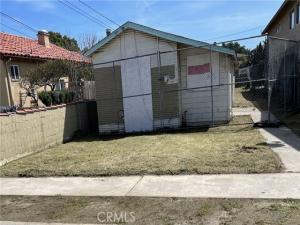
Beautiful home for sale in Gonzales, California with modern architecture and landscaping

Gonzales

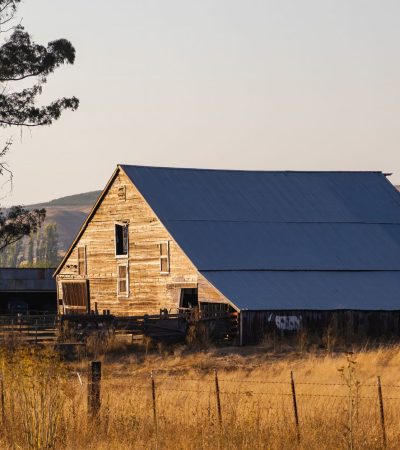
Luxury home exterior in Bradley, CA real estate market

Bradley

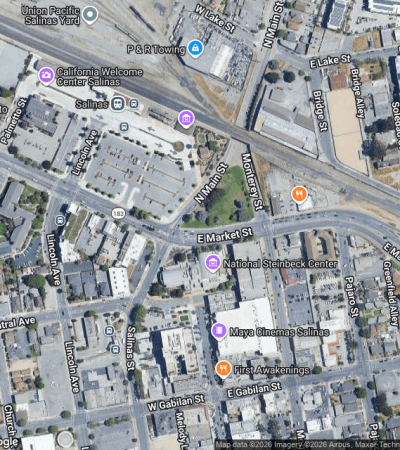
Beautiful homes available for sale in Salinas, CA through The Knight Group luxury real estate agency

Salinas

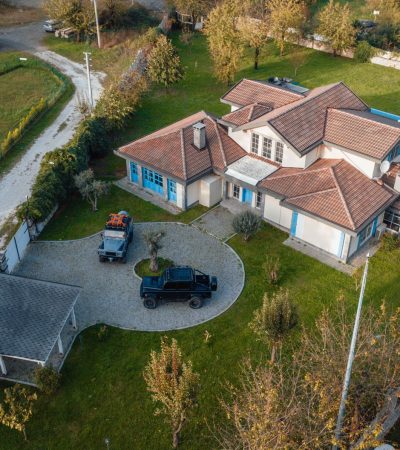
Beautiful home for sale in Soledad, California real estate market

Soledad

What is Greenfield, California?

Greenfield is a small agricultural city in the Salinas Valley, in southern Monterey County. It sits along Highway 101 roughly 33 miles southeast of Salinas and about 145 miles south of San Francisco, at the point where the Santa Lucia Mountains open toward the valley floor. As of 2026 the city has an estimated population of about 22,087, per World Population Review.

For buyers, Greenfield offers something increasingly rare on California’s Central Coast: entry pricing well below the coastal Monterey Peninsula, on a valley floor that still functions as working farmland. The typical home value is $497,567 as of February 2026, per Zillow, a fraction of what the same money buys in Carmel or Pacific Grove an hour to the northwest. The trade-off is location. This is an inland farm town, not a beach community, and the market is thin, so pricing and inventory move differently here than in the resort corridor.

The listings below show what is currently available in and around Greenfield. If you want to understand what a specific street, subdivision, or price band actually gets you here, contact The Knight Group and we will walk you through it.

Where exactly is Greenfield and how do you get there?

Greenfield is a Highway 101 town. The freeway runs along the eastern edge of the city, and the old alignment of US Route 101 still runs through the center as El Camino Real, the main commercial street. That gives Greenfield a straightforward north-south spine: Salinas and the Monterey Bay region are up the 101 to the north, King City and San Luis Obispo County are down the 101 to the south.

The practical distances matter more than the map. Salinas, the county seat and the largest job center in the valley, is about 33 miles up the freeway. Monterey, Carmel, and the coast are farther, past Salinas and over toward the bay. This is not a short commute. A buyer working on the Monterey Peninsula and living in Greenfield is signing up for a real daily drive, and that is the honest trade you make in exchange for the lower housing cost. Many Greenfield residents work locally in agriculture and the businesses that support it, which keeps the commute question closer to home for them.

West of town, the valley narrows into Arroyo Seco canyon, and Greenfield is the cut-off point from Highway 101 for anyone heading into that country. That geography is worth knowing because it shapes both the recreation access and the wine-country character of the area, covered further below.

What is the housing market like in Greenfield?

Greenfield is an affordable, active, and often overlooked market. The headline is price. Reported figures vary by source and by month, which is normal for a small market with limited monthly sales, so read them as a range rather than a single number. Zillow put the typical home value at $497,567 as of February 2026. Redfin reported a median sale price of $569,000 in February 2026. Movoto reported a median list price of about $587,000 in April 2026, at roughly $397 per square foot.

Direction of travel is the second thing to understand. Values have softened. Zillow reported home values down 3.9% over the trailing year, and Redfin reported the median sale price down 8.2% year over year in February 2026. A declining market is not automatically a bad time to buy, but it changes the negotiation. It means sellers are meeting the market rather than dictating it, and it means a buyer should underwrite the purchase on today’s comparable sales, not on last year’s peak.

Activity has held up even as prices eased. Redfin scored the Greenfield market at 81 out of 100 on competitiveness, which is a competitive reading for a town this size. In practice that means well-priced, move-in-ready homes still draw interest, while overpriced or deferred-maintenance listings sit. The gap between those two outcomes is where representation earns its keep.

Why do prices here look so different from the Monterey coast?

Greenfield is inland farmland, and the coast is a resort market. That single fact drives most of the price difference. The Monterey Peninsula sells scarcity, ocean access, and a fixed supply of desirable coastal lots. Greenfield sells a valley-floor town surrounded by row crops and vineyards, with room to grow and a population that has expanded roughly 16.55% since the 2020 census, which recorded 18,951 residents, per World Population Review.

That growth cuts both ways for a buyer. New rooftops and a young population, with a median age of 28.8, point to genuine local demand rather than a purely second-home market. At the same time, a farm-economy town carries a different risk profile than a coastal one: the local job base is concentrated in agriculture, and household incomes reflect that. The median household income in Greenfield is $84,740 with a poverty rate of 11.4%, per census-based data. None of that should scare a buyer off. It should simply frame the purchase honestly. You are buying into a working agricultural community, and the value proposition is cost, not coastal prestige.

What is the agricultural economy behind the town?

Agriculture is the reason Greenfield exists and the reason it keeps growing. The Salinas Valley is often called the Salad Bowl of the World, and it produces a large share of the leaf lettuce grown in the United States along with a long list of other fruits, vegetables, and nuts. Greenfield leans into that identity directly. The city calls itself the Broccoli Capital of the World and hosts an annual Harvest Festival built around the crop.

For a homebuyer, the farm economy is not just local color. It is the stability underneath the housing market. When a town’s employment base is tied to food production rather than a single volatile industry, demand for workforce housing tends to persist through cycles. It also sets expectations about the surroundings. Homes here sit near active farmland, which means agricultural operations, seasonal labor traffic, and the sights and sounds of a working valley are part of the setting. Buyers who want that rural context find a lot to like. Buyers expecting a manicured suburb should calibrate before they tour.

Is Greenfield becoming wine country?

The wine industry is the fastest-changing part of the local economy. Southern Monterey County now holds some of the largest vineyards in the world, and the region’s wine grapes produce roughly $280 million annually. The Monterey growing region spans nine American Viticultural Areas and several dozen wineries, most known for Pinot Noir and Chardonnay.

Greenfield anchors the southern end of the River Road Wine Trail, the Salinas Valley tasting route that runs along the western bank of the Salinas River from Salinas south toward Greenfield, threading through the Santa Lucia Highlands. For a resident, that means a working wine-country amenity within easy reach, and for the town it means a second economic engine layered on top of traditional agriculture. Buyers who value proximity to tasting rooms and vineyard scenery without coastal pricing should weight this heavily.

What is there to do outdoors near Greenfield?

Greenfield is the gateway to Arroyo Seco. West of town, the road climbs into Arroyo Seco canyon, where the Santa Lucia Mountains meet the valley, and into the Monterey Ranger District of Los Padres National Forest. This is California’s westernmost national forest, and it puts real backcountry within a short drive of a home in town.

The centerpiece is Arroyo Seco Campground, a developed but semi-rustic site of 51 campsites next to the Arroyo Seco River at about 1,200 feet of elevation, with views toward the Ventana Wilderness peaks. The lower loop takes tents, trailers, and RVs up to 30 feet with potable water, flush toilets, hot-water showers, and trash collection. The upper loop holds more primitive sites with water and vault toilets. Utility hookups and a dump station are not provided, so RV travelers should plan accordingly. Activities include hiking, fishing, biking, picnicking, and river access. Anglers find mostly bass and catfish, and a California fishing license is required for anyone over 16. For a buyer who values weekend access to hiking, camping, and the river, this proximity is a genuine part of Greenfield’s case.

What are the schools in Greenfield?

Greenfield’s public schools span two systems. Younger students attend schools in the Greenfield Union School District, and high schoolers attend Greenfield High School, part of the South Monterey County Joint Union High School District, which is headquartered in King City and also runs King City High, Portola-Butler High, and Pinnacle Coastal Valley High.

Greenfield High School opened on September 1, 1998, at 225 South El Camino Real, and enrolls about 1,274 students in grades 9 through 12, with a student-teacher ratio near 24.9. Reported state test proficiency has been low, with roughly 9% of students proficient in math and 51% in reading per recent state testing, and families for whom school performance is a top priority should review current data directly with the districts before committing. A restructuring proposal would dissolve the current high school district along with the Greenfield and King City elementary districts to form unified pre-K through 12 districts, a change that, if approved by the board and voters, could take effect by March 2028. Buyers planning years ahead should track that proposal, because district boundaries and governance could shift.

What is the history of Greenfield?

Greenfield started as a planned farm colony. It began in April 1905 as Clark Colony, created when the California Home Extension Association, a branch of the Rancho Arroyo Seco, subdivided 4,000 acres of valley bottomland. Clark Colony grew into Clark City, then took the name Greenfield after the U.S. Postal Service pointed out that California already had too many Clark Cities. The new name honored Mr. Greenfield, a longtime settler of the area. The city was recognized by the state legislature and incorporated on January 7, 1947.

That origin story still describes the town. Greenfield was laid out to farm the valley floor, and more than a century later agriculture and its newer wine-grape cousin remain the core of the local economy. For a buyer, the history is a useful signal of continuity: this is a place with a stable, long-running economic reason to exist, not a boom town built on a single cycle.

What kinds of homes does Greenfield have?

Greenfield’s housing stock is a mix built around a growing workforce town rather than a resort. The core of the city is single-family homes, ranging from older residences dating to the town’s mid-century incorporation era to newer construction added as the population expanded past 22,000. Because the city has grown quickly since 2020, newer subdivisions on the edges of town sit alongside established streets closer to El Camino Real and the historic center.

On the rural fringes and toward Arroyo Seco, parcels get larger and take on an agricultural character, which introduces different due-diligence items: water source, well condition, septic, and any agricultural zoning or use on or near the land. Those properties can offer space and privacy that in-town lots do not, but they also demand closer inspection. At the pricing reported for 2026, with per-square-foot figures around $397 per Movoto in April 2026, a buyer’s dollar generally stretches further here than in the coastal Monterey markets, which is the central reason to look at Greenfield in the first place. The right fit depends on whether you want an in-town lot near schools and services or acreage closer to the canyon.

What should a buyer weigh before buying in Greenfield?

Start with the reason you are here. If the draw is price and inland Central Coast living, Greenfield delivers, with typical values under $500,000 per Zillow while coastal Monterey trades far higher. If you need a short commute to Peninsula employment or a beach-town lifestyle, be honest that Greenfield is a drive from both.

Underwrite the softening market carefully. With values down on both the Zillow and Redfin measures over the past year, price to comparable sales and leave room for negotiation. Inspect for the realities of an older, agricultural town: well and water considerations on rural parcels, condition and deferred maintenance, and proximity to active farm operations. And if schools drive the decision, pull current district data and follow the proposed 2028 restructuring, because the governing districts may change. None of these are reasons to walk away. They are the specific questions to answer before you write an offer, and they are exactly where working with local representation pays off.

Frequently asked questions about Greenfield real estate

How much does a home in Greenfield cost?

Reported figures for 2026 range by source: a typical home value of $497,567 per Zillow in February 2026, a median sale price of $569,000 per Redfin in February 2026, and a median list price of about $587,000 per Movoto in April 2026 at roughly $397 per square foot. Treat these as a range and confirm against current comparable sales for the specific property.

Are home prices in Greenfield rising or falling?

They have softened. Zillow reported values down 3.9% over the trailing year, and Redfin reported the median sale price down 8.2% year over year as of February 2026. A declining market generally favors buyers who negotiate on current comps.

Is Greenfield a competitive market?

Yes, relative to its size. Redfin scored the market at 81 out of 100 on competitiveness. Well-priced, move-in-ready homes still attract interest, while overpriced listings tend to sit.

What is the commute like from Greenfield?

Greenfield sits directly on Highway 101, which makes north-south travel straightforward. Salinas is about 33 miles north. Reaching the Monterey Peninsula or the coast is a longer drive, so buyers commuting there should test the route before committing. Many residents work locally in agriculture and related businesses.

What are the schools like in Greenfield?

Elementary students attend Greenfield Union School District schools, and high schoolers attend Greenfield High School within the South Monterey County Joint Union High School District. Reported state test proficiency has been low, so review current district data directly. A proposed restructuring could form a unified Greenfield district as soon as March 2028 if approved.

What is there to do around Greenfield?

Greenfield is the gateway to Arroyo Seco canyon and Los Padres National Forest, with camping, hiking, fishing, and river access at Arroyo Seco Campground. It also anchors the southern end of the River Road Wine Trail through the Monterey wine region, known for Pinot Noir and Chardonnay.

Is Greenfield a good place to buy on the Central Coast?

It can be, for the right buyer. It offers some of the lowest home prices in Monterey County within reach of both wine country and the Los Padres backcountry. The trade-offs are its inland farm-town setting, a longer commute to the coast, and a softening market. Whether it fits depends on your priorities, which is a conversation worth having before you tour.

How does The Knight Group work in the Greenfield market?

The Knight Group represents buyers and sellers across Monterey County, including the southern Salinas Valley communities like Greenfield that sit outside the coastal spotlight. Small inland markets reward local knowledge, because published price figures vary widely by source and monthly sales volume is thin, so a single median can mislead. We ground every recommendation in current comparable sales and the specific condition, parcel, and location of the property in front of you.

For sellers, that means pricing to the market as it actually is today rather than to last year’s peak, and presenting a home so it lands with the buyers who are active. For buyers, it means an honest read on the trade-offs, from commute reality to school data to the realities of a working agricultural setting, before you commit. Browse the current Greenfield listings below, and contact The Knight Group when you want a direct, precise conversation about what makes sense here.

Work With Us

The Knight Group is here to help you with all your realty needs. To get started, fill out the form below and one of our experienced agents will contact you as quickly as possible.

The Knight Group Logo

The Knight Group

8560 W Sunset Blvd., Floor 3
West Hollywood, CA 90069
503-200-4823
[email protected]

Copyright © 2024 The Knight Group. 
All rights reserved.  License: 02133297

Hey, You ALMOST MISSED IT!

Lucky for you we’re looking out.

Subscribe to this Custom Search to be alerted when new properties hit the market in the area.

Choose the frequency that works for you.

get alerts

[showcaseidx_contact]