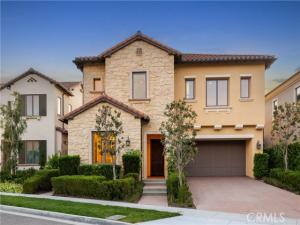
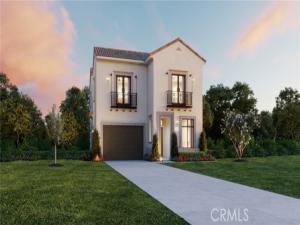
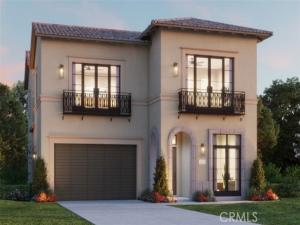
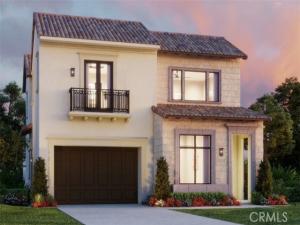
Homes for Sale in Irvine, CA
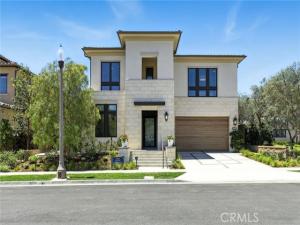
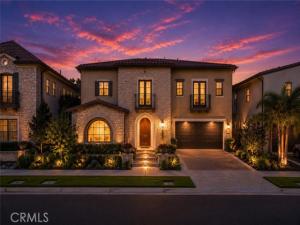
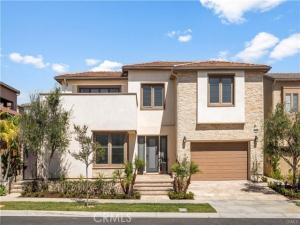
Homes for Sale in Irvine currently number 240 active listings with a median asking price of $2,999,000 (CRMLS, September 2026).
Homes for sale in Irvine sit inside a master-planned city of roughly 310,000 people, the fourth-largest in Orange County, where the Irvine Company has held development control long enough to give the whole city consistent planning and design standards. UC Irvine and its 35,000 students anchor one side of the economy; Edwards Lifesciences, Broadcom, Masimo, and Blizzard Entertainment anchor the other along the 405, 5, and 73 corridors. Irvine Unified, with about 36,000 students, ranks among the top large districts in California and is the reason many families choose here over neighboring cities at similar prices.
The city is built as separate villages, and what you get depends heavily on which one. Turtle Rock, above the UCI campus, has larger established single-family homes from the 1970s and 1980s with mature landscaping. Woodbridge is built around two lakes with pools and tennis. Northwood, from the 1980s, mixes attached and detached housing. Quail Hill and Portola Springs are newer, with townhomes, condos, and new construction near the Great Park. School assignments vary by campus, so check the specific address.
Irvine is a master-planned city in central Orange County that has grown from a planned university town of the 1960s into one of the most economically significant cities in Southern California, with a population of approximately 310,000 that makes it the fourth-largest city in Orange County. The city’s development has been shaped throughout its history by the Irvine Company, which acquired the original Irvine Ranch land and has retained development control over significant portions of the city’s commercial and residential land, giving Irvine a consistency of planning and design standards that is unusual in a city of its scale.
The University of California Irvine, established on a 1,477-acre campus donated by the Irvine Company in 1960, is the institutional foundation of the city’s identity and one of the ten campuses of the University of California system. The campus currently enrolls approximately 35,000 students in undergraduate and graduate programs, with particular strength in biological sciences, engineering, social ecology, and informatics. The UC Irvine Medical Center in neighboring Orange is one of the largest academic medical centers in Southern California. The Paul Merage School of Business and the UCI Beall Applied Innovation incubator have been significant factors in the development of the Orange County technology ecosystem that has clustered around the university over the past three decades.
The technology and life sciences employment base that has developed adjacent to UCI is one of the most concentrated corporate cluster environments in Southern California. Major employers include Edwards Lifesciences, one of the world’s largest medical device companies, headquartered in the Irvine Spectrum area; Broadcom, a major semiconductor and infrastructure software company; Masimo Corporation, a medical technology company; Blizzard Entertainment, one of the most recognized video game developers globally; and a substantial number of financial services, software, and professional services firms along the 405, 5, and 73 Freeway corridors. The diversity of the employment base across multiple high-wage industries is a fundamental contributor to the consistency of residential demand in Irvine across economic cycles.
The Irvine Unified School District is one of the highest-performing large school districts in California, consistently ranked among the top school districts in the state on academic assessments, advanced coursework enrollment, and university placement rates. The district’s approximately 36,000 students attend schools across the city’s village neighborhoods, and the IUSD’s consistent performance has been one of the primary reasons cited by families when explaining their decision to purchase specifically in Irvine over neighboring communities at comparable price points. Individual school performance within IUSD varies by campus, and buyers with school-age children should research specific school assignments for properties under consideration.
The residential structure of Irvine is organized into distinct planned villages, each designed and developed during a specific phase of the city’s growth. Northwood, developed in the 1980s, is a family-oriented village with a mix of attached and detached housing, community parks, and recreation center facilities. Turtle Rock, on the hillside terrain above the UCI campus, contains some of the more established and larger single-family homes in the city, with properties that have benefited from the maturation of the surrounding landscape since their original development in the 1970s and 1980s. Woodbridge is centered on two lakes and a comprehensive recreational infrastructure including tennis courts, pools, and a lakeside pedestrian environment that gave the village its original marketing identity.
Quail Hill, one of the more recent village developments in Irvine, occupies a hillside site in the southern section of the city with views across the canyon terrain and direct proximity to the Quail Hill Loop Trail, one of the most used hiking corridors in the city. The village’s mix of single-family homes, townhomes, and condominiums reflects the range of housing types that Irvine has incorporated into its village structure over successive development phases. Portola Springs, in the eastern reaches of the city adjacent to the Great Park Neighborhoods, represents the newest generation of Irvine master-planned community development, with large new homes on relatively generous lots that attract buyers who want new construction at an Irvine address.
The Irvine Spectrum Center, an open-air entertainment and retail complex in the southeastern section of the city, is one of Orange County’s most active destination commercial environments. The center’s Ferris wheel, IMAX theater, and concentration of dining and retail tenants make it a regional draw and a community gathering point for the residents of the surrounding villages. The Spectrum’s location at the junction of the 405 and 5 Freeways makes it one of the most accessible commercial destinations in Orange County.
The Great Park, developed on the grounds of the former El Toro Marine Corps Air Station in the northeastern section of the city, is the most ambitious ongoing civic development project in Irvine’s history. The park’s current facilities include the Great Park Balloon, an athletic complex that includes the Great Park Ice facility (an NHL-size ice skating venue), a farmers market, and cultural event space. The Five Point Amphitheater, a major outdoor entertainment venue within the Great Park development, regularly hosts major touring acts and contributes to Irvine’s cultural programming calendar. The surrounding Great Park Neighborhoods development has added thousands of new homes in the Portola Springs, Cadence Park, and Beacon Park neighborhoods, making the Great Park area one of the most active new construction markets in Southern California.
The Irvine Ranch Water District manages one of the most technically sophisticated water distribution systems in California, which has allowed Irvine to maintain its extensive landscaping and recreational water features across all of its village communities. The district’s groundwater banking and recycled water programs have made Irvine’s water infrastructure more resilient to drought conditions than many comparable Southern California communities.
Irvine has been consistently ranked as one of the safest large cities in the United States. The city’s low crime rates reflect the combination of the planned community physical design, professional policing, active community services, and the demographic characteristics of the resident population. For buyers relocating from higher-crime urban environments, the safety record is one of the most frequently cited attractions of the Irvine address.
The international character of Irvine’s population is one of its most defining demographic characteristics. The city has large Korean-American, Chinese-American, Indian-American, and Vietnamese-American communities, all of which have developed significant commercial and cultural infrastructure within and adjacent to the city. The 99 Ranch Market anchors a large Asian supermarket concentration in the central Irvine area, and the Diamond Jamboree shopping center has developed into one of the highest-quality destinations for Korean and other Asian cuisine in Orange County.
The Irvine Business Complex, the large commercial district occupying the eastern portion of the city below the 405 Freeway, contains the highest concentration of suburban office inventory in Orange County and is the primary address for many of the county’s largest employers. The complex’s proximity to the 405, 5, and 73 Freeways gives it freeway visibility and access that has made it the preferred location for large corporate office footprints throughout the county’s growth.
Real estate in Irvine covers a range from attached condominiums in the $700,000 to $900,000 range in the lower-priced villages to large single-family homes in Shady Canyon, Turtle Ridge, and the hillside communities that transact above $3 million. The Irvine Company’s ongoing residential development through its subsidiary divisions has maintained a consistent supply of new construction, which moderates price escalation relative to comparable communities with more constrained land supply. Buyers should be aware that a significant share of the housing inventory in Irvine is built on Irvine Company-controlled land with ground leases rather than fee-simple title, and that the Company’s design review process applies to many properties even after initial sale.
The freeway infrastructure surrounding Irvine is the most comprehensive in Orange County, with the 405, 5, 55, and 73 Freeways all intersecting within or adjacent to the city’s boundaries. The toll road system, which includes the 73, 241, and 261, provides additional freeway capacity for commuters traveling to destinations across South OC and into Riverside County. The Irvine Transportation Center provides Metrolink and Amtrak service, connecting the city to Los Angeles Union Station and to the broader Southern California rail network. The city’s bicycle infrastructure, which includes a network of dedicated bicycle paths connecting the village communities to commercial and employment centers, is among the most developed in Orange County and supports a significant share of resident trips by bicycle.
The Irvine Company’s Retail Properties division manages a significant share of the retail infrastructure within Irvine, including the Irvine Spectrum Center, Woodbury Town Center, Cypress Village Shopping Center, and a network of neighborhood retail centers that serve the various village communities. The coordination of retail development by a single entity has produced a retail environment in Irvine that is well-distributed across the city’s geography, with residents in most village communities having access to grocery stores, restaurants, and service retail within a short drive regardless of which specific village they live in.
The Orchard Hills neighborhood, developed in the elevated terrain of the northeastern section of the city with views across the valley toward the Pacific, is one of the more recent premium additions to the Irvine residential landscape. Orchard Hills homes, which occupy lots carved from what was formerly agricultural and undeveloped open space on the Irvine Ranch’s northern holdings, represent some of the most expensive new construction in Orange County and are marketed specifically to buyers who want both the Irvine Unified School District and a premium residential environment with natural setting character. The community’s design standards, which include enhanced architectural requirements and landscaping requirements that preserve some of the natural terrain character of the hillside setting, have produced a neighborhood with a more distinctive physical character than the flat-land village developments of the 1980s and 1990s.
Oak Creek, in the central section of the city, is one of the larger village communities and offers a mix of single-family homes, townhomes, and apartment communities that reflects Irvine’s broader housing diversity. The village’s community tennis center is one of the most active in the city, and the Oak Creek Golf Club, an 18-hole public course adjacent to the residential neighborhoods, provides accessible golf for residents who are not members of the private clubs in neighboring cities.
The Irvine Transportation Center’s position as a hub for both Metrolink commuter rail and Amtrak service, combined with the city’s comprehensive bicycle path network and the transit connections provided by the Orange County Transportation Authority bus system, gives Irvine a multimodal transportation infrastructure that is more developed than that of most Orange County cities of comparable density. Commuters using Metrolink can reach Los Angeles Union Station in approximately 75 minutes, Anaheim in 20 minutes, and San Diego in approximately 90 minutes, providing alternatives to driving for residents who commute along the rail corridors.
Buyers considering Irvine should pay particular attention to the interaction between the specific village community, the school assigned for that community, and the price premium that the specific school assignment commands in the local market. The IUSD’s overall high performance is a district-level characteristic, but individual school assignments within the district can affect property values by 10 to 20 percent relative to comparable properties assigned to different schools within the same district. Working with an agent who tracks school boundary changes and can advise on the specific school assignments for properties under consideration is essential for buyers whose school access requirements are a primary criterion in the purchase decision.
The city’s commitment to open space preservation, formalized through the Irvine Open Space Reserve and the extensive network of trails and community parks embedded within the village structure, gives Irvine a green space ratio that is among the highest of any large California city. The trail network connecting the village communities to each other and to the open space hillsides above the city provides a year-round recreational infrastructure that supports running, cycling, and walking without the need to use vehicular roads. The Bommer Canyon Reserve, in the northeastern section of the city, is one of the more significant preserved natural areas within the Irvine boundaries and offers multi-use trail access to a creek canyon environment that contrasts with the highly planned residential character of the surrounding village communities.
How to Compare Villages Before You Commit
The practical work of shopping Irvine real estate is narrowing by village first and by listing second. Because each village was designed and built in a distinct phase of the city’s growth, the choice you make between them determines lot size, housing type, HOA amenities, and commute far more than any single floor plan does. An established hillside property near the UCI campus and a newer attached home on the east side of the city can carry similar asking prices while offering completely different living arrangements.
Three questions usually settle it. Do you want mature landscaping and older construction, or new construction with current layouts? Do you want lakes, trails, or a recreation center as your everyday amenity? And which schools serve the exact address, since assignments vary by campus rather than by city. Answer those before touring, and the list of candidate homes shortens quickly.
What is it like to live in Homes For Sale In Irvine?
- Homes for sale in Irvine sit inside a master-planned city in central Orange County built around villages rather than a single continuous grid.
- The Irvine Company acquired the original Irvine Ranch land and has retained development control over significant portions of commercial and residential land.
- Consistency of planning and design standards across the city is unusual for a place of this scale, and shapes every village.
- Irvine grew from a planned university town into one of the most economically significant cities in Southern California.
- The University of California Irvine sits on a campus donated by the Irvine Company and anchors the institutional identity of the city.
- UCI enrolls undergraduate and graduate students with particular strength in biological sciences, engineering, social ecology, and informatics.
- The UC Irvine Medical Center in neighboring Orange ranks among the largest academic medical centers in Southern California.
- The Paul Merage School of Business and the UCI Beall Applied Innovation incubator helped build the surrounding technology ecosystem.
- Technology and life sciences employers adjacent to UCI form one of the most concentrated corporate cluster environments in Southern California.
- Edwards Lifesciences, one of the world’s largest medical device companies, is headquartered in the Irvine Spectrum area.
- Broadcom, a major semiconductor and infrastructure software company, is among the anchor employers shaping local residential demand.
- Masimo Corporation, a medical technology company, and Blizzard Entertainment, a globally recognized video game developer, both employ here.
- Financial services, software, and professional services firms line the Freeway corridors that run through and around the city.
- Employment diversity across multiple high-wage industries contributes fundamentally to consistent residential demand across economic cycles.
- Irvine Unified School District ranks among the highest-performing large districts in California on assessments, advanced coursework, and university placement.
- Families buying homes for sale in Irvine frequently cite district performance as the reason they chose here over neighboring communities at comparable price points.
- Turtle Rock, above the UCI campus, offers larger established single-family homes with mature landscaping, while Woodbridge is built around lakes with pools and tennis.
- Quail Hill and Portola Springs offer townhomes, condos, and new construction near the Great Park, and Northwood mixes attached and detached housing.
How do you choose between villages when looking at Homes For Sale In Irvine?
- Shopping homes for sale in Irvine works best by narrowing to a village first and to an individual listing second.
- Each village was designed and built in a distinct phase of the city’s growth, which is why the villages differ so sharply from one another.
- Village choice determines lot size, housing type, HOA amenities, and commute far more than any single floor plan does.
- An established hillside property near the UCI campus and a newer attached home on the east side can carry similar asking prices.
- Similar asking prices across villages can still deliver completely different living arrangements, which makes side-by-side village comparison essential.
- Mature landscaping and older construction represent one direction buyers can take when comparing candidate villages.
- New construction with current layouts represents the other direction, and settling that preference early narrows the search considerably.
- Lakes serve as the everyday amenity in some villages, and buyers should decide whether that matters to daily life.
- Trails function as the primary recreational amenity in other parts of the city, appealing to a different kind of household.
- Recreation centers anchor everyday life in certain villages, giving residents a built-in gathering point close to home.
- School assignments vary by campus rather than by city, so buyers must confirm which schools serve the exact address.
- Three questions usually settle the village decision for buyers weighing homes for sale in Irvine before they begin touring.
- Answering the construction-age, amenity, and school questions before touring shortens the list of candidate homes quickly.
- Hillside settings near the UCI campus offer a distinctly different daily experience from newer attached housing elsewhere in the city.
- The east side of the city holds newer attached housing that competes directly with older established properties on price.
- Commute patterns follow directly from village choice, making location within the city a practical rather than purely aesthetic decision.
- HOA amenities differ meaningfully from village to village, reflecting the era and design philosophy behind each one.
- Buyers touring homes for sale in Irvine without first narrowing by village tend to compare properties that are not truly comparable.