TustinListings

Tustin Real Estate | Orange County, CA

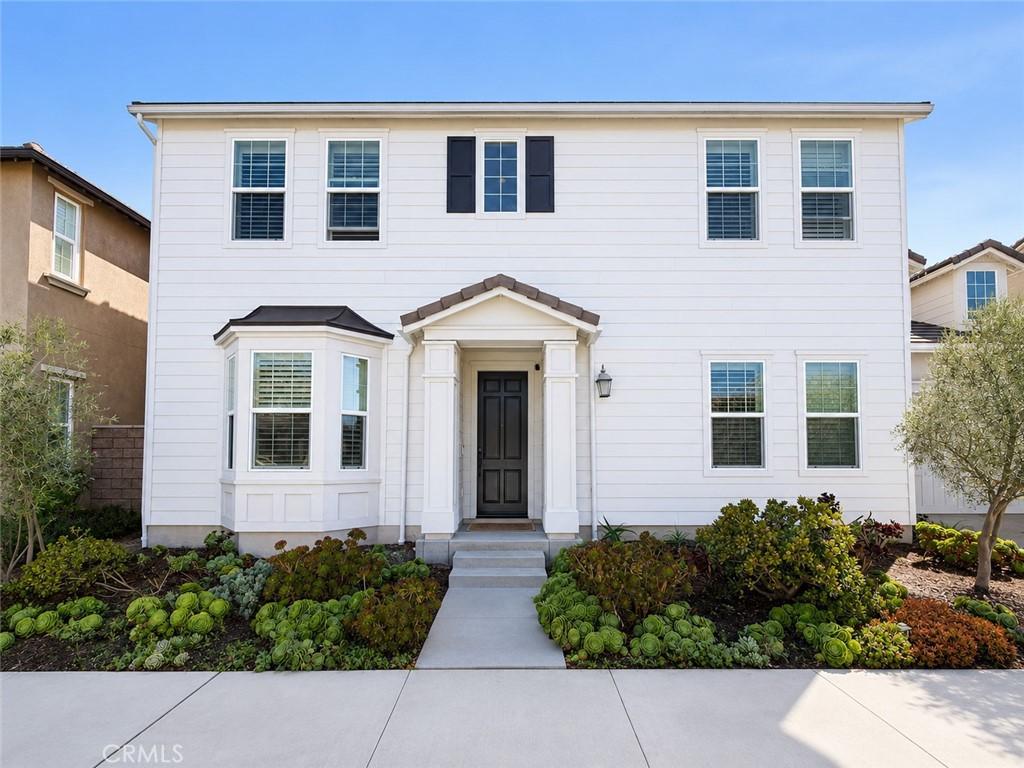
Tustin is a community in North Orange County — one of California’s most economically significant and residentially diverse regions, where Disneyland, Surf City USA, South Coast Plaza, and the Vietnamese-American Little Saigon corridor anchor a diverse collection of cities that collectively serve more than 1.5 million residents ranging from working-class immigrant families to upper-income surf lifestyle homeowners. Tustin is a North OC city of approximately 82,000 residents known for the historic Tustin Hangar (one of the world’s largest wooden structures, former MCAS Tustin), the redevelopment of the former air station into Tustin Legacy, and proximity to Irvine’s employment corridor via the 55 and 5 Freeways. Tustin’s 2026 median home price of approximately $1 to $1.4 million reflects the central OC positioning, Irvine employment proximity, and the Tustin Unified School District’s above-average performance.

[showcaseidx_hotsheet name=”Los Angeles”]

Tustin in North Orange County

Community

What should home buyers know about Tustin?

Tustin is one of North Orange County’s communities, tustin is a north oc city of approximately 82,000 residents known for the historic tustin hangar (one of the world’s largest wooden structures, former mcas tustin), the redevelopment of the former air station into tustin legacy, and proximity to irvine’s employment corridor via the 55 and 5 freeways within a region whose residential diversity spans from the dense, immigrant-rich cities of Santa Ana and Garden Grove to the affluent hillside estates of Yorba Linda and Villa Park, united by Orange County’s overall economic vitality, the region’s strong employment base (Disneyland, South Coast Plaza, the John Wayne Airport corridor, and the broader OC commercial economy), and the freeway connectivity that links the region to both the Los Angeles and San Diego metropolitan areas.

Orange County’s school districts are among the better-performing in California for their size — Orange Unified, Fullerton Joint Union, Placentia-Yorba Linda Unified, Huntington Beach Union High School, and the other North OC districts consistently outperform the state average and serve as one of the region’s most significant residential value drivers for families choosing OC over equivalent-priced homes in Los Angeles County. The specific district serving Tustin depends on the address; parents should verify the campus assignment and district performance data before committing to any specific North OC community based on school quality.

The 5, 22, 55, 57, 91, and 405 Freeways connect North OC’s communities to each other and to the broader Southern California regional freeway network. The Metrolink Orange County Line serves Fullerton and Anaheim with commuter rail service to Los Angeles. John Wayne Airport (SNA) in Santa Ana provides commercial air service to regional and national destinations without the LAX driving burden. The 91 Freeway’s toll lanes provide faster travel through the congested 91 corridor to the Inland Empire for North OC residents who commute eastward. Orange County’s freeway-dependent transportation culture reflects the region’s post-WWII development pattern; transit alternatives exist but are used by a small fraction of the population relative to freeway commuting.

What’s happening with the MCAS Tustin redevelopment?

The Marine Corps Air Station Tustin’s closure in 1999 and the subsequent redevelopment of its 1,606 acres as Tustin Legacy represents one of the largest base reuse projects in California history — a long-term transformation of military land into mixed residential, commercial, and civic uses that has added thousands of new homes, the District at Tustin Legacy shopping center, and the Tustin Legacy Park sports complex to the southern Tustin residential landscape. The Legacy’s ongoing development phases continue to add residential product, commercial amenity, and park infrastructure that increases the Tustin address’s appeal relative to the established residential neighborhoods to the north. The District at Tustin Legacy — anchored by In-N-Out, Target, and a diverse collection of restaurants and retailers — provides the regional commercial center that Tustin’s historic Old Town commercial district could not serve alone. The Historic Old Town Tustin area along El Camino Real preserves the original late-19th-century commercial character that the base redevelopment complements rather than replaces.

Tustin Unified School District serves the incorporated city’s K-12 population — a district whose performance reflects the diverse residential population spanning from Tustin’s historic working-class areas to the new Legacy development’s more affluent residential market segment. Tustin High School and Foothill High School are the primary secondary campuses; both schools have active academic and extracurricular programs that reflect the community’s diverse and engaged school-family population. The 5, 55, and 261 Freeways all have Tustin access points within the city’s geographic footprint, providing the multi-directional freeway access that makes Tustin one of the most commute-flexible communities in Central OC — Irvine employment is 15 minutes south; Orange’s employment is 10 minutes north; the 91 to North OC is 20 minutes. For buyers who work throughout the OC employment corridor and want the commute flexibility that central positioning provides, Tustin’s freeway access rivals any comparable community in the county.

Area Details

What makes Tustin part of North OC’s diverse community?

Disneyland Resort in Anaheim is the single most visited theme park on earth — a global tourism destination whose presence makes Anaheim one of the most recognized city names in the world despite being primarily a working-class and immigrant community of approximately 340,000 residents. The economic weight of the resort district — hotels, restaurants, and supporting businesses along Harbor Boulevard — sustains a hospitality employment base that shapes Anaheim’s residential character and contributes the municipal revenue that funds city services for Anaheim’s diverse population. The Angels (baseball) and the Ducks (hockey) provide additional major professional sports identity within Anaheim’s Honda Center and Angel Stadium venues.

Yorba Linda’s hillside terrain above the 91 Freeway provides the most premium residential experience in North OC outside of Huntington Beach — the Yorba Linda Country Club, the large lot sizes on the hillside streets, and Richard Nixon’s birthplace (now the Nixon Presidential Library) give the city a distinct identity within North OC’s residential landscape. Villa Park — a small incorporated city of approximately 5,500 residents surrounded by Orange — is one of the most exclusive residential addresses in North OC, with a minimum lot size ordinance that has preserved the large-lot, agricultural-heritage residential character that distinguishes Villa Park from the denser cities surrounding it.

The Vietnamese-American community in Garden Grove and Westminster — the Little Saigon commercial and cultural corridor along Bolsa Avenue — is one of the largest Vietnamese-American communities outside Vietnam, sustaining a restaurant, commercial, and cultural infrastructure that draws visitors from across Southern California and that creates a distinctly Vietnamese-American community identity that makes this section of North OC unlike any other residential zone in the region. Seal Beach, at the LA County border adjacent to Long Beach, provides a small-town beach community character with the Los Alamitos Race Course and a distinct village identity that differs from the more urban beach cities to the south.

Market Trends

How is the North Orange County Real Estate real estate market?

North Orange County encompasses the diverse collection of cities between the Los Angeles County border and the Irvine-Newport Beach corridor — including Anaheim (home of Disneyland), Huntington Beach (Surf City USA), Costa Mesa (South Coast Plaza), Fullerton, Garden Grove, Santa Ana (the county seat), Yorba Linda (Nixon’s birthplace), Brea, Placentia, Orange, Tustin, and many smaller cities that collectively house more than 1.5 million residents in the most densely developed section of one of California’s most economically significant counties. The 2026 median home price across North Orange County ranges from approximately $700,000 in the more affordable interior cities to $1.5 to $2.5 million in Huntington Beach’s beachfront sections, Yorba Linda’s hillside estates, and the premium residential areas of Seal Beach.

Huntington Beach — “Surf City USA” — is North Orange County’s most famous residential destination, a city of approximately 200,000 residents where the pier, the US Open of Surfing, and 8.5 miles of Pacific beach create the Southern California beach city identity that the Huntington Beach brand projects globally. The contrast between Huntington Beach’s affordable interior residential neighborhoods and the premium beachfront and Bolsa Chica Ecological Reserve-adjacent sections demonstrates the diversity of North OC’s residential market within a single city. Costa Mesa’s South Coast Plaza shopping center — one of the highest-grossing shopping centers in the United States — anchors the city’s commercial identity and sustains residential demand from the retail and hospitality workforce that the center requires.

North Orange County’s freeway network — the 5, 22, 57, 91, and 55 Freeways, plus the 405 through the coastal zone — provides the regional connectivity that links the region’s diverse communities to Los Angeles (35 to 60 minutes north on the 5), San Diego (75 to 90 minutes south on the 5), and the Inland Empire (via the 91 and 57). The Metrolink Orange County Line provides commuter rail service from Fullerton and Anaheim to downtown Los Angeles. The OCTA bus network and the forthcoming OC Streetcar in Santa Ana/Garden Grove provide public transit alternatives for local trips within the North OC corridor.

What job markets and infrastructure drive Tustin’s growth?

North Orange County’s residential market benefits from a diversified employment base that insulates demand from single-industry downturns. The Disneyland Resort complex — with 30,000+ employees across the Resort, Downtown Disney, and the surrounding hotel corridor — is the largest single employer, but the region’s economic foundation extends well beyond tourism. St. Joseph Hospital (Anaheim), CHOC Children’s Hospital (Orange), CalOptima, the Orange County Department of Education, and the John Wayne Airport commercial complex collectively employ tens of thousands in healthcare, government, and transportation. The Anaheim and Brea portions of the 57 Freeway corridor host a significant concentration of light industrial and distribution employment that sustains middle-income residential demand across the North OC flatland communities. Fullerton’s Cal State campus (approximately 40,000 enrollment) sustains a professorial and academic-professional residential demand segment that has historically anchored home values in Fullerton’s better residential neighborhoods through economic cycles that have been more volatile for the resort and hospitality segment.

The freeway network — the 5, 22, 55, 57, 91, and 405 — provides North OC with exceptional regional connectivity by Southern California standards. The Metrolink Orange County Line serves Fullerton and Anaheim stations with commuter rail service to Los Angeles Union Station (approximately 45 minutes off-peak), an alternative that has grown steadily as residential buyers relocating from LA prioritize rail commute options. The 91 Express Lanes provide premium-priced congestion relief on the most heavily traveled freeway in the region for North OC residents commuting east toward the Riverside/San Bernardino employment corridors. John Wayne Airport in Santa Ana is accessible from most North OC communities in under 30 minutes, providing commercial air access without the LAX traffic burden. OCTA’s expanding bus rapid transit network provides local transit connectivity within North OC cities for residents who prefer alternatives to driving.

Long-term value in North OC is supported by the county’s restrictive development environment — Orange County’s coastal terrain constraints, the Cleveland National Forest boundary at the eastern edge, and the established build-out of most North OC municipalities limit new supply in ways that sustain pricing through demand cycles. Specific North OC markets that have consistently outperformed — Yorba Linda’s hillside estates, Los Alamitos and Seal Beach for school district access, Villa Park’s minimum-lot-size community, and Huntington Beach’s oceanfront — share the characteristic of supply constraints that cannot be resolved by new construction alone. Buyers who identify the specific value drivers in their target North OC community and purchase with long holding-period intent have historically achieved strong appreciation across the region’s residential market cycles.

FAQs

What is the price range in Tustin?

Tustin’s 2026 median home price of approximately $1 to $1.4 million reflects the central OC positioning, Irvine employment proximity, and the Tustin Unified School District’s above-average performance. North Orange County’s market ranges from approximately $700,000 in the more affordable interior cities to $2 to $3 million in the beachfront and premium hillside communities. Current pricing for Tustin is available from The Knight Group.

How is the commute from Tustin to Los Angeles?

North Orange County’s commute to Los Angeles depends on specific origin and destination. The 5 Freeway from Anaheim to downtown LA takes approximately 35 to 45 minutes off-peak and 75 to 90 minutes during peak commute hours. The Metrolink Orange County Line from Fullerton and Anaheim provides rail service to downtown LA’s Union Station (approximately 45 to 60 minutes). North OC’s commute to LA is generally easier than South OC’s due to the shorter distance and multiple freeway route options. For residents who work in Irvine or the South OC employment corridor, the reverse commute from North OC is typically faster and more manageable.

What school districts serve Tustin?

North Orange County is served by multiple school districts whose performance varies by community. Placentia-Yorba Linda Unified and Fullerton Joint Union High School District are among the region’s highest performers; other districts vary. The specific district serving Tustin should be verified before purchase for buyers with school-age children. Orange County’s overall school quality is consistently above the California state average, providing a baseline that most North OC communities achieve even before considering specific district performance.

What is Tustin Legacy and how does it affect Tustin’s residential market?

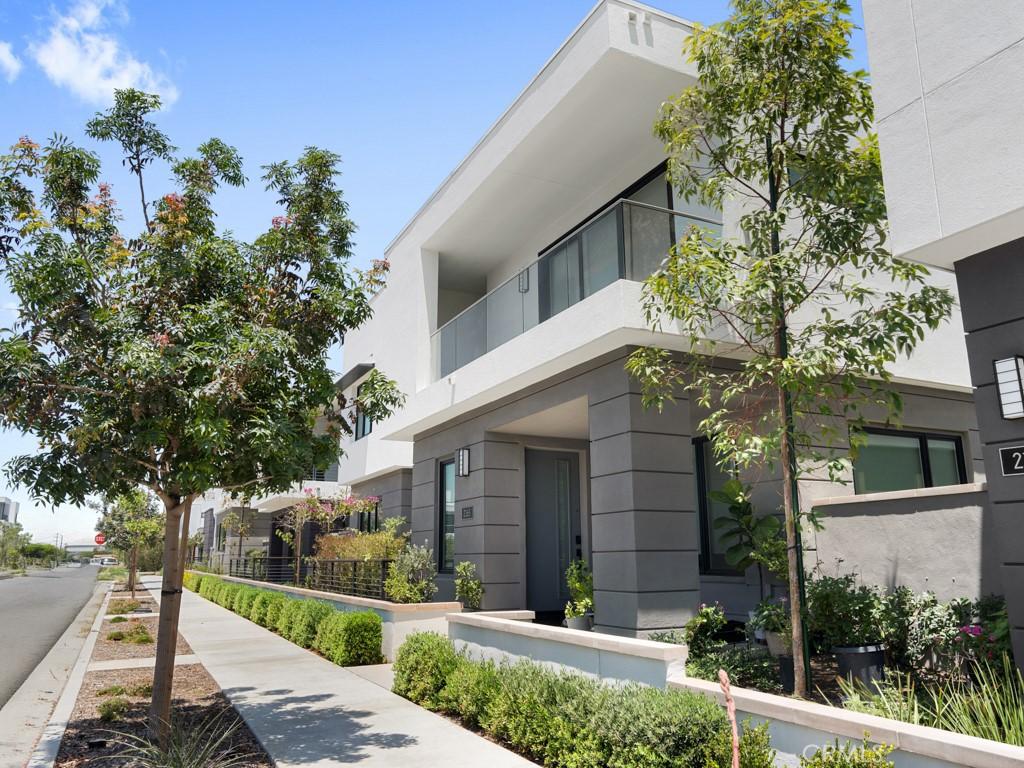
Tustin Legacy is the redevelopment of the former Marine Corps Air Station Tustin — a 1,606-acre project area in southern Tustin that is being transformed into a mixed-use urban village with residential, commercial, and civic uses over a multi-decade development timeline. The Legacy has added thousands of new homes (single-family, townhome, and condominium product), The District shopping center, and the Tustin Legacy Community Park to the Tustin residential landscape. The ongoing development means that new construction inventory is available in a city where the established residential stock is mostly 1950s–1990s vintage; buyers who prefer new construction with modern finishes and energy efficiency find the Legacy’s newer phases competitive with Irvine’s new construction at potentially lower pricing. The Legacy area’s school assignment and the specific HOA for each residential phase should be researched individually for any purchase within the development.

Hey, You ALMOST MISSED IT!

Lucky for you we’re looking out.

Subscribe to this Custom Search to be alerted when new properties hit the market in the area.

Choose the frequency that works for you.

get alerts

[showcaseidx_contact]