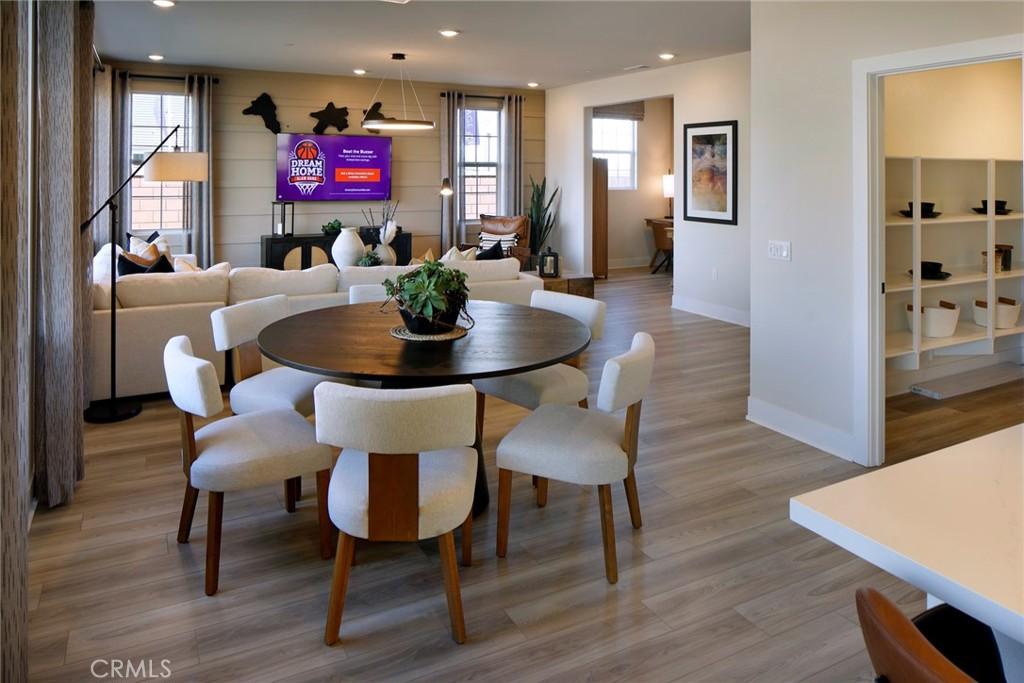
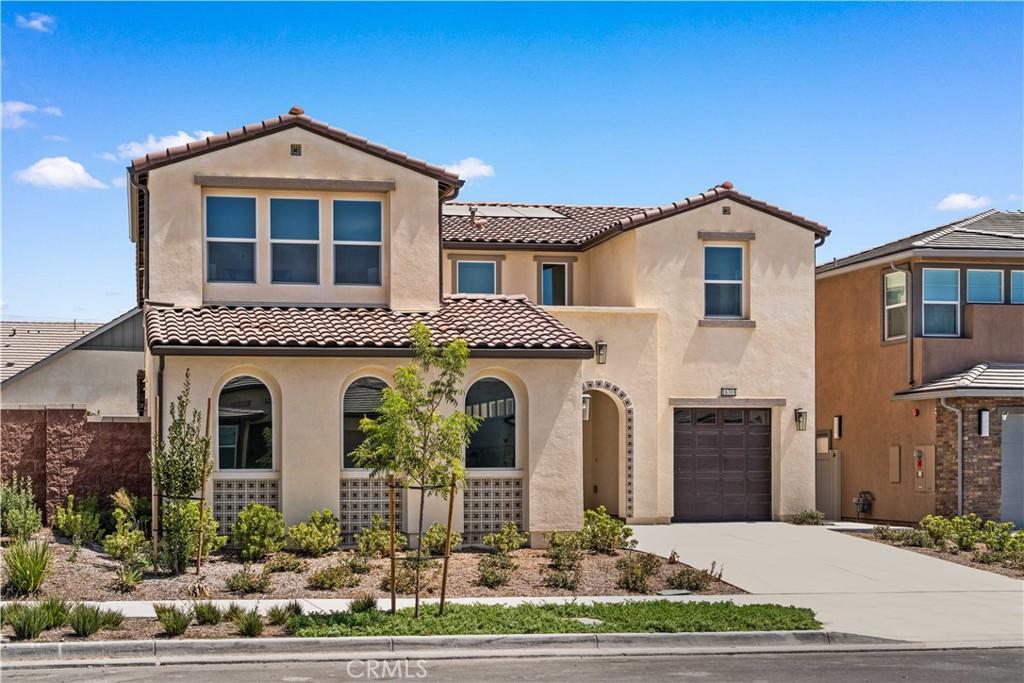
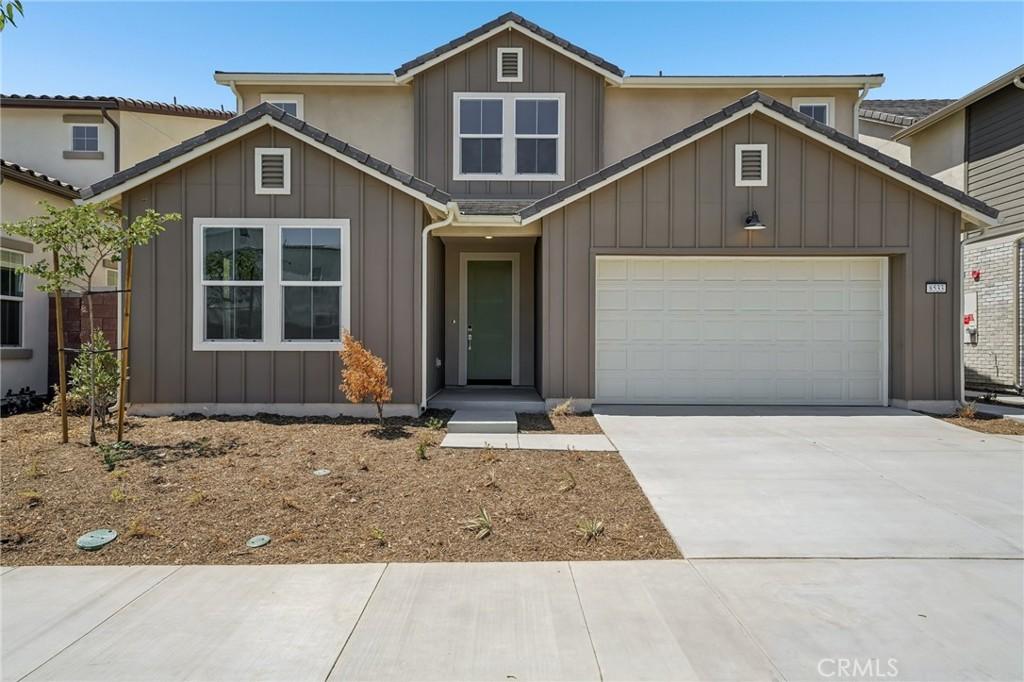
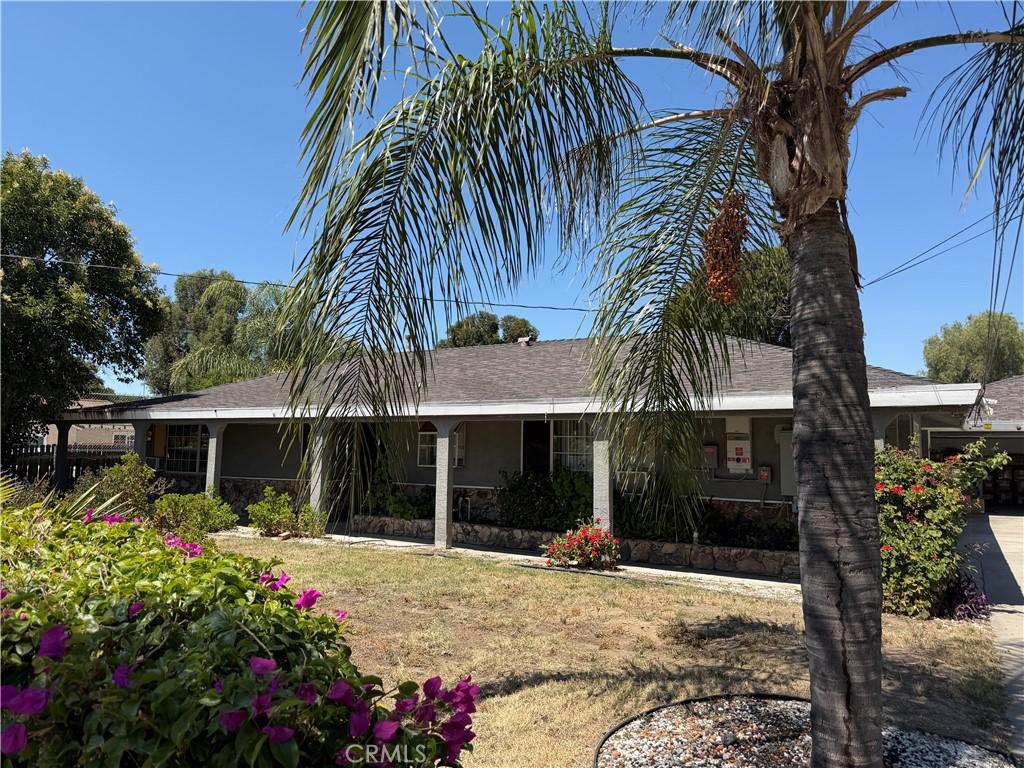
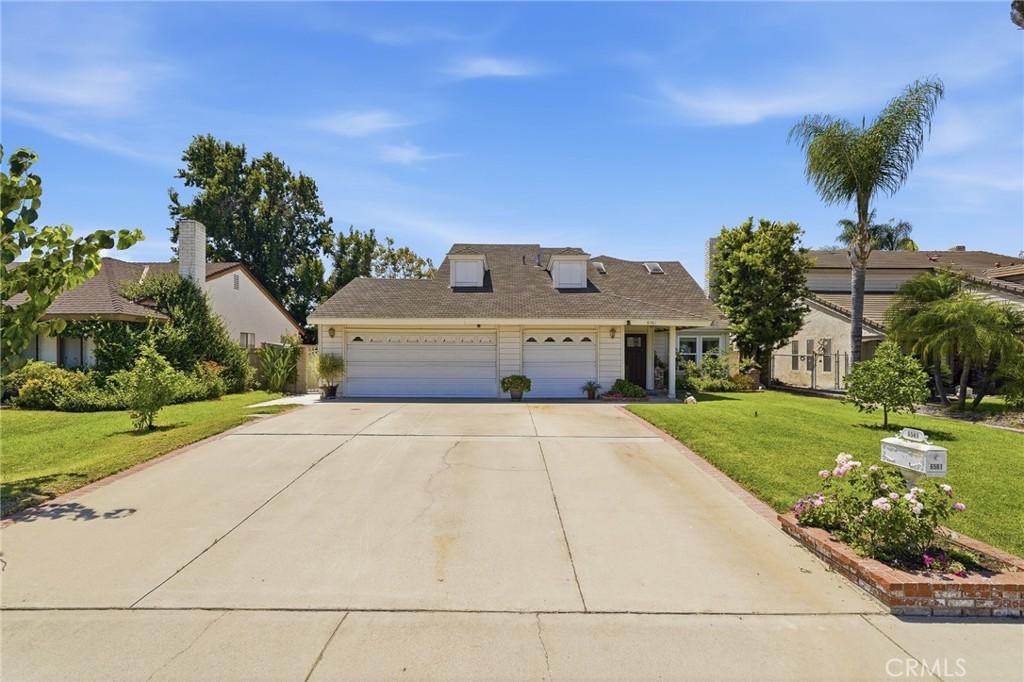
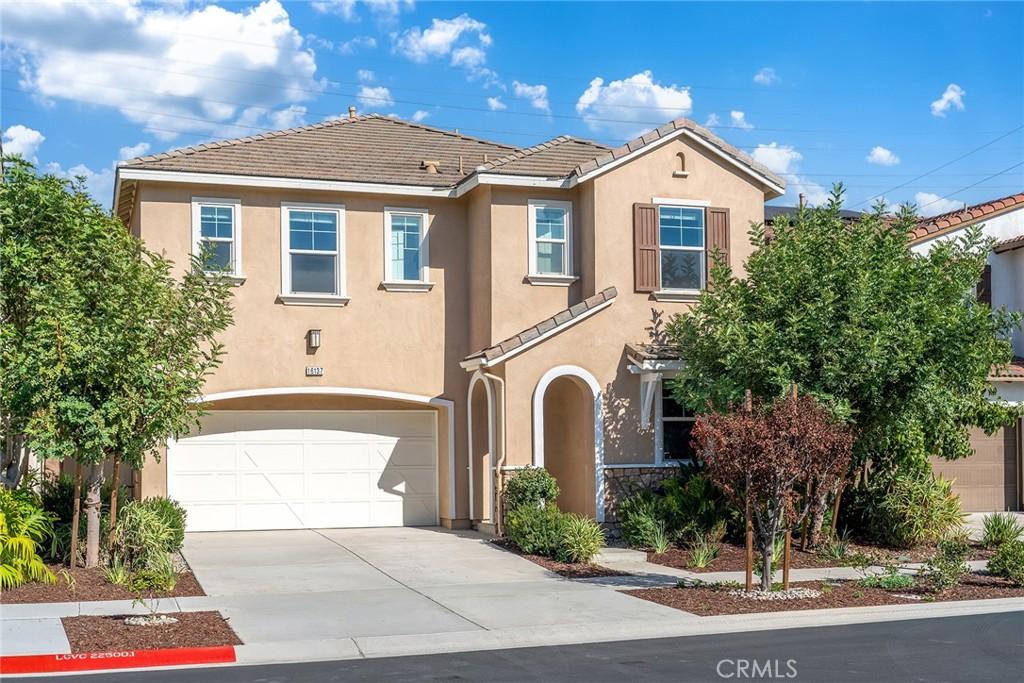
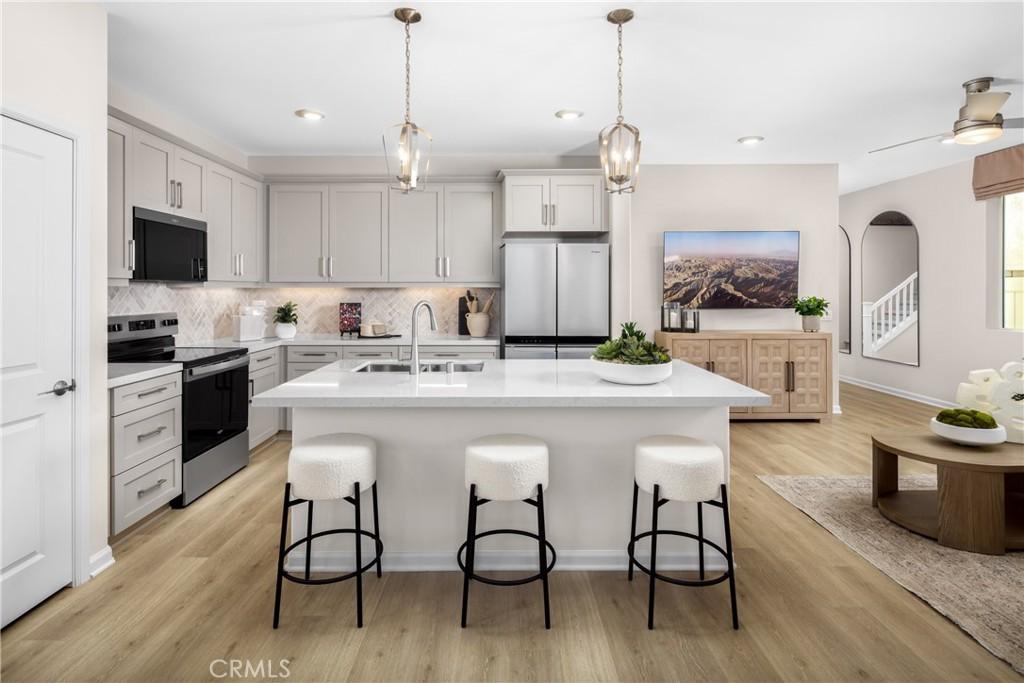
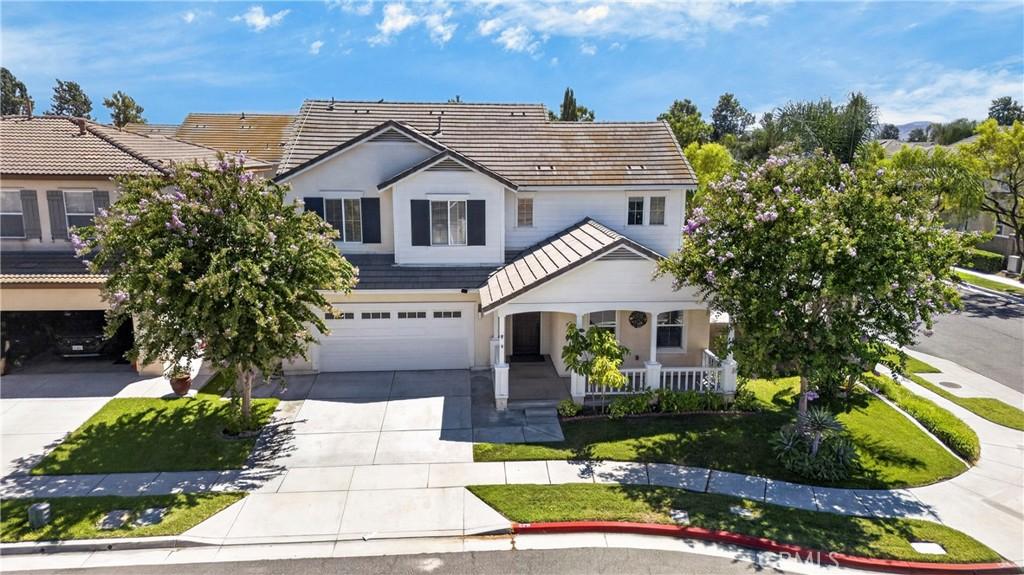
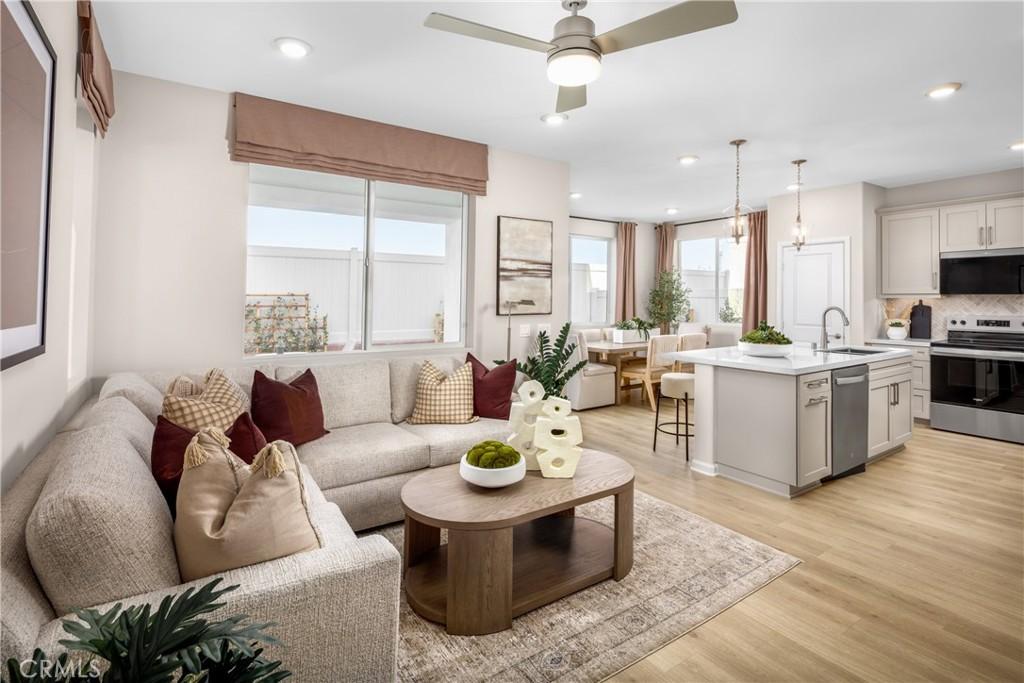
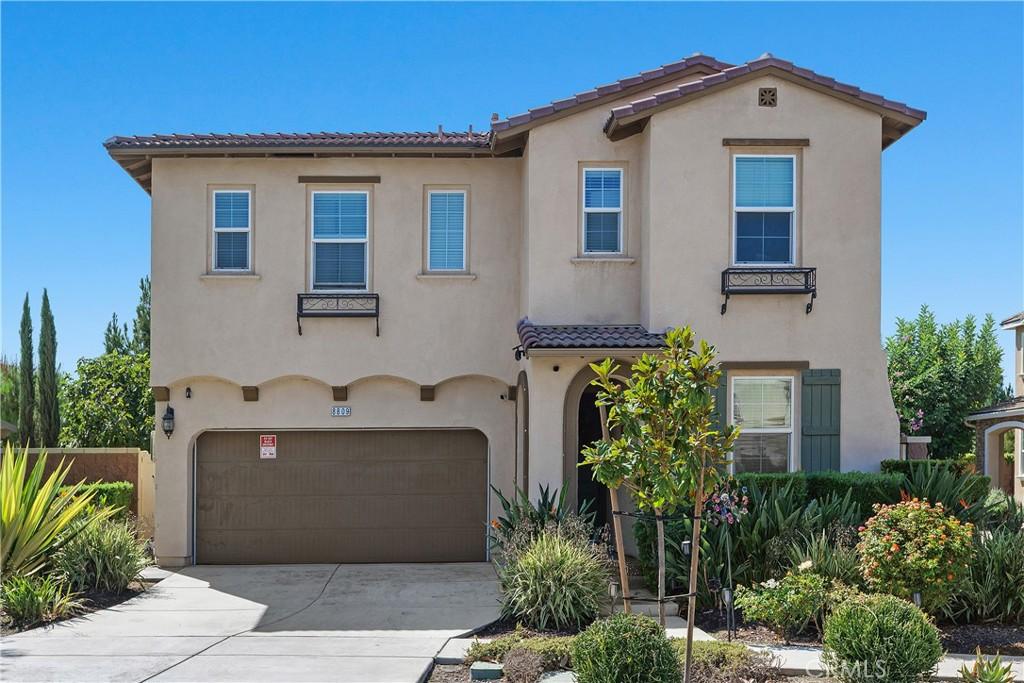
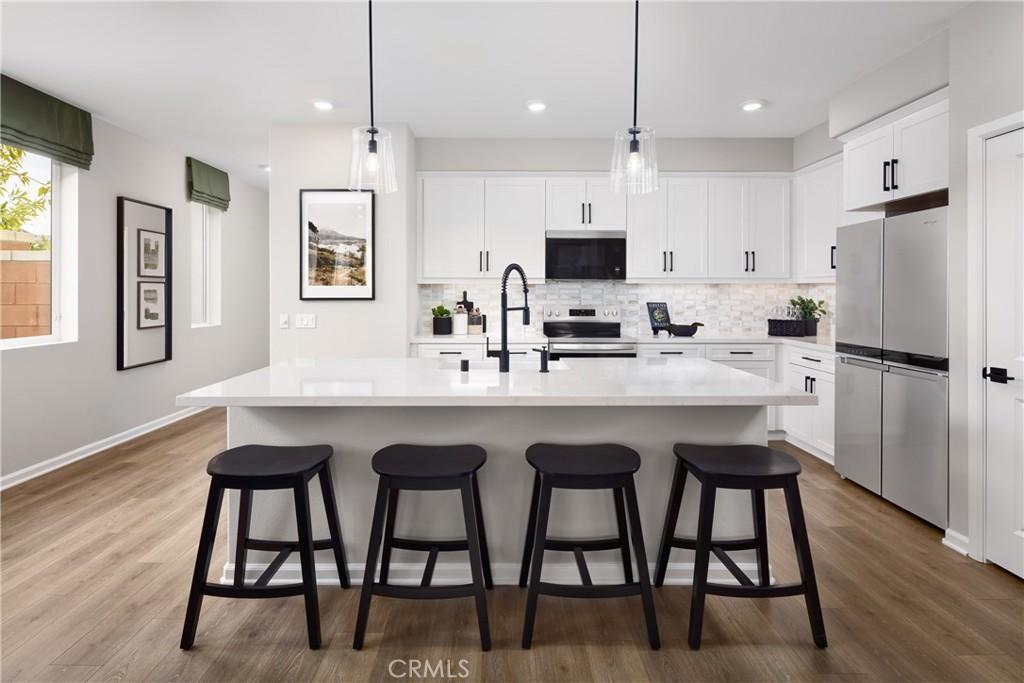
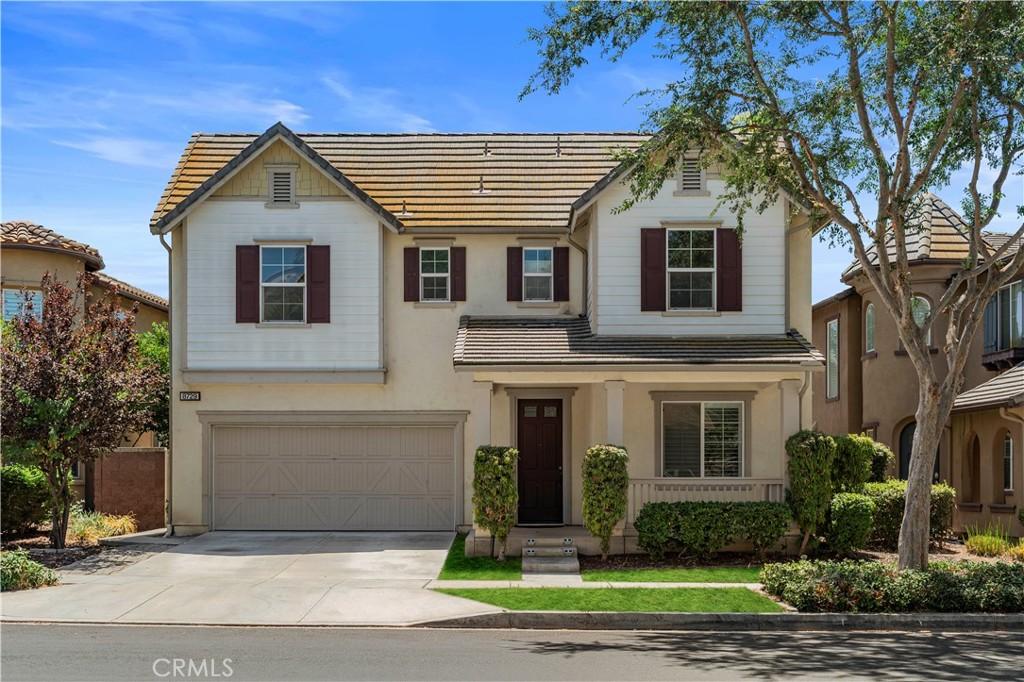
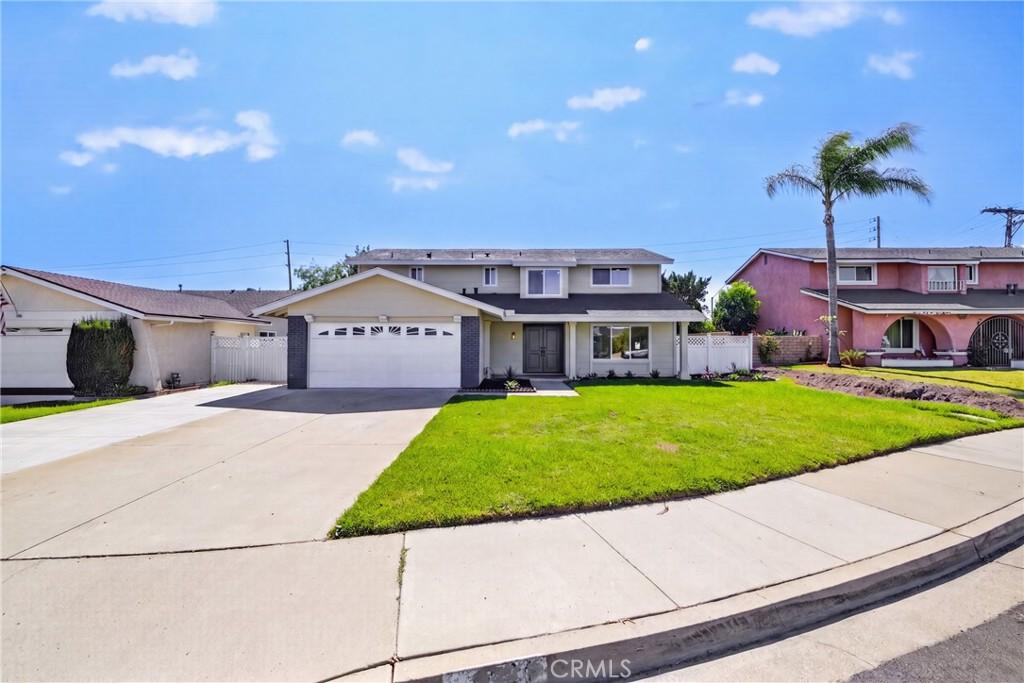
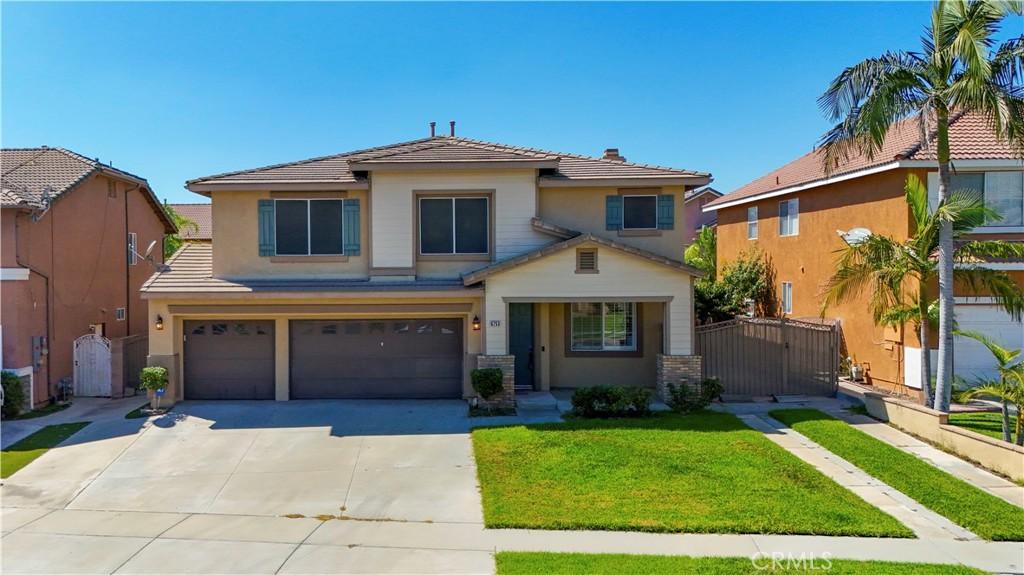
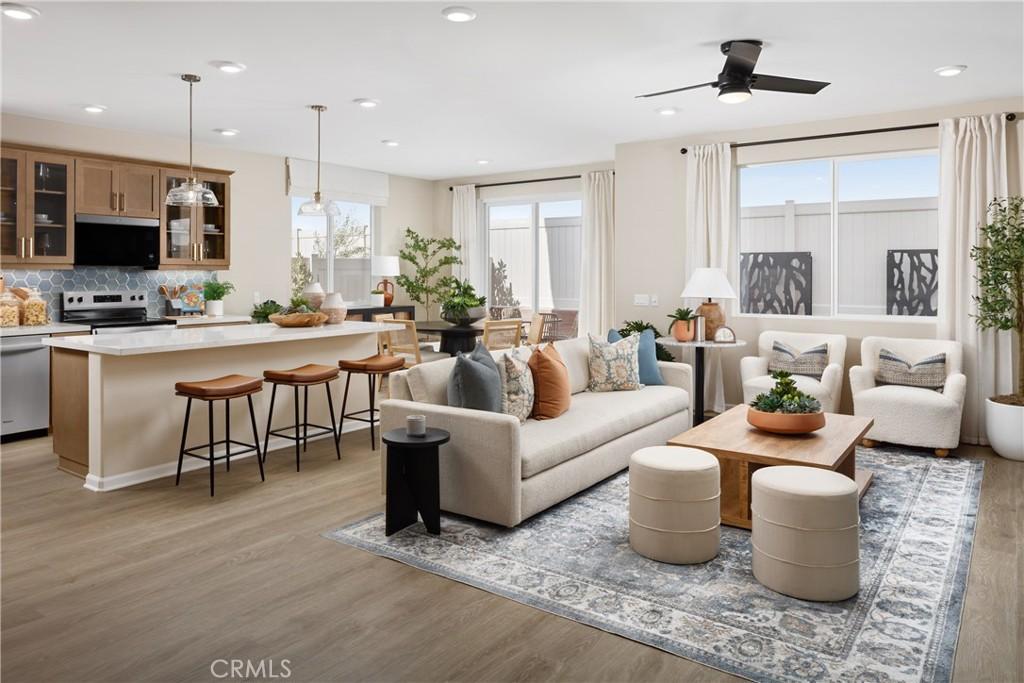
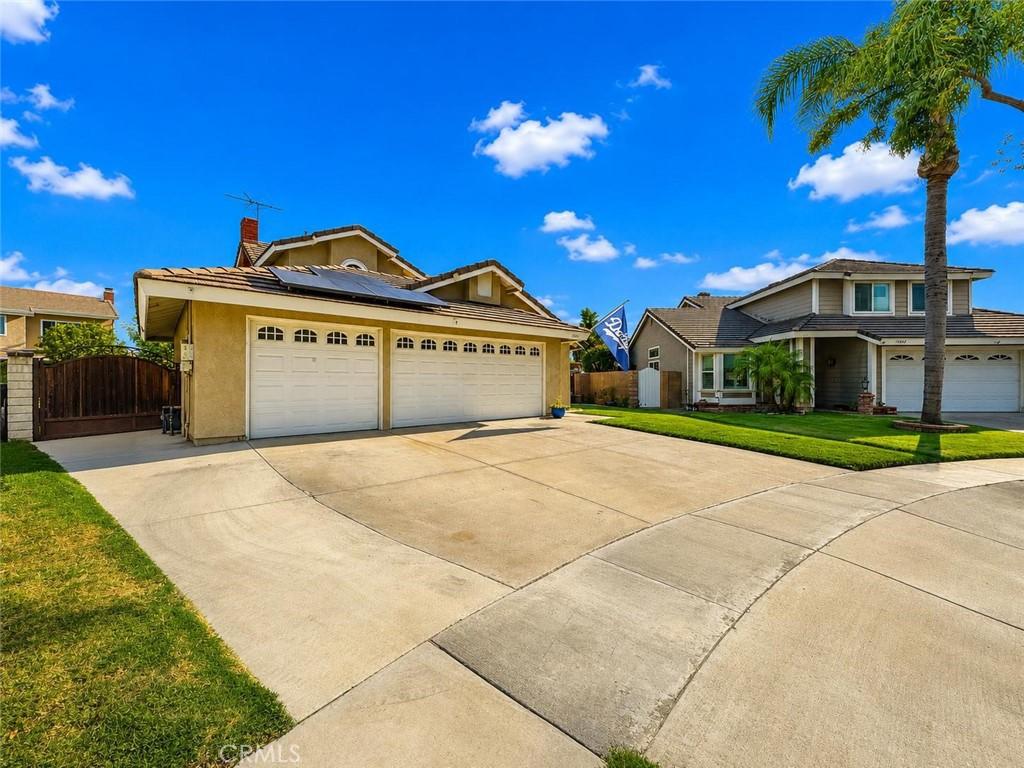
Chino CA Homes for Sale
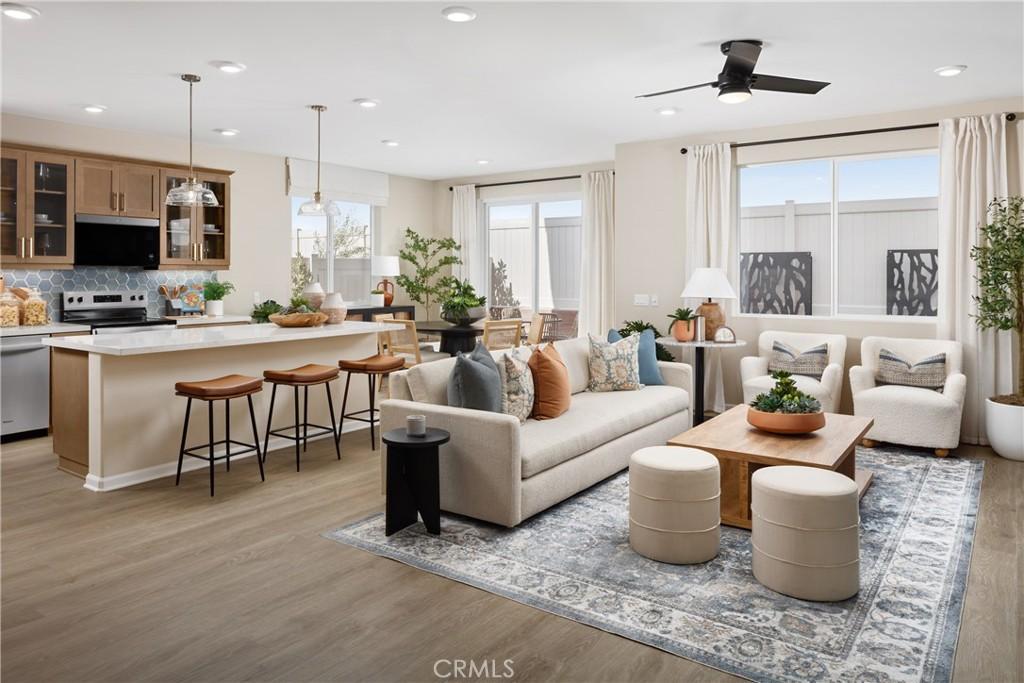
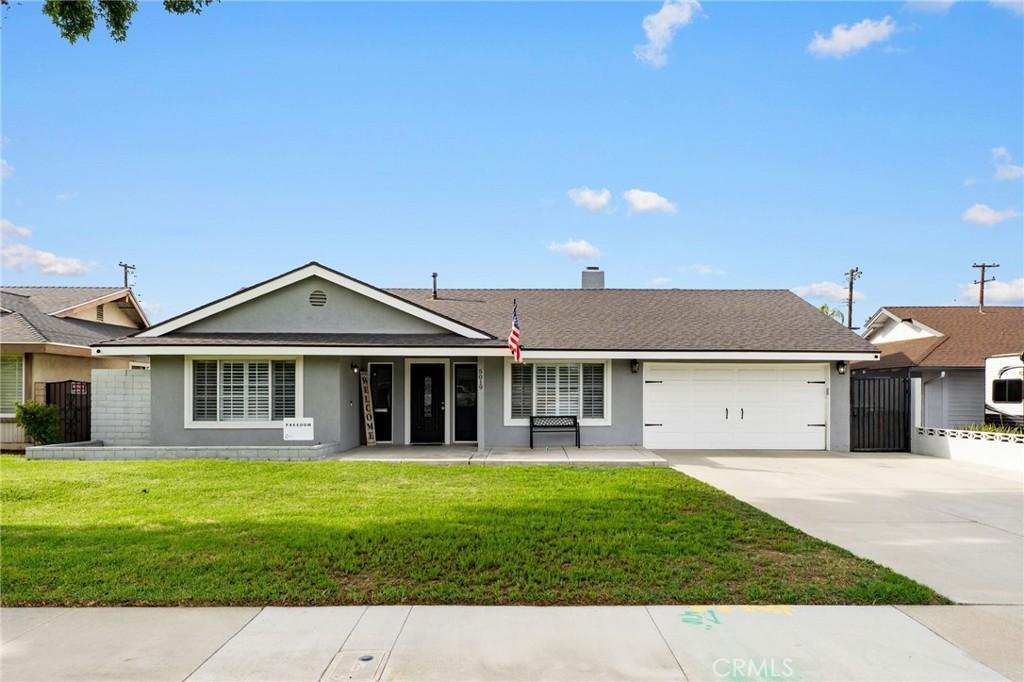
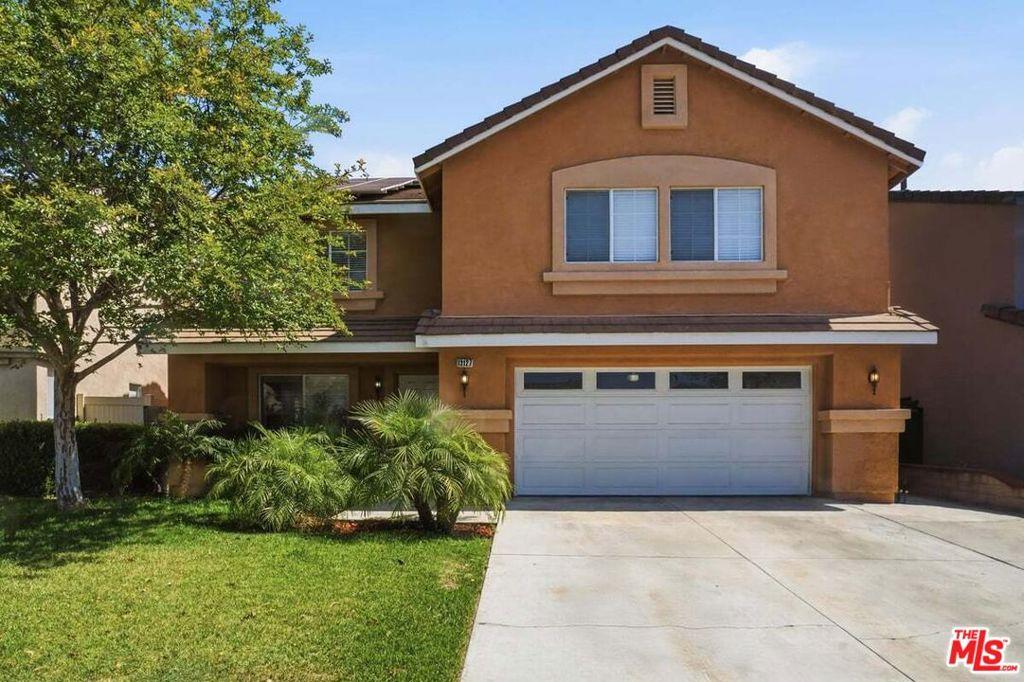
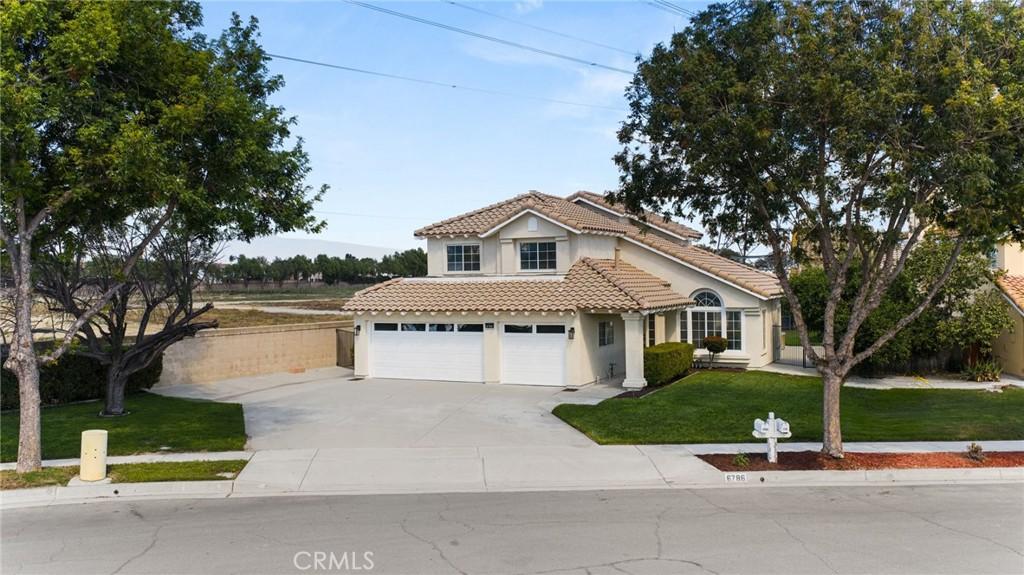
Chino CA Homes for Sale currently number 161 active listings with a median asking price of $749,000 (CRMLS, September 2026).
Most buyers looking at Chino CA homes for sale are here for one trade: a longer commute to Los Angeles or Orange County in exchange for a newer home and more square footage per dollar. Chino sits in western San Bernardino County, about 42 miles east of downtown LA, on former farm and dairy land in the Chino Valley. In January 2026, homes sold for a median of about $780,000, per Zillow, with properties going in roughly 60 days.
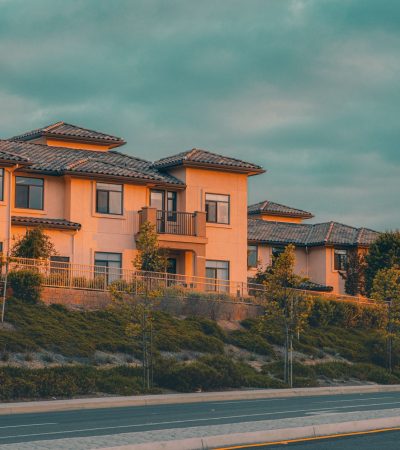
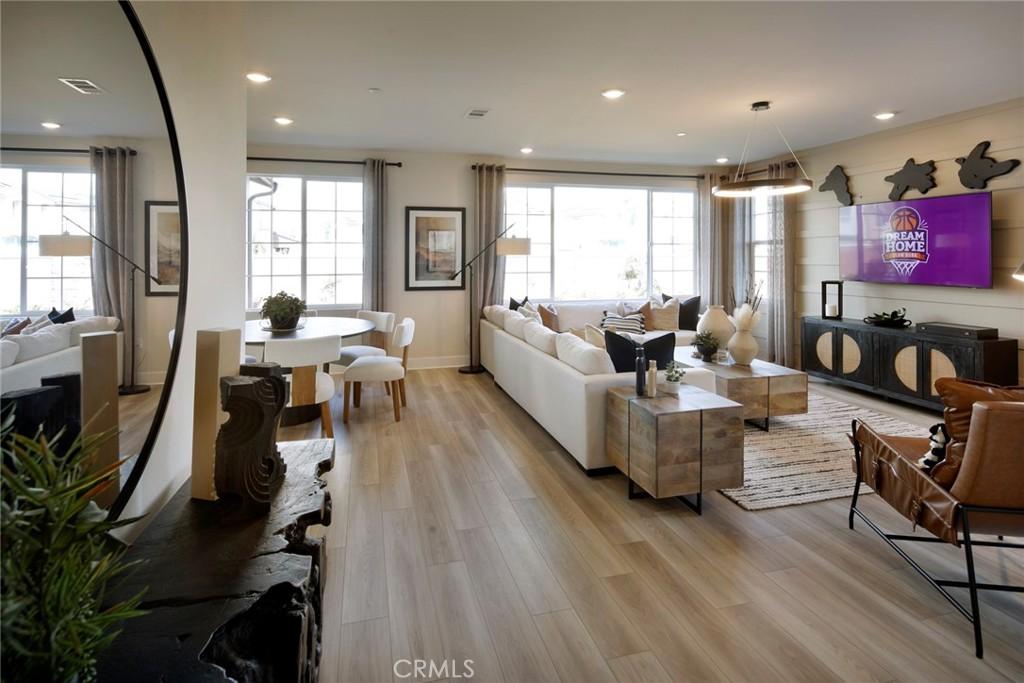
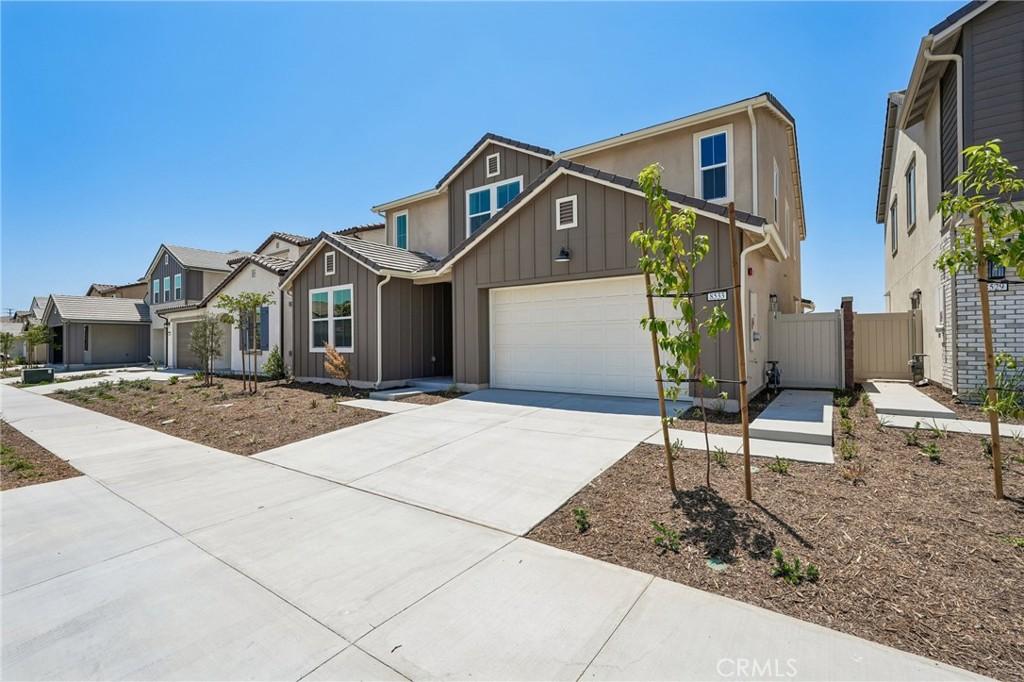
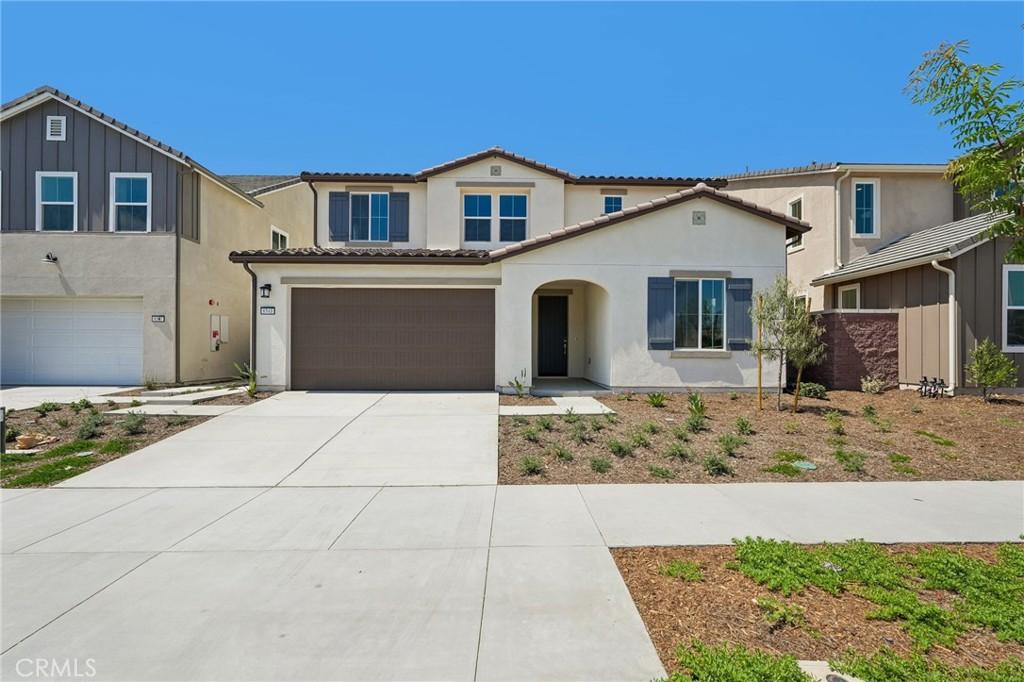
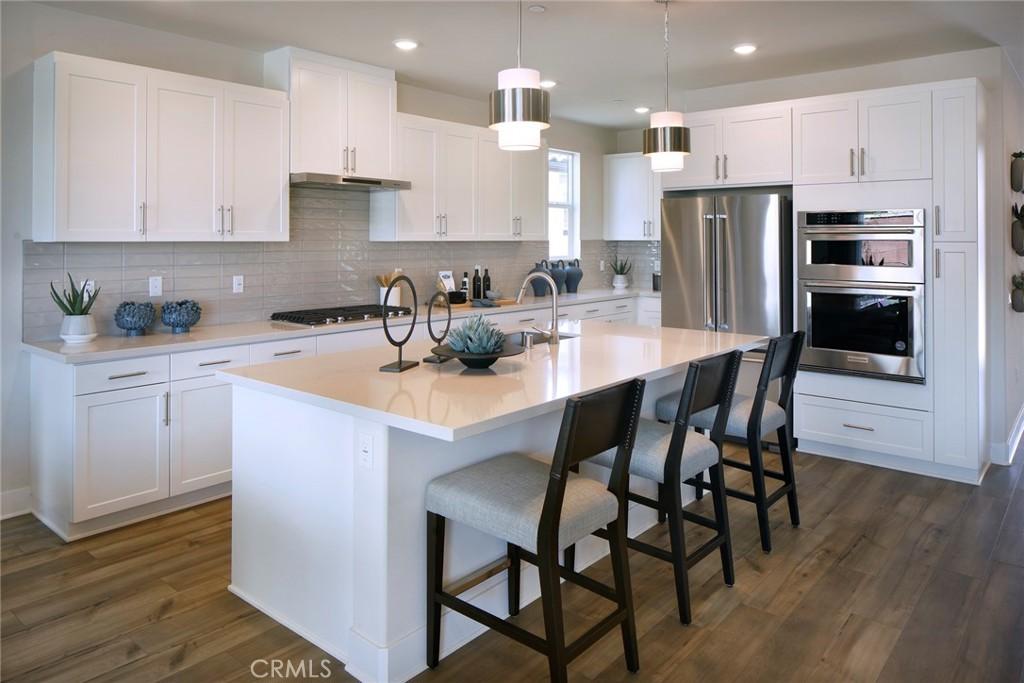
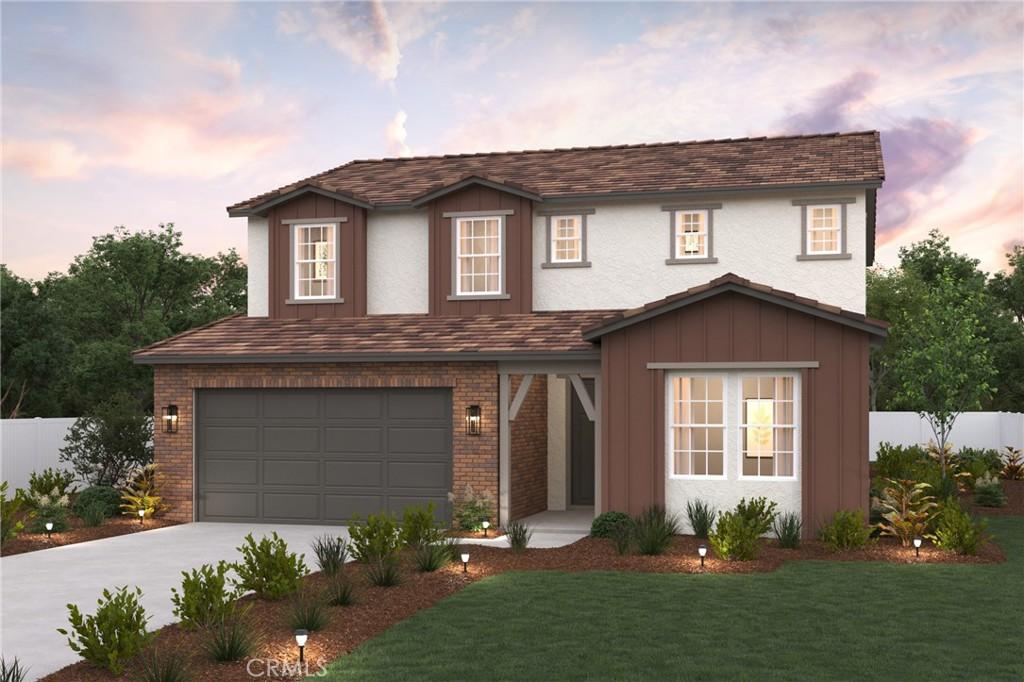
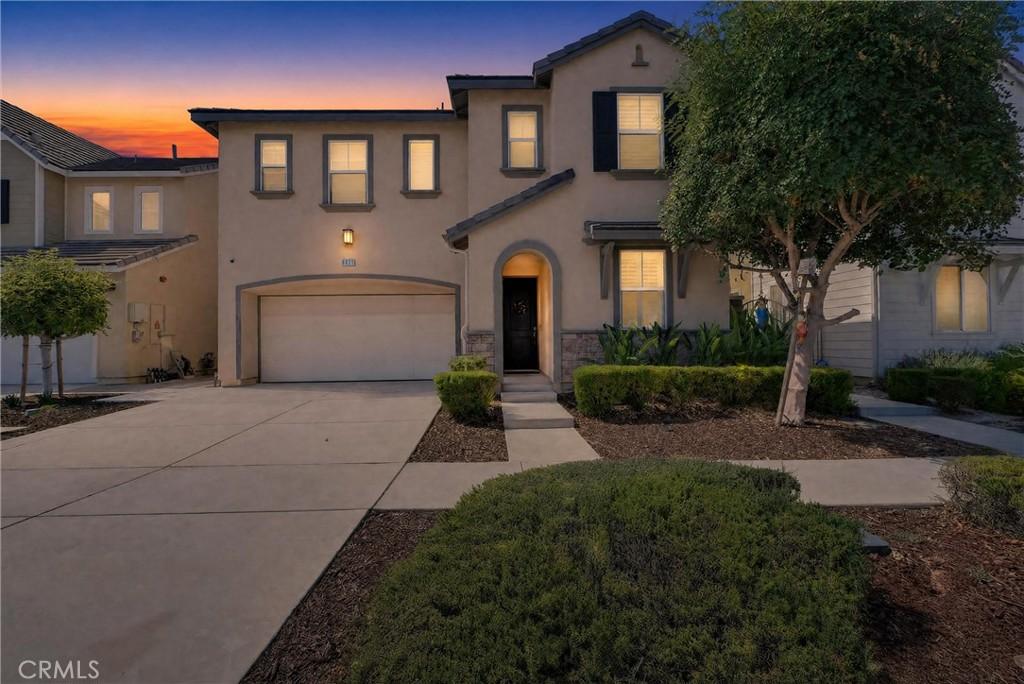
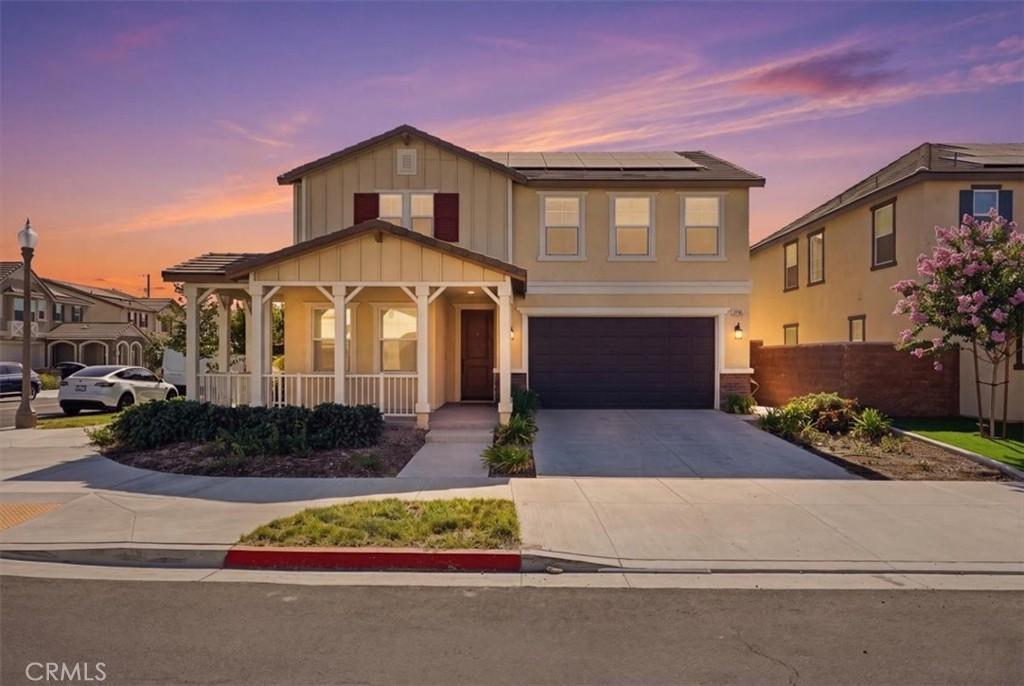
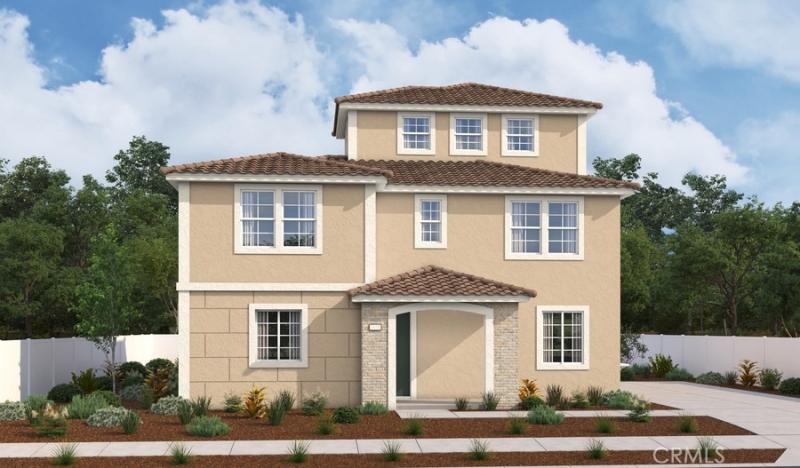
A large share of the inventory is newer construction inside planned neighborhoods, much of it within The Preserve, a 5,435-acre master plan in south Chino. College Park, Woodbury, The Meadows, University Park, and Seneca Village each carry their own age, home size, and price band. Association dues and special taxes vary street to street, so compare carrying costs, not just list price.
Below you can browse current listings across Chino’s neighborhoods, or contact The Knight Group to talk through which pocket fits your budget, commute, and school priorities before you start touring.
What does it cost to buy a home in Chino?
Chino is a mid-priced Inland Empire market, well below the coastal counties but above the region’s cheapest cities. In January 2026, homes in Chino sold for a median price of about $780,000, per Zillow. Zillow also put the average Chino home value near $772,000, up roughly 1.9% over the prior year, while Redfin reported November 2025 prices up 7.7% year over year at a $770,000 median.
The market has been moving faster than it was. Per Zillow data, homes sold after about 60 days on the market in January 2026, down from 81 days a year earlier, and 258 homes changed hands that month. Faster days-on-market usually means less room to negotiate on well-priced listings, so pre-approval and a clear target list matter here.
One note on comparisons: neighboring Chino Hills is a separate, more expensive city. Redfin reported Chino Hills at a roughly $1.0 million median in spring 2026. If a listing looks priced far above the Chino norm, confirm which city it is actually in before you anchor to it.
What is The Preserve, and why does it shape the market here?
The Preserve is a master-planned community covering roughly 5,435 acres of former farm and dairy property in south Chino. It is bounded roughly by Kimball Avenue to the north, State Route 71 to the south, Euclid Avenue to the east, and Hellman Avenue to the west, and it was annexed to the City of Chino in July 2003. A large share of Chino’s newer homes were built inside this plan.
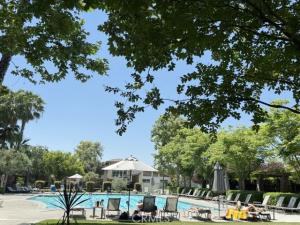
The plan reserves a substantial amount of land as open space. City materials describe roughly 3,000 acres of open space within the master plan, alongside residential neighborhoods, a commercial core, and recreation. The community operates several recreation centers, including The Parkhouse, The Meadowhouse, and The Gardenhouse, with fitness facilities, pools, tennis and pickleball courts, a dog park, and a community garden.
For a buyer, this matters in two ways. First, homes here tend to be newer and amenity-rich. Second, that infrastructure is often funded through special taxes, which we cover below. The recreation and open space are real benefits, but they come with carrying costs you should underwrite before you commit.
Which neighborhoods should you look at in Chino?
Chino’s newer construction is organized into named planned neighborhoods, most of them developed from the mid-2000s onward. Each has its own street pattern, home styles, and price band, so the right starting point depends on your budget and how much newness you want. Here is how the pockets we cover break down, with current listings for each.
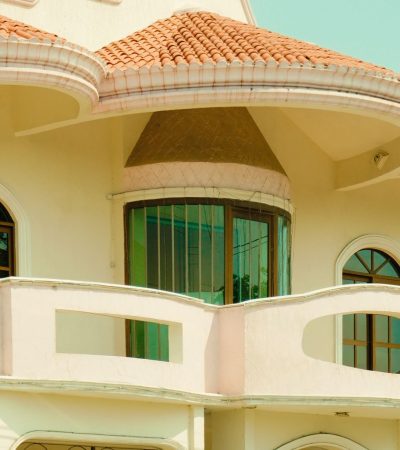
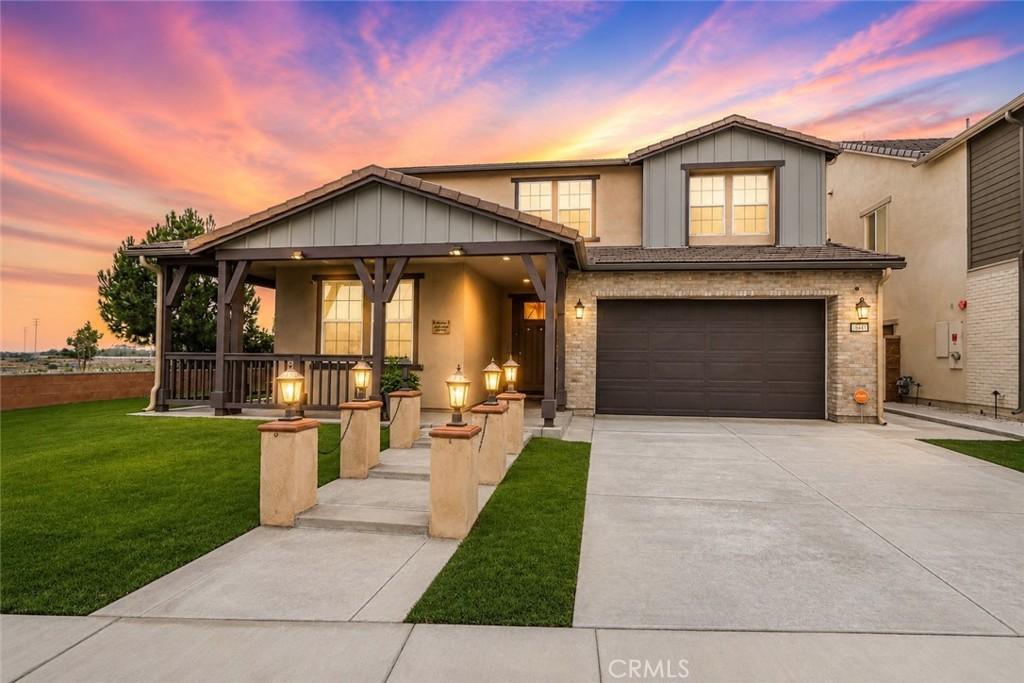
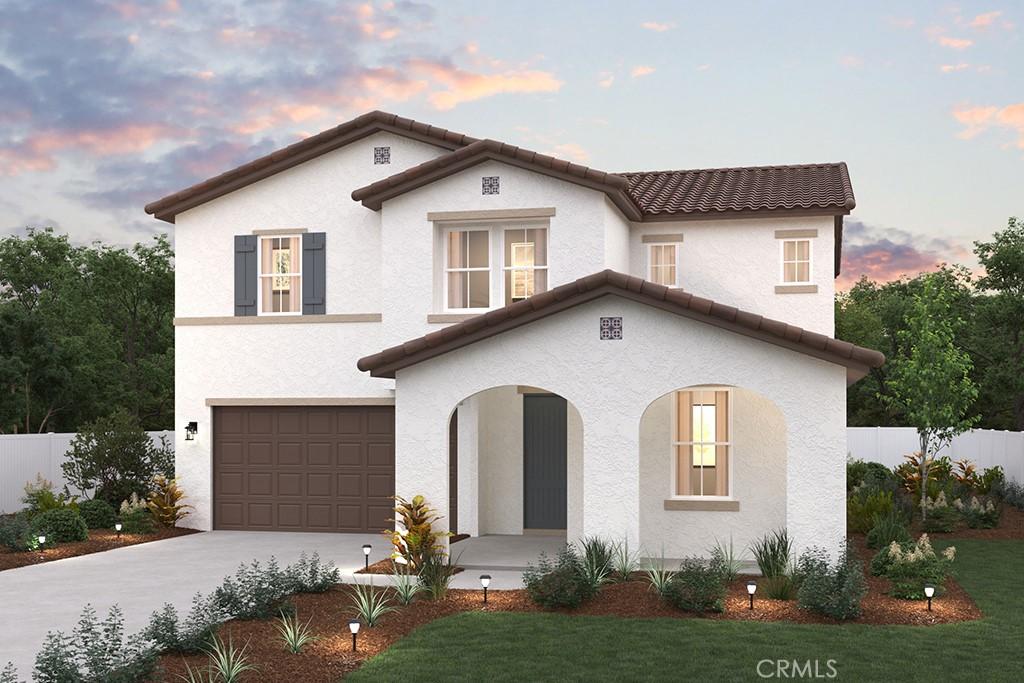
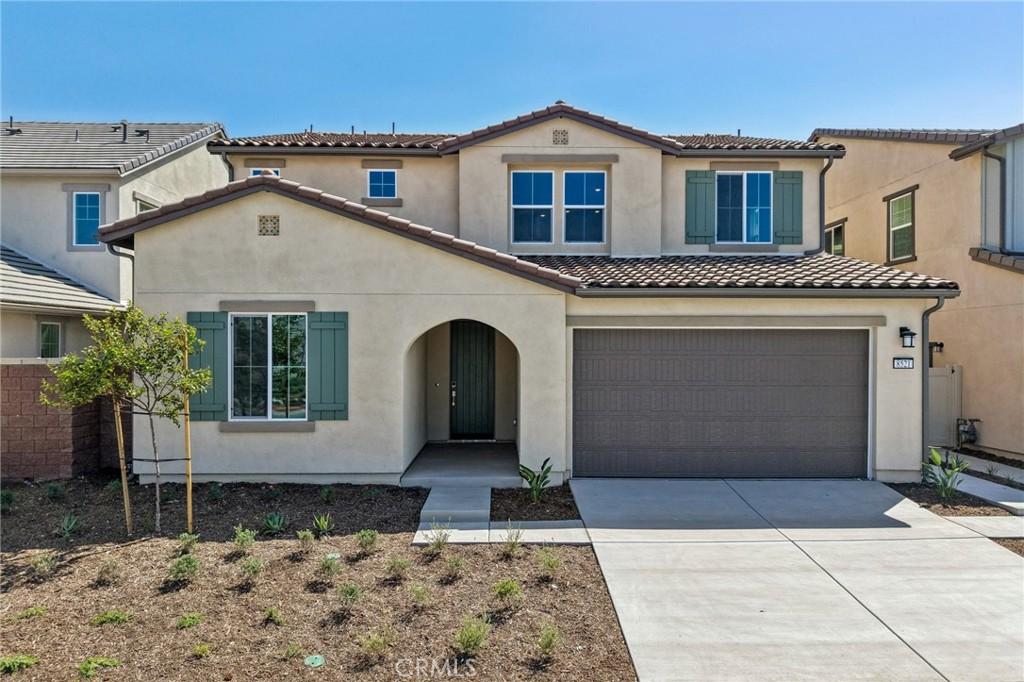
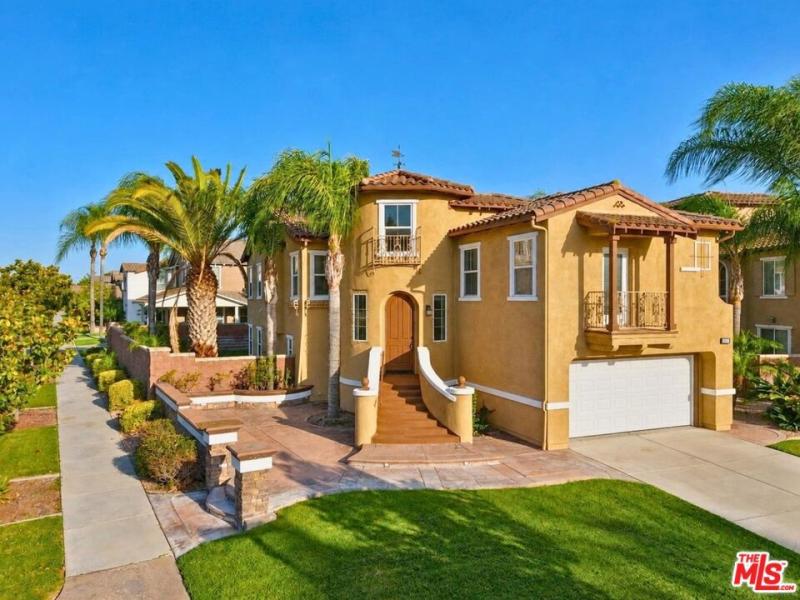
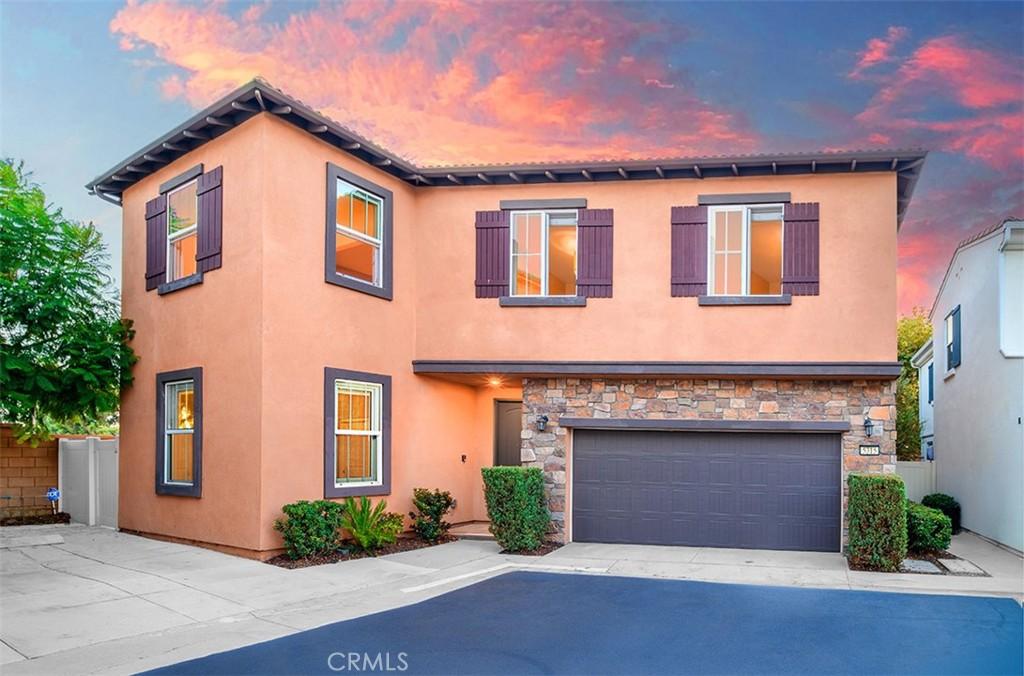
College Park is one of Chino’s established planned communities, dating to around 2007. It is known for Spanish and Mediterranean-influenced homes with stucco exteriors and tile roofs, and it centers on a community facility with a pool, a dog park, and a fitness room. Median sale prices in College Park have run in the mid-$700,000s over a recent 12-month window, per Homes.com. You can see what is available in College Park real estate and homes for sale in College Park, Chino.
The other pockets we track are newer planned neighborhoods within Chino’s south and central growth areas. For contemporary construction with community amenities, start with homes for sale in The Preserve, Chino, the largest of the master-planned areas. From there, compare the surrounding villages: Woodbury real estate and homes for sale in Woodbury, Chino, The Meadows real estate and homes for sale in The Meadows, Chino, University Park real estate and homes for sale in University Park, Chino, and Seneca Village real estate and homes for sale in Seneca Village, Chino.
These neighborhoods vary in age, home size, and monthly carrying cost. The practical move is to shortlist two or three, then compare not just list price but the association dues and any special taxes attached to each, because those can differ meaningfully street to street. The Knight Group can pull that detail on any specific listing before you write an offer.
What are the schools like in Chino?
Chino is served by the Chino Valley Unified School District, which also covers Chino Hills and a southwestern portion of Ontario. The district spans 88 square miles and serves about 26,000 students from kindergarten through 12th grade. As of the 2024-2025 year, it operated four comprehensive high schools, five junior high schools, 20 elementary schools, three K-8 schools, a continuation school, an adult school, and a charter school.
Comprehensive high schools in the district include Chino High School and, in neighboring Chino Hills, Chino Hills High School and Ruben S. Ayala High School. Newer south Chino development is served in part by campuses built with the growth, including Cal Aero Preserve Academy, a K-8 school in the Preserve area.
School assignment in a district this large is address-specific, and boundaries can be adjusted as new schools open. If a particular campus is a deciding factor for you, confirm the current attendance boundary for the exact property before you commit, rather than relying on the neighborhood name alone.
How is the commute from Chino?
Chino sits near several freeway corridors. State Route 71, known as the Chino Valley Freeway through this stretch, runs along the south edge of the Preserve area and connects north toward State Route 60 in Pomona and south toward State Route 91. State Routes 60, 71, 91, and Interstate 15 all serve the broader area, and the region is within reach of Metrolink commuter rail.
That network makes Chino workable for commuters heading to Los Angeles County job centers, Orange County via the 91, or the Inland Empire logistics corridor along the 15 and 60. The trade-off is honest: this is a car-dependent market, and the 60 and 91 both carry heavy peak congestion. A commute that looks reasonable at midday can be substantially longer at rush hour, so test-drive your actual route at the time you would travel it.
What should you know about Mello-Roos and special taxes?
Many of Chino’s newer neighborhoods carry Mello-Roos special taxes. These come from Community Facilities Districts, authorized under the Mello-Roos Community Facilities Act of 1982, which let local governments levy a special tax to fund new schools, parks, and street improvements. The City of Chino uses CFDs, and areas developed in the mid-2000s and later, including parts of The Preserve and College Park, were built with them.
For a buyer, this is a real line item, not a footnote. A Mello-Roos special tax is added to your annual property tax bill on top of the base 1% ad valorem rate, and it can run for decades. Two similar homes can have very different total tax bills depending on the district each sits in. Always ask for the specific CFD amount on any property you are considering, and fold it into your monthly budget alongside the mortgage and any HOA dues.
What is the history behind Chino’s newer neighborhoods?
Chino’s roots are agricultural. The area traces to the Spanish-era Rancho Santa Ana del Chino, and the township took shape in 1887 when Richard Gird began selling parcels of his Chino Ranch. For much of the 20th century the valley was one of California’s most productive dairy regions. At its peak the Chino Valley dairy preserve held roughly 350,000 cows across a 50-square-mile area, once described as the largest concentration of dairy production in the United States.
That legacy is why so much of Chino’s housing is new. As dairy operations wound down, the city planned for the land’s next use. In 2002, the city selected a land-use plan for The Preserve on the agricultural preserve, and construction has continued since. By 2021, city planning staff reported that thousands of homes had been built and occupied within The Preserve, with more in the pipeline. When you tour a home here that is barely 15 years old, it is usually standing on ground that was pasture within living memory.
What is the lifestyle like in Chino?
Chino’s newer neighborhoods are built around shared amenities rather than around a historic downtown. In The Preserve, that means resort-style pools, fitness centers, tennis and pickleball courts, a dog park, walking trails, playgrounds, and a community garden, organized through the Parkhouse, Meadowhouse, and Gardenhouse recreation centers. College Park has its own community center with a pool and gym, and nearby Ruben S. Ayala Park adds sports fields, trails, and a skate park.
The result is a family-oriented, suburban pattern of life: quiet residential streets, community events, and recreation within walking or short driving distance. Retail and dining lean toward newer shopping centers rather than a dense main street. If you want walkable urban character, Chino is not that. If you want space, newer construction, and organized amenities, it delivers on those terms.
What are the trade-offs of buying in Chino?
Chino rewards a clear-eyed buyer. The upside is concrete: newer homes, planned neighborhoods, strong recreation, and prices below the coastal counties. The trade-offs deserve equal attention.
First, carrying cost. Between HOA dues and Mello-Roos special taxes, the monthly cost of ownership in a newer Chino neighborhood can be meaningfully higher than the mortgage alone suggests. Second, commute. This is a freeway-dependent market with real peak congestion on the 60 and 91. Third, market pace. With listings selling in about two months and prices up year over year in recent data, well-priced homes can move quickly, which limits negotiating leverage. None of these is a reason to avoid Chino. They are reasons to underwrite the full picture before you offer.
How do commutes and carrying costs shape your Chino search?
The reason most buyers land in Chino is distance from the job centers, and that distance is the thing to test before you fall for a floor plan. Chino sits roughly 42 miles east of downtown Los Angeles, with Orange County reachable via State Route 71 along the southern edge of The Preserve. Drive your actual route at your actual departure time, from the specific pocket you are considering, because a few miles between north Chino and the newer southern villages can change a daily commute more than the listing photos suggest.
The second variable is what you pay each month beyond principal and interest. Much of the newer Chino real estate carries association dues, special taxes, or both, funding the recreation centers and infrastructure that make these neighborhoods appealing. Two homes at the same price can differ meaningfully in total monthly cost. Ask for the dues schedule and tax bill on any listing before you decide what you can afford.
Frequently Asked Questions About chino Homes for Sale
Is Chino the same as Chino Hills?
No. They are two separate cities. Chino Hills generally carries higher home prices, with a roughly $1.0 million median reported by Redfin in spring 2026, versus about $780,000 in Chino per Zillow in January 2026. Confirm which city a listing is in before comparing prices.
What is the median home price in Chino?
Homes in Chino sold at a median price near $780,000 in January 2026, per Zillow, with the average home value around $772,000. Figures move with the market, so treat these as a snapshot rather than a fixed number.
Do Chino homes have Mello-Roos taxes?
Many of the newer neighborhoods do. Areas built in the mid-2000s and later, including parts of The Preserve and College Park, were developed with Community Facilities Districts that levy a special tax on top of standard property taxes. Always request the exact amount for a specific property.
What school district serves Chino?
Chino Valley Unified School District serves the city, along with Chino Hills and part of Ontario. It runs four comprehensive high schools, plus junior highs, elementary schools, and K-8 campuses. School assignment is address-specific, so verify the boundary for any home you are serious about.
How long is the commute to Los Angeles?
Chino sits about 42 miles from downtown Los Angeles, with freeway access via State Routes 60, 71, and 91 and Interstate 15, plus Metrolink service in the region. Drive times vary widely with peak-hour congestion, so test your actual route at commute time.
Are homes in Chino new construction?
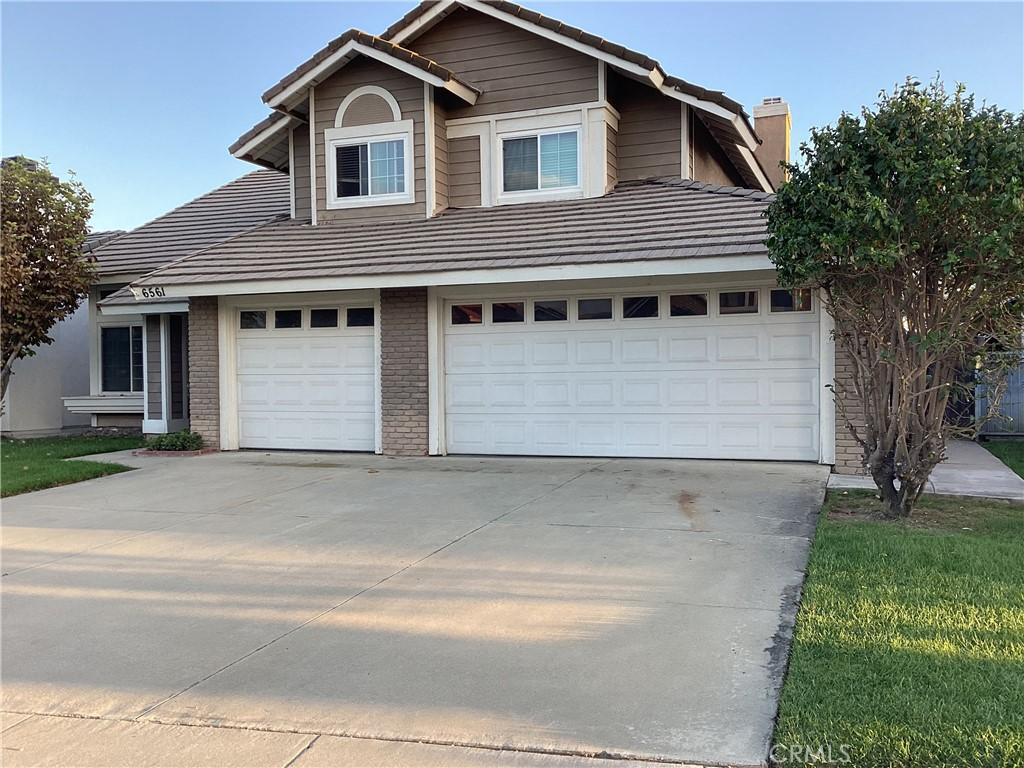
A large share are. Much of the city’s recent housing was built inside The Preserve master plan on former dairy land, with construction ongoing since the early 2000s. You will also find resale homes across neighborhoods like College Park that are roughly 15 to 20 years old.
What is The Preserve in Chino?
The Preserve is a master-planned community of roughly 5,435 acres in south Chino, built on former farm and dairy land annexed to the city in 2003. It combines residential neighborhoods, a commercial core, extensive open space, and multiple recreation centers.
How does The Knight Group work in the Chino market?
The Knight Group represents buyers and sellers across Chino’s neighborhoods, from The Preserve villages to College Park. Our work in this market starts with the numbers a listing photo will not tell you: the specific Mello-Roos amount, the HOA dues, the current school boundary, and how a home is actually priced against recent comparable sales rather than against Chino Hills.
If you are buying, we will shortlist neighborhoods against your budget, commute, and school needs, then tour with the full carrying cost in front of you before you offer. If you are selling, we will position your home accurately for a market that is moving faster than it was, and price it against the right comparables. Browse the listings above, then contact The Knight Group to talk through your specific target in Chino.
What are Chino CA Homes like to buy?
- Chino CA Homes sit in western San Bernardino County, on former farm and dairy land in the Chino Valley east of downtown Los Angeles.
- Buyers typically accept a longer commute to Los Angeles or Orange County in exchange for a newer home and more square footage per dollar.
- Newer construction inside planned neighborhoods makes up a large share of the inventory across Chino CA Homes.
- The Preserve is a master-planned community on former farm and dairy property in south Chino, annexed to the City of Chino.
- Boundaries of The Preserve run roughly from Kimball Avenue and State Route Seventy-One to Euclid Avenue and Hellman Avenue.
- College Park, Woodbury, The Meadows, University Park, and Seneca Village each carry their own age, home size, and price band.
- Association dues and special taxes vary street to street, so buyers should compare carrying costs rather than list price alone.
- City materials describe a substantial share of The Preserve reserved as open space alongside residential neighborhoods, a commercial core, and recreation.
- Recreation centers in The Preserve include The Parkhouse, The Meadowhouse, and The Gardenhouse, each anchoring the surrounding villages.
- Amenities across the master plan include fitness facilities, pools, tennis and pickleball courts, a dog park, and a community garden.
- College Park is an established planned community known for Spanish and Mediterranean-influenced homes with stucco exteriors and tile roofs.
- Chino Hills is a separate and more expensive city, so buyers should confirm which city a listing actually sits in.
- The Knight Group helps buyers weigh which pocket of Chino CA Homes fits their budget, commute, and school priorities before touring.
What is it like to live in Chino CA Homes?
- Chino CA Homes in newer neighborhoods are built around shared amenities rather than around a historic downtown.
- The Preserve offers resort-style pools, fitness centers, tennis and pickleball courts, a dog park, walking trails, playgrounds, and a community garden.
- Parkhouse, Meadowhouse, and Gardenhouse recreation centers organize the amenity life across The Preserve villages.
- College Park has its own community center with a pool and gym for residents.
- Ruben S. Ayala Park sits nearby and adds sports fields, trails, and a skate park.
- Daily life follows a family-oriented, suburban pattern of quiet residential streets, community events, and recreation within walking or short driving distance.
- Retail and dining lean toward newer shopping centers rather than a dense main street, so walkable urban character is limited.
- Agricultural roots trace to the Spanish-era Rancho Santa Ana del Chino and to parcels sold from Richard Gird’s Chino Ranch.
- The Chino Valley was once among California’s most productive dairy regions before operations wound down and land shifted to housing.
- Many Chino CA Homes carry Mello-Roos special taxes from Community Facilities Districts funding new schools, parks, and street improvements.
- Mello-Roos amounts differ by district, so two similar homes can carry very different total annual tax bills.
- Commuting from Chino CA Homes is freeway-dependent, with real peak congestion on the routes toward Los Angeles and Orange County.
- Buyers should drive their actual route at their actual departure time from the specific pocket they are considering.
What questions do buyers ask about Chino CA Homes?
- Buyers most often ask about pricing, Mello-Roos taxes, schools, commute times, and how much of the housing stock is new.
- Mello-Roos special taxes apply to many newer neighborhoods, including parts of The Preserve and College Park.
- Community Facilities Districts levy a special tax on top of standard property taxes, so buyers should request the exact amount per property.
- Chino Valley Unified School District serves the city, along with Chino Hills and part of Ontario.
- School assignment is address-specific, so buyers should verify the boundary for any home they are serious about.
- Freeway access from Chino CA Homes runs through nearby State Routes and Interstate Fifteen, with Metrolink service available in the region.
- Drive times vary widely with peak-hour congestion, making a real commute-time test more useful than a map estimate.
- A large share of Chino CA Homes are new construction built inside The Preserve master plan on former dairy land.
- Resale homes across neighborhoods like College Park offer an alternative to the newest construction in the city.
- The Preserve combines residential neighborhoods, a commercial core, extensive open space, and multiple recreation centers on land annexed to the city.
- The Knight Group represents buyers and sellers across Chino CA Homes, from The Preserve villages to College Park.
- Sellers get pricing against the right comparable sales rather than against Chino Hills, in a market moving faster than before.