Fontana CA Homes for Sale: What Buyers Should Know
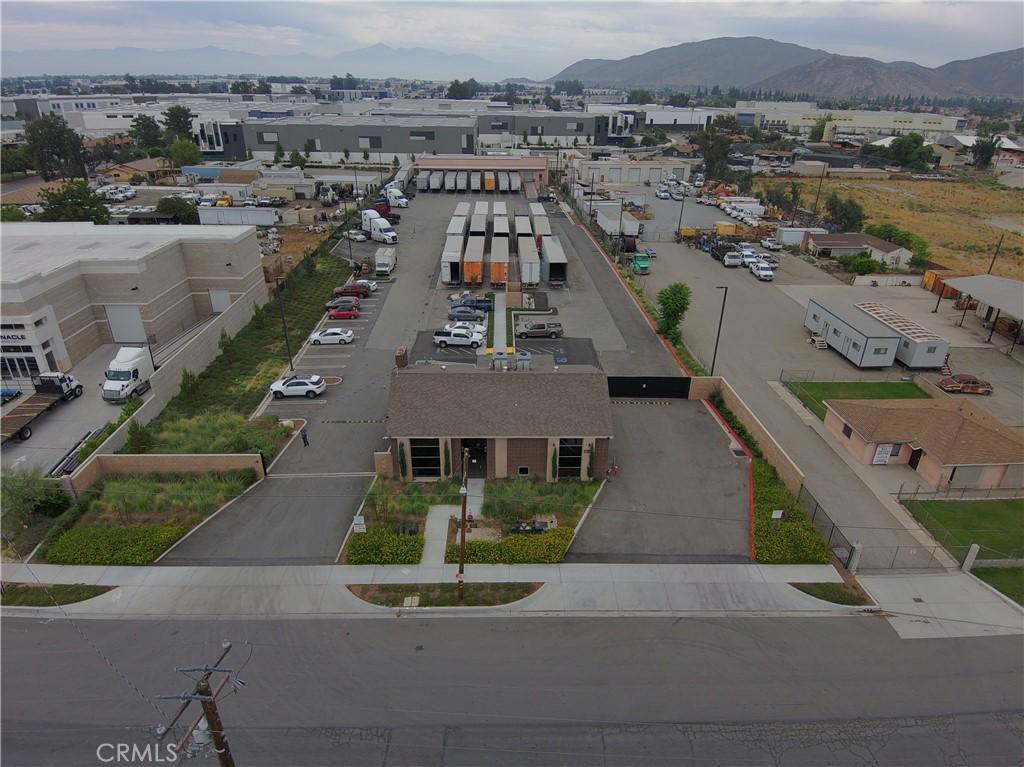
Most people searching Fontana CA homes for sale are looking for more square footage per dollar than Los Angeles County offers, and Fontana delivers that trade-off honestly. It’s the second-largest city in San Bernardino County, with roughly 213,000 people spread across about 52 square miles, and it sits where Interstate 10, State Route 210, and Interstate 15 meet. Downtown Los Angeles is about 50 miles west, and the Fontana Metrolink station handles commuters who’d rather not drive it. That same freeway access built the city’s trucking and warehouse industry, so truck traffic is worth weighing street by street.
Reported medians have clustered in the low-to-mid $600,000s, but that citywide number blends very different housing. South and central Fontana are older and closer to I-10, generally more affordable per square foot. North Fontana runs newer and more master-planned, with communities like Citrus Heights, Gabion Ranch, and Satinwood Village showing what recent construction costs. Parkview, Narra Hills, Sultana, and Adelina fill in the range. Compare recent sales inside the specific community you’re targeting rather than the citywide figure.
The listings below cover the distinct communities inside Fontana. Browse them to see what is currently on the market, or contact The Knight Group to talk through which pocket of the city fits your budget, commute, and timeline.
Where is Fontana and how do you get around?
Fontana sits at the crossroads of three major freeways, which is the single biggest reason the city grew into a logistics and commuter hub. Interstate 10 and State Route 210 cross the city east to west, and Interstate 15 runs diagonally through the northwestern quadrant, per the City of Fontana. That road network puts downtown Los Angeles roughly 50 miles west and connects Fontana directly to the San Gabriel Valley, the High Desert, and the Cajon Pass route toward Las Vegas.
For commuters who would rather not drive the full distance, the Fontana Metrolink station provides rail service toward the Los Angeles metropolitan area. The same freeway access that makes Fontana convenient for commuters also made it a center of the trucking and warehouse industry, so buyers should weigh truck traffic and proximity to distribution corridors when comparing specific streets.
Where a home sits inside Fontana matters. North Fontana neighborhoods trade higher prices for a more master-planned feel and quicker access to SR-210, while south and central Fontana tend to be older, closer to the I-10, and more affordable per square foot.
What does the Fontana housing market look like right now?
Fontana is a moderately priced Inland Empire market that has stayed relatively stable rather than swinging hard in either direction. Reported median values in 2025 and 2026 have clustered broadly in the low-to-mid $600,000s: Houzeo put the median home price around $656,000 with a slight year-over-year decline, while other trackers reported figures in the $620,000 to $685,000 range depending on the measurement window and methodology. Treat any single median as a snapshot, not a precise valuation of a specific home.
Two things drive the spread. First, Fontana contains a wide range of housing stock, from smaller mid-century homes on the south side to large new-construction houses in the north, so a citywide median blends very different products. Second, month-to-month medians move with whatever mix of homes happened to close, which is why reports from the same period can disagree.
The practical takeaway for a buyer: price varies more by neighborhood and build year than the citywide number suggests. The most reliable way to understand value is to compare recent sales within the specific community you are targeting, which is exactly the analysis The Knight Group runs before you write an offer.
What is the history behind Fontana?
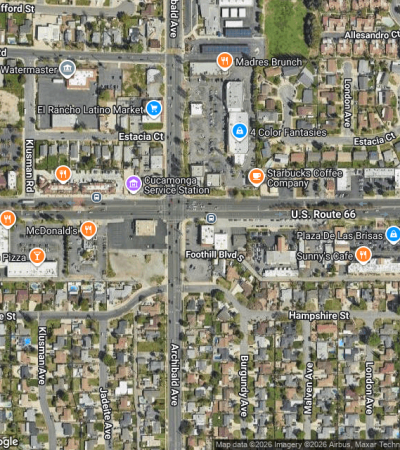
Fontana was founded in 1913 by Azariel Blanchard Miller and stayed largely rural for its first three decades, an agricultural town of citrus orchards, vineyards, and chicken ranches strung along U.S. Route 66, now Foothill Boulevard, per historical accounts of the city. That agrarian character changed abruptly during World War II.
In 1942, industrialist Henry J. Kaiser built Kaiser Steel in Fontana. At its peak the mill employed more than 2,500 workers and operated its own newspaper and medical facility, and it remained a major employer until it stopped operating in 1984. The closure reshaped the local economy and pushed Fontana toward the logistics and residential growth that define it today.
The steel legacy is still visible on the ground. Auto Club Speedway, a two-mile superspeedway that has hosted NASCAR racing since 1997, was built on the site of the former Kaiser Steel mill. Understanding this arc, from citrus to steel to warehouses and racing, explains why Fontana neighborhoods feel so different from one part of the city to another.
Which neighborhoods make up Fontana?
Fontana is not one uniform market. It is a collection of communities with different build eras, price points, and layouts, and the listings below let you compare them directly. Reviewing several before you commit is the fastest way to see where your budget goes furthest.
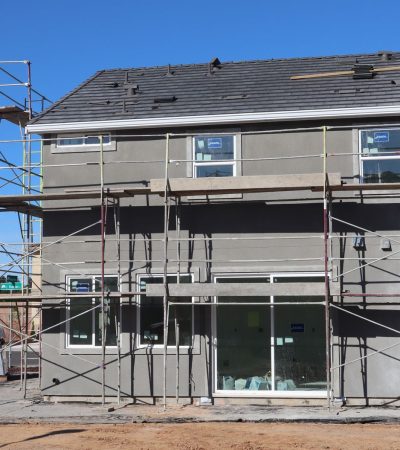
Citrus Heights in Fontana is one of the city’s more active areas for newer construction, with builders including D.R. Horton delivering gated townhome and single-family product in this part of town. It tends to appeal to buyers who want a more recently built home and a master-planned setting.
Parkview in Fontana and Narra Hills in Fontana are additional community pockets worth comparing side by side, particularly for buyers weighing lot size and proximity to schools and parks against price.
Gabion Ranch in Fontana and Satinwood Village in Fontana give you a further read on how the northern and newer sections of the city are priced and laid out. Checking each against your commute is worthwhile, because freeway access shifts noticeably from one side of Fontana to the other.
Sultana in Fontana and Adelina in Fontana round out the set. Each community page shows current listings so you can judge inventory and pricing in real time rather than relying on a citywide average. If a community is not showing active listings on a given day, that itself is useful signal about how tight supply is in that pocket.
What are the schools like in Fontana?
Most of Fontana is served by Fontana Unified School District, which operates 45 schools spanning kindergarten through 12th grade and adult education, and covers most of the city plus a portion of Rialto, per the district. Fontana Unified was established in the 1920s and unified in 1956, and its high schools include A. B. Miller High School and Jurupa Hills High School.
Not every Fontana address falls inside Fontana Unified. Portions of the city, particularly toward the northern and eastern edges, are served by other districts, and the Etiwanda School District, which has been recognized with an Exemplary District Award from the state, serves some areas near Fontana. Because district and school-attendance boundaries do not always follow neighborhood names, confirm the assigned schools for any specific address rather than assuming based on the community.
What should buyers know about Mello-Roos and special taxes?
Some newer Fontana neighborhoods carry Mello-Roos special taxes, and this is one of the most important line items to check before buying. The City of Fontana maintains Community Facilities Districts, also called Mello-Roos districts, under the Mello-Roos Community Facilities Act of 1982. These are areas where property owners fund public improvements, such as roads, schools, and infrastructure tied to new development, through an additional special tax on top of standard property tax.
Mello-Roos most commonly applies to newer, master-planned construction rather than older resale neighborhoods, which is a meaningful reason two similar-looking homes in Fontana can carry very different annual tax bills. The special tax is disclosed in the sale, and it can add a substantial amount to your monthly cost of ownership. Before you fall for a specific new-build community, ask for the exact Mello-Roos amount and how long it runs, and factor it into your affordability math. The Knight Group pulls this detail as part of reviewing any Fontana listing with you.
Is fire risk a factor in buying in Fontana?
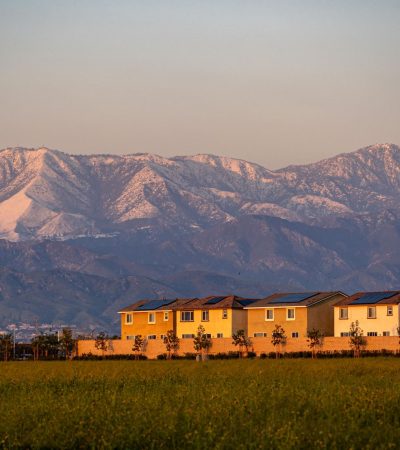
Fire risk in Fontana is location-specific and concentrated toward the foothills. The City of Fontana maintains Fire Hazard Severity Zone maps, which use a model that scores hazard based on fire history, fuel, terrain, ember exposure, and typical fire weather. The northern edge of the city, where it rises toward the San Bernardino Mountains, is where these designations become most relevant.
A Fire Hazard Severity Zone designation can affect insurance availability and cost, and it triggers specific disclosures in a sale. It is not a reason to avoid Fontana, but it is a reason to check the designation for any specific property before you go too far, especially in the newer northern communities closest to open foothill terrain. Confirm the zone and get an insurance quote early, so the premium does not surprise you after you are in escrow.
What is driving growth in Fontana?
Fontana’s growth is anchored in logistics and its position on the regional freight network. The same crossroads of Interstate 10, Interstate 15, and State Route 210 that makes the city convenient for commuters also makes it a hub for warehousing and the trucking industry, per the City of Fontana. That employment base has supported steady residential demand, particularly in the newer northern sections built out over the last two decades.
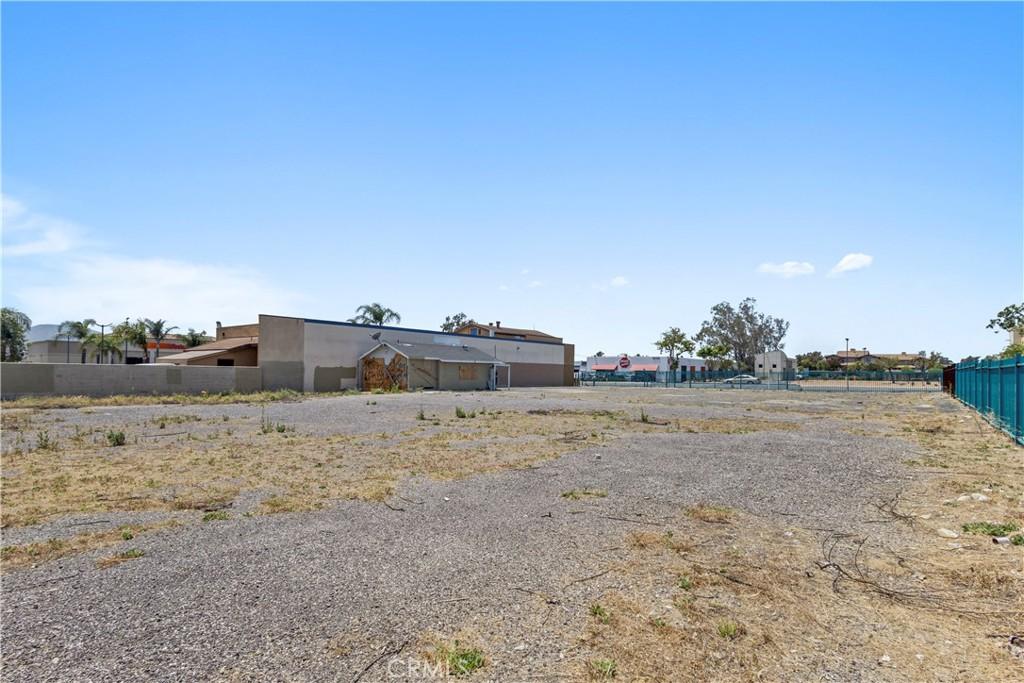
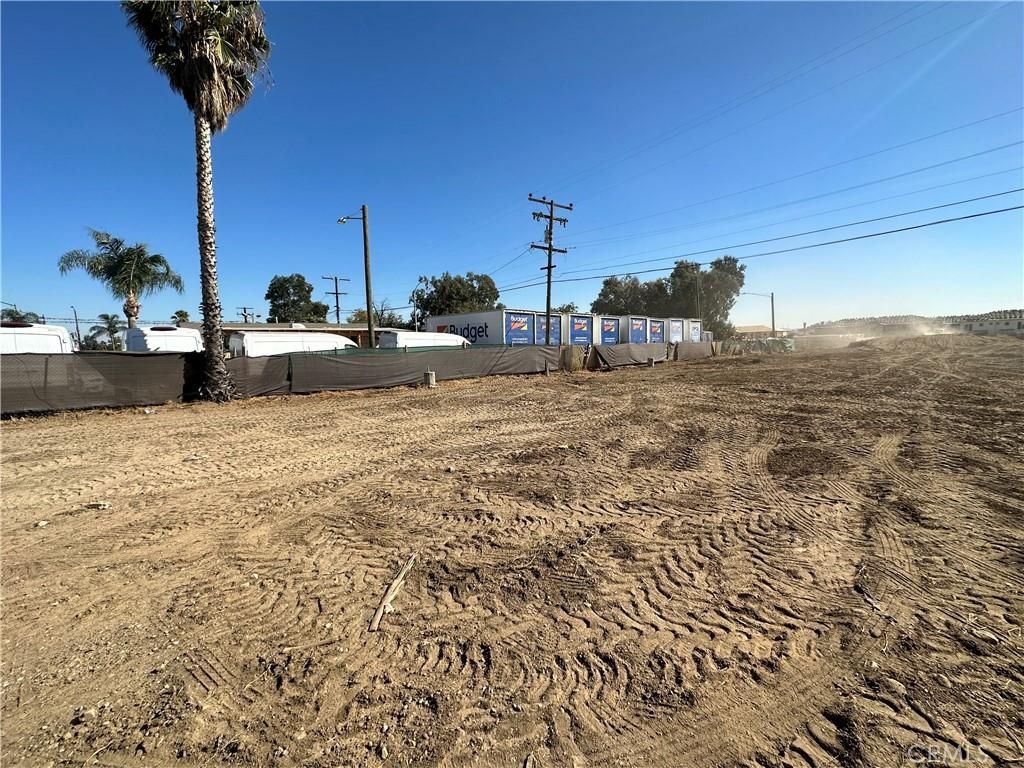
The city has also pursued mixed-use planning to broaden beyond warehouses. The Fontana Promenade Specific Plan, for example, is a 125-acre master-planned mixed-use area combining retail, office, dining, and a range of residential product. For a buyer, the relevant point is that Fontana is still actively developing, which keeps new-construction inventory flowing but also means some neighborhoods sit closer to industrial and freight activity than others. Checking the immediate surroundings of any specific home, not just the listing photos, is worth the effort here.
This ongoing development is also why Mello-Roos and freeway proximity vary so much street to street. A neighborhood built five years ago under a Community Facilities District will carry costs and characteristics that an established south-side street simply does not, and the reverse is true for freeway noise and lot size. The value in Fontana is real, but it is unevenly distributed, and that is precisely what local analysis is for.
What kind of homes can you buy in Fontana?
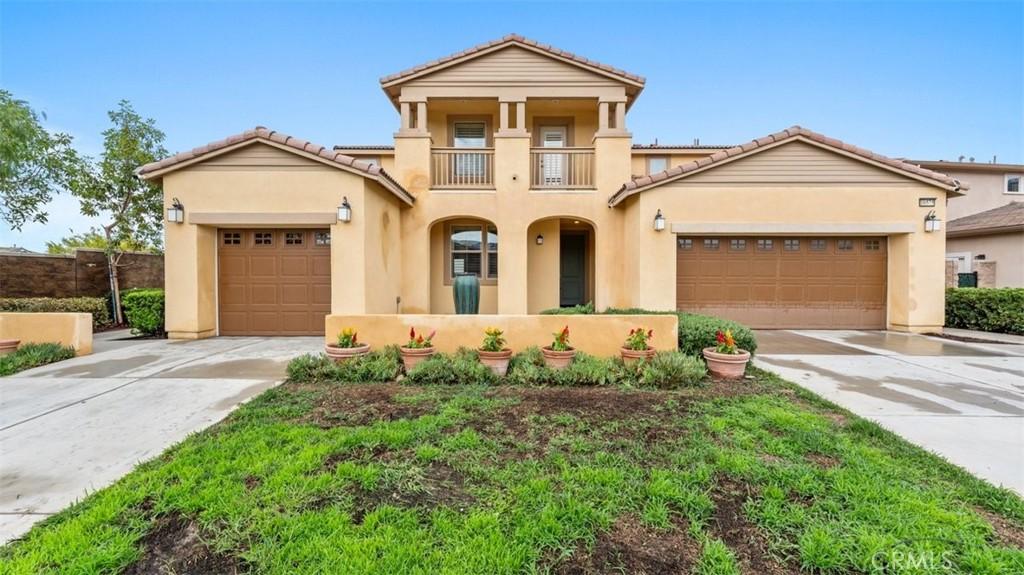
Fontana leans toward single-family detached homes, with a large and growing share of new construction relative to most Los Angeles County markets. New-home trackers have listed well over one hundred active new-construction communities in the Fontana area, from national builders including D.R. Horton, whose local product has ranged from gated townhomes in the 1,500-square-foot range to larger single-family homes.
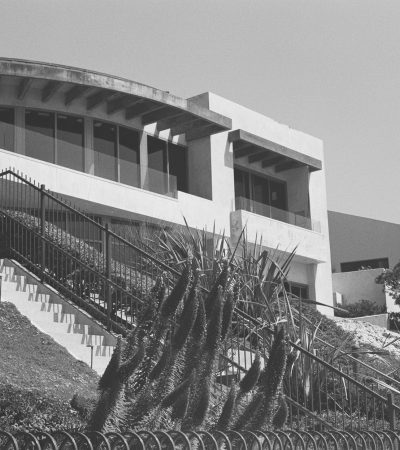
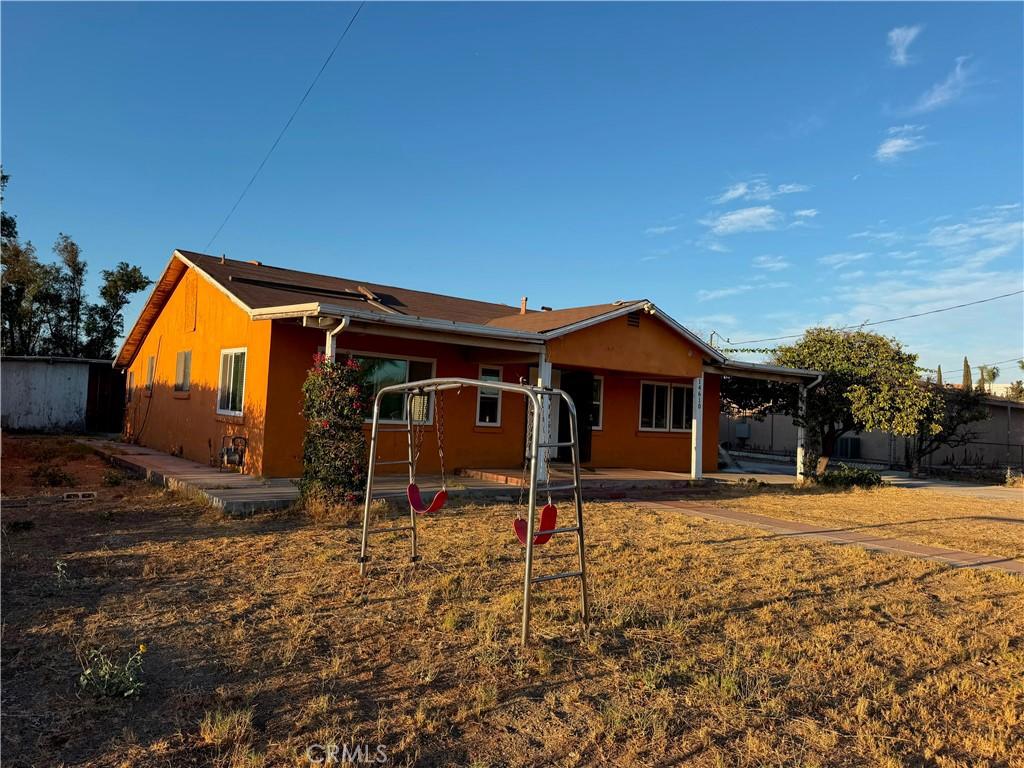
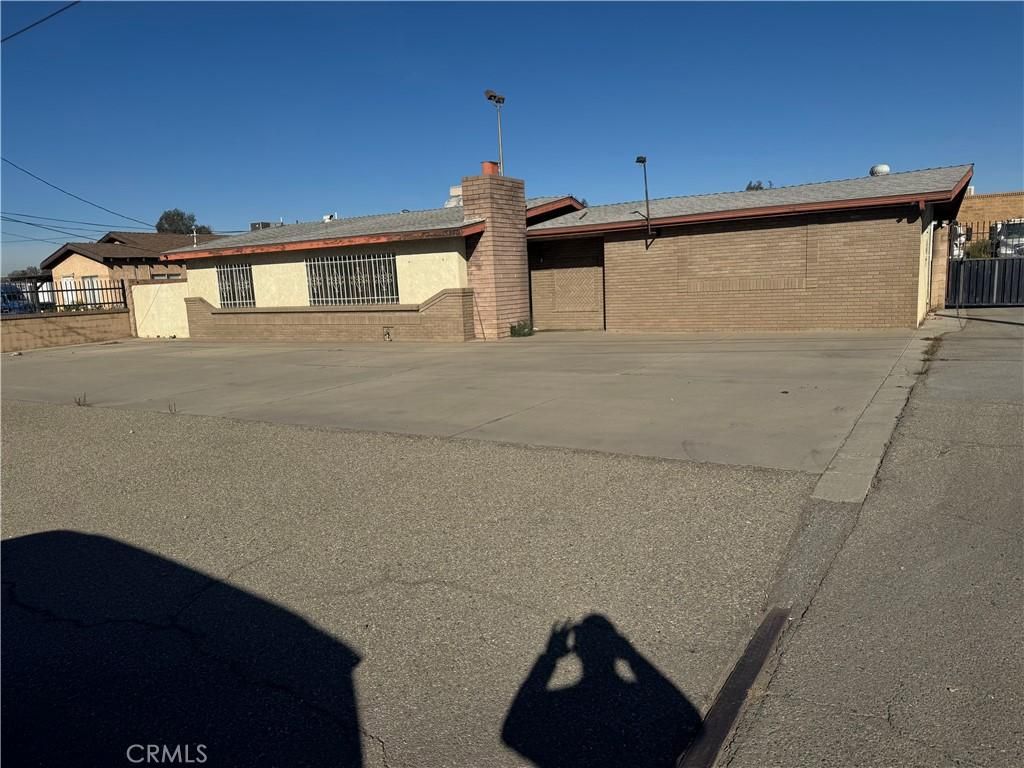
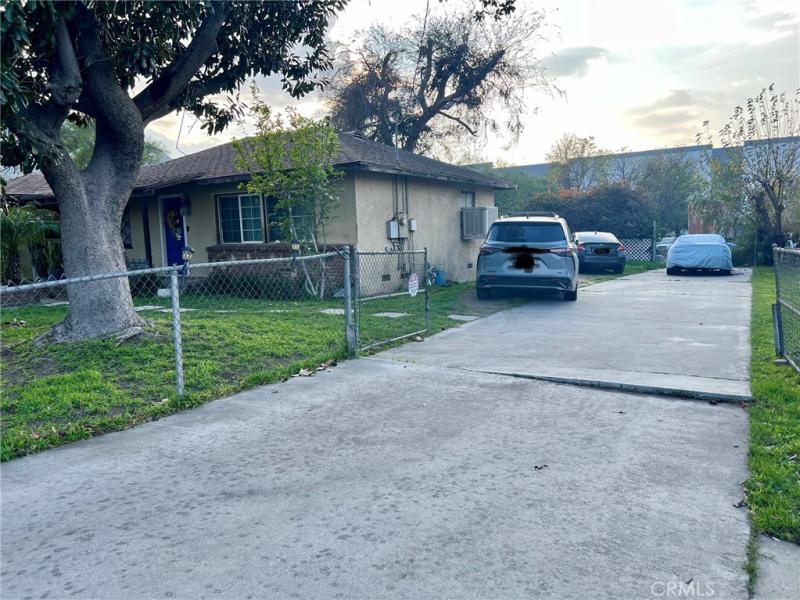
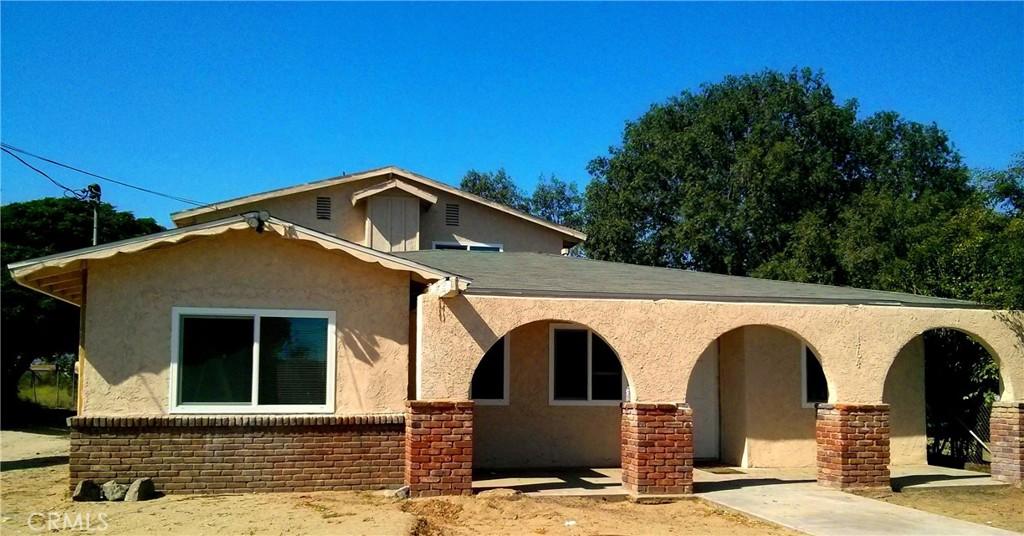
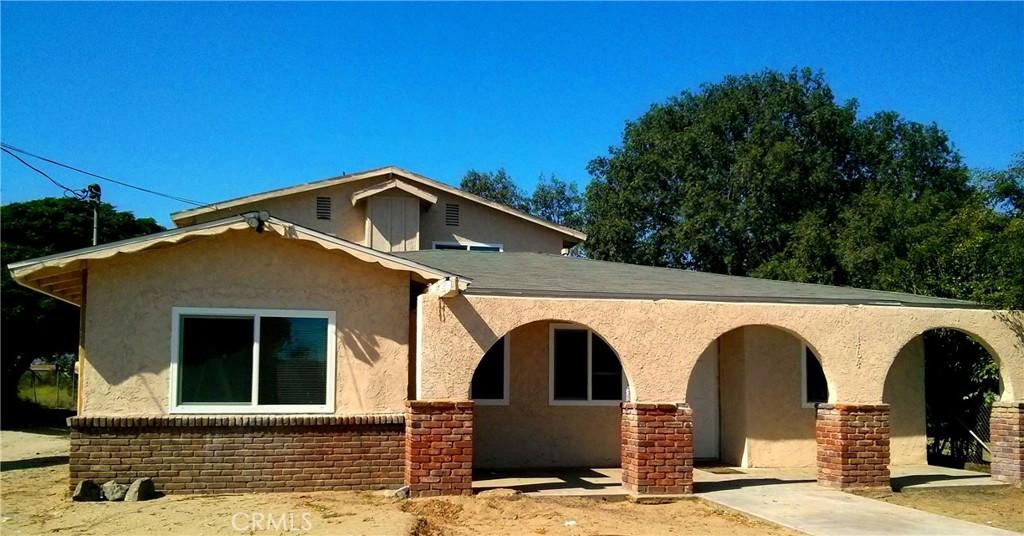
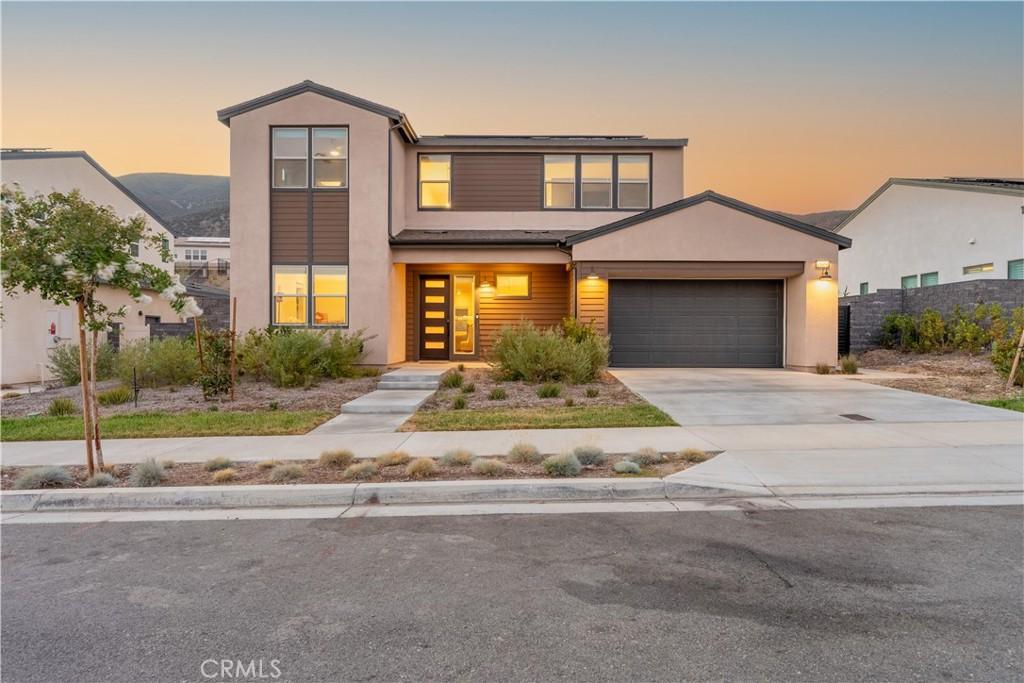
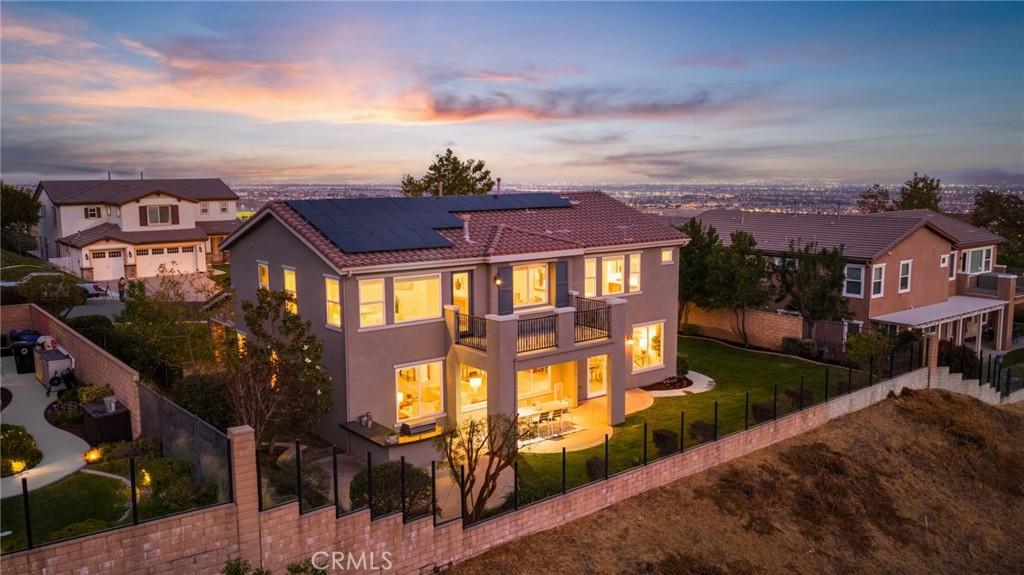
The stock spans a wide spectrum. On the south and central sides you will find older mid-century homes on established lots at lower price points. In the north you will find newer, larger houses, some in gated and master-planned settings, at higher prices and, in some cases, with Mello-Roos attached. There is also townhome and attached product for buyers who want a lower entry price or less maintenance.
Because the range is so wide, the right question is not just how much house you can buy in Fontana, but which trade-offs you are choosing: newer and larger but farther north and possibly taxed, or older and more central but closer to the I-10 and generally cheaper. The Knight Group helps you weigh those trade-offs against your actual commute and budget instead of a generic citywide average.
Who is Fontana a good fit for?
Fontana fits buyers who want more home for the money than Los Angeles or Orange County typically allows and who are willing to trade commute distance for space and newer construction. It works well for households anchored to Inland Empire employment, for commuters willing to use the I-10, I-15, SR-210, or the Metrolink station, and for buyers who specifically want a newer or master-planned home.
It is a weaker fit for buyers who need to be close to coastal or central Los Angeles job centers every day, or who want walkable, older, urban-village settings. Truck and freight traffic tied to the logistics industry is a real consideration in parts of the city, and summer heat runs hotter than on the coast. Naming these trade-offs up front is how you avoid buyer’s remorse. If they are acceptable to you, Fontana delivers strong value per dollar.
How Fontana Compares to Nearby Inland Empire Options
Buyers rarely shop one city in isolation. Fontana usually gets compared against neighboring Inland Empire options, and the honest way to run that comparison is to hold the product constant: a mid-century single-story on the south side is a different purchase than new construction in the north, and each competes with a different set of homes outside the city. Fontana real estate covers both ends of that spectrum within one set of city limits, which is a genuine advantage when you are still deciding what kind of house you want. It also means a citywide average tells you very little about the specific trade-off in front of you.
Weigh three things before you narrow the search: which freeway you will actually use daily, how close the home sits to warehouse and distribution corridors, and whether the Metrolink station changes your commute math. Those factors move day-to-day livability more than a small price difference. The Knight Group can pull recent sales in the communities you are considering so the comparison rests on real numbers.
Frequently Asked Questions About fontana Homes for Sale
Is Fontana a good place to buy a home?
It depends on your priorities. Fontana offers more space and more new construction per dollar than most of Los Angeles County, with direct freeway and Metrolink access west. The trade-offs are commute distance, logistics-industry traffic in some areas, and hotter summers. For buyers anchored to Inland Empire jobs or willing to commute, it is a strong value market.
How much do homes cost in Fontana?
Reported median values in 2025 and 2026 have clustered broadly in the low-to-mid $600,000s, with individual trackers reporting figures from roughly $620,000 to $685,000 depending on the period, per sources including Houzeo. Actual price depends heavily on the neighborhood, build year, and whether Mello-Roos applies, so use the community pages above and a specific comparable-sales analysis rather than a single citywide number.
Does Fontana have Mello-Roos taxes?
Some Fontana neighborhoods do. The city maintains Community Facilities Districts under the Mello-Roos Act of 1982, and the special tax most often applies to newer, master-planned construction. Always ask for the exact Mello-Roos amount and its remaining term on any specific property before making an offer.
What school district serves Fontana?
Most of the city is served by Fontana Unified School District, which operates 45 schools K-12 and covers most of Fontana plus part of Rialto. Some areas near the edges of the city are served by other districts, including Etiwanda School District. Confirm the assigned schools for the exact address, because boundaries do not always follow neighborhood names.
How long is the commute from Fontana to Los Angeles?
Downtown Los Angeles is roughly 50 miles west of Fontana. Drive time varies widely with traffic on the I-10, so many residents use the Fontana Metrolink station for a lower-stress rail commute toward the Los Angeles metropolitan area. Where you buy within Fontana affects your access to each freeway and the station.
Is there wildfire risk in Fontana?
Risk is location-specific and concentrated toward the northern foothills. The City of Fontana maintains Fire Hazard Severity Zone maps, and a designation there can affect insurance cost and trigger disclosures. Check the zone and get an insurance quote for any specific property, especially in the newer northern communities.
Is Fontana mostly new construction or older homes?
Both. South and central Fontana hold older, mid-century homes at lower price points, while north Fontana has a large share of newer and master-planned construction at higher prices. New-home trackers have listed well over one hundred active new-construction communities in the area, so buyers have real choice between older resale and brand-new product.
How does The Knight Group work in the Fontana market?
The Knight Group treats Fontana as a set of distinct communities, not a single average. Before you write an offer, we compare recent sales inside the specific neighborhood you are targeting, confirm the assigned schools for the exact address, check whether Mello-Roos applies and for how long, and verify the Fire Hazard Severity Zone designation and its insurance implications.
That groundwork is the difference between buying on a citywide median and buying on the real numbers for the home in front of you. Browse the community listings above to see what is on the market now, then contact The Knight Group to build a shortlist that matches your budget, your commute, and the trade-offs you are actually willing to make in Fontana.
What are Fontana CA Homes like for buyers coming from Los Angeles County?
- Fontana CA Homes appeal to buyers who want more square footage per dollar than Los Angeles County typically offers.
- Fontana is the second-largest city in San Bernardino County, spread across a wide footprint in the Inland Empire.
- Downtown Los Angeles sits west of Fontana, close enough for commuters but far enough that drive time matters.
- Fontana Metrolink station provides rail service toward the Los Angeles metropolitan area for commuters who would rather not drive.
- Freeway access built Fontana’s trucking and warehouse industry, so truck traffic is worth weighing street by street.
- Citrus Heights, Gabion Ranch, and Satinwood Village show what recent construction costs inside north Fontana.
- Parkview, Narra Hills, Sultana, and Adelina fill in the rest of the range across the city.
- Fontana CA Homes span smaller mid-century houses on the south side and large new-construction houses in the north.
- Citywide median figures blend very different housing products, so treat any single median as a snapshot rather than a valuation.
- Comparing recent sales inside the specific community you are targeting beats relying on the citywide figure.
- Fontana CA Homes sit in a moderately priced Inland Empire market that has stayed relatively stable rather than swinging hard.
- The Knight Group runs comparable-sales analysis before you write an offer and can talk through which pocket fits your budget.
What should buyers check before making an offer on Fontana CA Homes?
- Mello-Roos special taxes apply to some newer Fontana neighborhoods and rank among the most important line items to check.
- The City of Fontana maintains Community Facilities Districts where owners fund roads, schools, and infrastructure through an additional special tax.
- Mello-Roos most commonly attaches to newer master-planned construction rather than older resale neighborhoods across Fontana.
- Two similar-looking Fontana CA Homes can carry very different annual tax bills depending on whether a special tax applies.
- Special taxes are disclosed in the sale and can add a substantial amount to the monthly cost of ownership.
- Asking for the exact Mello-Roos amount and its remaining term belongs in your affordability math before you fall for a community.
- Fire risk in Fontana is location-specific and concentrated toward the foothills at the northern edge of the city.
- Fire Hazard Severity Zone maps score hazard using fire history, fuel, terrain, ember exposure, and typical fire weather.
- A Fire Hazard Severity Zone designation can affect insurance availability and cost and triggers specific disclosures in a sale.
- Insurance quotes obtained early keep premiums from surprising buyers after escrow opens, especially in the newer northern communities.
- Logistics and the regional freight network anchor Fontana’s growth, supporting steady residential demand in the newer northern sections.
- The Fontana Promenade Specific Plan is a master-planned mixed-use area combining retail, office, dining, and a range of residential product.
- Fontana CA Homes lean toward single-family detached houses with a large and growing share of new construction.
- Builder product in Fontana has ranged from gated townhomes to larger single-family homes across master-planned settings.
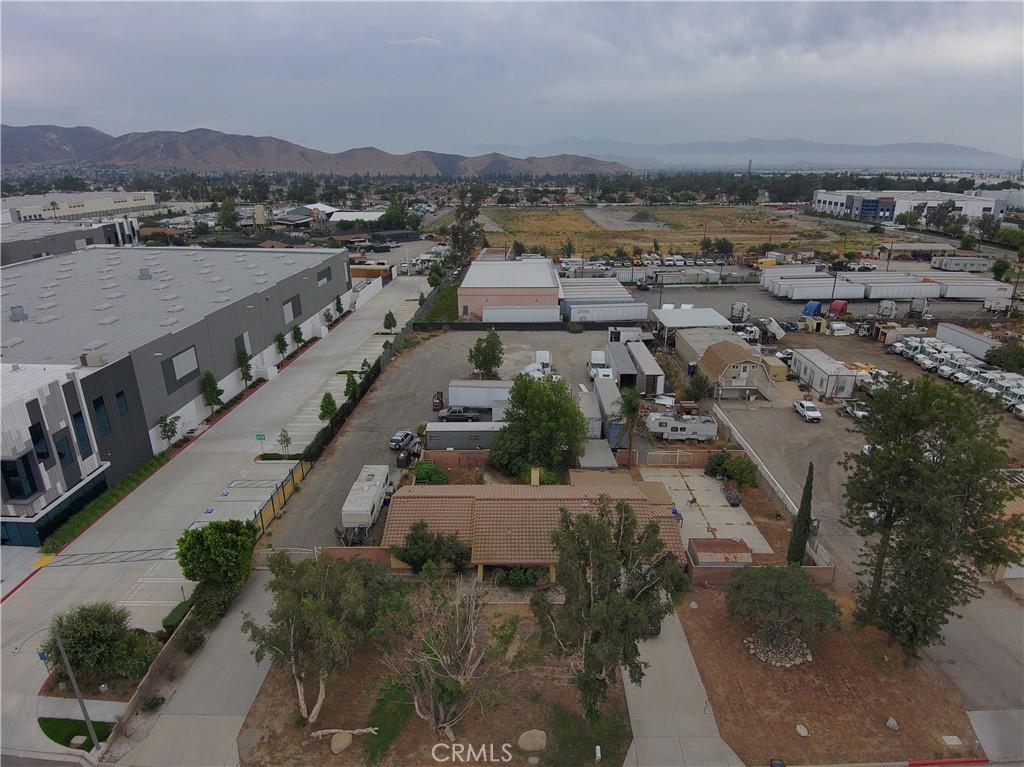
- Checking the immediate surroundings of any specific home, not just the listing photos, matters because some Fontana CA Homes sit near freight activity.
Are Fontana CA Homes a good place to live and buy?
- Fontana offers more space and more new construction per dollar than most of Los Angeles County, with direct freeway access west.
- Trade-offs in Fontana include commute distance, logistics-industry traffic in some areas, and hotter summers.
- Buyers anchored to Inland Empire jobs or willing to commute find Fontana a strong value market.
- Actual price for Fontana CA Homes depends heavily on neighborhood, build year, and whether Mello-Roos applies.
- Community pages and a specific comparable-sales analysis serve buyers better than a single citywide number.
- Community Facilities Districts under the Mello-Roos Act cover some Fontana neighborhoods, most often newer master-planned construction.
- Asking for the exact Mello-Roos amount and remaining term on any property should happen before making an offer.
- Fontana Unified School District serves most of the city plus part of Rialto.
- Etiwanda School District and other districts serve some areas near the edges of Fontana.
- School boundaries do not always follow neighborhood names, so confirming assigned schools for the exact address matters.
- Many Fontana residents use the Metrolink station for a lower-stress rail commute toward the Los Angeles metropolitan area.
- Wildfire risk concentrates toward the northern foothills, where a Fire Hazard Severity Zone designation can affect insurance cost.
- Fontana CA Homes include older mid-century houses in the south and central areas alongside newer master-planned construction in the north.
- The Knight Group treats Fontana CA Homes as a set of distinct communities rather than a single average when building your shortlist.