Montclair CA Homes for Sale: What Your Budget Actually Buys
Most buyers searching Montclair CA homes for sale are here because the price gap with Los Angeles and Orange County is real. Redfin data through June 2025 put the median sale price around $682,500, up roughly 6.6 percent year over year, with homes selling in a median of about 44 days. This is a compact city, about 5.5 square miles at the southwestern corner of San Bernardino County, with Claremont west, Upland north, and Ontario wrapping the east and south. The 10 and 60 both run through, and the Foothill Gold Line extension makes the Montclair Transcenter its eastern terminus.
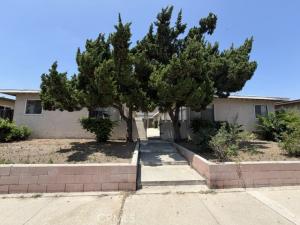
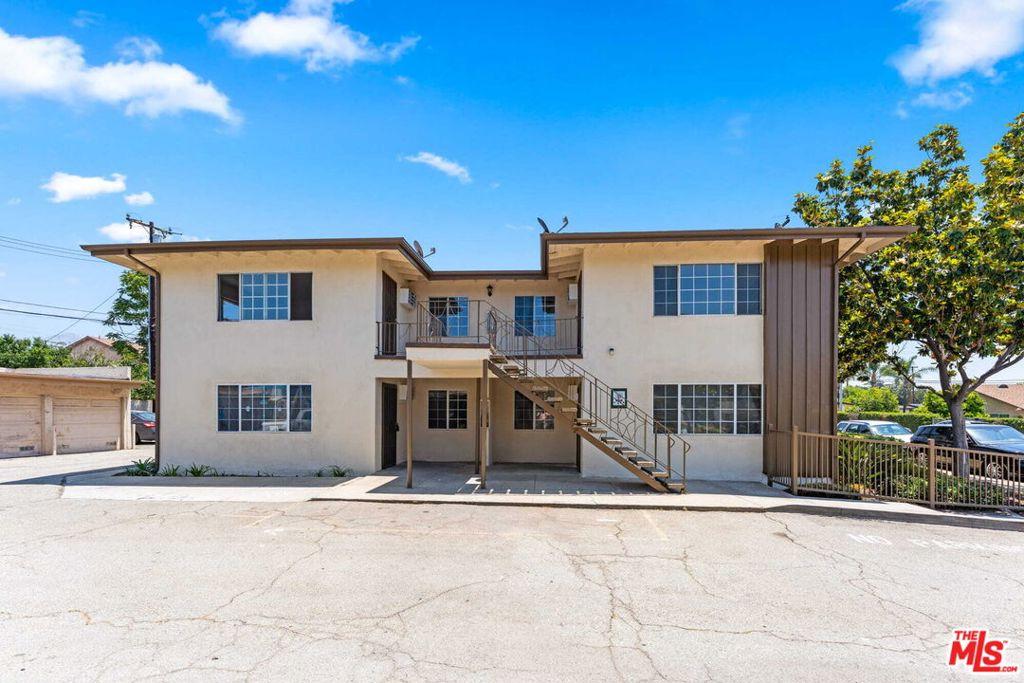
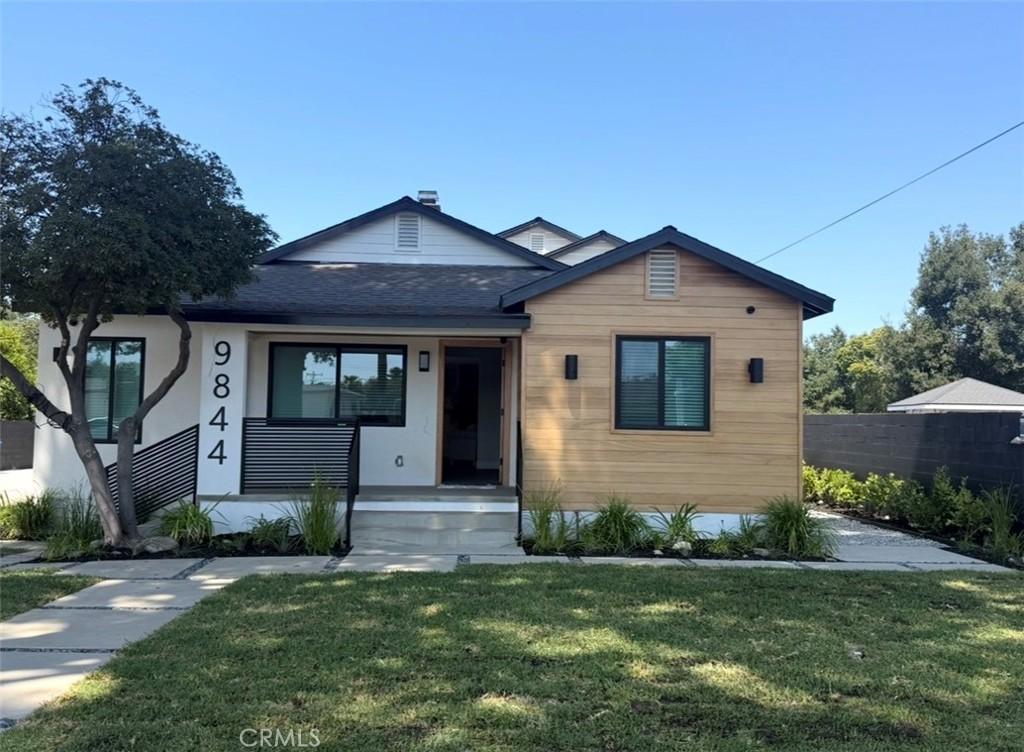
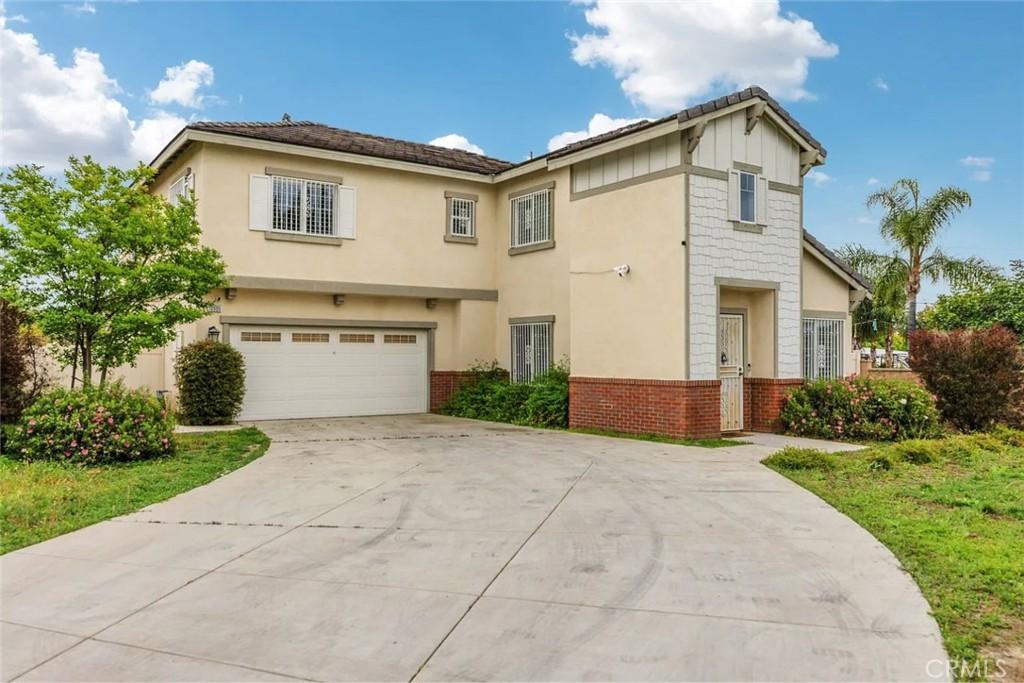
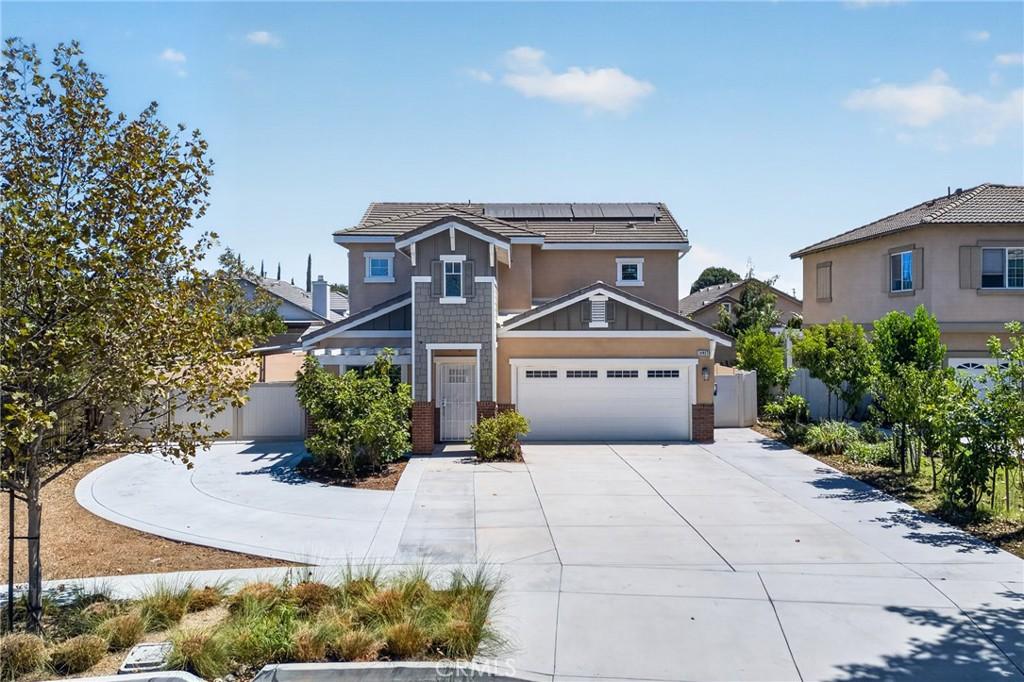
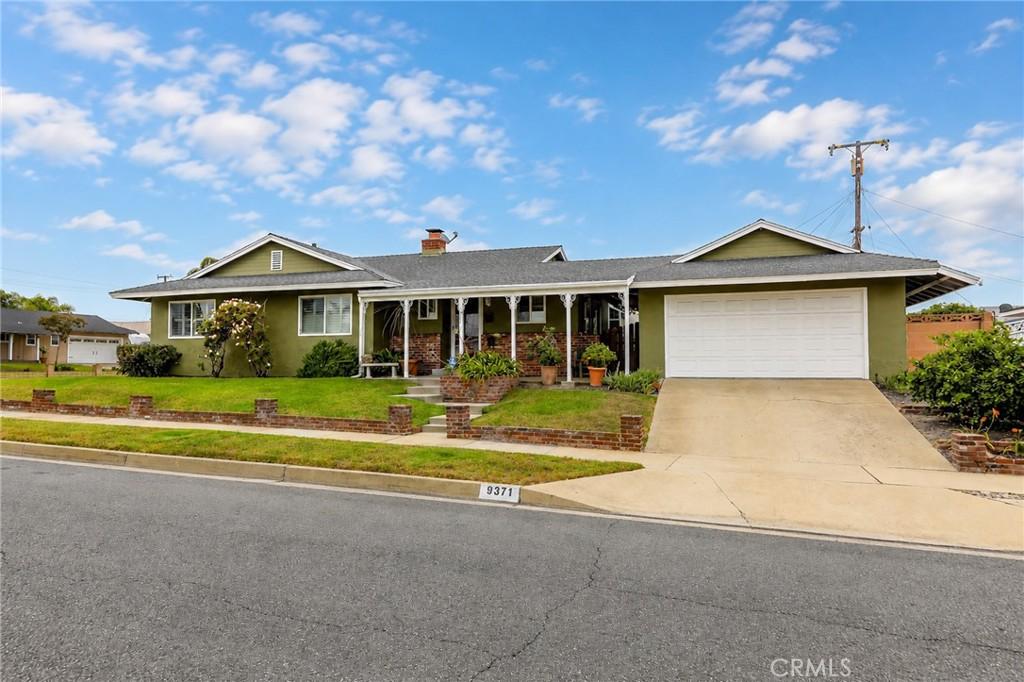
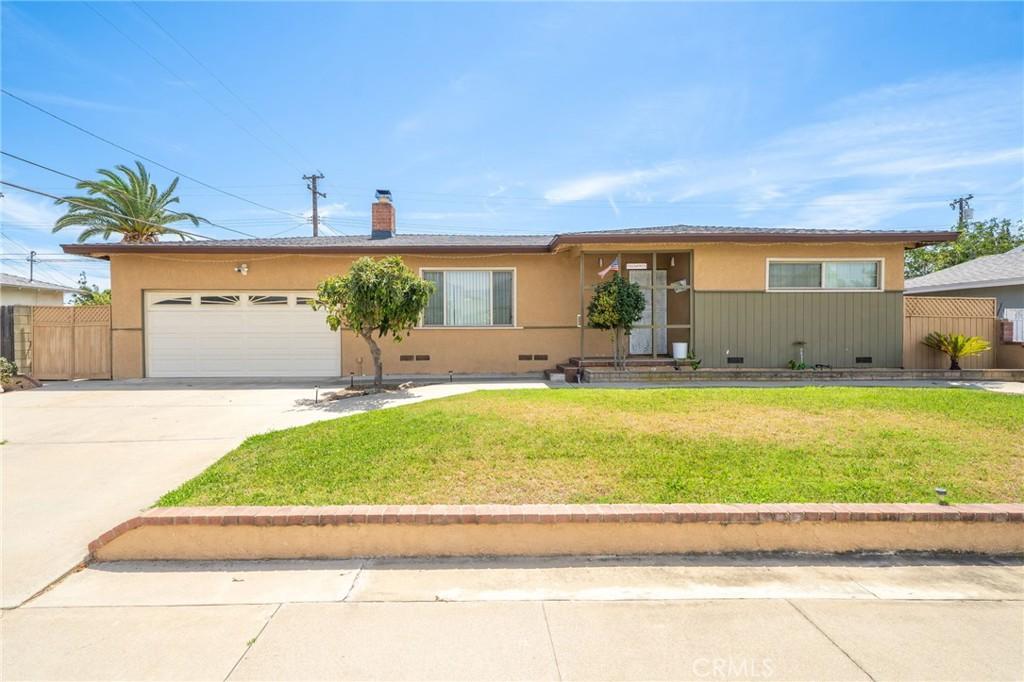
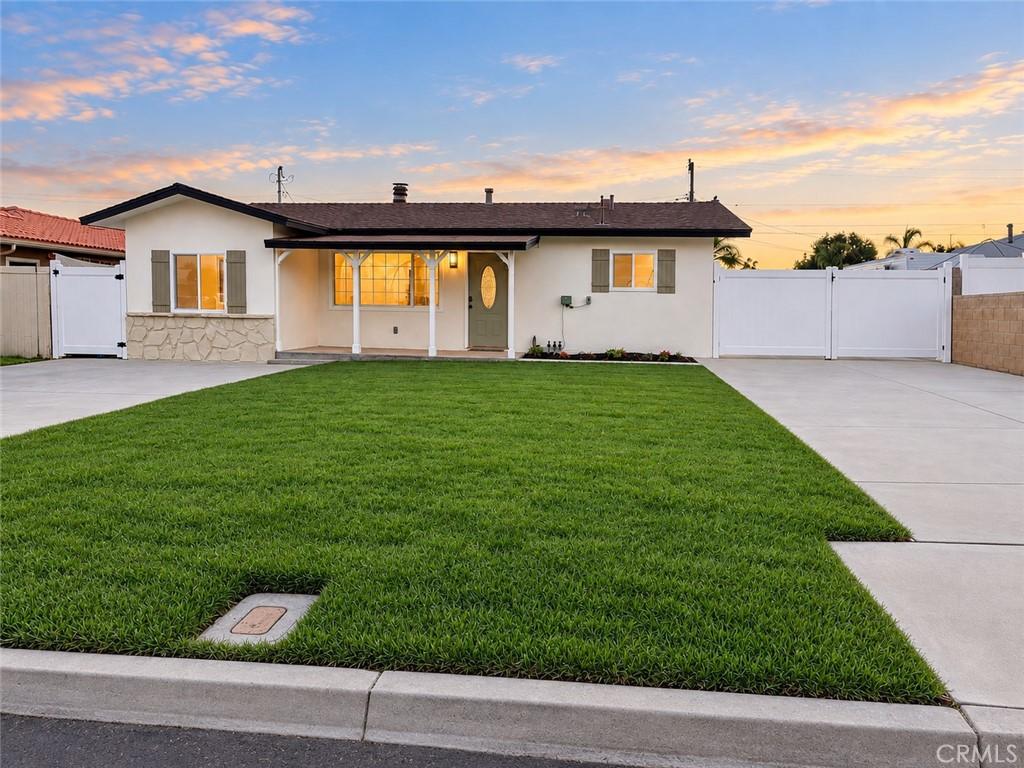
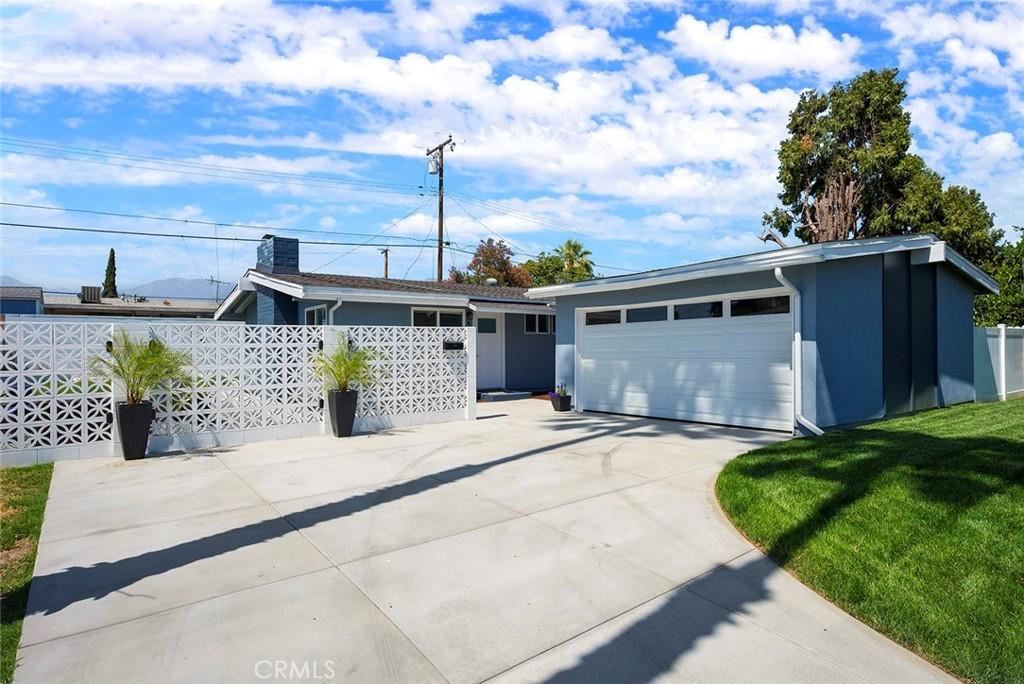
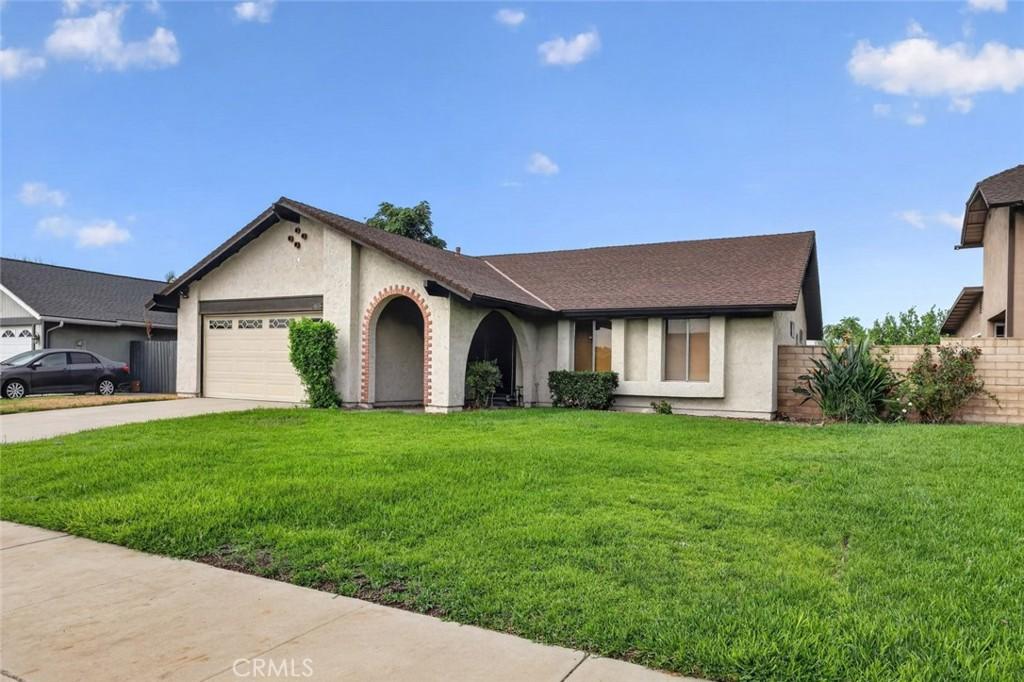
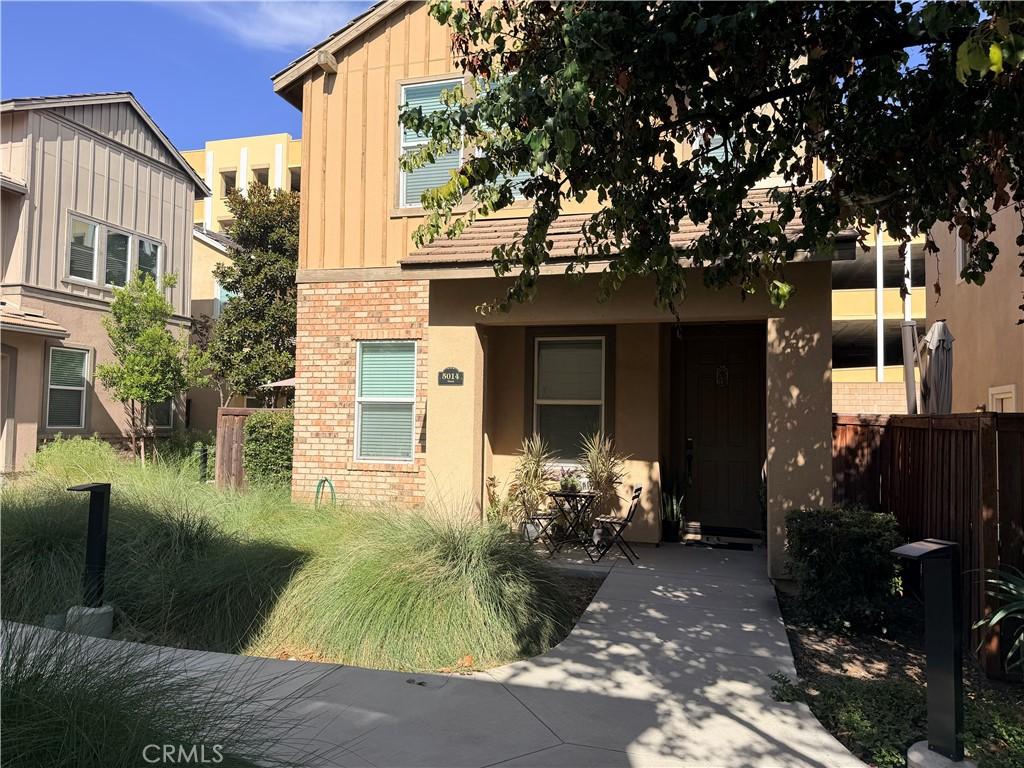
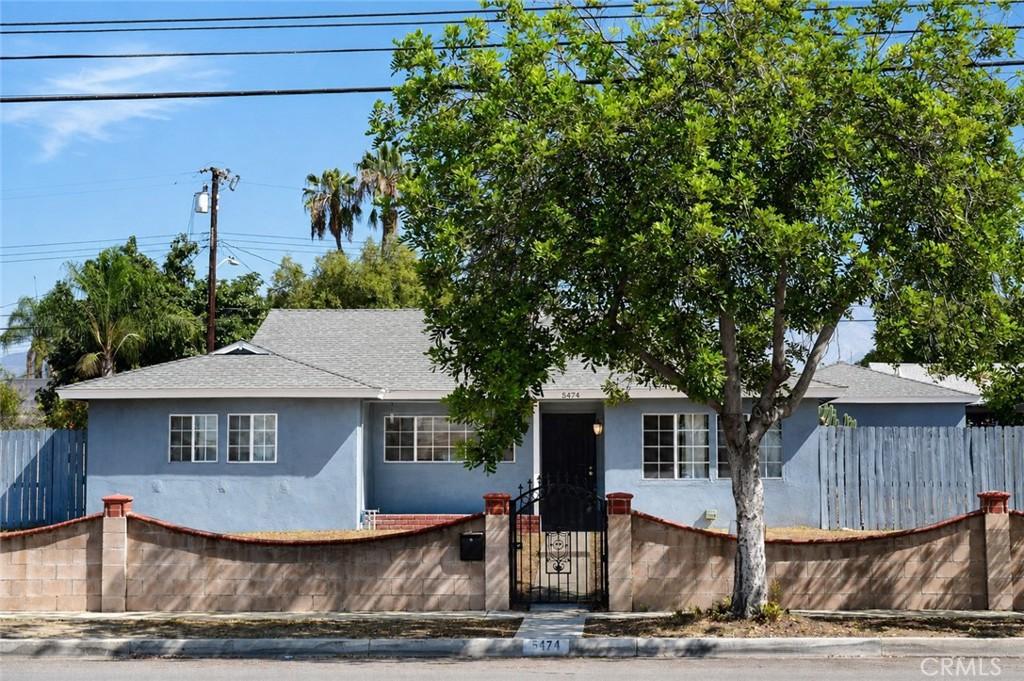
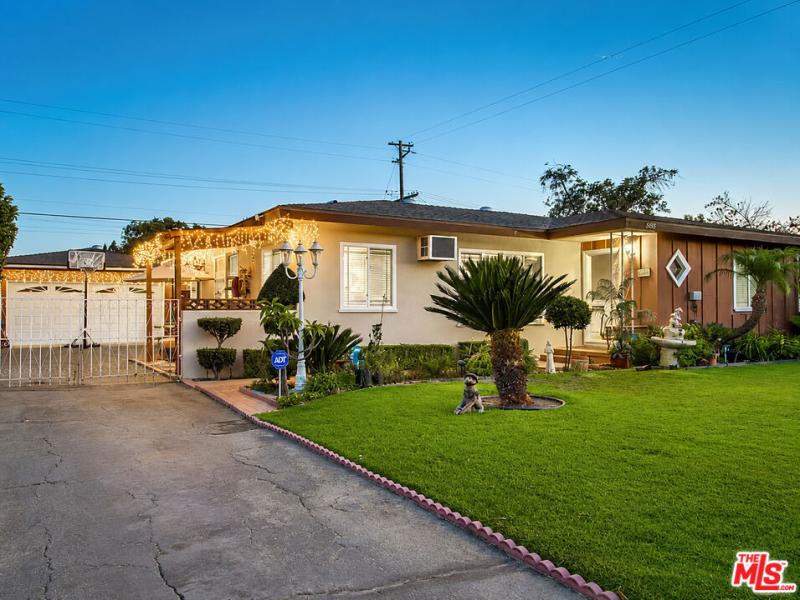
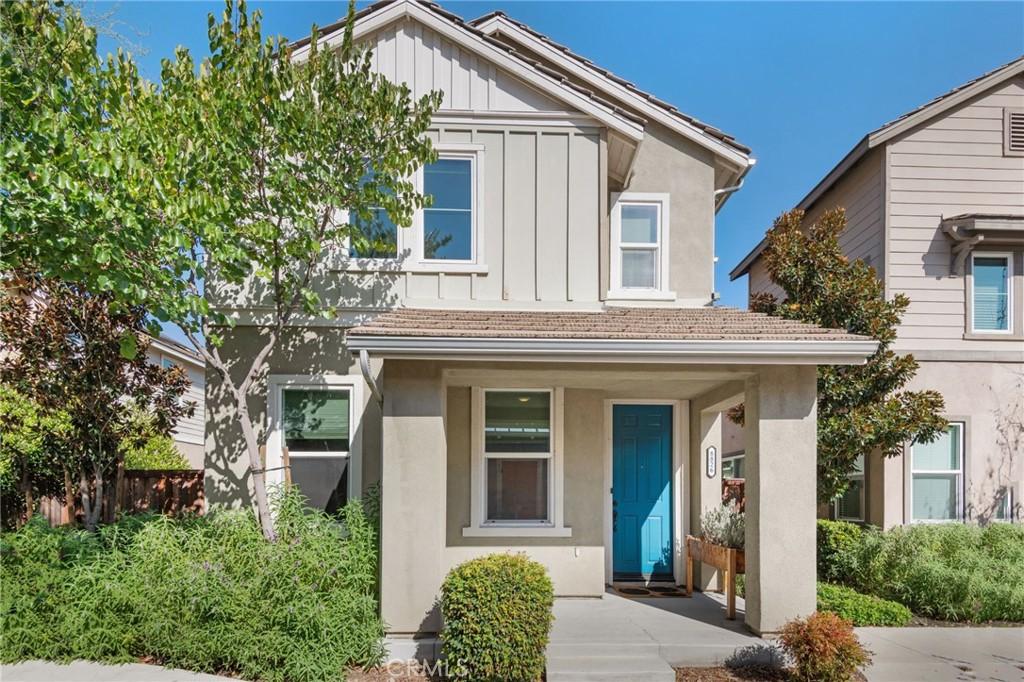
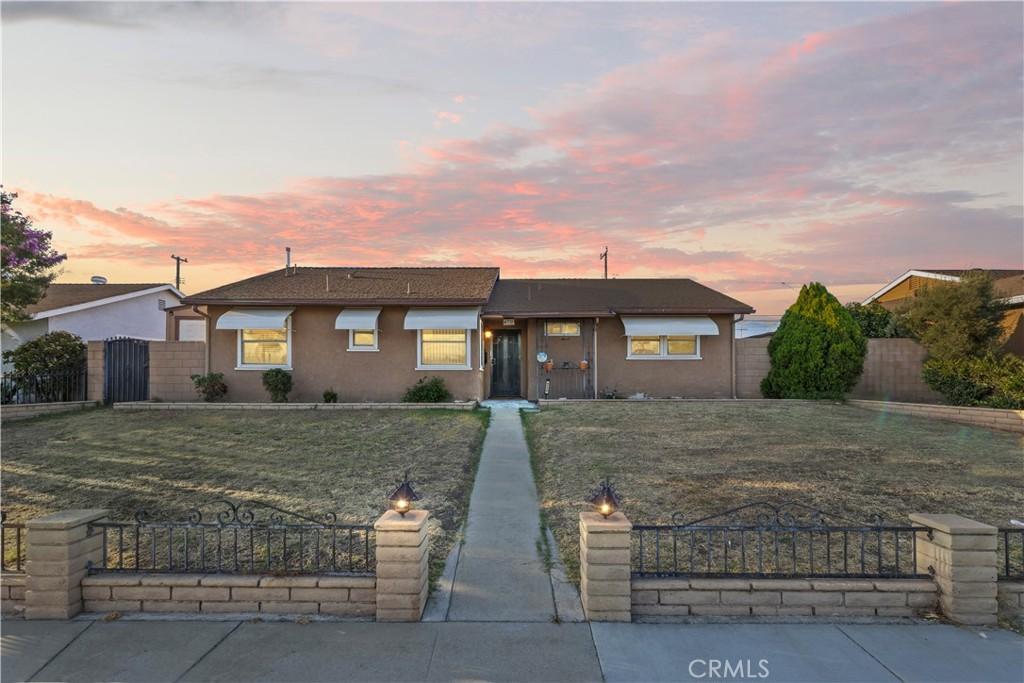
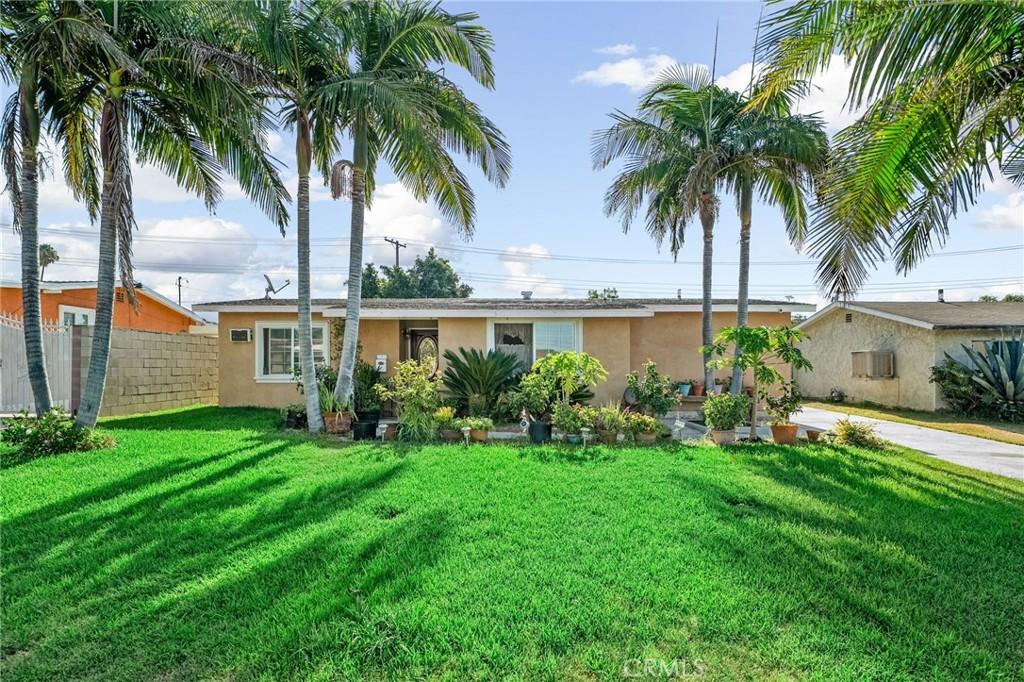
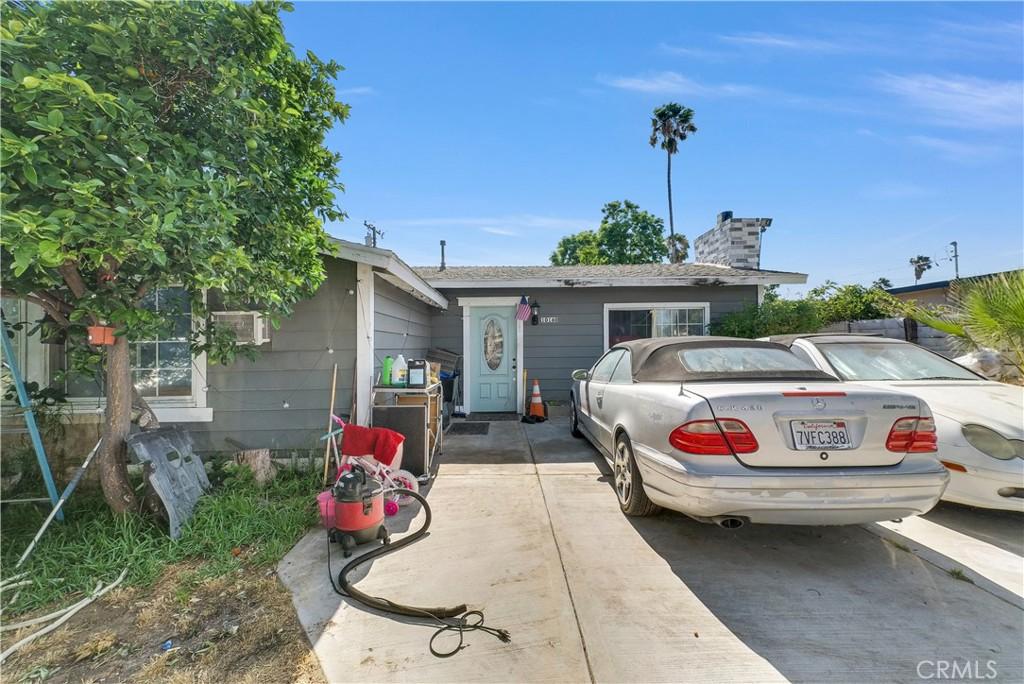
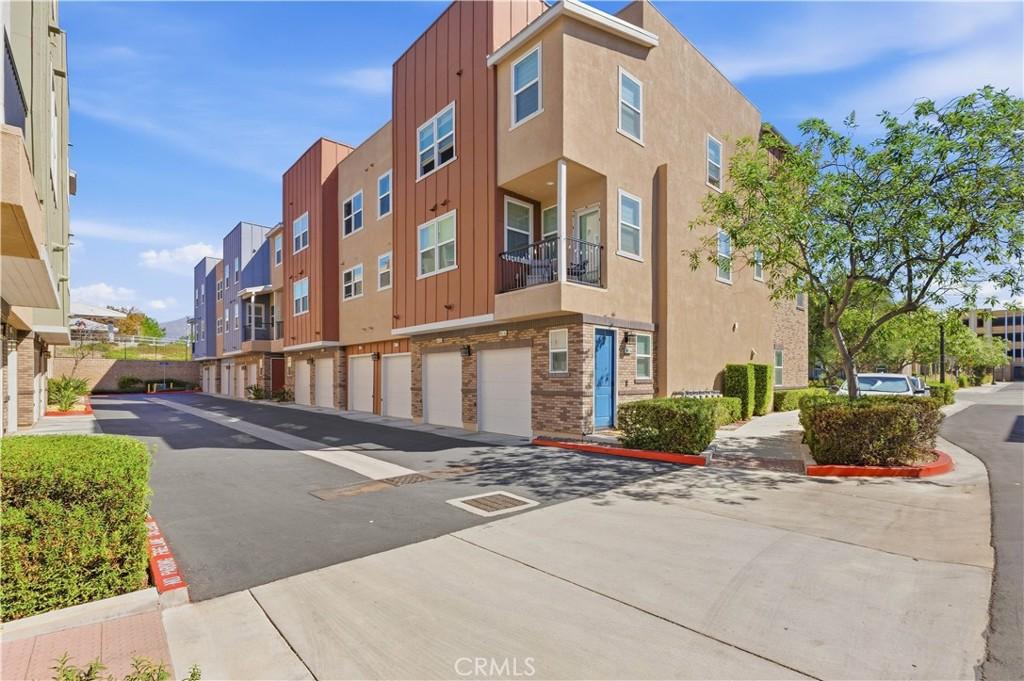
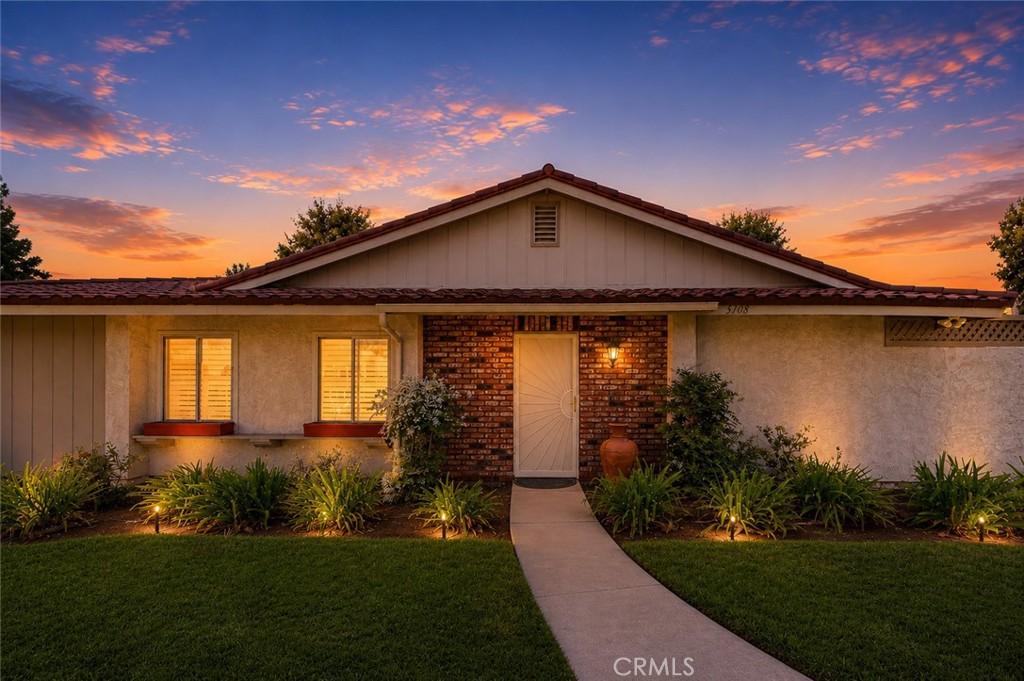
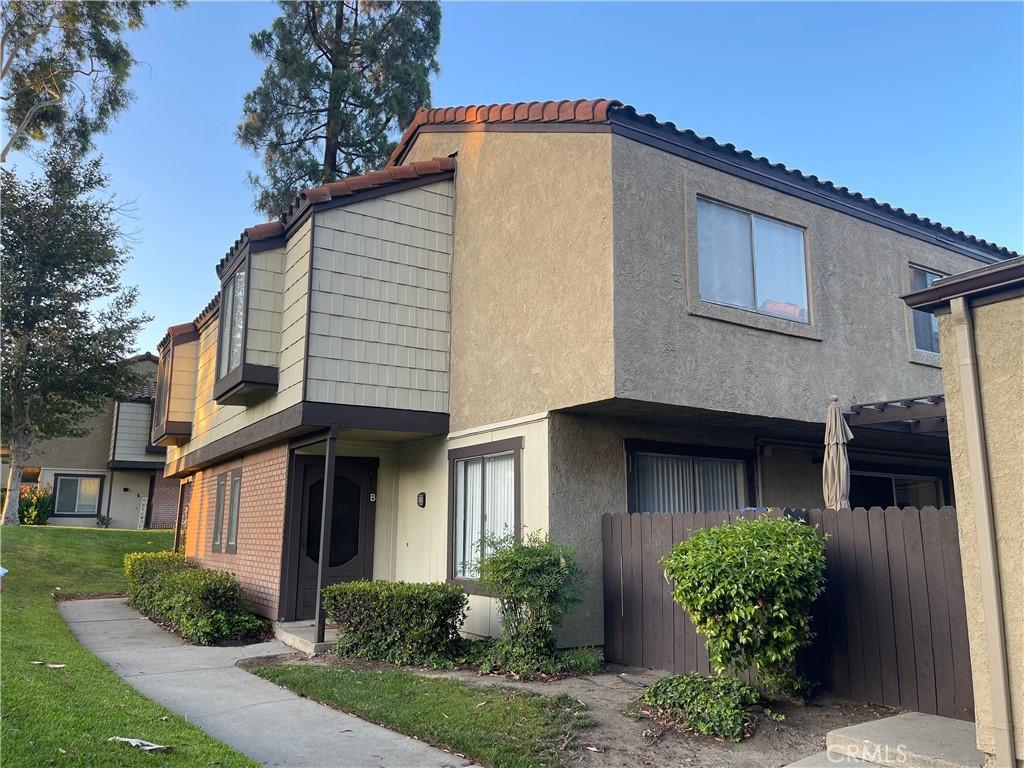
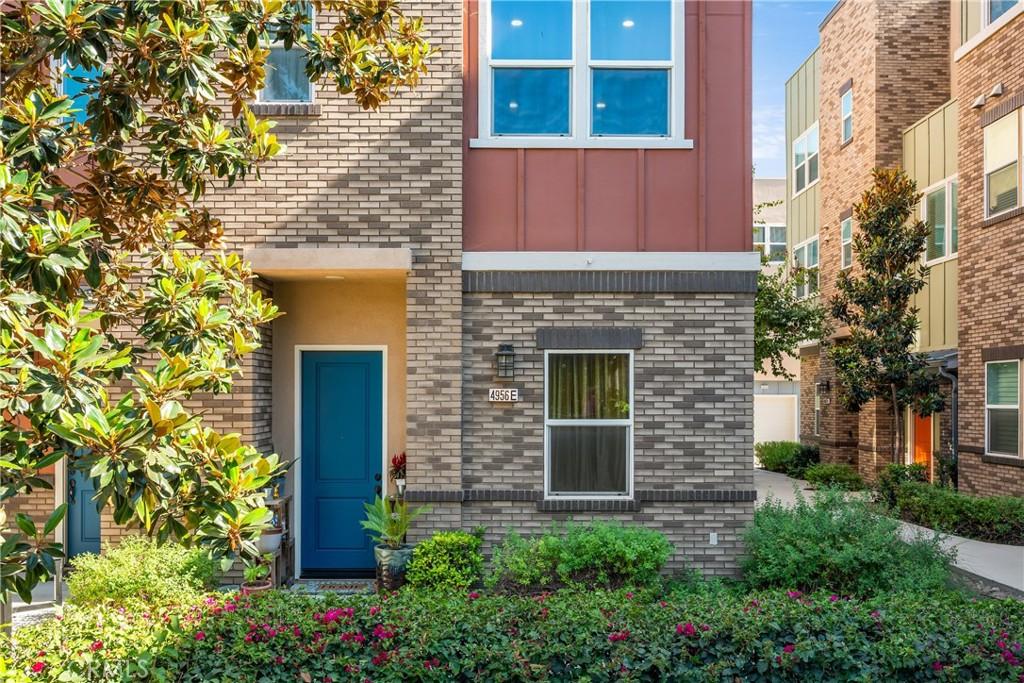
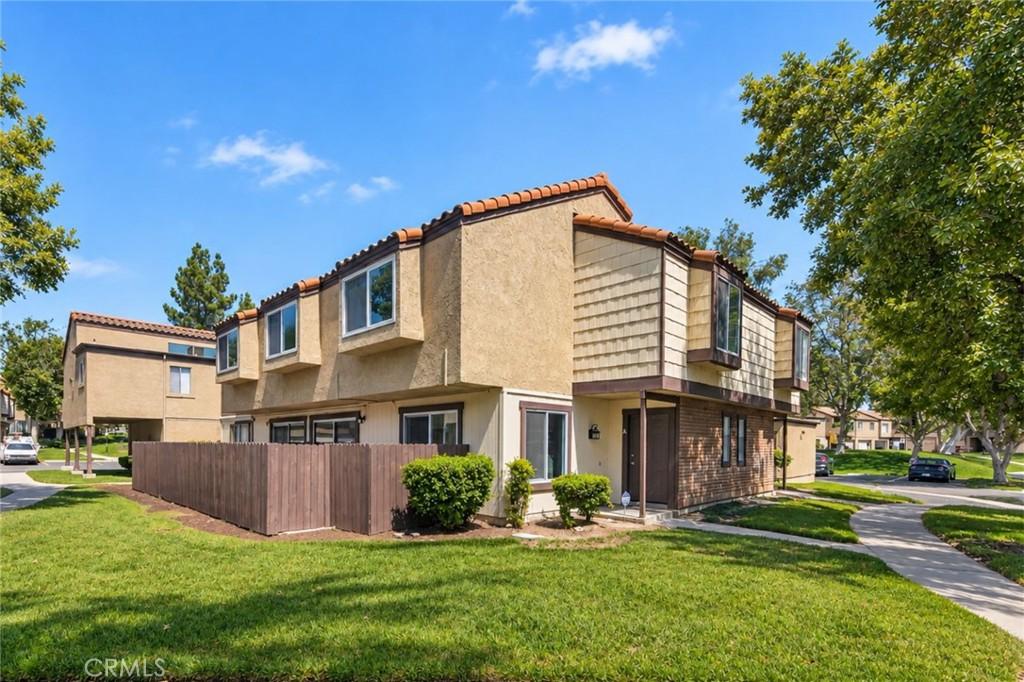
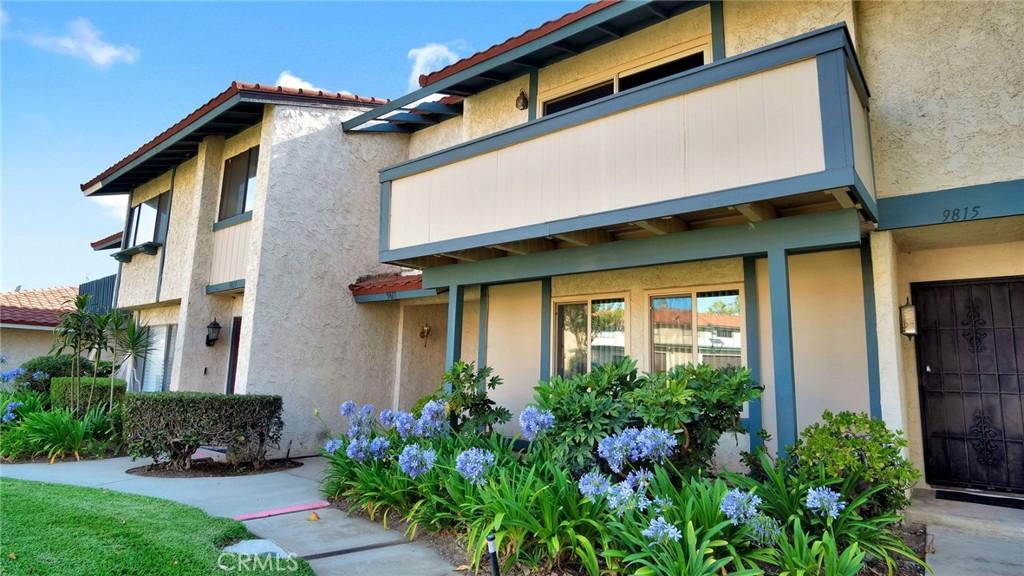
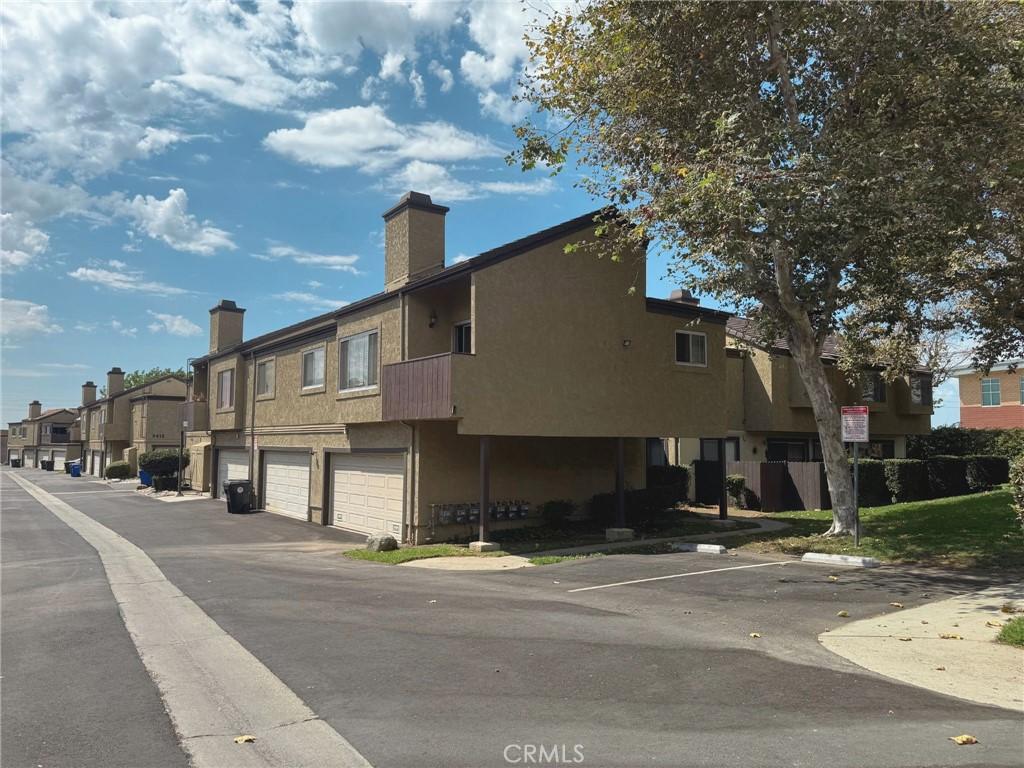
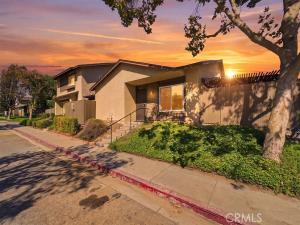
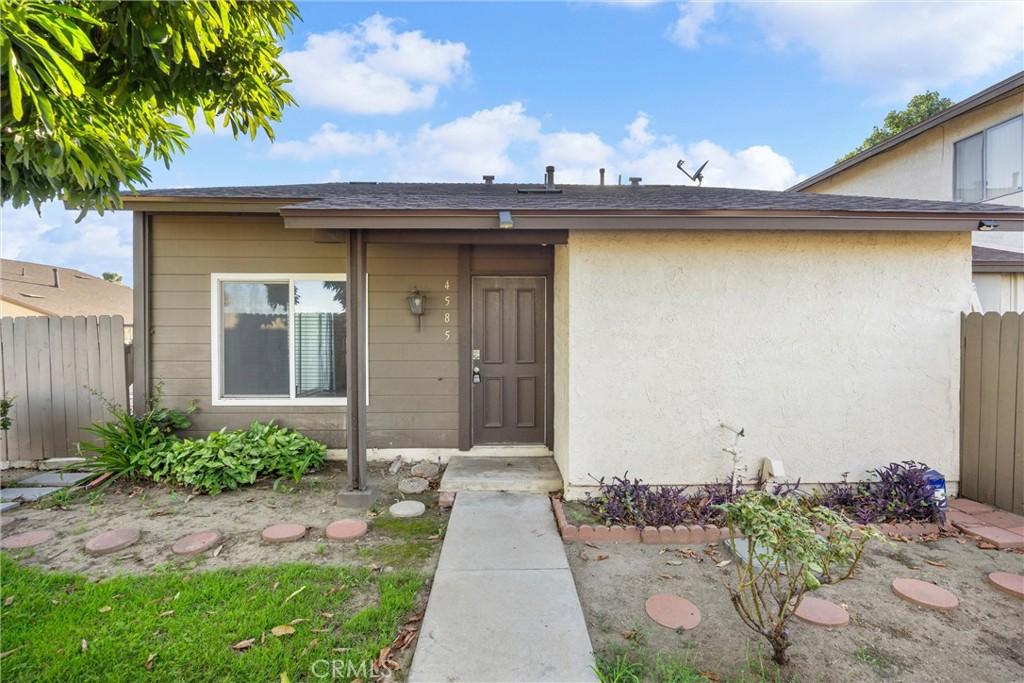
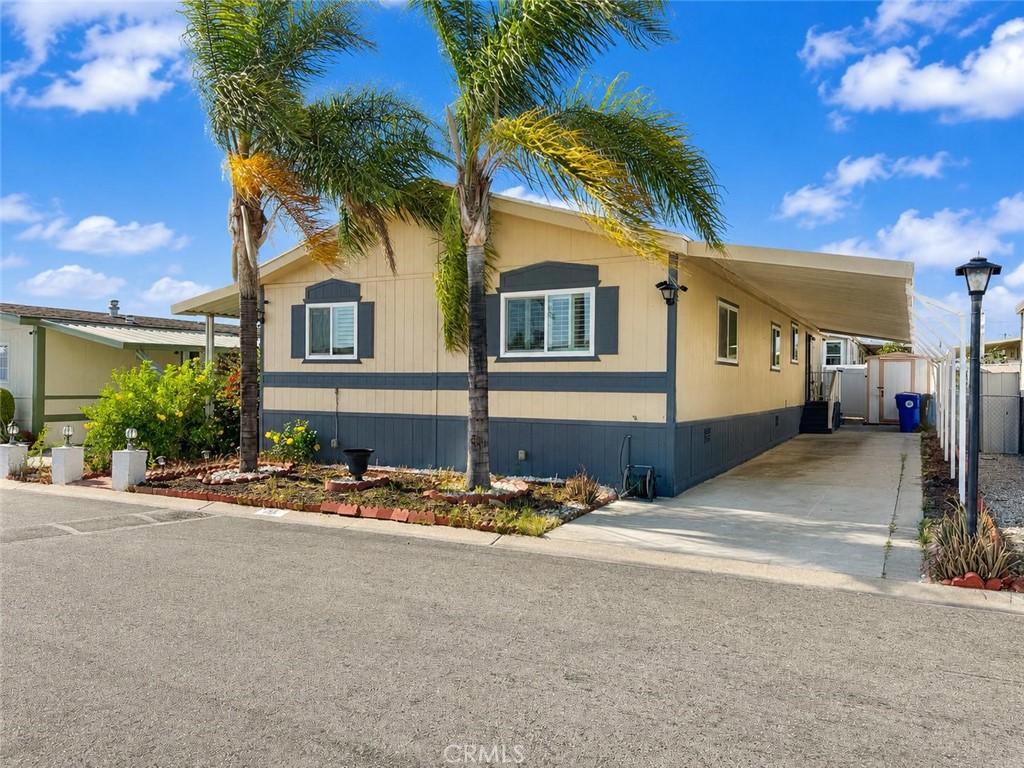
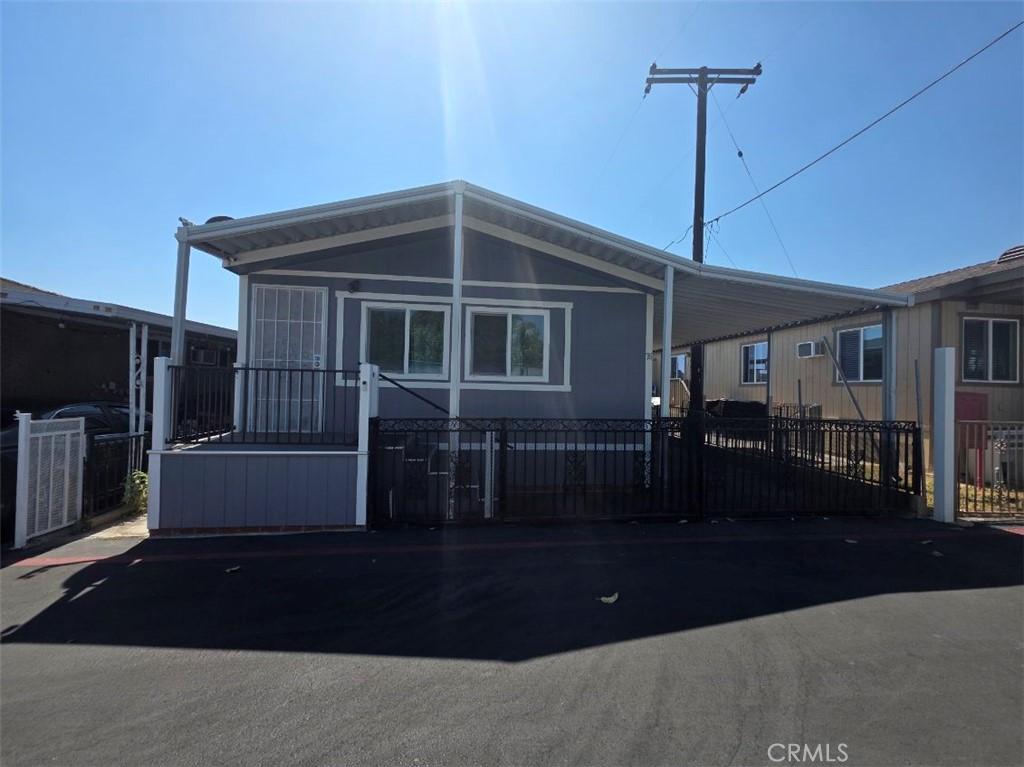
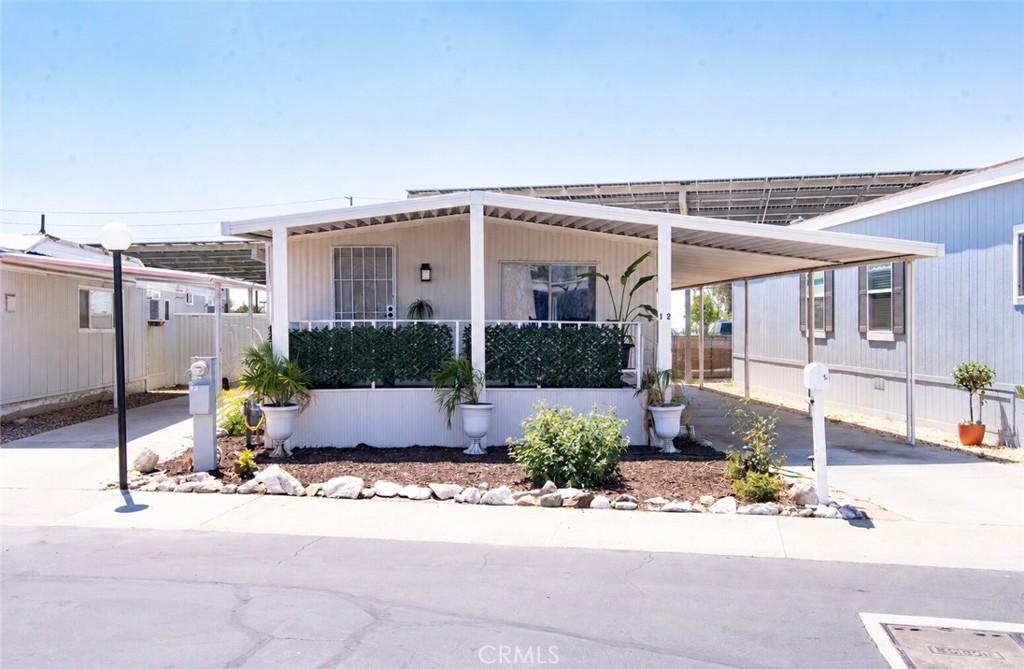
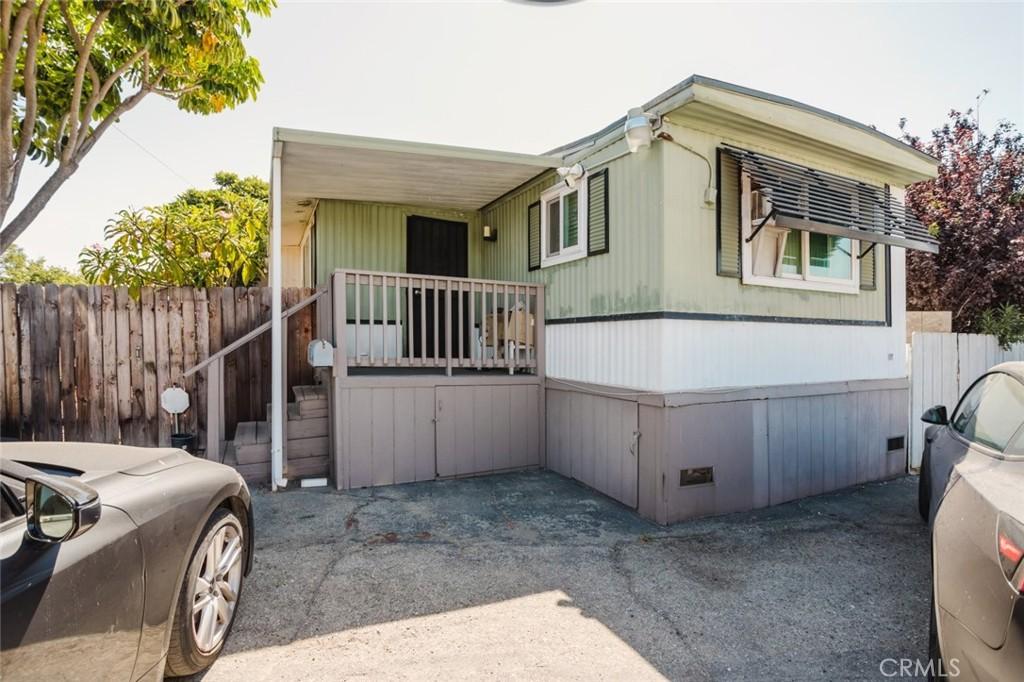
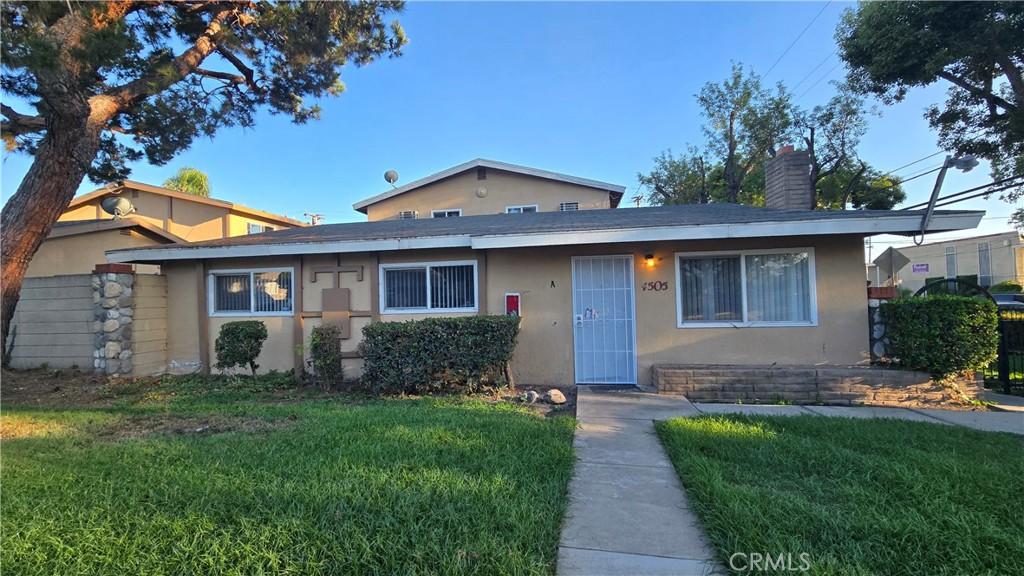
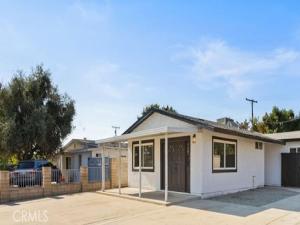
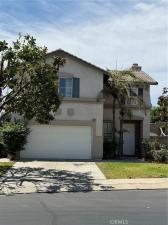
The detached stock is mostly 1950s and 1960s tract housing, so expect ranch and mid-century floor plans on modest lots, often with no HOA and no Mello-Roos. Newer townhomes and condos near the Transcenter are a different animal, with dues and their own financing rules. Listings in 91763 run from entry-level condos to houses above a million.
Browse the current Montclair listings below, or contact The Knight Group to talk through what your budget buys in this specific submarket versus neighboring Upland, Ontario, and Claremont.
Where is Montclair and what surrounds it?
Montclair sits at the far southwestern corner of San Bernardino County. Claremont and the Los Angeles County line are directly west, Upland is to the north, Ontario wraps around the east and south, and Chino is below the 60 freeway. The city is compact and largely built out, so most of what trades here is resale rather than raw new construction.
Two freeways define the commute. The 10 (San Bernardino Freeway) runs along the northern part of the city, and the 60 (Pomona Freeway) runs to the south, giving drivers two east-west options toward Los Angeles and two toward the rest of the Inland Empire. The 210 to the north and the 15 and 71 to the east and west fill out the regional grid. For buyers whose jobs are in LA County, that redundancy matters on days when one corridor is backed up.
What is the Montclair housing market like?
Montclair is a mid-priced Inland Empire market. Redfin data reported through June 2025 (via Rocket) put the median sale price around $682,500, up roughly 6.6 percent year over year, with homes taking a median of about 44 days to sell. Listings in the 91763 ZIP have ranged widely, from entry-level condos to detached houses well above a million dollars, so the “median” hides a lot of spread.
The ownership mix is close to balanced. Local housing figures show Montclair running near 54 percent owner-occupied and 46 percent renter-occupied, which is a higher rental share than many surrounding suburbs. That reflects both an older apartment base and the newer transit-oriented units going up near the downtown core.
Here is the trade-off to be honest about. Montclair buys you a lower entry price than Claremont or Upland next door, but the housing stock is older on average and the lots are typically modest. If schools and prestige are your first priority, you may pay more one city over. If price-per-square-foot and freeway and rail access lead your list, Montclair competes hard.
What kind of homes does Montclair have?
The core of Montclair is post-war suburban. Most of the single-family neighborhoods were built out in the 1950s and 1960s as the citrus groves gave way to tract housing, so ranch-style and mid-century floor plans dominate, with a share of later Spanish-influenced and contemporary builds mixed in. Streets are generally wide, and many blocks end in quiet cul-de-sacs.
Because the detached housing is older and established, a large portion of Montclair’s single-family inventory sits outside homeowners association rules and outside Mello-Roos special-tax districts, which are more common in newer master-planned tracts elsewhere in the county. That said, do not assume. Newer townhome, condo, and mixed-use projects near the Transcenter can carry HOA dues and their own financing rules, so confirm the carrying costs on any specific property before you write an offer. The Knight Group verifies HOA status, dues, and any special assessments as part of due diligence.
What is happening in downtown North Montclair?
The most significant change in Montclair is the North Montclair Downtown Specific Plan. Adopted in 2006 and drafted by the planning firm Moule and Polyzoides, the plan reorganizes roughly 150 acres between the Montclair Transcenter and the Montclair Place shopping center into a mixed-use, transit-oriented district. The original plan targeted somewhere between 2,800 and 3,200 dwelling units.
A 2017 amendment expanded that considerably, raising the maximum allowable units to 5,888 and total non-residential space above 1.6 million square feet. One anchor of the district is The Village at Montclair, an approximately six-acre mixed-use project with a 360-unit multifamily community built next to the Transcenter, with an on-site path to the station. For buyers, the practical read is that Montclair’s newer apartment and condo supply is concentrated near transit, while the detached single-family stock stays in the established neighborhoods around it.
How is the commute and public transit from Montclair?
Montclair’s transit story centers on the Montclair Transcenter, near Monte Vista Avenue and Arrow Highway. Today it is a stop on Metrolink‘s San Bernardino Line and a hub for Foothill Transit service, including the Silver Streak express toward downtown Los Angeles. The Transcenter also holds the largest park-and-ride lot along its corridor outside of Union Station, at roughly 1,600 spaces.
The bigger development is the Foothill Gold Line extension. Phase 2B carries the Metro light rail line 12.6 miles from Glendora east to Montclair, making the Transcenter the eastern terminus, with a connection to the Metrolink platform. For an Inland Empire buyer who works in Los Angeles County, a one-seat or one-transfer rail ride into the LA transit network changes the math on a long freeway commute. Rail timelines shift, so confirm current opening status before you buy on that basis, but the infrastructure is physically taking shape at the Transcenter.
What schools serve Montclair?
Montclair students are served by two districts. Elementary and middle school children attend the Ontario-Montclair School District, one of the older districts in the area, founded in 1884, which educates roughly 24,000 students across Ontario and Montclair. High school students move on to the Chaffey Joint Union High School District, one of the largest high school districts in California, serving more than 25,000 students across Ontario, Montclair, Rancho Cucamonga, and parts of neighboring cities.
Within the city, Montclair High School on Benito Street opened in 1960 and enrolls roughly 2,600 students. As with any move driven by schools, verify the exact attendance boundary for a given address, since boundaries do not always follow city lines and can change. The Knight Group can pull current assignment and enrollment details for any home you are considering.
What is there to do in Montclair?
Retail is the city’s calling card. Montclair Place, the enclosed regional mall that opened in 1968 as Montclair Plaza and was renamed in 2015, anchors the center of the city with over a million square feet of space, department-store anchors including Macy’s and JCPenney, and an AMC dine-in theater. The surrounding commercial corridors along Central Avenue and Holt Boulevard carry the everyday shopping, dining, and services.
Beyond retail, Montclair’s location does a lot of the work. You are within a short drive of the college-town core of Claremont and its village, the foothills and hiking above Upland and Rancho Cucamonga, and the larger shopping and dining at Ontario Mills. Ontario International Airport, one of the faster-growing airports in Southern California, is a few minutes east, which matters for buyers who travel for work.
What is the history of Montclair?
The land was originally home to the Serrano people. Anglo settlement in the area traces to 1897, when the township of Marquette was founded and land developer Emil Firth bought and subdivided acreage, built reservoirs for irrigation, and planted citrus. Citrus groves defined the local economy until after World War II, when housing tracts replaced the orchards and the population grew quickly.
The city incorporated as Monte Vista in 1956. Two years later it had to change its name, because the federal government would not grant a post office under a name that conflicted with another California community also called Monte Vista. A community naming contest produced “Montclair,” which has been the city’s name since. That mid-century incorporation is why so much of the housing stock reads as classic post-war suburban.
Who is Montclair a good fit for?
Montclair fits buyers who want Inland Empire pricing with strong regional access. First-time buyers and investors are drawn by entry-level detached homes and condos that undercut Claremont and much of LA County. Commuters value the double freeway coverage and the rail plans at the Transcenter. Buyers who want low-maintenance ownership can look at the newer transit-oriented apartments and condos near downtown.
It is a weaker fit if you specifically want large lots, newer construction throughout, or the school-district prestige of certain neighboring cities. Those exist nearby, at a higher price. The honest framing is that Montclair trades some prestige and lot size for affordability and connectivity, and whether that trade is right depends on your priorities.
How does Montclair compare to its neighboring cities?
Montclair’s identity is best understood next to the cities that ring it. Claremont, directly west across the county line, is a college town with tree-lined neighborhoods, a well-regarded school district, and prices that generally run above Montclair. Upland, to the north, offers a mix of older established neighborhoods and foothill homes at a step up in price. Ontario, wrapping the east and south, is larger and more industrial, with its own airport and the big-box retail of Ontario Mills. Chino, below the 60, has more newer master-planned housing, some of it carrying HOA dues and Mello-Roos.
Against that group, Montclair is usually the more affordable entry point, with a compact footprint and the strongest transit hub in the immediate area. The practical way to use that is to shop two or three of these cities at once. If a Montclair house and an Upland house are close in price, the decision often comes down to school assignment, lot size, and how much the commute and rail access weigh for your household. The Knight Group runs those cross-city comparisons routinely, so you are choosing between real, current options rather than guessing.
What should buyers check before making an offer in Montclair?
Start with carrying costs beyond the price. Confirm whether a specific property sits inside an HOA or a special-tax district, since that changes your monthly payment and, for condos and townhomes, can affect financing. Pull the actual property taxes and any assessments rather than assuming a flat rate. For older single-family homes, budget for the realities of mid-century construction: roofing, electrical panels, plumbing, and HVAC that may be near the end of their service life.
Then check the things specific to this location. Verify the assigned elementary, middle, and high schools for the exact address. Understand how close the home is to the 10 or 60 and whether freeway noise reaches it. If you are buying partly for the rail line, confirm the current status and timeline of the Gold Line extension rather than treating it as already open. None of these are reasons to avoid Montclair. They are the ordinary diligence that keeps a good price from turning into a surprise, and they are the steps The Knight Group works through with every buyer here.
Renting First or Buying Now: Weighing Your Options in Montclair
Because roughly 46 percent of Montclair households rent, some buyers arrive here after leasing locally and already know the neighborhoods they want. That is an advantage worth using. Drive the streets around the established 1950s and 1960s tracts at different times of day, then compare them with the newer transit-oriented buildings closer to the Transcenter. The two products behave differently. A detached house on a modest lot usually carries no association dues and no special-tax district, but its age means you are budgeting for roof, plumbing, and electrical over time. A newer attached unit shifts some of that maintenance to a monthly payment you do not control.
That choice, more than the list price, tends to decide what your real monthly cost looks like. If you are weighing Montclair real estate against Upland, Ontario, or Claremont, run the numbers on both property types before you narrow your search. The Knight Group can build that side-by-side comparison with you.
Frequently Asked Questions About montclair Homes for Sale
Is Montclair, CA a good place to buy a home?
It depends on your priorities, but for buyers who want lower Inland Empire pricing with strong freeway and future rail access, Montclair competes well. It typically prices below neighboring Claremont and Upland. In exchange, the housing stock is older on average and lots are modest. The Knight Group can compare Montclair against those adjacent cities against your specific budget.
How much do homes cost in Montclair?
Redfin data reported through June 2025 (via Rocket) placed the median sale price around $682,500, up about 6.6 percent year over year. Prices range widely by property type, from entry-level condos to detached homes above a million dollars, so the right number for you depends on the segment. Ask us for current, address-specific comparables rather than relying on a citywide median.
Do Montclair homes have HOA fees or Mello-Roos taxes?
Many of Montclair’s established single-family neighborhoods sit outside homeowners associations and Mello-Roos special-tax districts, which are more common in newer master-planned tracts. But newer condo, townhome, and transit-oriented projects can carry HOA dues and different financing rules. Never assume. We confirm HOA status, dues, and any special assessments on every property before you commit.
What is the Gold Line coming to Montclair?
The Foothill Gold Line extension, Phase 2B, brings Metro light rail 12.6 miles from Glendora east to Montclair, with the Montclair Transcenter as the eastern terminus and a connection to the existing Metrolink platform. It is designed to give Inland Empire commuters a rail path into the Los Angeles transit network. Rail opening dates move, so confirm the current schedule before buying specifically for the line.
What school districts serve Montclair?
The Ontario-Montclair School District handles elementary and middle schools, and the Chaffey Joint Union High School District handles high schools, including Montclair High School. Attendance boundaries do not always follow city lines and can change, so verify the assigned schools for any specific address. We can pull that detail for any home you are considering.
How is the commute from Montclair to Los Angeles?
Montclair is served by both the 10 and the 60 freeways for east-west driving, plus regional connections via the 210, 15, and 71. The Montclair Transcenter adds Metrolink and Foothill Transit express bus service today, with Metro light rail arriving via the Gold Line extension. Actual drive times depend heavily on time of day and destination.
What is Montclair known for?
Montclair is best known regionally for Montclair Place, the enclosed mall that opened in 1968, and increasingly for the Montclair Transcenter and the transit-oriented redevelopment of its downtown. Historically it grew from citrus groves into a post-war suburban city, incorporating first as Monte Vista in 1956 before adopting the name Montclair.
Are there new condos and apartments in Montclair?
Yes. The North Montclair Downtown Specific Plan has steered newer multifamily and mixed-use development toward the area around the Transcenter, including projects like The Village at Montclair. A 2017 amendment raised the district’s allowable unit count substantially, so newer for-sale and for-rent product is concentrated near transit while the detached housing stays in the established neighborhoods.
How does The Knight Group work in Montclair?
The Knight Group represents buyers and sellers across the western Inland Empire, including Montclair and the bordering cities of Claremont, Upland, Ontario, and Chino. Because Montclair prices below several of its neighbors, the most useful early conversation is often a direct comparison: what your budget buys here versus one city over, and whether the trade-off in lot size, home age, or school assignment is worth it for you.
On the ground, that means pulling address-specific comparables rather than leaning on a citywide median, verifying HOA status and any special assessments before you write an offer, confirming school boundaries for a given home, and reading the transit picture realistically rather than as a sales pitch. Browse the Montclair listings below, and contact The Knight Group when you want a grounded read on a specific property or a specific block.
What are Montclair CA Homes like to buy?
- Montclair CA Homes draw buyers because the price gap with Los Angeles and Orange County is real and measurable in this submarket.
- Montclair sits at the far southwestern corner of San Bernardino County as a compact, largely built-out city.
- Claremont and the Los Angeles County line lie directly west of Montclair, with Upland to the north.
- Ontario wraps around the east and south of Montclair, and Chino sits below the Pomona Freeway.
- Freeway access defines the commute, with the San Bernardino Freeway across the north and the Pomona Freeway to the south.
- Regional highway connections toward the north, east, and west fill out the driving grid around Montclair for Inland Empire trips.
- Commuters working in Los Angeles County value the redundancy of two east-west corridors on days when one route backs up.
- Foothill Gold Line extension plans make the Montclair Transcenter the eastern terminus of the light rail line.
- Detached housing stock in Montclair is mostly post-war tract construction, so ranch and mid-century floor plans dominate.
- Lots under Montclair CA Homes are typically modest, reflecting the tract-era subdivisions that replaced the former citrus groves.
- Streets throughout the established neighborhoods are generally wide, and many blocks end in quiet cul-de-sacs.
- Spanish-influenced and contemporary builds appear as a smaller share mixed among the dominant ranch and mid-century designs.
- Established single-family neighborhoods often sit outside homeowners association rules and outside Mello-Roos special-tax districts.
- Newer townhomes and condominiums near the Transcenter can carry dues and their own financing rules, so carrying costs deserve confirmation.
- Montclair CA Homes compete hard on price per square foot and freeway and rail access rather than on prestige or lot size.
What is it like to live in Montclair CA Homes?
- Retail is the calling card of Montclair, anchored by an enclosed regional mall at the center of the city.
- Montclair Place carries department-store anchors and a dine-in movie theater under one enclosed roof.
- Central Avenue and Holt Boulevard carry the everyday shopping, dining, and services for residents across the city.
- Location does much of the work for Montclair CA Homes, putting several distinct destinations within a short drive.
- Claremont offers a college-town core and village shopping a short drive west of Montclair.
- Foothills and hiking above Upland and Rancho Cucamonga sit within easy reach for outdoor weekends.
- Ontario Mills provides larger-format shopping and dining beyond what the local corridors offer.
- Ontario International Airport lies just east and matters for buyers who travel regularly for work.
- Serrano people were the original inhabitants of the land that later became Montclair.
- Citrus groves defined the local economy until housing tracts replaced the orchards after World War II.
- Montclair incorporated first as Monte Vista, then took its current name through a community naming contest.
- First-time buyers and investors are drawn to Montclair CA Homes for entry-level detached houses and condominiums.
- Low-maintenance ownership seekers gravitate toward the newer transit-oriented apartments and condominiums near the downtown core.
- Montclair CA Homes suit buyers less well when large lots, uniformly new construction, or neighboring school prestige lead the list.
- Claremont, Upland, Ontario, and Chino each frame Montclair as the more affordable entry point with the strongest local transit hub.
What should buyers know before choosing Montclair CA Homes?
- Property type drives the range for Montclair CA Homes, spanning entry-level condominiums through detached houses at the top of the market.
- Address-specific comparables give a far more useful read than any citywide median figure.
- Established single-family neighborhoods in Montclair commonly sit outside homeowners associations and Mello-Roos special-tax districts.
- Newer condominium, townhome, and transit-oriented projects can carry association dues and different financing rules entirely.
- Verification of association status, dues, and special assessments belongs in due diligence on every property.
- Foothill Gold Line extension brings Metro light rail east from Glendora with the Montclair Transcenter as its eastern terminus.
- Metrolink platform connection at the Transcenter links the light rail extension into the Los Angeles transit network.
- Rail opening dates shift, so buyers purchasing specifically for the line should confirm the current schedule.
- Ontario-Montclair School District serves elementary and middle school students across the city.
- Chaffey Joint Union High School District covers high schools, including Montclair High School.
- Attendance boundaries do not always follow city lines and can change, so assigned schools deserve verification per address.
- Montclair Transcenter adds Metrolink and Foothill Transit express bus service alongside the arriving light rail.
- North Montclair Downtown Specific Plan has steered newer multifamily and mixed-use development toward the area around the Transcenter.
- Detached housing near Montclair CA Homes stays concentrated in the established neighborhoods while newer product clusters near transit.
- Cross-city comparison against Claremont, Upland, Ontario, and Chino clarifies whether Montclair CA Homes fit a given buyer’s priorities.