
Alpine Oaks: Established Oak Woodland Residential Living
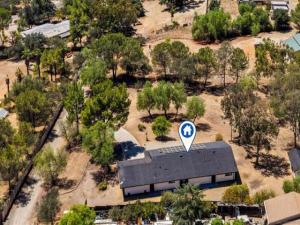
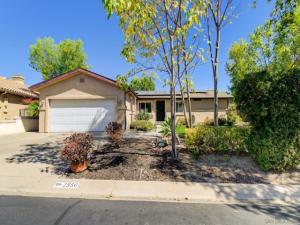
Alpine Oaks is the established residential community in Alpine set within the oak woodland terrain that gives the neighborhood its identity. The mature oak canopy creates a distinctive living environment, shading residential streets and lots in ways that the newer, more exposed developments in Alpine cannot replicate. Properties in Alpine Oaks benefit from the microclimate advantages that mature tree cover provides: cooler summer temperatures, reduced fire exposure from the canopy’s natural moisture, and the aesthetic quality of established landscaping.
The Oak Woodland Character
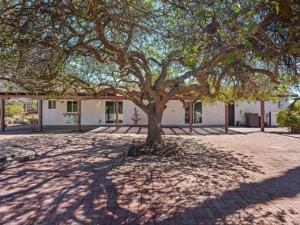
Alpine Oaks sits in the zone where Alpine’s valley floor transitions to the lower foothill slopes, at elevations ranging from roughly 1,600 to 1,900 feet. The community’s defining characteristic is the density of mature coast live oak trees that cover the residential lots, the community’s common areas, and the natural swale drainage corridors. These oaks were established long before the community’s residential development and represent the natural vegetation that covered this portion of San Diego County’s inland foothills. The oaks have persisted because California’s Oak Woodland Conservation Policy and San Diego County’s Oak Tree preservation ordinances make their removal without permit a significant legal and financial liability. The result is a community where the trees predate and in many cases frame the homes.
The ecological benefits of this oak canopy are real and measurable. Oaks transpire moisture through their leaves, creating localized humidity that can reduce fire intensity relative to surrounding chaparral areas. The canopy shade reduces surface temperatures on residential lots by 10 to 20 degrees relative to unshaded pavement during summer afternoons. And the habitat the oak woodland provides, acorns for wildlife, cavity nesting for birds, and the diverse understory plant community that develops in oak woodland shade, creates a residential context with more biodiversity than any landscaped alternative could achieve.
School District Access
Alpine Oaks falls within the Alpine Union School District, the small independent district that serves the Alpine community’s K-8 population. The district’s primary campuses, Alpine Elementary School and Joan MacQueen Middle School, serve a relatively small student population that creates the community-oriented school dynamic that families consistently cite as a quality-of-life advantage. Class sizes tend to be smaller than the San Diego Unified average, and the parent involvement that characterizes a community where the school is a genuine neighborhood institution rather than a large institutional campus is high.
For high school, Alpine Oaks students attend Grossmont Union High School District campuses, primarily Valhalla High School in El Cajon, a 20-minute bus or drive. The Grossmont Union district offers robust vocational and technical education programs alongside its college-preparatory curriculum, serving the full range of post-secondary pathways that an inland San Diego County community with diverse economic backgrounds requires.
Commute and Daily Life
Alpine Oaks sits close enough to Alpine Boulevard to be practical for daily errands without requiring a lengthy drive for basics. The commercial corridor along Alpine Boulevard provides grocery access at Vons, pharmacy, hardware, and the full range of suburban service retail. For major shopping, the Parkway Plaza mall in El Cajon and the Grossmont Center shopping district are 20 to 25 minutes westbound on I-8.
The I-8 interchange at Alpine provides the freeway access that makes Alpine Oaks viable as a commute community. Downtown San Diego is 30 to 35 miles westbound, running 40 to 55 minutes in normal traffic. Kearny Mesa and the Mission Valley employment zone run 30 to 45 minutes depending on traffic patterns. The commute calculus for Alpine Oaks is most favorable for buyers targeting the El Cajon, Santee, or La Mesa employment zones, where the drive runs 20 to 30 minutes.
Fire Risk Considerations
The oak woodland character of Alpine Oaks creates a nuanced fire risk profile. Oak woodland is generally considered less flammable than surrounding chaparral during active fire weather because the oaks retain moisture content higher than the dry chaparral species, and their canopy height creates a vertical gap between the ground fuel layer and the crown fire potential. However, the community remains in the Very High Fire Hazard Severity Zone designation, and fire insurance requirements, defensible space requirements, and evacuation planning considerations apply in full. The 100-foot defensible space requirement is the primary maintenance task that the oak canopy complicates: some of the native vegetation that must be managed for fire safety is protected by the same oak ordinances that preserve the trees.
Property Values and Market Dynamics
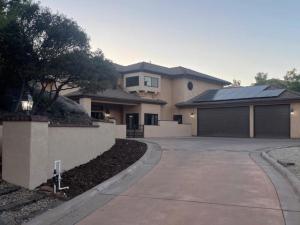
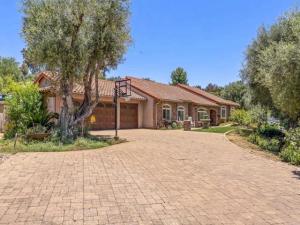
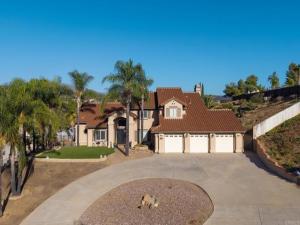
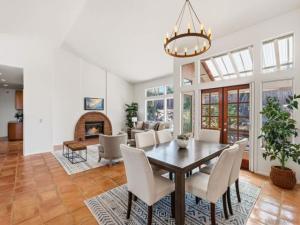
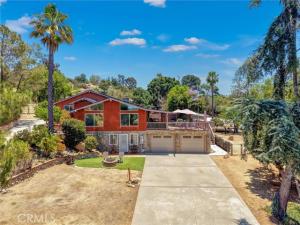
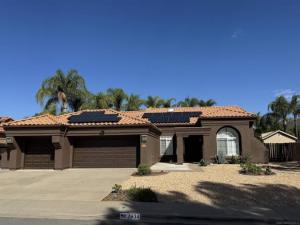
$700K-$1.2M: The core Alpine Oaks range. Established homes on larger lots with mature oak coverage. Properties in this range are typically 1,500 to 2,800 square feet on half-acre to two-acre lots, built between the 1960s and 1990s. The oak coverage commands a 10 to 20 percent premium over comparable-sized lots without significant tree cover, a premium that has been consistent across market cycles because the natural amenity is irreplaceable at any price.
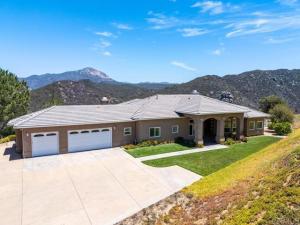
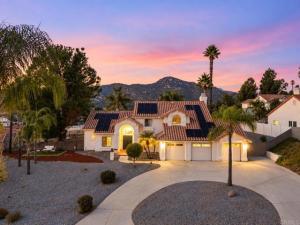
$1.2M-$1.8M: Larger homes, significant renovations, or properties with premium oak positions: lots where a particular grove creates an outdoor room or where the tree canopy frames a view corridor that delivers the best of the oak woodland aesthetic. Custom homes in this tier frequently use the oaks as an architectural feature rather than working around them.
Investment Context
Alpine Oaks has appreciated at a rate that tracks the broader Alpine market, which has consistently outperformed San Diego County’s inland suburban average over the past decade. The remote-work-driven demand expansion that elevated Alpine’s market from 2020 onward benefited Alpine Oaks specifically because the community’s natural character addresses the lifestyle-quality criterion that motivated many remote-work relocations. The community’s supply is inherently constrained: no new lots can be created within the oak woodland zone without the kind of environmental permitting and mitigation that makes new development economically impractical. This supply constraint supports values over time.
Frequently Asked Questions
Are the oaks protected? Yes. San Diego County’s Oak Tree Preservation Ordinance requires a permit to remove, destroy, or significantly prune a protected oak tree. The ordinance covers coast live oaks with trunk diameters of 2.5 inches or greater. Violating the ordinance carries civil and criminal penalties. As a practical matter, buyers should understand that the oak woodland character is a protected feature rather than a manageable variable.
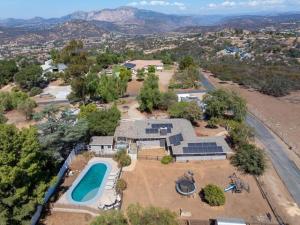
What are typical lot sizes? Lots in Alpine Oaks generally range from a half-acre to two acres, with some smaller residential parcels in the more densely developed sections and some larger parcels on the community’s edges approaching the agricultural zone. The lot size determines the functional possibilities for equestrian use, guest structures, and other ancillary uses.
How does the oak canopy affect solar panel installation? Some lots in Alpine Oaks have canopy coverage that limits the solar exposure available for panel installation. Buyers interested in solar should assess the specific lot’s shading and the available unobstructed roof area before assuming that a full-production solar installation is feasible. The county’s solar installation permit process includes a shading analysis.
What wildlife should residents expect? Mule deer, coyote, bobcat, raccoon, and many bird species use the oak woodland habitat. Mountain lion movement through the area has been documented, though sightings are rare. Small pets should not be left unattended outdoors, particularly during dawn, dusk, and overnight hours when predator activity is highest. The wildlife presence is consistent with the natural character that most Alpine Oaks residents specifically sought in choosing the community.
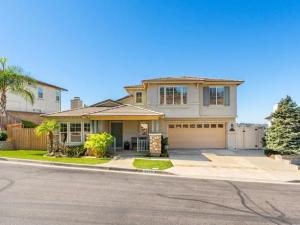
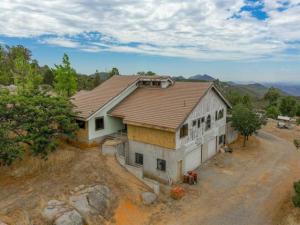
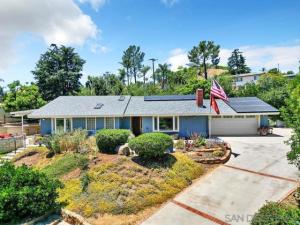
Current Alpine Oaks Listings













This site was last updated Oct 24 2026 5:24:04 pm.