Alpine San Diego County Homes for Sale in the Cuyamaca Foothills
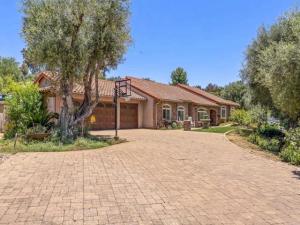
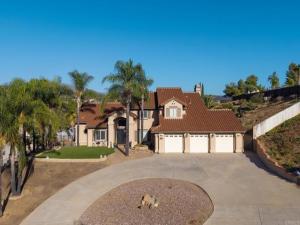
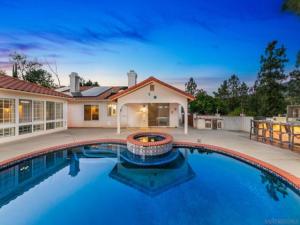
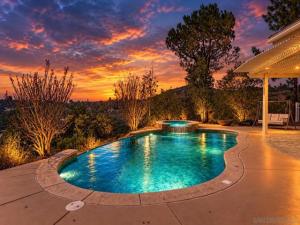
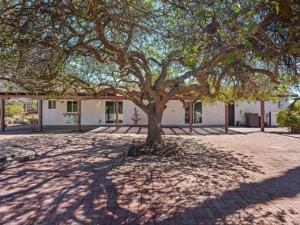
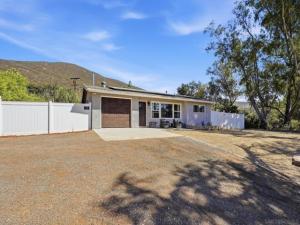
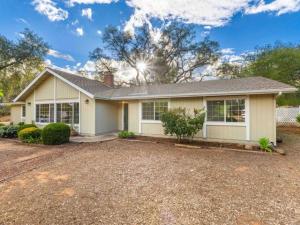
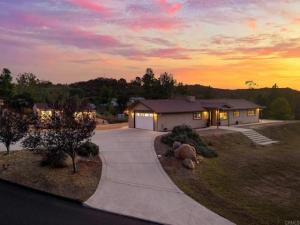
Alpine San Diego County Homes for Sale currently number 92 active listings with a median asking price of $930,000 (CRMLS, September 2026).
Alpine San Diego County homes for sale sit about 30 miles east of downtown San Diego along Interstate 8, at an elevation near 1,834 feet. Alpine is unincorporated and largely wrapped by the Cleveland National Forest, so what you buy here is space and setting at East County prices. The tradeoff is honest: a longer commute, wildfire exposure, and often private septic and well systems.
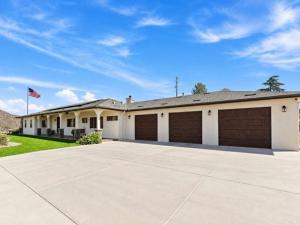
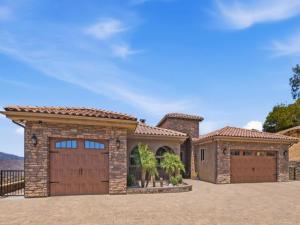
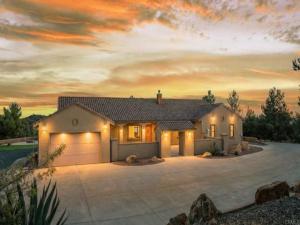
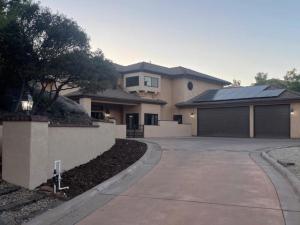
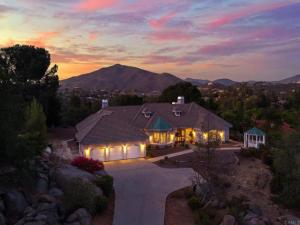
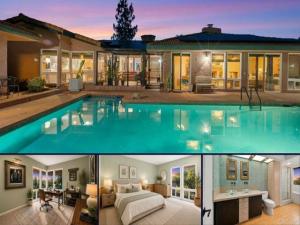
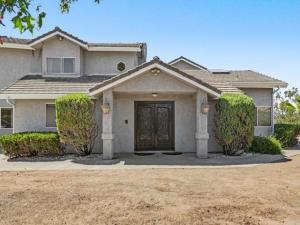
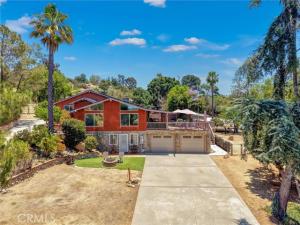
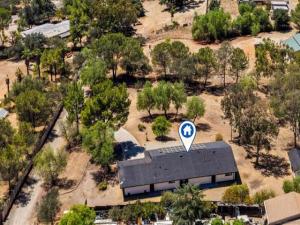
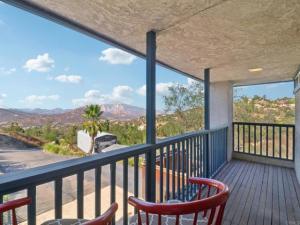
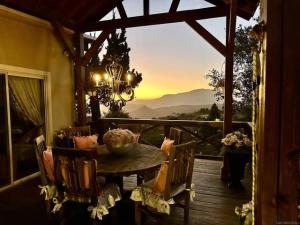
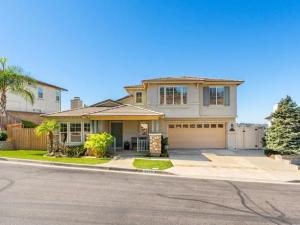
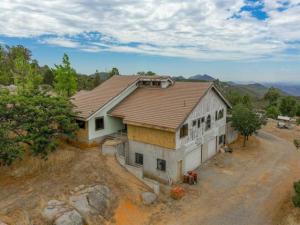
The housing runs a wide range. Multi-acre ranch estates with horse facilities anchor communities like Palo Verde Ranch and Sky Mesa Ranch, while Silver Mountain offers attached and condominium product at a lower entry point. Two homes a mile apart can differ enormously in acreage, water source, and build quality. The listings below show what is currently available across those pockets.
Alpine is organized into distinct neighborhoods and ranch communities, each with its own character and price band. The listings below show what is currently available across those pockets. If you want a grounded read on which part of Alpine fits your budget and your tolerance for rural systems and fire risk, contact The Knight Group and we will walk you through it.
Where is Alpine and how far is the commute to San Diego?
Alpine runs along Interstate 8 in eastern San Diego County. Downtown San Diego is roughly 30 miles west, and El Cajon, the nearest large city, is closer still. For most residents the daily drive is I-8 west in the morning and I-8 east in the evening.
Be honest with yourself about that commute before you buy. Traffic heading east on I-8 during the weekday evening rush is heavy, and Alpine does not have rail transit, so the car is the default. Many residents commute to San Diego or El Cajon every day and accept the drive as the cost of living in the foothills. If your work is fully remote or you are buying for retirement, the distance matters far less, and Alpine’s quiet becomes the whole point.
The name itself signals the setting. A resident in the 1880s reportedly suggested “Alpine” because the surrounding hills and climate reminded her of Switzerland. The land was home to the Kumeyaay people for thousands of years, and Alpine still borders the Viejas and Sycuan reservations.
What does the Alpine housing market look like?
Alpine is a mid-to-upper price tier for East County. Per Zillow in mid-2026, the average Alpine home value was about $971,000, up roughly 1.5% year over year, with a median sale price near $895,000 and homes typically taking around 63 days to sell. Single-family homes carried a higher median than attached product: per the same Zillow data, single-family homes sat near a $987,000 median, condos and co-ops near $555,000, and townhomes near $440,000.
Two things follow from those numbers. First, Alpine is not a bargain market in absolute dollars, because acreage and custom homes pull the averages up. Second, there is a genuine spread between detached ranch estates and the smaller attached and manufactured-home product, which means Alpine can work for a wider range of budgets than its headline average suggests. A buyer at $500,000 and a buyer at $1.5 million are shopping the same ZIP code but very different housing.
Days on market near two months is a signal worth respecting. Rural and semi-rural homes tend to sell more slowly than tract housing closer to the coast, because the buyer pool is narrower and each property is more specific. That cuts both ways: sellers should price with patience, and buyers usually have more room to inspect, negotiate, and walk than they would in a fast coastal submarket.
What kinds of homes does Alpine have?
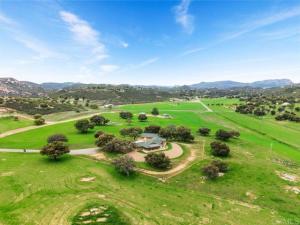
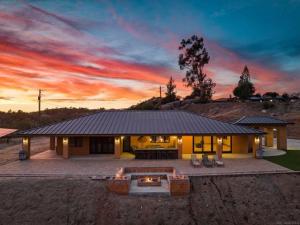
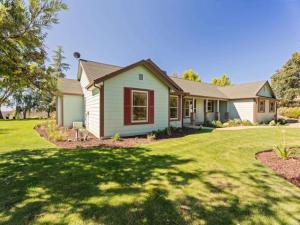
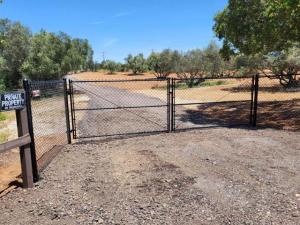
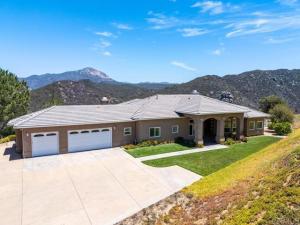
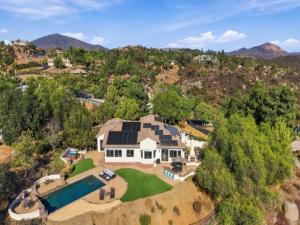
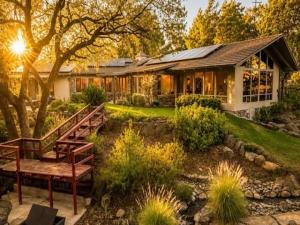
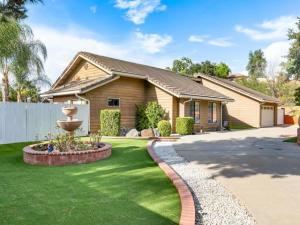
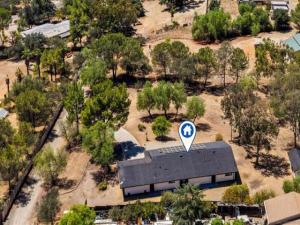
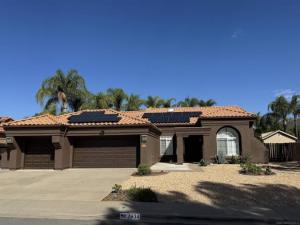
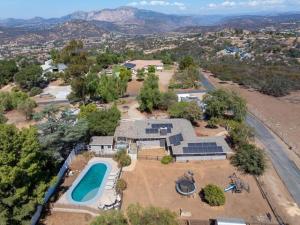
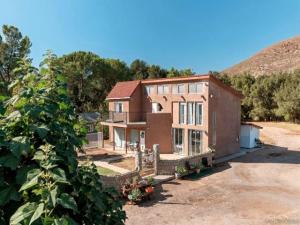
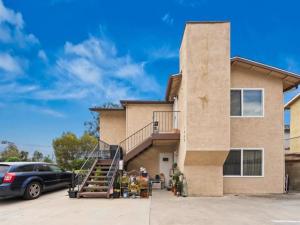
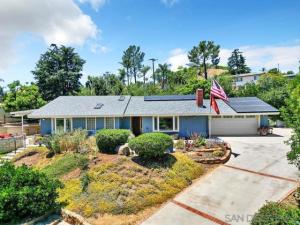
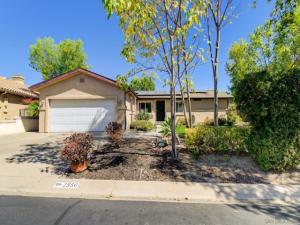
Alpine’s housing runs a wide gamut. At one end are large custom estates and ranch properties on multi-acre lots, often with horse facilities, well water, and long private driveways. In the middle are conventional single-family homes on more manageable parcels. At the more affordable end are attached homes, condominiums, and manufactured or mobile-home communities.
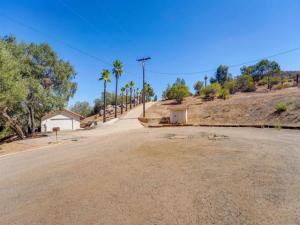
Horse ranches and small farms remain common, a holdover from the community’s late-19th and early-20th century roots. Open chaparral hillsides and riparian canyons frame much of the residential land. This is not a place of uniform subdivisions. Two homes a mile apart can differ enormously in acreage, water source, and build quality, which is exactly why the specific neighborhood you choose matters so much here.
Which neighborhoods and communities make up Alpine?
Alpine is best understood through its individual communities rather than as one undifferentiated market. Below are four of the pockets we track, each with a different profile.
Palo Verde Ranch is the estate-and-equestrian end of Alpine. Developed in the early 1960s and adjacent to the Cleveland National Forest, the ranch comprises 233 homesites ranging from roughly 2 to 7 acres, with shared amenities that include a private lake, a clubhouse, and tennis courts. Downtown San Diego is under 30 miles away. This is where buyers go for room to keep horses and for a community built around large parcels. You can see what is available at Rancho Palo Verde real estate in Alpine.
Sky Mesa Ranch is a newer rural neighborhood that began developing around 1999. It is known for spacious properties and long mountain views, and it includes a small, exclusive gated section built along a cul-de-sac. The resident population is modest, which reinforces the quiet, low-density feel. Buyers drawn to a country setting with newer construction than Alpine’s older ranch tracts should start at Sky Mesa Ranch real estate in Alpine.
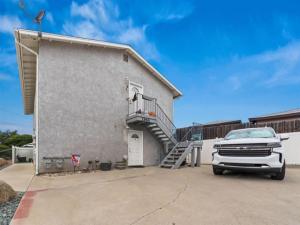
Silver Mountain is a more established neighborhood that includes attached and condominium product, giving it a lower entry point than Alpine’s acreage communities. If you want to live in Alpine’s foothills without buying multiple acres or a custom estate, this is one of the more accessible ways in. Current listings are at Silver Mountain real estate in Alpine.
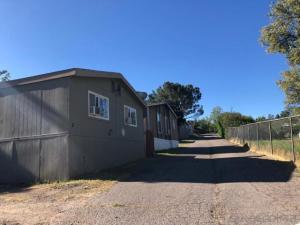
Alpine Oaks sits at the value end of the community, a well-established pocket that includes manufactured and mobile-home living with the same mountain-view backdrop as the rest of Alpine. For budget-conscious buyers or those looking to downsize while staying in the foothills, it is worth a look. Browse it at Alpine Oaks real estate in Alpine.
The distance between these four communities, from multi-acre equestrian estates to manufactured-home neighborhoods, is the single most useful thing to understand about Alpine. Deciding which pocket fits comes before shopping individual listings.
What are the schools like in Alpine?
Alpine’s public elementary and middle schools are run by the Alpine Union School District, which serves grades kindergarten through 8. The district is small, with roughly 1,441 students across about five schools. That small scale is part of what draws families who want a less crowded school environment than larger suburban districts offer.
High school is the wrinkle to plan for. Alpine does not have its own comprehensive public high school within the elementary district, so students continue on to the Grossmont Union High School District for grades 9 through 12, with campuses located outside Alpine proper. If school assignment matters to your purchase, confirm the specific attendance boundaries and current campus for any address before you commit, because rural district boundaries are not always intuitive.
How serious is wildfire risk in Alpine?
Wildfire is the defining risk factor in Alpine, and it should shape both your budget and your expectations. Alpine sits among the foothill and backcountry communities that CAL FIRE places in High and Very High Fire Hazard Severity Zones, and it takes the direct force of Santa Ana wind events each fall. This is not a theoretical concern.
The 2003 Cedar Fire is the reference point. It burned 273,246 acres across San Diego County, destroyed 2,820 structures, and killed 15 people, driven by Santa Ana winds that pushed the fire at extraordinary speed. Communities across East County, Alpine among them, live with that history and that ongoing exposure.
Practically, that risk shows up in your carrying costs and your due diligence. Insurance in High and Very High Fire Hazard Severity Zones can be expensive and, in some cases, difficult to obtain, so price a quote before you fall for a property, not after. Ask about the home’s construction and defensible space, its roof and vent materials, and its history. None of this should scare a prepared buyer away from Alpine, but going in without accounting for fire risk is the most common and most expensive mistake people make here.
What is there to do in Alpine?
Alpine’s appeal is outdoor and low-key rather than nightlife-driven. The Cleveland National Forest, which surrounds the community and covers roughly 460,000 acres across the region, offers hiking, backpacking, and camping close to home. The foothill terrain, open chaparral, and canyons that frame residential lots also define the recreation.
The largest single destination is the Viejas Casino and Resort, located in Alpine on the Viejas reservation. It features a large gaming floor with roughly 2,500 slot machines alongside table games and entertainment. Adjacent to it, the Viejas Outlet Center adds discount-brand shopping, dining, a bowling alley, an arcade, and a large outdoor skating rink. Between the forest and Viejas, Alpine covers both ends of the spectrum, quiet backcountry and a busy resort complex, within a few minutes’ drive.
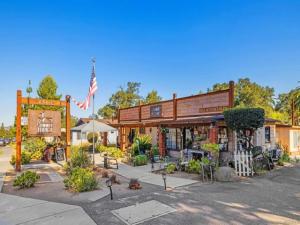
Day to day, Alpine keeps a small commercial district with local shops and restaurants. It is a town where errands are quick and the pace is unhurried, which is precisely the draw for the people who move here.
Should buyers expect wells, septic, or HOA costs?
This is where rural buying diverges most from suburban buying, and it deserves a careful look on every Alpine purchase. Because Alpine is unincorporated and much of its land is low-density, a meaningful share of properties operate on private septic systems, and some rely on well water rather than a municipal connection. That is not a defect, but it does change your inspection checklist and your long-term maintenance.
The through-line is that Alpine rewards diligence. The same features that make a property attractive, acreage, privacy, and self-sufficiency, are the features that require you to verify systems most carefully.
How does Alpine compare to nearby East County towns?
Alpine occupies a particular niche in East County. It is more rural and higher in elevation than El Cajon to the west, which gives it cooler summers, cleaner air, and open space that the denser valley cities do not have. That elevation and setting are a large part of why buyers accept the longer drive.
Compared with the closer-in suburbs, Alpine trades convenience for land. You give up a short commute and walkable services, and you gain acreage, privacy, and views. Compared with the more remote backcountry towns further east along I-8, Alpine is relatively well served, with an established commercial district, the Viejas complex, and a functioning school district, while still delivering the semi-rural feel. It sits at a sensible middle point on that spectrum, which is why it draws a steady buyer pool rather than only the most rural-minded purchasers.
Who is Alpine right for?
Alpine is a strong fit for a specific buyer. If you want more land, mountain views, a semi-rural setting, horse property, or East County value, and you can accept a longer commute and active wildfire management, Alpine delivers on all of it. Retirees, remote workers, equestrians, and families who prioritize space and quiet over walkability tend to be happiest here.
It is a weaker fit if you need short daily access to central San Diego, want walkable urban amenities, or prefer a low-maintenance property with municipal utilities and no wildfire premium on your insurance. Naming that tradeoff plainly is the point: Alpine is not trying to be a coastal or urban market, and buyers who understand what they are choosing are the ones who thrive here.
What to Inspect Before You Buy in Alpine
Because so much of the inventory here sits on private systems, the due diligence list is longer than it would be in a city neighborhood. Ask early whether the property is on a well or a shared water system, whether the septic has recent service records, and how the driveway and access road hold up in wet weather. Wildfire exposure deserves the same attention: defensible space around the structure, roof and vent construction, and how insurance is currently written on the property. None of these are reasons to avoid Alpine real estate, but they are the questions that separate a comfortable purchase from an expensive surprise in year two.
The upside of a slower market is time. With homes typically taking around two months to sell, buyers here generally have room to order the inspections these properties actually warrant rather than waiving them to win a bidding contest. Use that room. Sellers, for their part, should expect a narrower buyer pool and price accordingly.
Frequently Asked Questions About alpine Homes for Sale
Is Alpine a city?
No. Alpine is an unincorporated community in San Diego County, governed by the county rather than by its own city government. At the 2020 census it had a population of 14,696, up from 14,236 in 2010.
How far is Alpine from downtown San Diego?
Alpine is roughly 30 miles east of downtown San Diego along Interstate 8. There is no rail transit, so residents rely on the freeway, and the eastbound evening commute is heavy.
Is Alpine expensive?
Alpine is a mid-to-upper East County market. Per Zillow in mid-2026, the average home value was about $971,000 and the median sale price about $895,000, though attached homes and manufactured-home communities offer lower entry points than the multi-acre estates.
Does Alpine have wildfire risk?
Yes, and it is significant. Alpine sits in CAL FIRE High and Very High Fire Hazard Severity Zones and is exposed to Santa Ana wind events. The 2003 Cedar Fire, which burned 273,246 acres countywide, is the region’s reference event. Budget for fire insurance and defensible space.
What school district serves Alpine?
The Alpine Union School District serves kindergarten through grade 8. High school students continue to the Grossmont Union High School District, with campuses located outside Alpine. Confirm attendance boundaries for any specific address.
Are Alpine homes on wells and septic?
Many rural Alpine properties operate on private septic systems, and some use well water rather than a municipal connection. Always confirm the water and sewer situation for the specific property, and inspect the septic and test the well where they apply.
What is there to do in Alpine?
Alpine offers hiking, camping, and backpacking in the surrounding Cleveland National Forest, plus the Viejas Casino and Resort and the adjacent Viejas Outlet Center for gaming, shopping, dining, and skating.
Which Alpine community should I look at first?
It depends on your budget and lifestyle. Palo Verde Ranch and Sky Mesa Ranch suit acreage and estate buyers, Silver Mountain offers a more accessible entry point with attached product, and Alpine Oaks sits at the value end. We can match you to the right pocket quickly.
How The Knight Group works in the Alpine market
We treat Alpine as a set of distinct communities, not a single market, because that is how it actually behaves. Our first job with any Alpine buyer or seller is to place you in the right pocket, whether that is the equestrian acreage of Palo Verde Ranch, the newer rural setting of Sky Mesa Ranch, the more accessible attached homes of Silver Mountain, or the value-oriented Alpine Oaks.
From there we handle the parts of rural East County transactions that trip people up: verifying water and sewer systems, coordinating septic and well inspections, pulling fire hazard zone information and insurance realities into the numbers early, and confirming HOA documents and assessments where they apply. We would rather tell you a property is a poor fit before you make an offer than after.
Browse the current Alpine listings below. When you are ready to talk specifics, contact The Knight Group and we will give you a direct, unhurried read on what fits your budget, your commute tolerance, and your appetite for rural systems and wildfire management.
What is it like to buy Alpine San Diego County Homes in the Cuyamaca foothills?
- Alpine is unincorporated and largely wrapped by the Cleveland National Forest, so buyers get space and setting at East County prices.
- The tradeoff here is honest: a longer commute, wildfire exposure, and often private septic and well systems on individual properties.
- Multi-acre ranch estates with horse facilities anchor communities such as Palo Verde Ranch and Sky Mesa Ranch.
- Silver Mountain offers attached and condominium product at a lower entry point than the surrounding ranch communities.
- Alpine San Diego County Homes a short distance apart can differ enormously in acreage, water source, and build quality.
- Alpine is organized into distinct neighborhoods and ranch communities, each carrying its own character and its own price band.
- El Cajon is the nearest large city to Alpine, and it sits closer than downtown San Diego does.
- Rail transit does not serve Alpine, so the car remains the default way residents reach work and services.
- Remote workers and retirees feel the commute distance far less, and the quiet of the foothills becomes the whole point.
- A resident in the late nineteenth century reportedly suggested the name Alpine because the surrounding hills and climate recalled Switzerland.
- The Kumeyaay people lived on this land for thousands of years, and Alpine still borders the Viejas and Sycuan reservations.
- Alpine San Diego County Homes range from custom estates with well water and long private driveways to condominiums and manufactured-home communities.
What should buyers know about wildfire, wells, and lifestyle in Alpine San Diego County Homes?
- Wildfire is the defining risk factor for Alpine San Diego County Homes, and it should shape both budget and expectations.
- CAL FIRE places Alpine among the foothill and backcountry communities in High and Very High Fire Hazard Severity Zones.
- Santa Ana wind events strike Alpine directly each fall, making fire exposure an ongoing rather than theoretical concern.
- The Cedar Fire remains the reference point for East County, having burned enormous acreage, destroyed structures, and killed residents countywide.
- Insurance in High and Very High Fire Hazard Severity Zones can be expensive and sometimes difficult to obtain, so price a quote early.
- Buyers should ask about a home’s construction, defensible space, roof and vent materials, and its history before making an offer.
- Cleveland National Forest surrounds the community and offers hiking, backpacking, and camping close to home.
- Viejas Casino and Resort is the largest single destination in Alpine, with a large gaming floor, table games, and entertainment.
- Viejas Outlet Center sits adjacent to the casino and adds discount-brand shopping, dining, a bowling alley, an arcade, and outdoor skating.
- Alpine keeps a small commercial district with local shops and restaurants where errands are quick and the pace is unhurried.
- Private septic systems serve a meaningful share of properties, and some rely on well water rather than a municipal connection.
- Alpine San Diego County Homes sit higher and more rural than El Cajon, delivering cooler summers, cleaner air, and open space.
- Compared with remote backcountry towns further east, Alpine is well served by its commercial district and functioning school district.
- Alpine San Diego County Homes suit buyers wanting land, mountain views, horse property, or East County value despite the longer drive.
What are the most common questions about Alpine San Diego County Homes?
- Alpine is an unincorporated community in San Diego County, governed by the county rather than by its own city government.
- Alpine San Diego County Homes form a mid-to-upper East County market, though attached homes and manufactured-home communities offer lower entry points.
- Wildfire risk is significant, with Alpine falling inside CAL FIRE High and Very High Fire Hazard Severity Zones.
- Santa Ana wind exposure and the Cedar Fire make fire insurance and defensible space essential budget items for buyers.
- Alpine Union School District serves kindergarten through middle school grades within the community itself.
- Grossmont Union High School District takes high school students, with campuses located outside Alpine.
- Attendance boundaries should be confirmed for any specific address before a buyer commits to a purchase.
- Many rural Alpine San Diego County Homes operate on private septic systems, and some use well water instead of a municipal connection.
- Buyers should inspect the septic system and test the well wherever those systems apply to a property.
- Recreation includes hiking, camping, and backpacking in the Cleveland National Forest, plus gaming, shopping, dining, and skating at Viejas.
- Palo Verde Ranch and Sky Mesa Ranch suit acreage and estate buyers, while Alpine Oaks sits at the value end.
- Silver Mountain offers a more accessible entry point with attached product for buyers priced out of the ranch communities.
- The Knight Group treats Alpine San Diego County Homes as a set of distinct communities, verifying water, sewer, fire zone, and HOA details.