
Silver Mountain: Alpine’s Hillside Residential Community
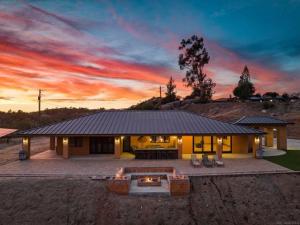
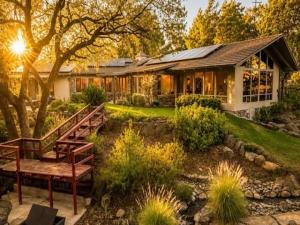
Silver Mountain is the hillside residential community in Alpine’s upper elevations, where the terrain’s natural drainage creates the creek corridors and oak woodland settings that give the neighborhood its name and its character. Properties in Silver Mountain occupy the kinds of topographically varied lots that make residential architecture more interesting: hillside grading, view corridors through the trees, and natural landscape that integrates with rather than resists the built environment.
Neighborhood Character and Setting
Silver Mountain sits on the eastern slope of the Alpine ridge system, positioned to catch morning light and the afternoon coastal breeze that comes inland from the Pacific through the El Cajon valley during summer. The community’s terrain varies from gentle hillside grades where single-story homes can be positioned without significant grading to steeper slopes that require multi-level design. The natural creek drainage that bisects portions of the community creates seasonal water presence that, in normal precipitation years, sustains a riparian plant community of willows, cottonwoods, and native grasses along the drainage corridor. These creek corridors have been preserved as community open space in most of the community’s development, giving Silver Mountain a natural green spine that more heavily graded communities lack.
The oak woodland character is the community’s defining visual asset. Mature coast live oaks provide the canopy structure along the hillside roads, and many residential lots have specimen oaks that predate the community’s development. California prohibits the removal of mature oaks under most circumstances, and the community’s oak cover has benefited from this protection. The oaks deliver both aesthetic value and functional benefit: shade, wildlife habitat, and the microclimate moderation that mature tree cover provides.
Schools and Education
Silver Mountain falls within the Alpine Union School District for elementary and middle school education. Alpine Elementary and Joan MacQueen Middle School are the primary K-8 campuses serving the community. The district’s small size (roughly 2,500 students total) creates the community-school relationship that larger urban districts struggle to maintain: parents who attend school events tend to know the teachers, principals recognize families on sight, and the school board is accessible to individual household concerns in a way that San Diego Unified’s scale precludes. High school access is through the Grossmont Union High School District, with Valhalla High School in El Cajon serving as the primary feeder for most Silver Mountain addresses.
Commute and Connectivity
Silver Mountain’s position in Alpine’s mid-elevation zone places it 2 to 3 miles from the I-8 interchange, a distance that adds roughly 5 to 8 minutes to the valley floor commute time relative to the freeway-adjacent neighborhoods. The commute to El Cajon’s commercial and light-industrial zone runs 20 to 25 minutes in normal conditions. The commute to Kearny Mesa’s technology corridor runs 35 to 45 minutes. The commute to downtown San Diego runs 40 to 55 minutes depending on traffic patterns on I-8 westbound. Most Silver Mountain residents who use the community as a daily commute base target employment in the eastern San Diego County tier rather than the coastal corridors.
Broadband internet in Silver Mountain is available through a combination of cable (available on most parcels), fixed wireless, and satellite. The cable infrastructure reaches most of the community’s residential streets, providing the bandwidth necessary for video conferencing and remote professional work.
Wildlife and Outdoor Recreation
Silver Mountain’s hillside position adjacent to the Cleveland National Forest boundary puts residents within walking or short-driving distance of the forest’s trail system. The Kitchen Creek and Sunrise Highway corridors provide hiking terrain ranging from moderate valley walks to serious ridge-line scrambles reaching the Laguna Mountains. Mountain lion, deer, coyote, bobcat, and the occasional black bear are documented in the community’s surrounding terrain. This wildlife presence is a lifestyle asset for most Silver Mountain residents and a management consideration that informs how residents secure trash, manage fruit trees, and monitor small pets outdoors.
Fire Risk and Property Insurance
Silver Mountain falls within San Diego County’s Very High Fire Hazard Severity Zone, consistent with its position in the inland foothill chaparral zone. The defensive space requirements, ember-resistant construction standards, and fire insurance considerations that apply to Alpine broadly apply here. Insurance availability from private carriers has contracted in recent years as major underwriters have reduced their California wildfire exposure. Buyers should obtain insurance quotes early in the purchase process and confirm that coverage is available at acceptable terms before waiving contingencies.
The community experienced perimeter fire activity during the 2003 and 2007 Cedar Fire and Witch Creek Fire events that affected much of the Alpine region. The affected portions of the community rebounded, and the post-fire homes generally rebuilt to higher fire-resistant construction standards. The rebuilt residential stock within Silver Mountain tends to have better envelope fire-resistance than the original construction it replaced.
Silver Mountain Market
$900K-$1.5M: The primary Silver Mountain range. Established homes on hillside lots with mature oak woodland and creek adjacency. The homes in this range are typically 1,800 to 3,000 square feet on lots of half an acre to two acres, built primarily between the 1970s and 1990s with the architectural styles of those construction eras. Buyers in this range are often downsizing from coastal San Diego County properties, using appreciated equity to acquire more land and privacy at a comparable total investment.
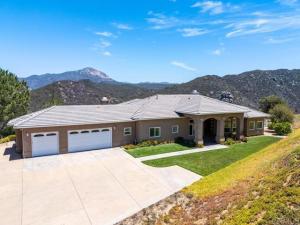
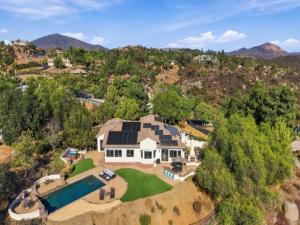
Above $1.5M: Custom hillside homes on larger parcels, newer construction, or significantly renovated properties that have been brought to contemporary standard. This tier attracts the buyer who wants Silver Mountain’s natural setting combined with residential finishes at the level of the coastal communities they’re accustomed to.
The Silver Mountain market has appreciated consistently with the broader Alpine market, which has outperformed San Diego County’s inland suburban average in percentage terms over the past five years as demand for rural-adjacent residential land has been structurally elevated by remote work adoption.
Buyer Profile
Silver Mountain attracts established professionals transitioning from coastal or suburban San Diego County who want more land and a natural setting without the full isolation of Alpine’s most rural addresses. It also attracts equestrian buyers whose horse-property requirements exceed what the lower-valley communities deliver in terms of lot size and zoning, and outdoor-recreation-oriented households who specifically want the trailhead access and wildlife landscape that Silver Mountain’s terrain provides.
Frequently Asked Questions
Is Silver Mountain an HOA community? Silver Mountain is a neighborhood designation rather than a formal HOA-governed community in most of its sections. Some specific subdivisions within the Silver Mountain area have HOA covenants; verify with the specific property whether HOA membership and fees apply. The absence of a community-wide HOA means there are no mandatory dues, but also no community-managed road maintenance fund for the private roads in some sections.
What is the lot size range? Lots in Silver Mountain range from half-acre standard residential lots to multi-acre agricultural parcels. The lot size significantly affects both price and the types of uses permitted. Parcels zoned for agricultural use (A70 or A72 under San Diego County zoning) accommodate horses and light agricultural activity; residential-only zoned lots do not.
How reliable is the water supply? Properties connected to Alpine Community Water District municipal service have reliable supply. Properties on private wells in the granite substrate can vary in production; a well production test as part of due diligence is standard practice. During drought years, some private wells in the area have experienced reduced production.
What is the neighborhood proximity to Alpine’s commercial core? Silver Mountain is approximately 2 to 4 miles from Alpine Boulevard’s commercial strip depending on the specific address, a 5 to 10-minute drive. The commercial core has grocery access (Vons), pharmacy, and the full range of typical suburban retail. For major shopping and dining, the El Cajon corridor is 20 to 25 minutes westbound on I-8.
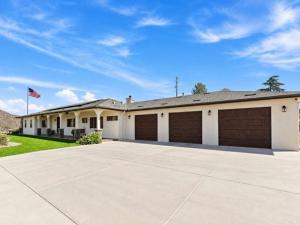
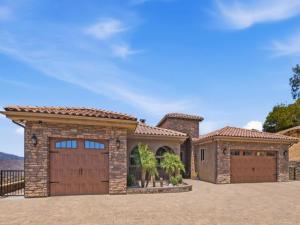
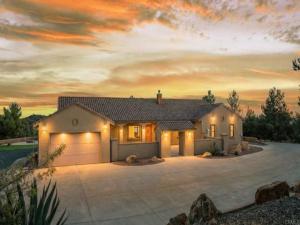
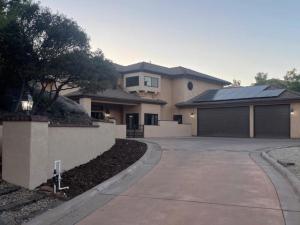
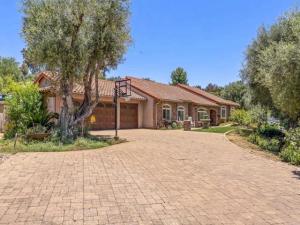
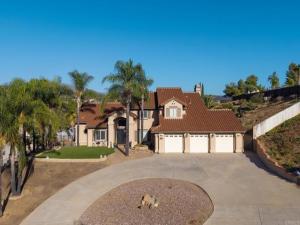
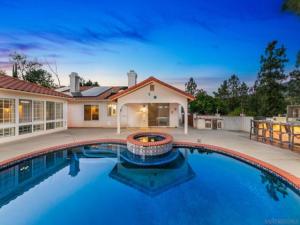
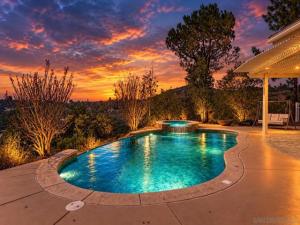
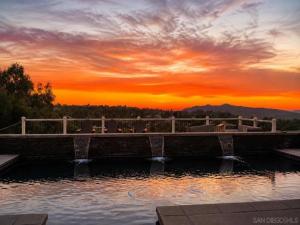
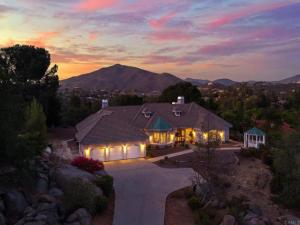
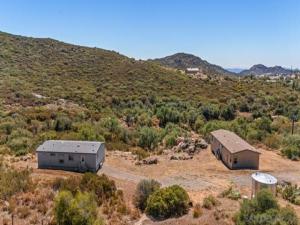
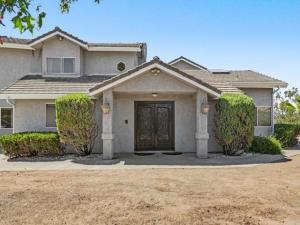
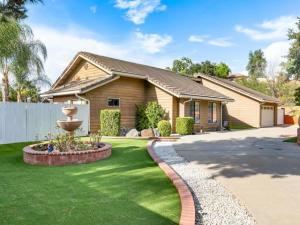
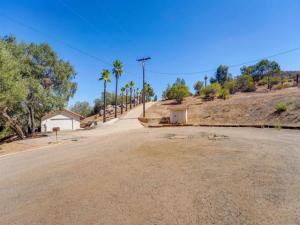
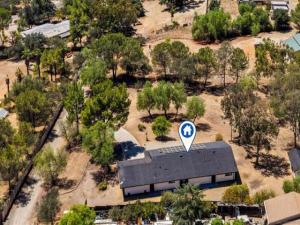
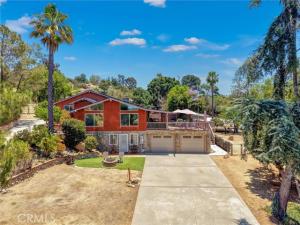
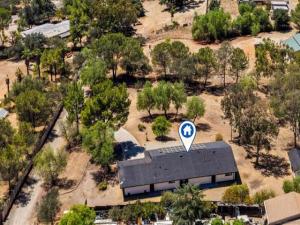
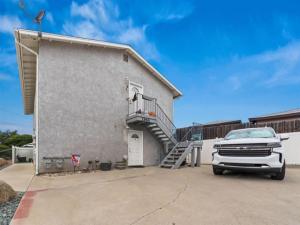
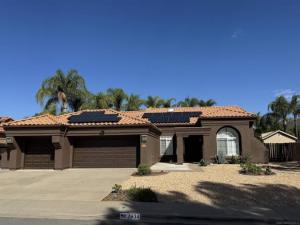
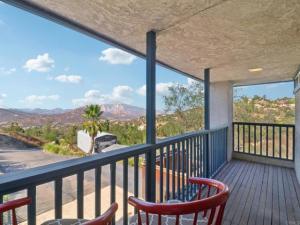
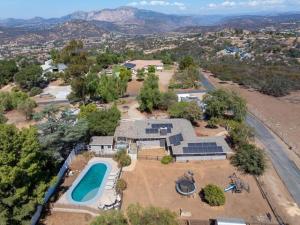
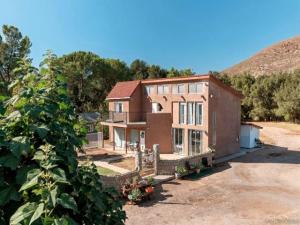
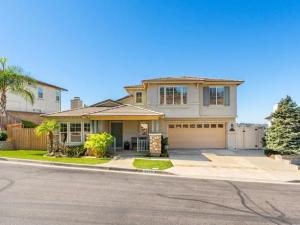
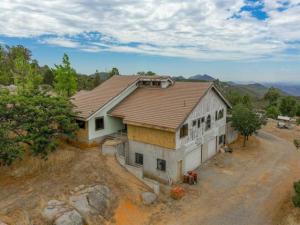
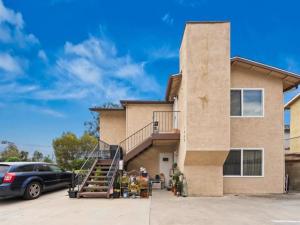
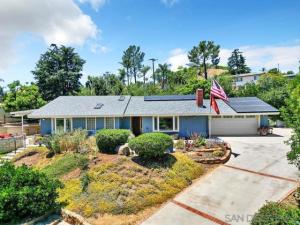
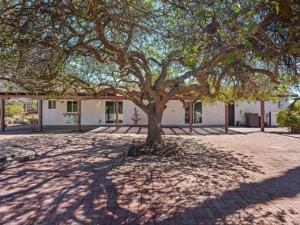
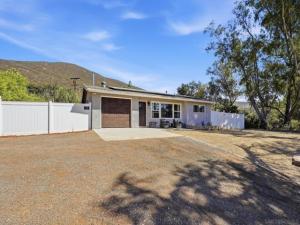
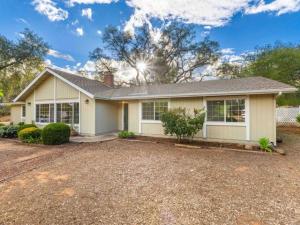
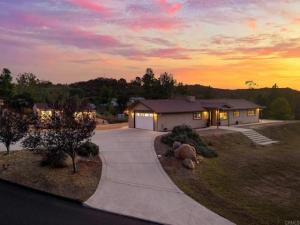
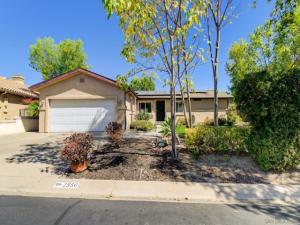
Current Silver Mountain Listings



This site was last updated Oct 24 2026 5:24:01 pm.