Homes for Sale in Jamul, California
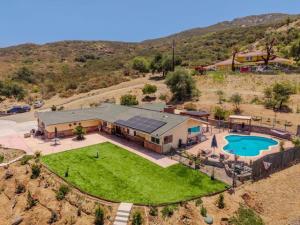
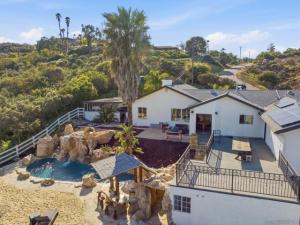
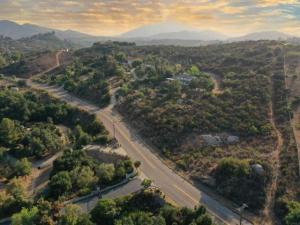
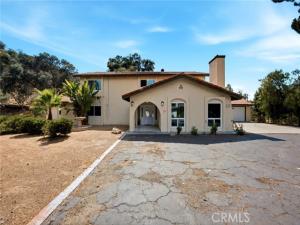
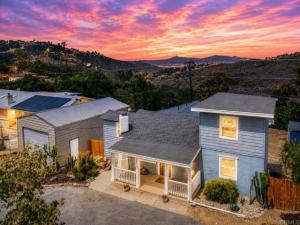
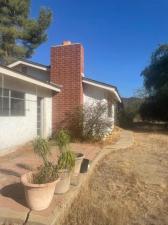
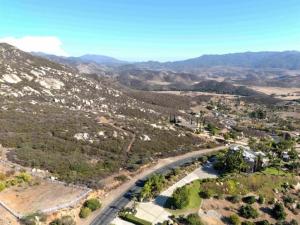
Homes for sale in Jamul sit on acreage in the East County foothills, southeast of El Cajon and Rancho San Diego along State Route 94. The trade is straightforward: you give up suburban density and get land, privacy, and long views instead, still within about 20 miles of downtown San Diego. Buyers come here for horses, workshops, gardens, or just distance from a neighbor’s window.
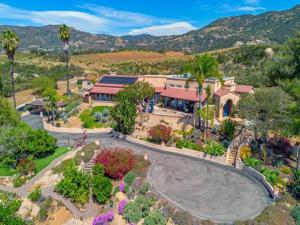
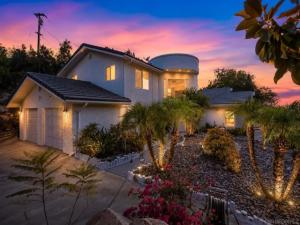
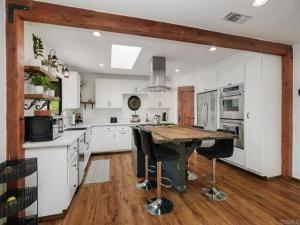
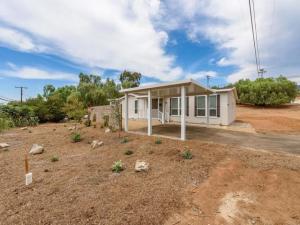
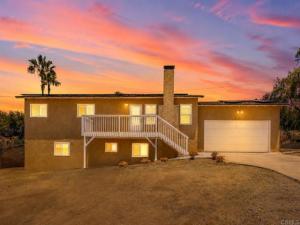
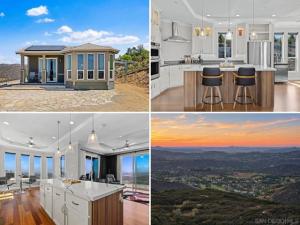
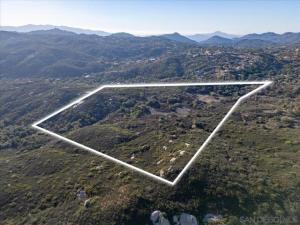
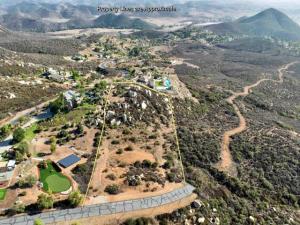
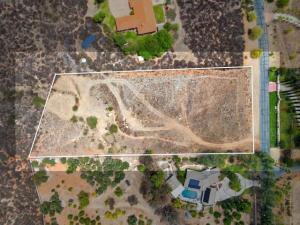
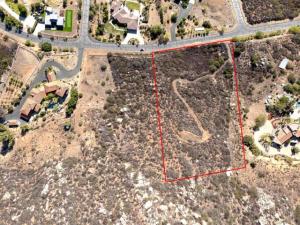
The market is almost entirely custom single-family homes on large, hilly parcels, many on private wells and septic rather than municipal utilities. Prices run from roughly $400,000 to $4 million depending on land, condition, and views. What varies most is the parcel itself: usable versus steep acreage, water source, septic condition, road access, and how far you are from the SR-94 corridor, which changes the daily drive considerably.
Browse the current Jamul listings below, or contact The Knight Group to talk through what a specific parcel actually involves.
Where is Jamul and how far is it from San Diego?
Jamul lies in southeastern San Diego County, in the East County foothills between Rancho San Diego and the rural stretches toward Dulzura and the Mexican border. State Route 94 is the spine of the community and the primary route in and out. It runs northwest toward Spring Valley, La Mesa, and the Interstate 8 corridor, and it feeds into downtown San Diego from there.
For distance context, the Jamul Casino on Campo Road sits about 20 miles from downtown San Diego and roughly 15 miles from Chula Vista, per reporting collected by East County Magazine. Commute times vary with where in Jamul you live, because the community spreads across a wide, hilly footprint. A home near the SR-94 corridor is a very different daily drive than one several miles up a canyon road. If commute is a priority, we map the actual door-to-door time for any property you are considering rather than quoting a single number for the whole area.
What does the Jamul housing market look like?
Single-family homes on acreage define the market. According to the Rocket Homes Jamul housing market report for November 2024, the median list price was $1,222,000, up 19.8% year over year, and prices across the community ranged widely, from roughly $400,000 to $4 million depending on land, condition, and views. That spread reflects how much variation exists between a modest older home on a smaller lot and a large custom estate on many acres.
Transaction volume is thin, which is normal for a rural market. The same November 2024 Rocket Homes data recorded 9 homes sold or pending for the month, with 67% closing under asking, 22% at asking, and 11% over asking. Low volume matters for two reasons. First, comparable sales are harder to pin down, so pricing leans more on judgment than on a dense cluster of recent trades. Second, the right property may not be on the market when you start looking, which makes patience and a standing search worthwhile.
Because so many homes here are custom, no two are directly interchangeable. Water source, septic condition, usable versus steep acreage, road access, and fire-hardening all move value in ways a price-per-square-foot glance will miss. We underwrite those factors deal by deal.
Why do buyers choose Jamul?
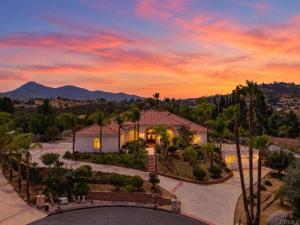
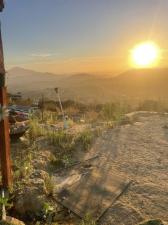
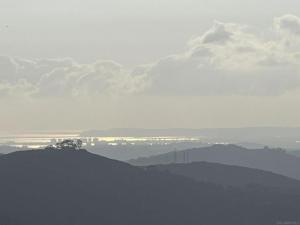
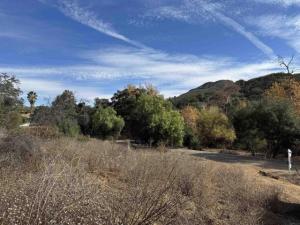
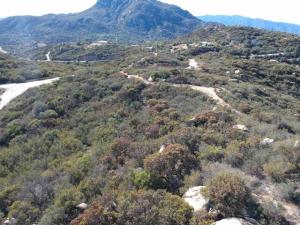
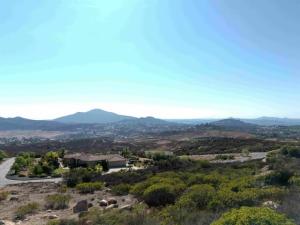
Land and privacy are the core draw. Parcels here are large by San Diego County standards, and the terrain gives many homes real separation and panoramic views across the foothills. For buyers who have outgrown a tract lot, or who never wanted one, that space is the whole point.
The community also sits next to protected open space. The Rancho Jamul Ecological Reserve covers roughly 5,600 acres and is part of the county’s Multiple Species Conservation Program, preserving coastal sage scrub, grasslands, and riparian habitat. That kind of adjacent preserve land keeps the rural character intact in a way that private ownership alone cannot guarantee. For buyers who value quiet and access to the outdoors, it is a meaningful anchor.
Can you keep horses and animals in Jamul?
Often, yes, but it depends on the parcel. Because Jamul is unincorporated, every property is governed by the San Diego County General Plan and Zoning Ordinance rather than a city code. Each parcel carries a zone and an Animal Designator, and together those two things set which animals are allowed and how many. A property marketed as horse property is not automatically cleared for the number of animals you have in mind.
The practical step is to verify the zone and Animal Designator on the specific parcel before you rely on it, along with any usable, fenceable acreage and access to water. We pull that information as part of due diligence so you are buying against the actual entitlement, not a listing headline. If keeping horses or other livestock is central to your plan, treat it as a contingency to confirm, not an assumption to inherit.
What schools serve Jamul?
Younger students are served by the Jamul-Dulzura Union School District. Per the California Department of Education directory, the district serves roughly 600 students from kindergarten through eighth grade across a small set of campuses. A district this size delivers a smaller, more contained school environment than the large suburban systems to the west, which some families specifically want and others weigh against fewer program options.
For high school, many Jamul students attend Steele Canyon High School, part of the Grossmont Union High School District. Steele Canyon opened in 2000 and has operated as a California charter school since 2007. It enrolls roughly 2,198 students in grades 9 through 12, with a student-teacher ratio near 24 to 1, and its campus is on Campo Road. Because boundaries and enrollment options can change, confirm current school assignment for any specific address before you count on it.
What is the history behind the name Jamul?
The name traces to the Kumeyaay language. It derives from a term often rendered as “ha-mul,” referring to the foam or lather thrown up by rushing water, a nod to the area’s historical waterways. The land was Kumeyaay territory for thousands of years before European contact, and that heritage remains present in the community today.
The Jamul Indian Village, a federal reservation, was established in 1912 and sits about 10 miles southeast of El Cajon. It is one of the smaller reservations in the county by land area, and it is the tribal government behind the casino that now operates in the community. Understanding this context helps explain why Jamul carries both a deep rural history and a large modern commercial anchor within a short distance of each other.
How does the Jamul Casino affect the community?
The casino is the largest commercial presence in Jamul. Now operating as Jamul Casino, the roughly $460 million, 200,000 square-foot property on Campo Road opened off Highway 94 on the Jamul Indian Village reservation, per reporting compiled by East County Magazine. It brought jobs and traffic to a community that is otherwise almost entirely residential and rural.
It also plays a role in public safety funding. The same reporting notes the casino has contributed to local fire protection, including annual payments to the San Diego County Fire Authority and the donation of fire apparatus. For a wildfire-exposed area with limited infrastructure, added fire resources matter. Whether the casino’s traffic and lighting are a benefit or a drawback depends on where a given home sits relative to Campo Road, which is worth checking property by property.
What are the wildfire and insurance risks in Jamul?
Wildfire risk is the single most important factor to underwrite here. Jamul sits in the East County foothills, terrain that carries genuine fire exposure, and evacuation has been raised as a serious concern given the community’s reliance on State Route 94 as a primary route. Rural, brush-adjacent parcels concentrate that risk more than homes near cleared corridors.
The insurance consequence is direct. Wildfire exposure raises homeowner’s insurance costs across the community, and in higher-hazard pockets, coverage availability itself can be a hurdle. Before you commit to a Jamul property, get an insurance quote in writing early in the process, not at the end. We build that step into escrow so a coverage surprise does not derail the deal, and we look at fire-hardening, defensible space, and access as part of evaluating any home.
What should you know about wells and septic in Jamul?
Many Jamul homes are not on municipal water and sewer. Private wells and septic systems are common across the community, which is standard for rural East County but new territory for buyers coming from a city or suburb. These systems are assets you own and maintain, and their condition directly affects both livability and value.
That makes inspection non-negotiable. A well needs verification of its output, water quality, and equipment, and a septic system needs inspection for capacity and condition. On some parcels, water reliability is the deciding factor in whether a property works for you at all. We treat well and septic due diligence as core contingencies on rural Jamul purchases rather than optional add-ons, so you understand what you are buying before contingencies are removed.
What is the lifestyle and outdoor access like in Jamul?
Jamul is built around open space and the outdoors. The terrain is hilly and rural, homes sit on acreage, and the community borders the roughly 5,600-acre Rancho Jamul Ecological Reserve, which is managed as habitat land within San Diego County’s Multiple Species Conservation Program. That preserve, along with the surrounding foothills, gives residents genuine proximity to trails, wildlife, and undeveloped country without leaving the area.
Day-to-day life here is quieter and more self-contained than in the suburbs to the west. There is no dense commercial core, so residents drive to Rancho San Diego and the wider East County for the bulk of shopping, dining, and services, while the Jamul Casino provides the largest on-site entertainment and dining anchor. For buyers, the honest framing is this: Jamul rewards people who want space, privacy, and land over walkability and convenience. If proximity to shops and restaurants ranks high on your list, factor in the drive. If land and quiet rank higher, that is exactly what the community delivers.
The rural setting also supports the uses that draw many buyers here in the first place, from horses and other animals to gardens, workshops, RV and equipment storage, and room to build out over time. Those uses are governed by the parcel’s zoning, so pair your plans with the property’s actual entitlement before you commit.
What are the trade-offs of buying in Jamul?
Every rural market asks you to accept certain trade-offs in exchange for land and privacy, and Jamul is no exception. Naming them up front protects you. Wildfire exposure is the largest, and it flows directly into insurance cost and availability. Reliance on State Route 94 as a primary corridor means both commute and evacuation run through a limited number of routes. Private wells and septic put water and waste systems in your hands to maintain and inspect. Thin inventory and slow turnover can stretch a search, and low sales volume makes pricing more judgment-driven than in a dense suburban tract.
None of these are reasons to avoid Jamul. They are reasons to buy carefully. Each one is knowable in advance through inspection, disclosure review, and county records, and each one can be priced into your offer. The buyers who do well here are the ones who go in with eyes open, confirm the specifics on their target property, and value what the community offers enough to manage what it asks. That is the work we do alongside you.
Who lives in Jamul?
Jamul is a small, established community. Its population was 6,179 at the 2020 census, up modestly from 6,163 in 2010, with more recent estimates placing it around 6,600. The median age has run near 47.6 years, which points to a settled, longer-tenured population rather than a high-turnover one.
That stability shapes the market. Homes here are often held for years, inventory is limited, and turnover is slow, which reinforces why the right listing can be worth waiting for. It also means neighbors tend to know the land, the roads, and the history, which is part of what draws people who want a rooted community rather than an anonymous one.
Water, Septic, and Fire: The Costs That Come With Acreage
The biggest difference between buying here and buying in a tract neighborhood west of the foothills is that you take on infrastructure yourself. Many parcels run on a private well and a septic system instead of municipal utilities, which means the well’s yield, depth, and water quality, plus the age and condition of the leach field, become part of the purchase decision rather than a utility bill. Budget for inspections on both, and plan for maintenance and eventual replacement as ownership costs.
Access and fire-hardening deserve the same attention. A long private drive affects deliveries, emergency response, and your own maintenance obligations, and defensible space around the home matters on hilly, brush-covered land. These items rarely show up in a listing summary, which is why Jamul real estate is best evaluated parcel by parcel. We build the well, septic, access, and fire questions into the inspection period so you know the real carrying cost before contingencies are removed.
Frequently Asked Questions About jamul Homes for Sale
Is Jamul a city?
No. Jamul is an unincorporated community in San Diego County, which means it is governed directly by the county through the General Plan and Zoning Ordinance rather than by a city government. That distinction affects zoning, animal keeping, and building rules on every parcel.
How much do homes cost in Jamul?
The Rocket Homes housing market report for November 2024 put the median list price at $1,222,000, up 19.8% year over year, with individual homes ranging from roughly $400,000 to $4 million depending on land, views, and condition. Because so many homes are custom on acreage, the range is wide and each property prices on its own merits.
Can I keep horses in Jamul?
Frequently, but it depends on the parcel’s zone and Animal Designator under San Diego County rules. Those two designations set which animals are allowed and how many, so any horse-keeping plan should be verified against the specific property before purchase rather than assumed from a listing.
Do Jamul homes have city water and sewer?
Many do not. Private wells and septic systems are common across the community. Both should be professionally inspected during escrow, because their condition affects livability, cost, and value.
Is wildfire a concern in Jamul?
Yes. Jamul sits in wildfire-exposed foothill terrain, evacuation via State Route 94 has been raised as a concern, and fire risk raises homeowner’s insurance costs. Get an insurance quote in writing early in any Jamul purchase.
How far is Jamul from downtown San Diego?
It is roughly a 30 to 40 minute drive depending on where in Jamul you live and traffic on State Route 94. For distance context, the Jamul Casino sits about 20 miles from downtown San Diego per East County Magazine reporting.
What schools serve Jamul?
The Jamul-Dulzura Union School District serves kindergarten through eighth grade, and many high school students attend Steele Canyon High School in the Grossmont Union High School District. Confirm current assignment for any specific address before relying on it.
How does The Knight Group work in Jamul?
We treat Jamul as a due-diligence market, because that is what it is. The headline price on a rural parcel tells you very little until you know the water source, the septic condition, the usable acreage, the zone and Animal Designator, the wildfire exposure, and whether insurance is available and affordable. We work through those items deliberately on every property, so you buy on facts rather than on a listing’s framing.
We also respect that inventory here is thin and turnover is slow. That means we set up a standing search matched to your criteria, watch for the right parcel rather than pushing you toward whatever is currently listed, and move decisively when it appears. If you are considering a purchase or a sale in Jamul, contact The Knight Group and we will map your specific situation, then build the timeline and contingencies around what the property actually requires.
Where are Homes For Sale In Jamul located and what are they like?
- Jamul lies in southeastern San Diego County, in the foothills between Rancho San Diego and the rural stretches toward Dulzura and the Mexican border.
- Custom single-family homes on large, hilly parcels make up almost the entire housing stock across the community.
- Private wells and septic systems serve many properties here rather than municipal water and sewer utilities.
- Buyers trade suburban density for land, privacy, and long views while staying within reach of downtown San Diego.
- Horses, workshops, gardens, and simple distance from a neighbor’s window draw most buyers to this part of East County.
- Parcel characteristics vary the most, including usable versus steep acreage, water source, septic condition, and road access.
- Homes For Sale In Jamul range widely in price depending on land, condition, and views rather than a single benchmark.
- Commute times differ across the community because Jamul spreads over a wide, hilly footprint of canyon roads.
- The Knight Group maps actual door-to-door drive time for any property rather than quoting one number for the whole area.
- Homes For Sale In Jamul reward buyers willing to underwrite the parcel itself, since no two custom properties are interchangeable.
What should you know before buying Homes For Sale In Jamul?
- Jamul Casino stands as the largest commercial presence in a community that is otherwise almost entirely residential and rural.
- Casino contributions have supported local fire protection, including annual payments to the San Diego County Fire Authority and donated fire apparatus.
- Traffic and lighting from the casino read as a benefit or a drawback depending on where a home sits relative to Campo Road.
- Wildfire risk is the single most important factor to underwrite when evaluating Homes For Sale In Jamul.
- Rural, brush-adjacent parcels concentrate wildfire risk more heavily than homes situated near cleared corridors.
- Wildfire exposure raises homeowner’s insurance costs across the community, and coverage availability itself can be a hurdle in higher-hazard pockets.
- Insurance quotes should be obtained in writing early in the process rather than at the end of escrow.
- Private wells and septic systems are common across Homes For Sale In Jamul, which is standard for rural East County.
- Well verification covers output, water quality, and equipment, while septic inspection covers capacity and condition.
- Rancho Jamul Ecological Reserve borders the community as habitat land within San Diego County’s Multiple Species Conservation Program.
- Residents drive to Rancho San Diego and the wider East County for the bulk of shopping, dining, and services.
- Zoning governs the rural uses that draw buyers here, from horses and gardens to workshops, RV storage, and future building.
What questions do buyers ask about Homes For Sale In Jamul?
- Jamul is an unincorporated community in San Diego County rather than an incorporated city with its own municipal government.
- County governance through the General Plan and Zoning Ordinance affects zoning, animal keeping, and building rules on every parcel.
- Custom homes on acreage produce a wide price range, with each property pricing on its own merits.
- Horse keeping depends on the parcel’s zone and Animal Designator under San Diego County rules rather than on a listing’s claims.
- Zone and Animal Designator together set which animals are allowed and how many on a given property.
- Many Homes For Sale In Jamul lack city water and sewer, relying on private wells and septic systems instead.
- Professional inspection of wells and septic during escrow matters because their condition affects livability, cost, and value.
- Insurance quotes in writing belong early in any purchase, since fire risk raises homeowner’s insurance costs.
- Jamul-Dulzura Union School District serves kindergarten through eighth grade for families in the community.
- Steele Canyon High School in the Grossmont Union High School District enrolls many Jamul high school students.
- School assignment should be confirmed for any specific address before a buyer relies on it.
- Homes For Sale In Jamul demand due diligence on water source, septic condition, usable acreage, zoning, wildfire exposure, and insurance availability.
- Thin inventory and slow turnover make a standing search worthwhile, so the right parcel can be pursued decisively when it appears.