Torrey Woods Estates Real Estate | San Diego, CAListings

Torrey Woods Estates Homes for Sale in San Diego

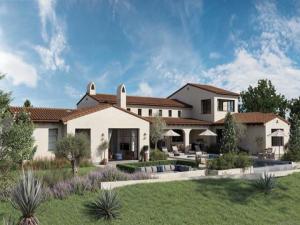
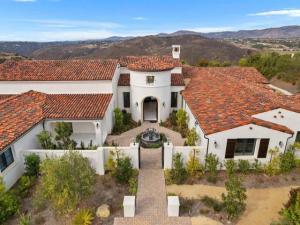
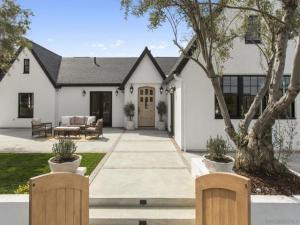
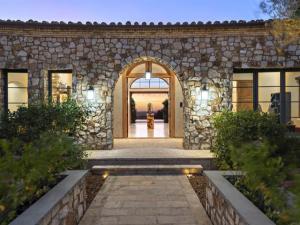
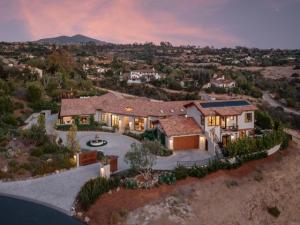
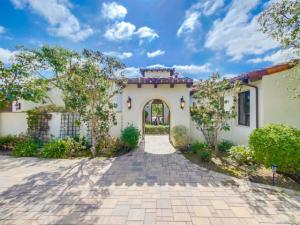
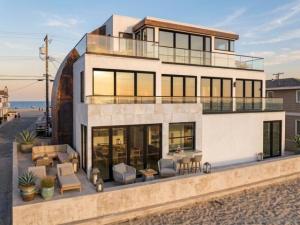
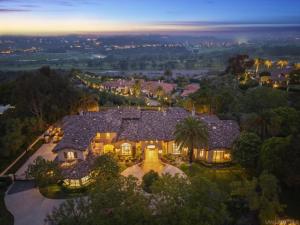
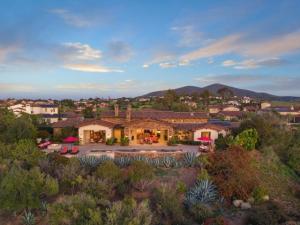
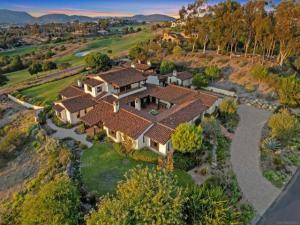
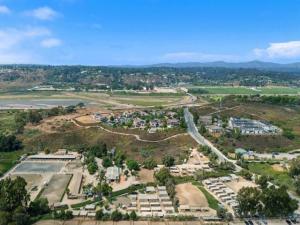
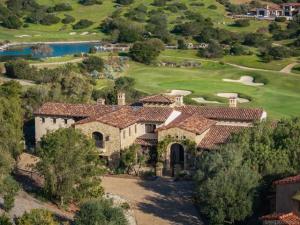
Torrey Woods Estates is a gated enclave of estate homes in San Diego’s North City area, near Torrey Pines and directly adjacent to the Torrey Pines State Natural Reserve. Homes here generally run from about $3 million to $8 million, with the higher end covering the community’s premier properties along the reserve. Buyers who look here are usually after the same two things: privacy behind a gate, and the conservation-area adjacency you can’t replicate in a standard North City subdivision.

The housing stock is estate-scale rather than tract-built, so expect meaningful variation lot to lot in size, siting, and how much open space a property actually backs onto. That reserve adjacency is the main driver of the price spread. It’s worth comparing against the master-planned North City communities nearby — Carmel Valley and Del Mar Mesa — which offer a different tradeoff in scale and setting.

Torrey Woods Estates Real Estate | San Diego, CA in San Diego Homes for Sale

Community

What’s living in Torrey Woods Estates like?

Torrey Woods Estates is one of San Diego’s distinct residential communities, torrey woods estates is an exclusive residential community in san diego’s north city area near torrey pines — a gated enclave of estate homes adjacent to the torrey pines reserve providing the conservation-area adjacency and privacy that premium north city buyers seek within a city whose geographic diversity — ocean canyons, mesa communities, coastal strips, and the historic urban neighborhoods surrounding downtown — creates residential options for buyers across an unusually broad range of lifestyle preferences, price points, and lifestyle priorities. San Diego’s combination of mild climate, military employment, biotech and technology industry growth, and the quality of life that year-round outdoor access provides creates consistently robust residential demand across the city’s diverse community types.

San Diego Unified School District serves most San Diego city residential communities for K-12 education. The district’s performance varies significantly across its campuses — the North City communities (Carmel Valley, Del Mar Mesa, Black Mountain Ranch) are served by the district’s highest-performing schools including Canyon Crest Academy and Westview High School; coastal communities have above-average options; urban and lower-income communities have more variable outcomes. The specific school assignment for Torrey Woods Estates should be researched with SDUSD, as campus quality can vary significantly across adjacent neighborhoods within the district’s boundaries.

San Diego’s freeway system — the I-5, I-8, I-15, and I-805 — provides connectivity across the city’s diverse communities to the Sorrento Valley and Kearny Mesa employment corridors, downtown San Diego, and the regional freeway network connecting San Diego to Los Angeles to the north and to Mexico’s Tijuana to the south. The Trolley’s expanding light rail network, the Coaster commuter rail, and the airport’s direct flight access provide the transportation infrastructure that sustains San Diego’s connectivity as a major metropolitan area despite its geographically dispersed residential development pattern.

Torrey Woods Estates: Torrey Pine Heritage in San Diego’s Northern Edge

Torrey Woods Estates takes its name from the Torrey Pine — the world’s rarest pine species native to the La Jolla and Torrey Pines area — and the wooded estate character that the Torrey Pine’s stately form creates in the residential landscape adjacent to the Torrey Pines State Natural Reserve’s eastern approaches. The community’s positioning near the Torrey Pines area creates the residential identity that the rare pine’s ecological significance establishes — the sense of living adjacent to one of California’s most ecologically unique landscapes, where the Torrey Pine’s limited natural range creates the conservation significance that sustains the state reserve’s protected status. The “estates” designation signals the large-lot, premium residential character that positions Torrey Woods Estates above the standard residential subdivision tier.

Torrey Woods Estates’ positioning near the Torrey Pines area provides the access to the state reserve’s trails, the Torrey Pines Golf Course, and the ecological landscape that the Torrey Pine’s presence creates within the North City residential context. SDUSD serves Torrey Woods Estates for K-12 education; the specific campus assignments in this northern city area typically include access to some of SDUSD’s higher-performing North City campuses that sustain the family residential demand in the premium North City residential tier. The Torrey Pine heritage naming, the estate-scale residential character, and the Torrey Pines area’s natural and recreational infrastructure create the residential identity that Torrey Woods Estates sustains within San Diego City’s North City residential landscape.

What is it like to live in Torrey Woods Estates?

  • Torrey Woods Estates is an exclusive gated enclave of estate homes in San Diego’s North City area near Torrey Pines.
  • Adjacency to the Torrey Pines reserve provides the conservation-area setting and privacy that premium North City buyers seek.
  • Torrey Woods Estates takes its name from the Torrey Pine, the world’s rarest pine species, native to the La Jolla and Torrey Pines area.
  • Wooded estate character comes from the Torrey Pine’s stately form in the landscape adjacent to the state reserve’s eastern approaches.
  • The estates designation signals the large-lot, premium residential character that positions this community above the standard residential subdivision tier.
  • Residents live beside one of California’s most ecologically unique landscapes, where the Torrey Pine’s limited natural range sustains protected reserve status.
  • Torrey Pines State Natural Reserve trails and the Torrey Pines Golf Course sit within reach of Torrey Woods Estates.
  • Canyon Crest Academy and Westview High School rank among the district’s highest-performing campuses serving North City communities.
  • Specific school assignment should be researched directly with the district, since campus quality varies significantly across adjacent neighborhoods within its boundaries.
  • Mild climate, military employment, and biotech and technology industry growth create consistently robust residential demand across the city’s diverse community types.

Area Details

Where are Torrey Woods Estates located?

Balboa Park is San Diego’s most significant cultural resource — a 1,200-acre urban park adjacent to downtown that houses 17 museums (including the San Diego Museum of Art, the Natural History Museum, and the Air and Space Museum), multiple performing arts venues, the San Diego Zoo, and the Spanish Colonial Revival architecture of the 1915 Panama-California Exposition that gives the park its distinctive architectural character. The park’s concentration of cultural, educational, and recreational resources within a single contiguous park space creates a civic amenity that sustains San Diego’s identity as a major American metropolitan center rather than a sprawling collection of suburban communities. Residents of neighborhoods adjacent to Balboa Park — North Park, Hillcrest, University Heights — can access the park’s museums, restaurants, and recreational facilities by walking or cycling.

San Diego Bay provides the waterfront experience that anchors the city’s maritime identity — the Harbor cruise, the USS Midway museum, the waterfront embarcadero, and the ferry to Coronado sustain downtown San Diego’s bayfront character. The bay’s protected waters sustain a significant boating culture, with multiple marinas (Shelter Island, Harbor Island, and others) providing slip access for private boats. Mission Bay, the large recreational waterway north of downtown, provides powerboating, sailing, sailing, and water sports access within a protected urban bay environment that is unique in California — a 4,600-acre waterway specifically developed for recreation within a major metropolitan area.

The I-5, I-8, I-15, and I-805 Freeways create the grid that connects San Diego’s diverse communities. The Trolley’s Blue Line, Orange Line, and Green Line provide light rail transit connecting downtown San Diego to Mission Valley, Kearny Mesa, El Cajon, National City, Chula Vista, and the UCSD campus. The Coaster provides commuter rail service north to Oceanside along the coast. San Diego International Airport (SAN), located 3 miles from downtown, provides the direct flight access that sustains San Diego’s connectivity to the national and international markets its biotech, defense, and tourism industries require. The airport’s proximity to downtown neighborhoods is both an asset (access convenience) and a trade-off (approach noise) that buyers near the flight path should assess carefully.

Where are Torrey Woods Estates located in San Diego and what surrounds the community?

  • Torrey Woods Estates sits within a San Diego whose most significant cultural resource is Balboa Park, an urban park adjacent to downtown.
  • Balboa Park houses museums including the San Diego Museum of Art, the Natural History Museum, and the Air and Space Museum.
  • Spanish Colonial Revival architecture from the Panama-California Exposition gives Balboa Park its distinctive architectural character across the grounds.
  • Balboa Park also contains multiple performing arts venues and the San Diego Zoo within a single contiguous park space.
  • Neighborhoods adjacent to Balboa Park, including North Park, Hillcrest, and University Heights, reach its museums and restaurants by walking or cycling.
  • San Diego Bay anchors the city’s maritime identity through the Harbor cruise, the USS Midway museum, the embarcadero, and the Coronado ferry.
  • Marinas at Shelter Island and Harbor Island provide slip access for private boats within the bay’s protected waters.
  • Mission Bay, the large recreational waterway north of downtown, offers powerboating, sailing, and water sports in a protected urban bay environment.
  • Trolley light rail runs the Blue Line, Orange Line, and Green Line to Mission Valley, Kearny Mesa, El Cajon, Chula Vista, and UCSD.
  • Coaster commuter rail service runs north to Oceanside along the coast for riders traveling beyond the city limits.
  • San Diego International Airport near downtown offers direct flight access, though buyers near Torrey Woods Estates should weigh approach noise along the flight path.

Market Trends

How is the San Diego City Real Estate real estate market?

The city of San Diego encompasses one of the most diverse residential landscapes in the United States — 372 square miles of Pacific coastline, canyons, mesa communities, the historic Gaslamp Quarter, the Balboa Park cultural district, and the North City master-planned communities of Carmel Valley, Del Mar Mesa, and Black Mountain Ranch that provide the suburban residential option at the northern edge of the city’s geography. The 2026 median home price across the San Diego city proper ranges from approximately $700,000 for more affordable inland communities to $2 to $4 million in Carmel Valley, the Covenant section bordering Rancho Santa Fe, and the premium Del Mar Mesa and Rancho Pacifica communities that occupy the city’s most prestigious northern positions.

Carmel Valley is San Diego’s fastest-growing and most complete planned master community — a collection of residential villages, the One Paseo mixed-use development, the Carmel Valley Recreation Center, and access to the Sorrento Valley technology employment corridor that has made it one of Southern California’s most successful planned community developments. Del Mar Mesa and Black Mountain Ranch provide additional master-planned residential options at the northern city edge, with San Diego Unified School District’s highly rated Carmel Valley Middle School and Canyon Crest Academy serving the North City student population. Downtown San Diego’s ongoing revitalization — the Gaslamp Quarter, Little Italy, and the Embarcadero’s waterfront — has attracted a condominium residential market that provides urban living adjacent to San Diego Bay at pricing below La Jolla and Del Mar.

San Diego Unified School District serves most of the city’s K-12 population — a large, diverse district whose performance varies significantly across its campuses. The North City communities (Carmel Valley, Black Mountain Ranch, Del Mar Mesa) are served by the district’s strongest campuses, including Torrey Pines Elementary, Canyon Crest Academy (visual and performing arts focus), and Westview High School. Bay Park and the coastal-adjacent communities are served by mid-performing district campuses. Downtown San Diego’s school assignment depends on address and program selection within SDUSD’s choice enrollment system.

San Diego City Real Estate: Biotech, Military, and America’s Finest City Residential Diversity

The City of San Diego — with approximately 1.4 million residents across 372 square miles, the eighth-largest city in the United States — encompasses the most geographically and demographically diverse residential market in San Diego County, with neighborhood types ranging from the downtown waterfront and Gaslamp Quarter’s urban core to the suburban planned communities of Black Mountain Ranch and Rancho Peñasquitos at the city’s northern edge. San Diego’s residential market benefits from the multi-sector employment base that reduces the cyclical volatility that single-sector-dependent cities experience: the Department of Defense and the naval, Marine Corps, and Coast Guard installations that account for approximately $28 billion in annual regional economic activity; the biotech and life sciences sector centered in the Torrey Mesa-Sorrento Valley-UTC corridor; the healthcare and hospital systems anchored by UC San Diego Health and Scripps Health; the technology sector that has made San Diego a significant digital economy hub; and the tourism industry that the Pacific beaches, the Zoo, Balboa Park, and the year-round climate sustain. This employment diversification creates the demand stability that sustains San Diego City residential values across economic cycles more consistently than the more concentrated economic bases of peer California cities.

The City of San Diego’s diverse residential geography creates distinct neighborhood market segments within a single municipal address — the coastal neighborhoods (Coronado notwithstanding, which is a separate municipality) including Ocean Beach, Pacific Beach, Mission Beach, and Point Loma command the coastal lifestyle premiums that sustain pricing in the $1–3 million range for single-family homes; the hillside neighborhoods of Mission Hills, North Park, South Park, and Kensington sustain the urban walkable community premiums that the gentrification of San Diego’s older neighborhood stock has produced; and the northern planned communities (Rancho Peñasquitos, Black Mountain Ranch, Del Mar Mesa) provide the large-lot, top-school-district access that family buyers who are priced out of La Jolla and Del Mar specifically target. The variation across these segments — urban walkable at $700K-$1.5M, coastal at $1.5M-$5M, northern planned community at $1M-$2.5M — creates the access range that the San Diego City address provides across a wider income spectrum than the more uniformly expensive municipalities in the northern coastal corridor.

San Diego Unified School District serves the city’s K-12 student population with significant quality variation across the district’s campuses — the northern city neighborhoods (Clairemont, Bay Park, Del Cerro) access mid-range SDUSD campuses, while the northernmost city addresses (Torrey Hills, Black Mountain Ranch, Del Mar Mesa) access the higher-rated San Diego Unified campuses that border or overlap with San Dieguito Union High School District’s coverage area. For family buyers whose primary residential driver is school quality, the specific school assignment for any San Diego City address should be verified directly with SDUSD before purchase, as the quality variation within the large district is more significant than the variation within the smaller, more uniformly excellent districts of Del Mar, Solana Beach, and Rancho Santa Fe that serve the north coastal communities.

What is the real estate market like around Torrey Woods Estates and the city of San Diego?

  • San Diego encompasses one of the most diverse residential landscapes in the United States, spanning Pacific coastline, canyons, and mesa communities.
  • City housing options range from affordable inland communities to the premium Del Mar Mesa and Rancho Pacifica communities holding the most prestigious northern positions.
  • North City master-planned communities of Carmel Valley, Del Mar Mesa, and Black Mountain Ranch supply the suburban residential option at the city’s northern edge.
  • Carmel Valley stands as San Diego’s fastest-growing and most complete planned master community, with residential villages and the One Paseo mixed-use development.
  • Sorrento Valley technology employment corridor access has helped make Carmel Valley one of Southern California’s most successful planned community developments.
  • San Diego Unified School District’s North City campuses include Torrey Pines Elementary, Canyon Crest Academy, and Westview High School.
  • Canyon Crest Academy carries a visual and performing arts focus while serving the North City student population alongside Carmel Valley Middle School.
  • Downtown revitalization across the Gaslamp Quarter, Little Italy, and the Embarcadero has attracted a condominium market priced below La Jolla and Del Mar.
  • Employment diversification across defense, biotech, healthcare, technology, and tourism reduces the cyclical volatility that single-sector-dependent cities experience.
  • Biotech and life sciences employment centers in the Torrey Mesa-Sorrento Valley-UTC corridor near Torrey Woods Estates and the wider North City area.
  • Naval, Marine Corps, and Coast Guard installations generate substantial annual regional economic activity supporting demand near Torrey Woods Estates and across the city.
  • Coastal neighborhoods including Ocean Beach, Pacific Beach, Mission Beach, and Point Loma form a distinct market segment apart from Torrey Woods Estates.


FAQs

What is the price range in Torrey Woods Estates?

Torrey Woods Estates homes range from approximately $3 to $8 million for the gated estate community’s premier properties adjacent to the Torrey Pines State Natural Reserve. San Diego city residential pricing ranges broadly — from approximately $600,000 in more affordable eastern and southeastern communities to $4 million or beyond in the North City master-planned communities and the city’s premium Carmel Valley and Torrey Hills sections. Current pricing for Torrey Woods Estates is available from The Knight Group.
What school district serves Torrey Woods Estates?

San Diego Unified School District serves most San Diego city communities for K-12 education. The district’s campus quality varies significantly; specific campus assignments and academic performance data for Torrey Woods Estates should be researched before purchase for families with school-age children. The North City communities (Carmel Valley, Del Mar Mesa) are served by the district’s highest-performing campuses including Canyon Crest Academy and Westview High School.

How is the commute from Torrey Woods Estates?

Commute patterns from Torrey Woods Estates depend on the neighborhood’s position within San Diego’s diverse geography. North City communities have direct access to the Sorrento Valley and Carmel Valley technology employment corridor and I-5/I-805 freeway access for broader destinations. Coastal communities have I-5 access for north and south movement. Downtown-adjacent neighborhoods have the most transit access via the Trolley network. San Diego’s overall traffic is significantly less severe than the Los Angeles metropolitan area for comparable distances; commute times are more predictable and generally shorter for destinations within San Diego County.

What is the Torrey Pine and why is it significant in this area?

The Torrey Pine (Pinus torreyana) is one of the rarest pine species in North America — naturally occurring in only two locations worldwide: the coastal bluffs of the Torrey Pines State Natural Reserve in La Jolla/Del Mar (approximately 3,000–6,000 trees) and Santa Rosa Island off the California Channel Islands coast (approximately 2,000 trees). The tree’s extremely limited natural range, its distinctive long needles (in bundles of five, among the longest of any California pine), and the gnarled, wind-sculpted character that the coastal exposure creates make it one of California’s most distinctive native trees and the defining ecological symbol of the Torrey Pines area. The state reserve’s protection ensures that the native grove cannot be developed or reduced; for Torrey Woods Estates and adjacent residential communities, the Torrey Pine’s presence signals both the ecological significance of the area and the permanent natural landscape that the reserve’s protected status sustains as the residential neighborhood’s enduring natural identity.

Hey, You ALMOST MISSED IT!

Lucky for you we’re looking out.

Subscribe to this Custom Search to be alerted when new properties hit the market in the area.

Choose the frequency that works for you.

get alerts

[showcaseidx_contact]