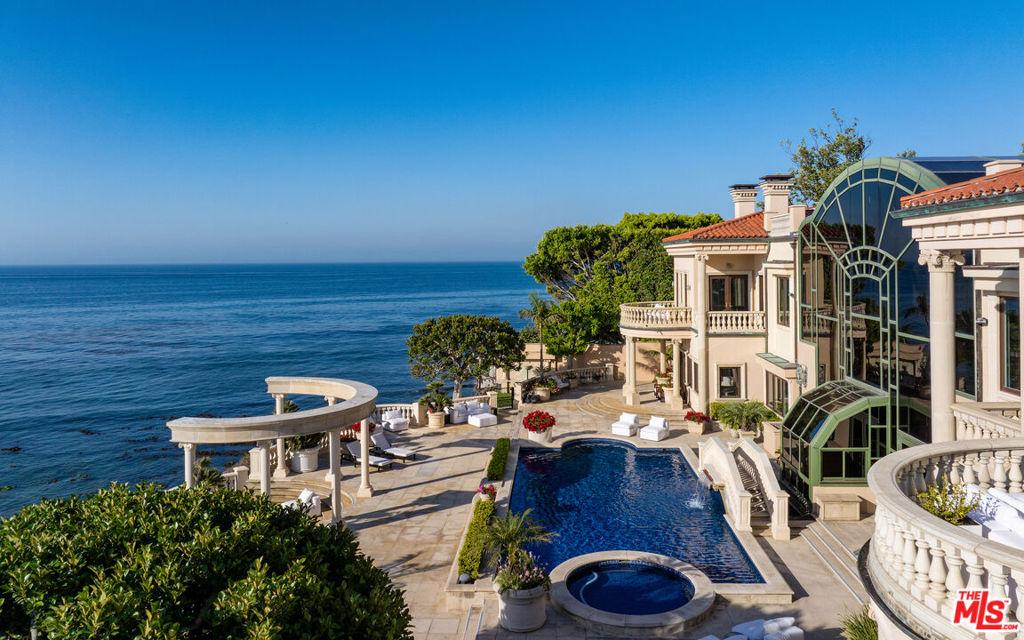
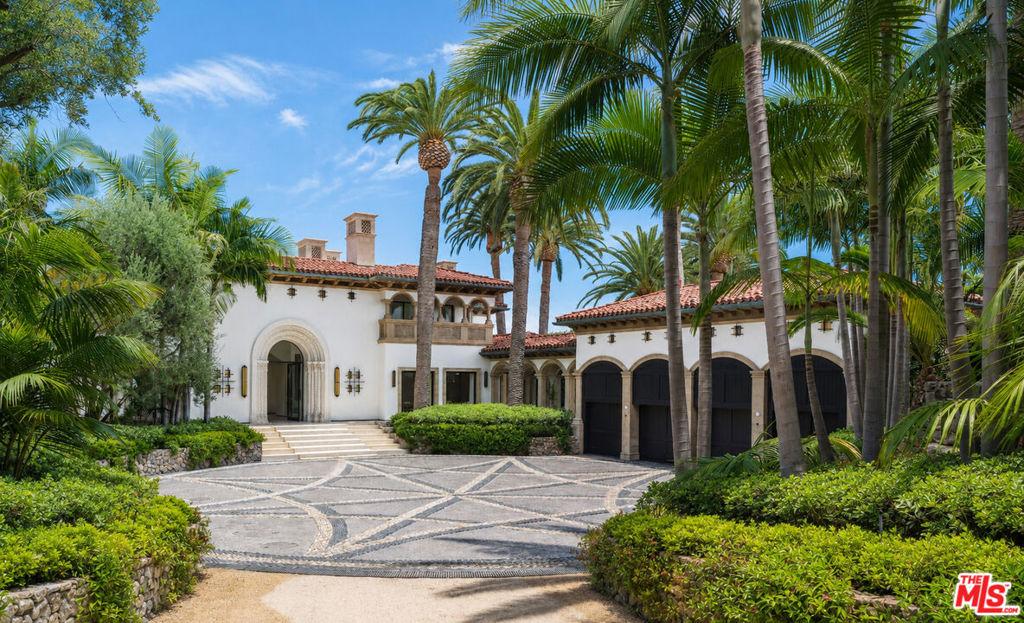
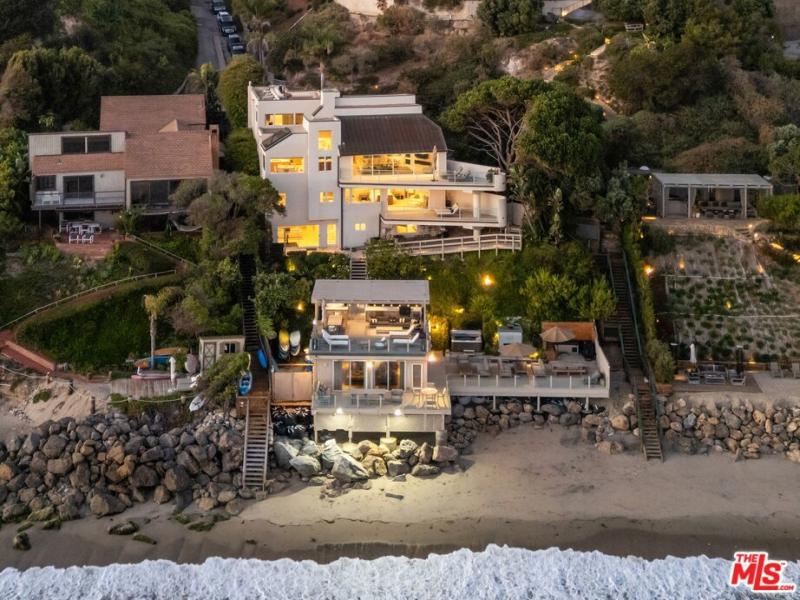
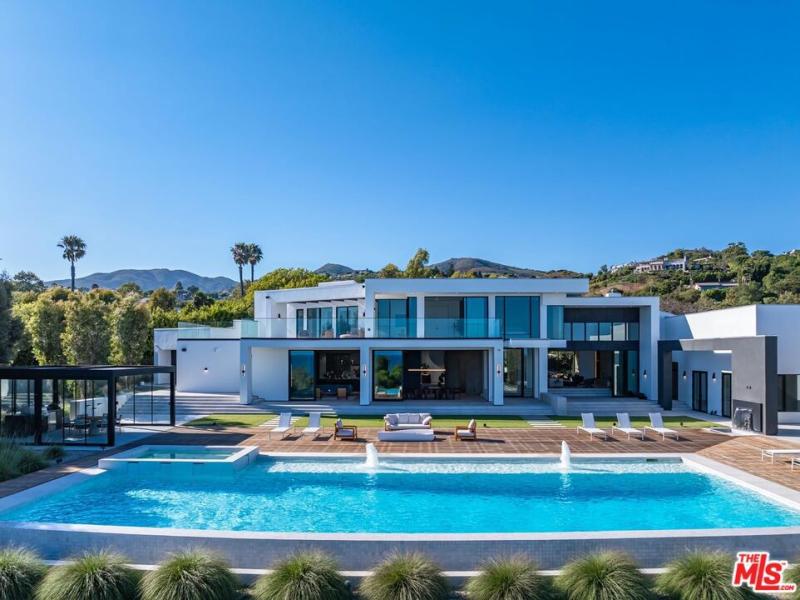
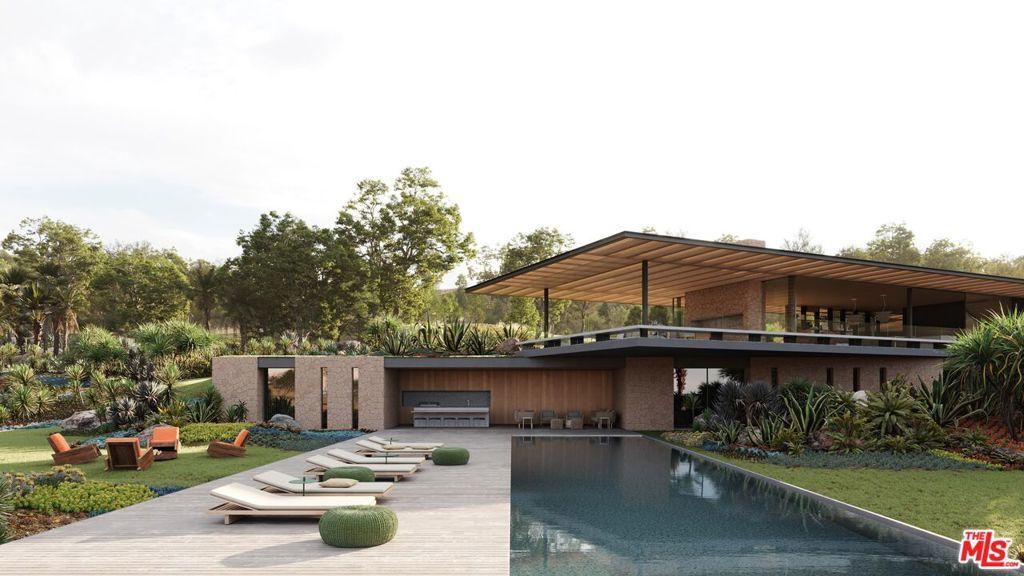
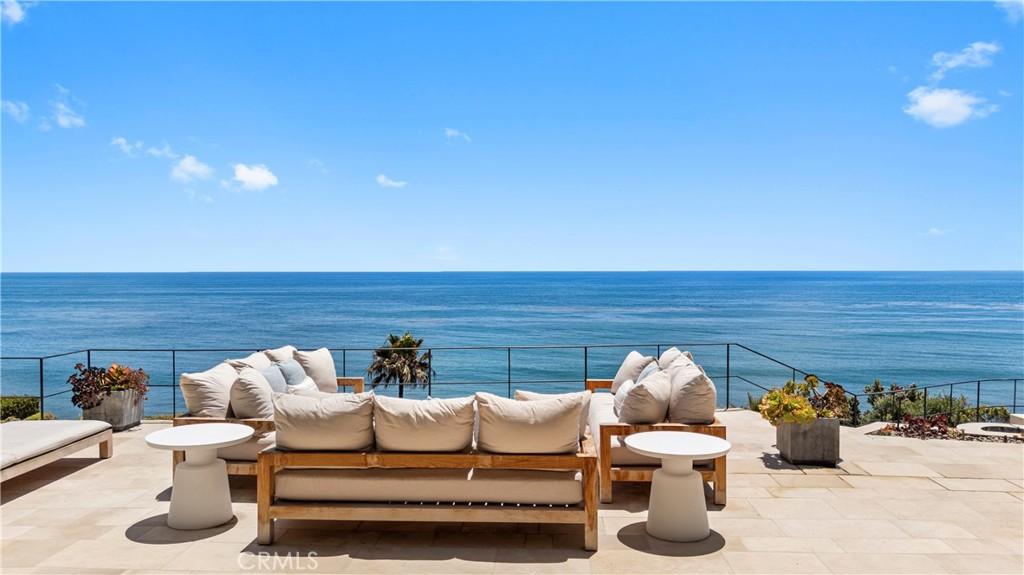
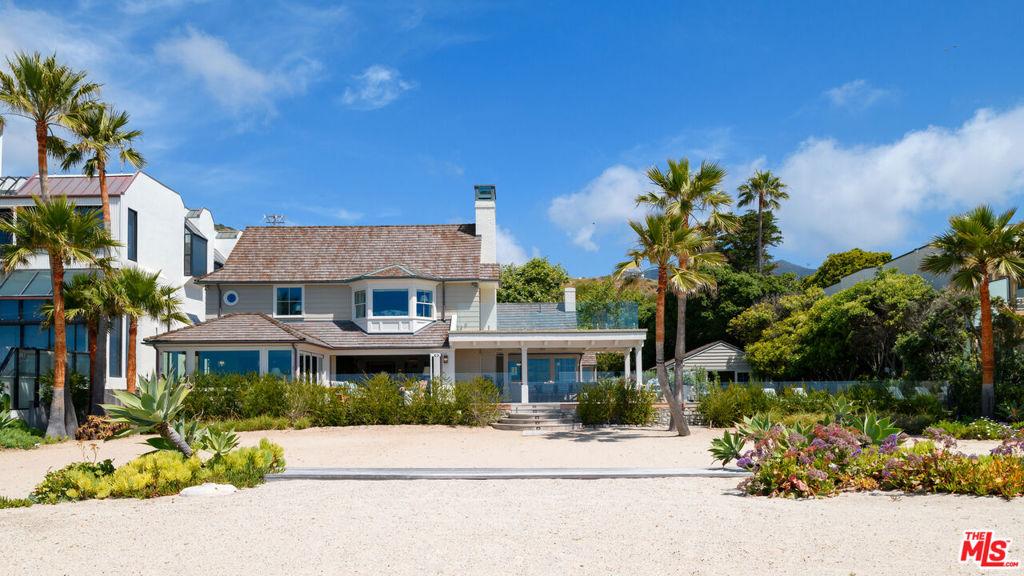
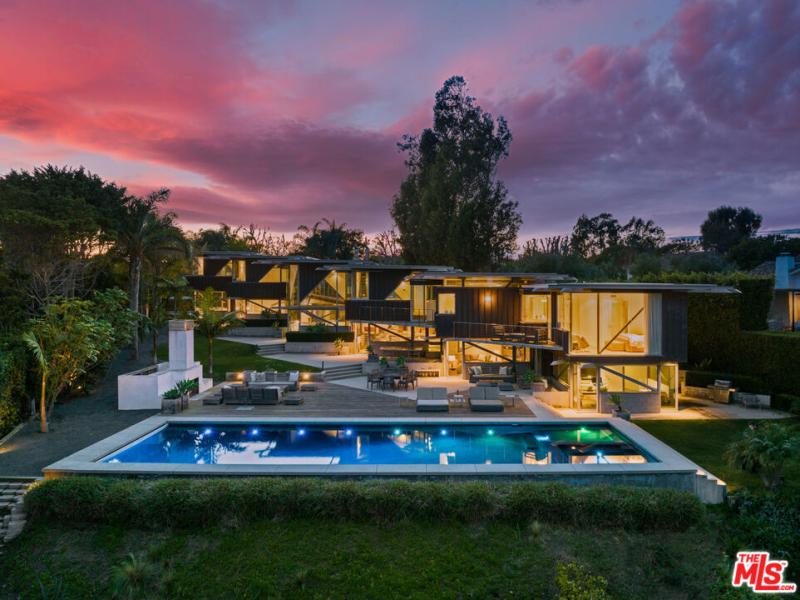
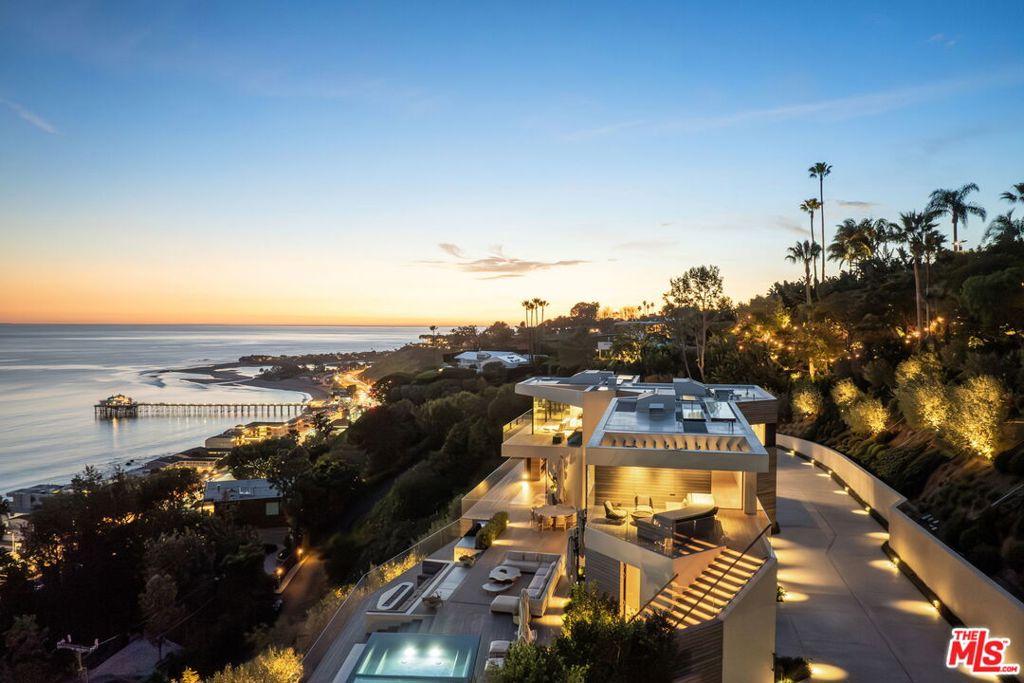
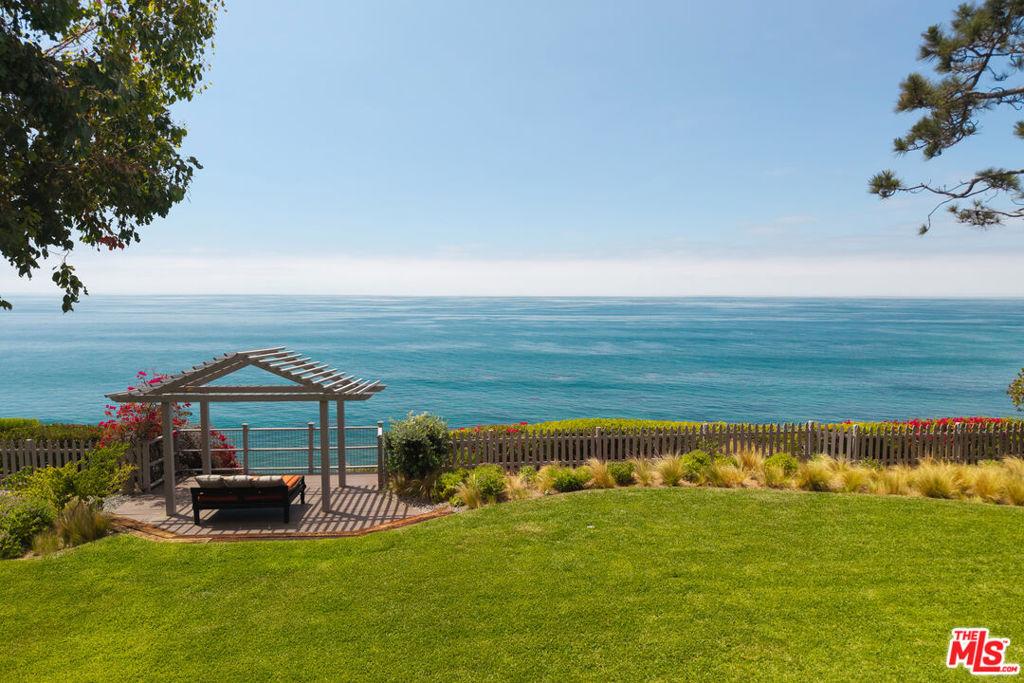
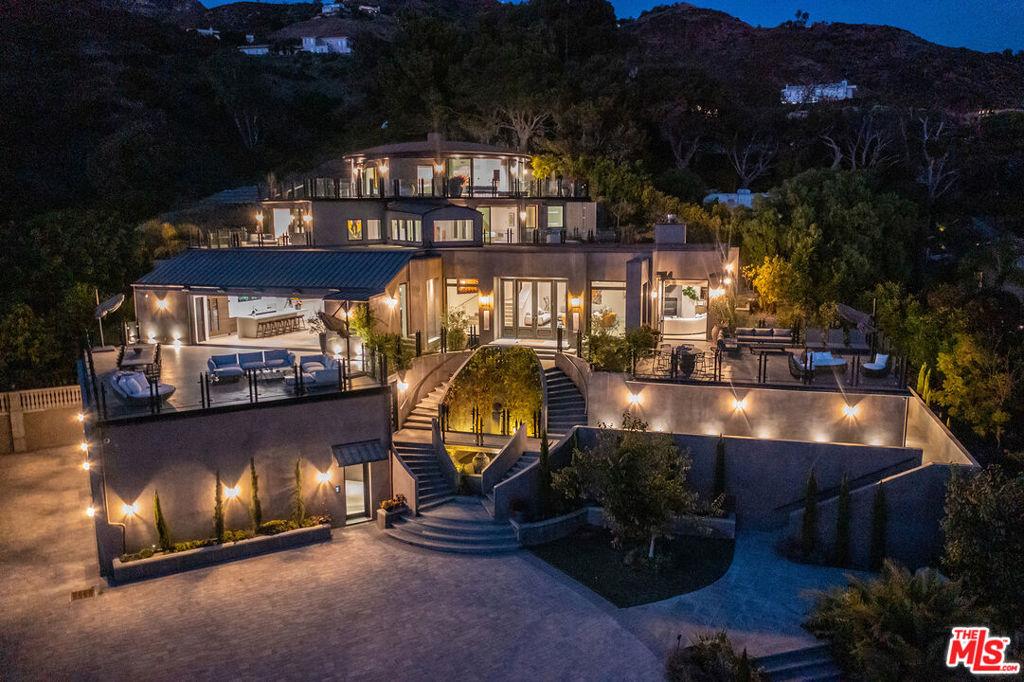
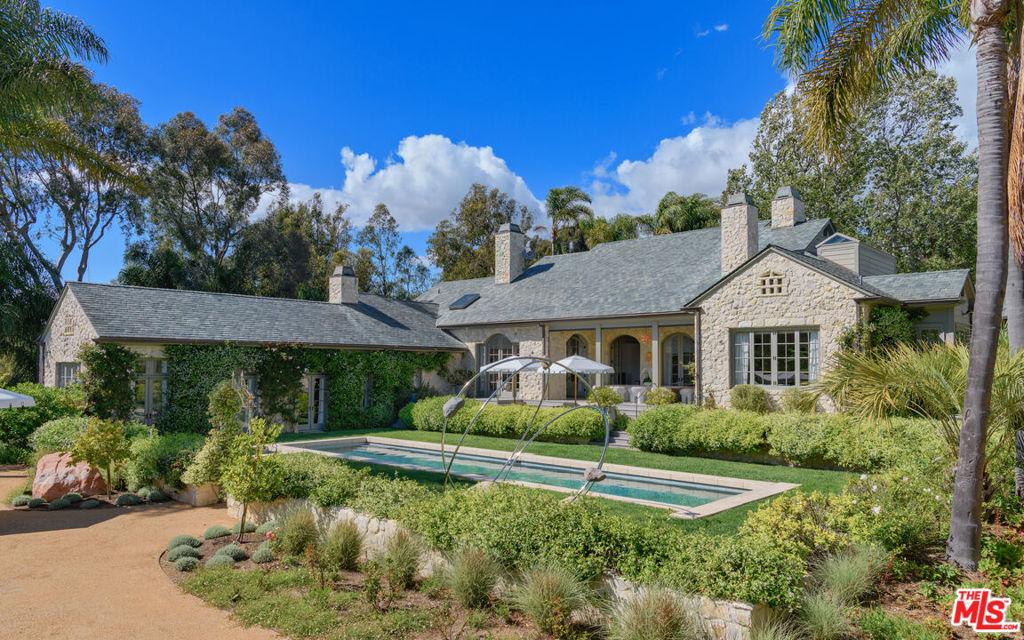
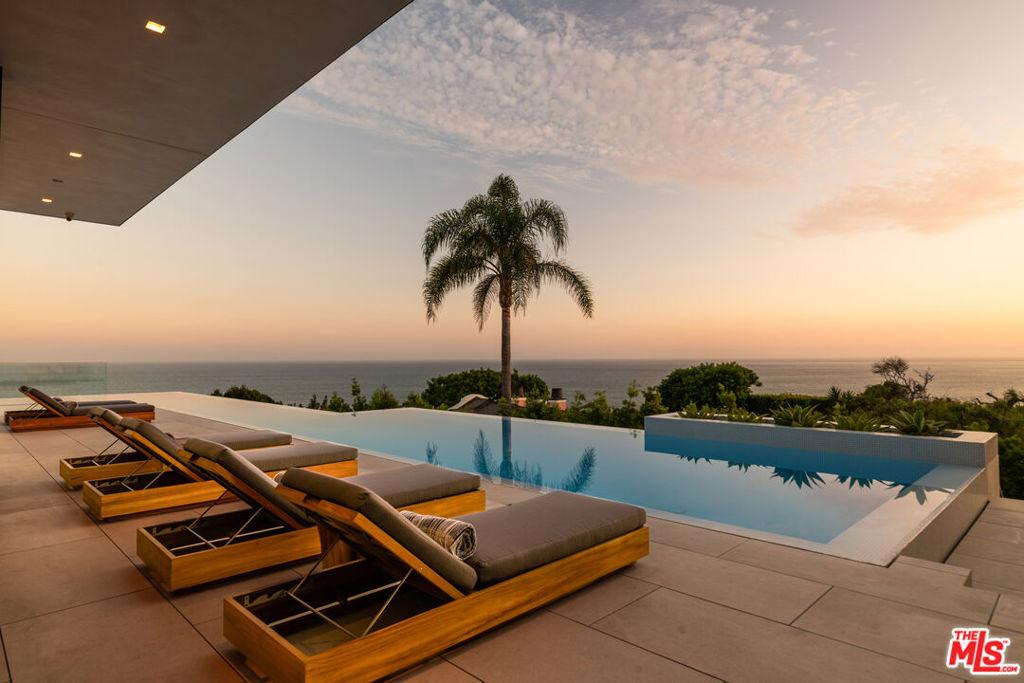
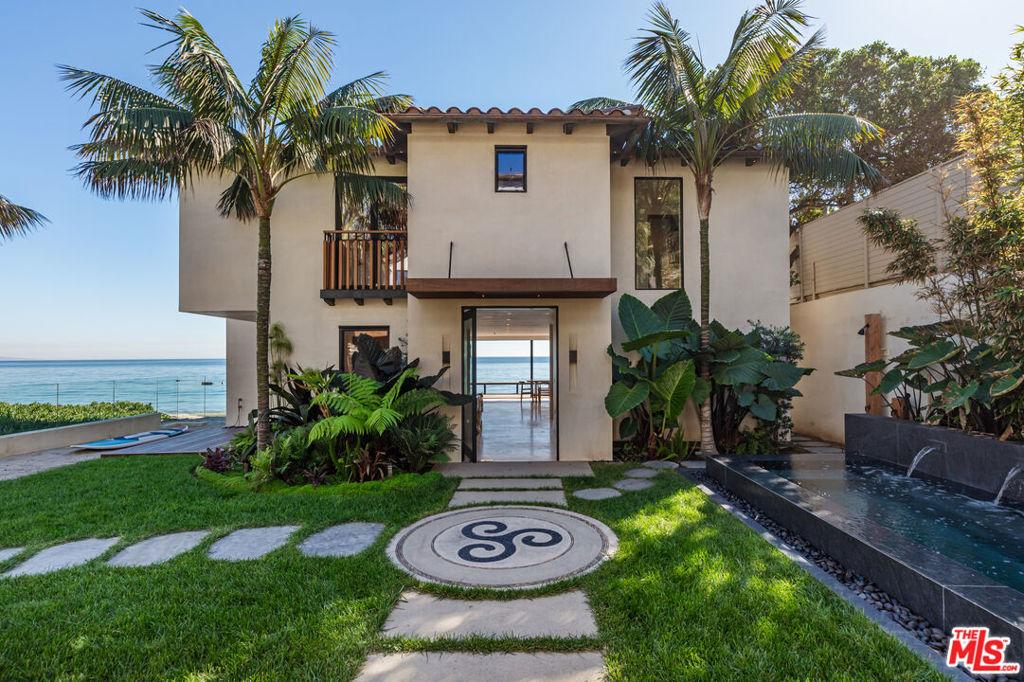
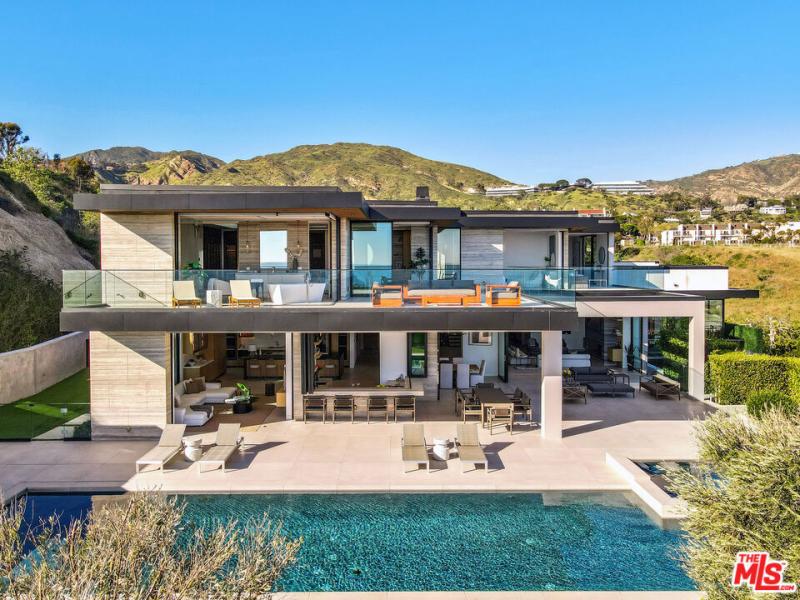
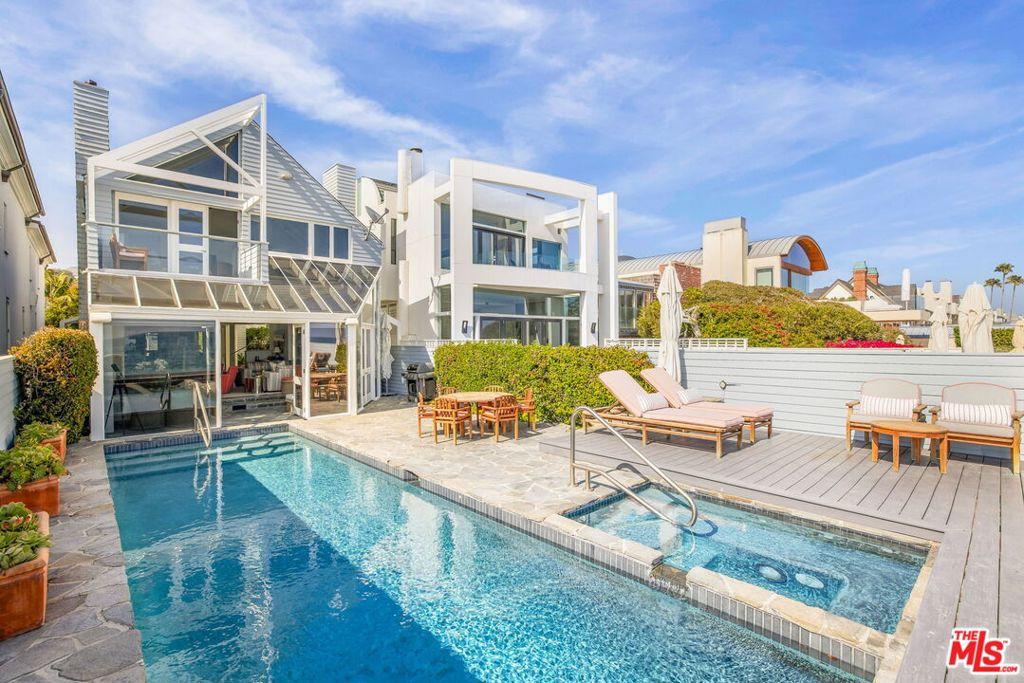
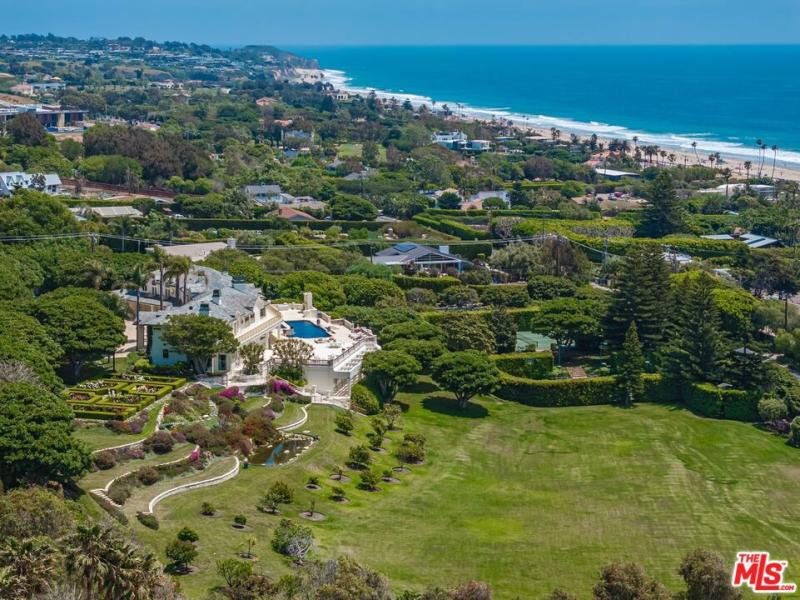
Luxury Homes for Sale in Malibu currently number 213 active listings with a median asking price of $9,495,000 (CRMLS, September 2026).
Luxury homes for sale in Malibu cover a wider price range than almost any other LA coastal community — roughly $3 million for a canyon home with ocean views to well over $100 million for a Carbon Beach or Broad Beach estate with direct sand access. The variable is proximity to water. Canyon and hillside properties in the Santa Monica Mountains price strongly for their setting, privacy, and view corridors, but the premium for beachfront on the Pacific Coast Highway corridor is substantial and consistent regardless of broader market conditions.
The market runs from Carbon Beach to Point Dume and east through the canyon communities, so what you get for your money shifts block by block. Malibu also sees a higher-than-average share of off-market sales — above $20 million, sellers routinely prefer a quiet process. The listings below are the public market; a conversation about your criteria opens up the rest.
Browse all Los Angeles real estate — or explore the full Los Angeles luxury real estate market.
Malibu’s residential geography creates distinct sub-markets along the 21-mile coastline, and buyers who understand the differences are positioned to target the right inventory from the start of their search.
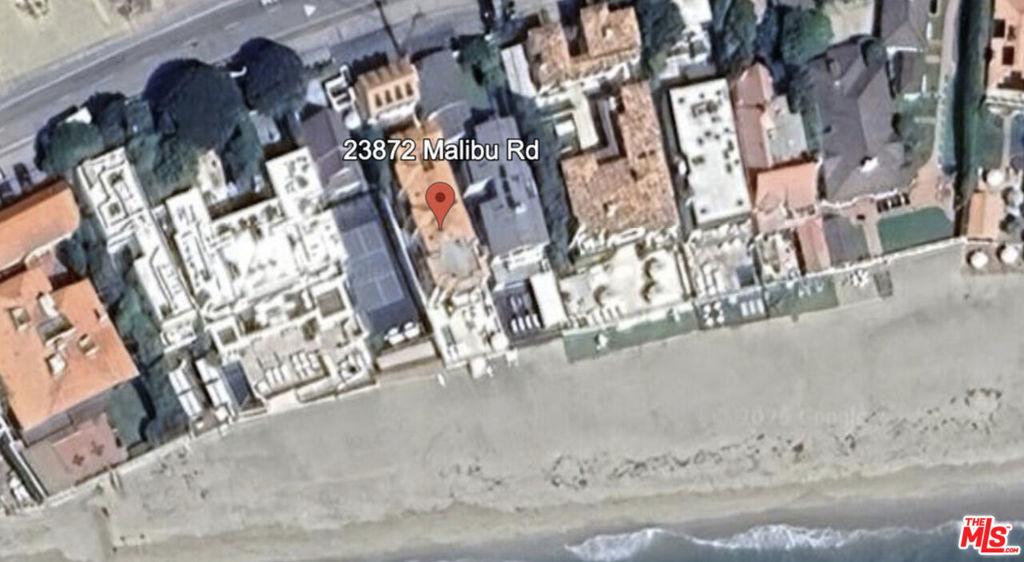
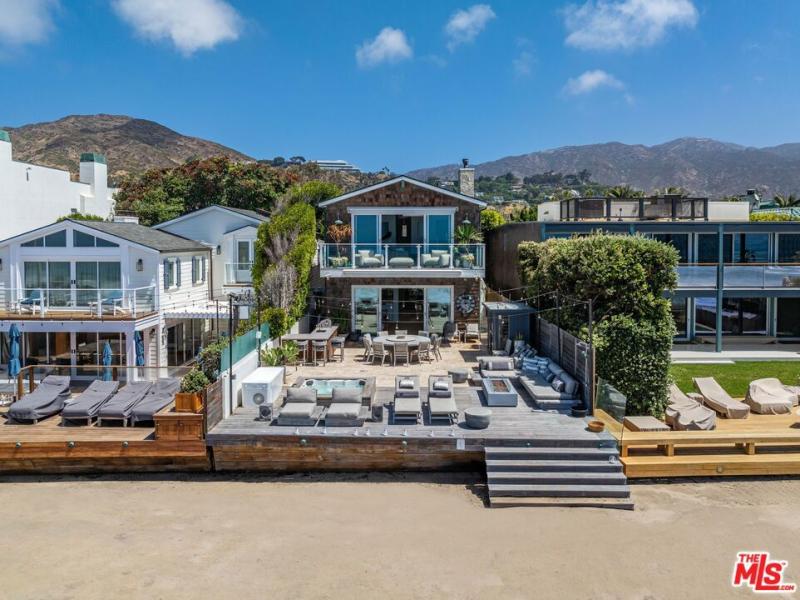
Carbon Beach — the stretch of Pacific Coast Highway between Malibu Colony and Malibu Pier — is nicknamed “Billionaire’s Beach” for its concentration of ultra-high-net-worth buyers. Lots on Carbon Beach are narrow (typically 50-80 feet of frontage) but directly on the sand, with no PCH crossing required for beach access. The narrow footprint constrains building area but does not constrain price — individual Carbon Beach transactions consistently set records for the Malibu market. Demand here is driven specifically by beachfront access and the concentration of peers: buyers who target Carbon Beach are buying into a specific community of neighbors as much as a property.
Broad Beach — on the other side of Point Dume from Carbon Beach — is a wider, more expansive beachfront community with lots that allow for larger footprints. Broad Beach Road is a gated, semi-private residential road with its own community maintenance structure. Homes here range from modest beach cottages (rare, and typically held for lot value) to new-construction multi-thousand-square-foot compounds with full estate amenities. The Broad Beach Geologic Hazard Abatement District has coordinated significant beach replenishment efforts, addressing the erosion concerns that have historically affected properties in this corridor.
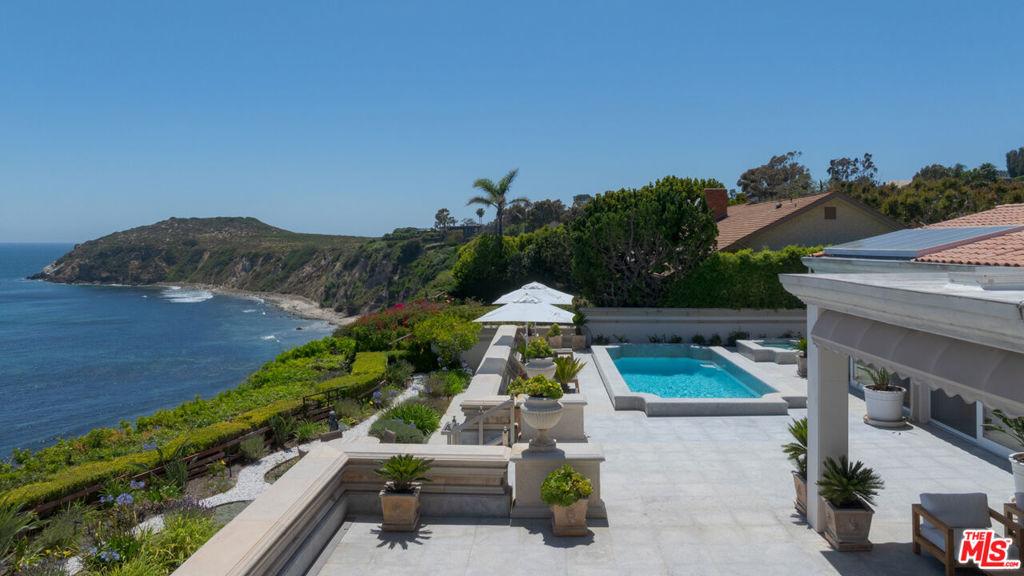
Point Dume — the headland that divides Carbon/Malibu Colony from Broad Beach — offers large-lot residential compounds with ocean views, proximity to Point Dume State Beach and Nature Preserve, and a degree of privacy from PCH traffic that the beachfront properties on either side do not have. Point Dume is zoned for residential properties with minimum lot sizes that result in genuine compound-scale parcels, and the combination of privacy, view corridors, and access to the nature preserve makes it one of the most sought-after non-beachfront Malibu addresses.
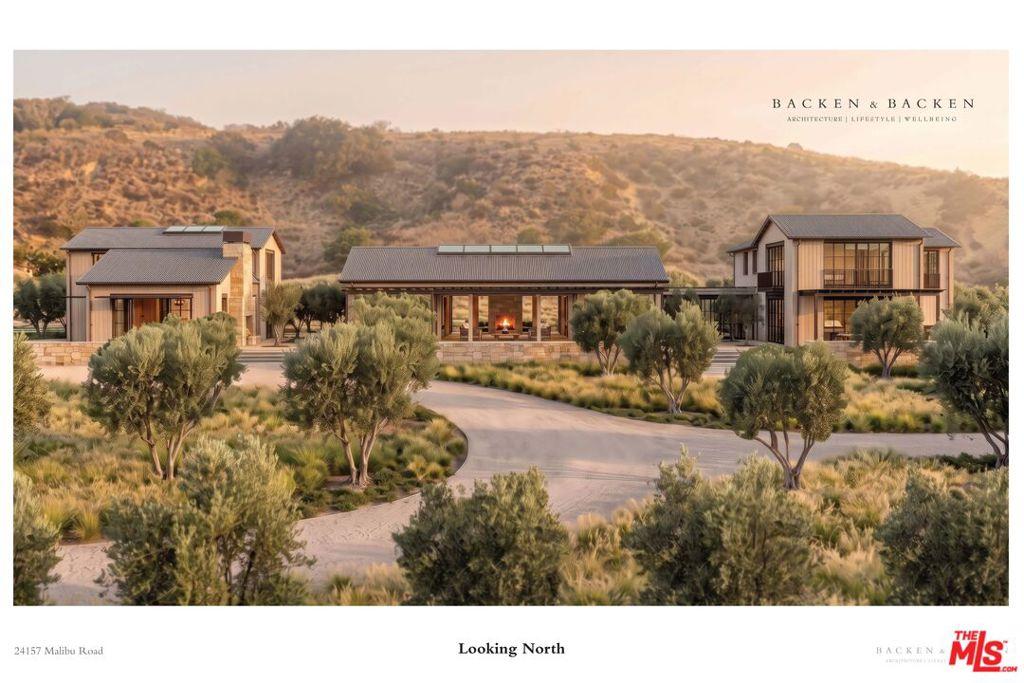
The canyon communities — Topanga, Malibu Canyon, Kanan Dume Road, and others — offer a different Malibu experience: larger parcels, equestrian zoning in some areas, mature tree canopy, and natural privacy from topography rather than from PCH distance. Canyon properties range from a few acres to 20-40 acre estate parcels, at price points that are generally lower per square foot than coastal properties but that offer scale and natural landscape character not available on the beach.
Malibu buyers are drawn by one of three primary motivations: ocean access, privacy, or land scale — and the best Malibu properties for any individual buyer depend almost entirely on which motivation ranks first.
Entertainment industry principals with established careers and significant liquidity are the historical foundation of the Malibu buyer pool, attracted by the combination of beach access, celebrity-neighbor privacy norms, and the distance from the paparazzi and tourist traffic that affects more accessible luxury markets. Technology buyers from the Bay Area and from the Westside tech corridor have been an increasingly prominent segment over the past decade, drawn by the combination of outdoor lifestyle access and the ability to work remotely from a property with genuine natural seclusion. Second-home buyers from New York and other East Coast markets represent a consistent category, particularly for the beachfront sub-market.
Malibu attracts buyers for whom beach access is a material lifestyle priority — not as an occasional amenity but as a daily practice. The Malibu buyer who walks to the water from their property every morning is not a hypothetical marketing construct: it is a real segment that specifically targets beachfront or beach-adjacent properties and is willing to pay the premium those positions command in the market.
Malibu’s defining lifestyle characteristic is access to the natural landscape at a scale and quality that is not replicated anywhere else in greater Los Angeles. Point Dume State Beach and Nature Preserve, Zuma Beach (the largest LA County beach), Leo Carrillo State Park, and the Santa Monica Mountains National Recreation Area collectively provide outdoor access from surfing and swimming to hiking, mountain biking, and equestrian trails — all within the Malibu residential geography. For buyers whose daily life centers on the outdoors, Malibu’s position at the intersection of the Pacific and the Santa Monica Mountains is a unique residential asset.
Malibu commercial infrastructure is concentrated at the Malibu Country Mart, Cross Creek Road, and the PCH-adjacent commercial cluster near Malibu Pier. The commercial base supports daily lifestyle needs — groceries (Vintage Grocers), dining (Nobu Malibu, Moonshadows, Kristy’s), fitness, and services — within a few minutes of most Malibu residential addresses. For a more comprehensive retail experience, Santa Monica and Westwood are 30-45 minutes east on PCH or via Malibu Canyon.
Pacific Coast Highway is the primary surface street connection between Malibu and the rest of Los Angeles, and PCH’s characteristic traffic — particularly on weekends and summer evenings westbound — is a practical reality of Malibu living that buyers should experience firsthand before committing to a purchase. The commute from central Malibu to Century City or Santa Monica on a typical weekday morning takes 35-55 minutes; on a summer Friday afternoon, the return trip can take significantly longer. Malibu’s remoteness is inseparable from its appeal — but that remoteness has real daily-life implications that distance from the urban employment core creates.
Malibu has experienced significant wildfire events historically, and the current wildfire insurance market in California reflects elevated risk in the Malibu area. Buyers should confirm insurance availability and cost for any specific Malibu property before making a purchase commitment — the premium spread between Malibu properties and comparable LA properties in lower-risk fire zones has widened substantially since 2018, and some properties in the hillside and canyon areas have seen non-renewals from standard carriers. California FAIR Plan is available as a backstop but carries higher premiums and lower coverage limits than standard homeowners insurance. Insurance cost should be factored into the total cost-of-ownership calculation for any Malibu property, particularly in the canyon and hillside areas.
Coastal Commission jurisdiction applies to properties within the Malibu coastal zone, affecting renovation scope, accessory structure permits, and in some cases landscaping and hardscape. Buyers planning significant renovations or additions to existing Malibu properties should conduct a permit history review and a Coastal Commission jurisdiction assessment before finalizing a purchase — the California Coastal Act imposes specific constraints on development in the coastal zone that are not present in non-coastal communities.
Malibu’s pricing is primarily determined by proximity to and view of the Pacific Ocean, with a steep premium gradient from canyon interior to ocean-adjacent to beachfront. Understanding where individual properties sit on that gradient is the most important variable in evaluating Malibu pricing.
Canyon and hillside properties — offering ocean views but without direct beach access — typically range from approximately $3 million to $15 million depending on parcel size, view quality, structure quality, and distance from PCH. These properties attract buyers who want the Malibu environment and the natural landscape setting without the beachfront maintenance and Coastal Commission constraints that come with sand-adjacent ownership. Canyon properties with significant acreage (10-40 acres) represent a genuinely different asset class from suburban residential and attract buyers looking for estate-scale land in a natural setting.
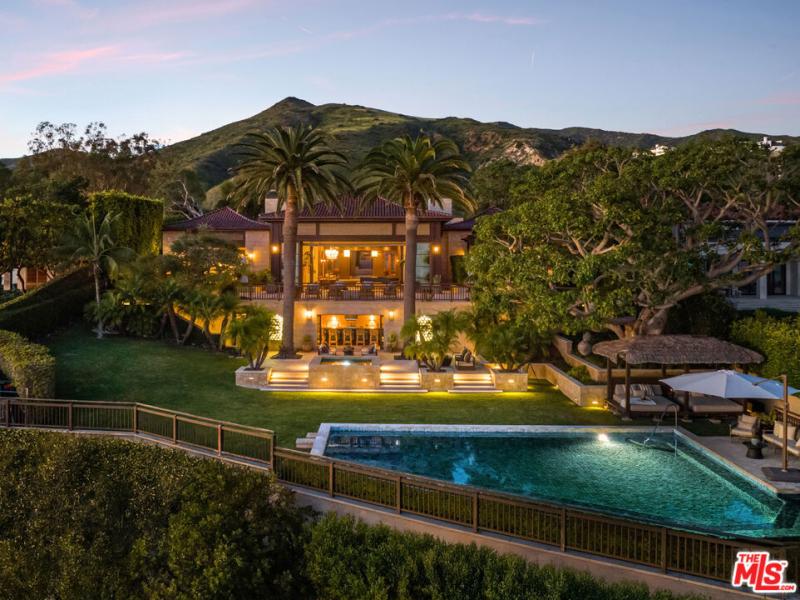
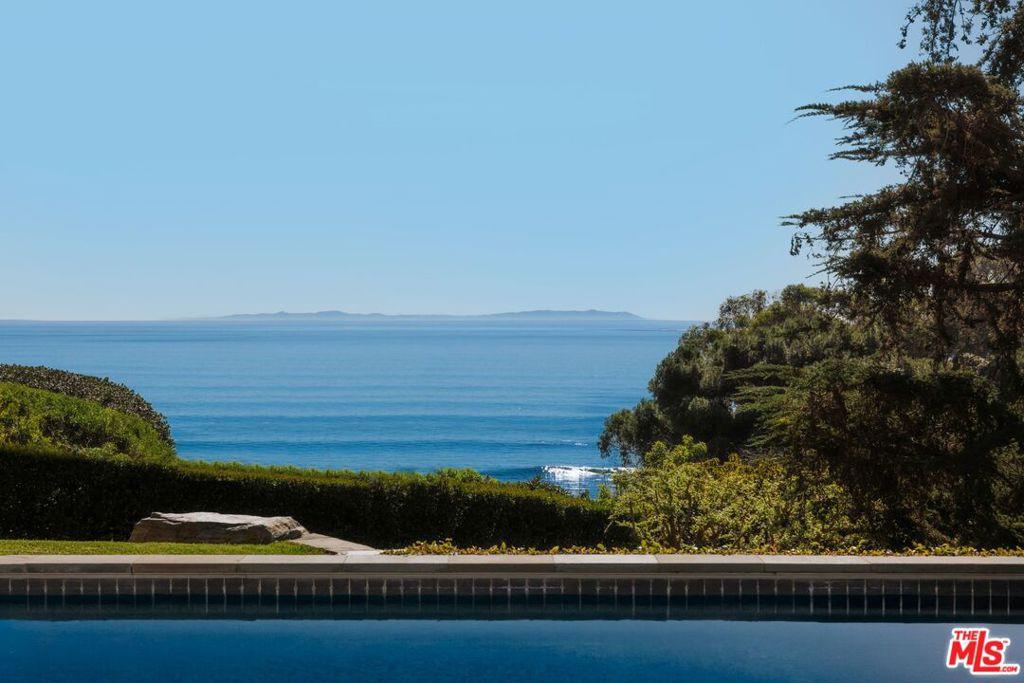
Ocean-adjacent and ocean-view properties between PCH and the hillsides — properties with partial or full ocean views but not direct beach frontage — range from approximately $4 million to $25 million. The price in this range is heavily influenced by view corridor quality: a property with a panoramic Catalina Island view from a ridgeline commands a fundamentally different price than a property with a sliver ocean view between neighboring structures.
Beachfront properties along Carbon Beach, Malibu Colony, Broad Beach, and other PCH-adjacent stretches represent the upper tier of the Malibu market and a different calculation entirely. Carbon Beach lot frontage — measured in linear feet of sand — is among the most expensive residential land in California. Individual transactions at Carbon Beach have exceeded $100 million. At Broad Beach, prices for renovated beachfront homes with contemporary construction run from $15 million to $50 million depending on frontage, structure size, and overall condition. Malibu Colony — a gated beachfront community with a long history of entertainment industry residents — offers a full range of vintage beach houses to updated contemporary compounds, with prices from approximately $8 million to $35 million.
Malibu’s market is somewhat seasonal — activity peaks from late spring through early fall when the beach lifestyle is most actively enjoyed, and a higher proportion of off-market transactions occur during winter months when sellers are motivated but prefer to avoid the scrutiny that summer public listings attract. Buyers searching in the off-season (November through February) often find sellers more flexible and competition lower, though available inventory is also reduced. The off-market Malibu segment is particularly active at price points above $15 million, where sellers with established relationships with leading Malibu brokers routinely test buyer interest before committing to a public listing process.
Malibu’s luxury market bifurcates sharply between beachfront (Colony, La Costa, Carbon Beach) and hillside/canyon properties. Beachfront commands an extreme premium — and rarely comes to market publicly. Canyon properties offer more land, more privacy, and occasionally better value per square foot, though they carry different risk profiles around fire zones and road access. The Knight Group works both sides of this market and maintains relationships with homeowners who prefer to sell privately before listing.
Malibu luxury homes range from approximately $3 million for a canyon or hillside home with ocean views to well over $100 million for a direct-beachfront estate on Carbon Beach or Broad Beach. The most active transactional tier runs from approximately $4 million to $20 million and encompasses ocean-view hillside properties, ocean-adjacent compounds, and smaller beachfront homes. The upper end of the Malibu market — particularly Carbon Beach and Broad Beach beachfront — trades at prices that reflect the irreplaceable nature of beachfront land on the Pacific in the LA market.
Carbon Beach is the stretch of PCH between Malibu Colony and Malibu Pier — narrow lots directly on the sand, no street to cross for beach access, consistently the highest per-linear-foot land value in the Malibu market. Malibu Colony is a gated beachfront community adjacent to Carbon Beach with a longer history of entertainment industry residents and a range of vintage to contemporary beach homes. Broad Beach is west of Point Dume — wider frontage than Carbon Beach, a community maintenance structure (the Broad Beach Geologic Hazard Abatement District manages beach replenishment), and larger average lot sizes. Each has a distinct character, price dynamic, and buyer profile, and the right choice depends on the buyer’s priorities regarding community character, privacy, and property scale.
Malibu is in a Very High Fire Hazard Severity Zone, and the California homeowners insurance market has contracted significantly since 2018 for properties in this risk tier. Buyers should confirm insurance availability and current premium quotes for any specific Malibu property before making a purchase commitment — this applies particularly to hillside and canyon properties where WUI (Wildland-Urban Interface) designation affects coverage availability. The California FAIR Plan provides a backstop market but at higher premiums and with lower coverage limits than standard homeowners policies. Buyers planning to finance a Malibu purchase should confirm lender requirements regarding fire insurance coverage levels before closing, as some lenders have specific requirements that FAIR Plan coverage may not meet.
The California Coastal Commission has jurisdiction over development in the Malibu coastal zone, which encompasses most residential properties in the city. Coastal Commission review is required for development that meets certain thresholds — new construction, additions exceeding 10% of existing structure area, and certain hardscape or landscaping changes within the coastal zone. Buyers planning renovation or expansion of a Malibu property should request a permit history from the seller and consult with a Coastal Commission permitting expert before finalizing any purchase where planned improvements could be affected. The Coastal Commission process adds time and, in some cases, conditions to permitted work that would be straightforward in a non-coastal community.
Pacific Coast Highway is the primary connection between Malibu and the rest of Los Angeles, and PCH traffic is a genuine daily-life consideration for Malibu residents who commute to Westside or Santa Monica employers. Typical weekday morning commute times from central Malibu to Santa Monica run 25-35 minutes; to Century City, 40-55 minutes. Weekend and summer evening westbound PCH traffic can extend return commute times significantly. Buyers who work remotely or have flexible schedules experience Malibu very differently from those with daily commute requirements, and the commute reality is worth experiencing firsthand — through a morning drive-to-work test run — before committing to a Malibu purchase based on weekend visits alone.
Point Dume offers the best combination of privacy, ocean proximity, and natural landscape access in the Malibu residential geography — large lots, no through traffic, direct access to Point Dume State Beach, and a residential character that is more secluded than the PCH corridor communities. Malibu Colony is gated and provides strong residential privacy within its beachfront enclave. Canyon communities (Topanga, Malibu Canyon, Kanan Dume) offer natural topographic privacy from neighbors and traffic, though at the cost of additional distance from the beach. The hillside communities above PCH in various Malibu canyons provide significant privacy on larger parcels at price points generally lower than beachfront alternatives.
Explore more Luxury neighborhoods:
Lucky for you we’re looking out.
Subscribe to this Custom Search to be alerted when new properties hit the market in the area.
Choose the frequency that works for you.