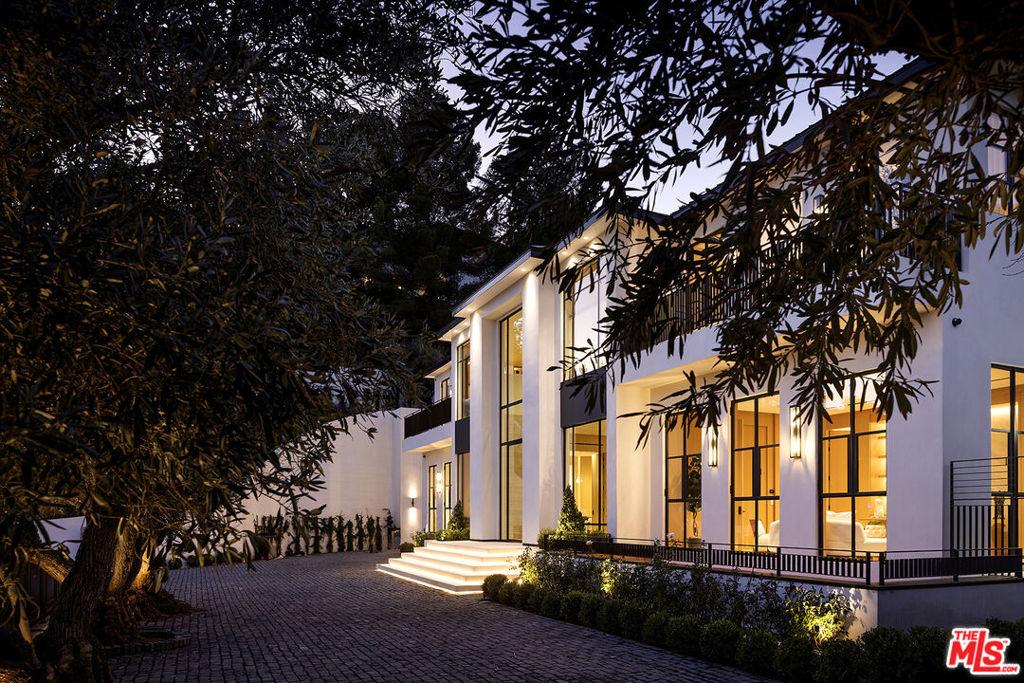
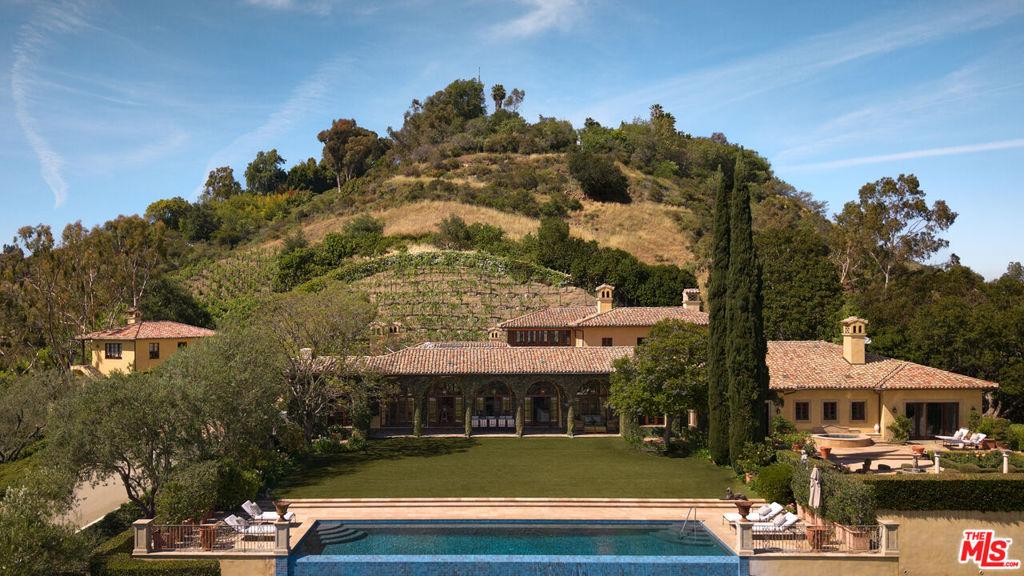
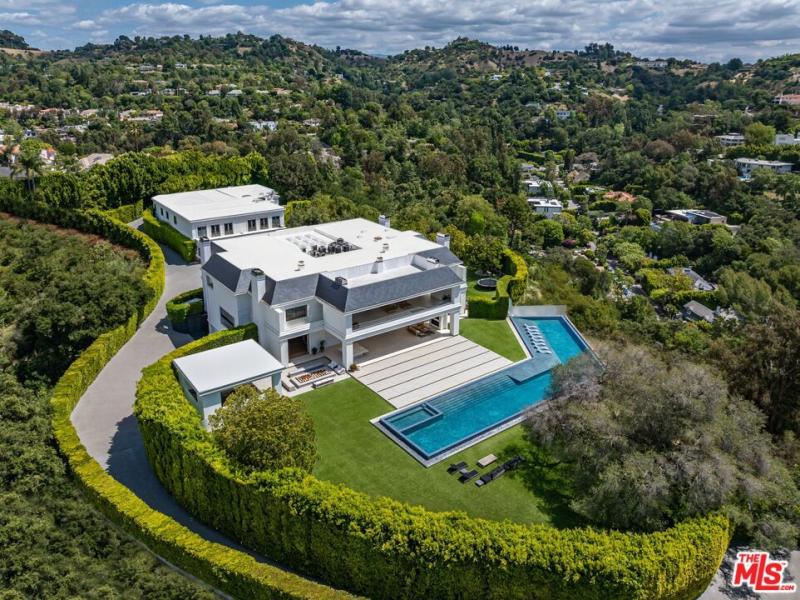
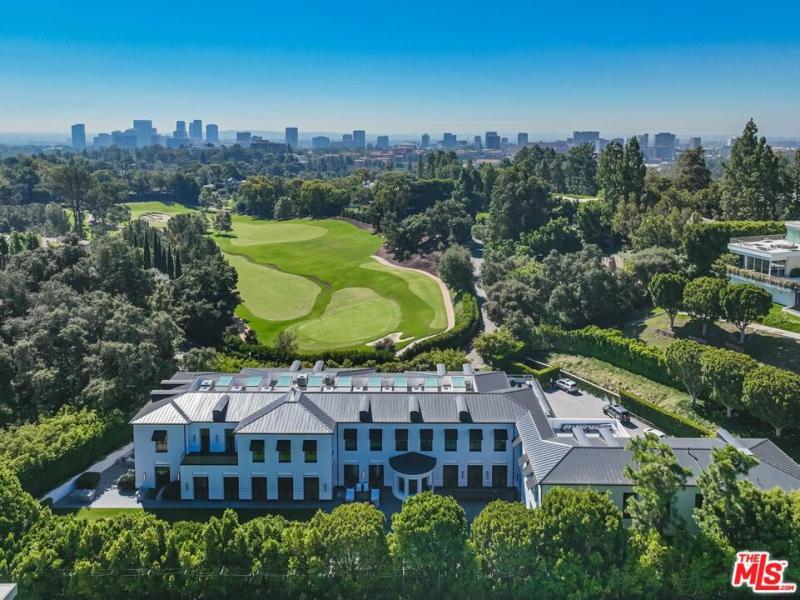
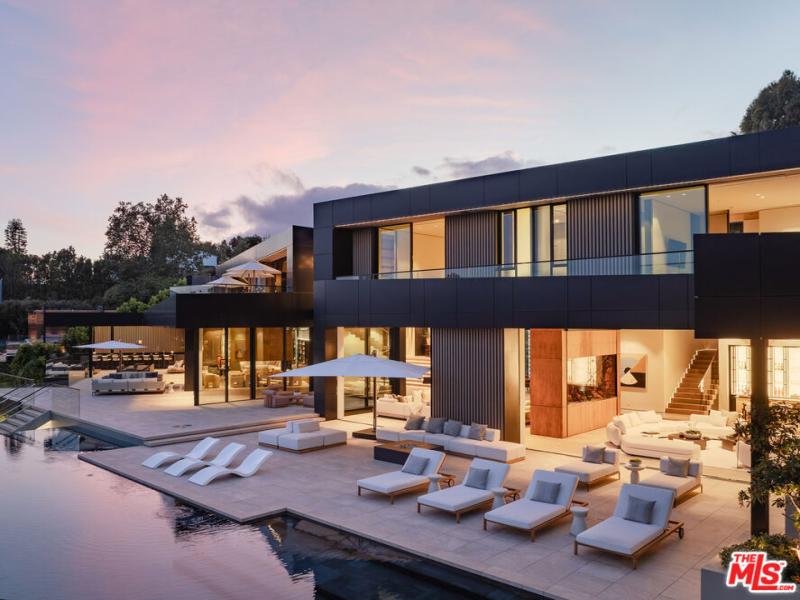
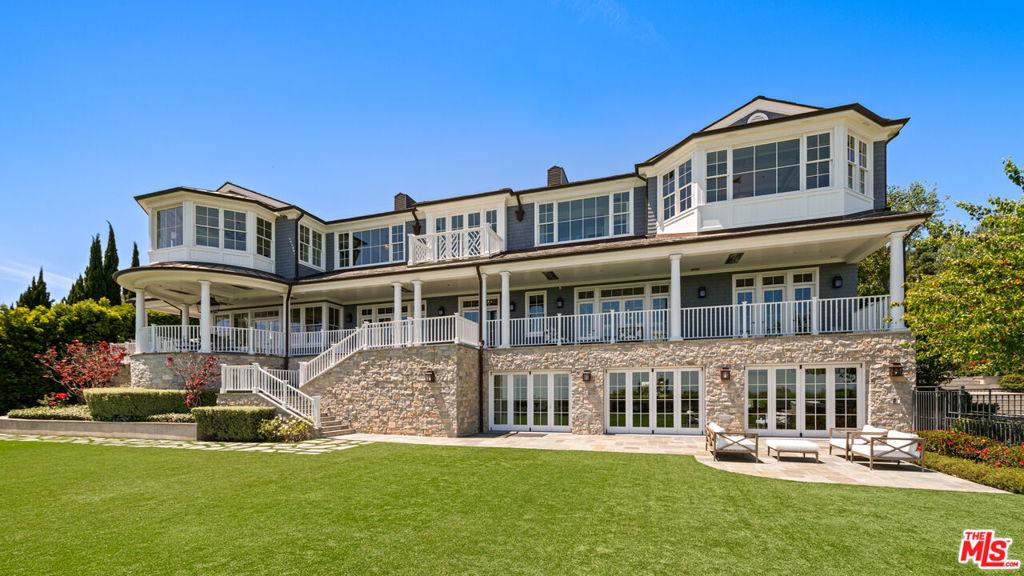
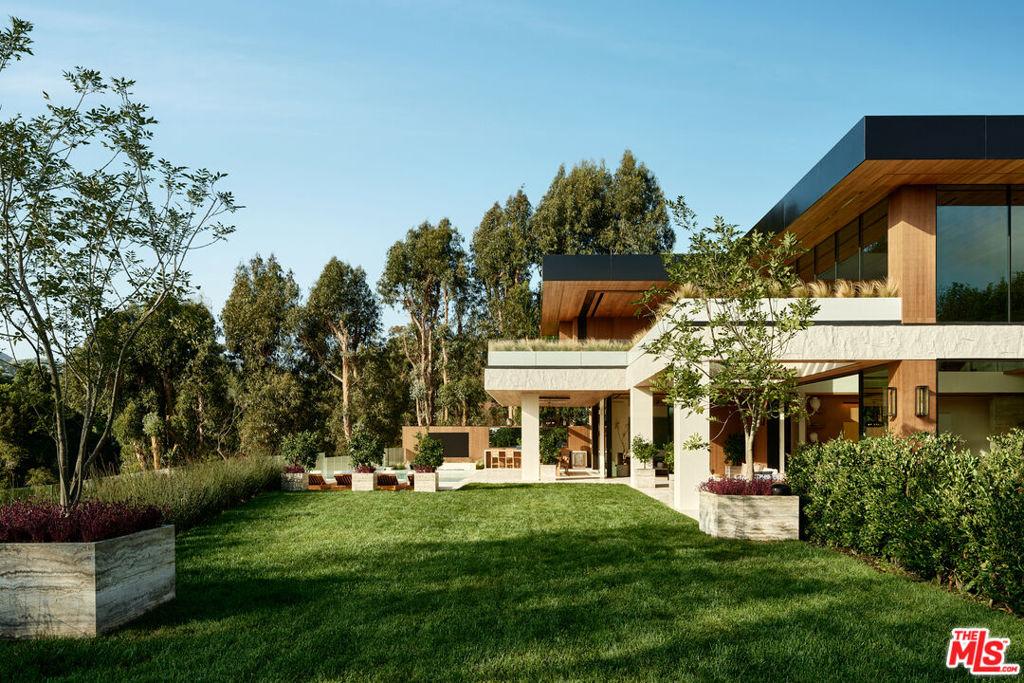
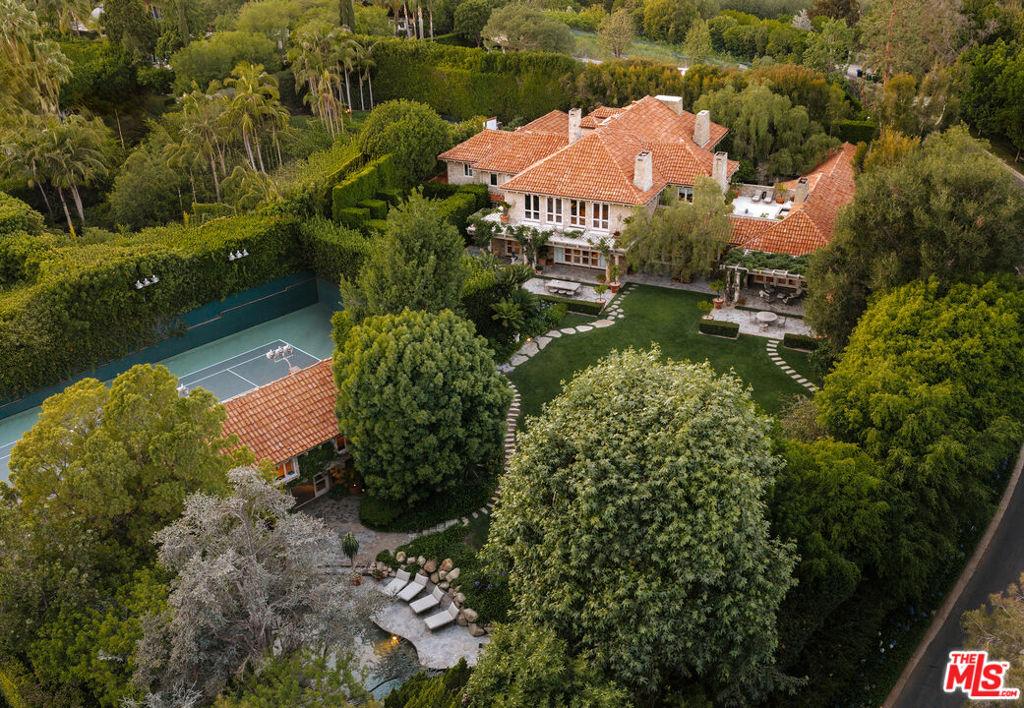
Luxury Homes for Sale in Los Angeles CaListings

Luxury Homes for Sale in Los Angeles

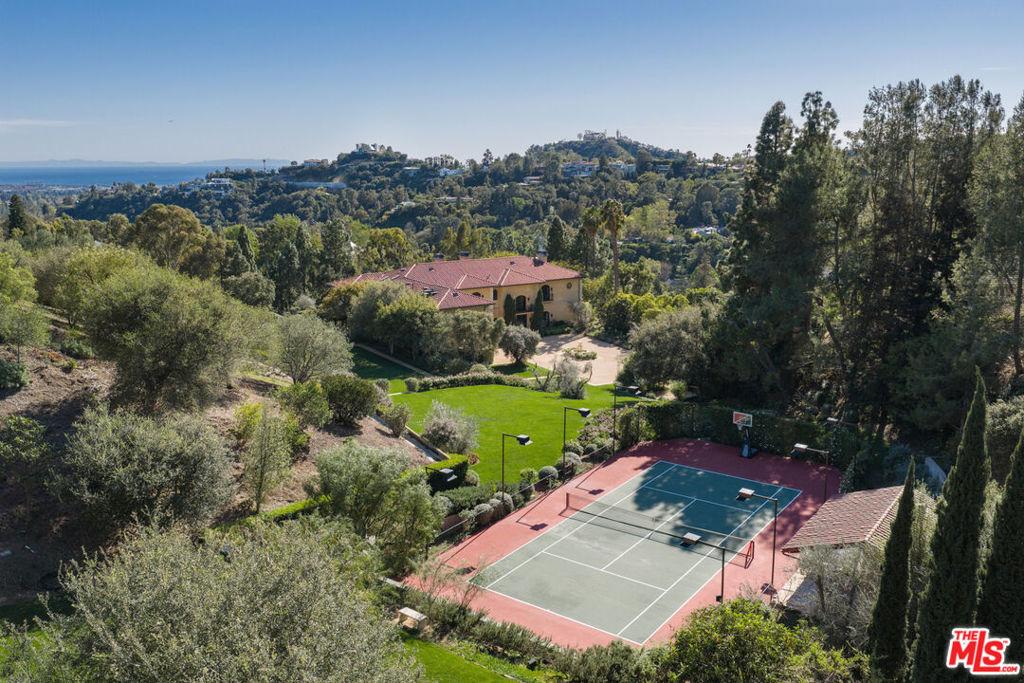
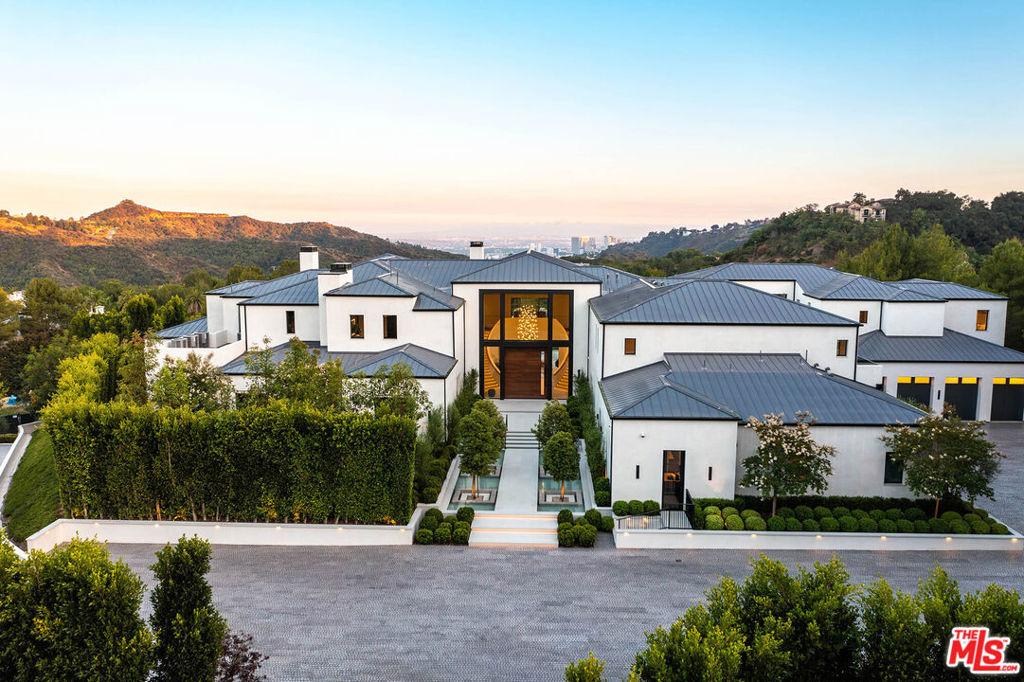
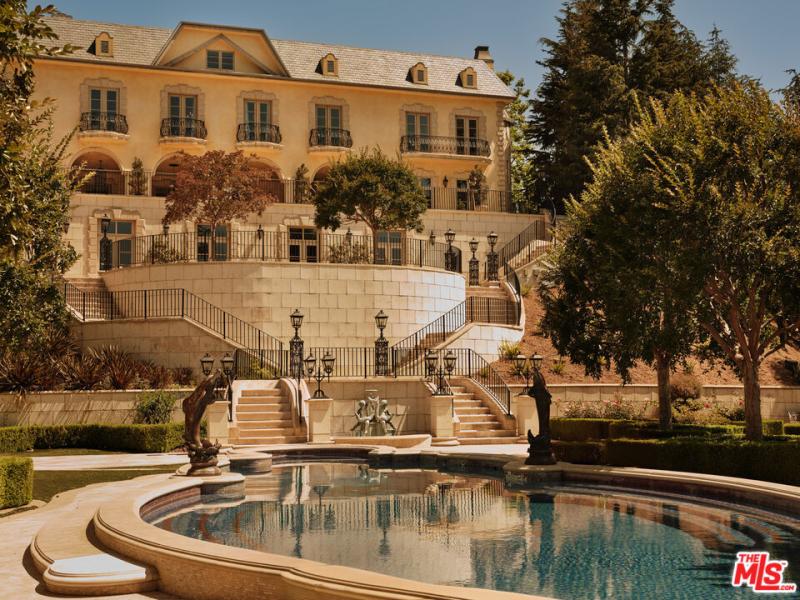
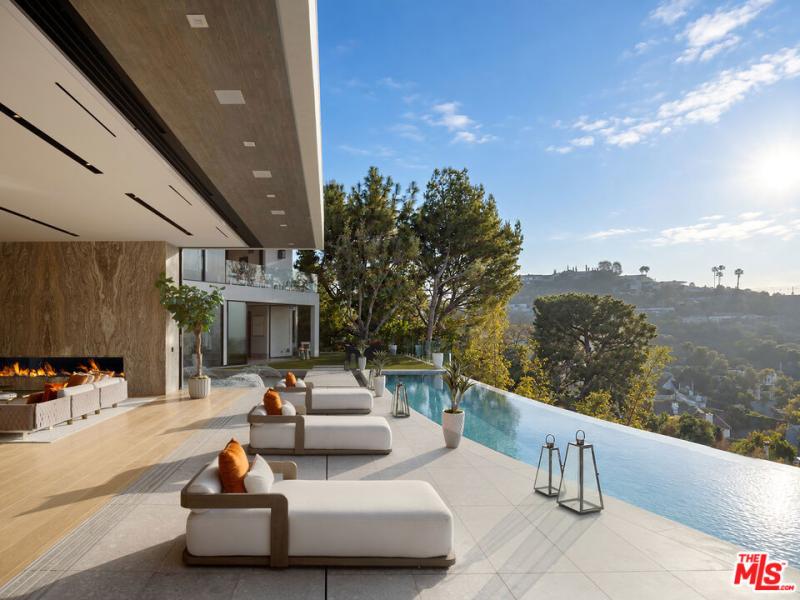
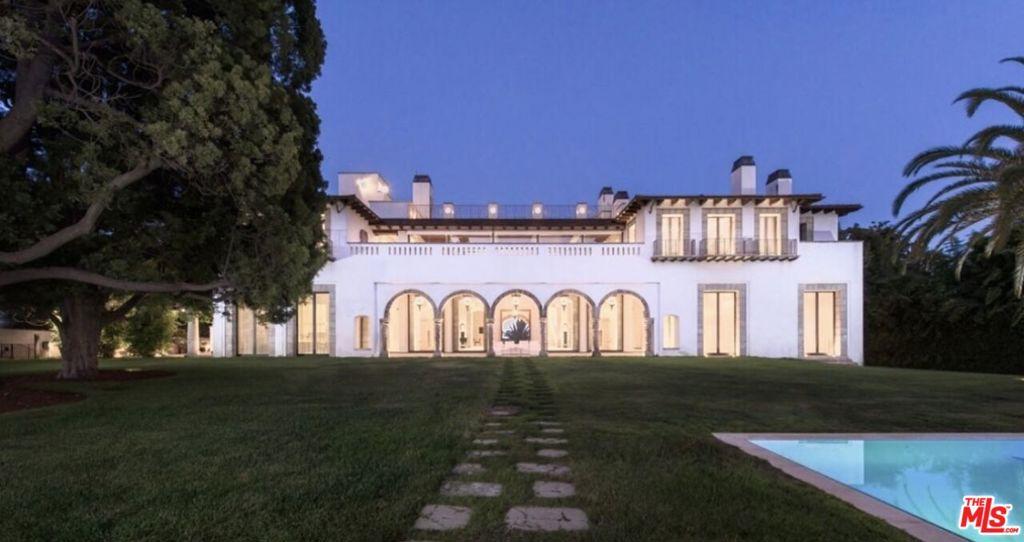
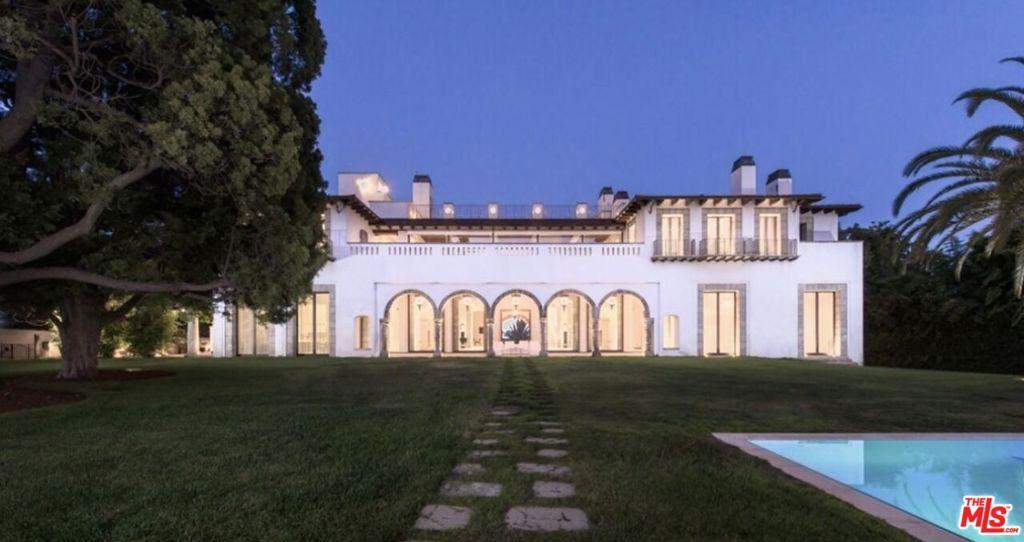
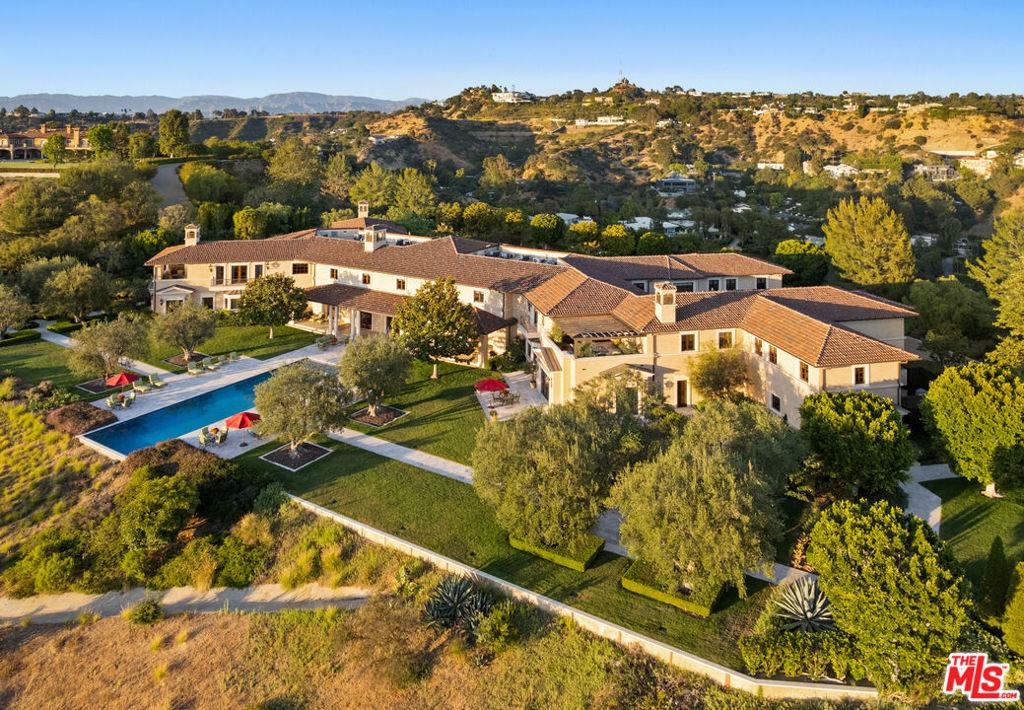
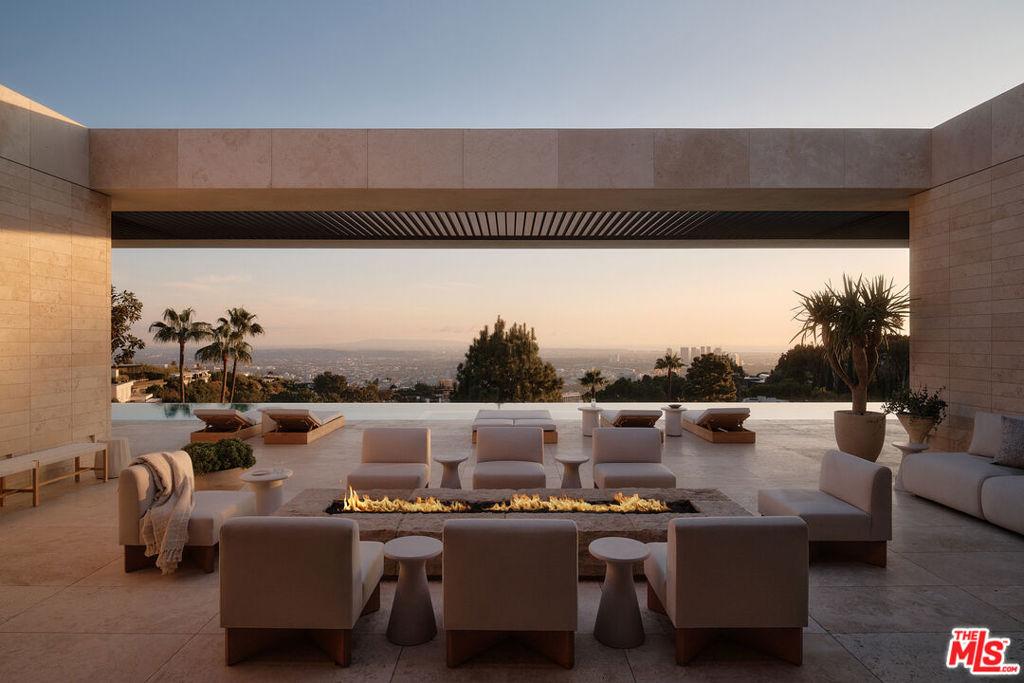
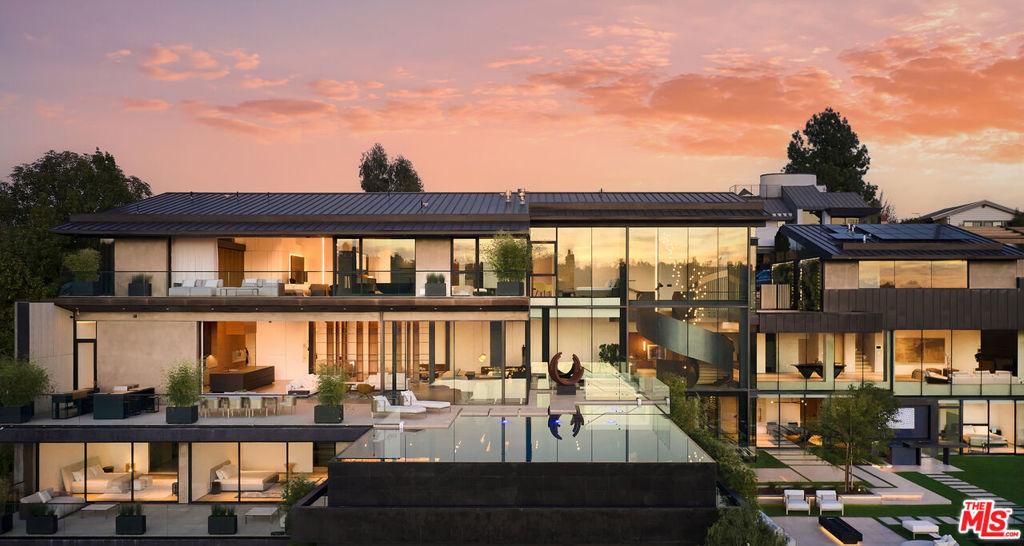
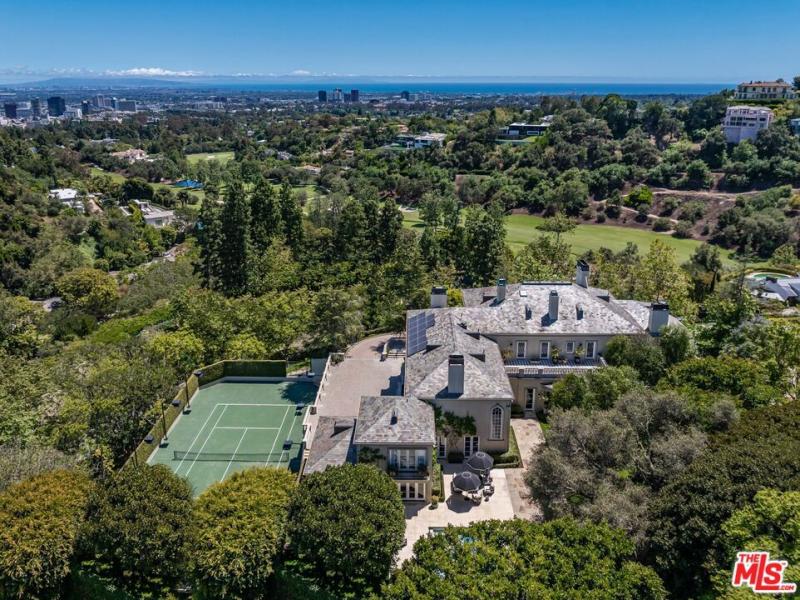
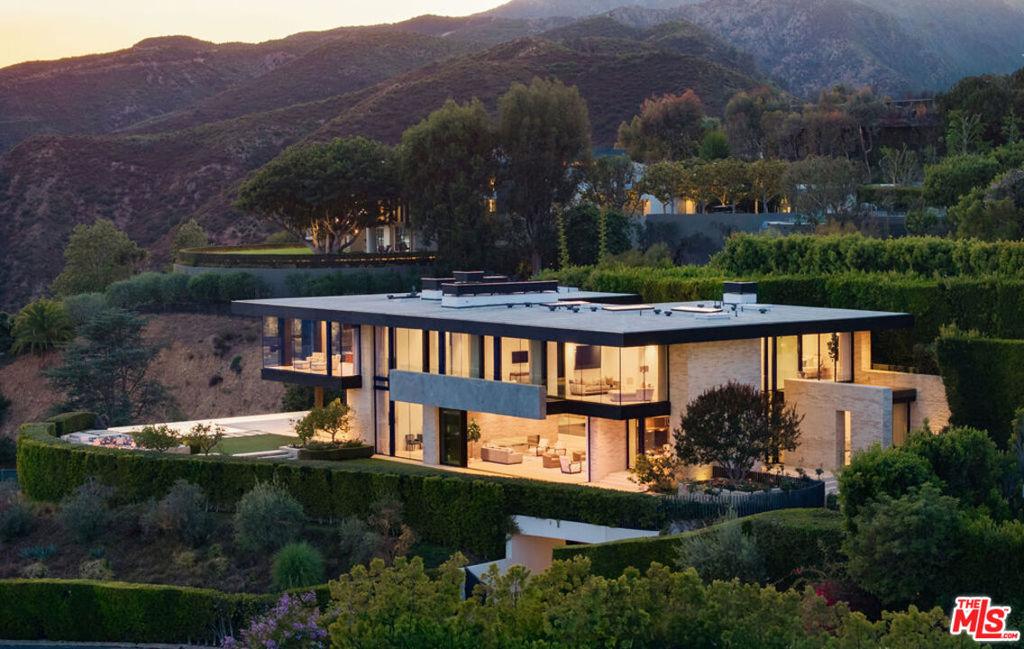
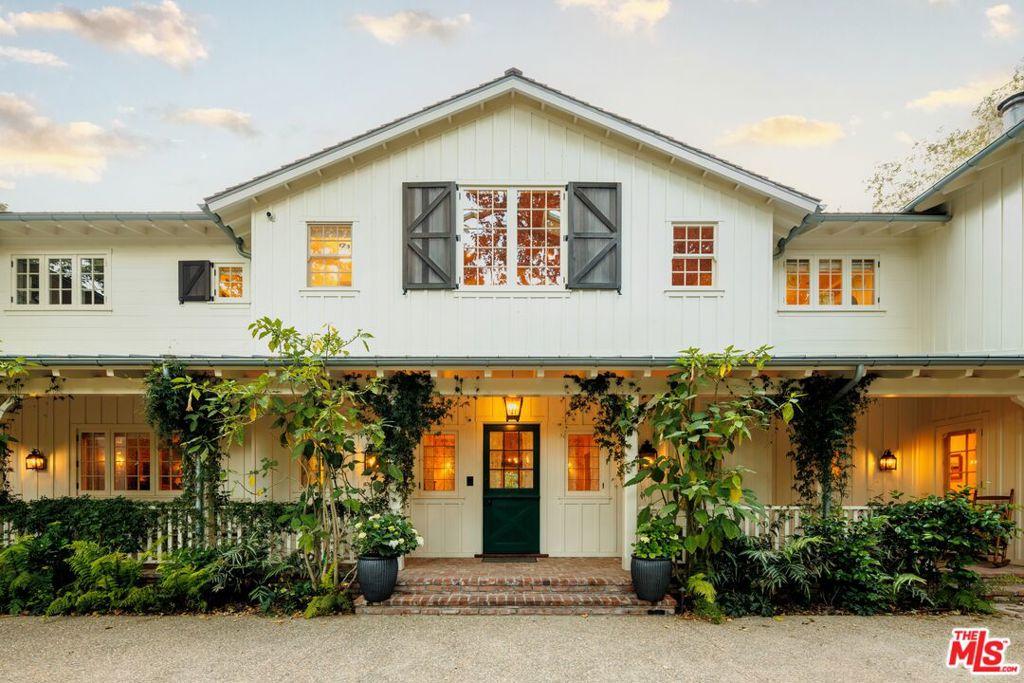
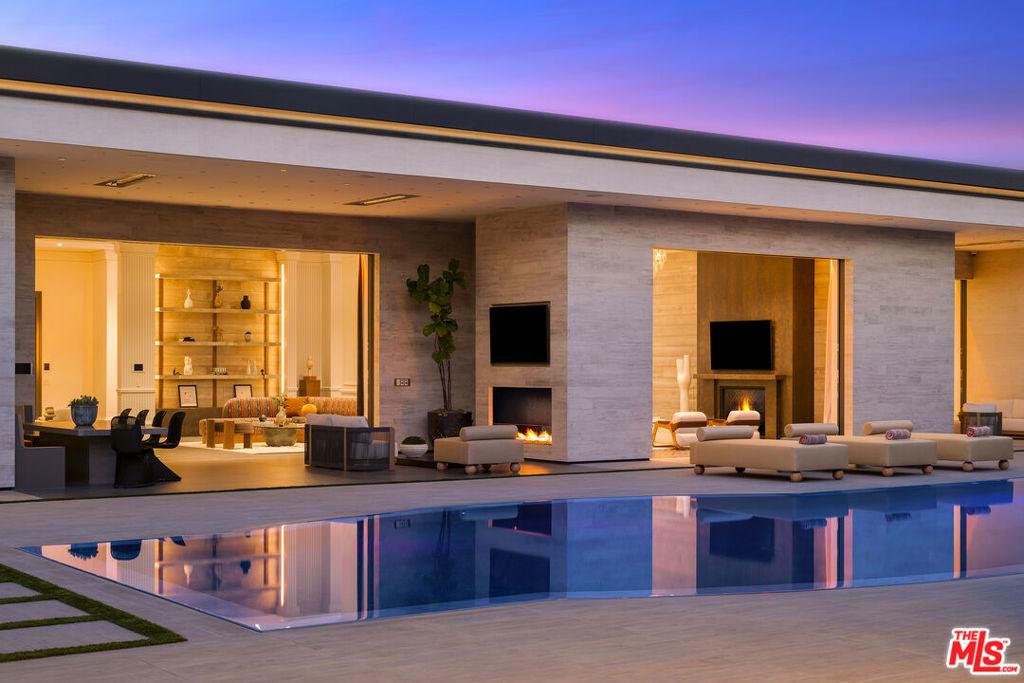
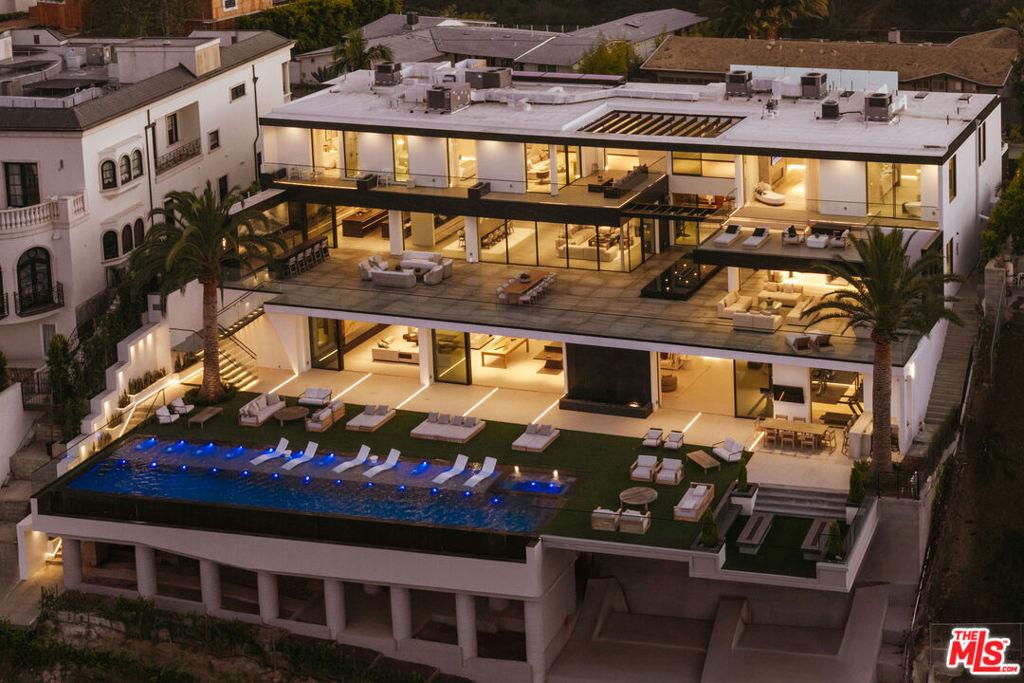
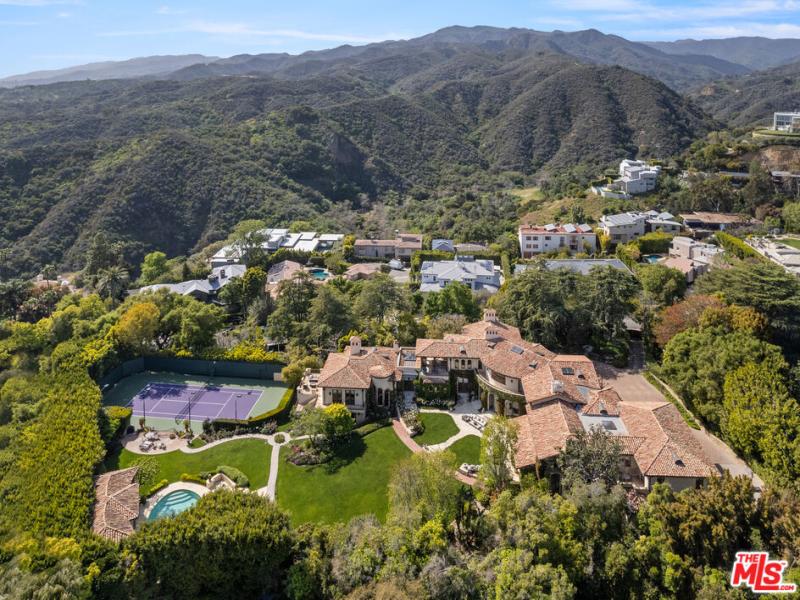
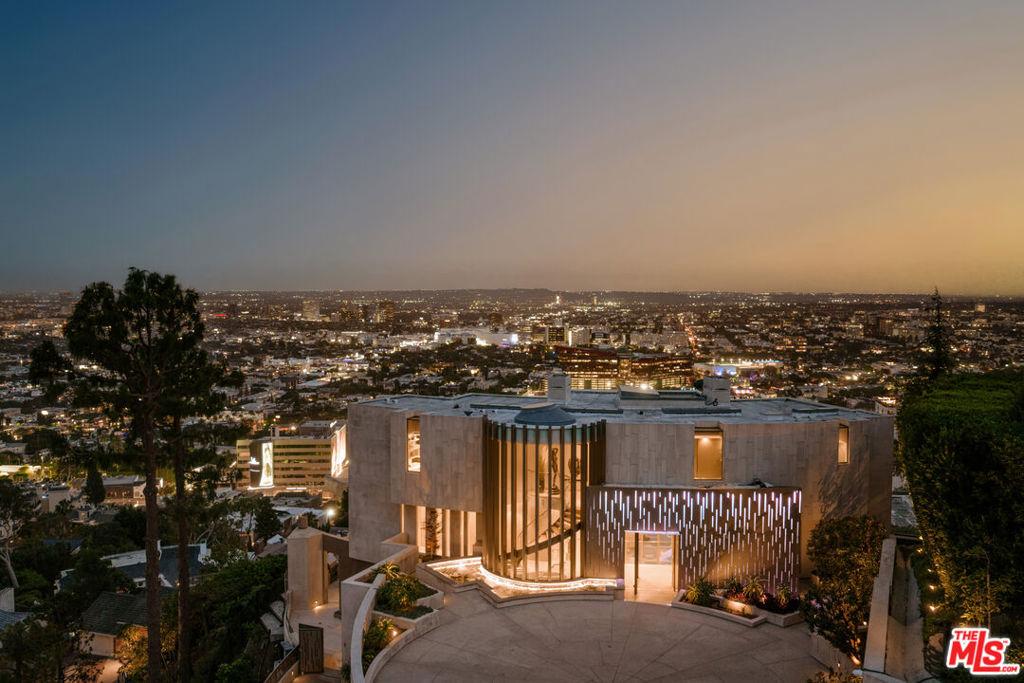
Los Angeles is one of the world’s most diverse luxury real estate markets — a city of distinct neighborhoods, each with its own price logic, buyer profile, and residential character that are not interchangeable in the way that comparable price points in other markets might be. The $5 million buyer targeting a Beverly Hills estate, a Hollywood Hills architectural compound, a Malibu canyon property, and a Silver Lake creative-industry home is shopping in four fundamentally different markets that happen to share a city. Prices for luxury residential real estate in Los Angeles start at approximately $2 million in established non-trophy-address neighborhoods and extend well past $100 million for the most significant trophy estates in Bel Air, Beverly Hills, and Malibu.

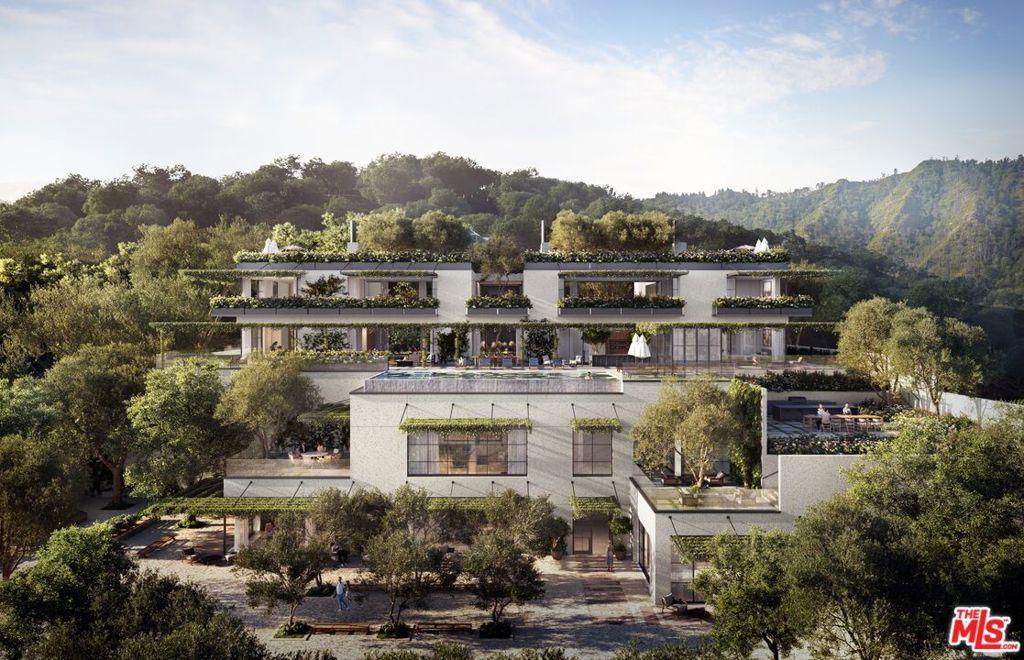
The Knight Group works the Los Angeles luxury market with a Westside and coastal specialty — Beverly Hills, Bel Air, Brentwood, Pacific Palisades, Malibu, Santa Monica, Hollywood Hills, West Hollywood, and the adjacent communities. The breadth of the LA luxury market means that the most useful starting point for any buyer is a focused conversation about the specific combination of lifestyle factors, location priorities, and property characteristics that define their search — rather than treating “luxury homes in Los Angeles” as a single category to be filtered by price. The listings below represent the currently available LA luxury market. The Knight Group’s value in this market is the ability to translate a buyer’s priorities into the right neighborhood, the right product type, and the right access strategy for that specific market.

Luxury Homes for Sale in Los Angeles Ca in Luxury Homes

Community

Los Angeles Luxury Real Estate: Neighborhoods and Market Character

The Los Angeles luxury market is best understood as a collection of distinct residential communities, each with a specific value proposition and buyer profile. The highest-profile luxury neighborhoods in Los Angeles are not interchangeable, and the buyer who approaches the market without a framework for understanding the differences will spend significant time and energy evaluating properties that don’t fit their actual priorities.

The Westside markets — Beverly Hills, Brentwood, Bel Air, Pacific Palisades, and Santa Monica — represent the most consistently active luxury tier in the LA market. These neighborhoods share a general geography (west of the 405, between the Santa Monica Mountains and the Pacific) but have distinct characters. Beverly Hills is the globally recognized trophy address with the mature commercial infrastructure and architecture of a complete luxury city — the buyer here is purchasing the address alongside the property. Brentwood is the Westside’s quality-of-life value play — large lots, tree canopy, and proximity to UCLA at a moderate discount to Beverly Hills and Bel Air addressing. Bel Air offers estate-scale privacy on hillside parcels at a premium that reflects the scarcity of multi-acre properties in this position. Pacific Palisades combines school access, ocean proximity, and a village commercial character that no other Westside neighborhood replicates. Santa Monica provides urban walkability, beachside city infrastructure, and the strongest public school system of any Westside community.

The coastal markets — Malibu and the beach cities south of Santa Monica — represent a separate category where proximity to the Pacific Ocean is the primary pricing variable. Malibu’s Carbon Beach and Broad Beach beachfront properties are among the most expensive residential land in California by linear foot. The beach cities south of LAX (Manhattan Beach, Hermosa Beach, Redondo Beach) offer a different buyer profile — more families, more outdoor lifestyle focus, stronger local community character — at price points more accessible than the Malibu beachfront tier.

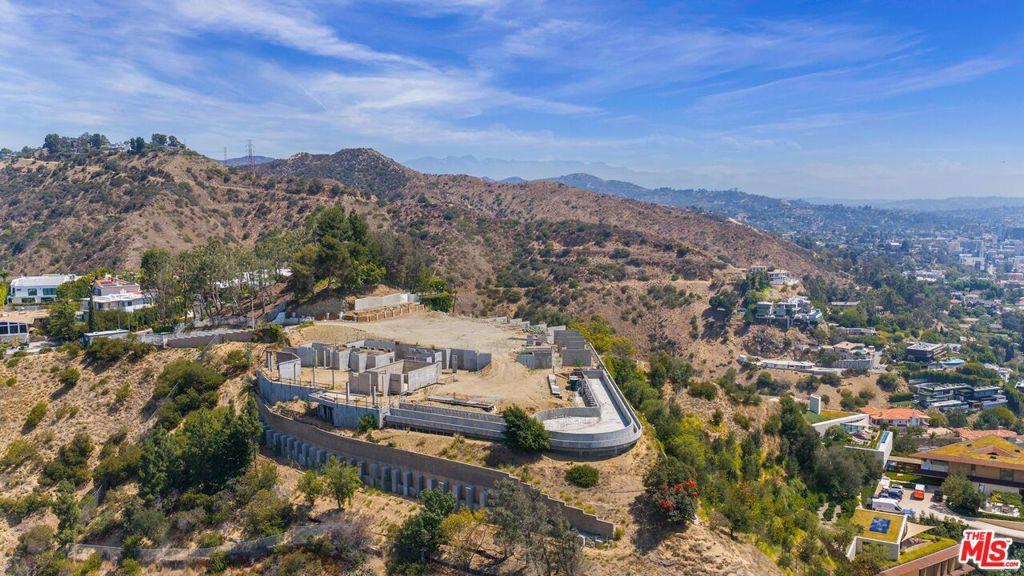
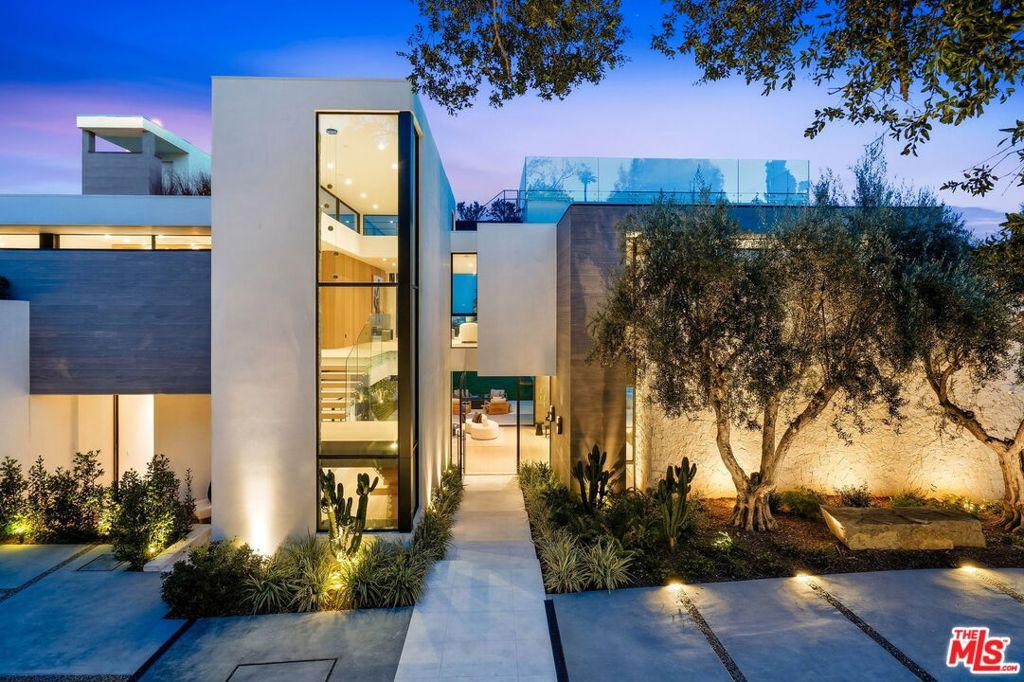
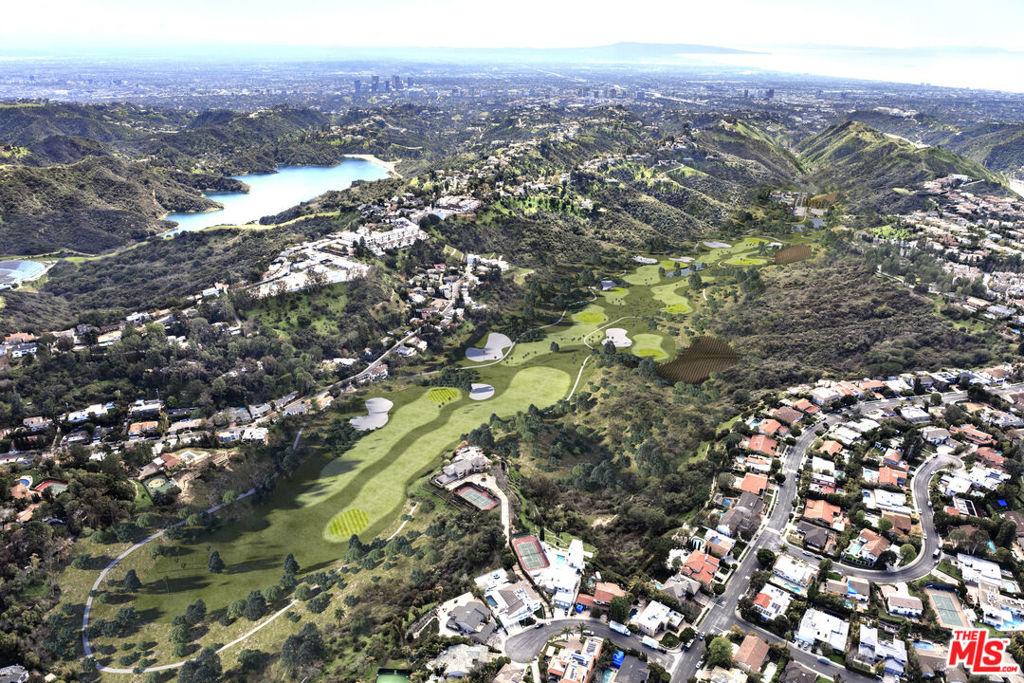
The hillside and architectural markets — Hollywood Hills, Silver Lake, Echo Park, and the canyons running through the Santa Monica Mountains — attract buyers for whom the quality and significance of the residential architecture is the primary value driver rather than neighborhood amenities or school access. The Bird Streets in Hollywood Hills, the architecturally documented properties in Silver Lake, and the canyon compounds in Laurel Canyon and Topanga represent a collector market for residential design that is specific to Los Angeles and has no direct equivalent in other US cities.

The Valley luxury markets — Calabasas, Encino, Sherman Oaks, Studio City, and Westlake Village — offer estate-scale properties at prices significantly below comparable Westside addresses, drawing buyers who prioritize lot size, privacy, and gated community character over Westside coastal proximity. The Calabasas guard-gated communities (The Oaks, The Hideaway) in particular attract buyers who specifically value the gated compound lifestyle and the privacy infrastructure that those communities provide.

Who buys luxury homes in Los Angeles?

Los Angeles attracts luxury buyers from a wider range of origin markets than almost any other US city. The entertainment and creative industries — film, television, music, and the broader content creation economy — are the historical foundation of the LA luxury buyer pool, generating the liquidity and the lifestyle priorities that shaped Beverly Hills, Malibu, and the hillside markets. The technology industry, initially anchored in Silicon Valley but increasingly headquartered in the Westside tech corridor (Playa Vista, Santa Monica, Culver City), has produced a growing segment of buyers who combine Bay Area expectations for walkability and urban amenity with LA’s outdoor lifestyle access. International buyers from China, the Gulf states, and Europe maintain a consistent presence in the Beverly Hills, Bel Air, and Malibu trophy-property segments, drawn by LA’s status as a global city and the investment characteristics of California residential real estate at the ultra-high end.

Area Details

Living in Los Angeles: Lifestyle Access Across the City’s Luxury Markets

What makes Los Angeles genuinely unusual as a luxury residential market is the breadth of lifestyle access that is available within the city’s geography. No other US city combines Pacific Ocean beachfront, Santa Monica Mountains hiking and biking, a world-class restaurant and cultural scene, desert climate, and the specific creative-industry cultural infrastructure that defines the LA experience. Buyers who understand this range are better positioned to identify which specific combination of lifestyle assets they are actually prioritizing — and to target the neighborhoods that deliver those assets most directly.

The restaurant and dining environment in the LA luxury market’s primary neighborhoods is among the most active in the country. Beverly Hills and the Sunset Strip corridor collectively host more Michelin-starred and critically recognized restaurants than most comparable markets. The restaurant scene in Silver Lake and Echo Park, the farm-to-table environments in Santa Monica, and the high-end dining in Malibu’s PCH corridor represent a food culture that draws from LA’s exceptional agricultural supply chain (the Santa Monica Farmers Market is a direct farm-to-chef pipeline that no other city can replicate) and the creative talent concentration of the entertainment industry. For buyers who weight dining access as a lifestyle priority, LA’s best neighborhoods are genuinely world-class in what they offer.

Outdoor lifestyle access in Los Angeles is more varied and more accessible than most newcomers to the market expect. The Santa Monica Mountains provide hiking and mountain biking trails accessible from residential streets in Pacific Palisades, Malibu, Brentwood, and Hollywood Hills — with routes ranging from short canyon walks to multi-day backcountry traverses. The beach cities from Malibu to the Palos Verdes Peninsula provide surfing, swimming, volleyball, and cycling infrastructure that is accessible year-round in LA’s temperate climate. The Griffith Park trail network in the eastern end of the Santa Monica Mountains provides accessible green space from Los Feliz and Silver Lake. Buyers who want to be in the outdoors daily — hiking, surfing, cycling, or simply running on a beach path — will find Los Angeles provides more options in more settings than any comparable city.

How is transportation in luxury Los Angeles areas?

Los Angeles is a car-dependent city, and luxury buyers who have not previously lived here should develop a clear understanding of how traffic patterns interact with their expected commute and lifestyle before committing to a specific neighborhood. The Westside-to-downtown commute on the 10 freeway and the cross-Sepulveda commute between the Westside and the Valley are both subject to significant traffic during peak hours. LA’s geography — the Santa Monica Mountains dividing the Westside from the Valley, the freeway network’s hub-and-spoke pattern around downtown — means that neighborhood selection strongly influences daily commute experience in a way that is not always immediately apparent to out-of-state buyers who are accustomed to grid-pattern cities. The Metro rail expansion is adding transit options in some corridors, but the majority of luxury residential areas in LA remain primarily auto-dependent for daily use.

Market Trends

Los Angeles Luxury Market: Price Dynamics and Investment Fundamentals

The Los Angeles luxury market has demonstrated long-term appreciation across multiple economic cycles, supported by structural demand factors that are specific to the city: a globally recognized entertainment and creative industry that generates consistent high-income demand, geographic constraints (oceans, mountains, desert) that limit supply expansion in the most desirable areas, and international buyer interest in California luxury real estate as an asset class that has persisted across currency and geopolitical cycles.

The ultra-high-end LA market — above $20 million — is dominated by Bel Air, Beverly Hills, Malibu beachfront, and a small number of exceptional Hollywood Hills and Holmby Hills properties. This tier is driven by a relatively small number of transactions annually (fewer than 100 in most years for all of Los Angeles County above $20 million), and individual transactions at this tier can set records that do not reflect the broader market trajectory. Buyers and sellers at this level are typically working with advisors who have direct knowledge of the comparable pool — which is small enough that off-market and pre-market access is material to understanding what the market will bear.

The $3 million to $15 million tier is the most active segment of the LA luxury market and encompasses the widest geographic range of neighborhoods. Well-positioned properties in Beverly Hills, Brentwood, Santa Monica, Pacific Palisades, and Hollywood Hills at this price tier see consistent buyer competition, and days on market for correctly priced, well-presented properties tends to track below the national luxury average. The LA luxury market’s activity in this tier reflects both the depth of the local buyer pool and the consistent demand from out-of-area buyers who target LA specifically as a luxury residential destination.

Luxury condominiums and townhomes in the $1.5 million to $4 million tier have become a growing segment of the LA luxury market as construction costs have made new condominium development financially competitive with single-family renovation in some areas, and as buyers from walkable urban markets prioritize condominium product types that provide services and amenities without single-family maintenance obligations. The best luxury condo product in Beverly Hills, West Hollywood, and Santa Monica competes effectively for buyers whose lifestyle priorities align with the condominium format.

What defines a trophy property in Los Angeles?

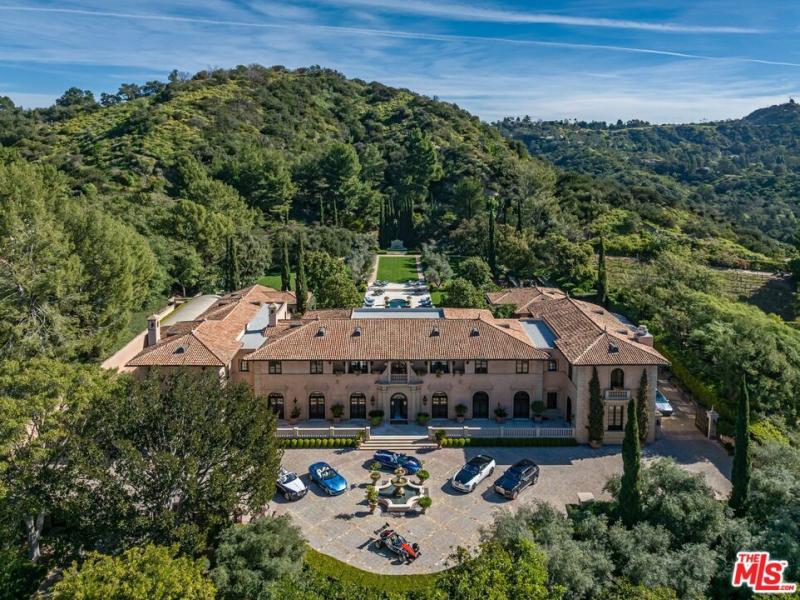
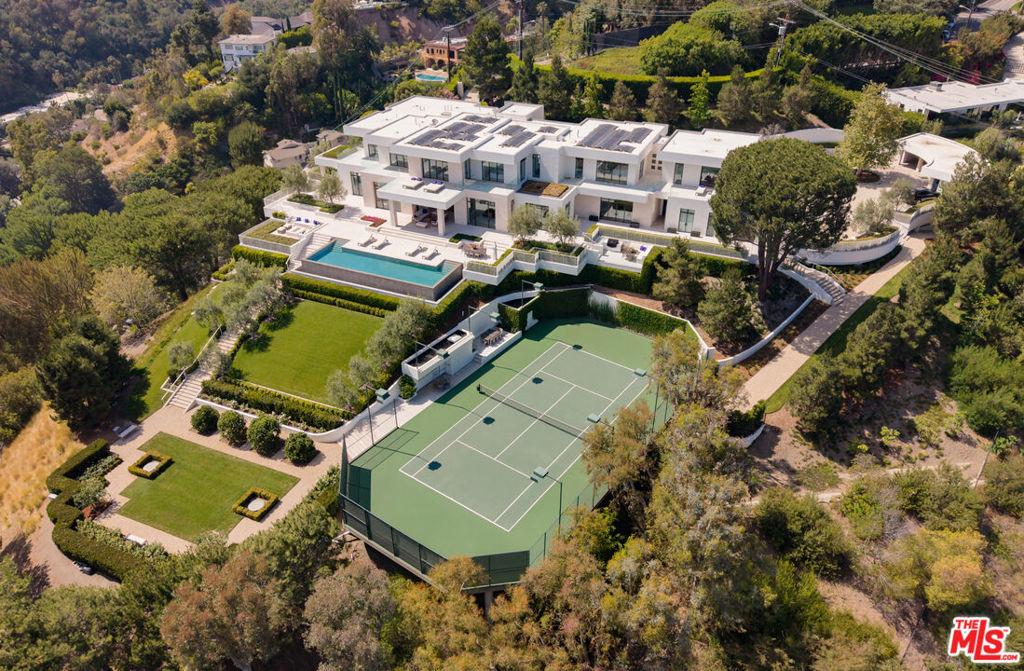
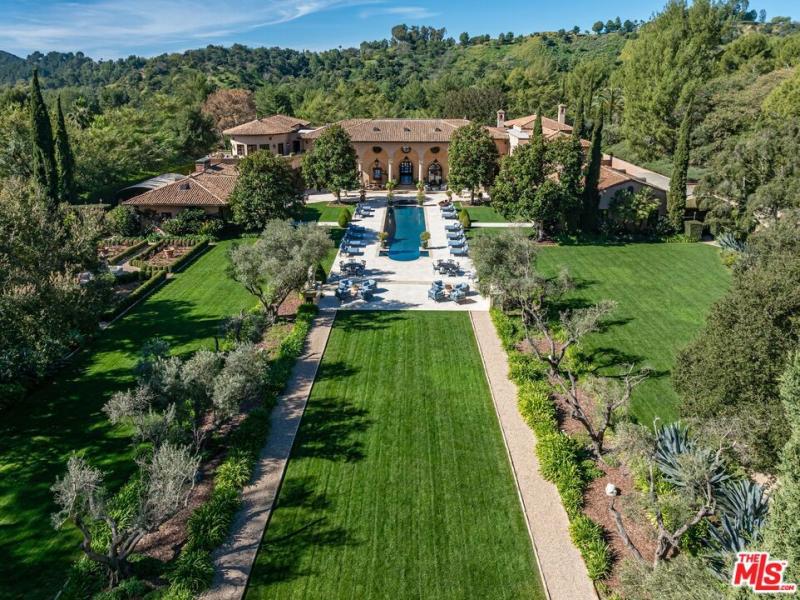
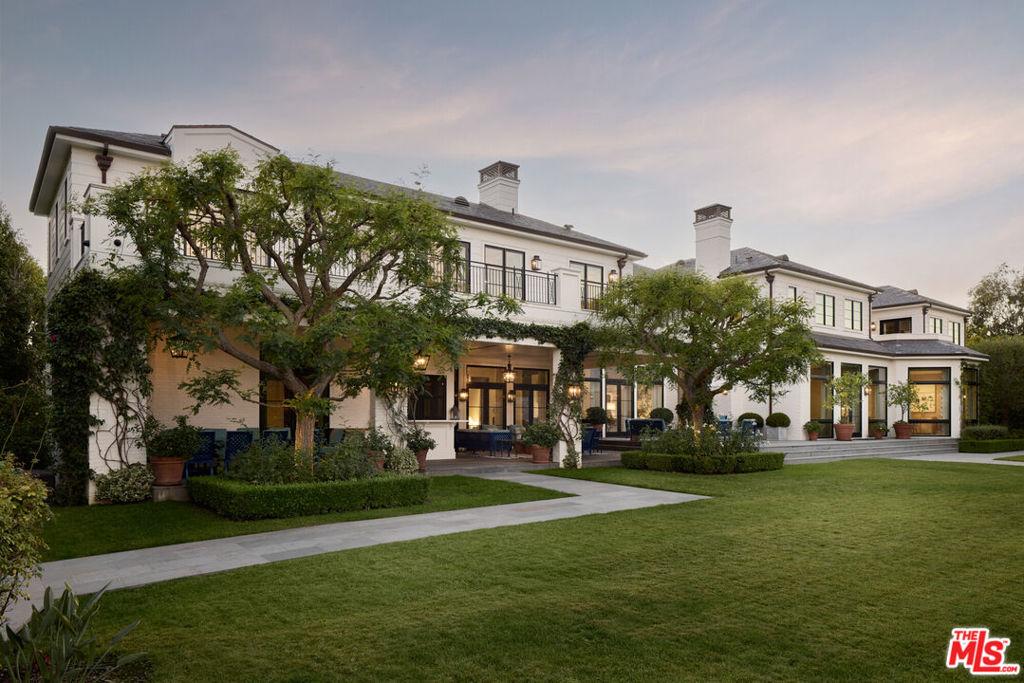
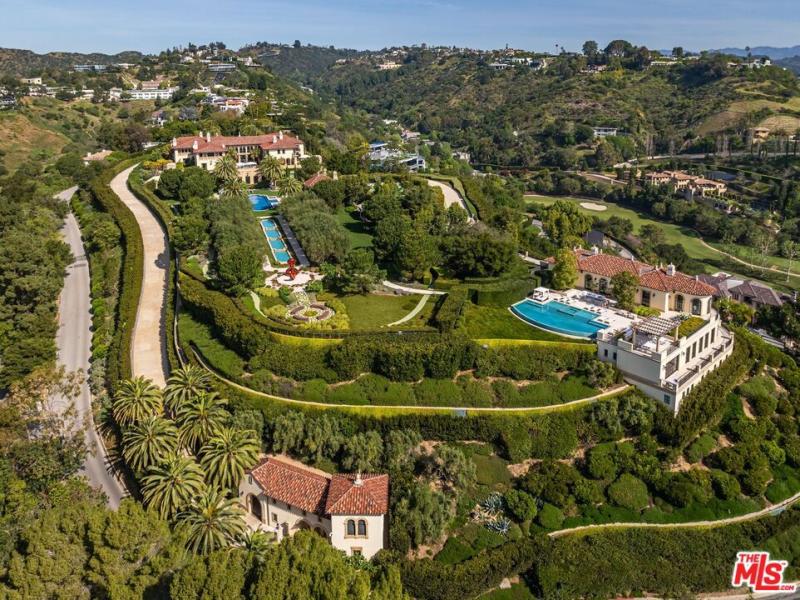
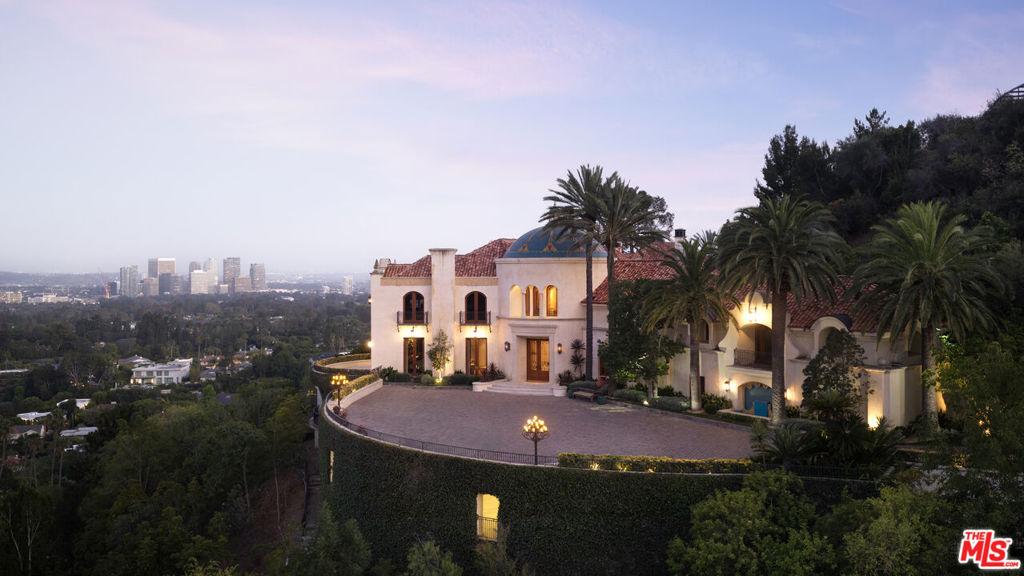
Los Angeles is one of a small number of cities where the mansion and estate market — properties above 10,000 square feet on multi-acre parcels — is large enough to be a distinct product category with its own buyer pool, marketing approach, and days-on-market characteristics. The Platinum Triangle (Beverly Hills, Bel Air, Holmby Hills), the gated communities of Calabasas and Hidden Hills, and the canyon estates of Malibu and Pacific Palisades contain the largest concentration of estate-scale residential properties in the Western US. For buyers specifically seeking estate scale at prices that are not available in equivalent East Coast markets at comparable quality and climate, the Los Angeles luxury estate market represents the deepest available inventory.

FAQs

Frequently Asked Questions: Buying Luxury Real Estate in Los Angeles

What is the price range for luxury homes in Los Angeles?

Luxury residential real estate in Los Angeles starts at approximately $2 million in established neighborhoods and extends past $100 million for the most significant trophy estates. The most active luxury tier — where buyer activity and transaction volume are highest — runs from approximately $3 million to $15 million and encompasses the widest range of neighborhoods, property types, and lifestyle configurations. At $5 million to $10 million, a buyer in Los Angeles is shopping in some of the most desirable residential markets in the world, with a range of neighborhood options that no other US city offers at comparable price points.

What are the most prestigious luxury neighborhoods in Los Angeles?

The Platinum Triangle — Beverly Hills, Bel Air, and Holmby Hills — is the most globally recognized concentration of luxury residential addresses in Los Angeles, with historic estates and contemporary trophy properties that have no equivalent in most other US cities. Beyond the Platinum Triangle, Malibu (particularly Carbon Beach and Broad Beach beachfront), Pacific Palisades, Brentwood, and the Bird Streets in Hollywood Hills are the Westside’s most consistently sought-after luxury addresses. The right “most prestigious” neighborhood for any specific buyer depends on which lifestyle factors they are prioritizing — beach access, school access, privacy and estate scale, architectural distinction, or walkable urban proximity will point to different answers.

How does the Los Angeles luxury market differ from New York or San Francisco?

The primary structural difference is the relationship between land, space, and price. In Los Angeles, a $5 million to $10 million budget can access a genuine single-family home with a yard, a pool, and privacy on a lot of meaningful size — a product type that is essentially unavailable at that price in Manhattan or prime San Francisco. The trade-off is car dependence: the scale that LA’s geography allows is predicated on automotive mobility in a way that Manhattan’s density is not. For buyers prioritizing space, privacy, and a specific lifestyle character over urban walkability, LA’s luxury market offers a proposition that is not replicated in any other major US city.

What should out-of-state buyers know before purchasing luxury real estate in Los Angeles?

Los Angeles’s neighborhood geography is more consequential for daily life than in most other cities — neighborhood selection determines commute experience, lifestyle access, school access, and social environment in ways that differ significantly from grid-pattern cities. Out-of-state buyers who base their neighborhood selection primarily on proximity to a single address (an employer, for instance) often find that the neighborhood that minimizes that commute does not align with the lifestyle they expected. The most productive approach for out-of-state buyers is to spend time in candidate neighborhoods across multiple days and times of day — weekend mornings, weekday rush hour, Friday evenings — before making a purchase commitment based on weekend visits alone. The Knight Group works with out-of-state buyers on neighborhood education as a first step in the process, before property evaluation begins.

Is Los Angeles real estate a good investment?

Los Angeles residential real estate — particularly in the Westside and coastal luxury markets — has delivered long-term appreciation that reflects the structural demand factors specific to the market: entertainment industry income generation, geography-constrained supply in the most desirable areas, and persistent international buyer interest. Short-term performance varies with broader economic cycles and interest rate environments, as it does in any market. The long-term investment case for LA luxury real estate is strongest in neighborhoods with the most structural constraints on supply — Malibu beachfront, Beverly Hills, Pacific Palisades — where geography or regulatory limits make significant supply addition impossible. Less constrained areas can see shorter-term pricing pressure when new construction supply enters the market.

What are gated communities in Los Angeles and are they worth the premium?

Los Angeles has a significant number of guard-gated luxury communities, concentrated primarily in the Valley (Calabasas, Hidden Hills, Encino) and in the Westside hillside areas (Bel Air Crest, Mulholland Estates, Mountain Gate). These communities provide 24-hour guard or camera-monitored gate access, private street maintenance, and in some cases shared amenity infrastructure (clubhouses, tennis, pools). The premium for gated community addresses in LA — typically 10-20% above comparable non-gated properties in adjacent areas — reflects a genuine lifestyle preference among buyers who specifically value the privacy, security consistency, and neighbor-concentration of other gated-community residents that these properties provide. The right answer depends on whether the specific lifestyle values of gated community living align with the buyer’s priorities.

Hey, You ALMOST MISSED IT!

Lucky for you we’re looking out.
Subscribe to this Custom Search to be alerted when new properties hit the market in the area.

Choose the frequency that works for you.

get alerts

[showcaseidx_contact]